Standard Sizes Look Lost Under Your Vaulted Ceiling

Add us as a preferred source to see more stories on Google.
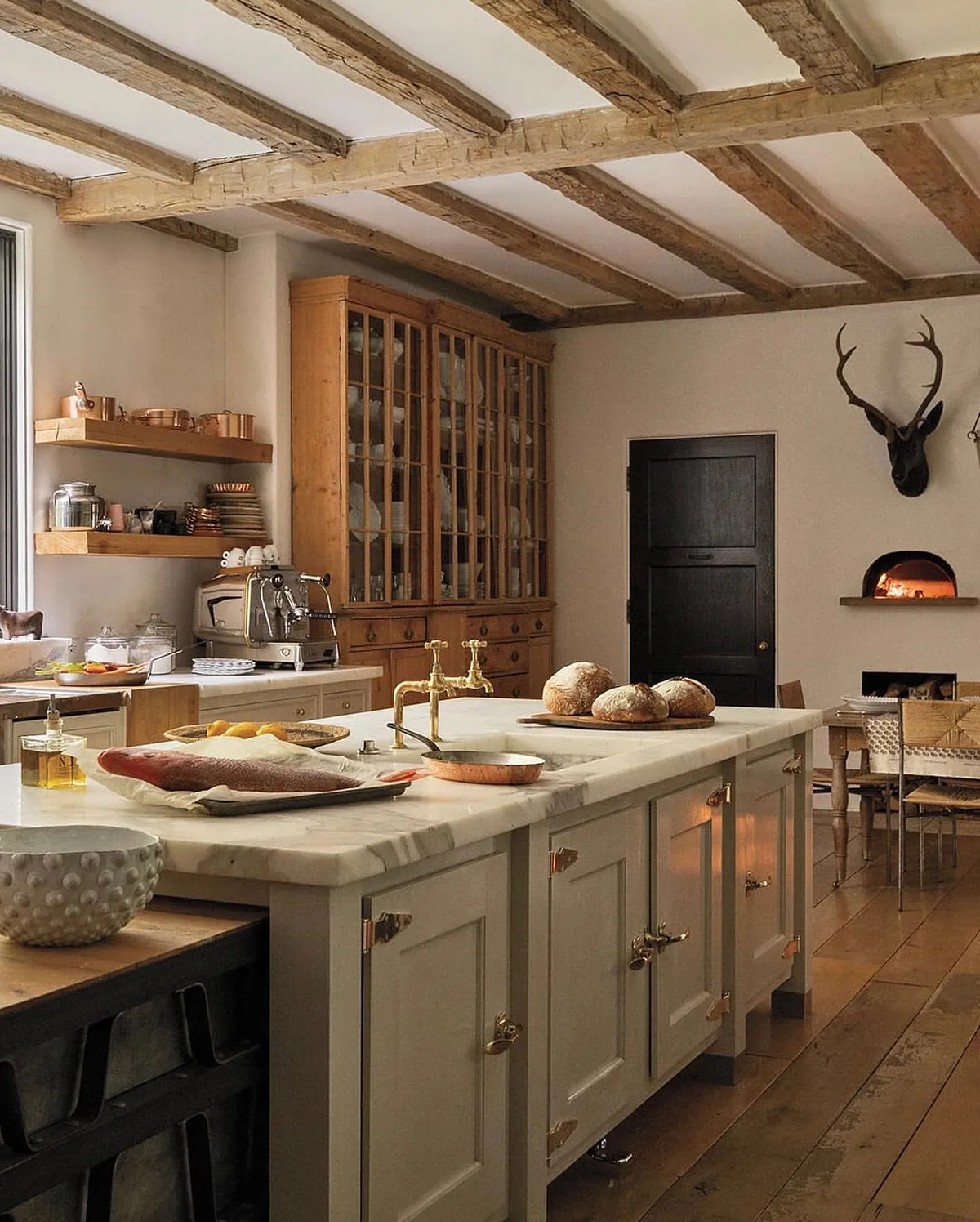
Your pendant looks lost. Your island looks stranded. Nothing’s wrong with either piece.
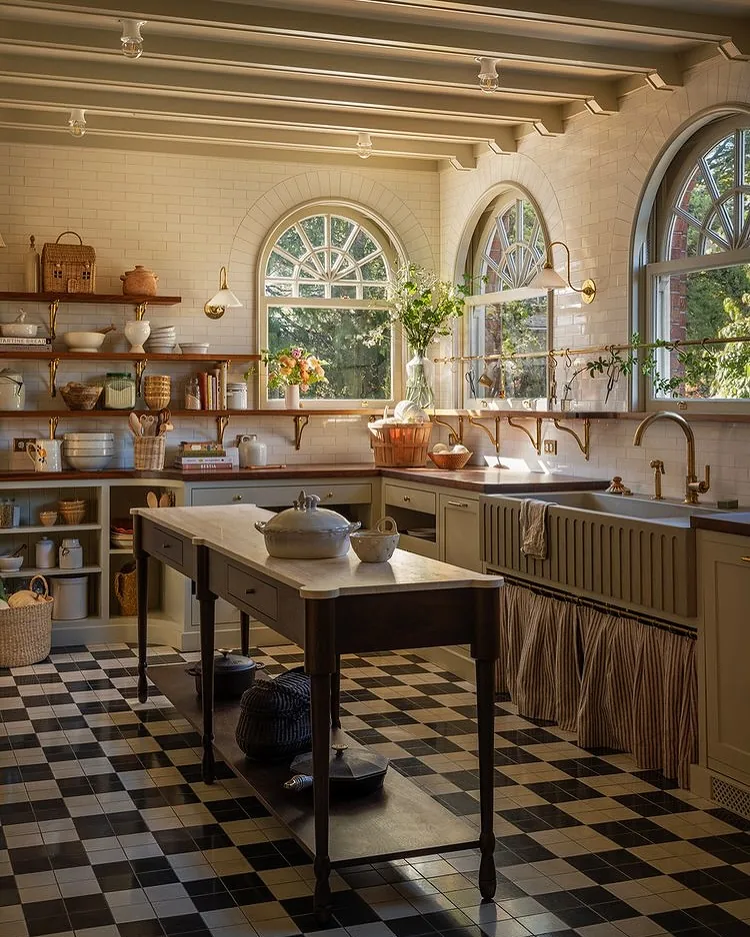
Volume did it. Fourteen feet of air dwarfs everything sized for eight-foot rooms, and standard fixtures in vaulted spaces read as dollhouse furniture however much they cost. These beamed & vaulted ceiling kitchens punish standard sizes relentlessly. The room isn’t too big. Everything in it is too small.
Scale is the entire game overhead. Size islands, pendants and beams to the volume, light the height deliberately, and vast turns gracious instead of echoing.
Scale everything to the volume
You’ll shop with ceiling height on the tag. Three ideas defeat the dollhouse effect.
Island generously or drown visibly
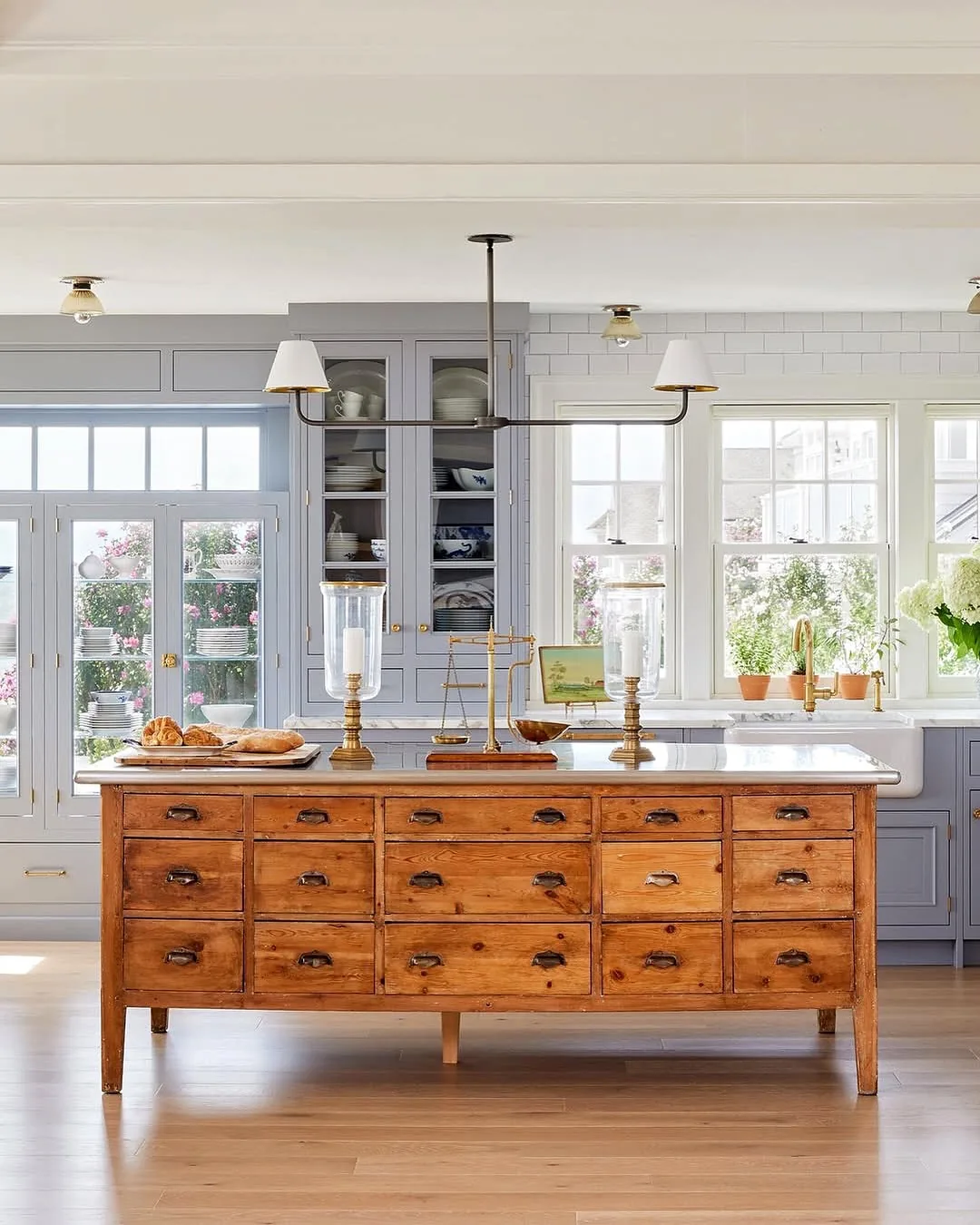
Small islands vanish under vaults. You’ll stretch the island long and deep enough to hold the floor: seating for four minimum, presence from every doorway. The island is the room’s anchor, and anchors must weigh proportionally to their rooms.
You’ll also ground it visually with a contrasting base color or furniture detailing. You’ll photograph the taped island from the doorway at standing height, since photos expose drowning that hopeful eyes forgive. You’ll mock island dimensions with boxes before ordering cabinets, since empty floors lie about scale while cardboard tells the truth. A pale island floating in volume reads as a raft. When the island holds its own against fourteen feet of air, the whole plan settles. Undersized islands make grand rooms feel accidental rather than designed.
Beam substantial or skip entirely
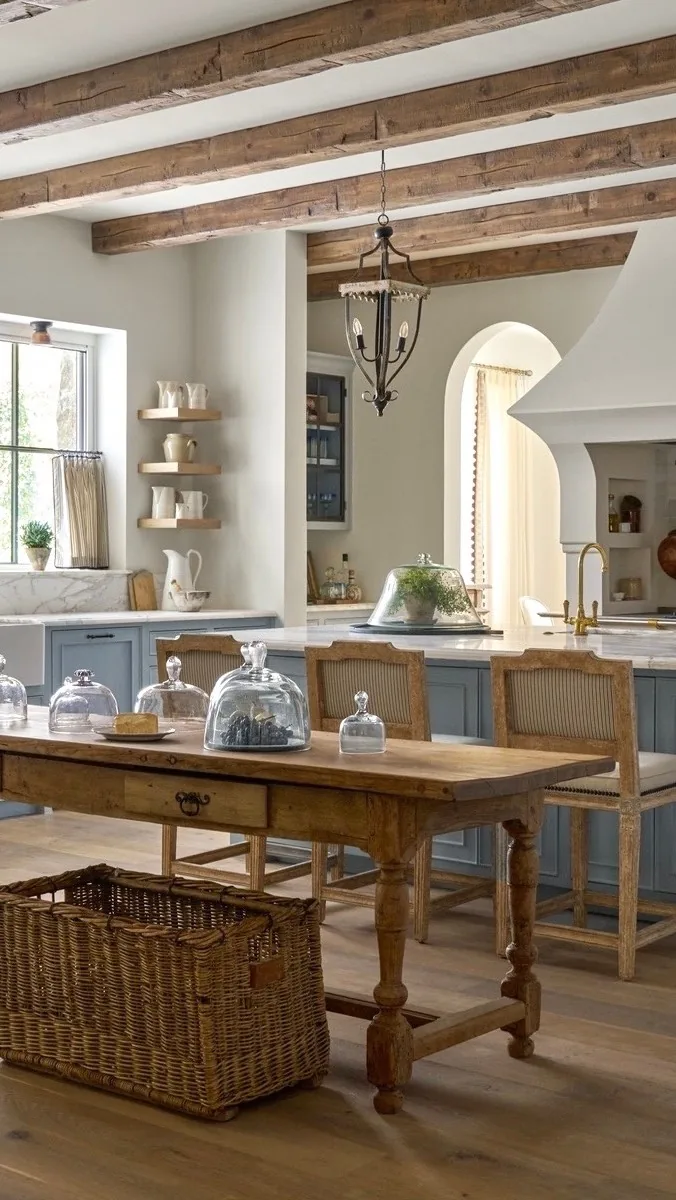
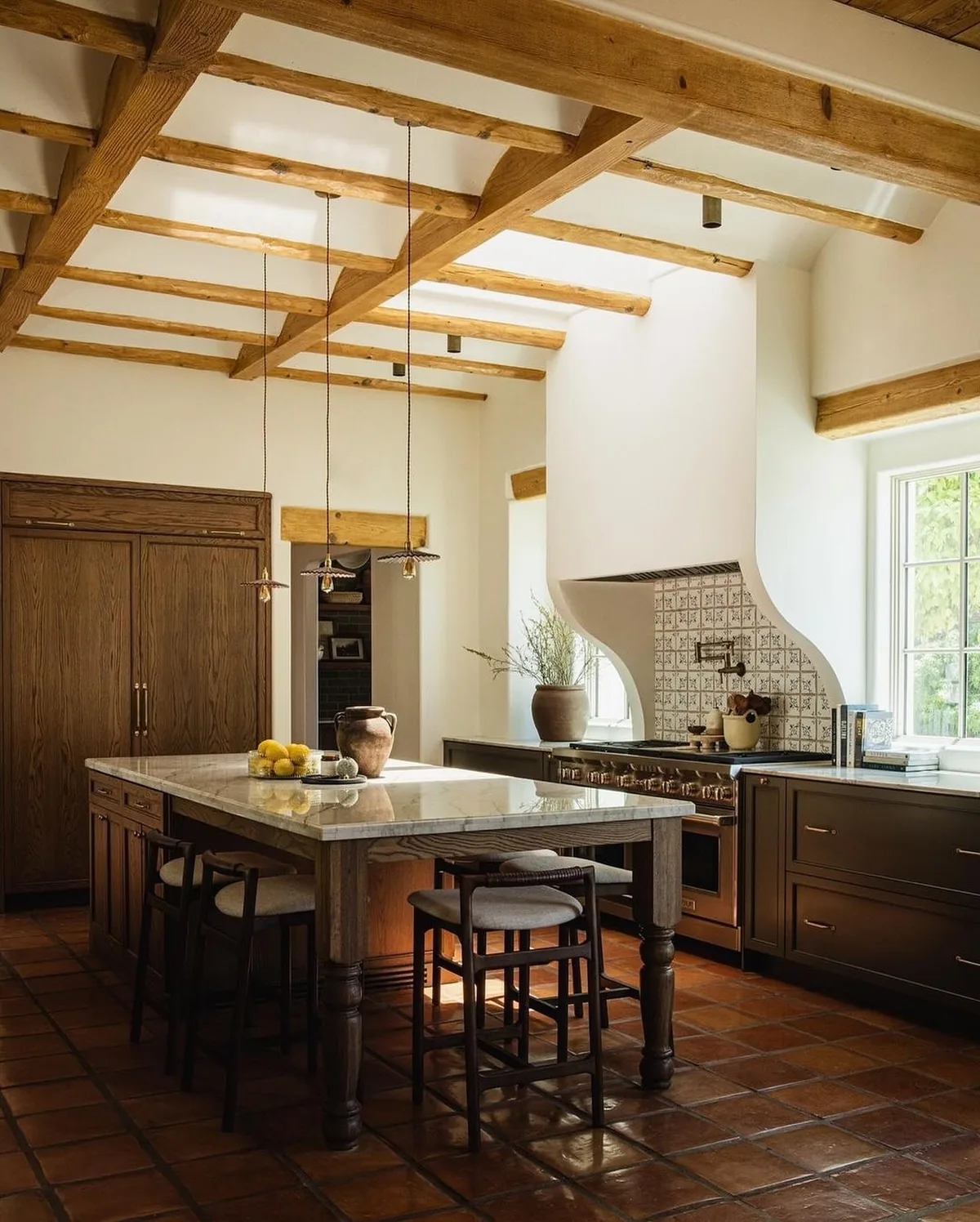
Skinny decorative beams insult vaulted volume. You’ll size timbers to read structural, deep enough to cast real shadows, spaced rhythmically across the span. Substantial beams break vast ceilings into bays the eye can measure.
You’ll match beam tone to the room’s wood story deliberately. You’ll mock one beam in cardboard at full depth before ordering timber, since flat drawings lie about mass. You’ll stain samples at full beam size first, since small sticks mislead about mass badly. Reclaimed roughness suits farmhouse volume. Smooth dark stain suits modern height. When beams carry genuine visual weight, ceilings feel crafted. Toothpick strips glued to drywall read as apologies visible from everywhere below.
Pattern the ceiling plane deliberately
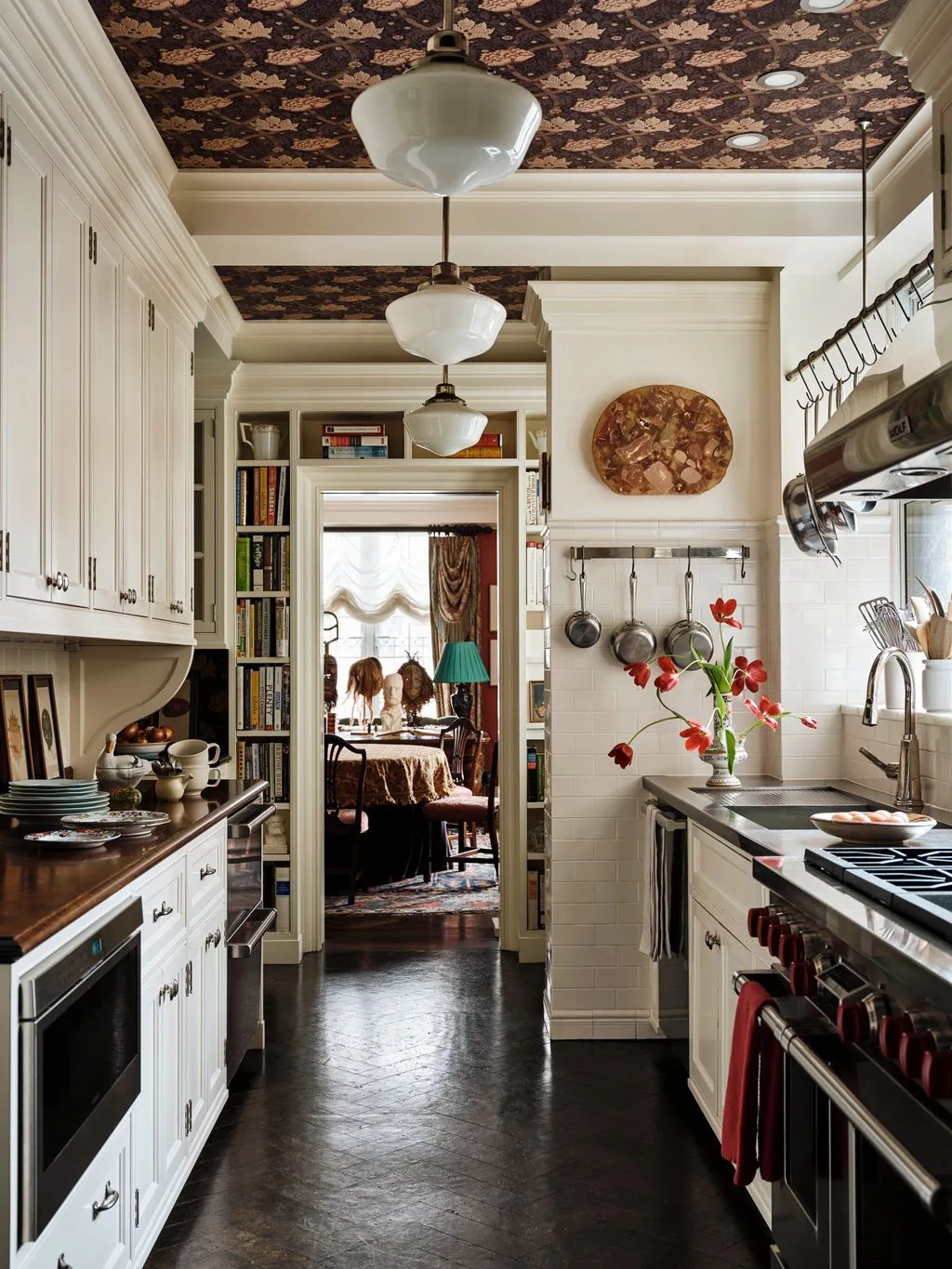
Vast flat drywall overhead wastes the room’s best surface. You’ll treat the fifth wall: tongue-and-groove boards, subtle pattern, or warm white distinct from wall color. Patterned ceilings hold volume the way rugs hold floors.
You’ll keep the treatment quiet enough to live under daily. You’ll test ceiling color with large painted boards hoisted temporarily, since small swatches vanish overhead. Bold ceiling patterns overwhelm faster than bold walls, since escape from overhead is impossible. When the ceiling carries gentle interest, the room feels finished at every glance upward. Blank vaults echo visually however full the floor stands.
Light the height in layers
Distance eats lumens relentlessly. Two ideas put light where cooks stand.
Hang pendants to the counter, never the ceiling
Pendant height measures from stone, not from rafters. You’ll hang fixtures 30 to 36 inches above the island regardless of fourteen feet above them, using long rods or chains without embarrassment. Light must reach work, not decorate air. You’ll confirm rod lengths before ordering fixtures, since standard kits stop short of vaulted drops. For more rooms where scale rules everything, browse our kitchen ideas hub.
You’ll oversize shades generously since distance shrinks everything visually. Dinky pendants on long cords read as spiders descending. When big fixtures pool light exactly where prep happens, the volume above becomes atmosphere instead of obstacle. Counter distance rules, ceiling height watches.
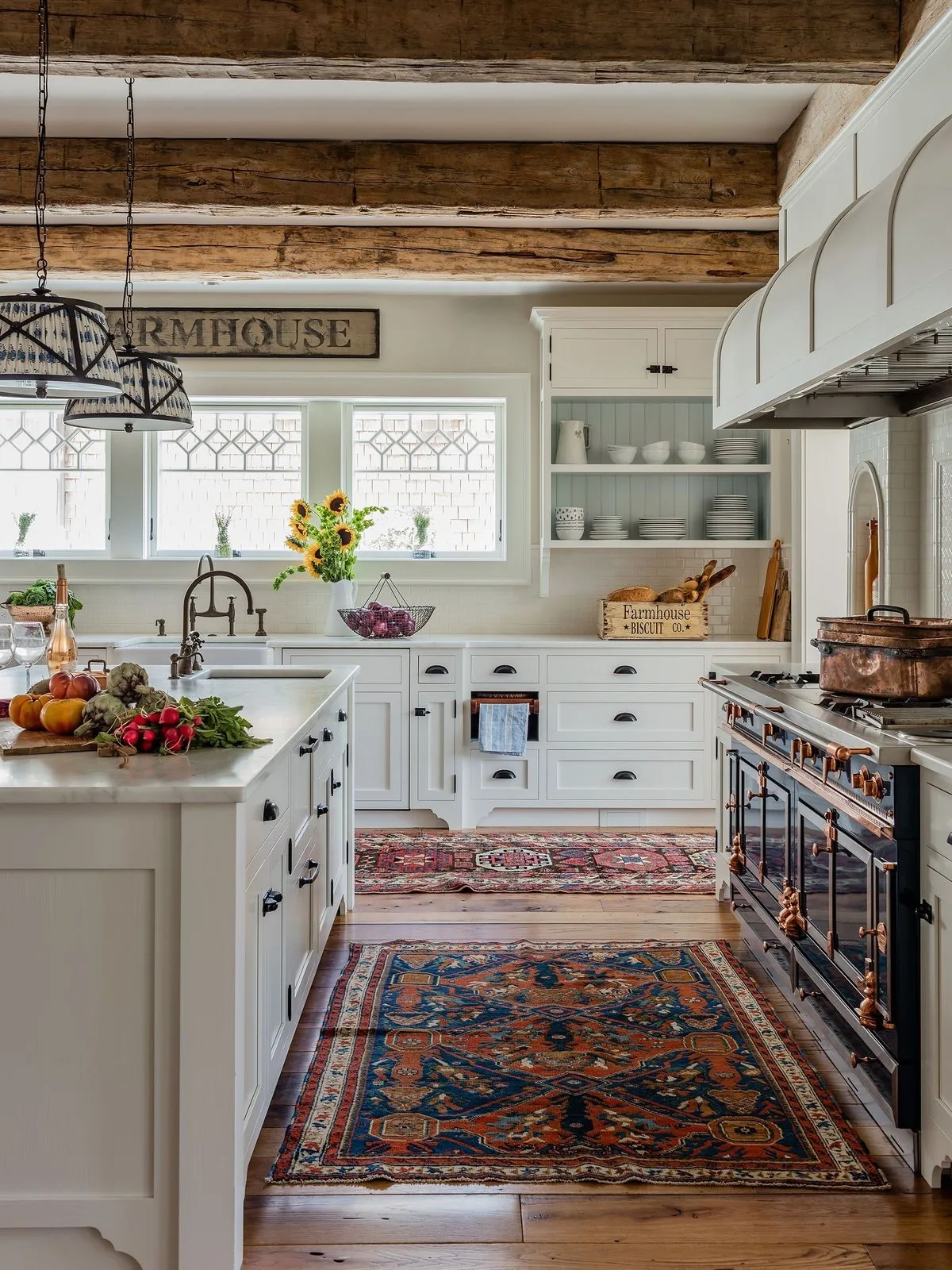
Judge beamed & vaulted ceiling kitchens by their shadows at dinner
Overhead spots alone flatten volume into glare. You’ll layer wall sconces, under-shelf strips and dimmable pendants so evenings drape the height in shadow and glow. Vaults live or die after dark, when volume turns either magical or cavernous.
You’ll dim everything separately, since one brightness never suits volume day and night. You’ll put every layer on dimmers during rough-in, since retrofitting controls into finished vaults costs triple. Bright for prep, low for lingering. When shadows gather deliberately overhead while tables glow below, vast rooms feel intimate. Flat full-bright makes cathedrals feel like warehouses.
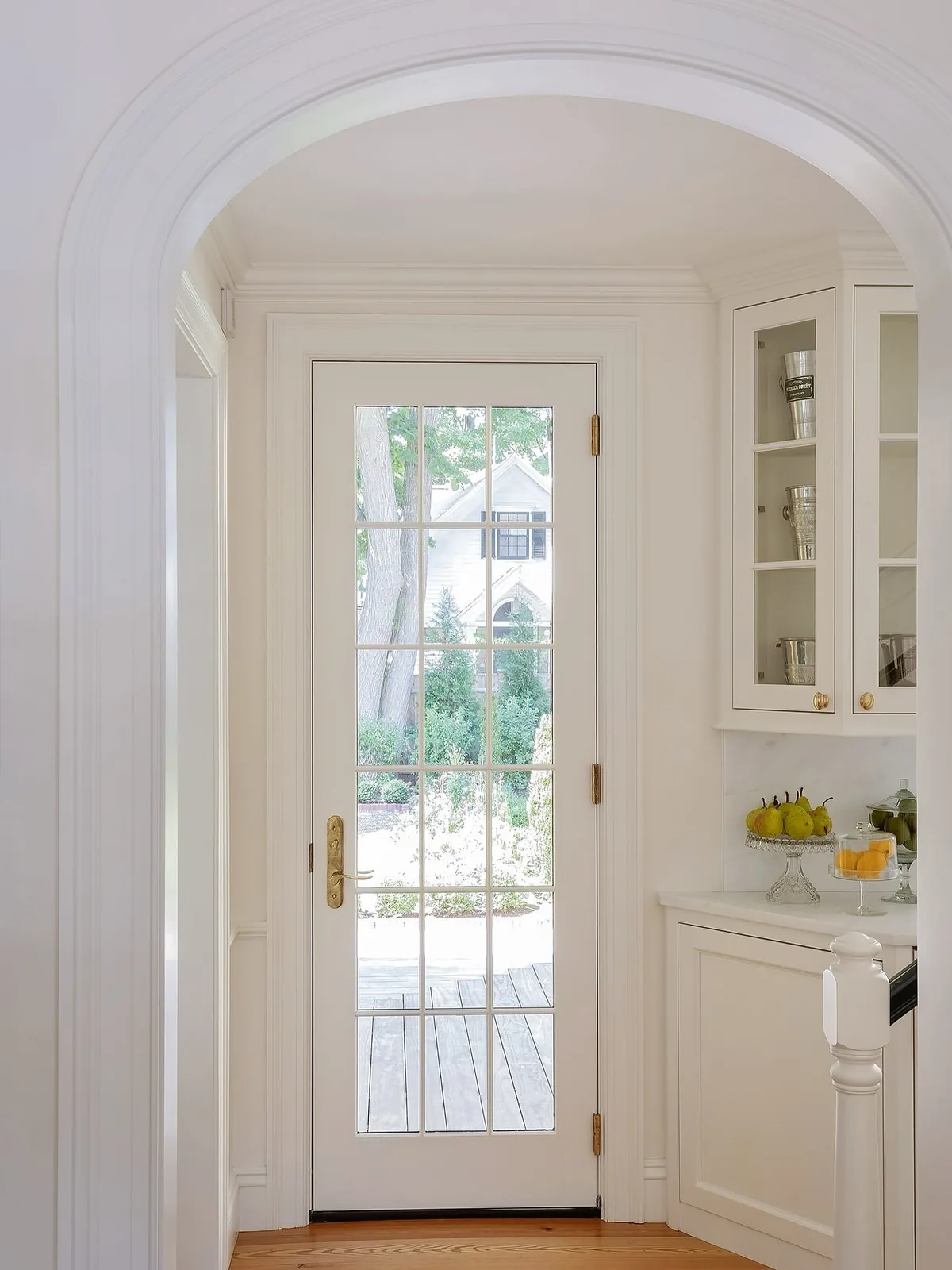
Bridge high and human scales
Middle heights connect floor life to ceiling drama. Two ideas span the gap.
Arch the transitions between zones
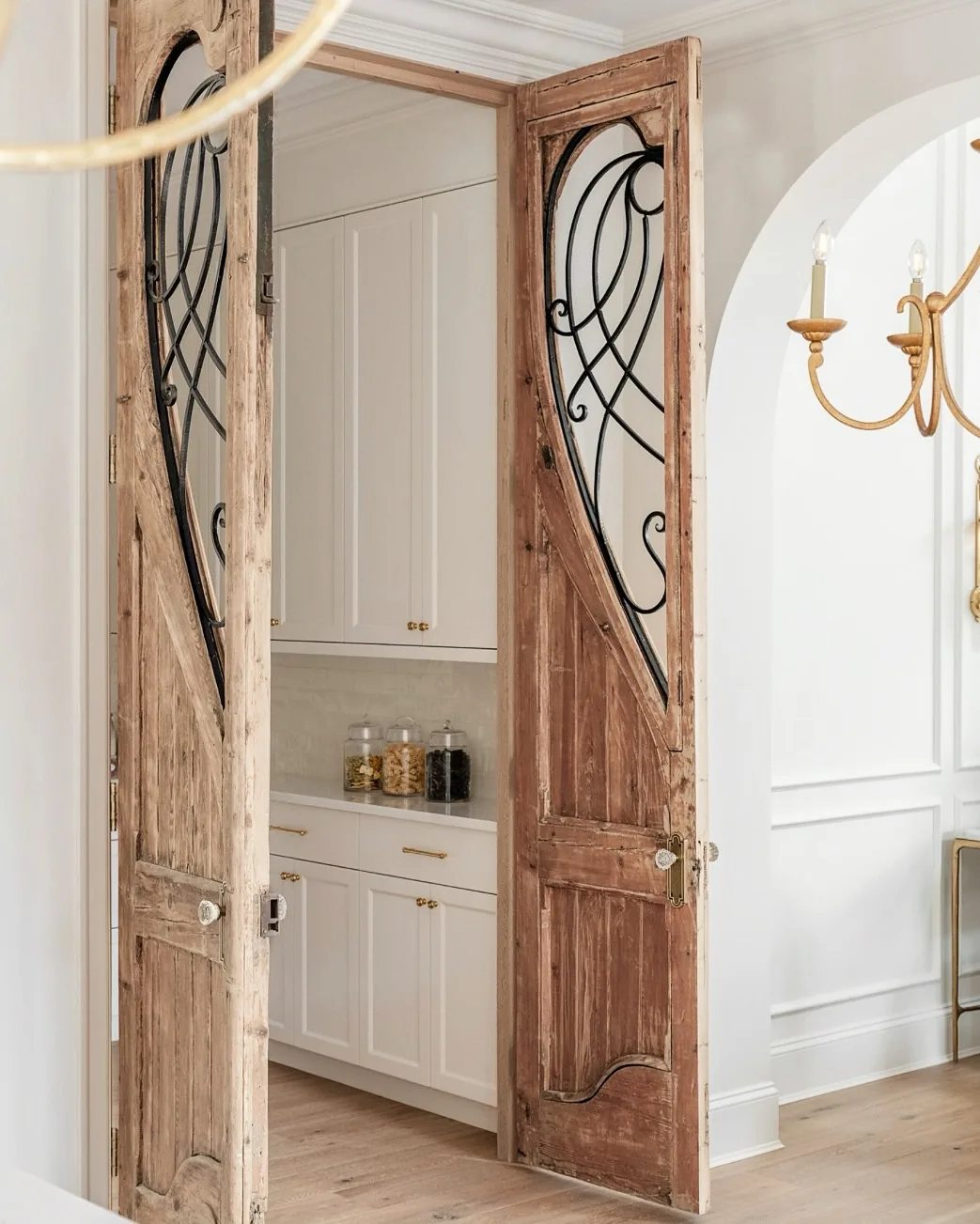
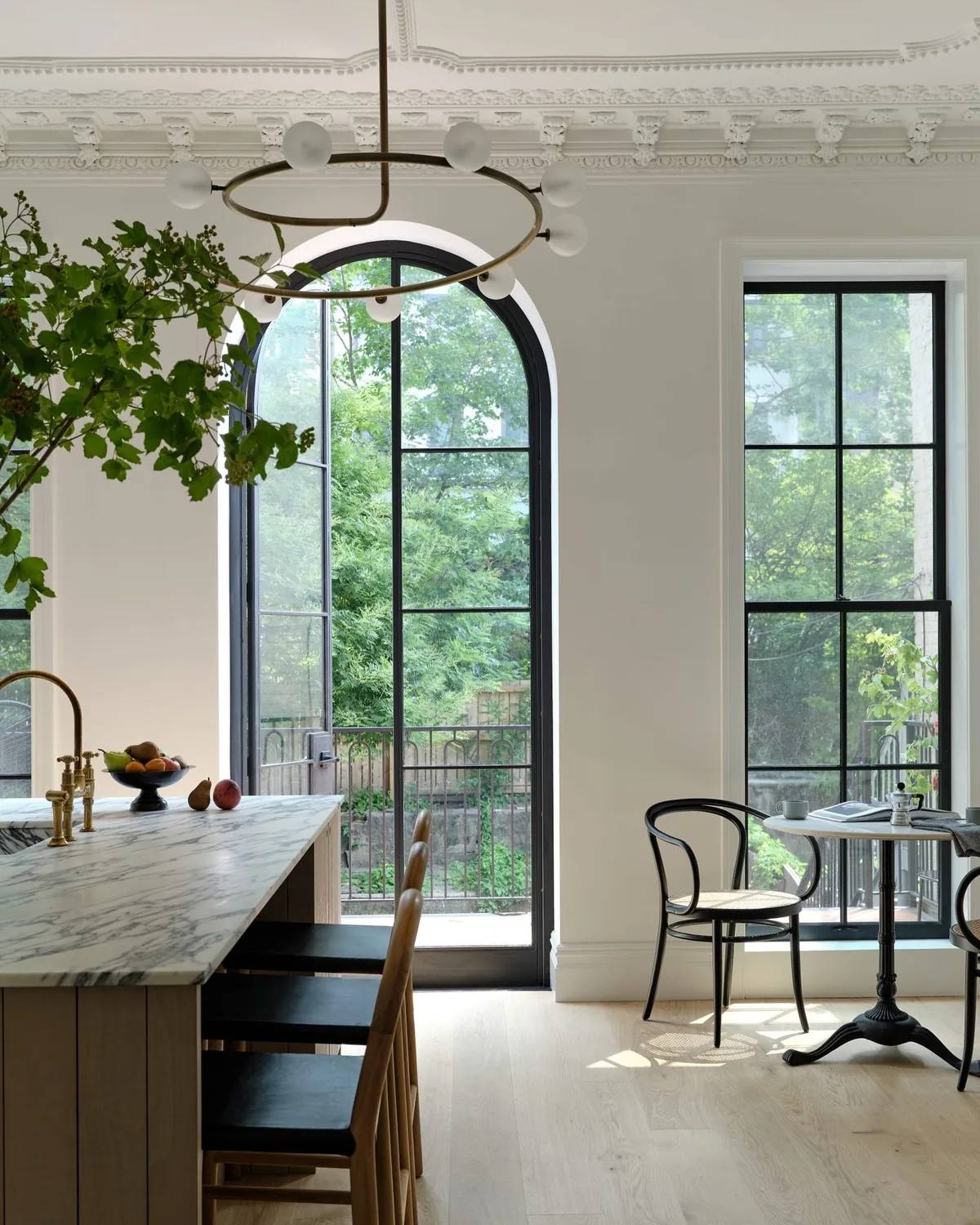
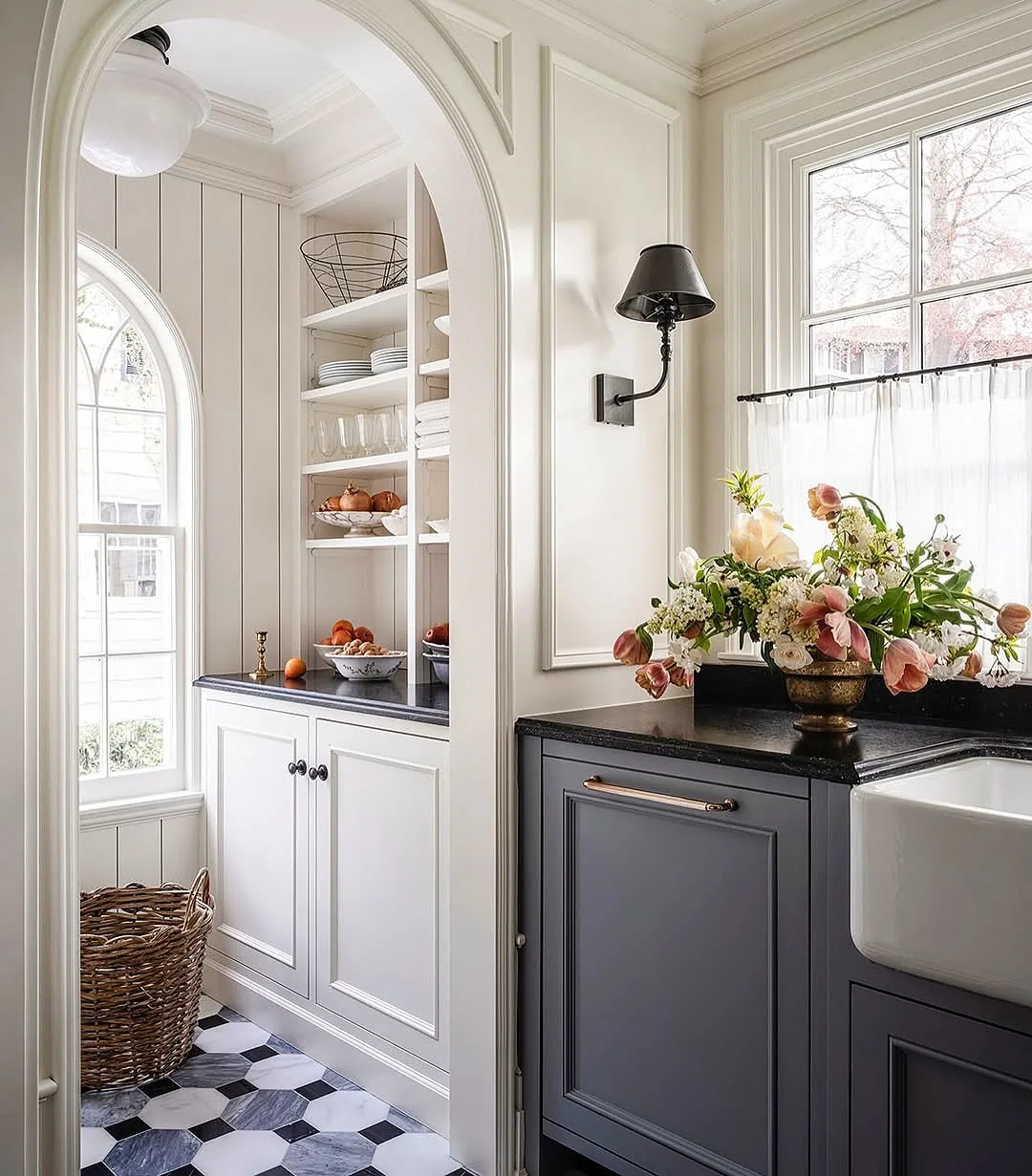
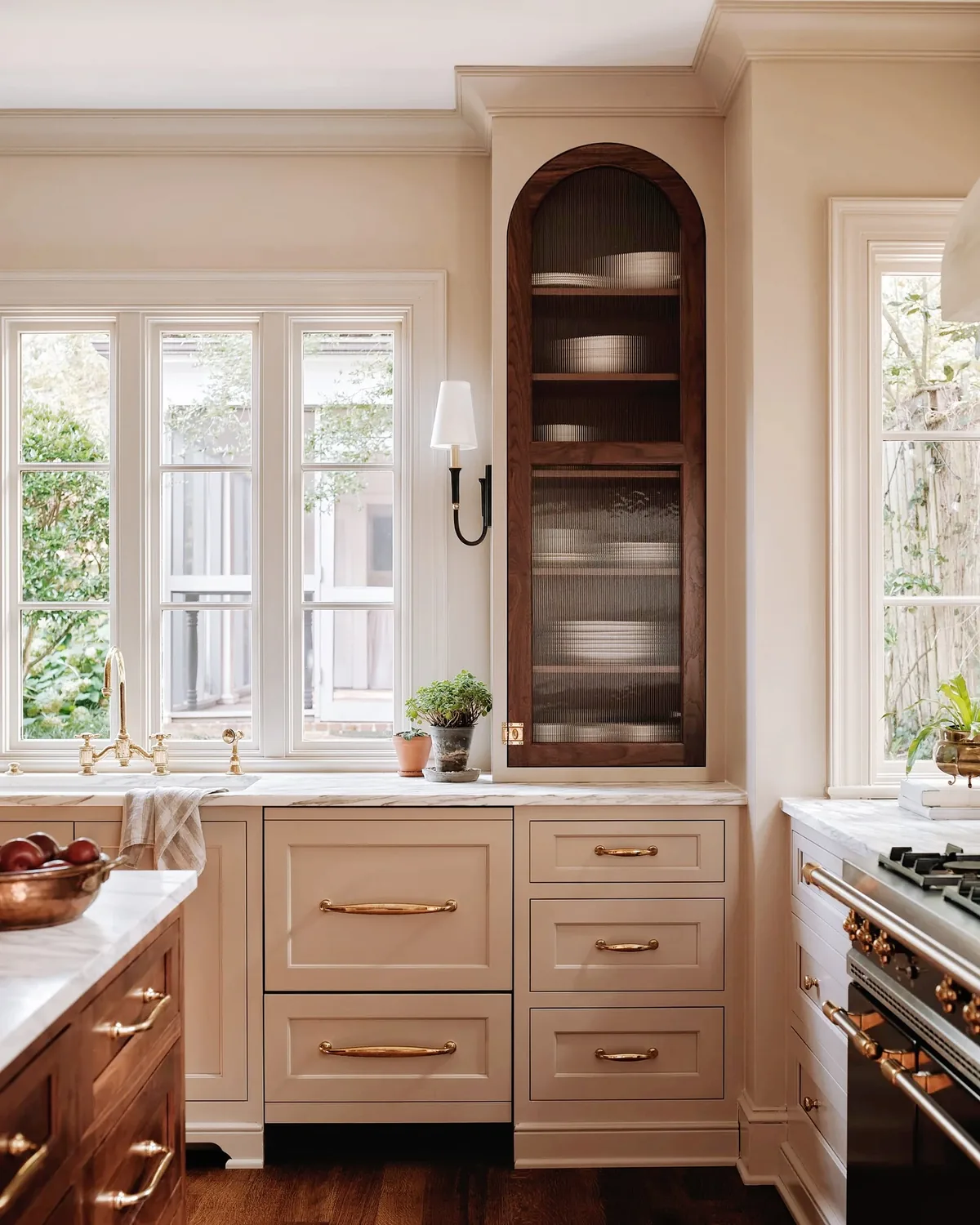
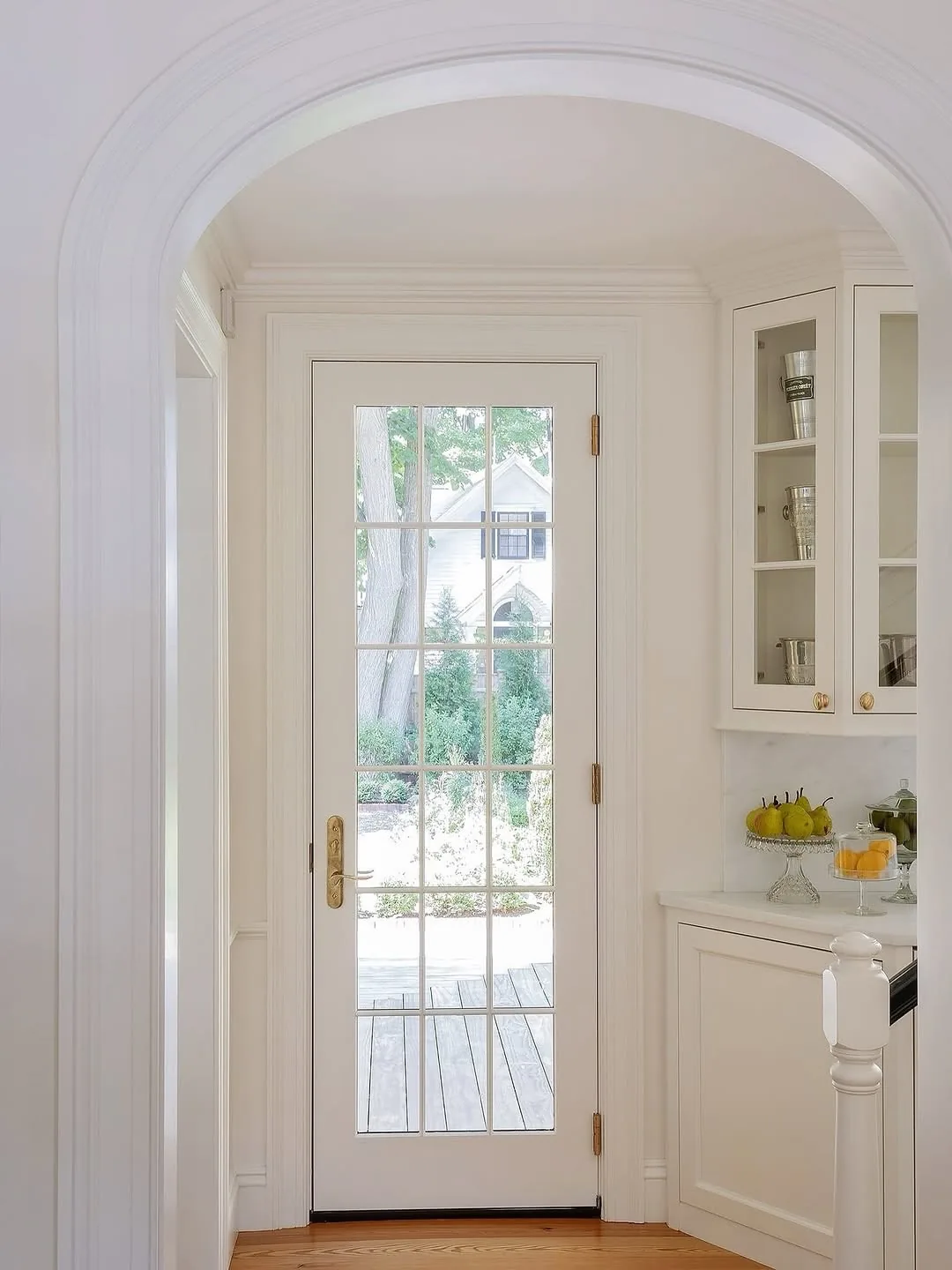
Arched doorways, range alcoves and window heads soften volume’s geometry. You’ll echo one arch shape in two or three transitions so the curve reads as language, not accident. Arches slow the eye pleasantly on its way up.
You’ll keep arch trim simple and substantial. You’ll repeat the arch in range hood trim or window heads so the curve reads as language rather than accident. Fussy moldings fight volume while clean curves ride it. When openings arch consistently, rooms flow instead of stacking. Rectangles everywhere under curves nowhere wastes the vault’s sculptural gift.
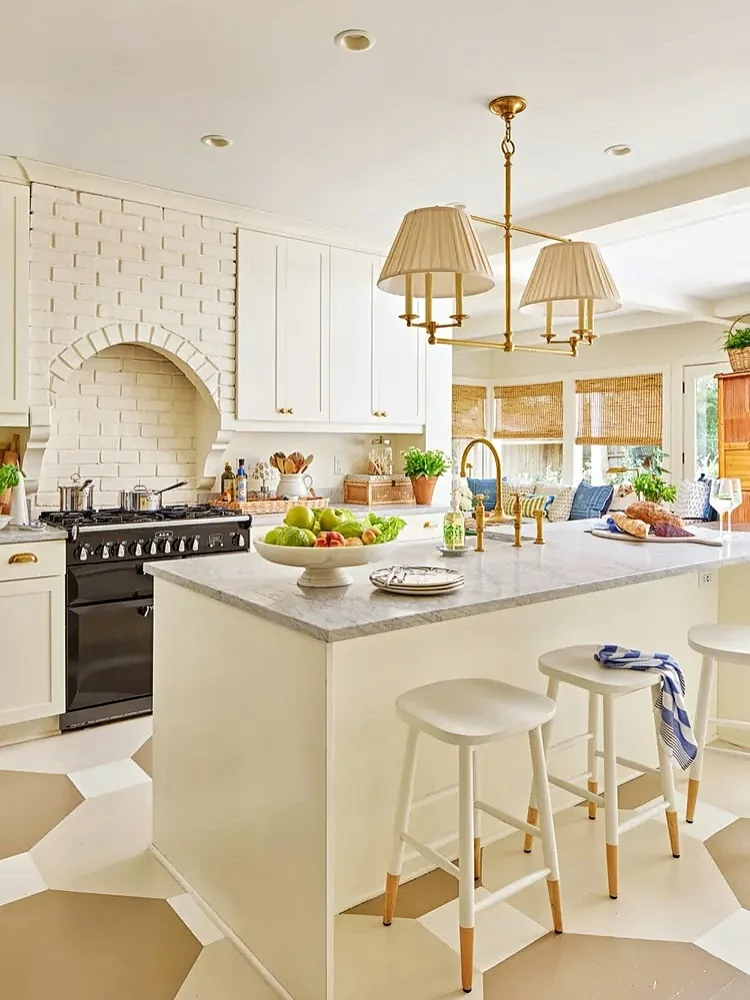
Run the range wall to the ridge
Tall range walls beg for vertical treatment. You’ll extend tile, plaster or brick from counter to beam uninterrupted, giving the eye a finished journey upward. Stopping backsplash at cabinet height strands the upper two-thirds unfinished.
You’ll choose materials that love height: handmade tile catching raking light, warm plaster glowing, brick adding weight. You’ll extend backsplash tile behind the range all the way up first, since that vertical stripe anchors the composition. When the cooking wall climbs completely, the vault feels designed rather than merely tall. Dead air above a stubby backsplash reads as forgotten square footage.
Vaulted done right versus dollhouse scale at a glance
| Scaled to volume | Standard sizes | |
|---|---|---|
| Island | Long, deep, grounded | Lost raft adrift |
| Pendants | Oversized, counter-hung | Dinky spiders |
| Beams | Structural-looking rhythm | Toothpick apologies |
| Light | Layered, dimmed separately | Spots alone, flat glare |
| Walls | Tile runs to beams | Backsplash stubs out |
| Verdict | Gracious volume | Echoing dollhouse |
The Vaulted Kitchen Formula
Seven ideas resolve into six rules for height:
- Island anchors. Long, deep and grounded enough to hold the floor.
- Beams read structural. Deep timbers in rhythm, never decorative strips.
- Pendants meet counters. Thirty to 36 inches above stone whatever looms.
- Light layers separately. Spots, sconces and pendants dimmed apart.
- Walls climb fully. Tile, plaster or brick runs to the beams.
- Arches echo twice. Curves as language across transitions.
Build to the volume and vast turns gracious. Height becomes the luxury it promised instead of the echo it threatened.
Frequently Asked Questions
How do I light a vaulted kitchen ceiling?
You’ll layer spots for ambient, oversized pendants 30 to 36 inches over counters, plus sconces for evening. Distance eats lumens, so brighter fixtures and separate dimmers carry the height after dark. These beamed & vaulted ceiling kitchens size every timber and lumen to volume, never to habit.
How big should beams be in a vaulted kitchen?
You’ll size them to read structural, deep enough for real shadows in steady rhythm. Skinny strips insult volume while substantial timbers craft it. You’ll walk the room after mocking, judging rhythm from every doorway, and you’ll adjust spacing until calm reads from each one. Match tone to the room’s wood story deliberately.
Do vaulted ceilings make kitchens cold?
You’ll find heat rises, so ceiling fans on winter mode push warmth back down. Pendant and task lighting add little heat while bodies and cooking warm air that volume holds. Volume costs some energy, repays in daily pleasure.
Should kitchen cabinets go to the ceiling?
You’ll run tall units or stacked cabinets where volume allows, avoiding dust-collecting gaps. You’ll cap tall runs with matching panels for a finished crown, since open dust gaps above fourteen feet never get cleaned. Open space above standard uppers wastes the height entirely. Let storage climb with the architecture.
Are vaulted ceilings expensive to add?
You’ll budget structure first since ridges need engineering, not just drywall removal. Beams, lighting and tall finishes follow. Vaulting existing flats costs seriously, so new builds carry it cheapest.
How do I decorate a tall kitchen wall?
You’ll run tile, plaster or art to the beams instead of stopping at cabinet height. One vertical treatment beats scattered small pieces lost in volume. Arches echoing twice count as decoration too.
This article may contain affiliate links. We may earn a commission at no extra cost to you.