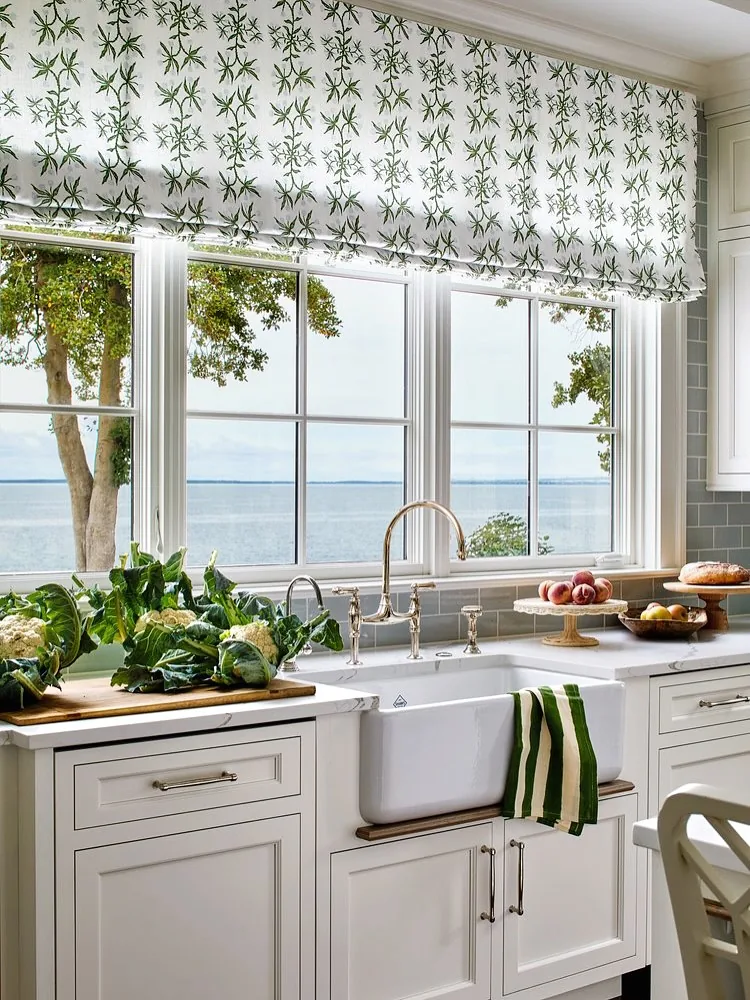
Build Your Vintage Kitchen Around One Real Find

Add us as a preferred source to see more stories on Google.
Count the decades in your kitchen tonight. Three or more means you’re running a shop, not a kitchen.
Vintage fails through accumulation, not intention. A 1930s stove beside 1970s canisters under a 1950s clock doesn’t read collected. It reads undecided, because every era argues and none wins. Meanwhile one genuine 1940s hutch in an otherwise honest kitchen convinces completely.
The rule is brutally simple. One era leads, one genuine piece proves it, everything electrical gets professional help. These vintage & antique kitchen ideas hold that line, and skip any clause and the decades start arguing nightly.
Anchor with genuine age
You’ll buy real years, never simulated ones. Three ideas source authenticity.
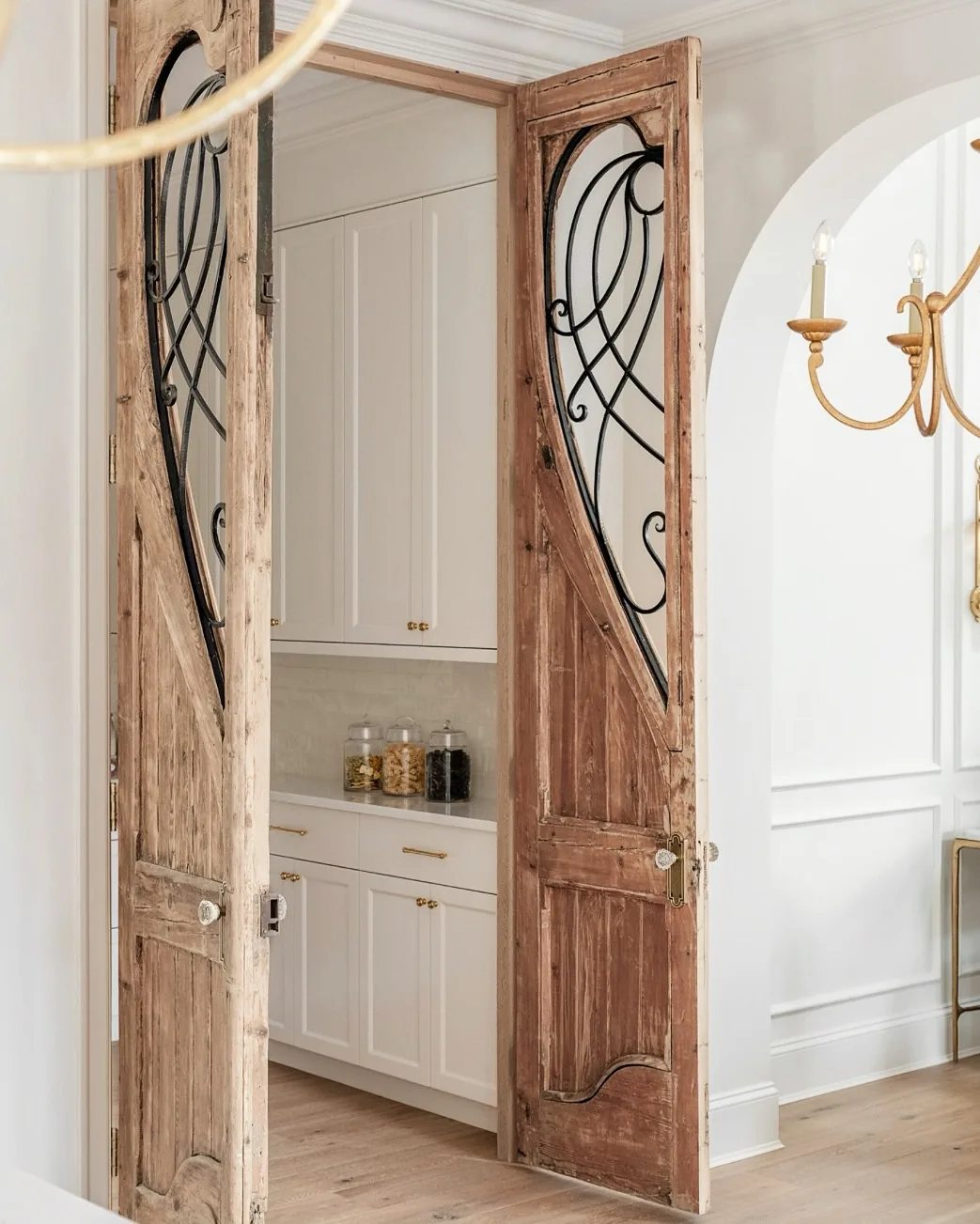
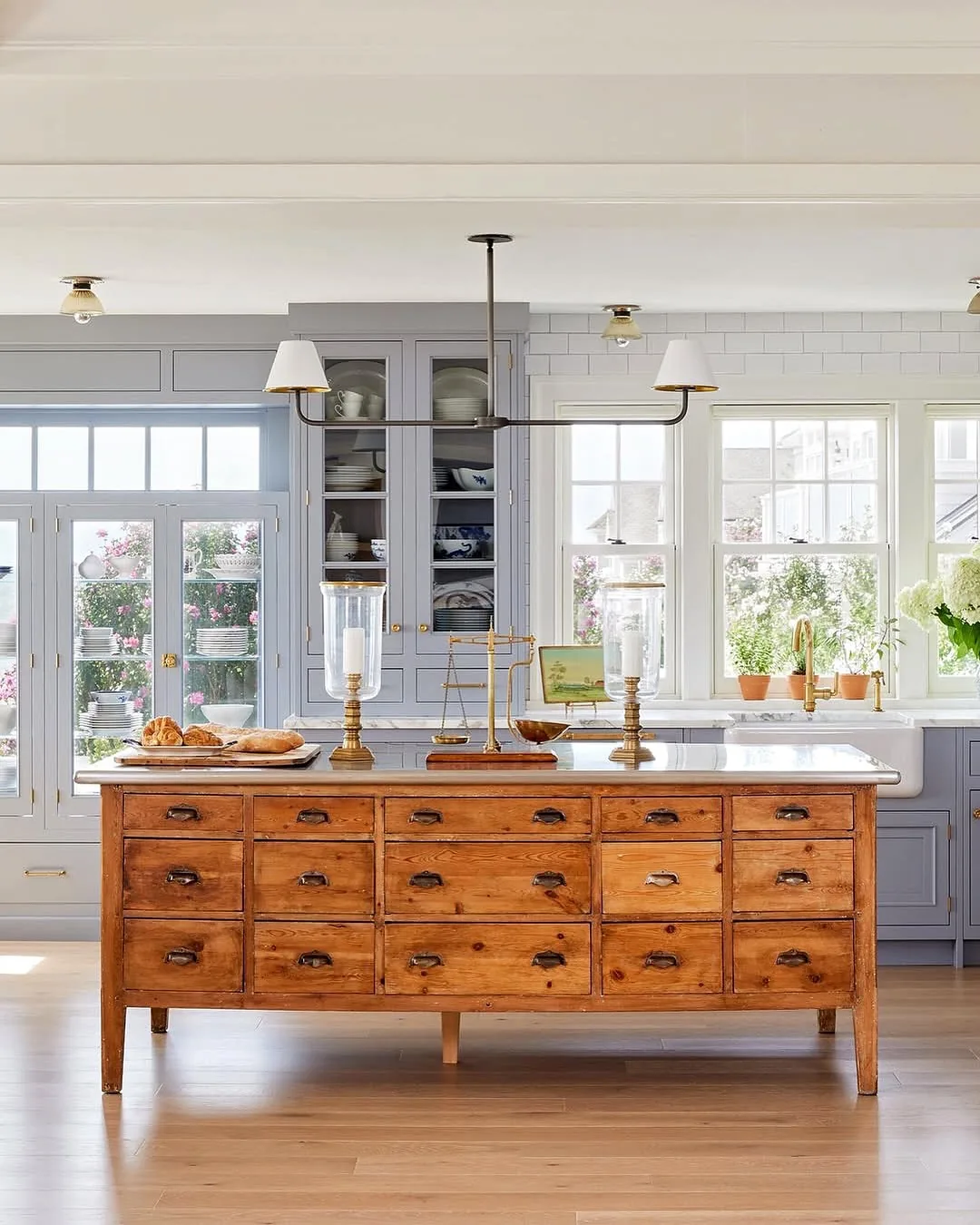
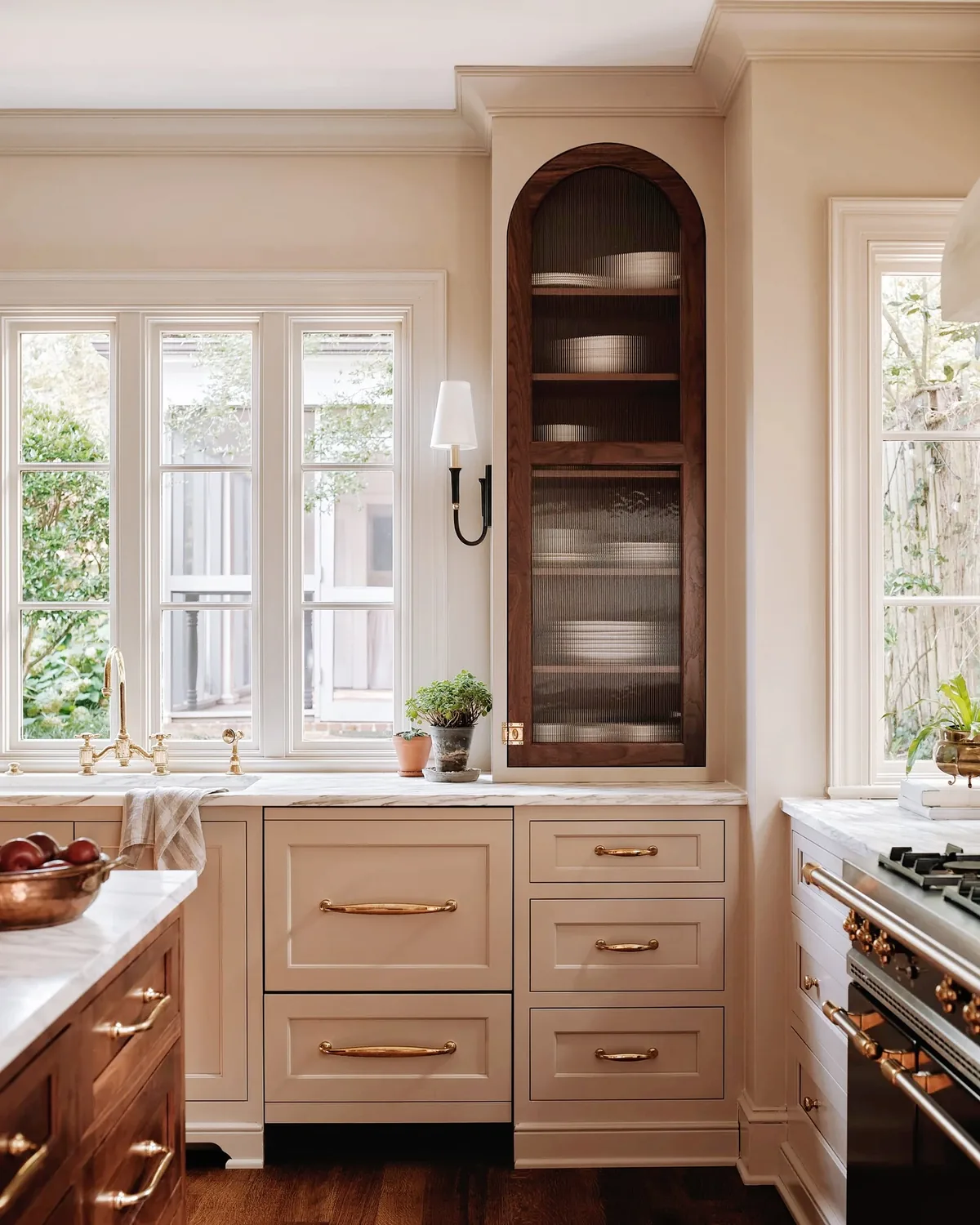
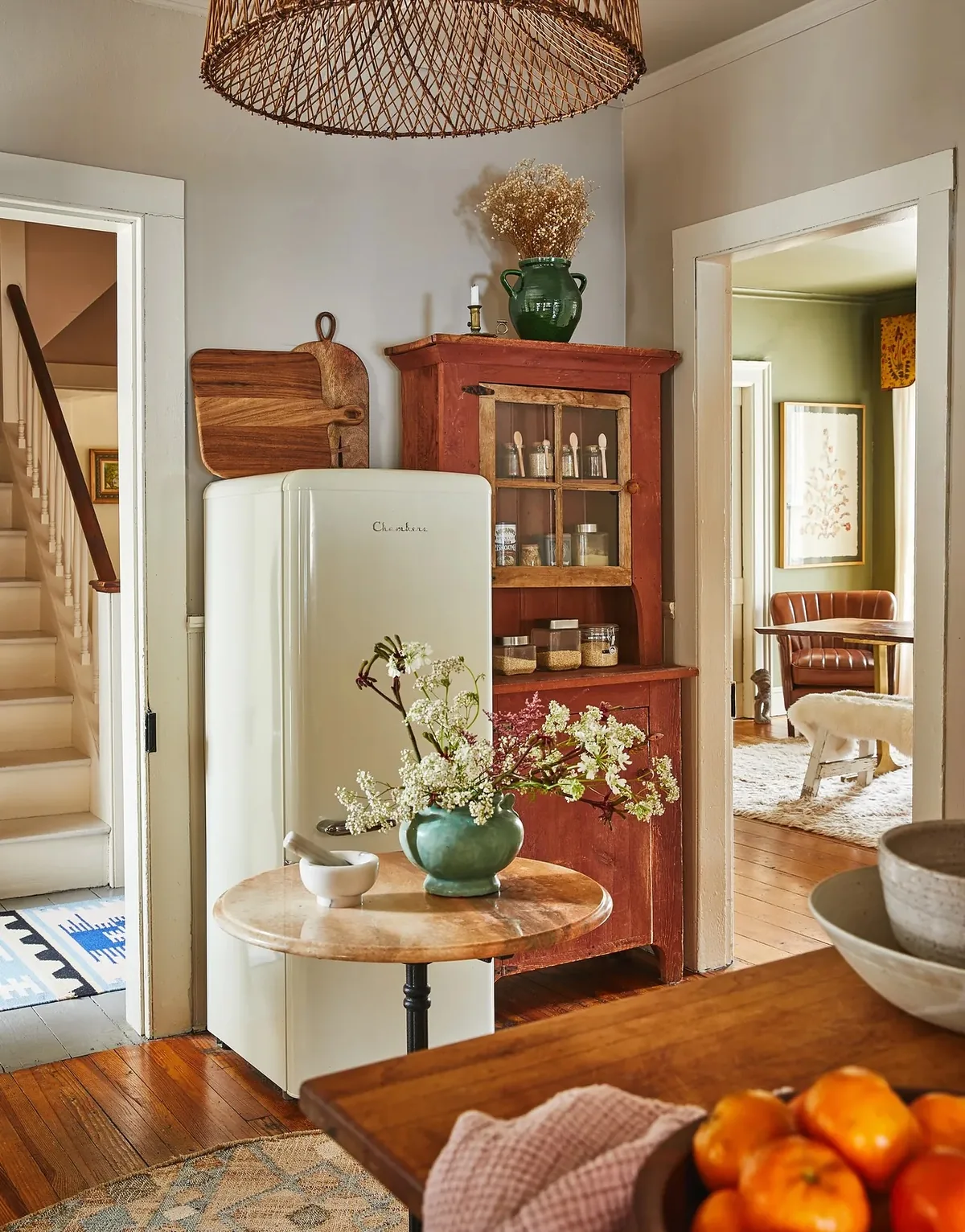
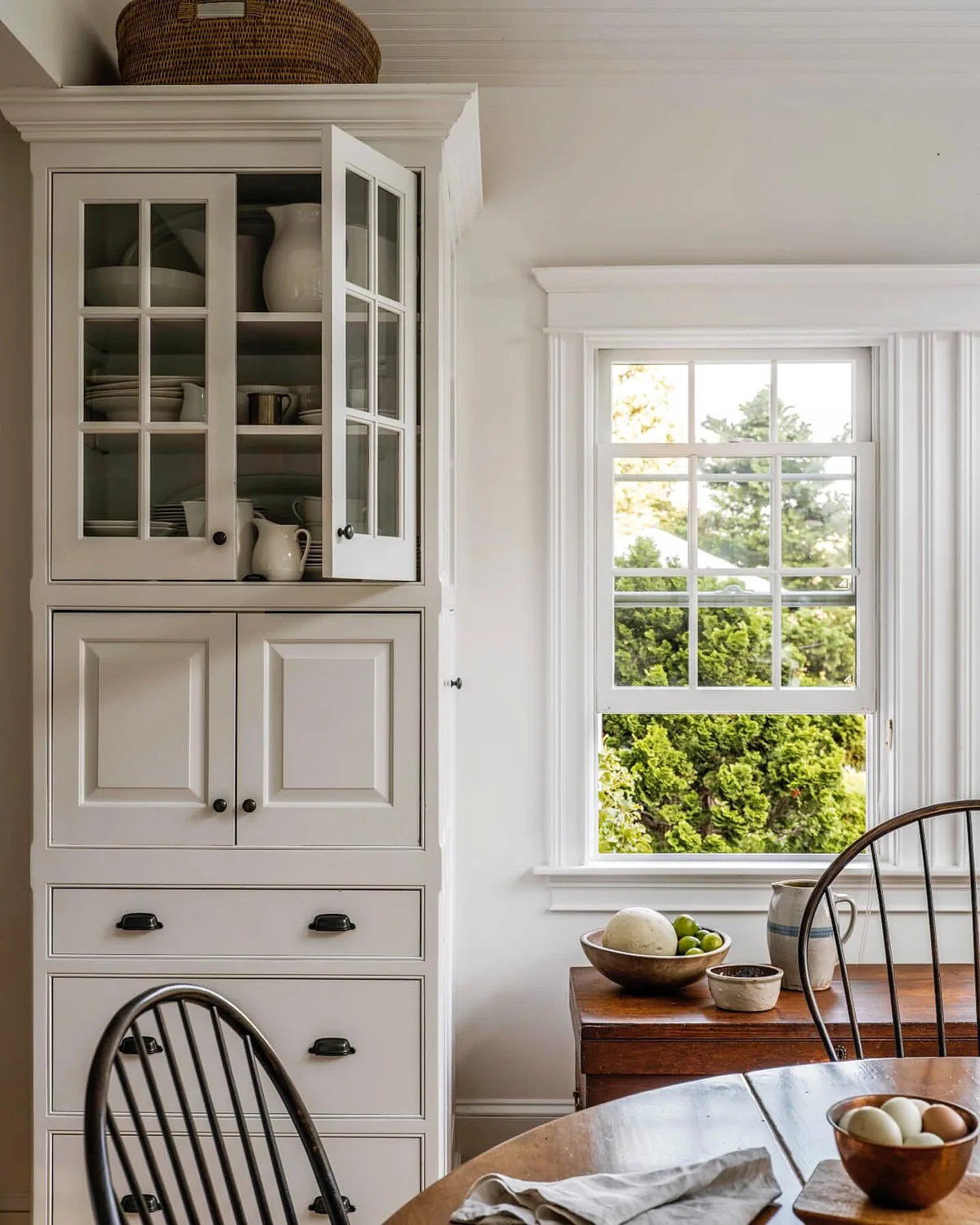
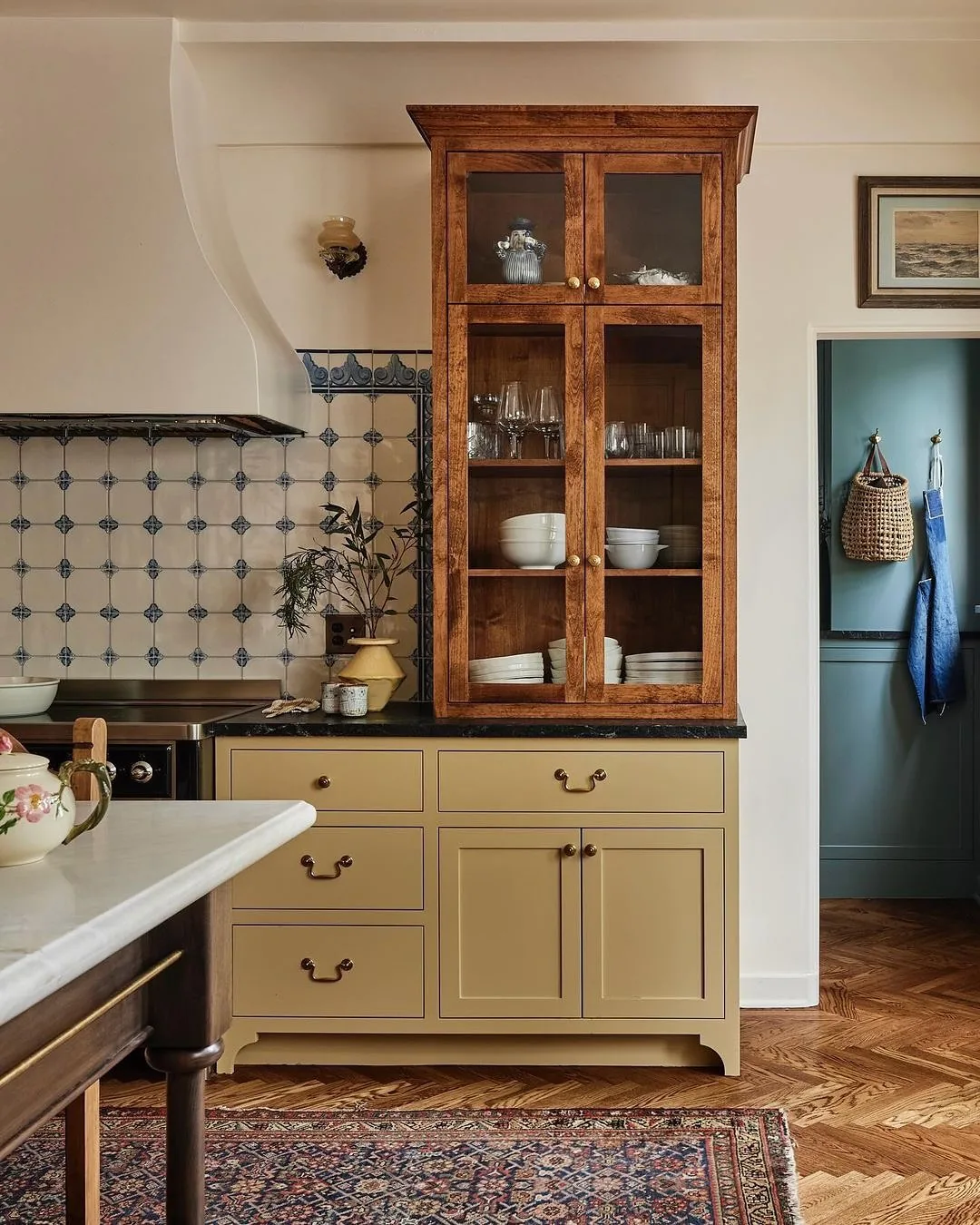
Hutch one wall with the real thing
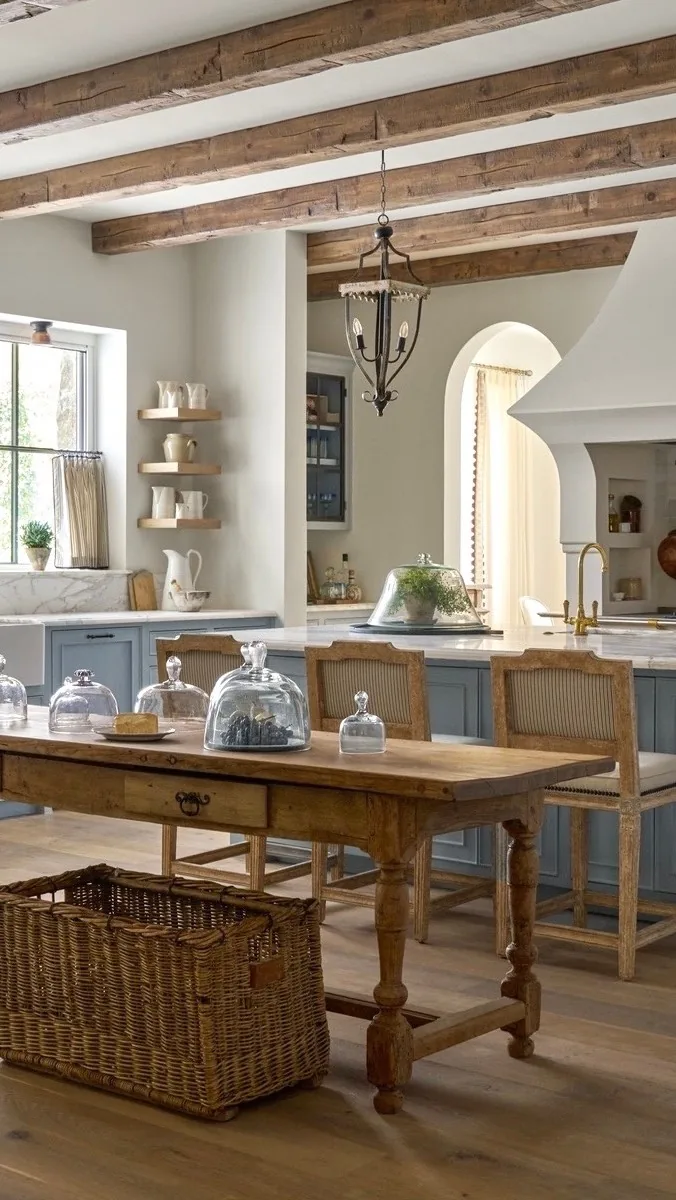
A genuine hutch anchors kitchens the way fireplaces anchor living rooms. You’ll hunt solid-wood pieces with honest wear, checking joints, drawer glide and back panels before falling for patina. You’ll check drawer boxes for dovetails and backs for saw marks, since construction tells age faster than style ever does. Beauty without function becomes a dust museum within months.
You’ll style it with dishes you actually use, not display-only sets gathering grease. Working hutches earn their wall daily. When the piece holds breakfast reality instead of museum stillness, the whole kitchen believes its story. One real hutch outweighs rooms of vintage-look shelving.
Commit to one era, demote the rest
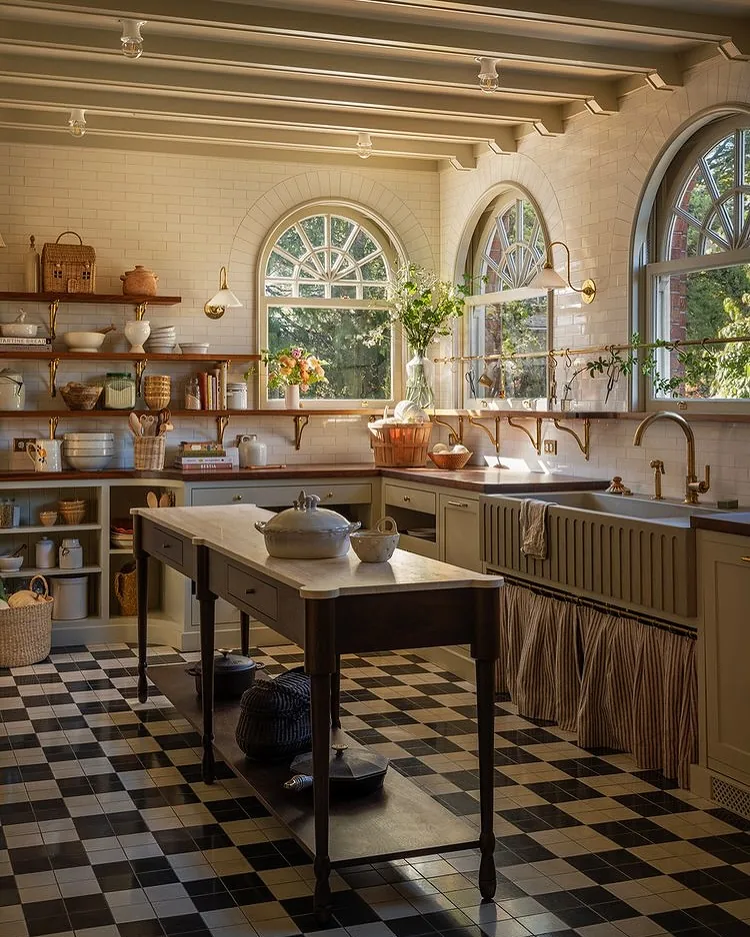
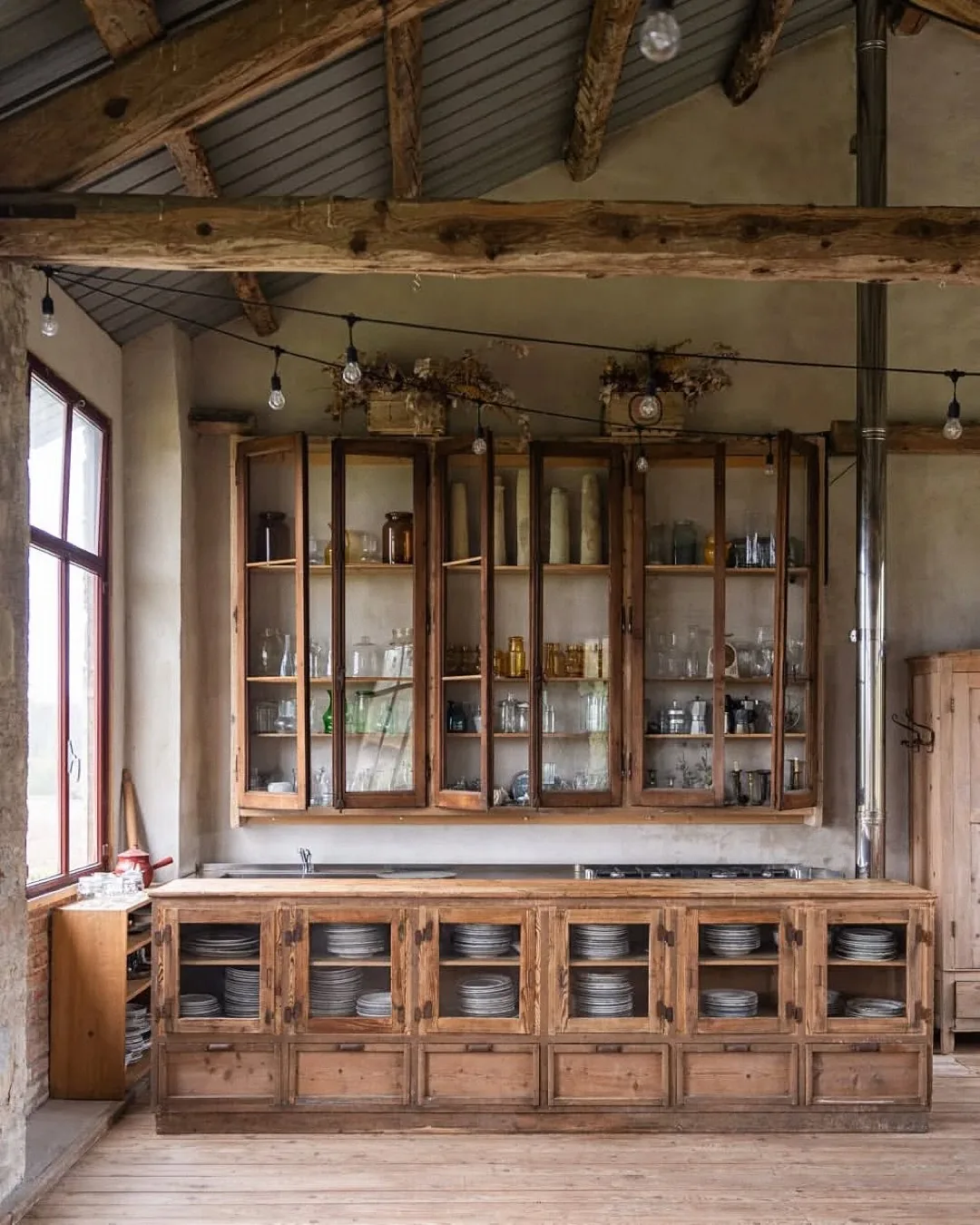
Mixed decades read as a shop no matter how loved each piece is. You’ll pick one lead era, 1930s farmhouse, 1950s diner, 1970s warm wood, and relegate everything else to supporting roles or other rooms. Era discipline is what separates homes from collections.
You’ll test loyalty ruthlessly when thrifting. You’ll photograph the kitchen and count decades in the image, since cameras expose era-mixing that eyes forgive daily. That gorgeous off-era find belongs in the bedroom, not the kitchen straining its story. When one decade clearly leads, supporting pieces from adjacent years blend quietly. Three equal eras stage a debate nobody wins and everybody sees.
Rewire old electrics before admiring them
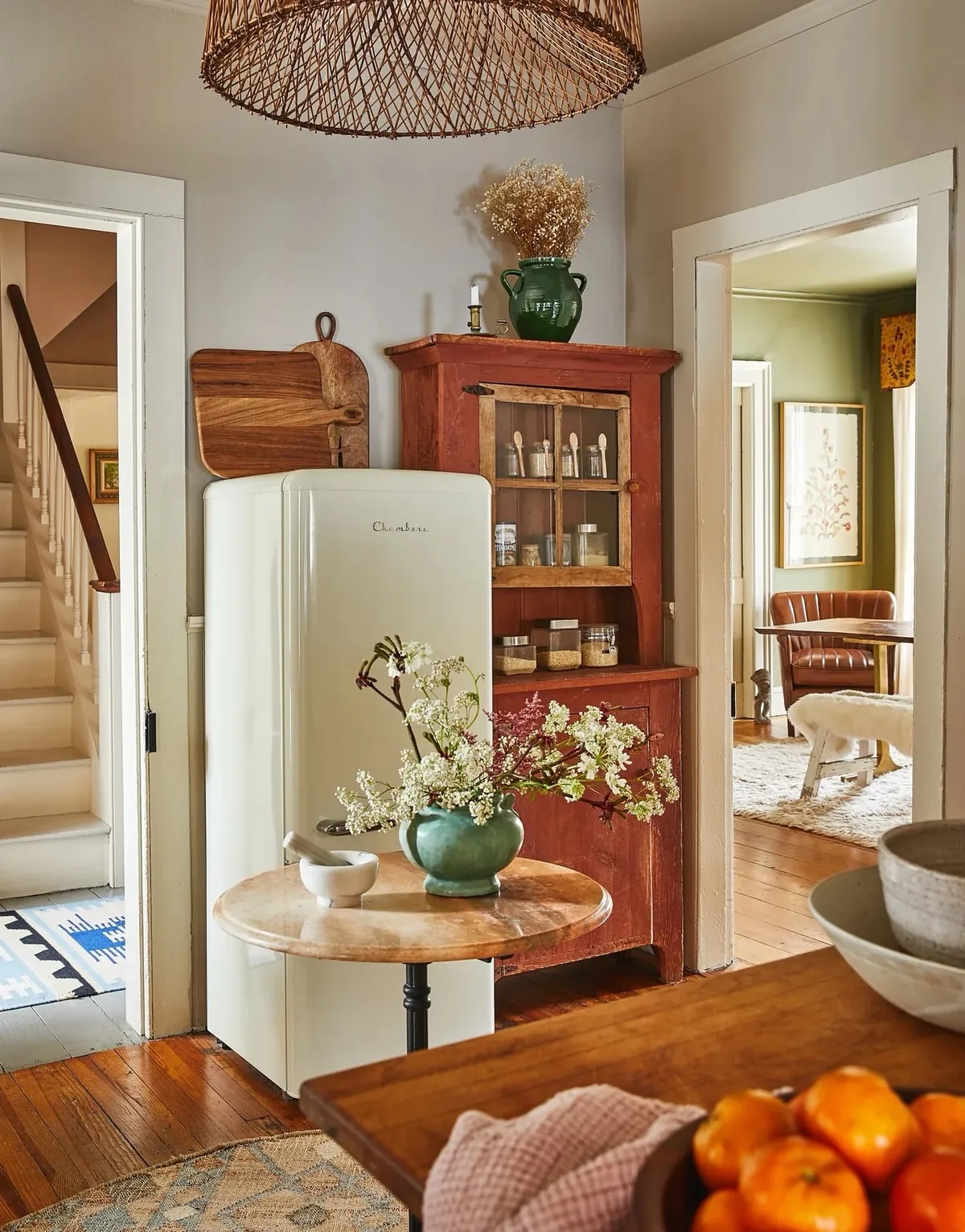
Vintage appliances charm and vintage wiring kills. You’ll photograph existing wiring before touching anything, since documentation protects both safety and insurance claims later. You’ll budget professional inspection, rewiring and venting for every old stove, fridge and fixture before installation. You’ll get the inspection in writing with remediation priced, since verbal reassurances evaporate after closing. Admiration without electricians is how charming kitchens make news.
You’ll accept panel-ready compromises where originals can’t meet code. Modern guts behind period faces serve daily without drama. When safety gets engineered first, the vintage story tells itself without footnotes. Romance the visible, modernize the lethal, and sleep soundly above both.
Style the era without costume
Details sell decades better than bulk does. Two ideas dress precisely.
Hardware the decade in small doses
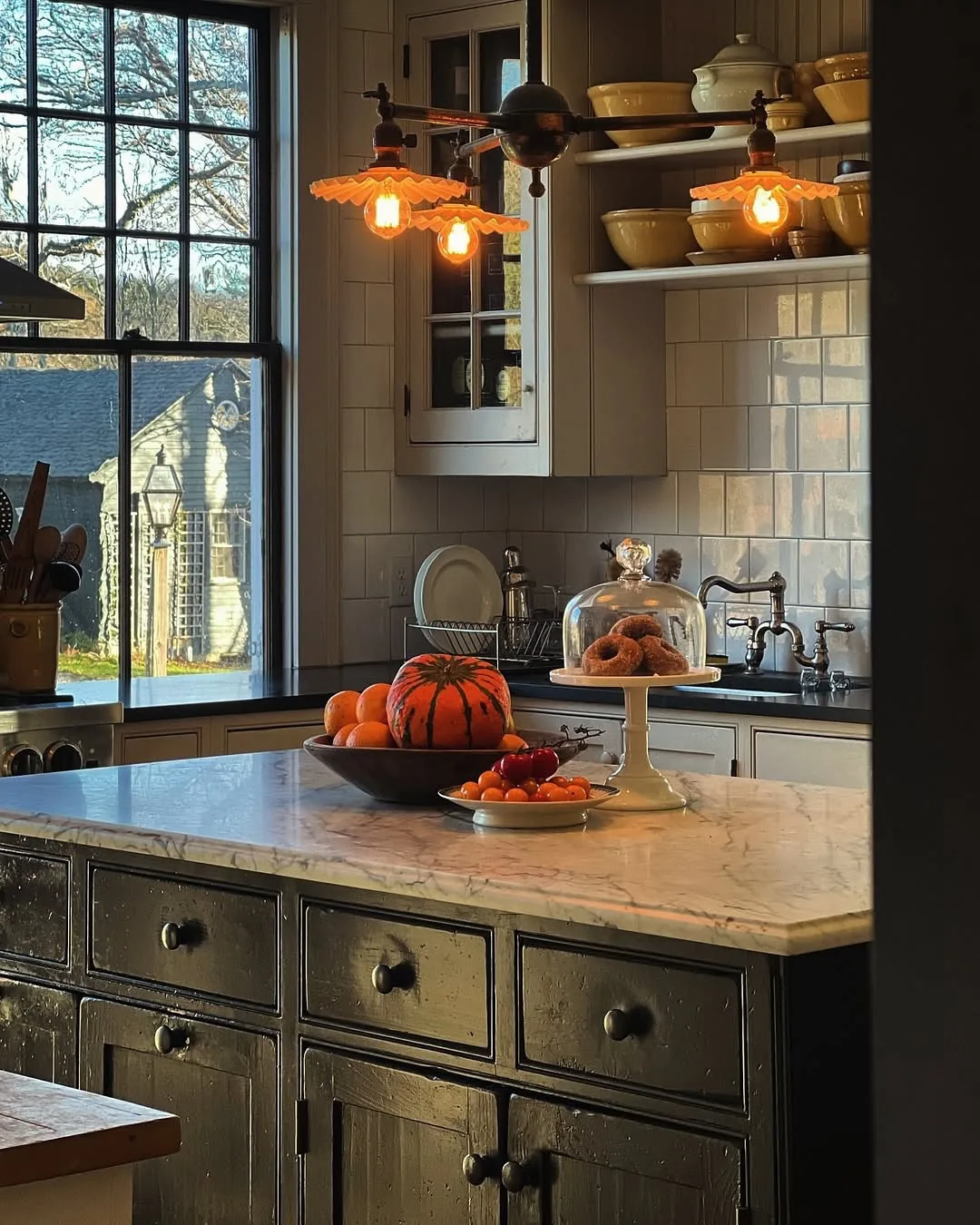
Period hardware signals era faster than furniture does. You’ll match metals to your era’s year, not just its decade, since early farmhouse wants iron while late farmhouse wants brass. You’ll swap pulls, latches and switch plates to match your lead decade: bin pulls for farmhouse, chrome streamlines for mid-century, aged brass for Victorian echoes. Small metals carry outsized period weight.
You’ll keep the swap reversible where renting or uncertain. Hardware changes back in an afternoon while tile commitments linger for decades. When details agree on a decade, even big-box cabinets read intentional. Scattered period signals across modern boxes just look confused about their birthday.
Runner the floor with washable pattern
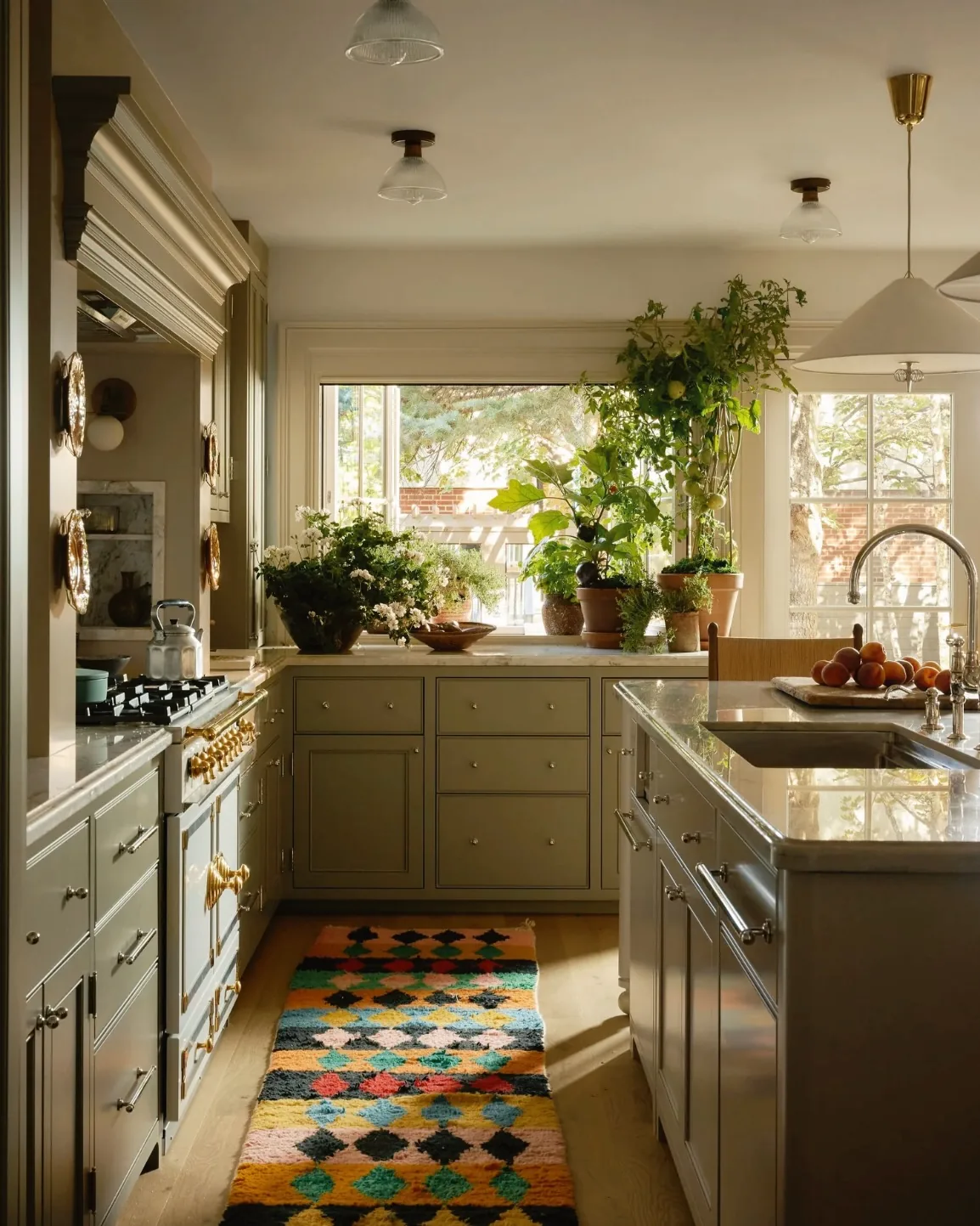
Vintage runners warm kitchens instantly and die fast under cooking reality. You’ll hose-test washability on a corner outside first, since dye run ruins floors along with rugs. You’ll choose washable flat-weaves in classic patterns that survive weekly laundering. Beauty that can’t be cleaned becomes shame within a season.
You’ll size runners to work zones, sink to range, rather than wall to wall. Targeted warmth beats full coverage practically and visually. When the runner pulls colors from your era palette, the floor joins the decade story. Unwashable antiques belong on walls, never under stove splatter.
Source smart, live honestly
Thrift discipline beats thrift enthusiasm. Two ideas hunt well.
Judge vintage & antique kitchen ideas at estate sales first
Estate sales beat thrift stores for complete sets and honest pricing. You’ll arrive early on day one for selection, late on day two for discounts. Full dish sets, canister collections and matching hardware surface at estates, never scattered across charity shelves.
You’ll set saved searches online for specific targets: hutch, Hoosier, schoolhouse pendant, enamel table. You’ll photograph makers’ marks and search them before buying, since named makers with documented years beat anonymous charm. Named hunting beats browsing luck completely. When you shop with a list, the kitchen gains what it needs. Browsers accumulate decades randomly, which is exactly how shops start.
Leave reproductions on the shelf always
Distressed-new bridges no gap worth crossing. You’ll pass factory-aged signs, faux milk cans and pre-rusted stars regardless of price charm. Each reproduction dilutes the genuine pieces it imitates.
You’ll spend reproduction budgets on better examples of real things instead. You’ll set a maximum restoration budget per piece before shopping, since project creep turns bargains into money pits fast. One authentic crock outlasts ten fake ones in both value and looks. When every old-looking object has actual years, the kitchen radiates the confidence fakes chase forever. Authenticity compounds while imitation depreciates.
Real vintage versus vintage-look at a glance
| Real vintage | Vintage-look | |
|---|---|---|
| Hero piece | One genuine hutch | Ten distressed reproductions |
| Eras | One leads clearly | Three argue loudly |
| Electrics | Rewired professionally | Admired dangerously |
| Rugs | Washable pattern | Unwashable antique under stove |
| Sourcing | Estates, salvage, patience | Catalogs, fast and mixed |
| Verdict | Compounds yearly | Depreciates daily |
The Vintage Kitchen Formula
Seven ideas resolve into six old-house rules:
- One genuine anchor. Hutch, fridge or sink with real years behind it.
- One era leads. Supporting decades whisper, never debate.
- Electrics engineered. Pros rewire and vent before admiration begins.
- Hardware dates precisely. Small metals signal decades fastest.
- Runners washable. Pattern survives only what laundering allows.
- Reproductions refused. Real things compound while fakes depreciate.
Hold those six and the kitchen feels inherited rather than decorated. Age you can prove beats age you purchased every single day.
Frequently Asked Questions
How do I start a vintage kitchen on a budget?
You’ll anchor with one thrifted hero piece and change hardware, textiles and lighting first. You’ll photograph the room empty first, so new finds audition against space rather than clutter. Paint refreshes faster than replacement. Small reversible moves build the era before big commitments.
Are old appliances safe to use?
You’ll hire professionals for inspection, rewiring and venting before trusting any vintage unit. Admiration never substitutes for engineering. Panel-ready moderns behind period faces solve most dilemmas safely.
Where do I find real vintage kitchen pieces?
You’ll hunt estate sales first for complete sets, then salvage yards for fixtures and online searches for named targets. Patience beats catalogs completely. Buy the hero before designing around it. For the rooms these finds furnish, browse our kitchen ideas hub alongside the hunt.
Can I mix decades in a vintage kitchen?
You’ll let one era lead clearly while others whisper support. You’ll allow adjacent years as supporting cast only, since five-year spans blend while fifty-year spans debate. Three equal decades stage debates nobody wins. Demote beloved off-era finds to other rooms without guilt.
How do I clean old wood furniture?
You’ll use gentle soap, soft cloths and minimal water, testing hidden spots first. Harsh chemicals strip patina that decades built. Preserve first, restore second, refinish only when structure demands.
Is a retro fridge practical daily?
You’ll confirm capacity, efficiency and repair access before committing. You’ll measure door swings against islands and walls, since retro doors swing wider than modern ones. Restored units serve beautifully with professional help. New retro-styled models split the difference reliably for most households.
This article may contain affiliate links. We may earn a commission at no extra cost to you.