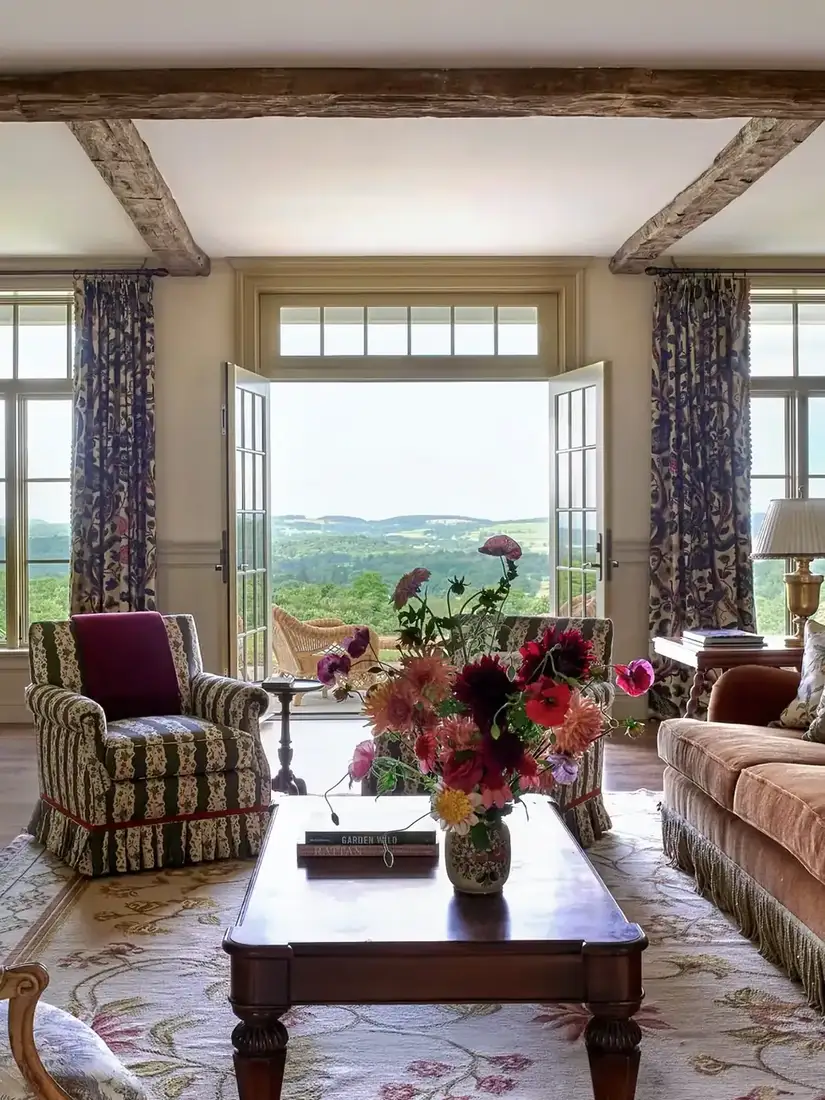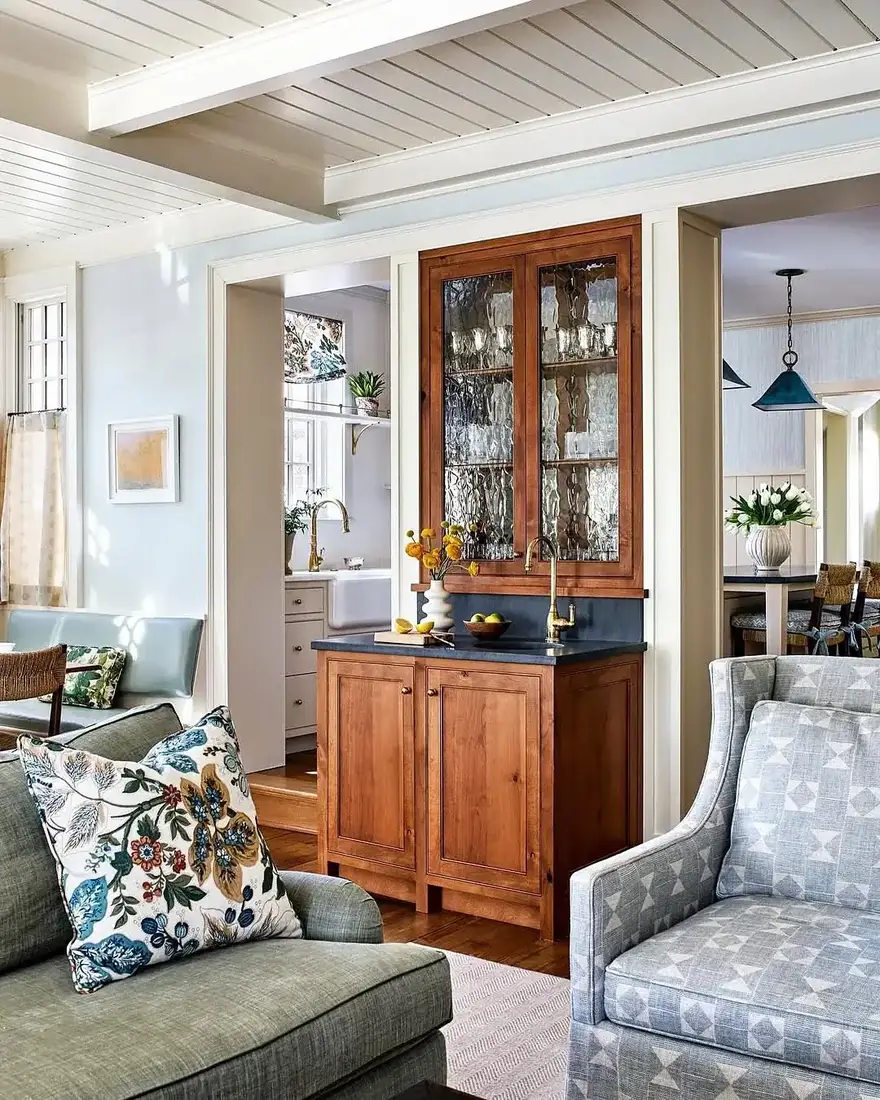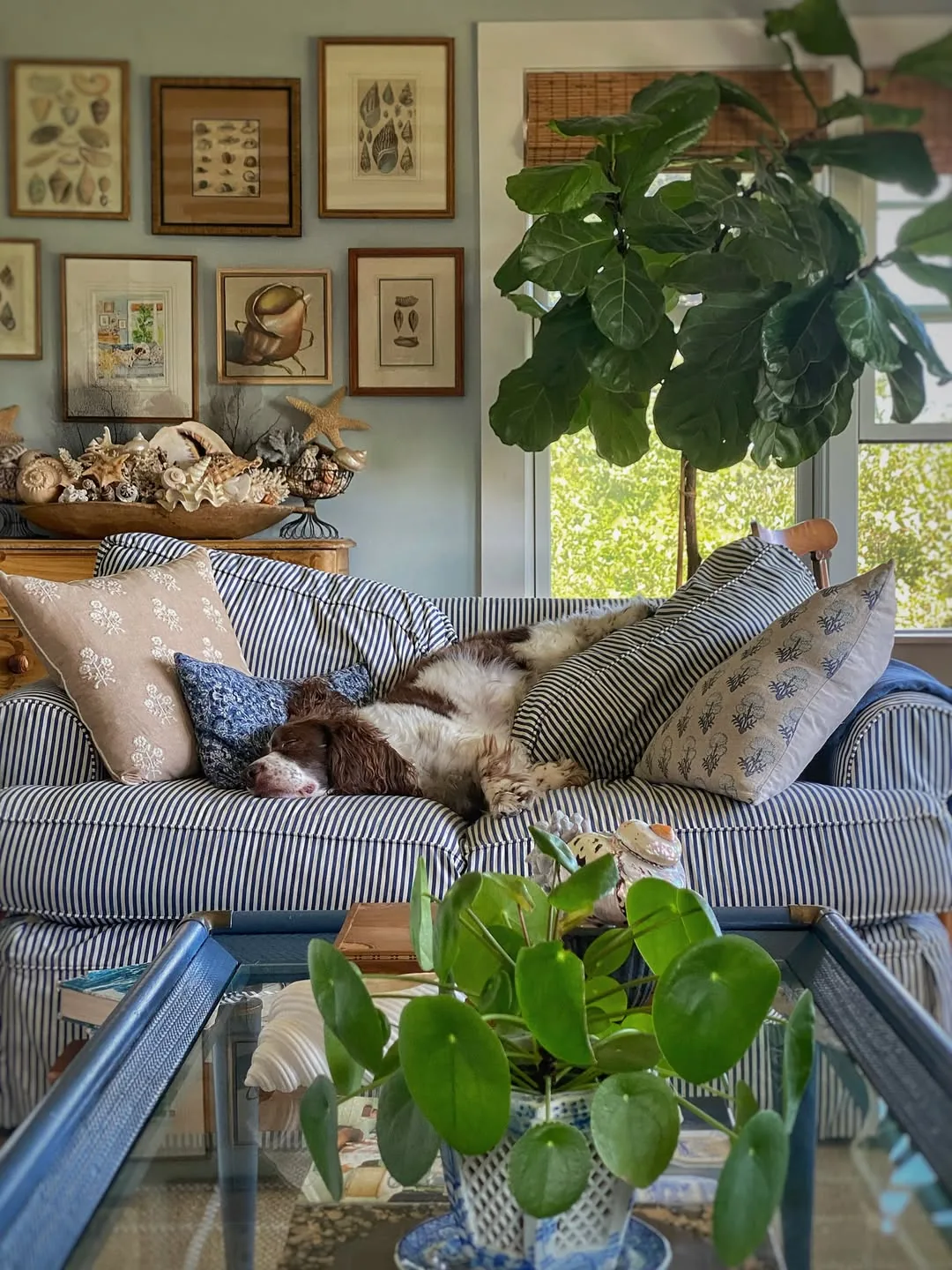
Point Your Sofa at the Fire, Not the TV

Add us as a preferred source to see more stories on Google.
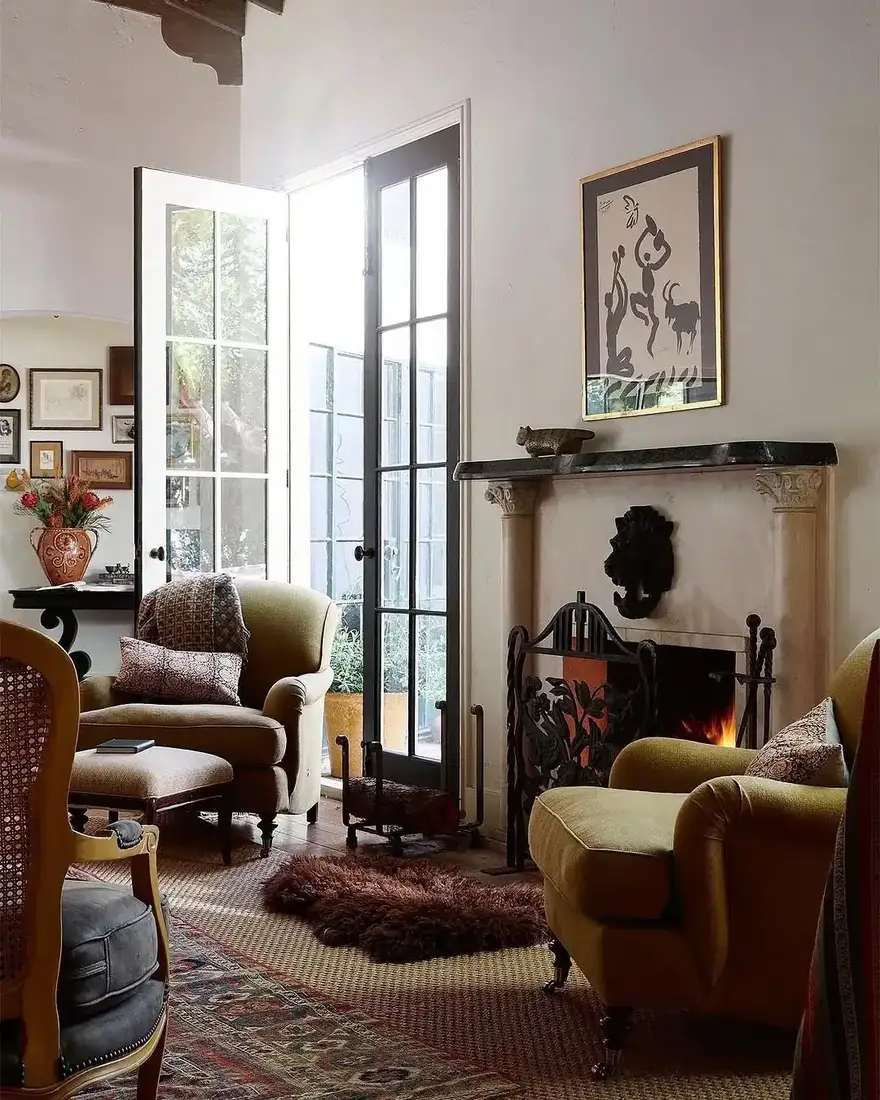
Most rooms fight their fireplace without meaning to. The sofa faces the television, the fire sits off to one side, and the heaviest thing in the room ends up looking like an obstacle rather than the reason the furniture is arranged that way.
You feel it when you have to turn your head to see the fire, or when guests cluster away from the hearth you thought would draw them in.
These ten hearths show you how to let the fire lead and the rest follow.
Let the seating face the fire
The first decision is not decor. It is where you sit.
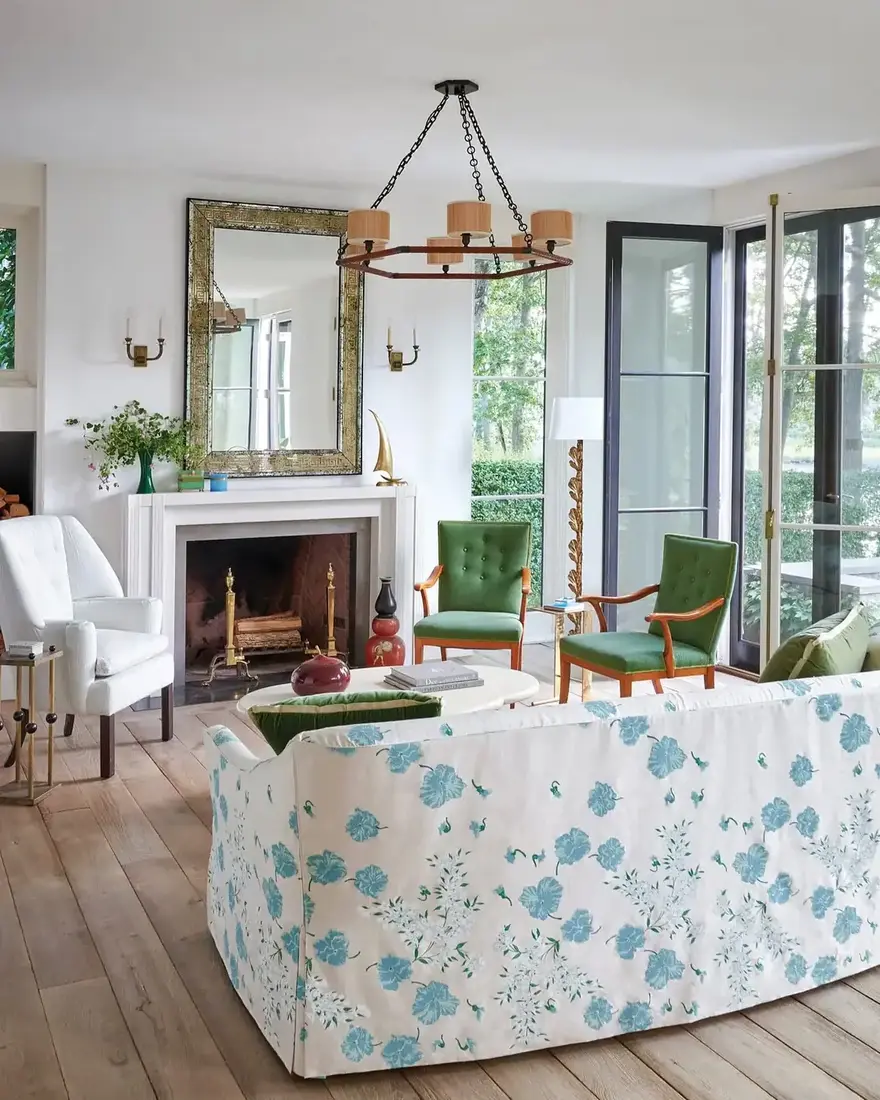
Turn your sofa toward the hearth
A sofa aimed at the television with the fire to one side gets none of the benefit the hearth can give. Your body reads the television as the focus, and the fireplace becomes a visual weight you walk past. Swing the main seating so it faces the hearth head-on, even if the television stays in the room. You will notice conversation happens around the fire, not beside it, and the heaviest thing in the room finally feels like the reason the layout exists. Keep the path to the hearth open and you will use it without thinking.
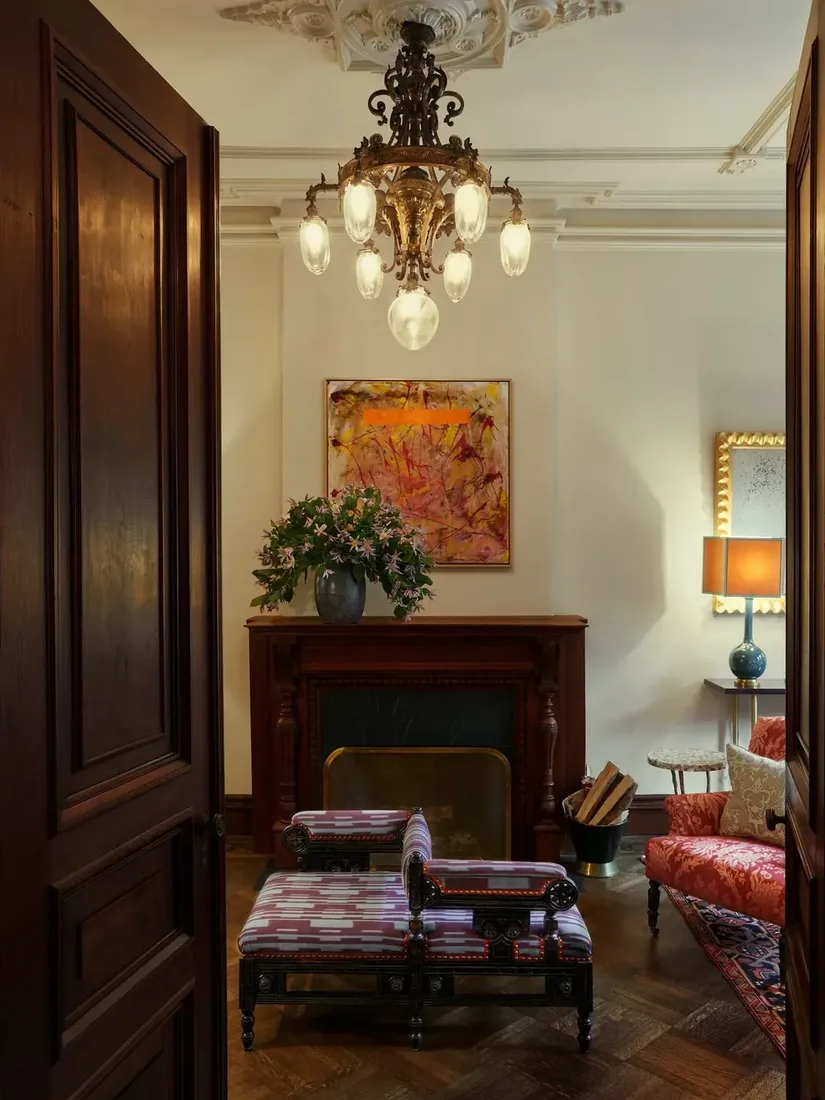
Offset the television instead of stacking it
Mounting the television directly above the fire makes both fight for the same wall and both lose. Heat rises into electronics, necks crane, and neither the art of the fire nor the art on screen gets your full attention. Where the television must share the wall, place it to one side of the chimney breast at seated eye height. That offset lets you watch without turning away from the hearth, and you keep the mantel as a frame for the fire rather than a shelf for a black rectangle. The room feels settled because nothing is compromised for the other.
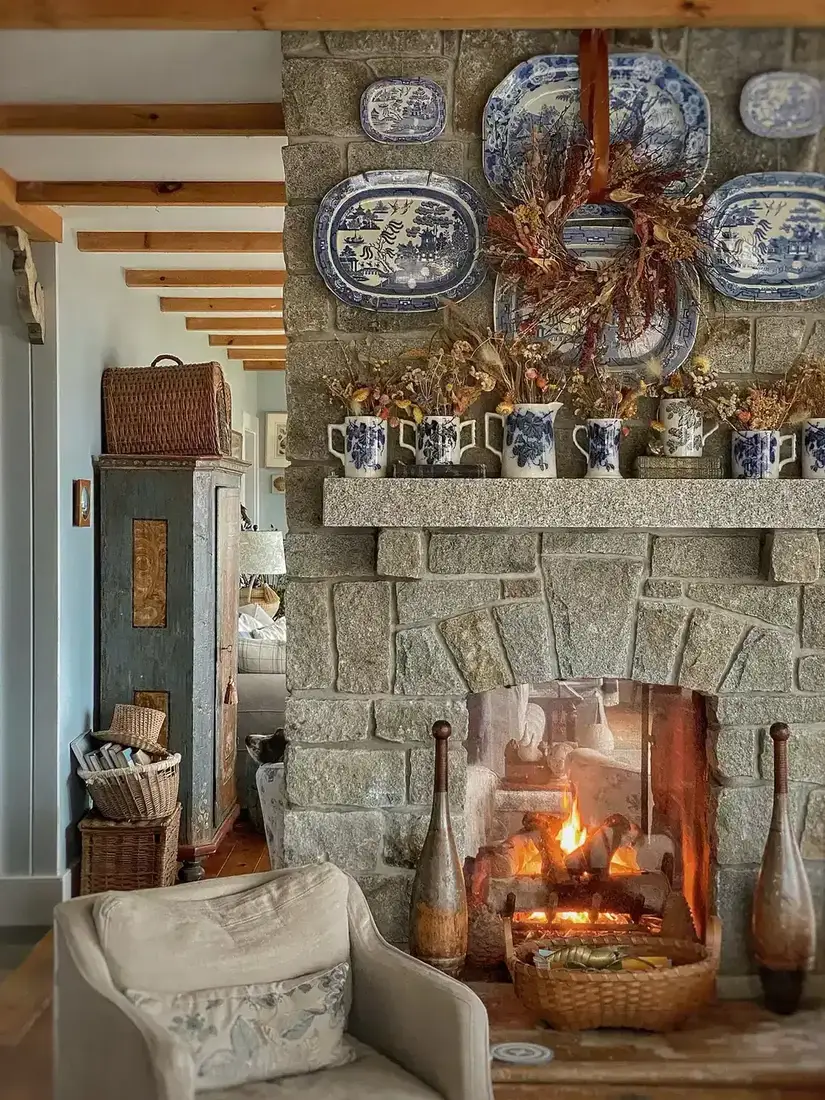
Keep the mantel quiet when stone or brick does the talking
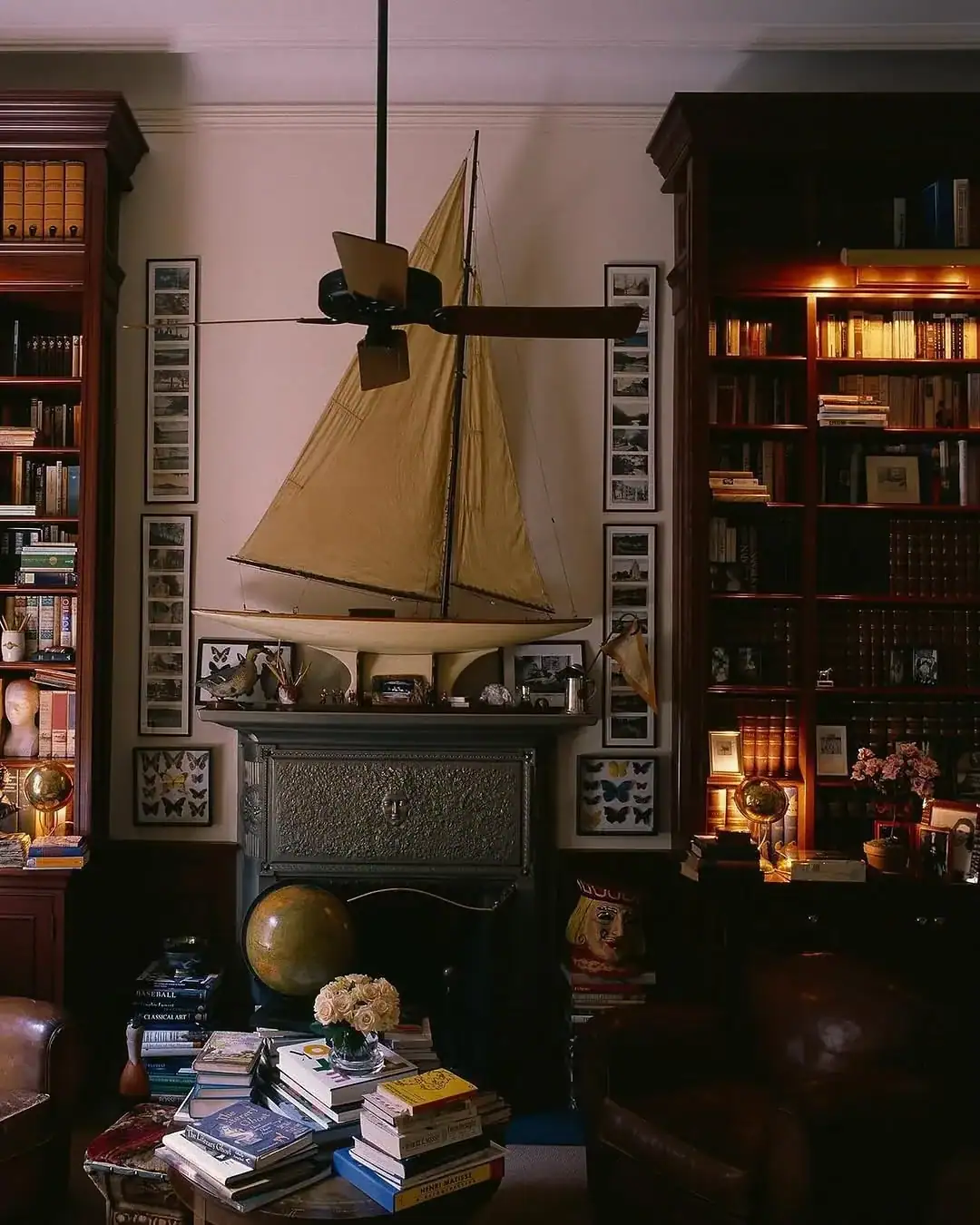
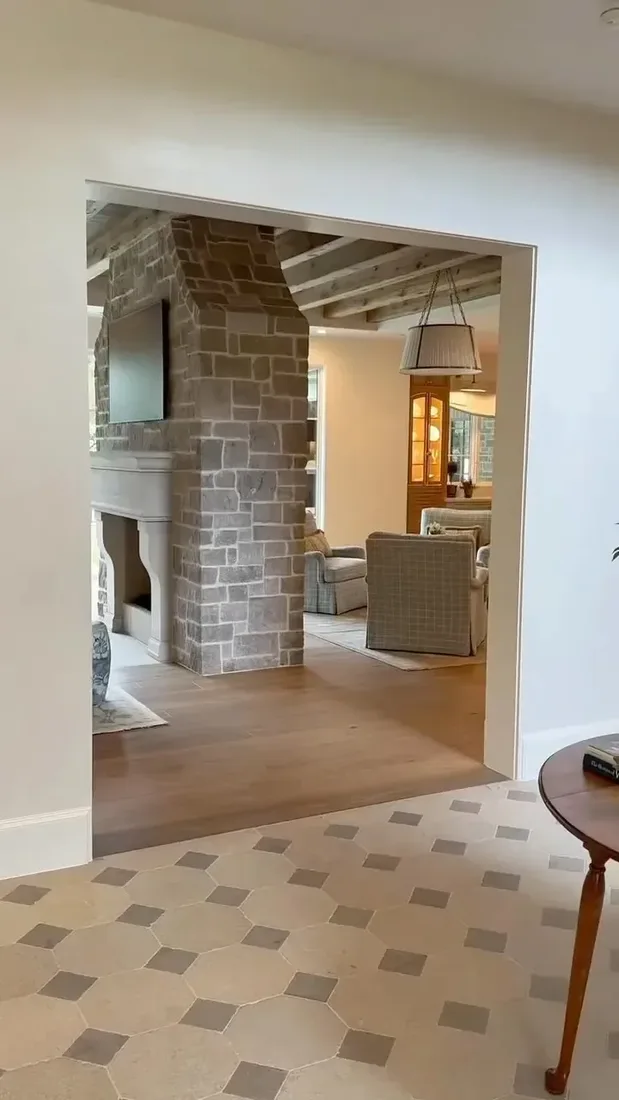
Stone and brick already give you texture, shadow and variation. They do not need a crowded mantel to feel finished. Leave the mantel sparse, one tall piece to one side and a low form to the other, with a clear stretch of mantel showing in between. That emptiness lets the material read, and you avoid the clutter that makes a beautiful surround disappear behind objects. When you want colour, bring it to the hearthside in a throw or logs, not to the stone itself.
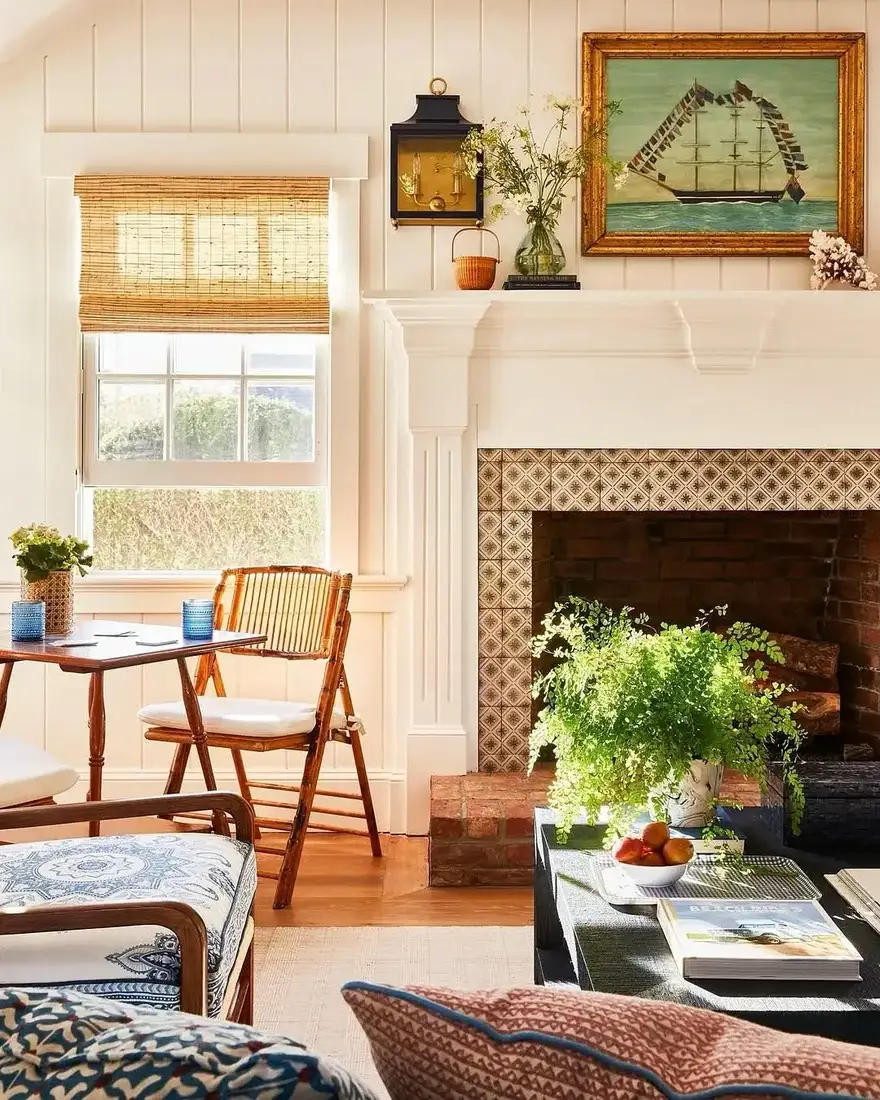
Give the fire room and an alternative where there is no fire
Space around the hearth matters as much as what sits on it.
Clear the hearth so the fire can be approached
Rugs that lap onto the hearth and furniture pushed hard against it make the fireplace feel like a wall, not a place. Keep rugs and furniture clear of the hearth so you can step up to the fire and so the surround reads as a distinct plane. That clear zone also keeps the focus on the fire’s texture and gives you a safe field where nothing competes for heat. You will find guests naturally stand there when the field is open.
Borrow warmth where you have no chimney
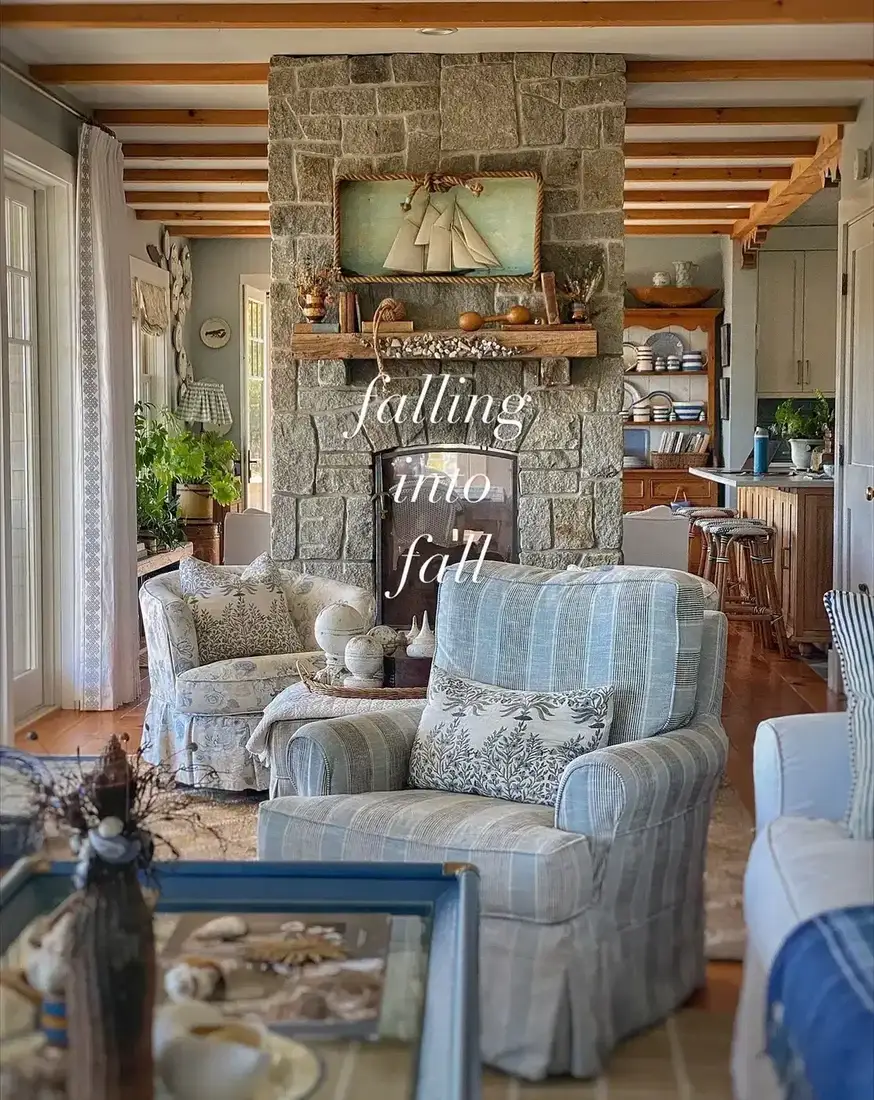
Not every sitting room has a working fireplace, but every sitting room benefits from an anchor in the same corner. A cluster of pillar candles in an empty grate, varied in height and set on a stone tray, gives you that hearth glow without building work. Where the grate is missing, a floor lamp with a warm shade in the same corner, placed low and to the side of where the fire would be, gives you the same pull. You create a place the seating can face, and the room gains the heart it lacked.
Let the window seat echo the hearth
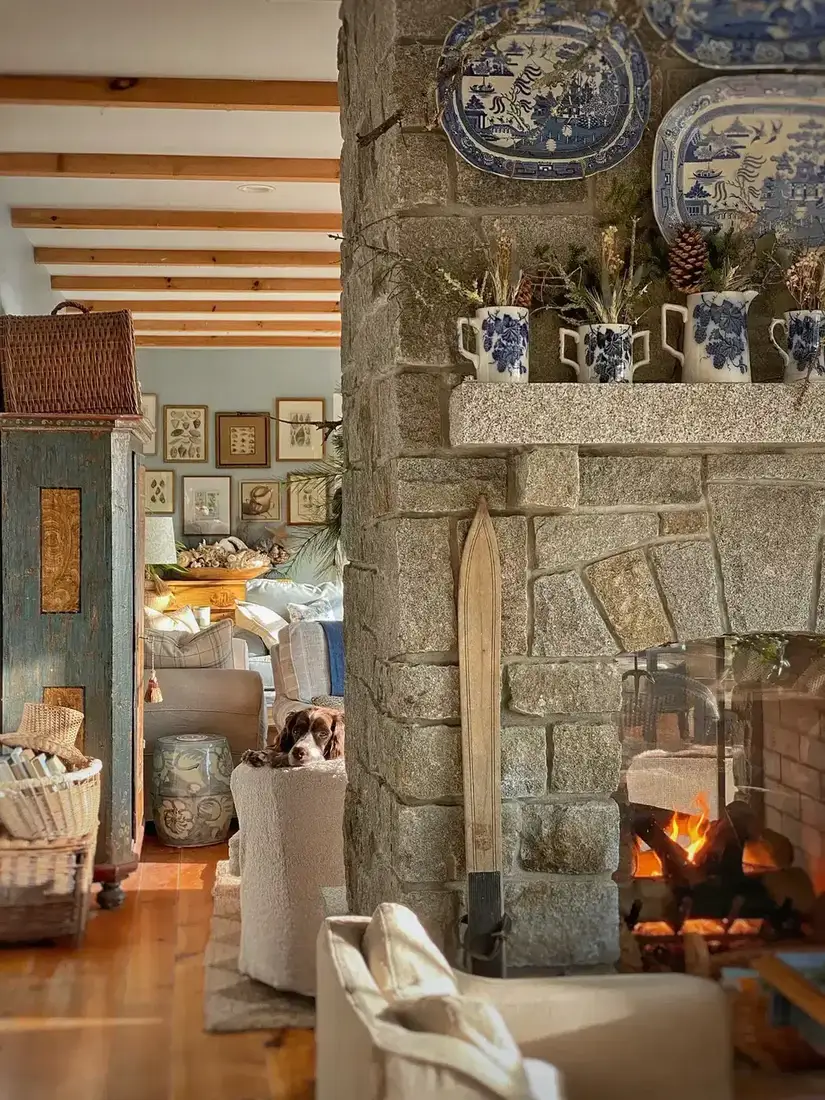
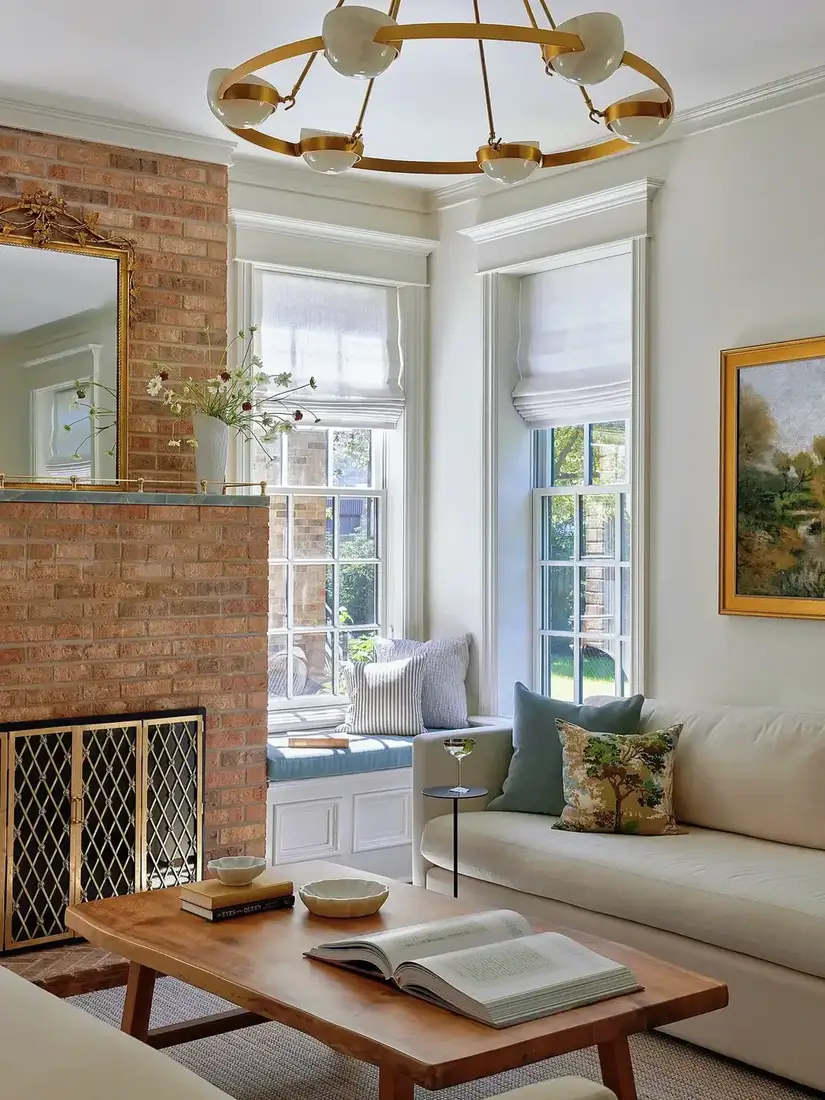
A brick surround and a window seat share the same language when both feel low and grounded. The seat gives you a place within the fire’s warmth, and the brick gives you texture you do not need to paint. Keep the cushion in a hardy linen and the brick plain, and the pair reads as one calm corner. Leave a small gap between seat and fireplace leg so heat can move and so the two elements each have their own shadow line. You will use the seat more when it lives beside the fire.
Keep the surround honest and the room gathered
The last choices decide whether the hearth feels lived in.
Style a cottage hearth around wood and linen
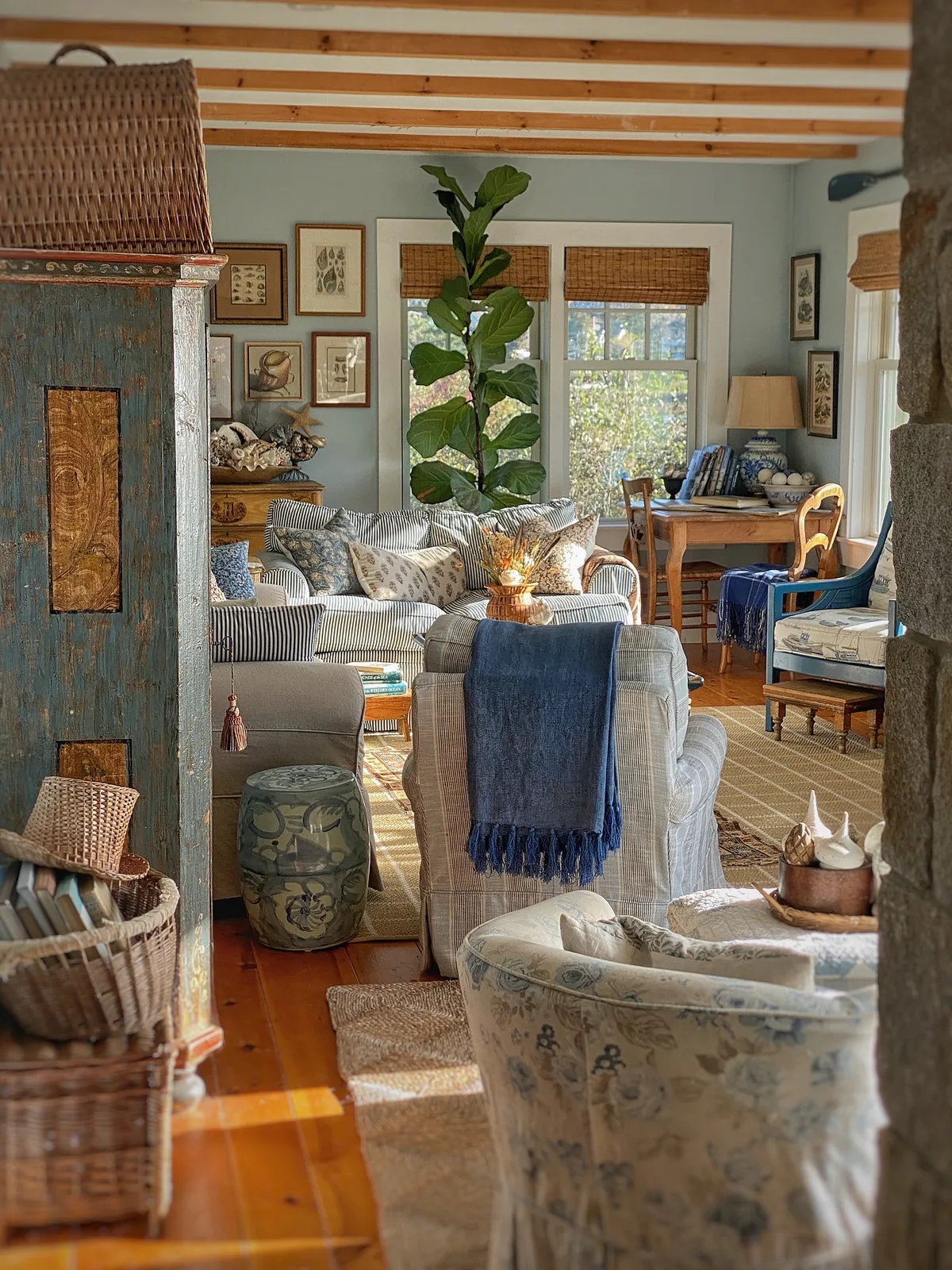
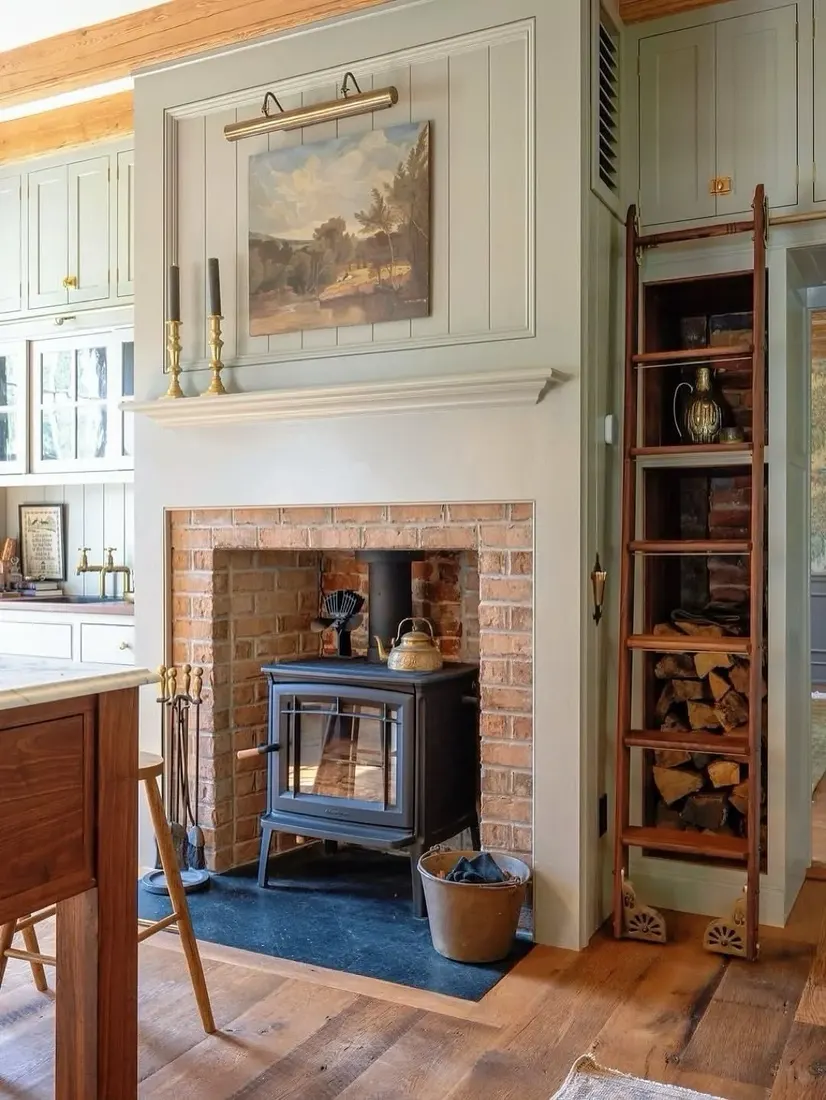
A cottage hearth gains its lived-in layer from use, not styling. Stack logs to one side of the opening, drape a throw over the nearest chair so the textile sits near the stone, and keep the stone itself unadorned. That nearness tells your eye the fireplace belongs to daily life, and you avoid the staged look of a mantel dressed for a photograph. Keep any screen or grate simple and let the fire be the colour. For more on tying hearth and seat into one corner, explore our living room ideas hub.
Keep coastal calm without the costume
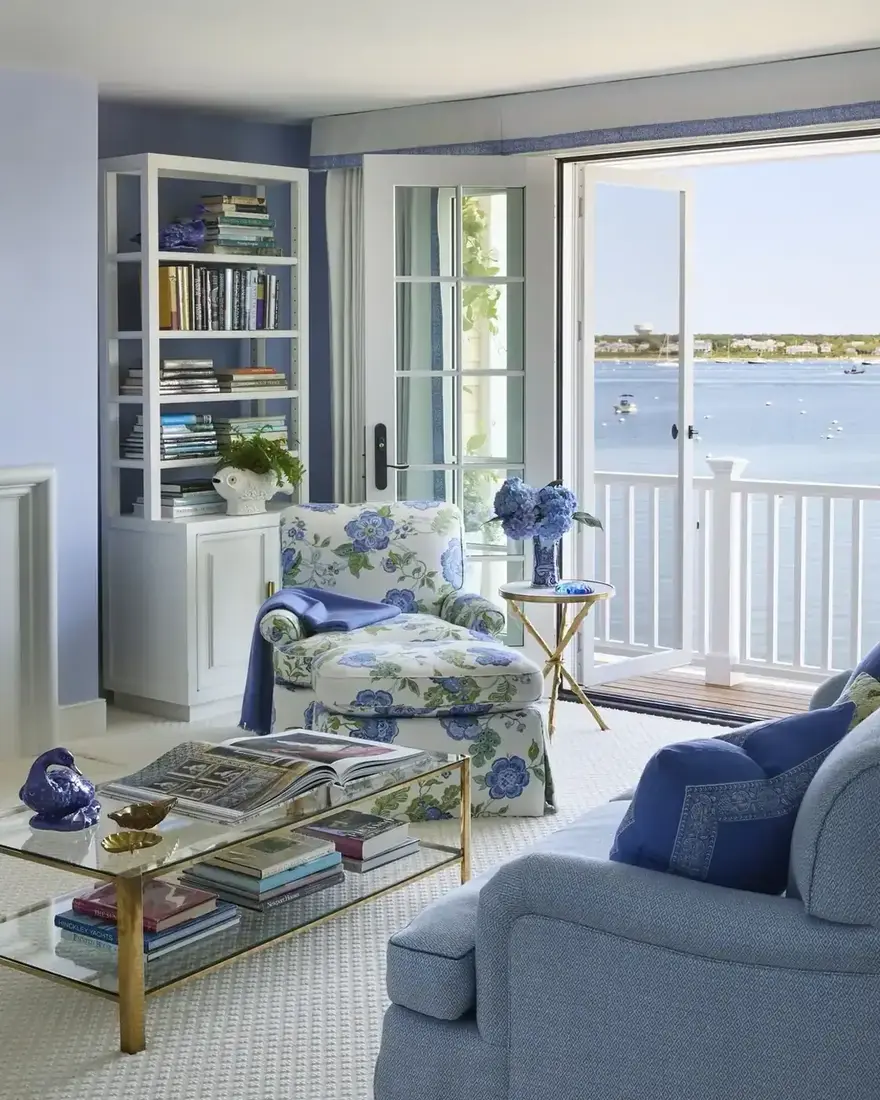
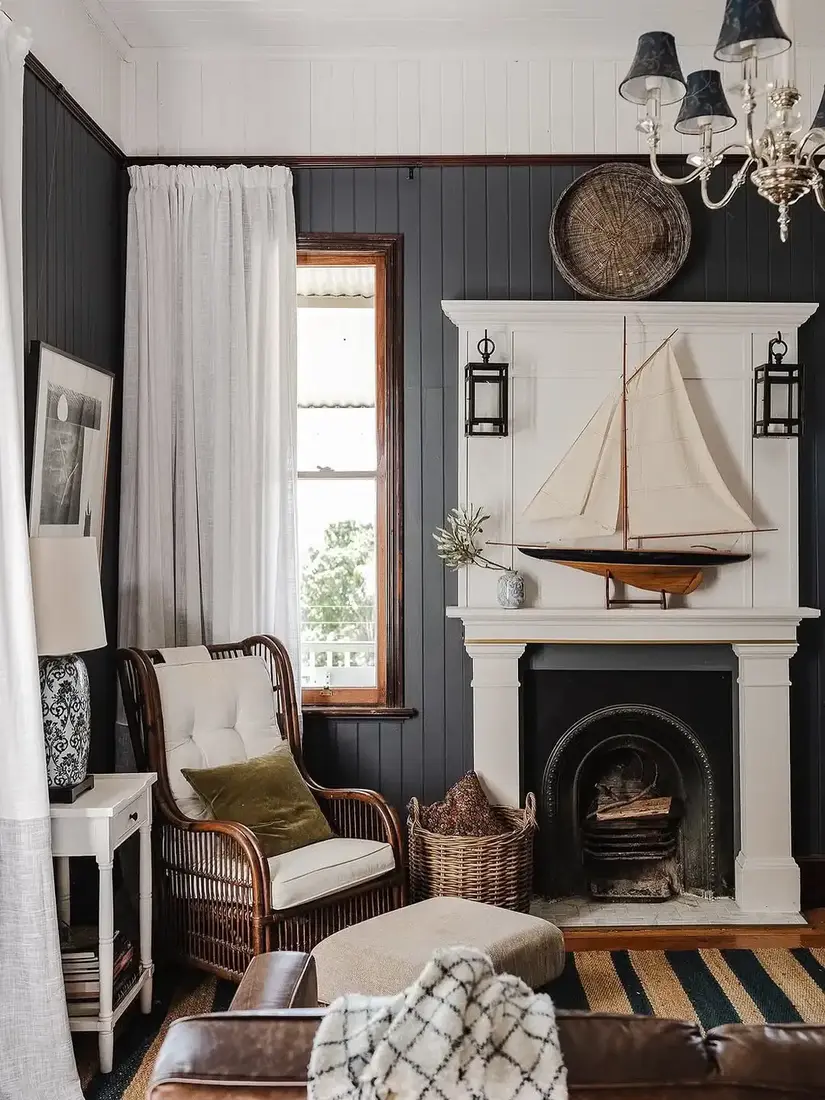
A coastal hearth needs no anchor or rope to feel coastal. Borrow the palette of navy and warm white and keep the mantel itself plain. Add one natural texture, a single piece of driftwood or a woven basket near the hearth, rather than a collection. That single coastal note reads as a hint, not a theme, and you can change it without restyling the fire. The mantel stays timeless because you never committed it to a set.
Dress the stone for a season, then edit back
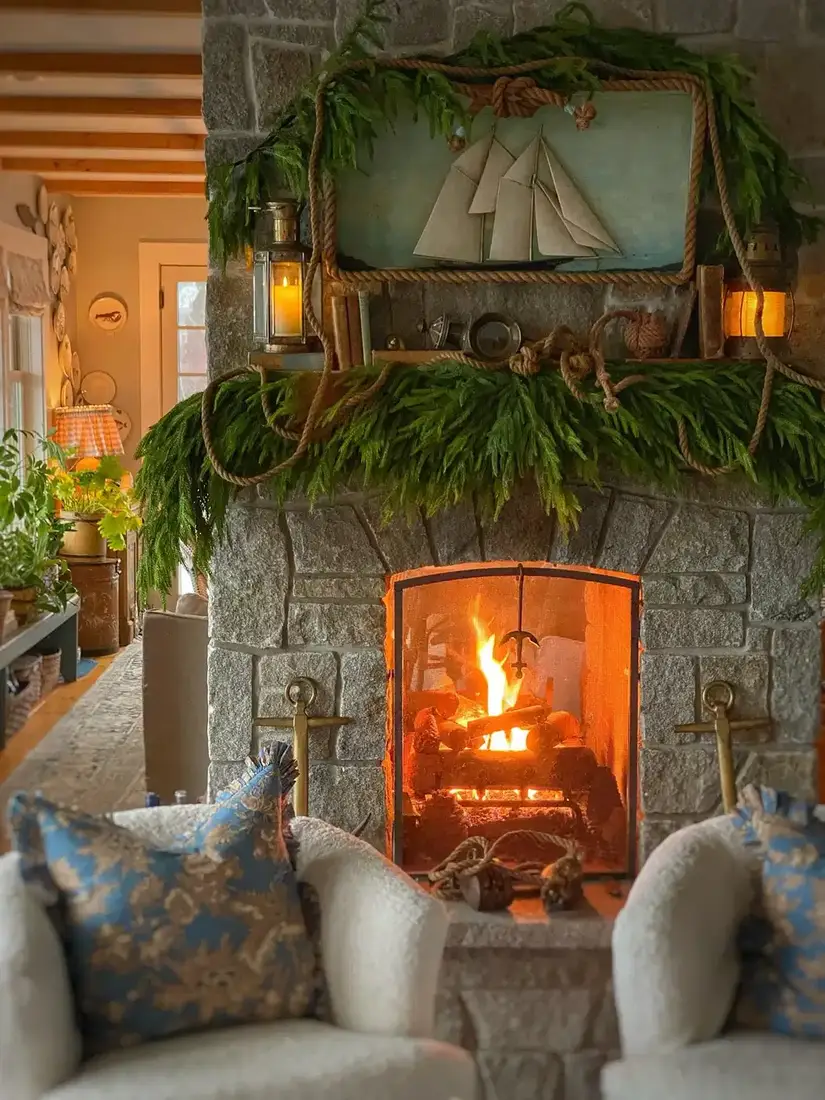
A stone fireplace dressed for winter with garland and warm light shows its best for a month and can feel heavy the rest of the year. Keep the seasonal layer light, one green garland draped once, not doubled, with warm pin lights if you use them, and keep the mantel below it quiet. When the season passes, remove the garland and let the stone be texture alone. You keep the hearth dressed without letting decoration become permanent.
Pull seating close enough to feel the hearth
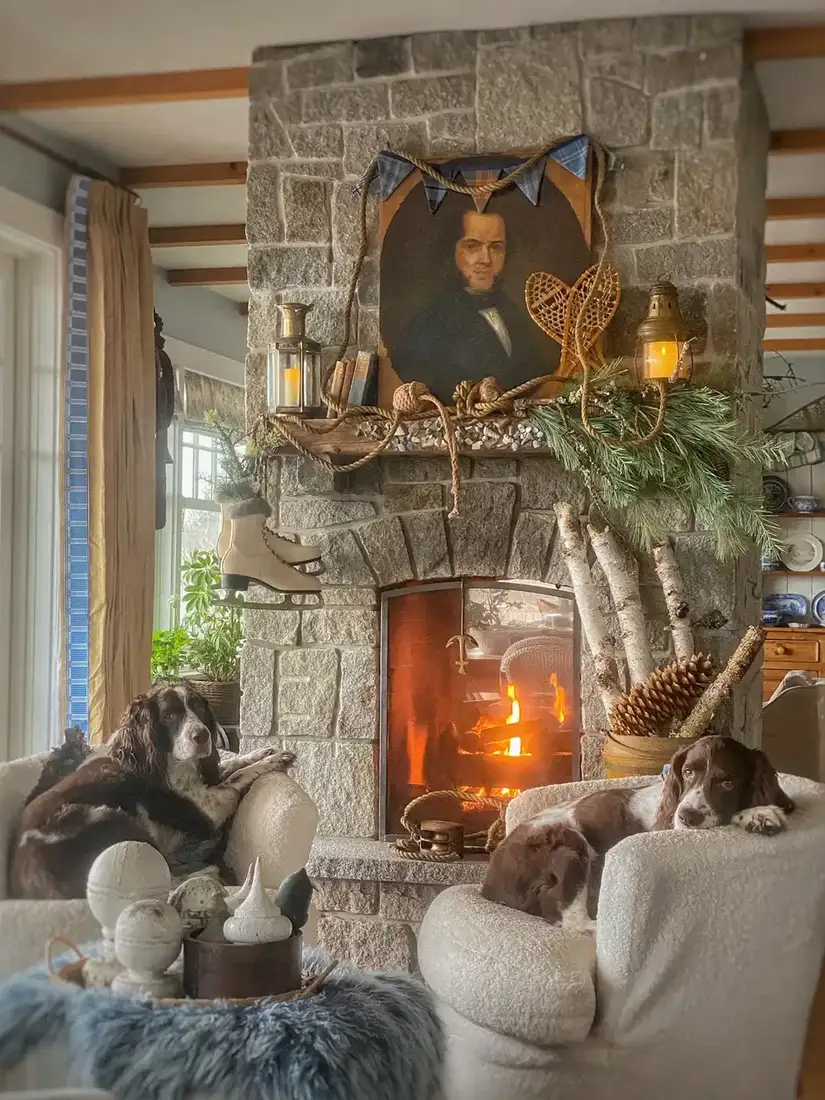
A hearth you cannot sit near is a picture, not a place. Pull the sofa and chairs close enough that you can feel the fire, with a low side table and a warm lamp beside the seating. When the main chairs face the fire at a slight angle rather than the television, you will use the fireplace the moment it is lit. That pull is the test of whether the room truly gathers around the fire. If you have a compact plan, the same gathered logic helps a small living room make one focal point do all the work.
Hearth and seating at a glance
| Choice | How it reads | When you use it |
|---|---|---|
| Seating faces hearth | Room gathers around fire | Every hearth that is meant to be used |
| Television to one side | Both keep their wall | Television must share chimney wall |
| Mantel sparse on stone or brick | Material stays the texture | Surround is stone or brick |
| Candles or lamp in empty grate | Anchor without building | No working fire |
| Hearth clear of rugs and furniture | Fire can be approached | Hearth feels blocked |
The Living Room Fireplace Formula
- Face the hearth with seating. The sofa toward the fire, not the television to one side.
- Offset the television. To one side of the breast, never stacked above the fire.
- Keep the mantel sparse on textured surrounds. Stone or brick needs air, not more objects.
- Borrow an anchor where there is no fire. Candles in the grate or a warm floor lamp in the same corner.
- Hold the hearth clear. Rugs and furniture off the stone so the fire has breathing room.
- Angle the room to gather. Pull seating close enough to feel the hearth.
Hold those six and your hearth becomes the heart again.
Frequently Asked Questions
Should the sofa face the fireplace or the television?
Face the hearth where you can. A sofa aimed at the television with the fire to one side gets little benefit from the hearth. When the television must stay, keep it to one side rather than above the fire.
Can I put the television above the fireplace?
Where the television must share the wall, mounting it to one side avoids compromise for both. Stacking it above forces necks to crane and heat to rise into electronics.
What should I put on a stone or brick mantel?
Leave it sparse. The surround is already texture, so one tall and one low piece with a clear stretch between lets the material read.
How do I create a focal point without a fireplace?
Set a cluster of pillar candles in an empty grate, or place a floor lamp with a warm shade in the same corner. You give the room the same anchor point.
How close can furniture be to the hearth?
Keep rugs and furniture clear of the hearth stone so you can step up to the fire. A clear field makes the fireplace feel approachable.
How do I keep a coastal fireplace from looking themed?
Borrow the palette, not the props. Keep the mantel plain and add one natural texture near the hearth rather than a collection of themed objects.
This article may contain affiliate links. We may earn a commission at no extra cost to you.