Let One Large Floral Lead Your Chintz

Add us as a preferred source to see more stories on Google.
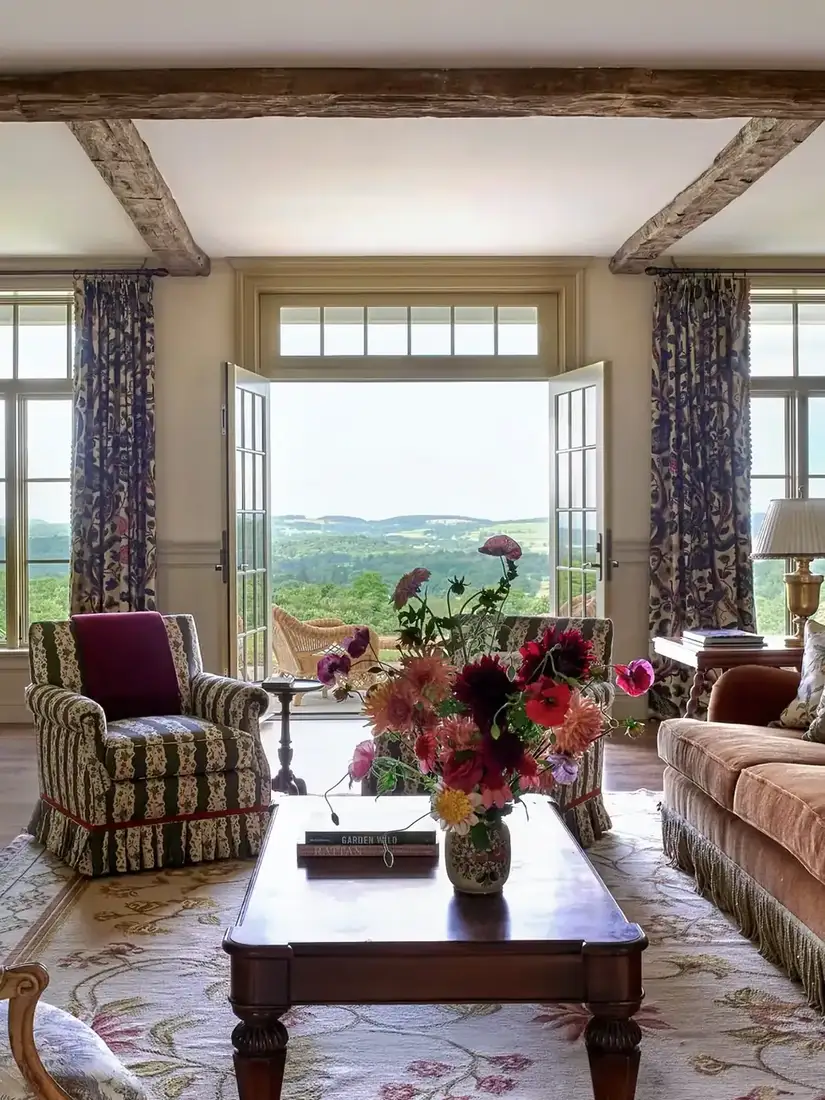
Chintz came back and most attempts look fussy rather than charming. You see three medium florals, each pretty on its own, and together they read as a fabric shop, not a room.
The difference is almost always scale. One large-scale floral reads confident. Three medium ones compete for the same wall.
These nine rooms show you how to let one lead and keep the rest quiet.
Scale that makes chintz confident
Get the scale right and the floral can carry the room.
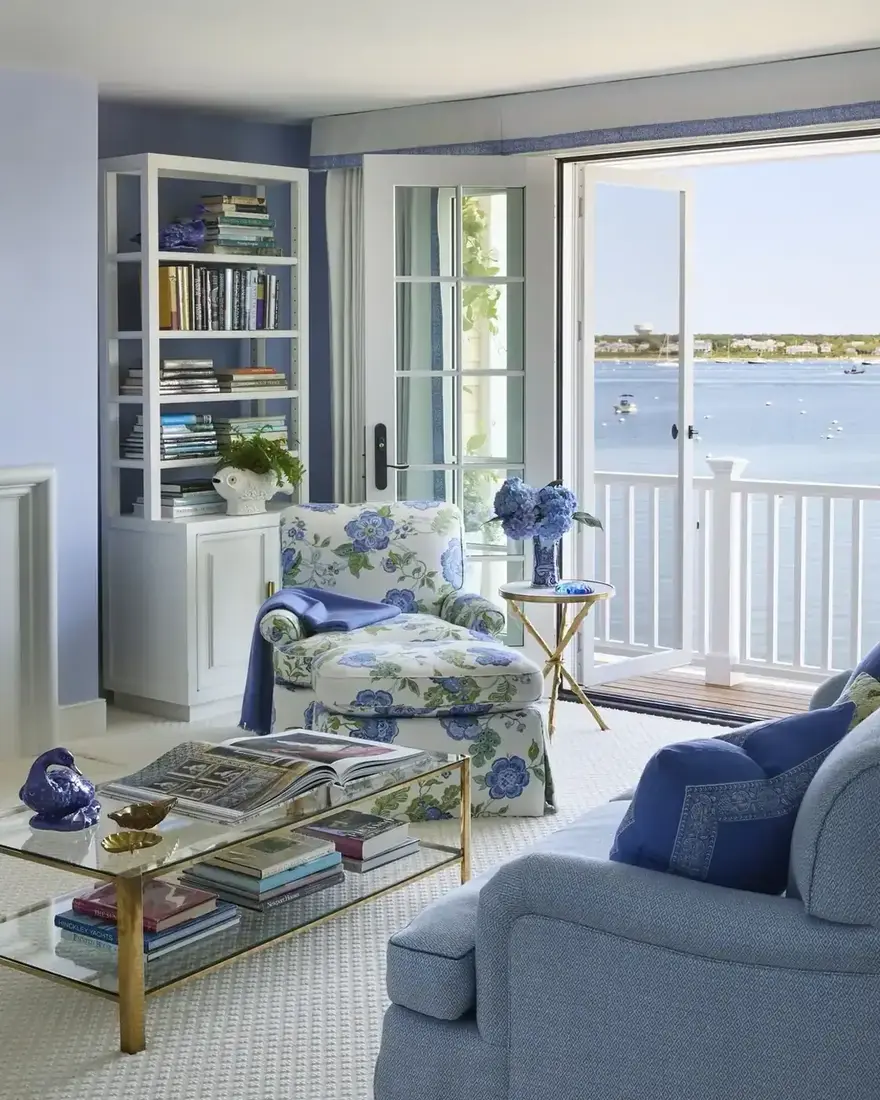
Give the lead to one large floral
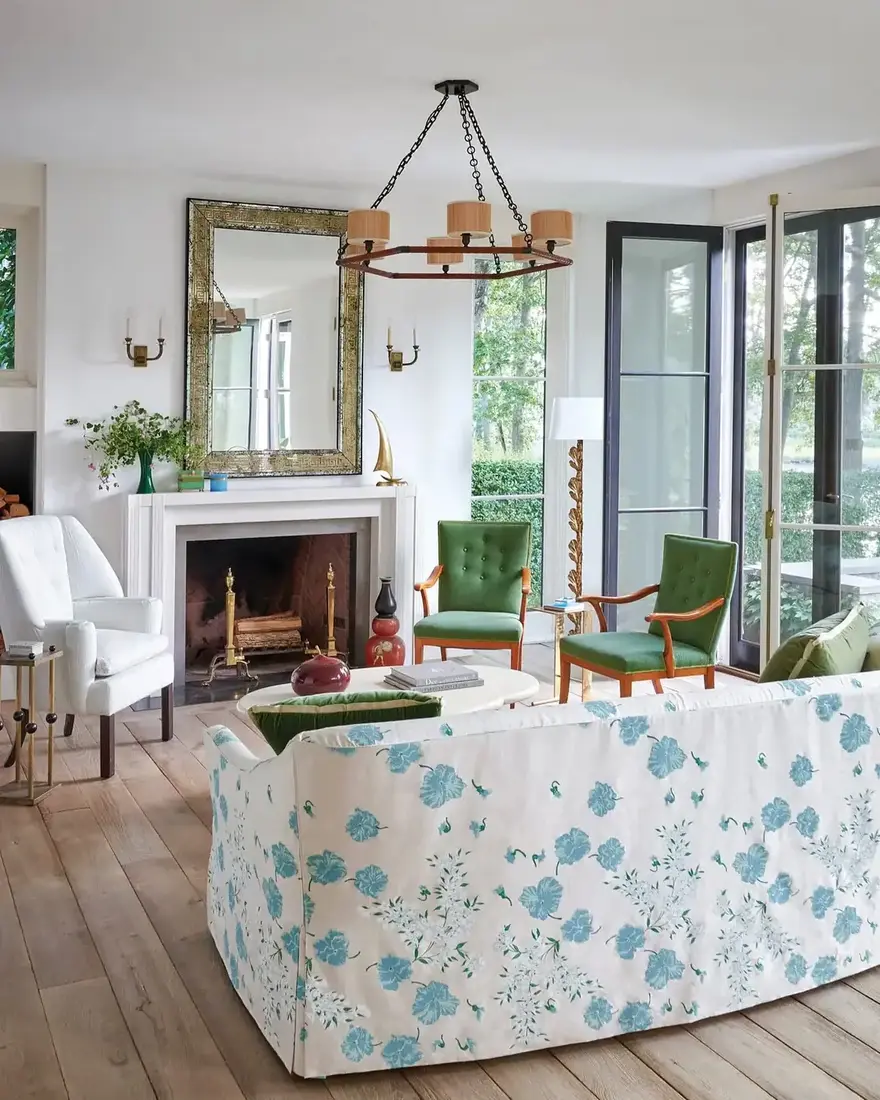
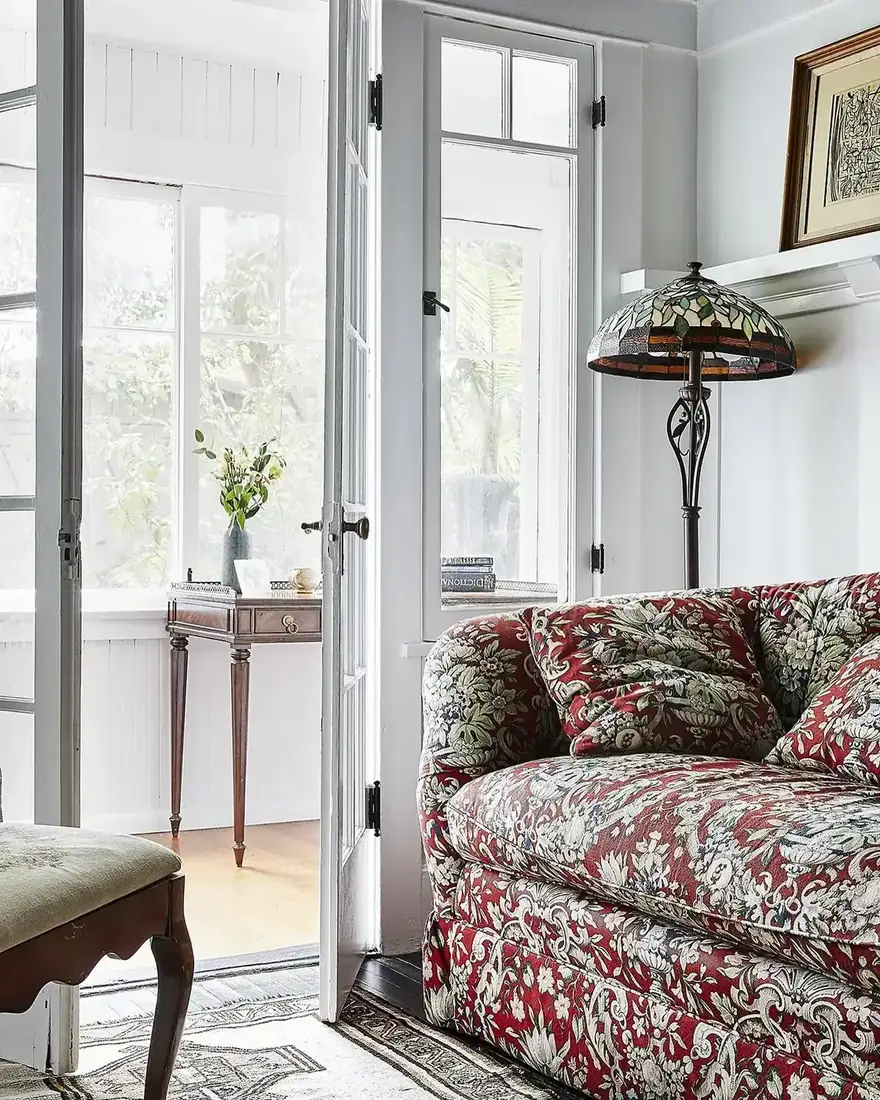
A large-scale floral has room to breathe. On a sofa or curtains, the full repeat shows, and the eye reads it as a single confident gesture. Three medium florals at the same scale fight for the same wall and the room feels busy. Choose one large floral you love and let it be the lead. Keep the other textiles plain, striped or checked, and you will see the lead read as intentional. When you keep that lead alone for you, you give the room a single confident note and you let the chintz charm rather than crowd. For more on mixing scales, see our english cottage living room ideas.
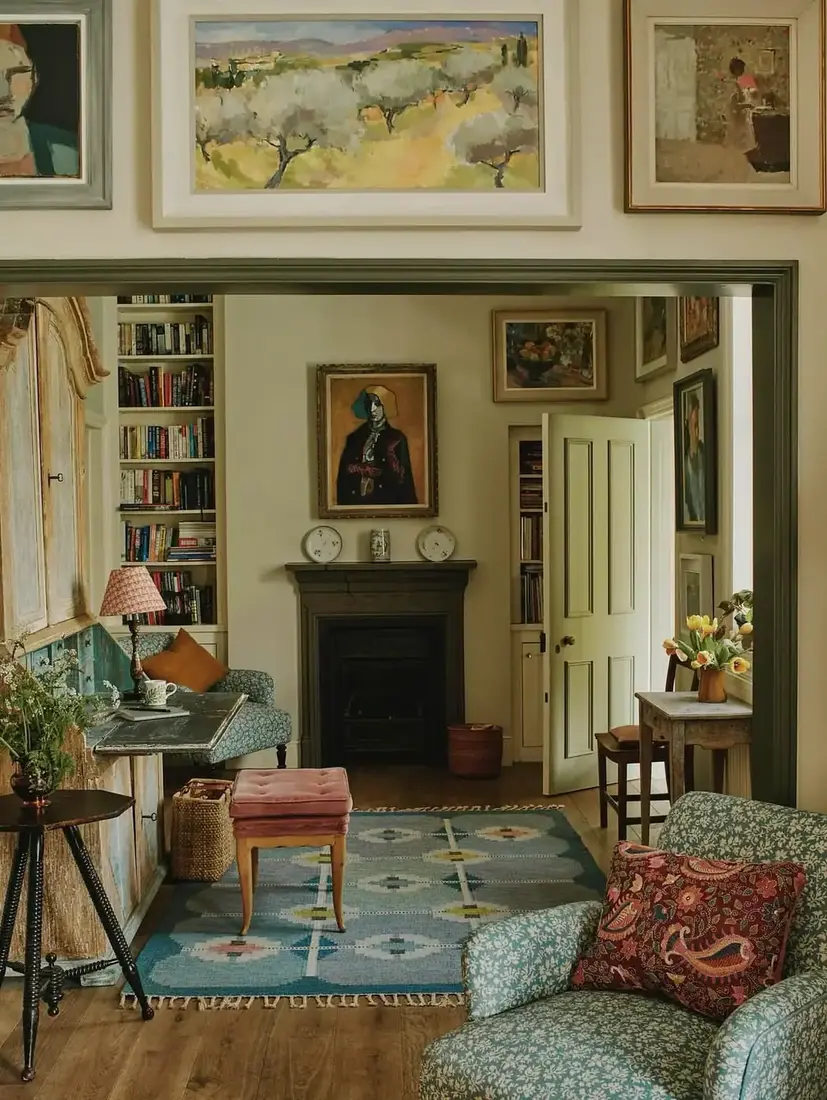
Keep large prints on large pieces
Large-scale prints suit big pieces such as sofas and curtains, where the repeat has space to show. Small-scale suits cushions and lampshades, where the repeat stays legible up close. When you respect that fit, the floral feels at home on the form it covers. A large floral squeezed onto a small cushion loses its rhythm, and a tiny print stretched across a sofa looks busy. When you match scale to surface for you, you keep the chintz at home on the form it covers. Keep scale matched to surface and the room feels considered.
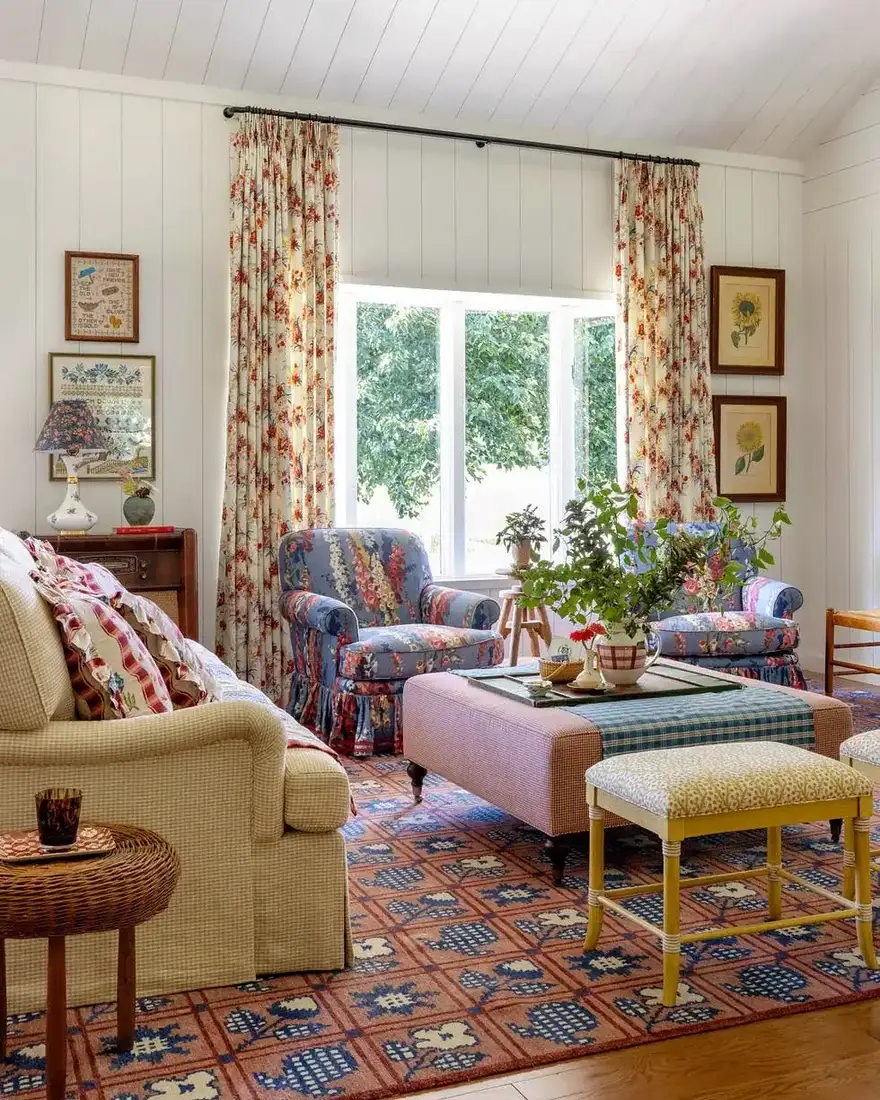
Keep companions plain, striped or checked
When one floral leads, everything else can be quieter. Plain linen, a simple stripe or a small check all give the lead room to breathe. That quiet lets the chintz be seen without competition. Keep the plain companions to one or two, and let the stripe read as texture rather than a second pattern. You register the room settle the moment the companions step back.
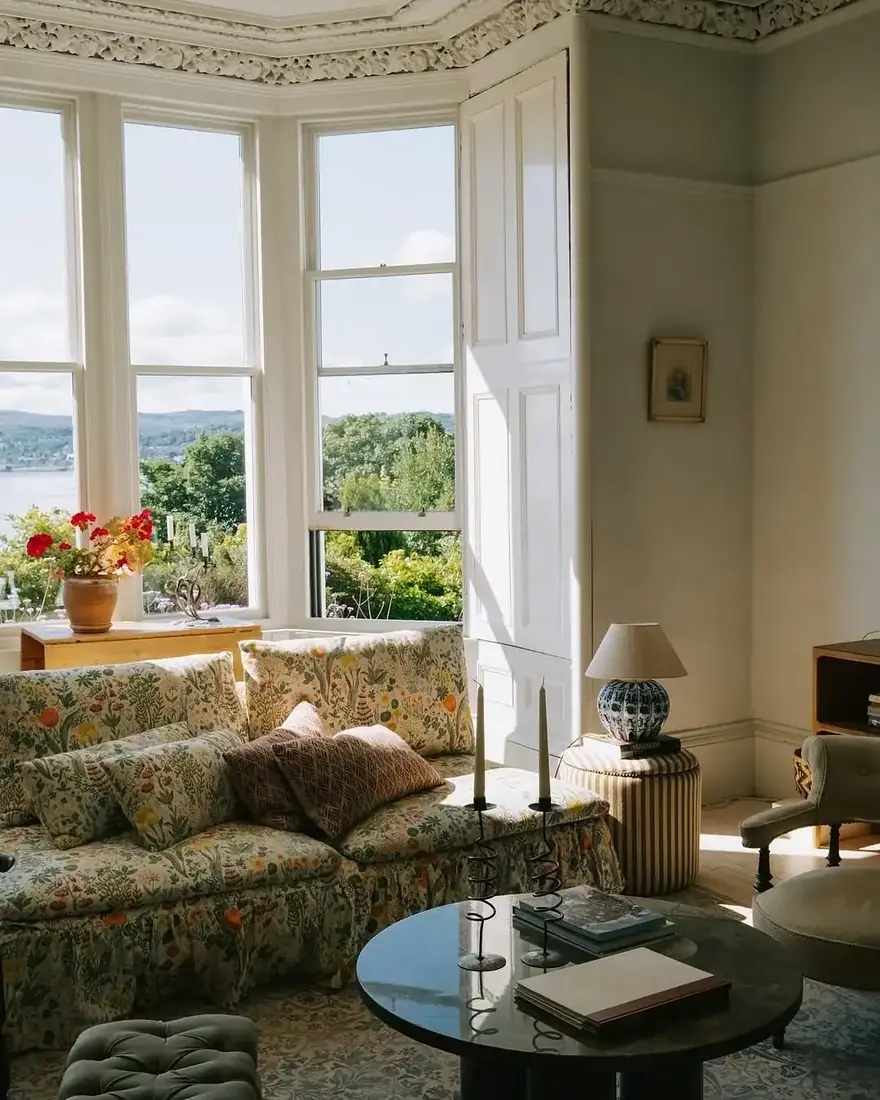
Colour and texture that keep chintz calm
The ground behind the floral matters more than the flowers, and you feel that ground before you name it. When you pull plain tones from the background for you, you give the chintz a quiet to sit on. You keep the walls calm and you let the floral lead for you, and you notice how the room settles when the background does the work. Hold that background tone against the floral in daylight and you will see the two sit as one family, not as wall versus fabric.
Pull plain tones from the background
The plain colours that calm a chintz come from the background of the print, not from its brightest flower. If your floral sits on a warm putty ground for you, pull putty for the walls and the plain sofa for you. Hold that putty chip beside the floral and step back — you will see the wall and fabric share the same quiet ground, and that echo is what keeps the chintz from floating. That echo ties the room together without matching. When you pull from the background, the floral feels rooted and the room reads as one fabric family. You will see the chintz settle when the wall belongs to the same ground.
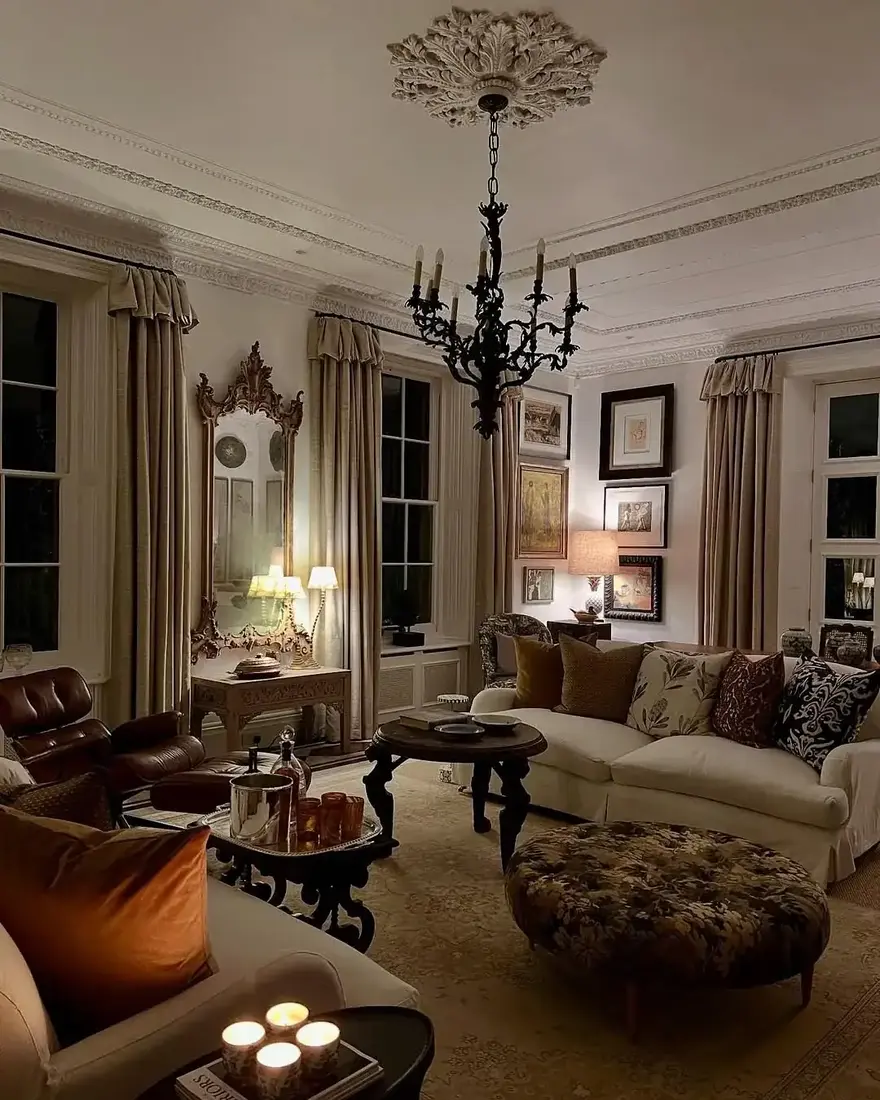
Let stripes sit beside florals as texture
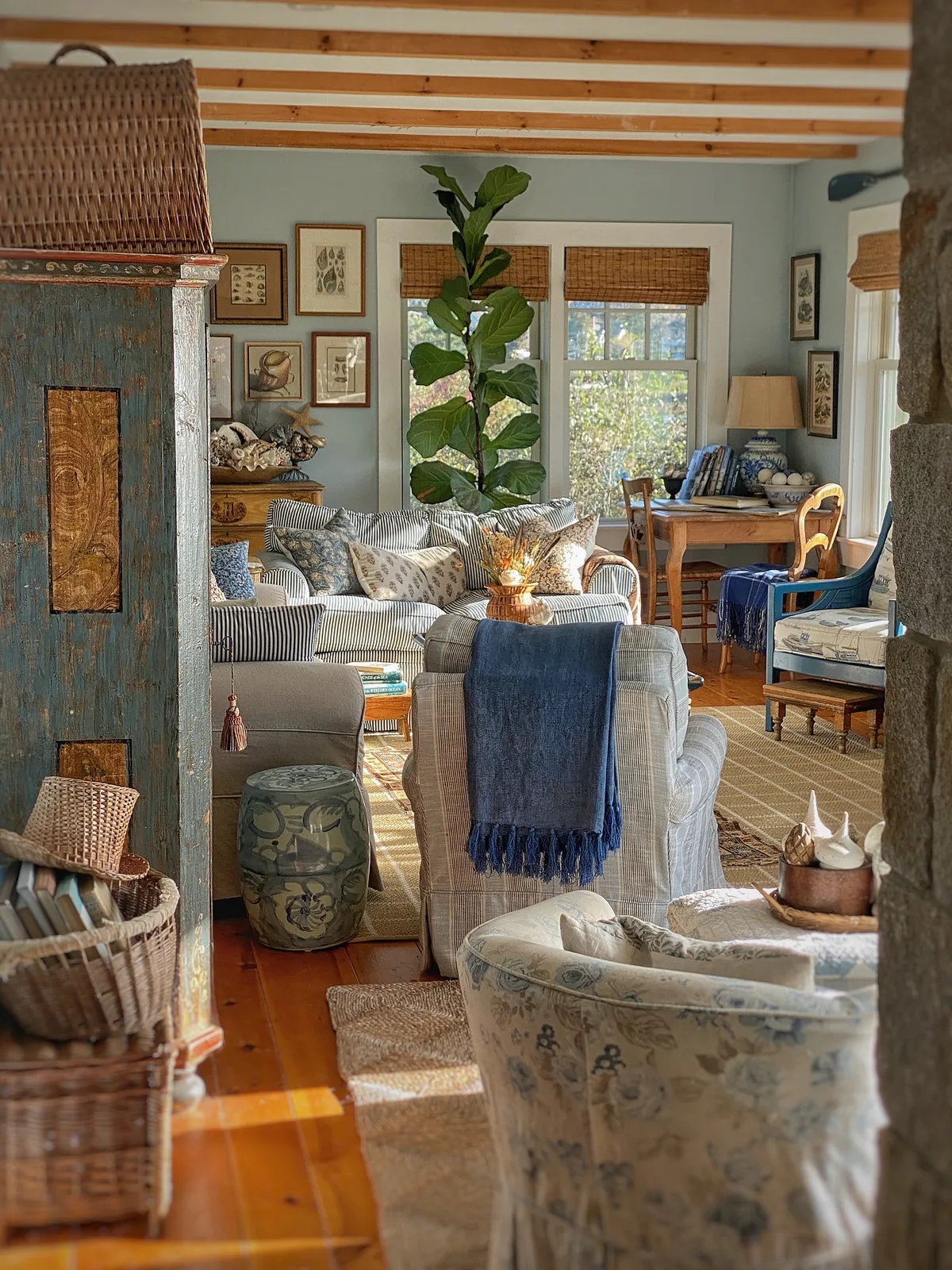
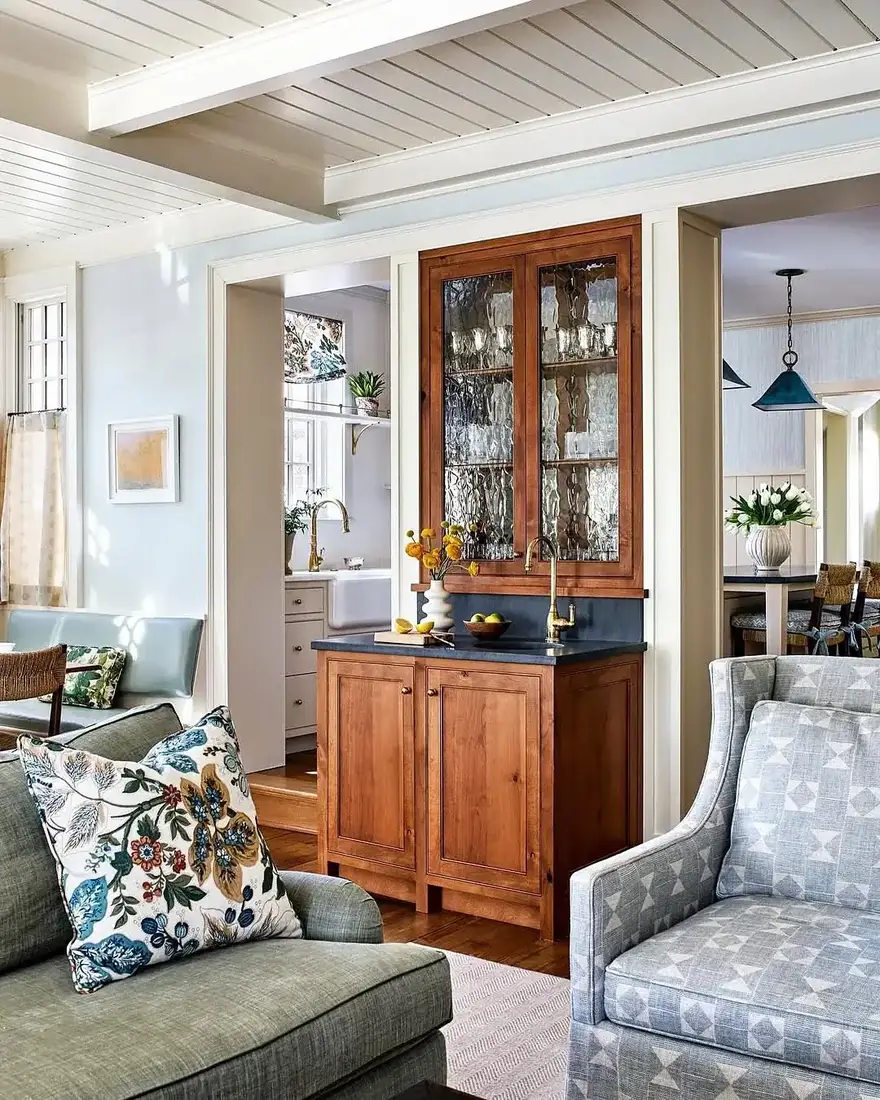
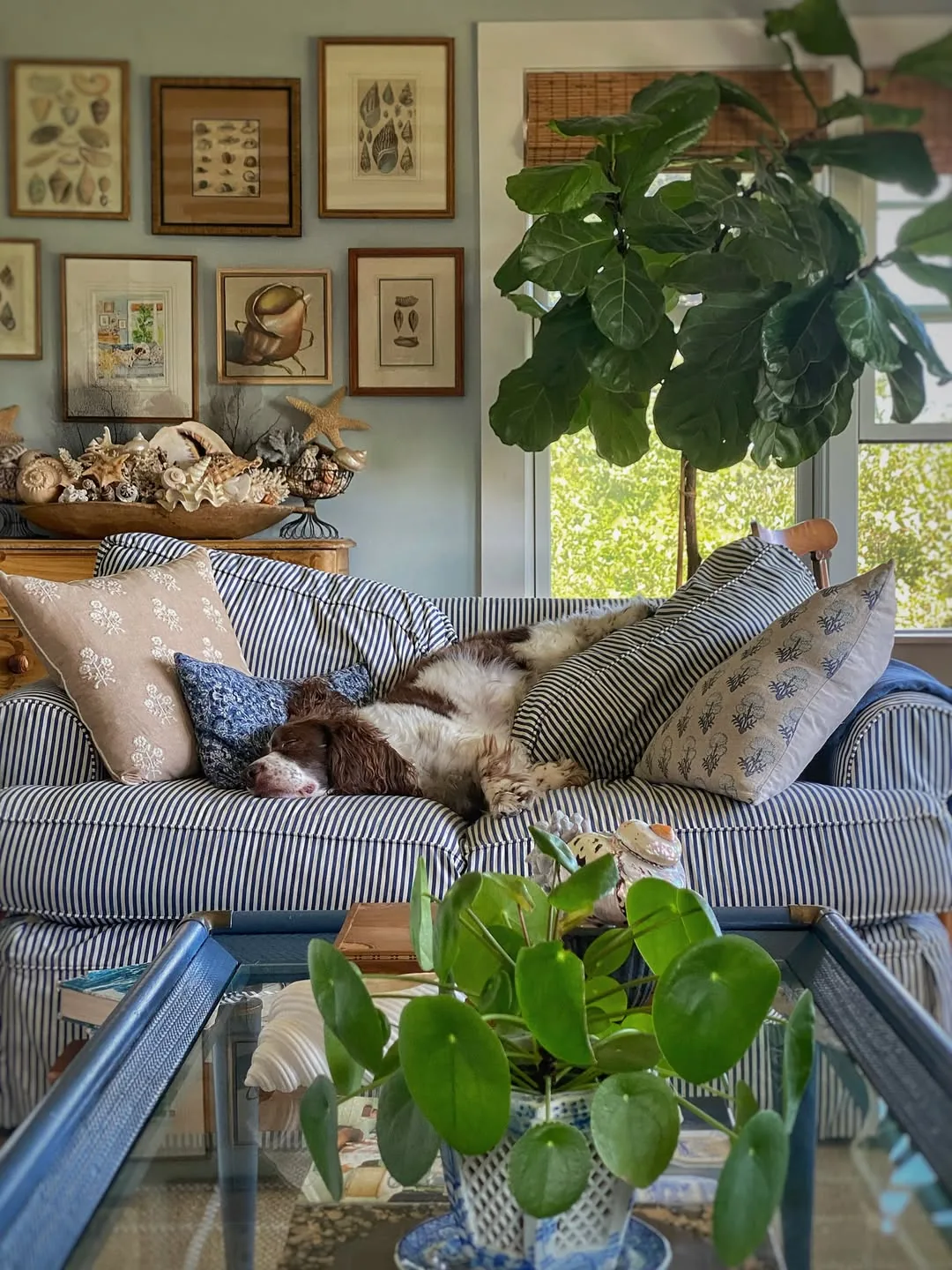
Stripes and florals work together because a stripe reads as texture rather than a competing pattern. A soft ticking on a chair beside a floral sofa gives you rhythm without a second floral. Keep the stripe’s scale smaller than the floral’s largest bloom for you, and keep the stripe’s colour quiet for you. When you keep that discipline for you, the stripe feels like the texture of the room, not a second pattern you added. That pairing feels layered, not busy, and you can change the stripe next season without losing the lead.
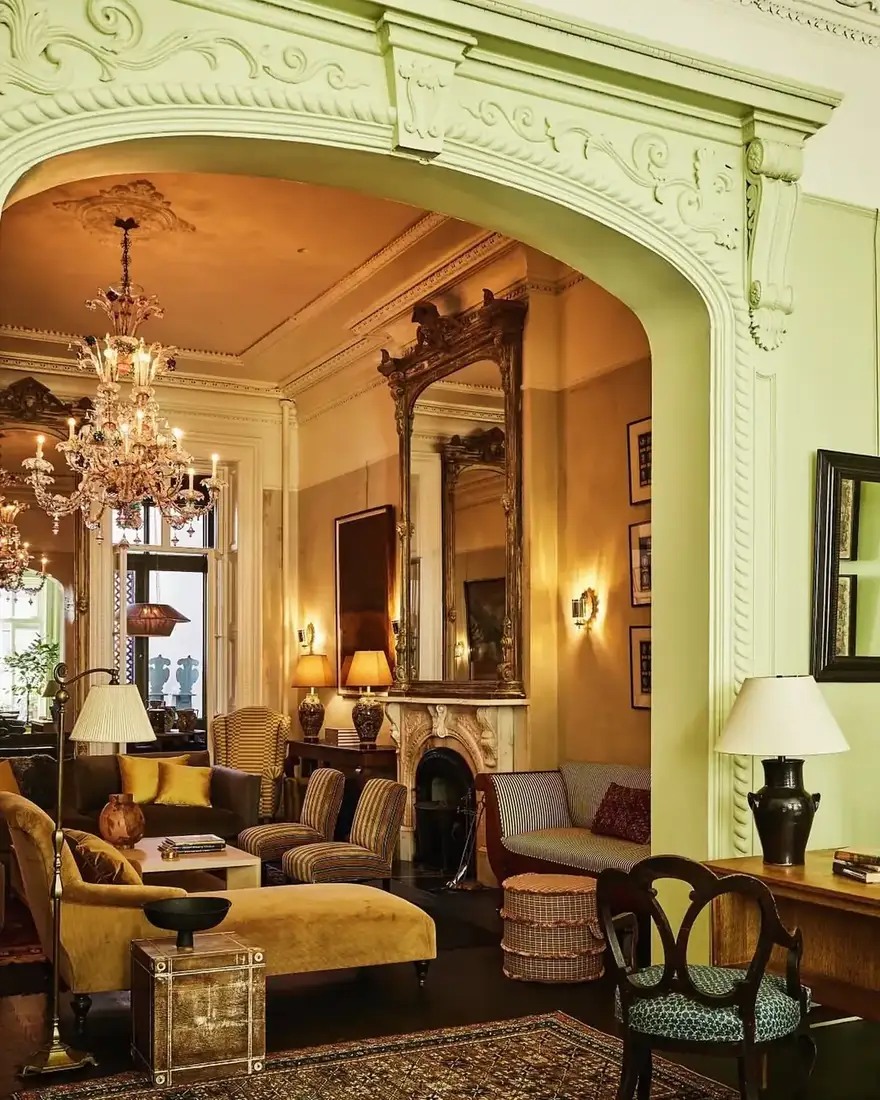
Paint woodwork from the print to ground it
Painting woodwork a colour taken from the print stops the pattern floating away from the architecture for you. When you tie the woodwork to the print, you ground the floral and you keep the room feeling like one family. A soft putty, warm white or muted green from the print’s ground for you on the skirting, mantel or door ties the floral back to the house for you. Keep that paint a touch deeper than the walls for you so the woodwork reads as a frame you can feel. Keep that paint a little deeper than the walls so the woodwork reads as a frame. When the woodwork belongs to the print, the whole room feels grounded.
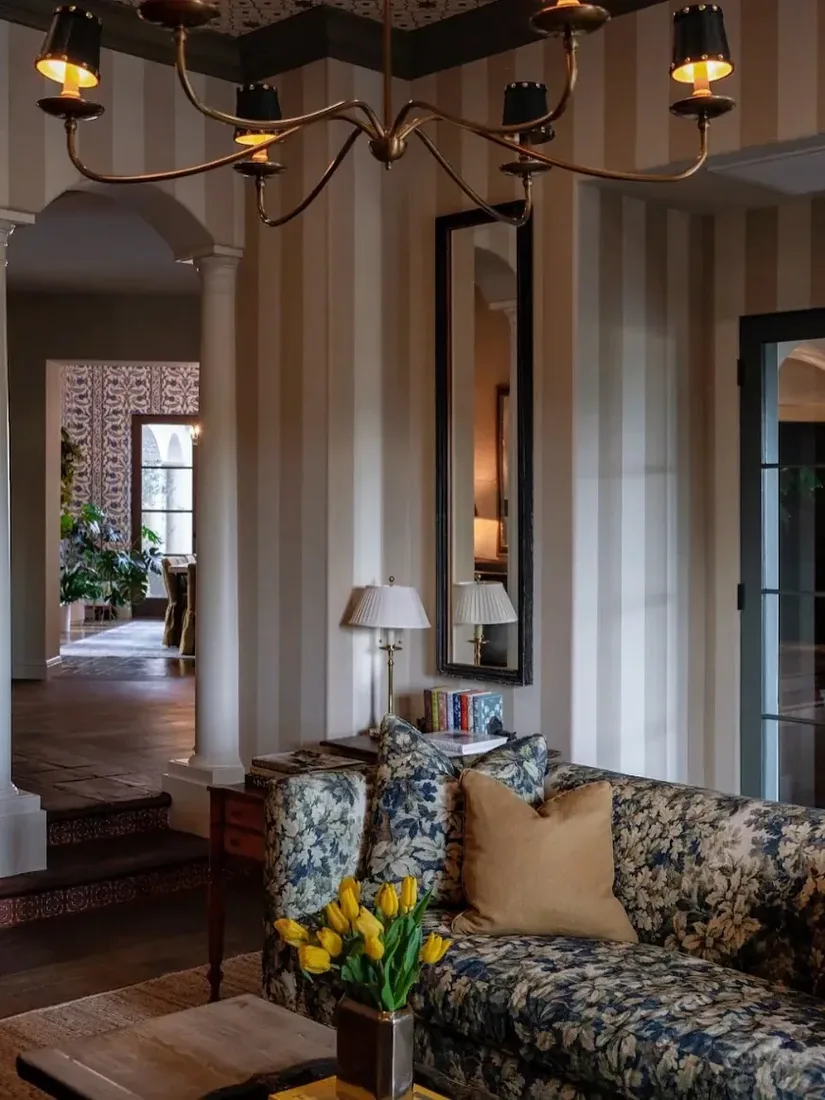
The quiet that lets one floral lead
The last choices are about restraint for you. When you keep small-scale to small surfaces for you, you keep the room layered at every distance for you. You will feel the room breathe when you let one floral lead and you keep the rest quiet for you.
Keep small-scale for small surfaces
Small-scale prints suit cushions and lampshades, where you can see the repeat up close for you. When you keep small to small for you, you keep the room layered at every distance for you. That second note stays secondary for you, and the large lead keeps the wall for you. A tiny floral on a cushion or a small lamp shade adds a second note without competing. Keep that small scale to one or two pieces, and let the large lead keep the wall. When you keep small to small, the room feels layered at every distance.
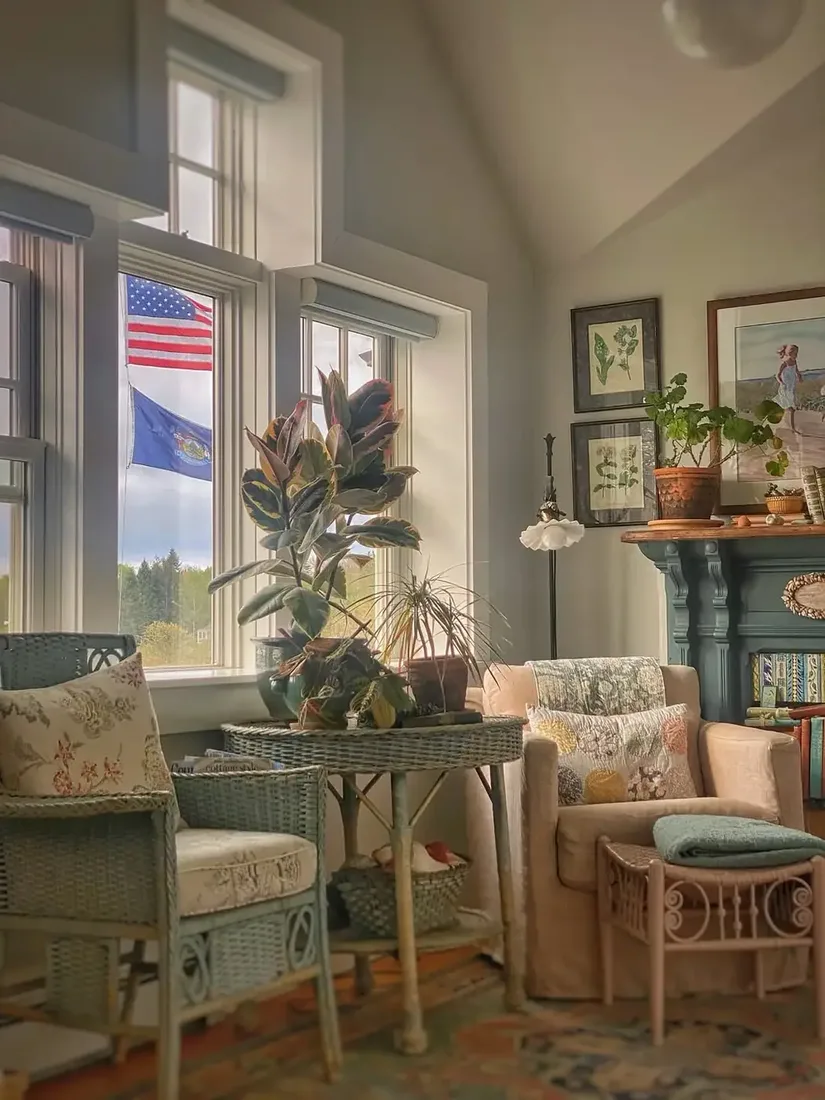
Edit the second floral before it competes
It is tempting to add another floral you love, but two leads make a crowd. Before you add a second floral, hold it beside the lead and ask whether the room needs it. When you hold that second floral beside the lead for you, you will see whether the room needs it or whether plain will calm it. Most often you need a plain or stripe instead. When you edit that second floral out for you, the lead reads as confident for you, and you keep the room from feeling like a fabric shop for you. You feel the calm the moment you leave the wall with one floral for you today, and you keep that calm for you. You feel the calm the moment you leave the wall with one floral for you. You read the calm the moment you leave the wall with one floral.
Chintz choices that charm
| Choice | How it reads | When you use it |
|---|---|---|
| One large floral leads | Confident, calm | Room feels like fabric shop |
| Large on sofa, small on cushion | Scale fits surface | Print feels squeezed |
| Pull from background | Grounded, quiet | Floral feels floating |
| Stripe beside floral | Texture, not competition | Need second pattern |
| Woodwork from print | Grounded | Floral feels detached |
The Floral Chintz Living Room Formula
- Let one floral lead. Large-scale, on sofa or curtains.
- Keep companions plain, striped or checked. No second competing floral.
- Match scale to surface. Large to large, small to small.
- Pull plain tones from the background. Not from the flowers.
- Add stripe as texture. Small stripe beside large floral.
- Paint woodwork from the print. Ties the floral to the architecture.
Hold those six and your chintz will feel charming, not fussy.
Frequently Asked Questions
How do I keep chintz from looking fussy?
Let one large-scale floral lead and keep everything else plain, striped or checked. When one floral has the room, the scale reads as confident.
Which scale suits a sofa?
Large-scale. The full repeat needs space to show. Small-scale suits cushions and lampshades where the repeat stays legible up close.
Where should plain colours come from?
From the background of the leading floral, not from its brightest flower. That keeps the room as one fabric family.
Can stripes and florals mix?
Yes. A stripe reads as texture rather than a competing pattern, so a soft ticking beside a floral feels layered, not busy.
Should I paint woodwork to match the floral?
Paint it a colour taken from the print’s background. That ties the floral to the architecture and stops it floating.
How many florals can I use?
One lead is enough. A second floral at the same scale makes the room read as a fabric shop. Add plain or stripe instead.
This article may contain affiliate links. We may earn a commission at no extra cost to you.