Sign Your Cabin Maintenance Contract With Eyes Open

Add us as a preferred source to see more stories on Google.
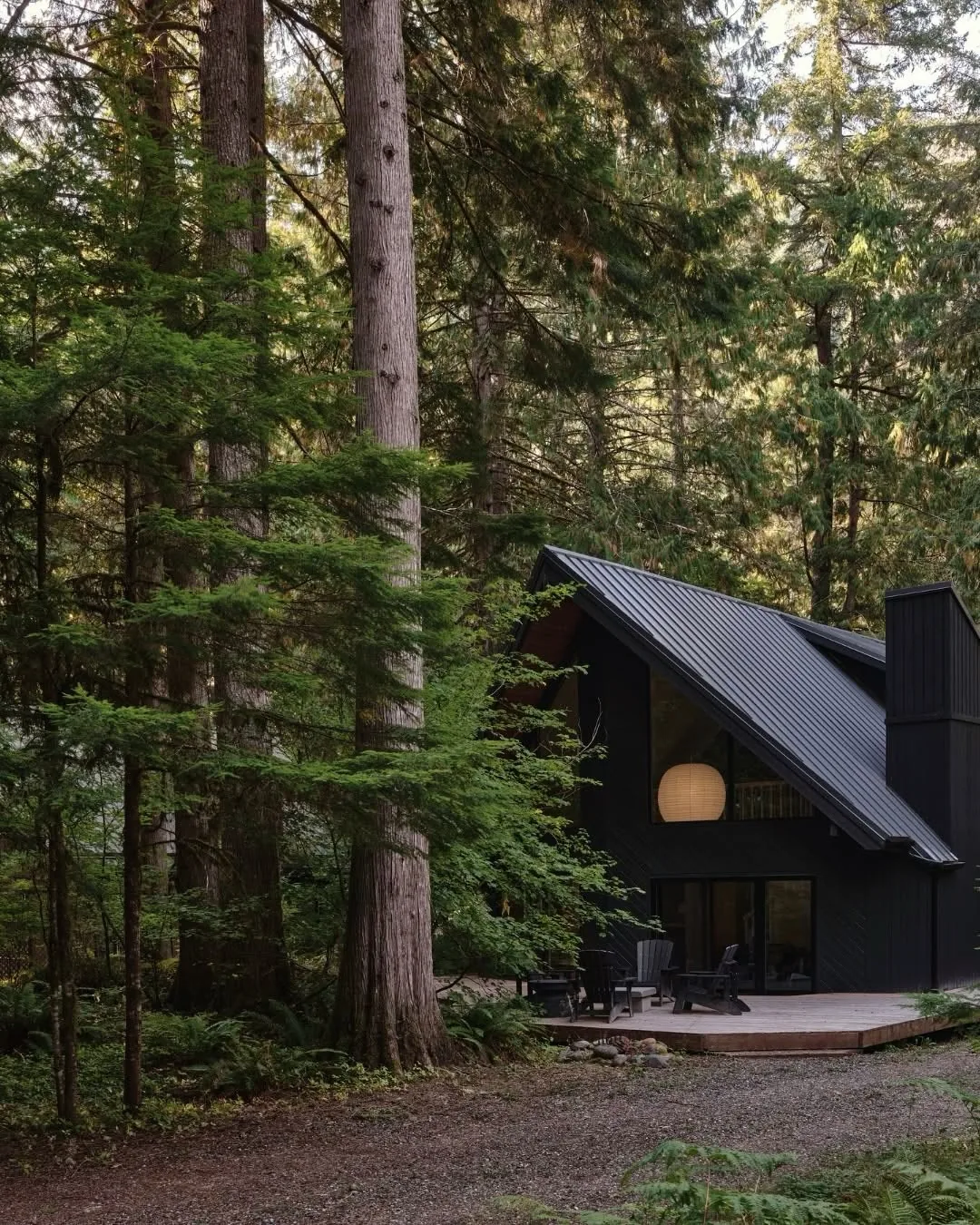
You bought the escape. You inherited the upkeep.
Here’s the thing. A cabin is a maintenance contract disguised as a getaway, and wood never stops asking for stain, clearing and attention.
Chances are the cabin lodge & barn exteriors you saved look effortless because somebody does the work off-camera. You’ll learn the real contract here, and you’ll still want the cabin. You’ll just own it with open eyes.
Sign the wood contract knowingly
You’ll love your timber more once you stop pretending it’s maintenance-free. These three ideas set honest terms.
Stain on schedule, not when it looks tired
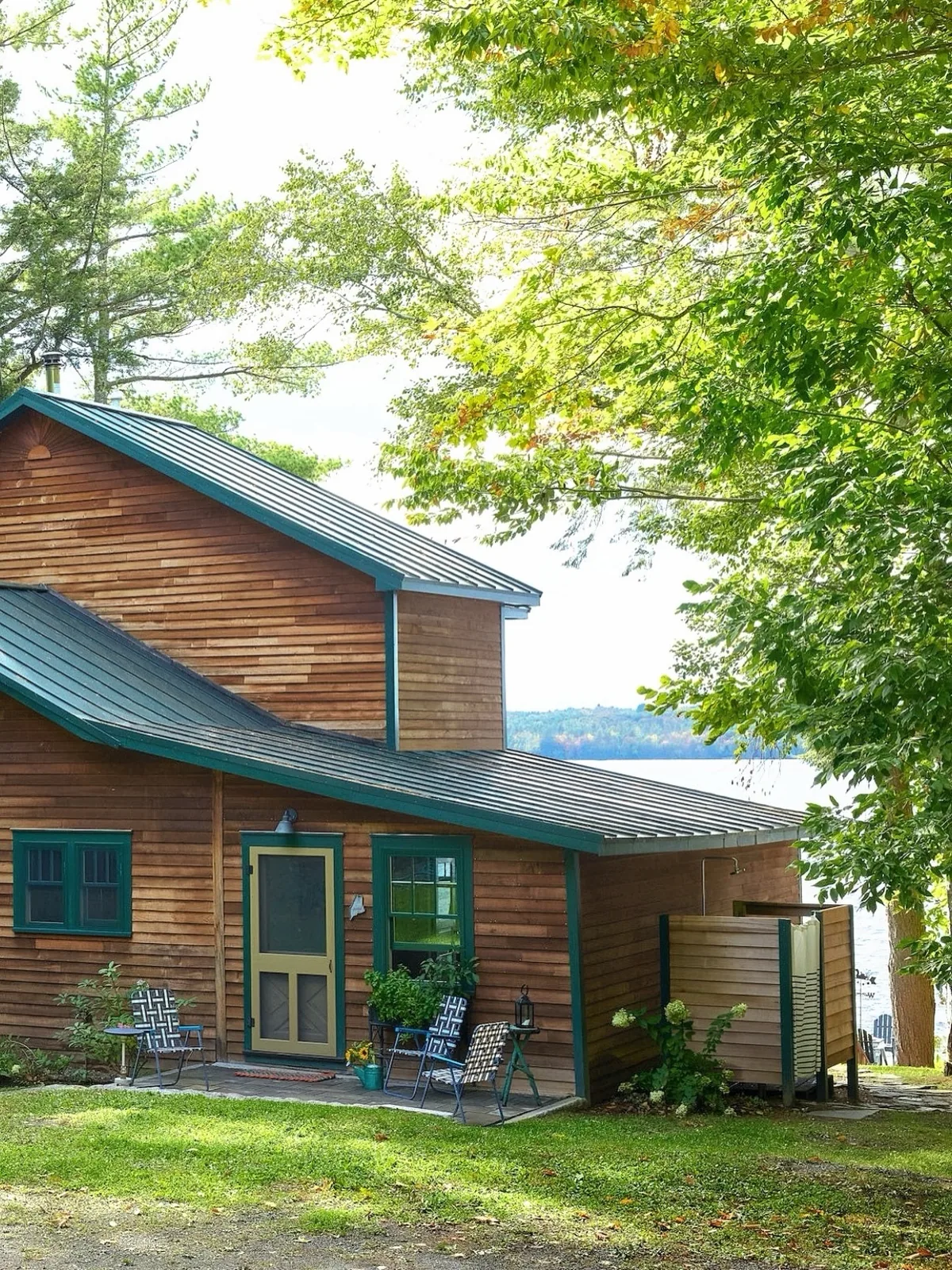
Wood siding fails slowly, then suddenly. You’ll restain every few years while the finish still beads water, because waiting until grey means sanding back to bare wood at triple the effort. The south and west walls age twice as fast, so you’ll walk them each spring with a critical eye.
You’ll pick stains you can recoat without stripping. Semi-transparent penetrating stains fade gracefully and accept fresh coats, while film-forming paints peel in sheets you’ll scrape for weeks. Ask your supplier what re-coating demands before you buy the first gallon. The cheapest stain is the one you’ll actually reapply on time.
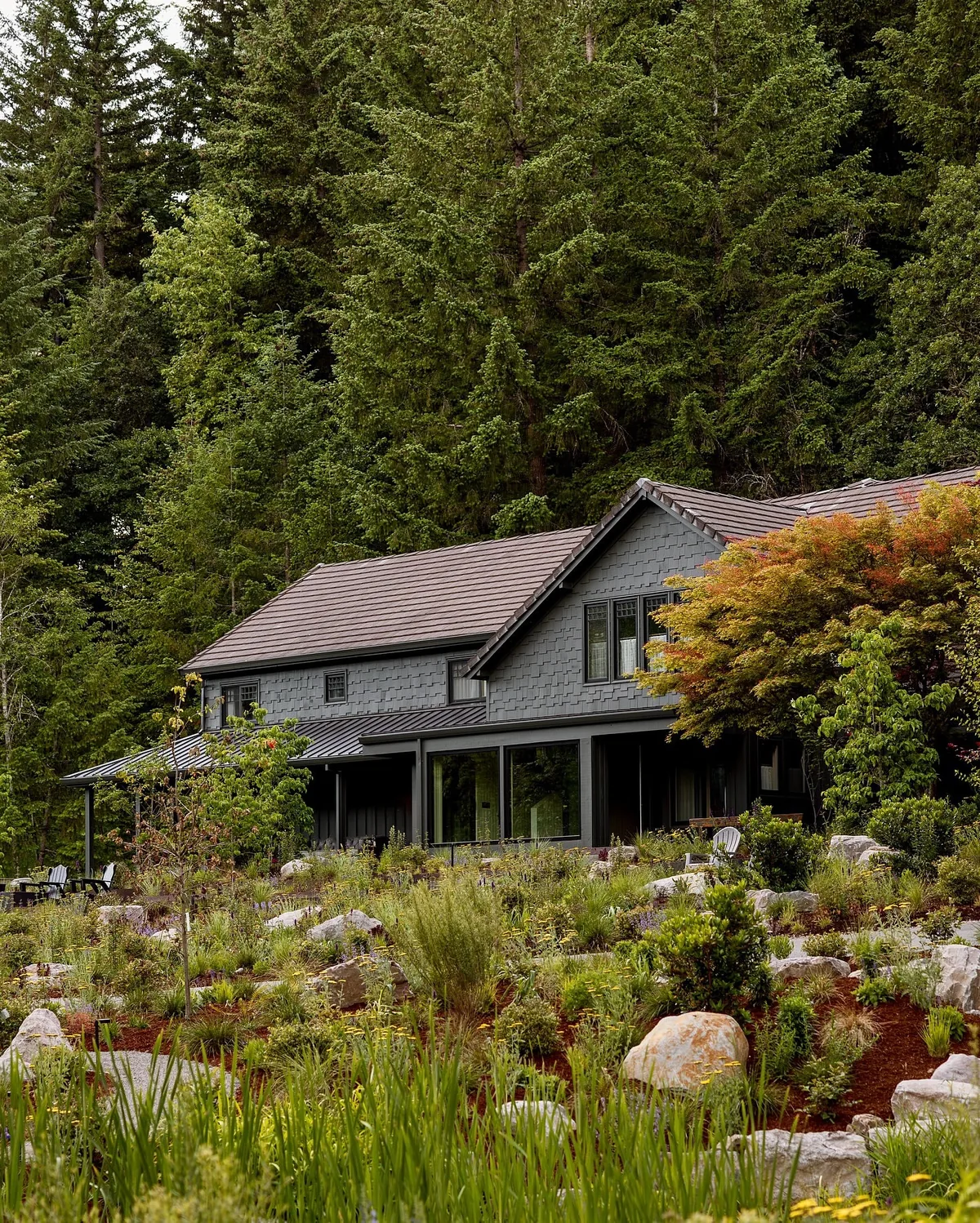
Cap timber walls with a metal roof
Wood walls plus a wood roof doubles your maintenance and your fire worry in one decision. You’ll cap cabins, lodges and barns with standing seam metal that sheds snow, resists embers and outlasts every stain you’ll ever brush below it. The crisp dark lines flatter rough timber exactly the way tailored boots suit workwear.
You’ll match gutters and flashing to the roof so the whole crown reads as one decision. In snow country you’ll add guards above doors before the first winter, because smooth metal avalanches onto porches otherwise. One metal roof turns your highest-maintenance wall material into a house you’ll actually relax inside.
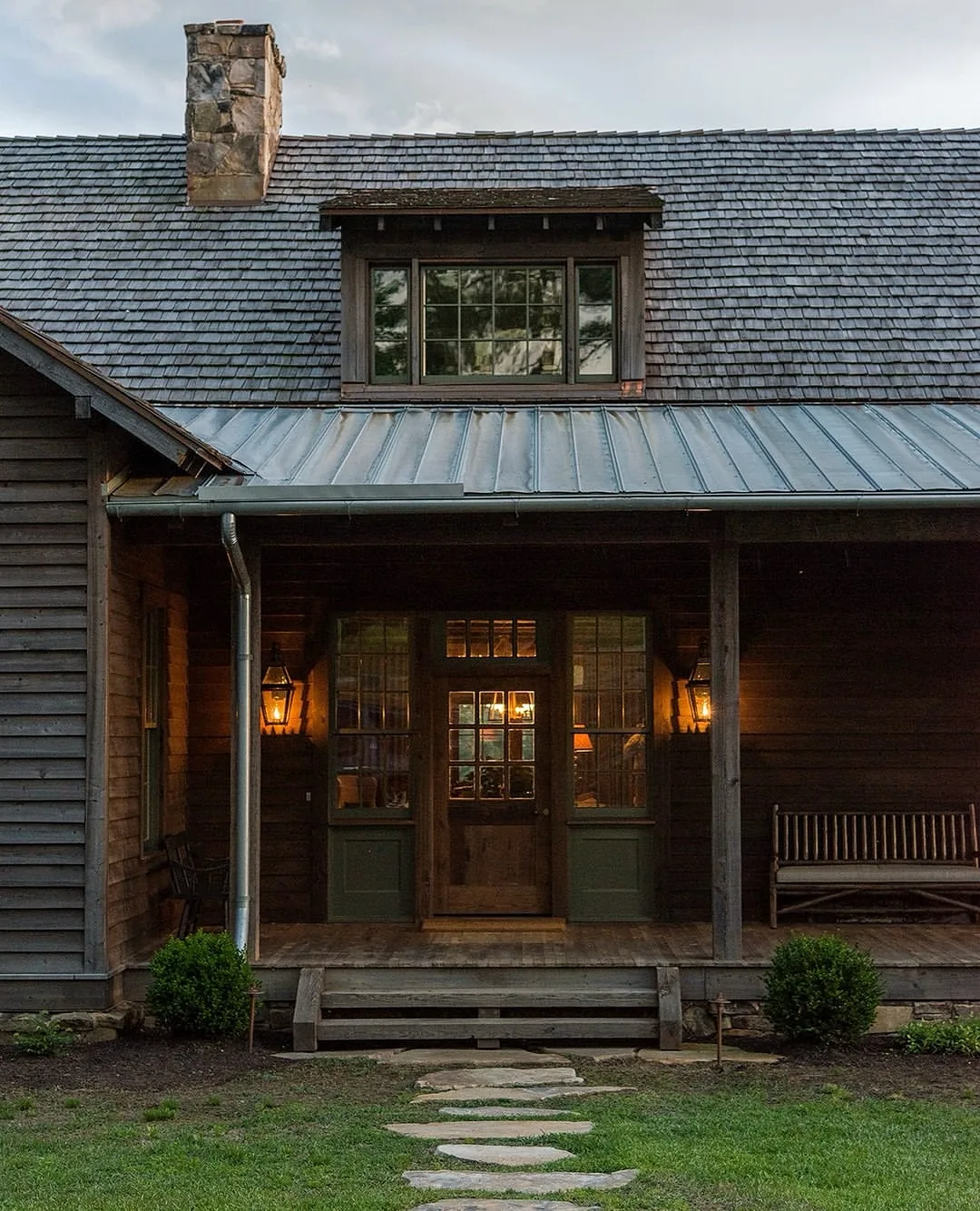
Clear cabin lodge & barn exteriors for light, air and embers
Forest shade rots wood as surely as rain does. You’ll limb trees up and pull canopies back so sun and breeze reach every wall daily. Walls that never dry grow moss, hold insects and eat stain twice as fast. Clearing feels brutal the first day and obvious within a season.
You’ll also clear for fire sense, not fear. A defensible gap of lean, clean ground around your buildings slows embers and gives firefighters room you’ll hope they never need. Keep firewood, lumber and brush piles away from walls. Light, air and distance are free materials, so you’ll spend them generously around everything wooden you own.
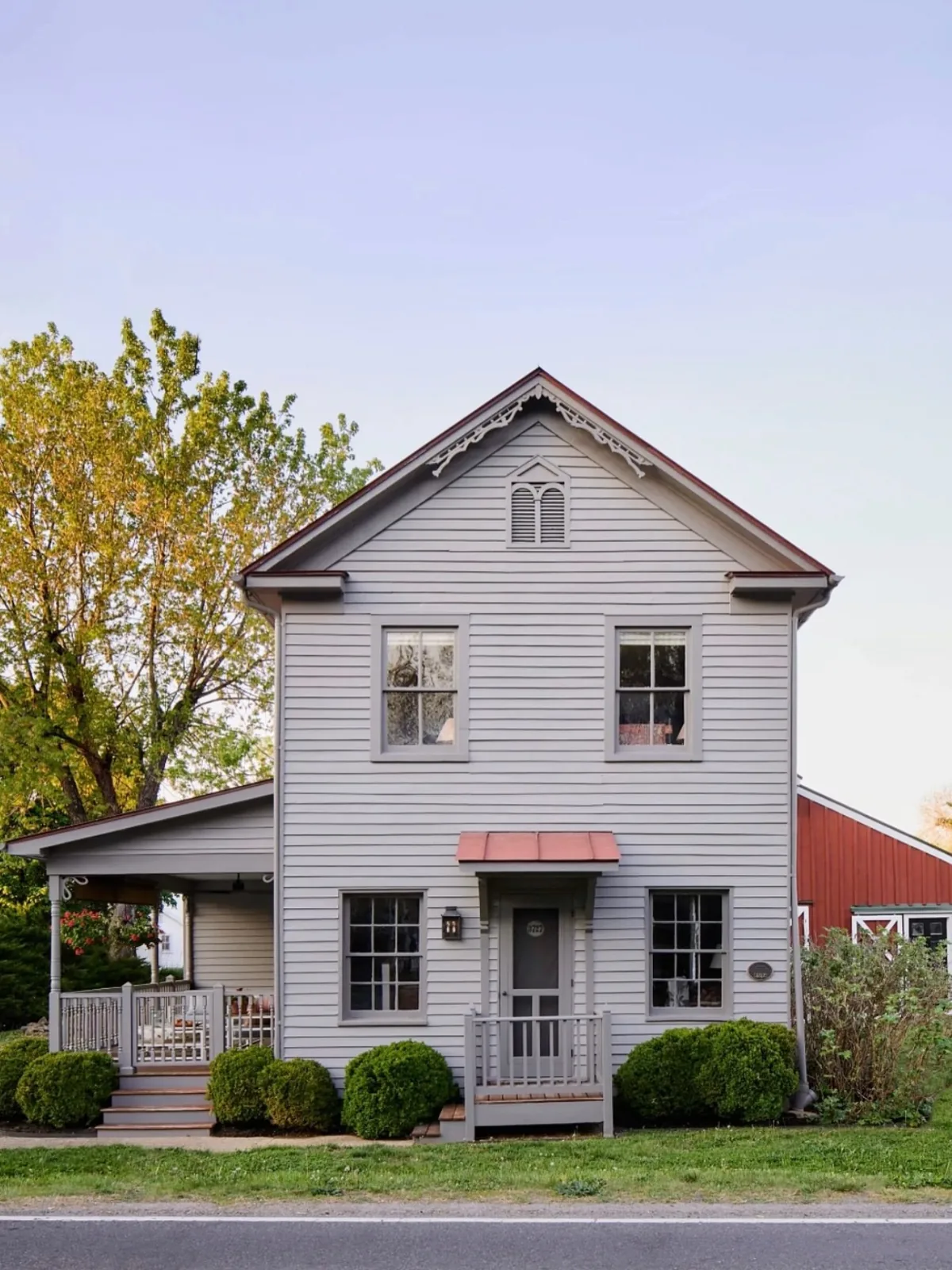
Buildings that belong together
Cabins collect outbuildings like closets collect boxes. You’ll plan the family before it sprawls.
Let the porch carry the living
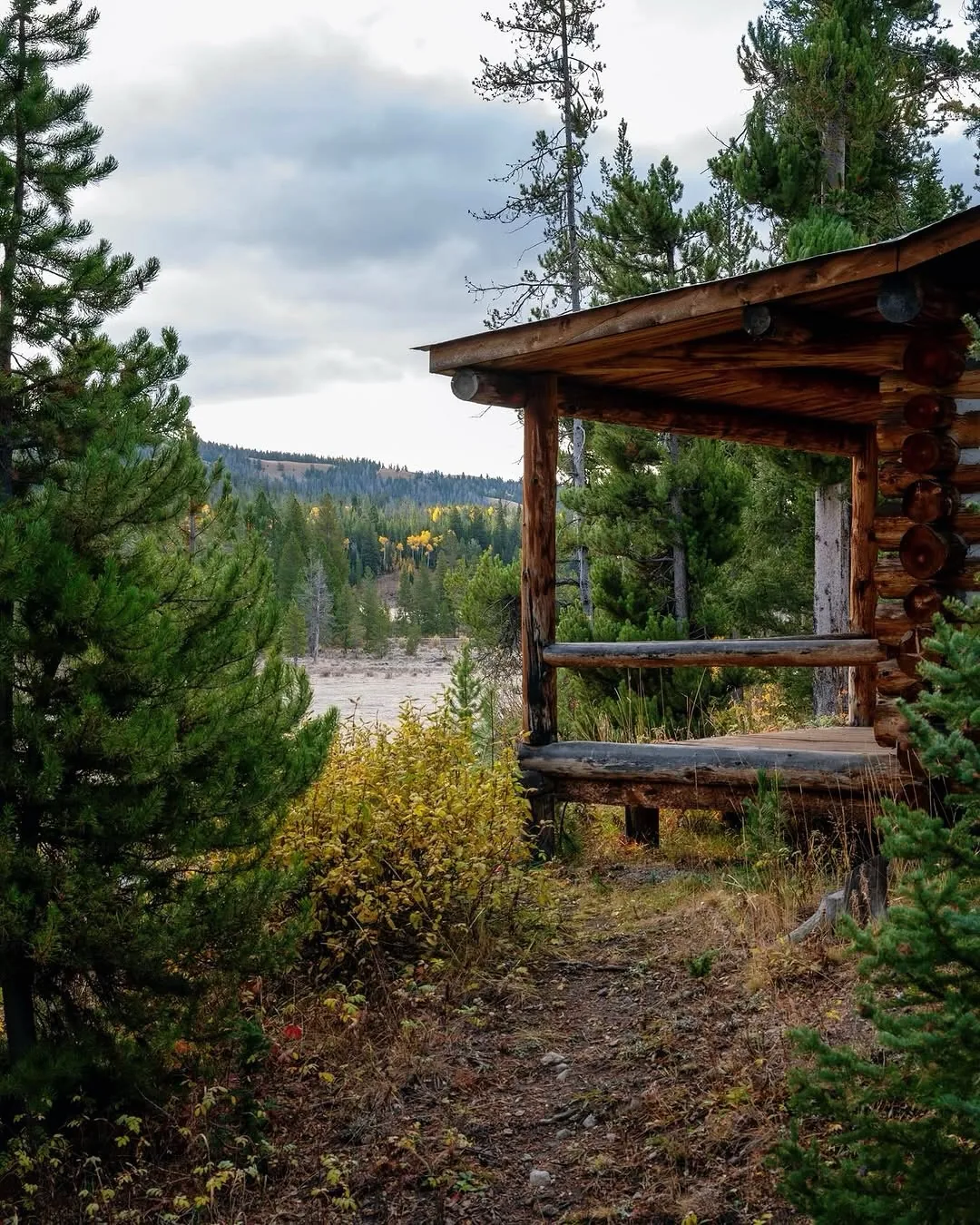
Your cabin’s smallest rooms push life outward, so you’ll build the porch like a room you’ll furnish seriously. Deep enough for dining plus lounging, roofed against mountain weather and railed for the view, it becomes the gathering place your floor plan can’t fit. You’ll wire it for light and heat before you finish the walls.
You’ll furnish it tough: cedar, metal and outdoor fabrics that forgive boots and dogs. A porch you baby stays empty, while one built for abuse fills nightly. When the porch works, you’ll find your cabin sleeps more guests happily than its bedroom count suggests. Square meters outside cost less and please more.
Commit to barn red or leave it alone
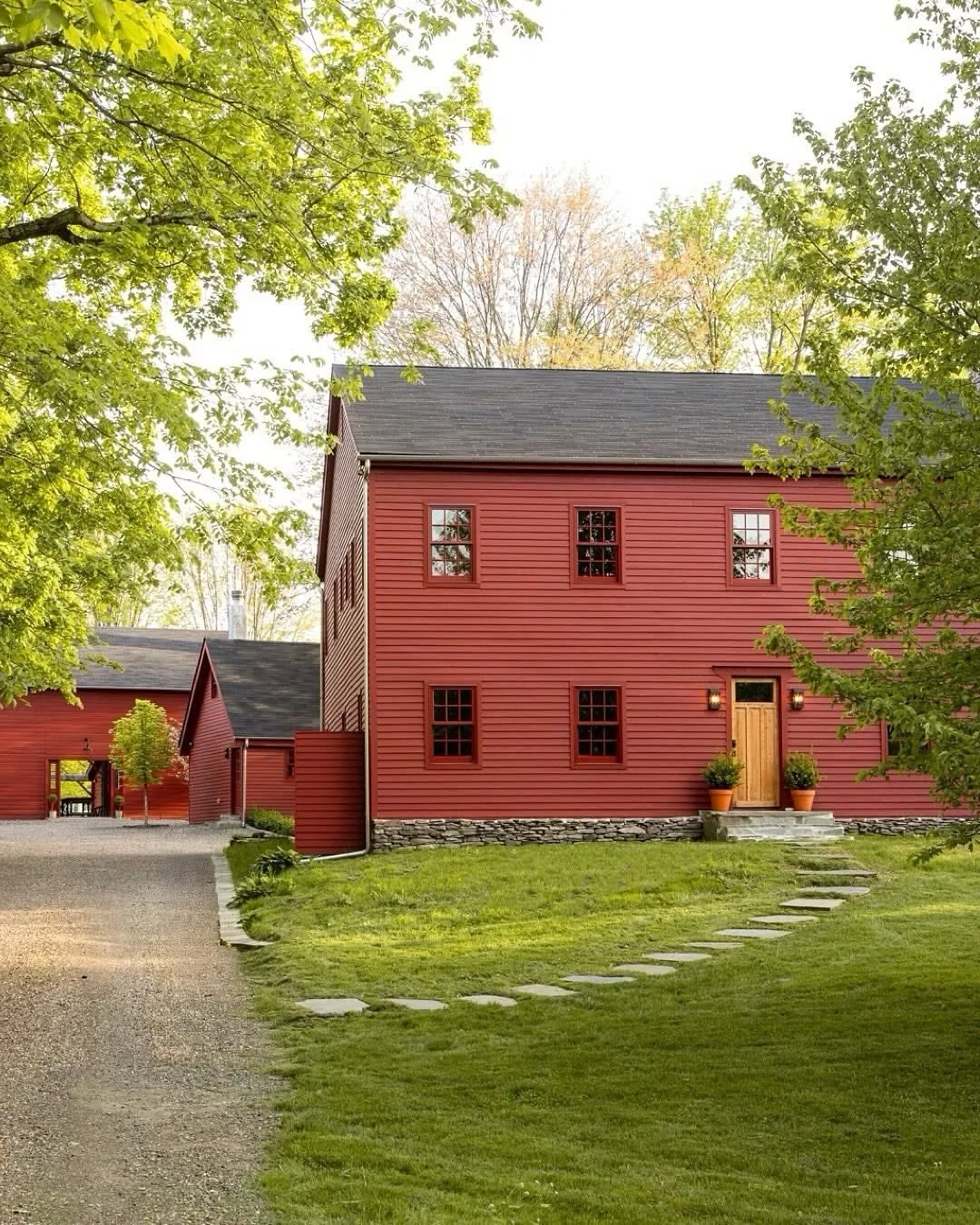
Barn red is a promise, not a paint color. You’ll paint it deep and true with brown hiding inside, trim it in clean white or natural timber and repeat it nowhere else on the property. One red barn anchors acres the way one red door anchors a facade. Half measures, faded pink or patchy stain, read as neglect from the road.
You’ll maintain red on schedule because it chalks visibly in sun. Wash yearly, touch up trim and recoat before the fade shows. A red barn you keep glows against green pasture like nothing else you’ll ever own. One you abandon becomes the photograph of what the place used to be.
Land like you mean to stay
Access, meadow and light decide whether your retreat restores you or chores you. You’ll design all three.
Bridge the wet ground instead of filling it
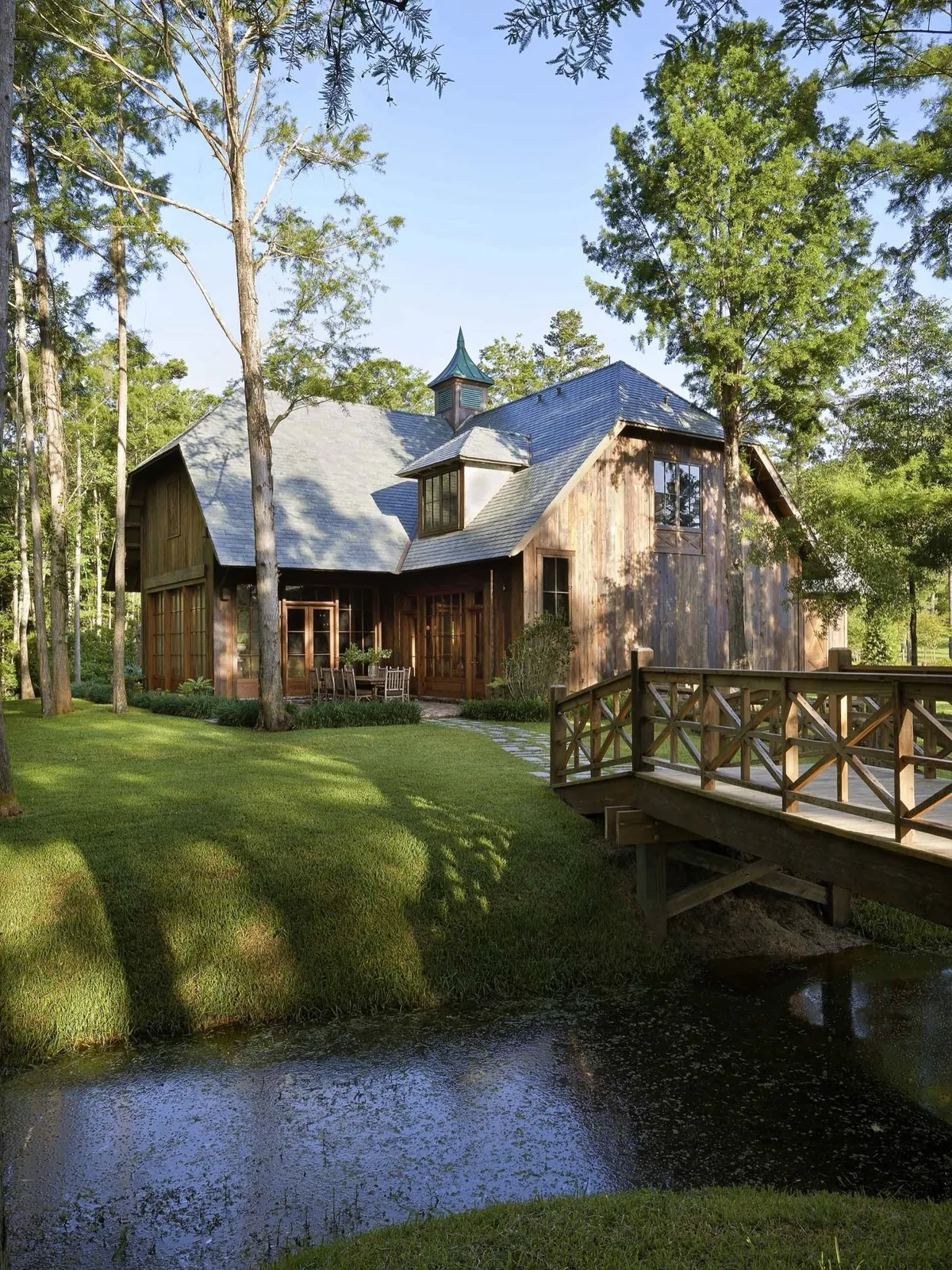
Cabins sit where land is cheap, which often means damp. You’ll span wet approaches with a simple timber bridge or boardwalk rather than filling and grading against the water. Bridging keeps your access dry, your foundations drier and the wetland doing its job beside you.
You’ll build the crossing wide enough for wheelbarrows and midnight arrivals, with rails where the drop exceeds a step. Weathered timber suits the setting and grips boots better than planed boards. For stone footings and walls that tie timber buildings to their ground, see our stone farmhouse exterior ideas. Cross water lightly and it stays an asset.
Keep the meadow, mow the path
A mown acre around a cabin looks anxious and drinks weekends. You’ll keep the meadow tall and mow only what you use: paths to the door, the fire circle and the washing line. Wildflowers feed pollinators, tall grass hides the septic field and you’ll reclaim hours every summer week.
You’ll mow edges crisply so the wild reads intentional, not abandoned. One sharp border between path and meadow tells visitors the wildness is a choice you’ll defend. For more planting that frames rustic buildings without fighting them, browse the rest of our home exterior guides. Meadow plus edges gives you the postcard and the weekends both.
Cabin logic versus suburban logic at a glance
| Cabin logic | Suburban logic | |
|---|---|---|
| Siding | Stain on schedule | Paint and forget |
| Roof | Metal that sheds and resists | Shingles like the neighbors |
| Trees | Cleared for light and air | Planted close for shade |
| Porch | Biggest room, built tough | Decorative entry strip |
| Ground | Meadow with mown paths | Full lawn, full weekends |
| Verdict | Build for the forest | Fails out here |
The Cabin & Barn Formula
If you strip all seven ideas down to a plan, it reads like this:
- Stain before grey. Recoat while water still beads, south walls first.
- Metal over timber. Snow-shedding, ember-resisting, one calm crown.
- Clear for light and air. Walls that dry survive decades longer.
- Porch as biggest room. Furnish tough for boots, dogs and crowds.
- One red barn, kept. Commit fully or paint it anything else.
- Meadow with edges. Mow paths, keep borders sharp, free your weekends.
Get those six right and your retreat restores you instead of choring you. You’ll own the escape, contract and all.
Frequently Asked Questions
How often do I need to stain a log cabin?
Every few years, and you’ll recoat while water still beads rather than waiting for grey. South and west walls weather fastest, so you’ll inspect them each spring. Penetrating stains that accept fresh coats beat paints you’ll have to scrape.
What roof is best for a log cabin?
Standing seam metal. You’ll get snow shedding, ember resistance and decades past any stain cycle below it. Add snow guards above doors before the first winter, and match gutters to the roof for one calm crown.
Should I clear trees around my cabin?
Yes for light, air and fire sense. You’ll limb up canopies so walls dry daily and keep a lean gap around buildings for embers. Clearing feels brutal once and obvious ever after, and your stain lasts twice as long on dry walls.
Can I build a barn-style house in the suburbs?
You’ll check covenants first, then commit fully to the idiom. Deep red or weathered timber, simple gables, honest porches. A half-barn reads as a confused garage, while a committed one anchors its street like nothing else.
Is a metal roof too modern for a log cabin?
Not in matte earth tones. You’ll find crisp dark seams flatter rough timber the way tailored boots suit workwear. Standing seam echoes barn and mountain building traditions rather than fighting them.
How do I landscape around a cabin cheaply?
You’ll keep the meadow and mow only paths, the fire circle and access. Crisp edges make wildness read intentional. Native grasses and wildflowers feed pollinators while you reclaim your weekends from the mower.
This article may contain affiliate links. We may earn a commission at no extra cost to you.