Your New Cedar Will Go Orange Before It Goes Silver

Add us as a preferred source to see more stories on Google.
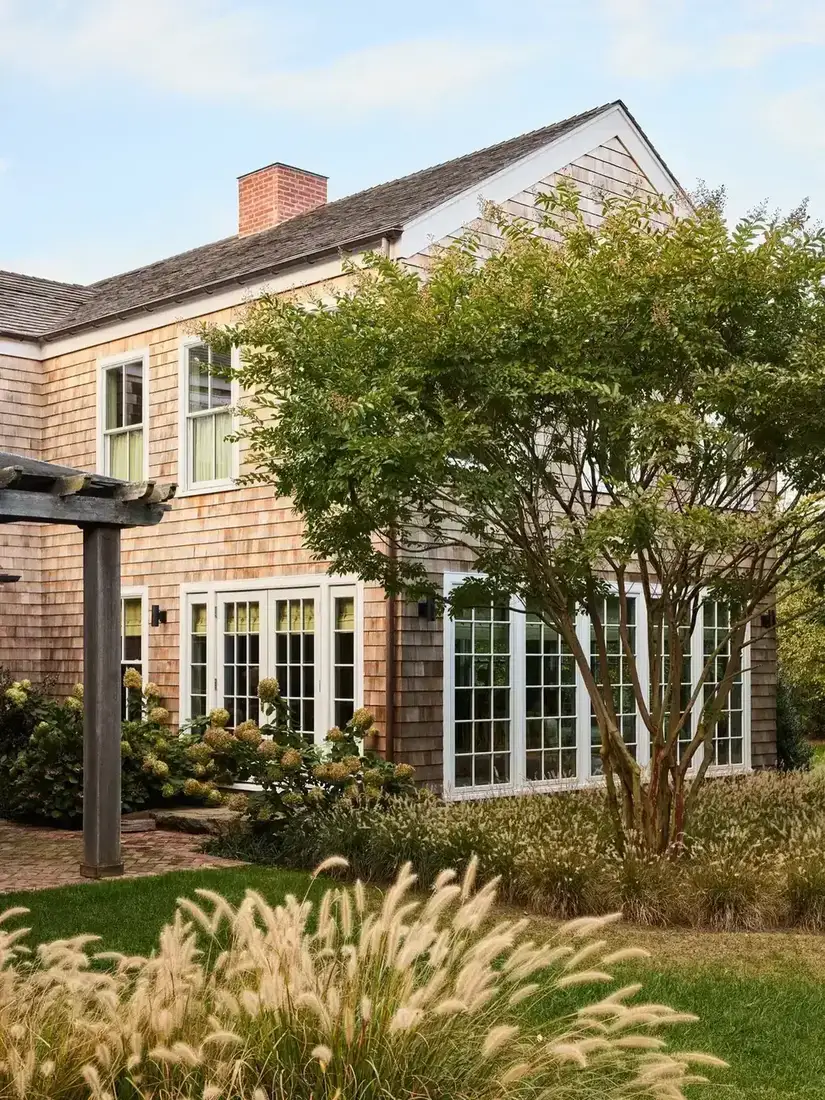
Your cedar went up honey-gold. Three months later it’s orange, streaky and nothing like the photo you saved.
You’re now googling stain colours at 11pm.
Don’t. What you’re looking at is normal, and it’s temporary.
The weathering timeline
You need to know what each year looks like before you judge your own walls.
Year one is orange, and that’s fine
The day your cedar goes up it’ll be warm honey or pale orange. Give it a few weeks of sun and it deepens. By month three you’ll get dark streaks under windows and pale patches where rain hits hardest. You’ve probably seen this on a neighbour’s new build and assumed they got bad timber. They didn’t. The wood is shedding surface extractives, the natural oils and tannins cedar is packed with. Rain carries them down the wall in stripes. Leave it bare. Every coat you panic-apply now just locks the blotches in, and you’ll be sanding them off later.
Year two, when the silver starts to win
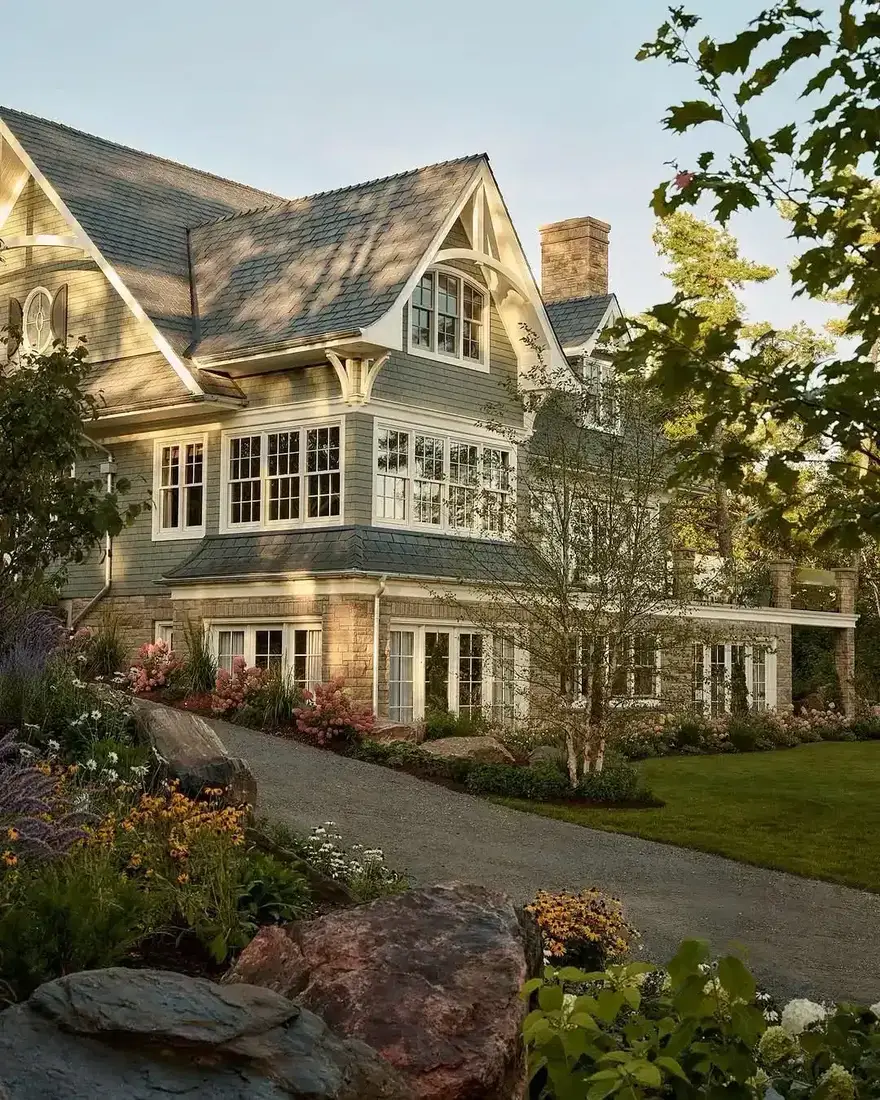
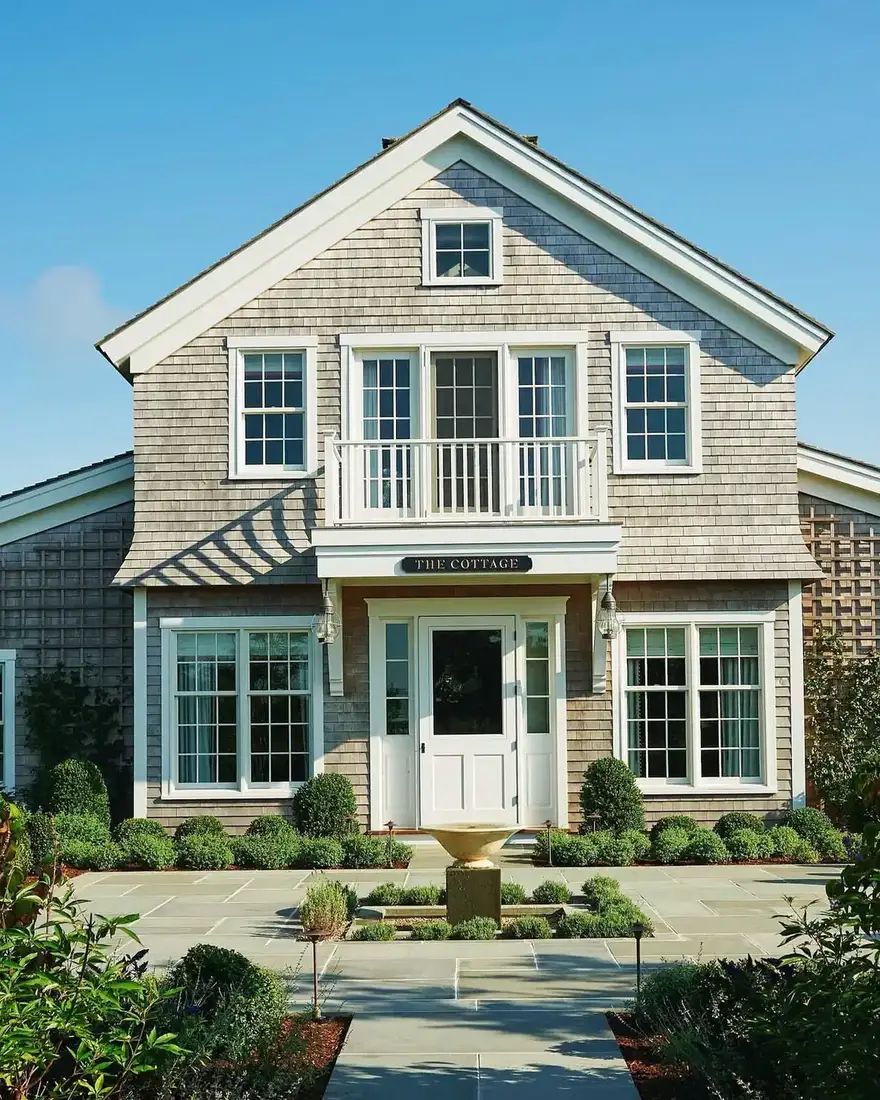
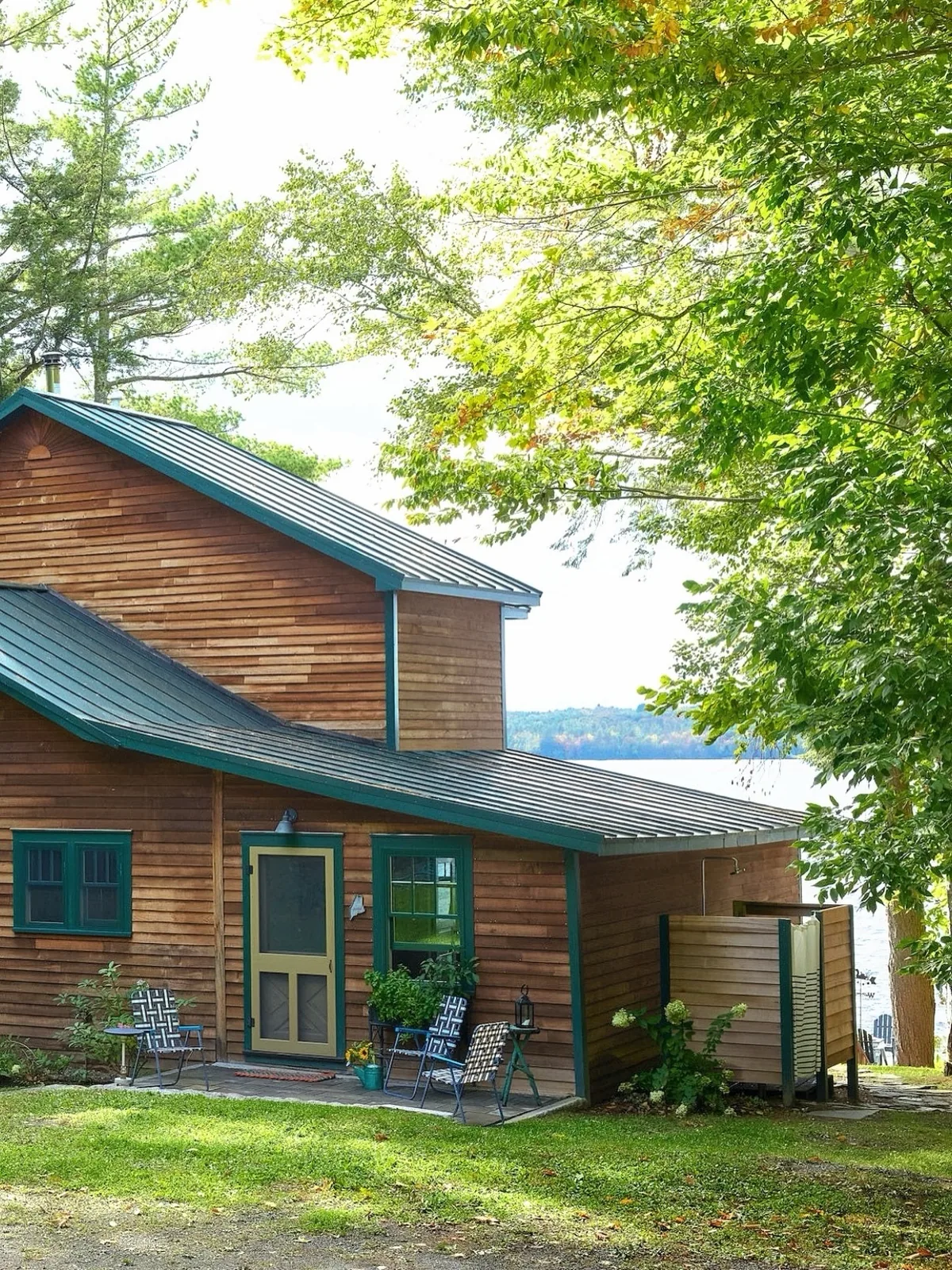
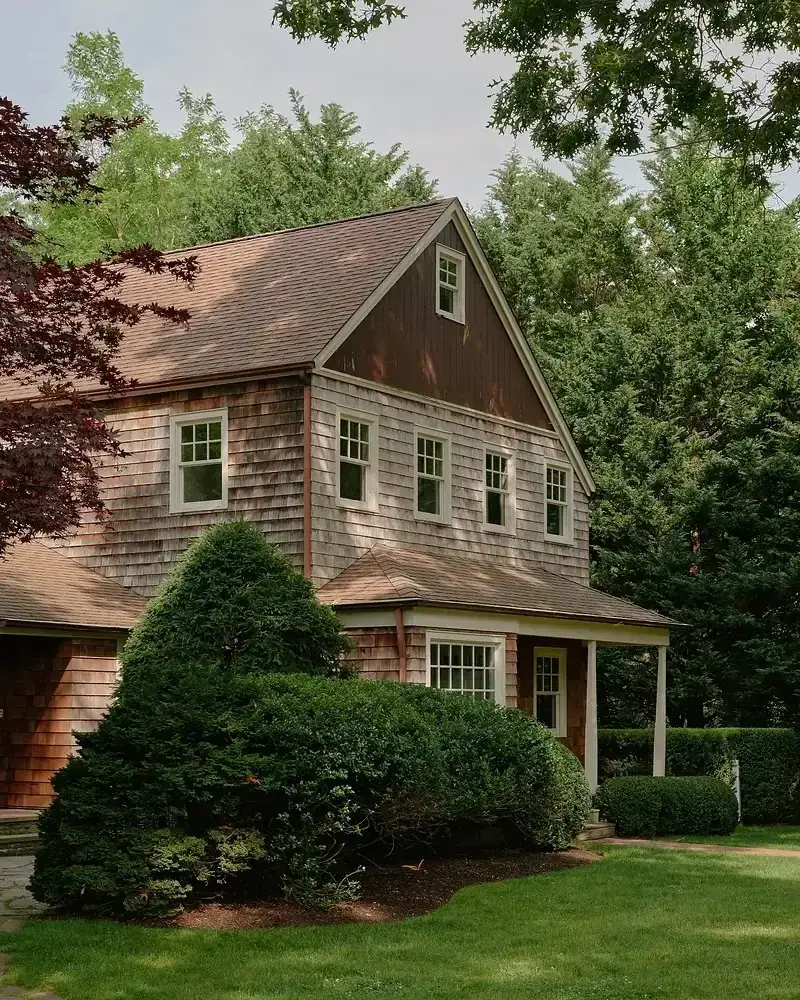
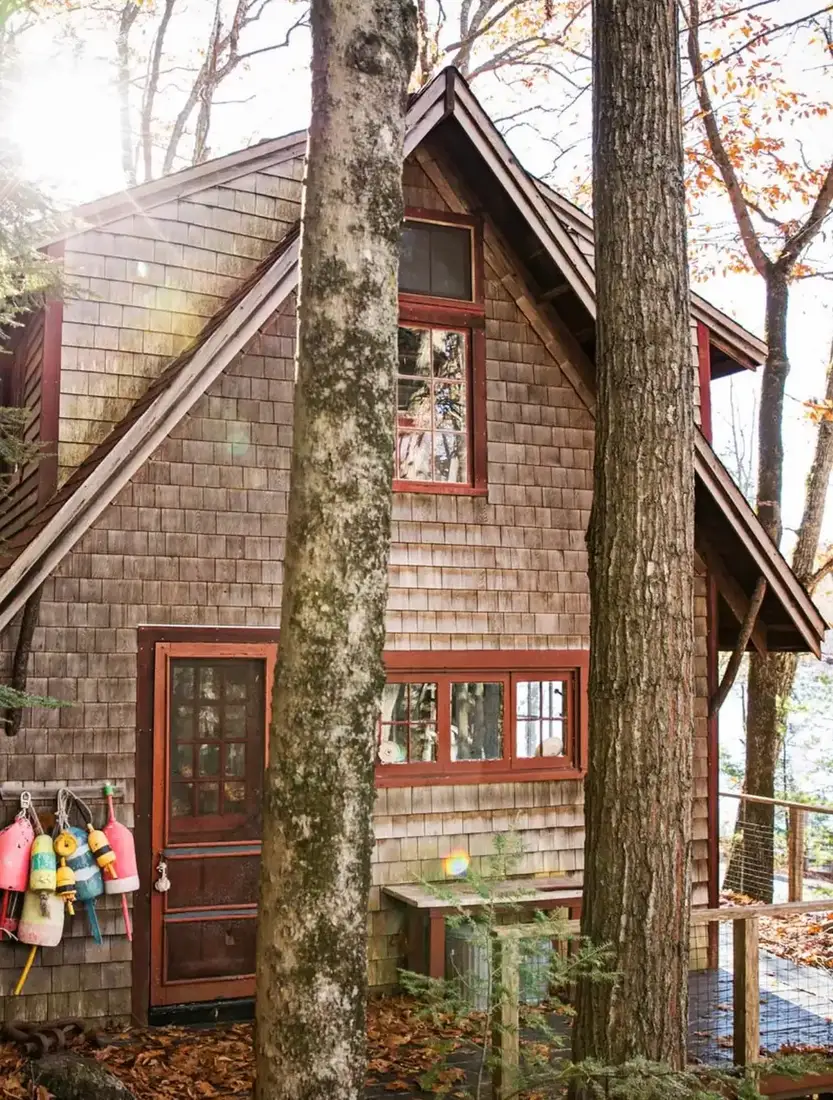
Around eighteen months to two years your sunniest walls start to turn. The colour goes from orange, through a muddy tan, to a soft driftwood grey. It creeps rather than flips. Chances are your south and west walls will be noticeably lighter than the rest, because that’s where the sun does the work. If you’re near the coast, salt air accelerates it and you may be most of the way there. Stand back and look at the whole house, not one plank. Up close you’ll see mess. From the kerb you’ll already see the look you wanted.
Years three to five, and the north wall problem
By year three most of your house reads as one colour. The exception is the shaded north-facing side. It gets less sun, dries slower, and often stays darker and patchier for another year or two. Some houses never fully match, and that’s fine. It’s a wood building, not a paint chart. Worth knowing: if that shaded wall is under trees, it’ll also pick up green algae. That’s not rot. A soft wash with a brush and a mild cleaner lifts it in an afternoon. Trim back overhanging branches and you’ll fix the cause, not just the symptom.
Shingles, shakes and colour
Now the choice that changes the whole character of the house.
Shingles for refined, shakes for rustic
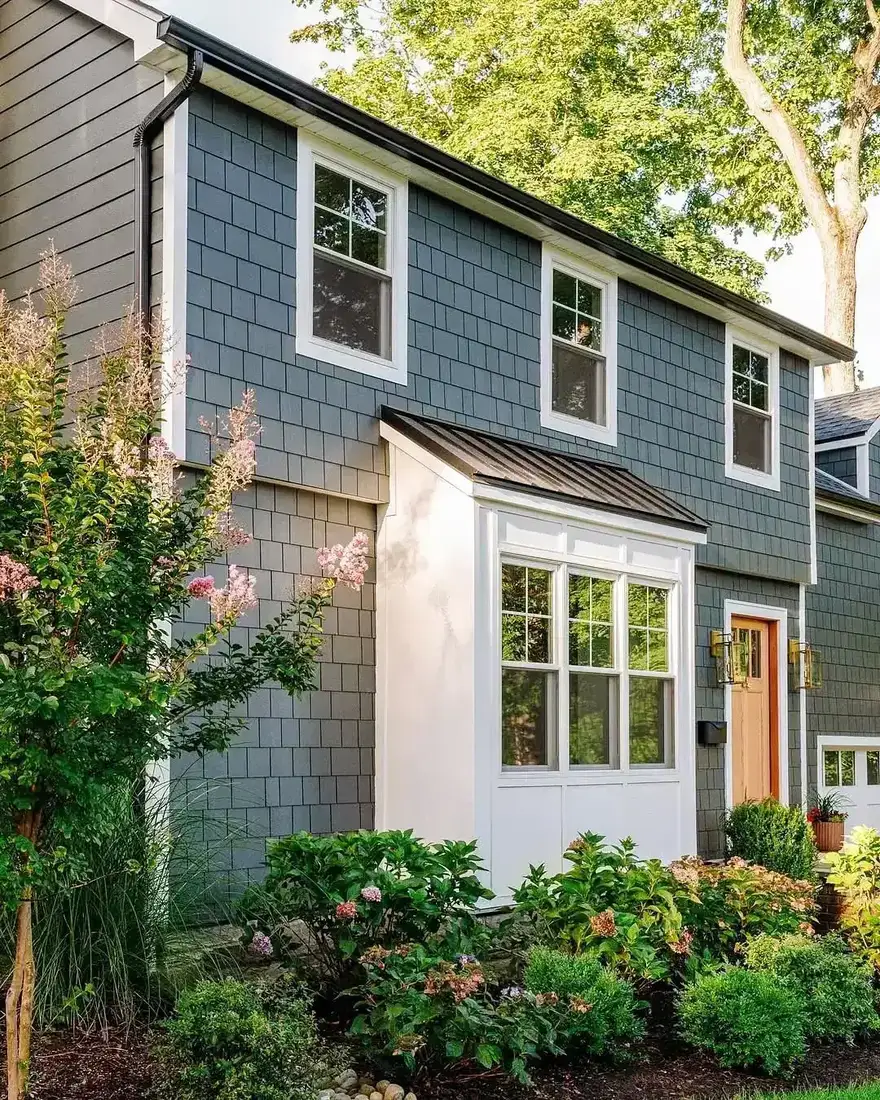
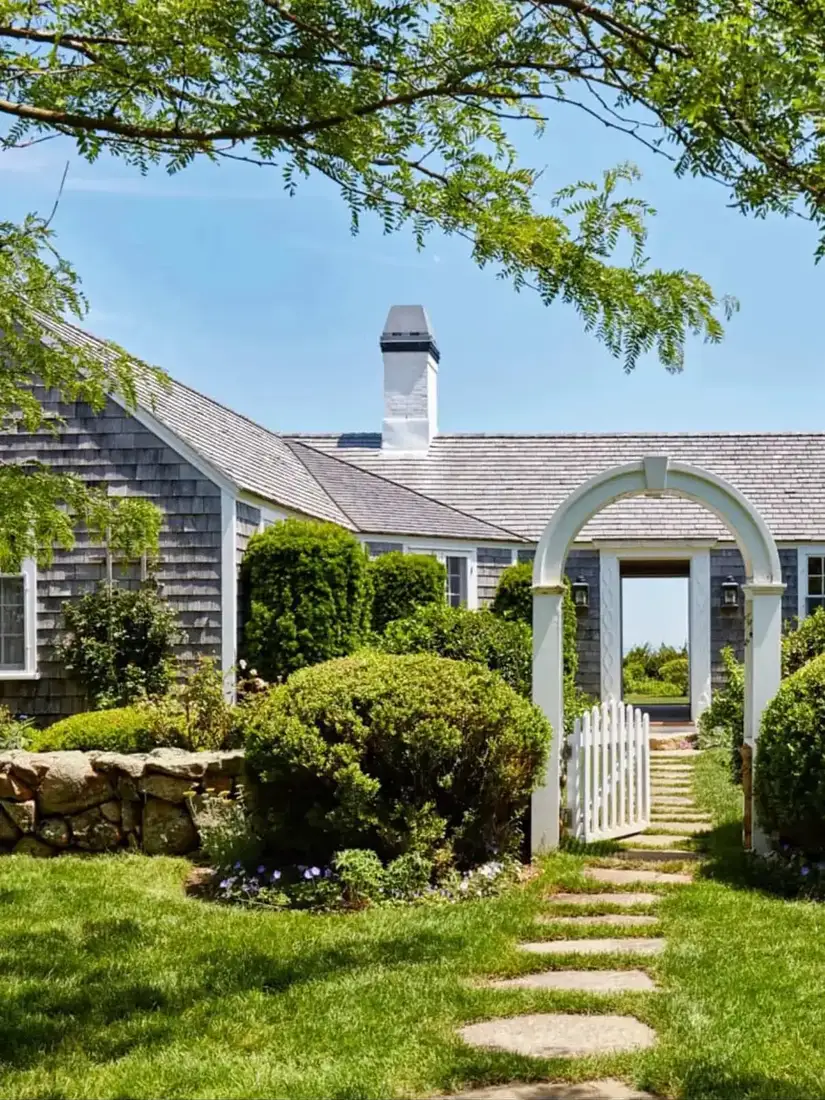
Shingles are sawn on both faces. That makes them smooth, flat and uniform, with tidy lines and a light shadow. Shakes are split rather than sawn, so they’re thicker, rougher and more irregular, and they throw a heavier shadow line across the wall. Not sure which one you’ve got? Run your hand over it. Smooth and even means shingles. Ridged and varied means shakes. Choose shingles for a neat Cape or a formal cottage. Choose shakes when you want texture, weight and a building that looks like it grew out of the landscape. Both weather the same way.
Going dark on purpose
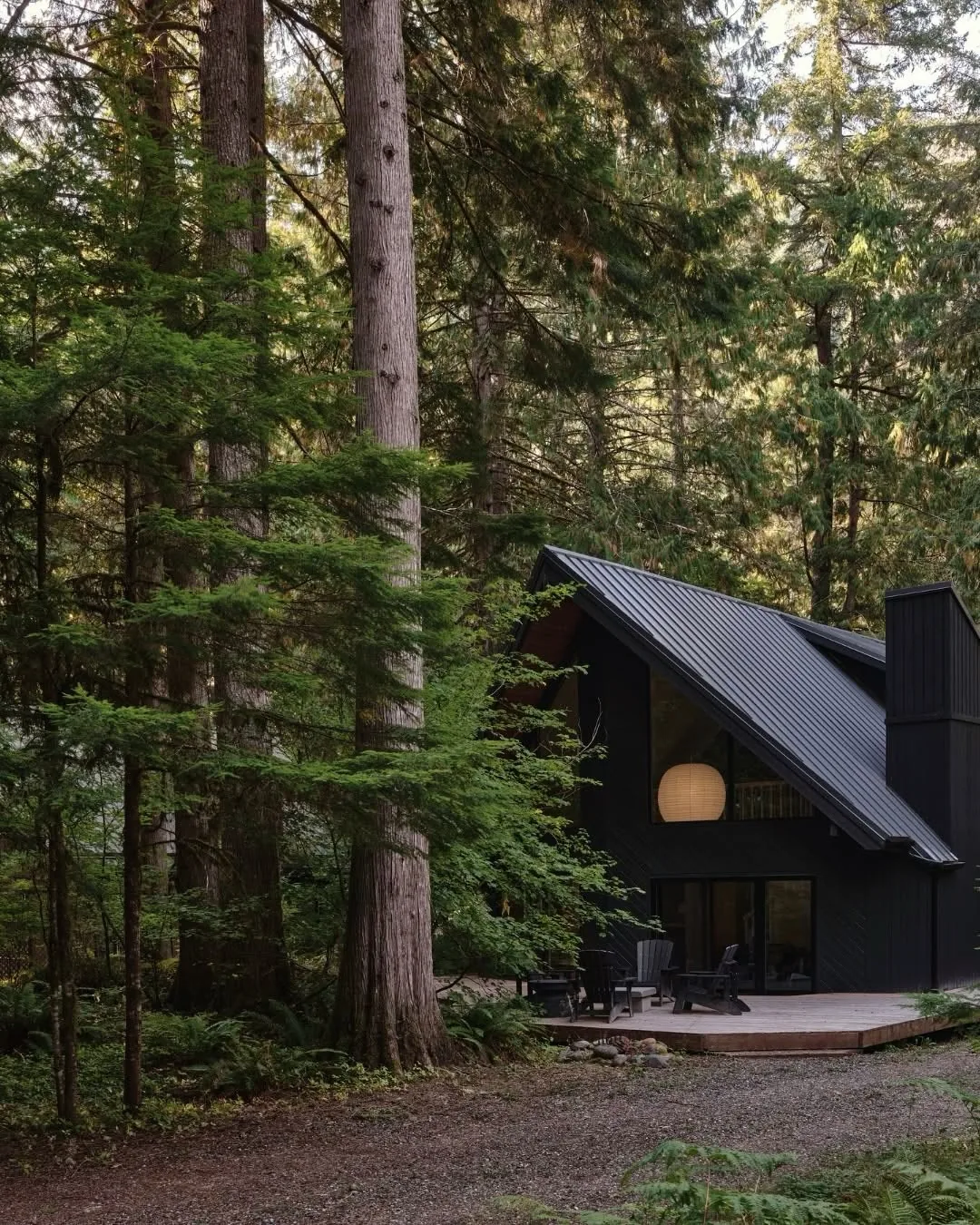
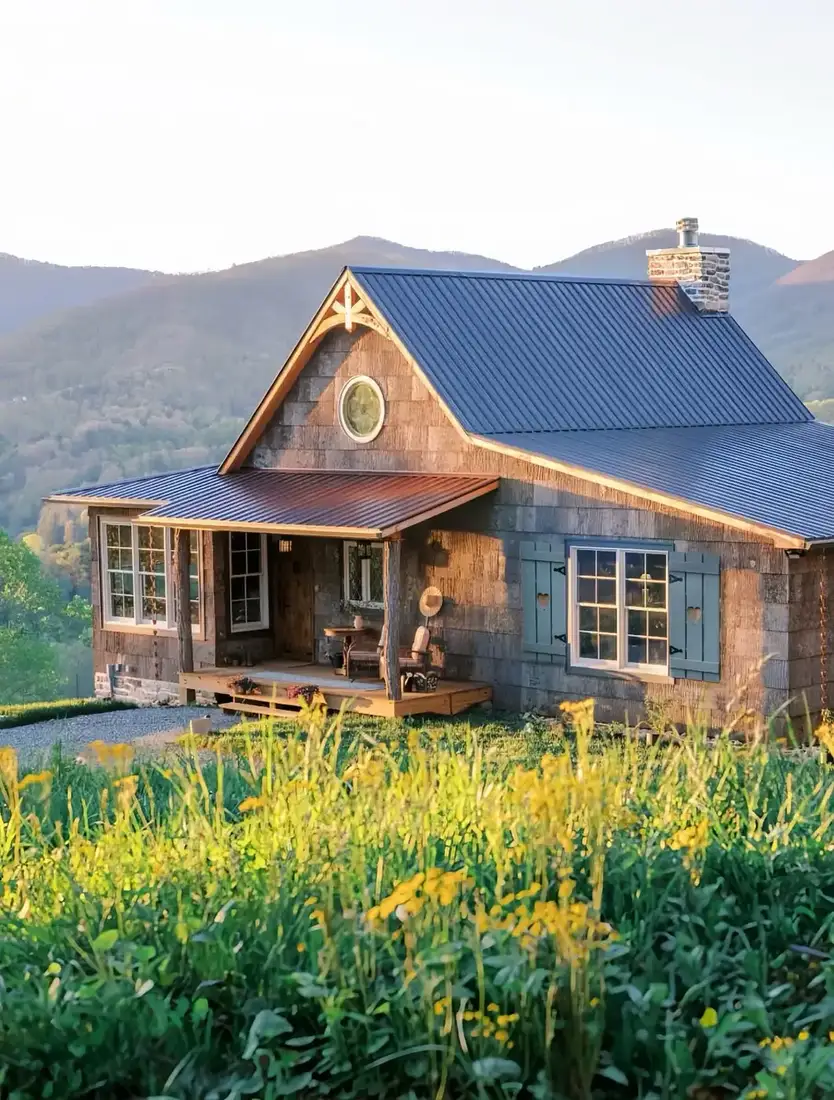
If you don’t want to wait out the timeline, a dark stain is a real option. Charcoal, deep brown and near-black all suit shingles, and they hide the streaking that bothers you in year one. The trade-off is commitment. Once you’ve gone dark you’re on a maintenance cycle, roughly every 5 to 8 years depending on your sun. You can’t easily go back to bare. Dark walls also want one hot accent to stop them reading flat, and a red or teal front door does that job better than any amount of trim fiddling.
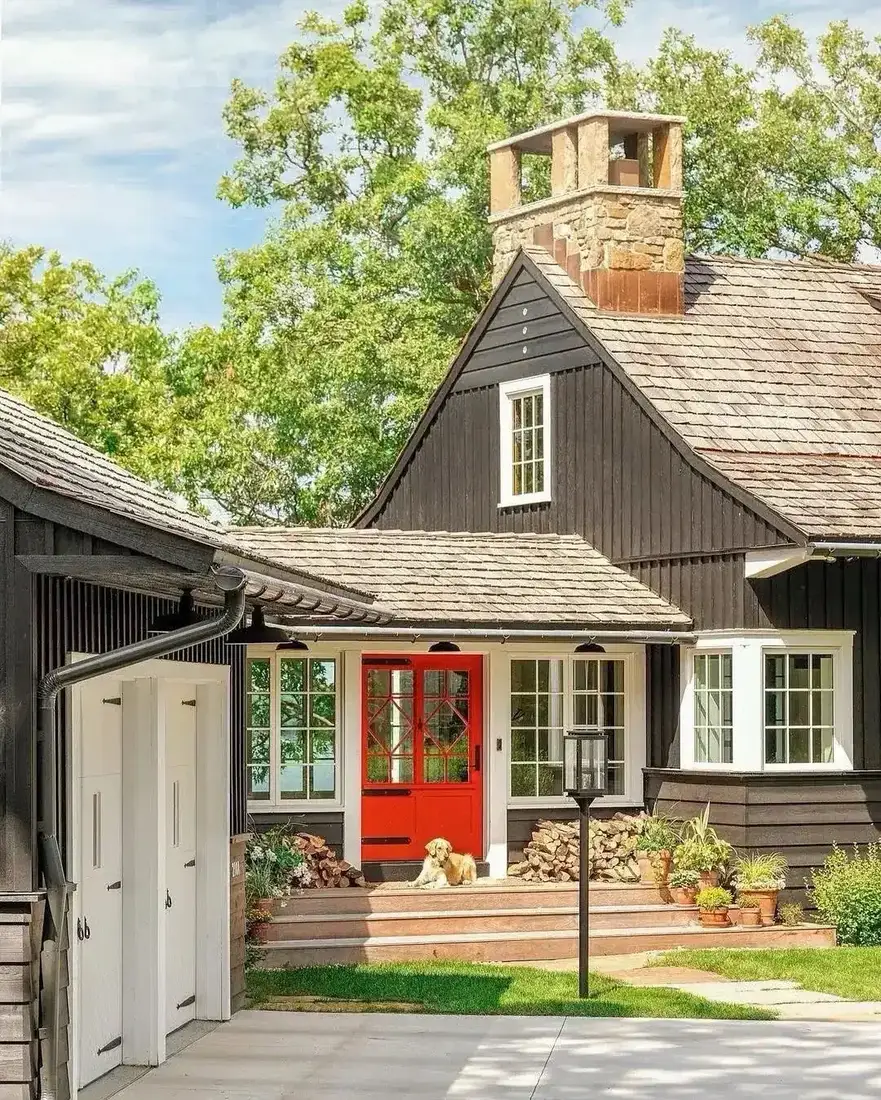
Bleaching oil, the shortcut to silver
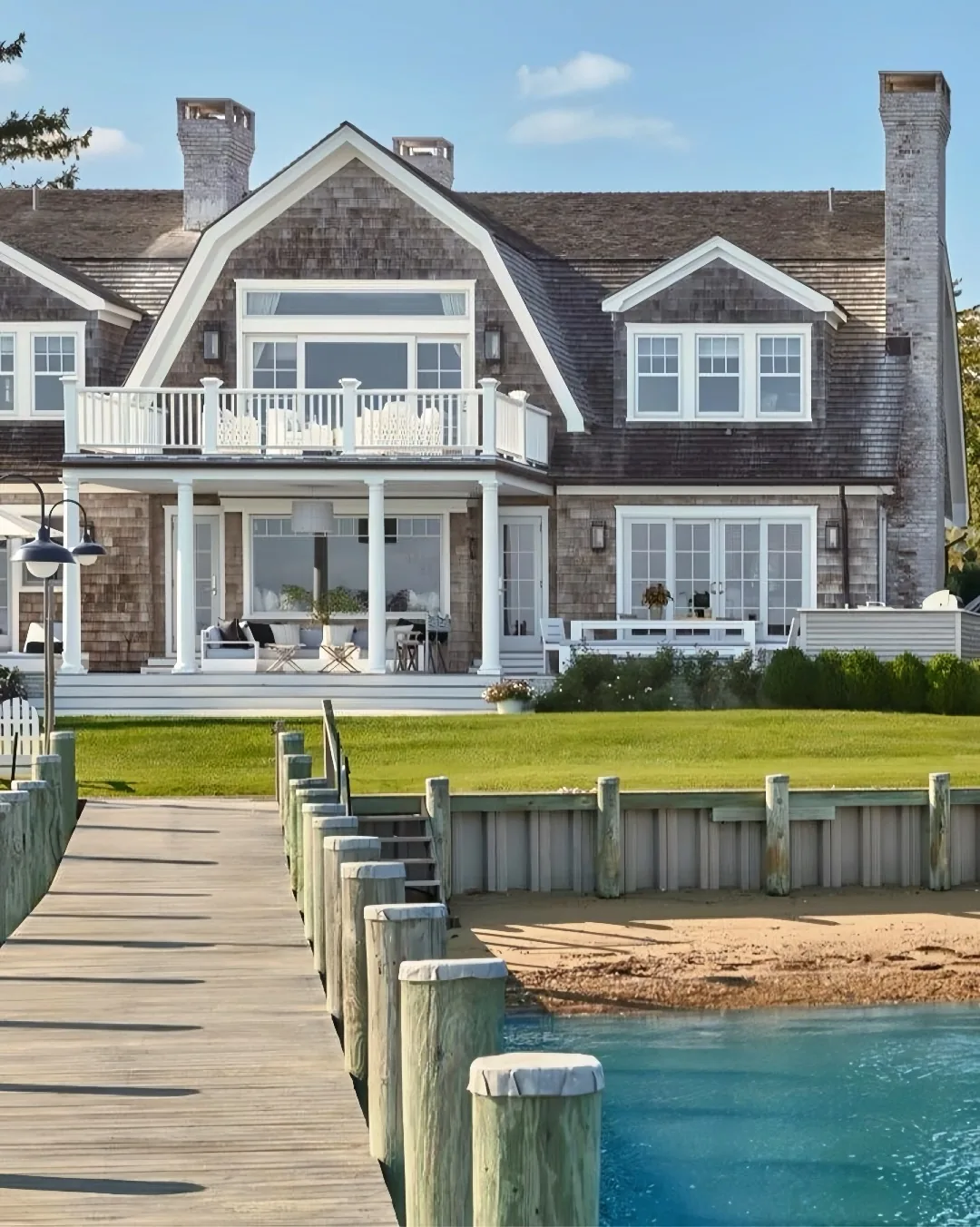
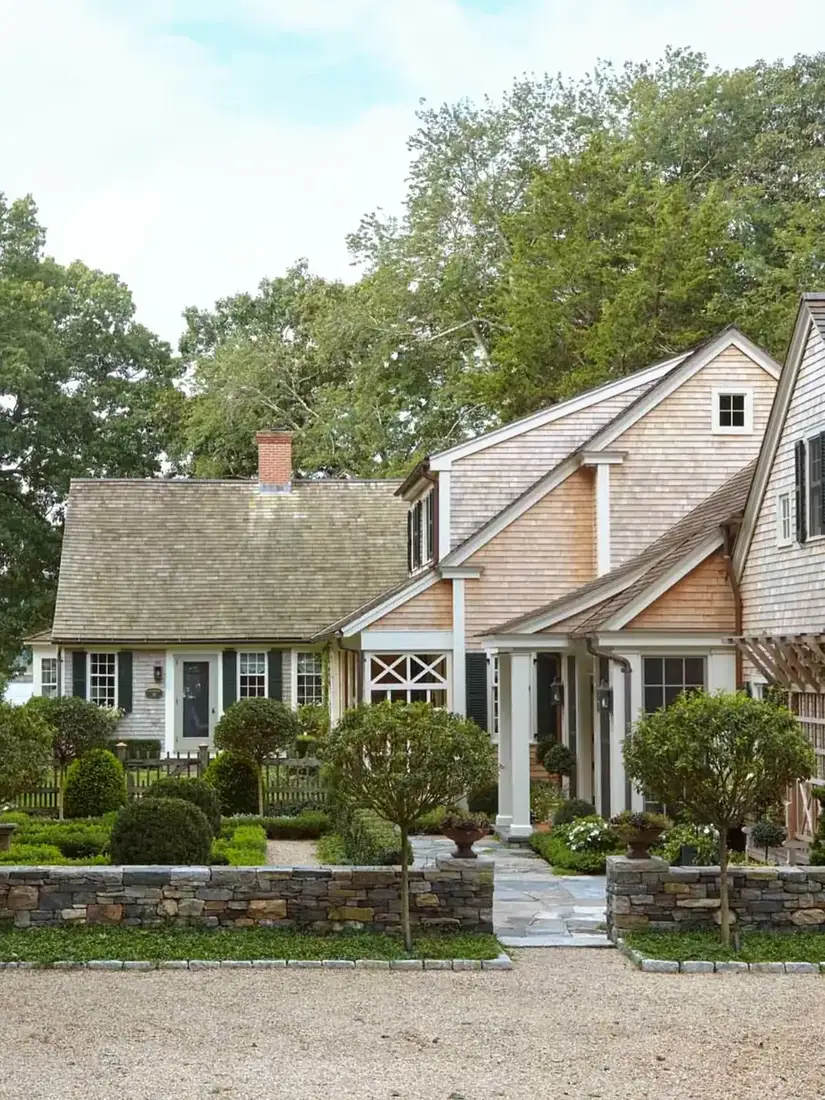
A bleaching oil or weathering stain contains a small amount of grey pigment plus agents that speed the natural greying. You get the silver look in weeks instead of years, and you get it evenly across sunny and shaded walls. This is the single best fix if you can’t stand the wait. Be clear on what it is though. It’s a finish choice, not a preservative, and it isn’t stopping water or rot. Your build details still do that work. Reapply every few years and your walls stay even instead of drifting into patches. On waterfront plots the shore wall still lags years behind no matter what you apply, which is why our coastal lake house shingle exteriors guide plans the whole plot around the slowest wall.
Getting the build right
This is the part nobody photographs, and the part that decides whether your cladding lasts 20 years or 50.
Stainless steel nails, no exceptions
Use stainless steel nails. Not galvanised, not bright steel, not whatever the site had spare. Cedar’s natural tannins are mildly acidic and they attack ordinary steel. What you get is rust bleeding out of every nail head and running down your wall in brown tears. On a silver-grey house it’s the first thing anyone sees. Stainless costs more per box and it’s a rounding error next to the cost of the shingles. If you only do one thing from this article, make it this. Tell your fixer before the first course goes up, not after.
Let the back of the shingle breathe
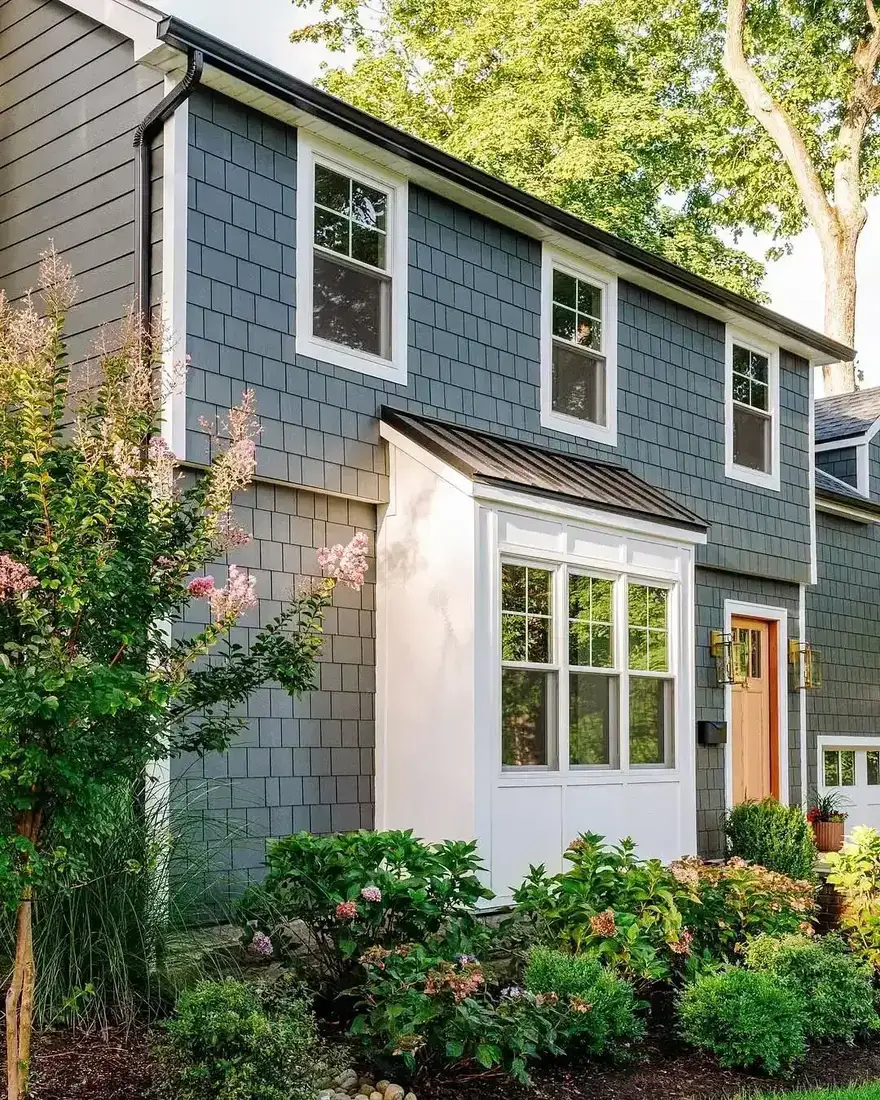
Cedar has to dry from both faces. Fix it flat onto solid sheathing and the back stays damp after every rain, which is where rot starts. The fix is a ventilated rainscreen, a gap of battens behind the cladding, open at the bottom and top so air moves through. It roughly doubles the life of the cladding compared with fixing straight to sheathing. It’s cheap at build stage and impossible to retrofit without stripping the wall. If you’re specifying a new cedar wall, put this in writing on the drawings.
Keep the bottom course off the ground
Your bottom course of shingles should sit at least 150mm (6 inches) clear of the ground. Clear of soil, clear of mulch, clear of the shrub you’re about to plant. Cedar wicks moisture upwards from anything wet it touches, and the bottom course is always the first thing to rot. Nine times out of ten a failed cedar wall failed from the ground up. Gravel or paving at the base helps, because it stops rain splashing soil back onto the wall. Check yours after a few years of garden beds creeping higher.
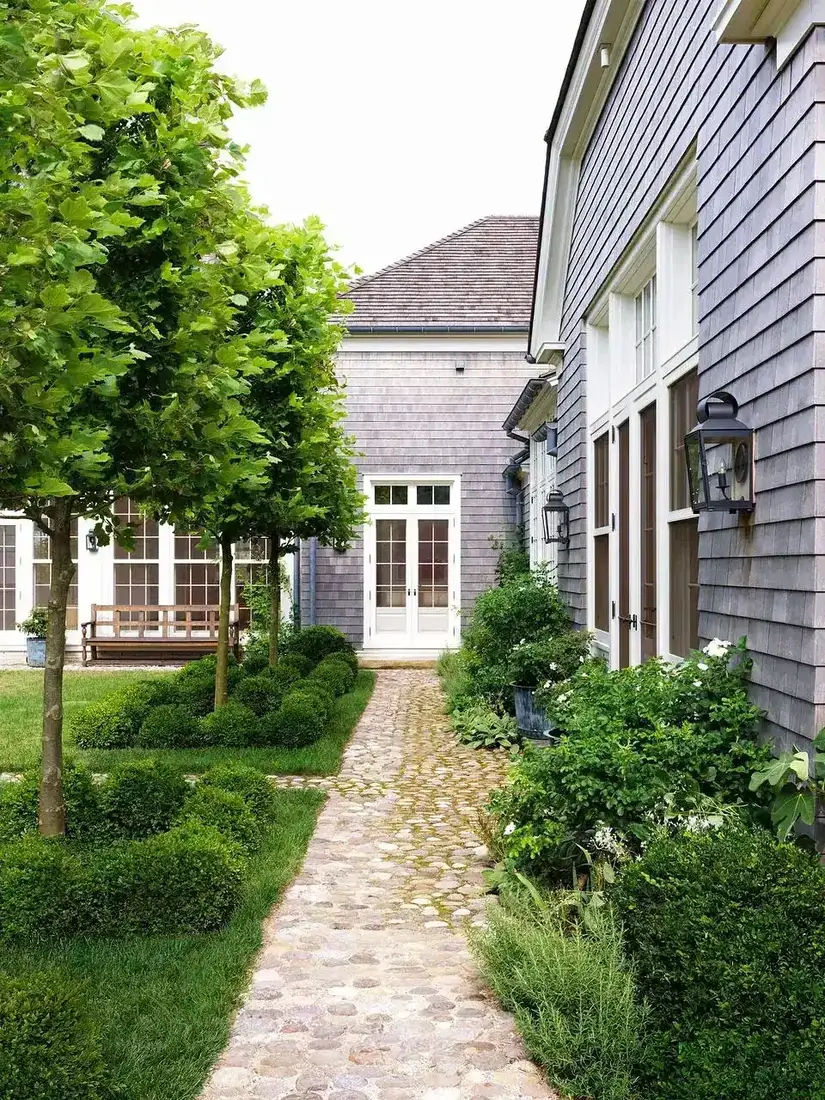
Trim, doors and what you plant
The last 10 percent, which is what people actually notice.
White trim, and why you shouldn’t paint the walls
Crisp white trim around windows and doors is the classic pairing, and it works because it gives the eye a clean edge against all that texture. Off-white and warm cream sit better with orange year-one cedar. Pure white looks best once you’re silver. Whatever you pick, resist painting the cladding itself. The same logic applies to masonry, and it’s worth reading how colour choices work on a brick house exterior before you commit. Paint a natural material and you’ve bought yourself a repaint every seven years forever.
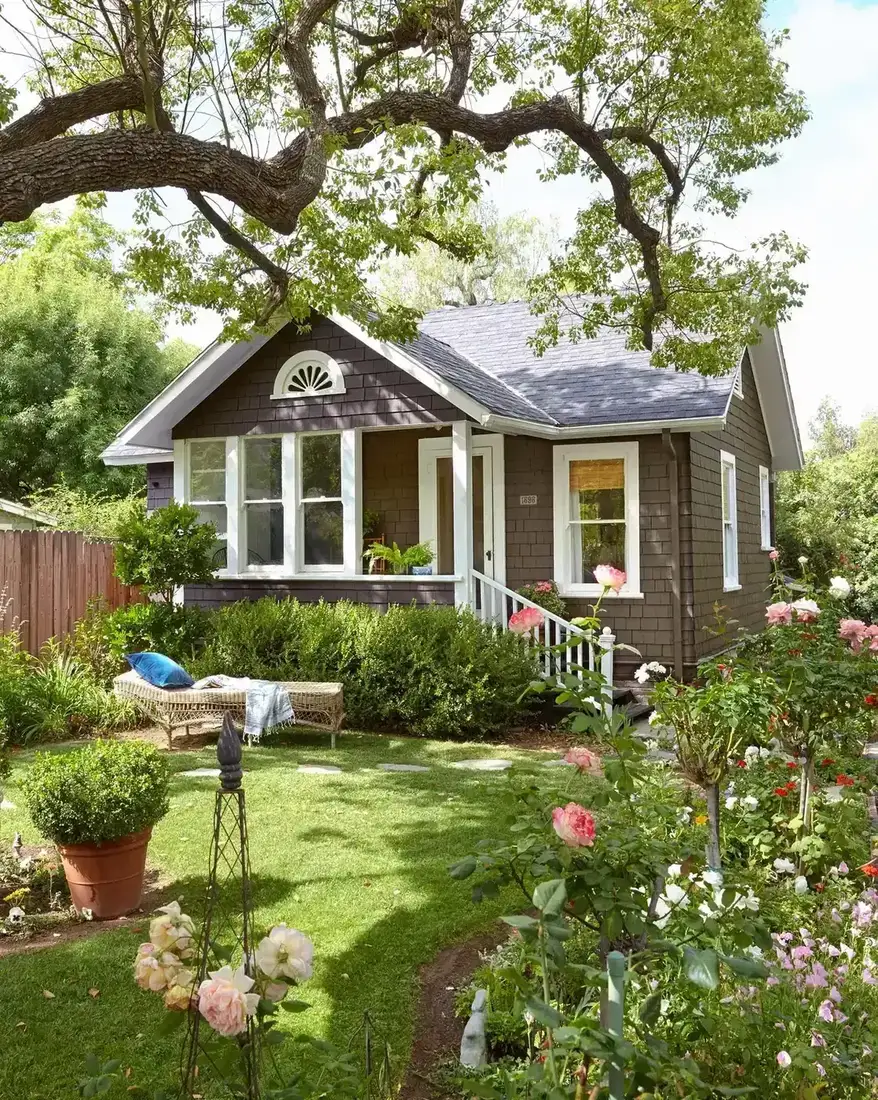
Don’t pressure-wash it, ever
Cedar is soft. A pressure washer tears the grain out and leaves a furry, raised surface that then holds dirt, soaks up water and weathers badly from that day on. Which is a shame, because the damage is permanent and it usually happens with good intentions. Soft wash instead. Use a garden hose, a soft brush and a mild oxygen bleach cleaner, work top down, rinse well. Once every few years is plenty. A word of warning on cupping too, where shingles curl at the edges. That’s trapped moisture behind them, not bad timber.
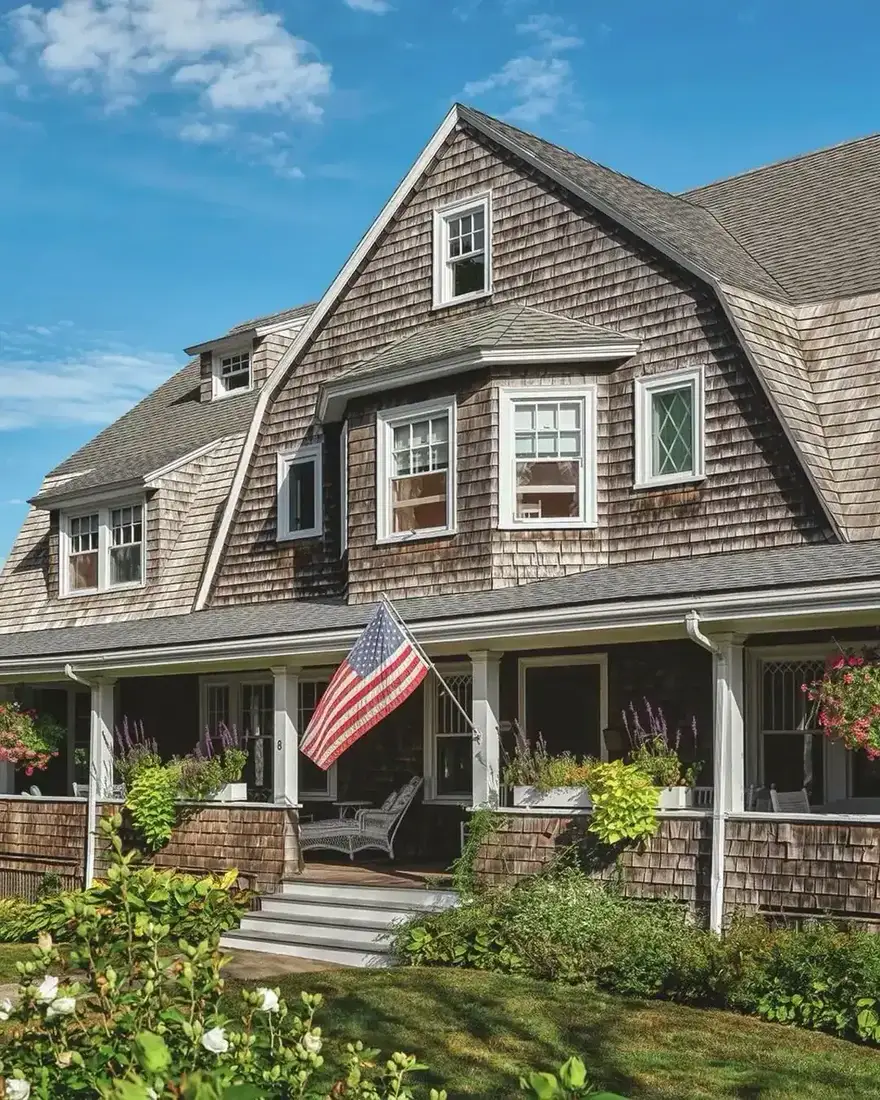
Plant near it, but not against it
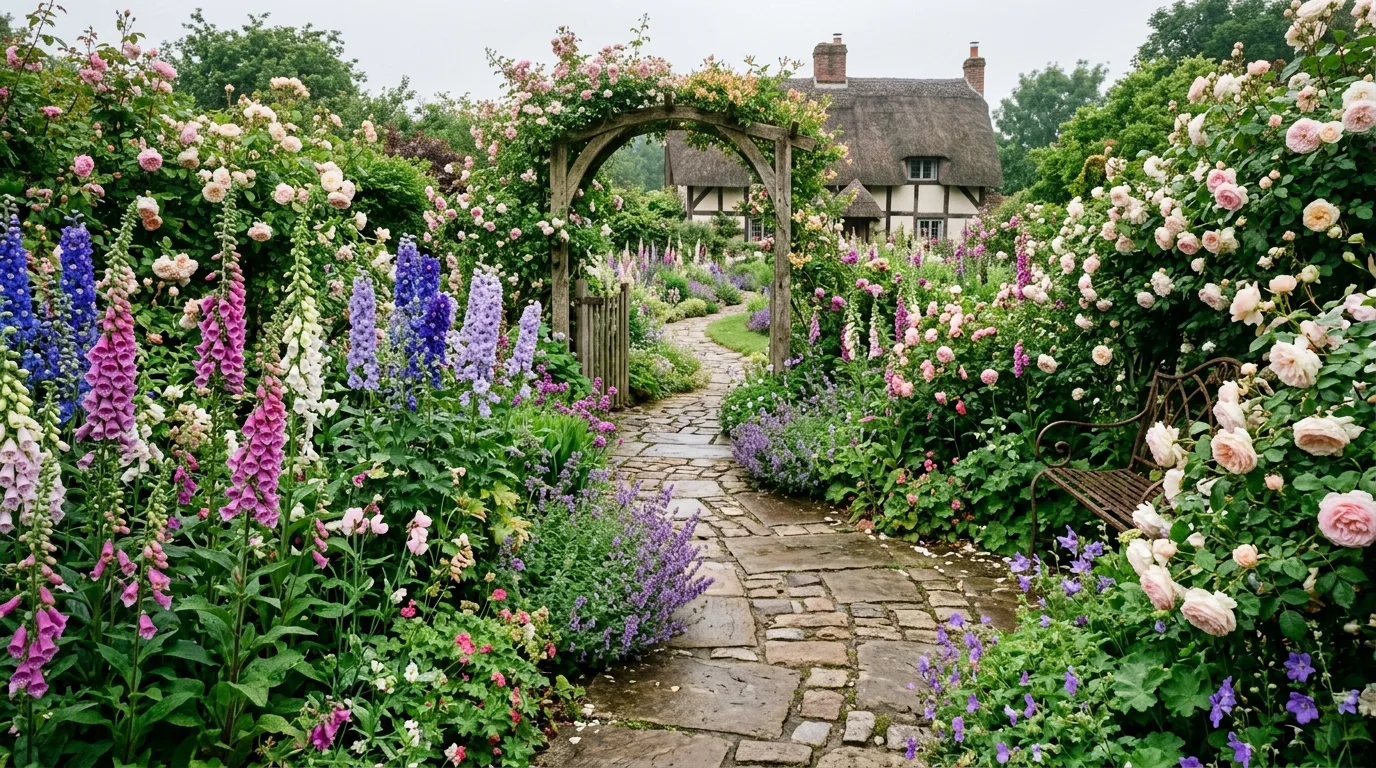
Cedar and greenery look wonderful together, and that’s exactly how people get into trouble. Keep shrubs, climbers and tall grasses about 450mm back from the wall so air can move. Anything that leans on the cladding traps water and blocks drying. Climbers are the worst offenders, so give them their own frame or trellis standing clear of the shingles. Gravel, low planters and a few well-placed pieces from these garden decor ideas fill the gap nicely without touching the wall. For more exterior inspiration, browse the full home exterior section.
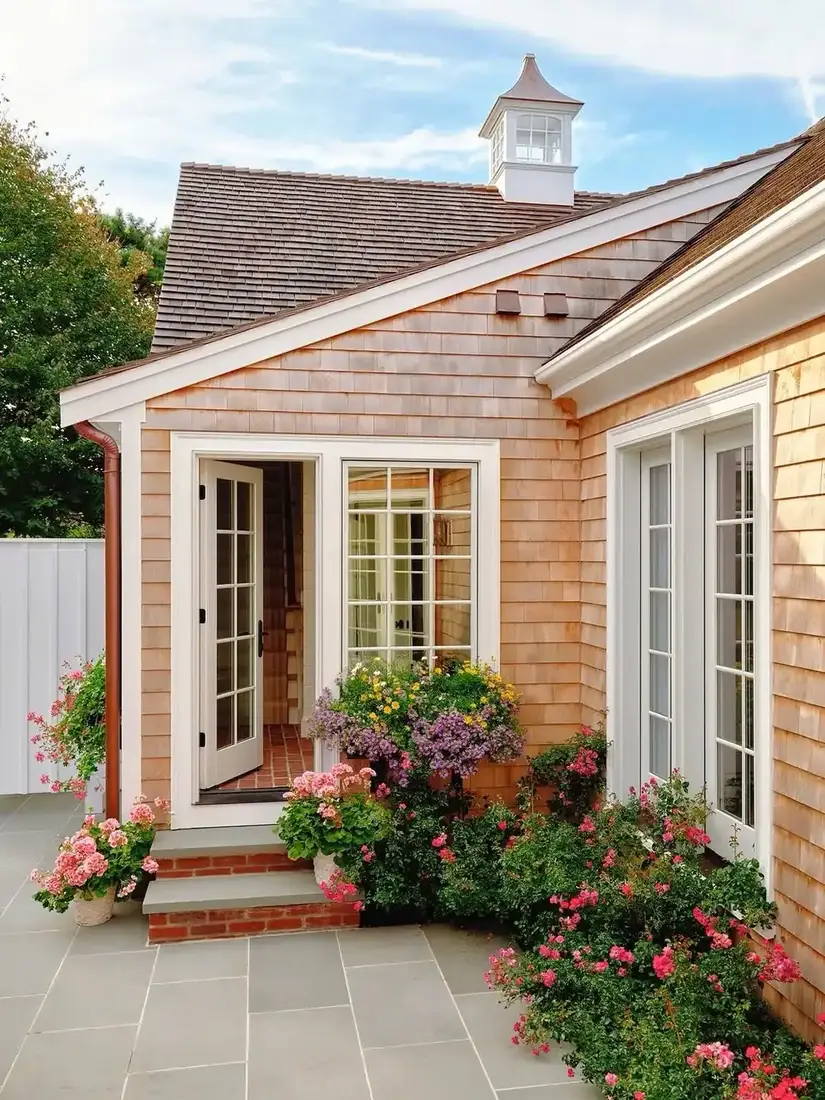
Shingles vs shakes vs a weathering stain
| Sawn shingles | Split shakes | Weathering stain | |
|---|---|---|---|
| Surface | Smooth, sawn both faces | Rough, split, irregular | Either, coated |
| Shadow line | Light and even | Heavy and varied | Follows the wood |
| Look | Refined, tidy, formal | Rustic, textured, rugged | Instant silver-grey |
| Time to silver | 2 to 5 years | 2 to 5 years | Weeks |
| Thickness | Thinner | Thicker | N/A |
| Upkeep | Wash every few years | Wash every few years | Recoat every few years |
| Protects the wood? | Detailing does | Detailing does | No, it’s a look |
The Cedar Cladding Formula
- Use stainless steel nails. Galvanised will rust-streak your wall.
- Build a ventilated gap behind the shingles so both faces dry.
- Hold the bottom course 150mm clear of soil, mulch and planting.
- Leave it bare through year one, even when it looks orange and blotchy.
- If you can’t wait, use a bleaching oil for even silver in weeks.
- Soft wash with a brush. Never put a pressure washer near it.
Frequently Asked Questions
How long does cedar take to turn silver-grey?
Roughly 2 to 5 years. Walls with lots of sun or salt air get there fastest, often in about two years. Shaded north-facing walls take longest and can stay patchy for a while, which is normal.
Why is my new cedar orange and streaky?
That is the wood shedding its natural oils and tannins, and rain carries them down the wall in stripes. It happens to every cedar house in the first year. Leave it alone and it evens out as the surface weathers.
Do I need to stain cedar shingles?
No. Cedar is naturally durable and does not need a finish to survive. Stain is a look, not protection. What actually protects your cladding is stainless fixings, a ventilated gap behind it and good ground clearance.
What is the difference between cedar shingles and shakes?
Shingles are sawn on both faces, so they are smooth, thin and uniform. Shakes are split, so they are thicker and rougher with a heavier shadow line. Shingles look refined and shakes look rustic.
Can I pressure-wash cedar siding?
No. A pressure washer tears out the soft grain and leaves a furry surface that then weathers badly and holds dirt. Use a garden hose, a soft brush and a mild cleaner instead, working from the top down.
Why are my shingles curling at the edges?
Curling at the edges is called cupping and it usually means moisture is trapped behind the shingles. Check that there is a ventilated gap behind the cladding and that nothing is blocking airflow at the bottom of the wall.
This article may contain affiliate links. We may earn a commission at no extra cost to you.