Why Do Your Porch Pots Dry Out by Noon?
Add us as a preferred source to see more stories on Google.
The hydrangeas were spectacular in June. By August they were crisp brown sculptures in expensive pots.
Nobody did anything wrong except underestimate your thirst math. Your containers hold a fraction of the soil your garden bed offers, your afternoon sun multiplies the demand, and your small charming pots dry out before lunch on hot days. Your plants never stood a chance.
These porch planter & hydrangea ideas start with volume and water, then sun, then the famous color chemistry. Get the thirst handled and the beauty follows for years.
Size the soil
Watering frequency is a volume equation. Two ideas solve it.
Buy the largest pot the threshold forgives
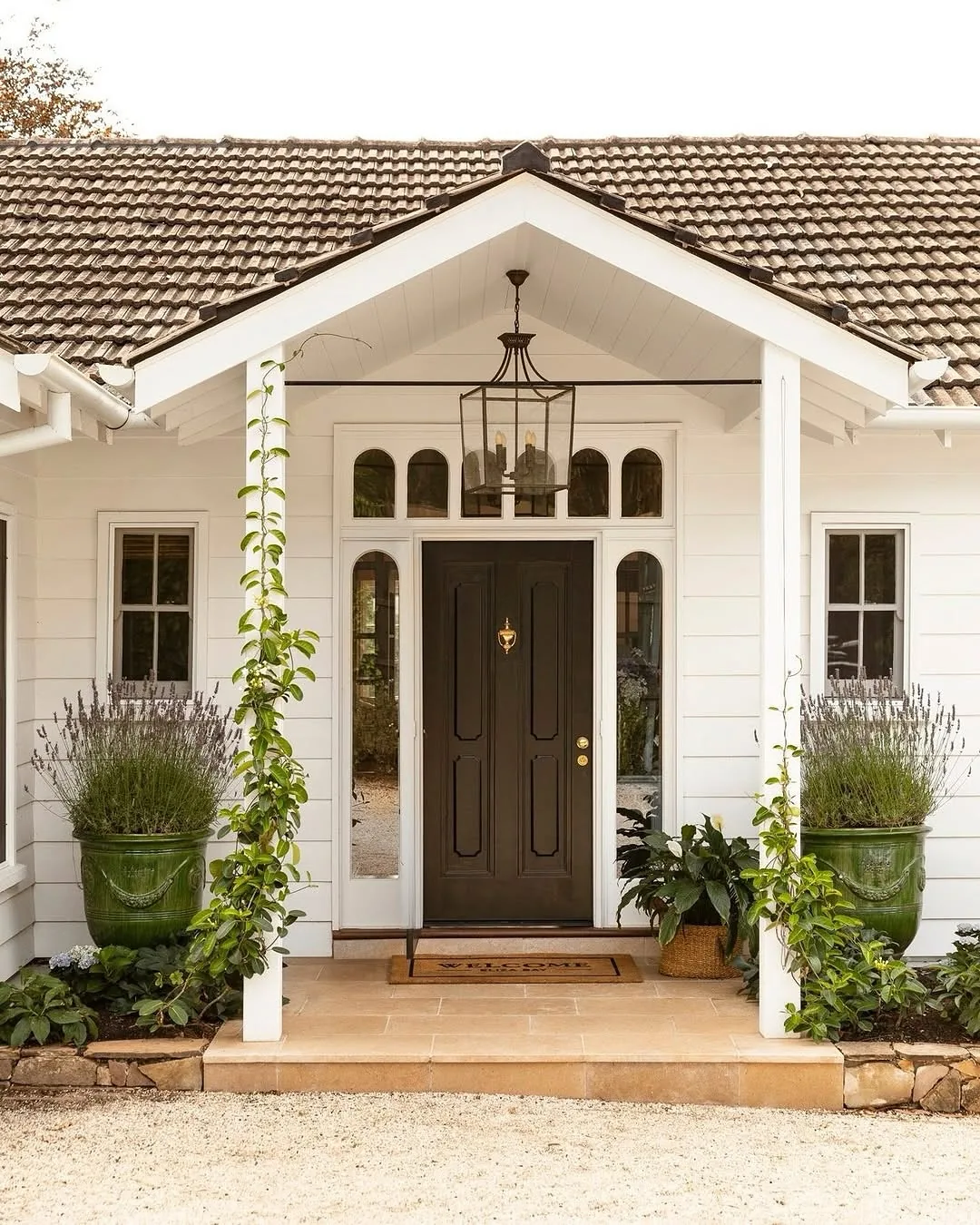
Small pots are the top killer of your porch plants, because a teacup of soil in your July sun dries before noon. Doubling your pot diameter roughly quadruples your soil volume, which is why one generous planter outperforms your three dainty ones while needing less of your summer. Your scale reads generous from your street too.
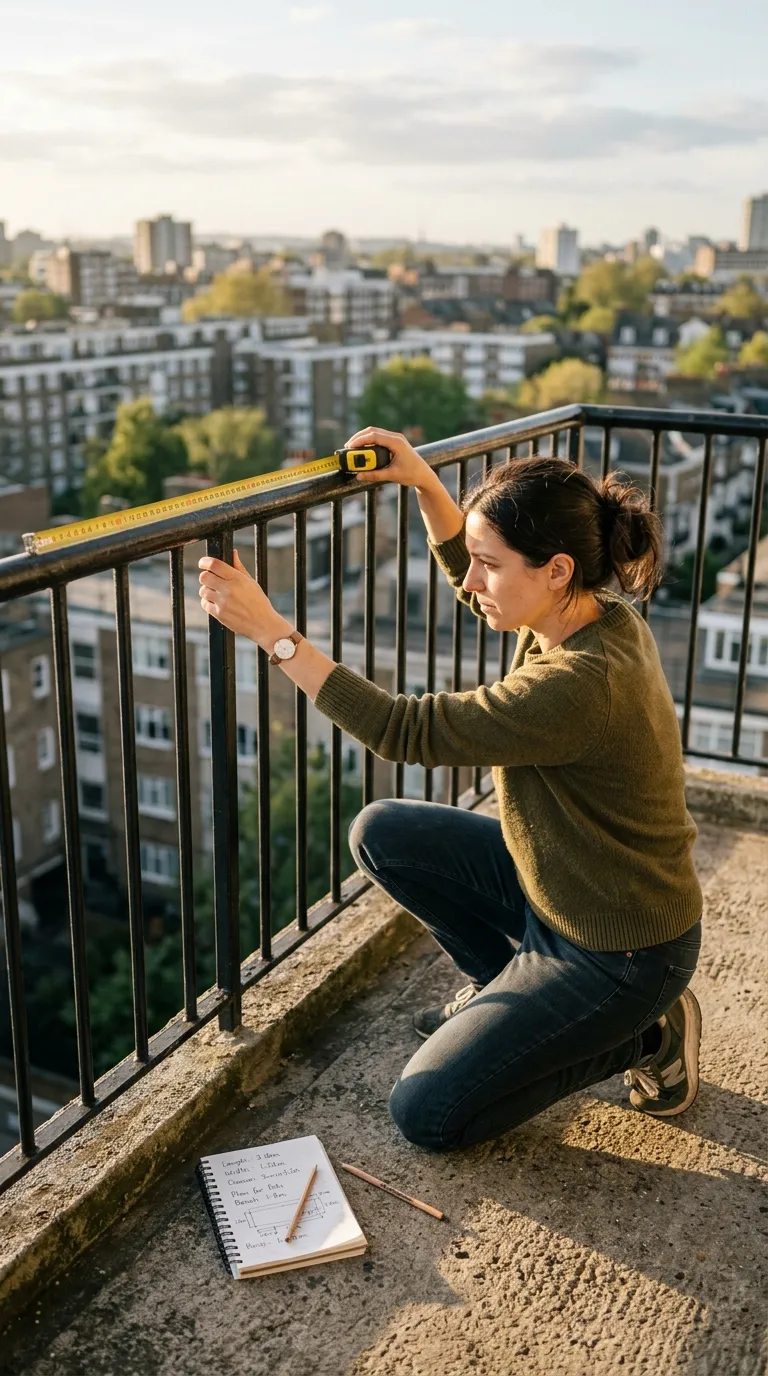
You will measure your threshold and buy the biggest pots that leave your passage comfortable, erring upward. Heavy frost-proof materials like thick ceramic, stone composite or wood survive your winters that crack thin terracotta. Lift your planted pot as your test: easy one-hand carry means your daily watering duty. Struggle means your freedom.
Drain every pot and mulch the top
Waterlogged roots rot as surely as your dry ones crisp, so your drainage holes are non-negotiable whatever your pot cost. One hole minimum, several better, drilled without sentiment into your bargain finds. Elevate your pots on feet so your water actually exits instead of sealing the base against your boards.
You will top your soil with bark mulch to slow your surface evaporation, leaving a gap at stems so your crowns stay dry. Your mulch buys you the extra day between your waterings that saves August. Check your moisture with a finger, not a schedule: water deeply when your top couple of finger joints feel dry. Your schedules drown plants. Your fingers rarely do.
Place hydrangeas right
Bloom quantity is a sun and water verdict. Three ideas earn the flowers.
Grant morning sun and afternoon mercy
Bigleaf hydrangeas bloom heaviest for you with gentle morning light and protection from your harsh afternoon rays. Your eastern exposure is the sweet spot, while your western blast fries buds and bleaches color by midsummer. Your southern front works only with real shade past midday.
You will watch your threshold’s sun across a full day before placing a single plant. Morning brightness with afternoon shadow from your house itself is your classic winning pattern, and your porch often provides it free. Your hydrangea sulking in western sun is not a bad plant. It is your good plant testifying about your placement.
Water deep and consistent, never in sips
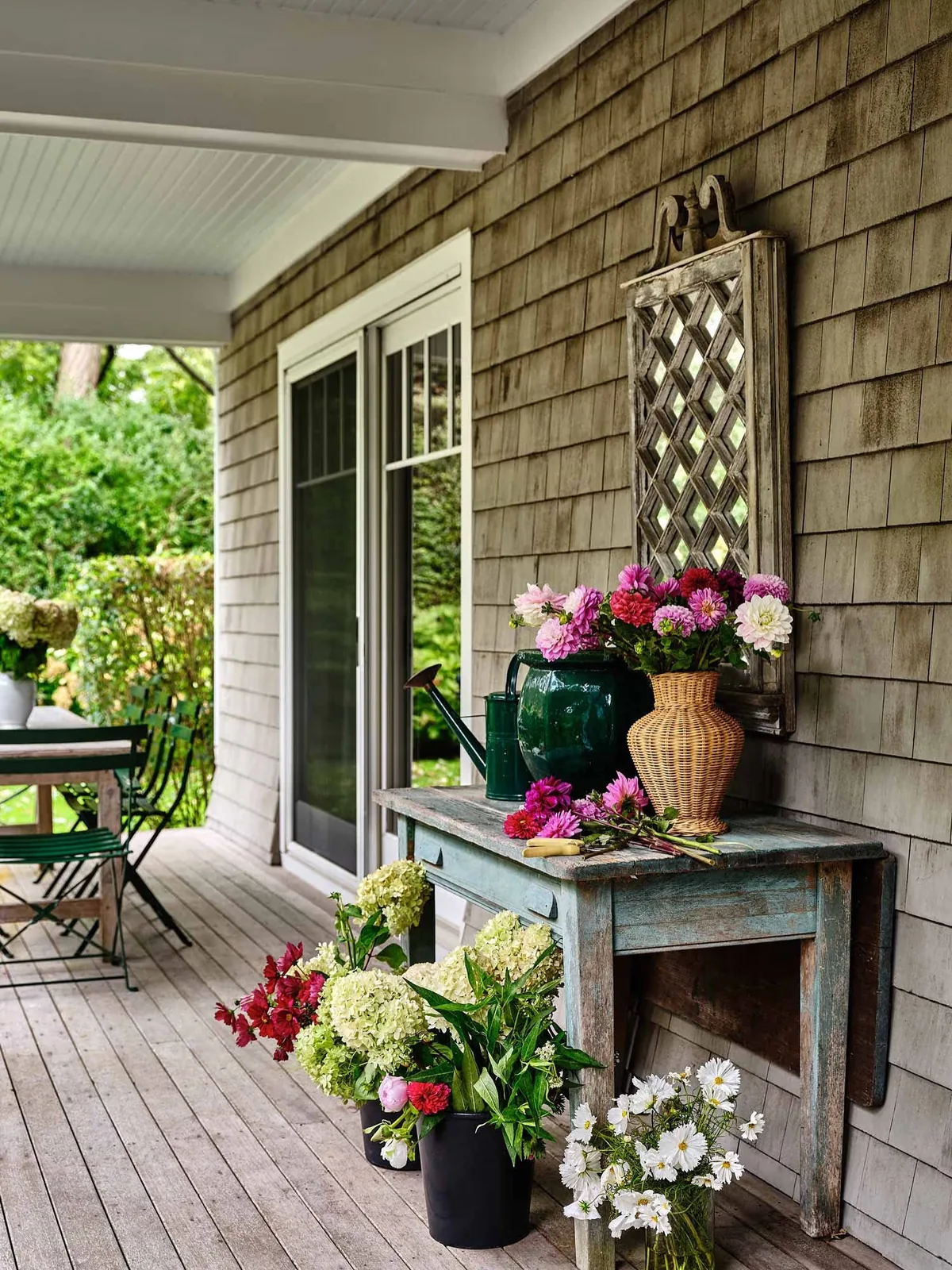
Hydrangeas wilt dramatically to announce thirst, then forgive fast with a good soak, which trains owners into sip-and-wilt cycles. Shallow daily sprinkles wet the surface while roots stay dry below, building dependence on your hose. Deep thorough soakings train roots downward where soil stays cool.
You will water until it runs from your drainage holes, then leave your pot alone until your top dries again. Your self-watering inserts and drip spikes earn their keep for your holiday weeks. Your consistency matters more than volume across your season: even moisture grows your buds, while your feast-and-famine grows leaves and complaints. Your wilt is a memo, not a crisis, if you answer it properly.
Steer the blue with chemistry, not hope
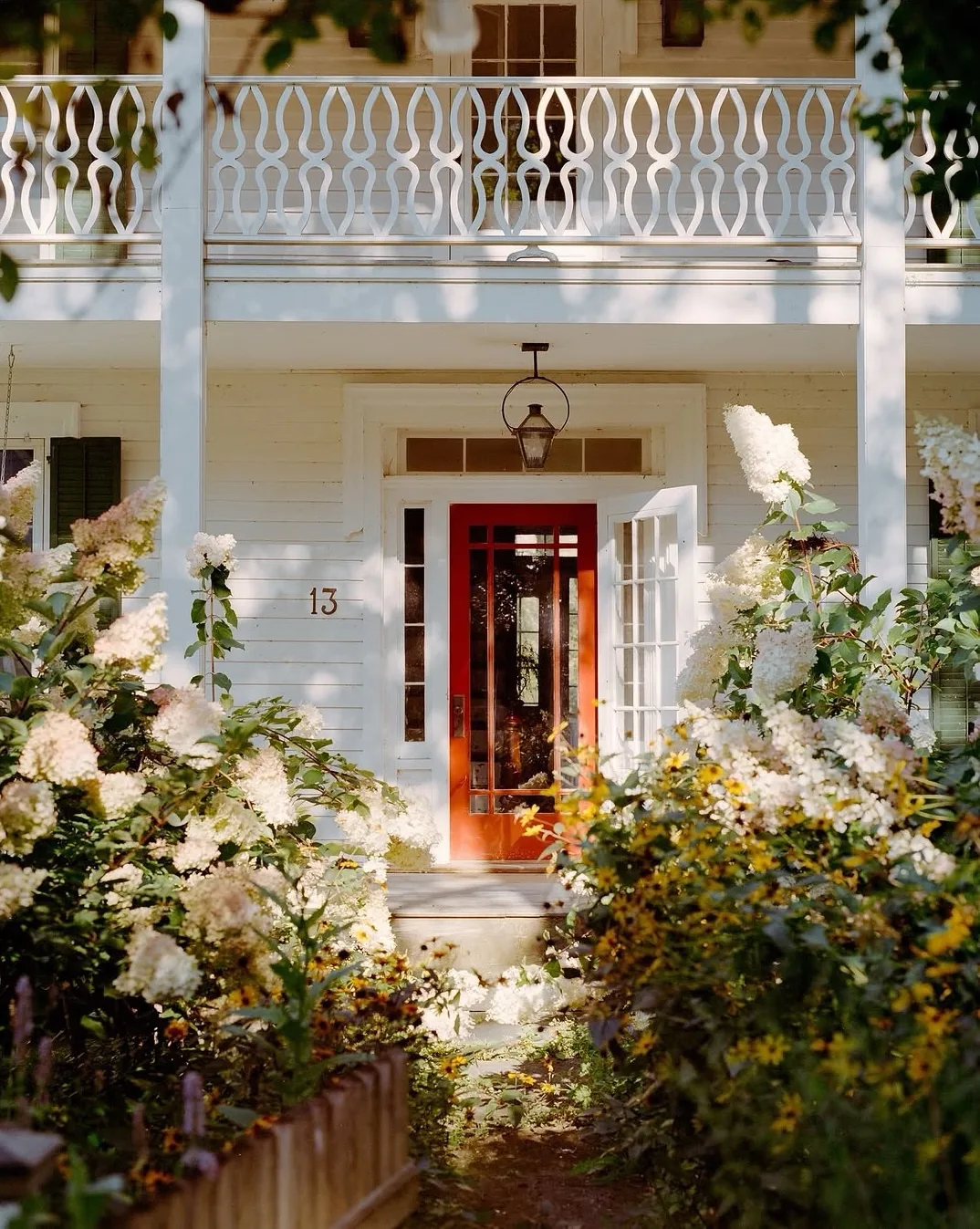
The famous blue is no variety trick. Bigleaf hydrangea blooms turn blue where soil runs acidic with aluminum available to roots, and stay pink where soil runs alkaline. Garden centers sell amendments for both directions because the chemistry is reliable, not because it is mysterious.
You will test your soil before amending anything, since guessing wastes seasons. Aluminum sulfate pushes blue on suitable varieties, garden lime pushes pink, and white bloomers ignore both entirely. Changing established soil takes patience across a season or more. Buy the color closest to your goal and nudge, rather than fighting your ground from the opposite end.
Arrange the threshold
Pairs frame, height layers, winter matters. Three ideas compose.
Frame the door in pairs, never singles
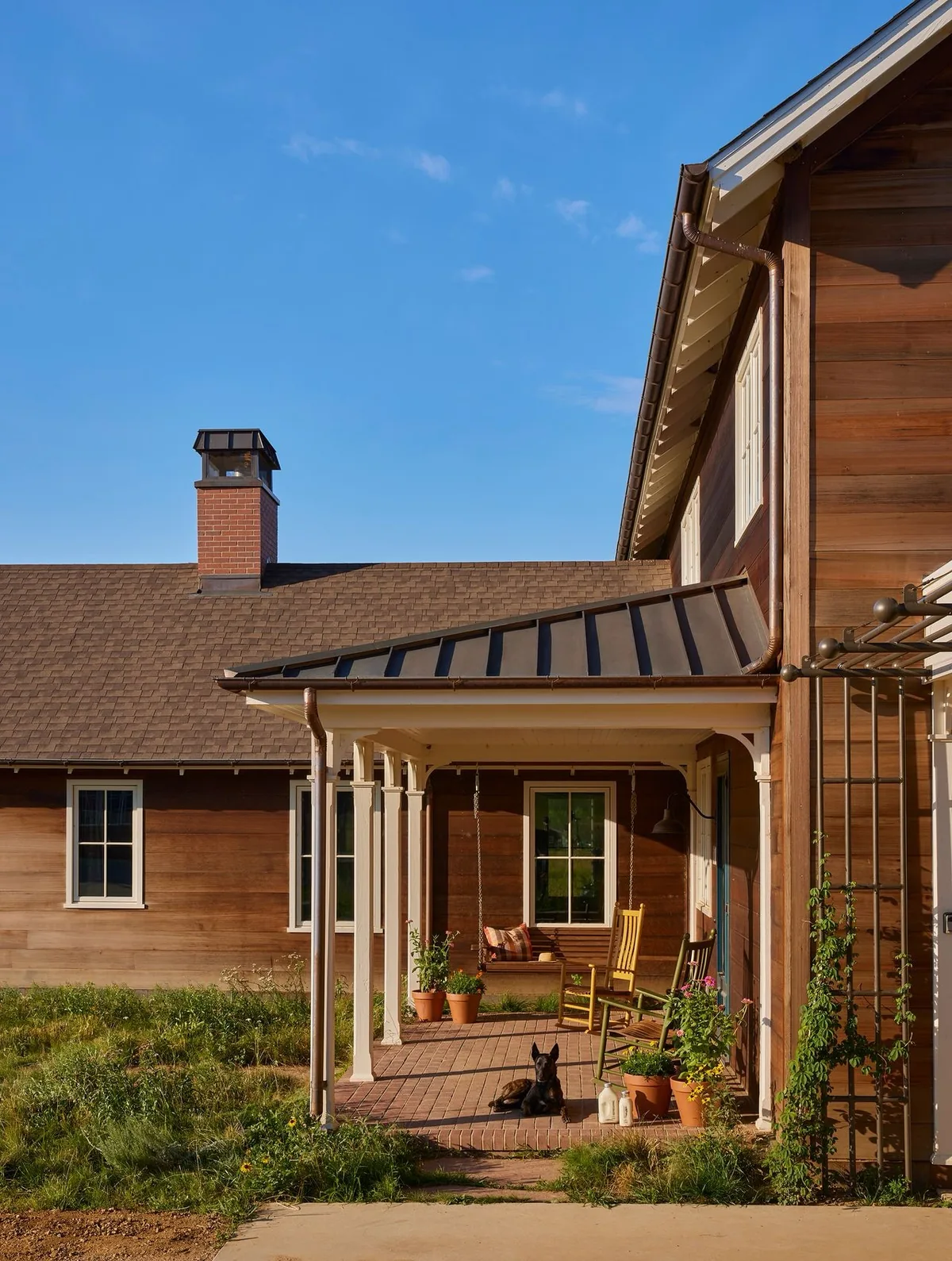
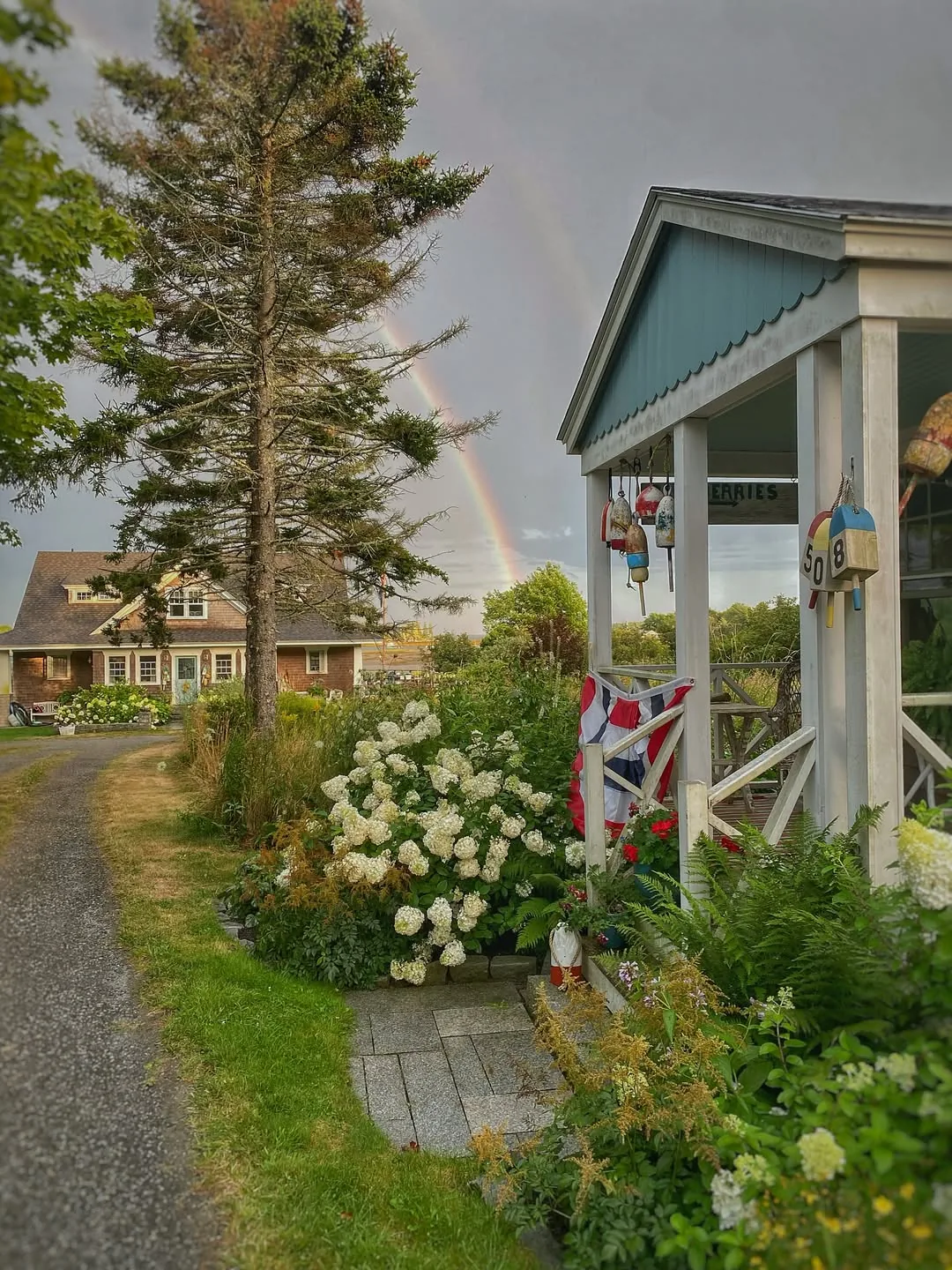
One lone planter beside a door looks like it wandered over from elsewhere. Matched pairs flanking the entry point every visitor at the threshold like ushers, and symmetry flatters nearly every facade style. Our colonial house exterior ideas show the pairing discipline at its strictest.
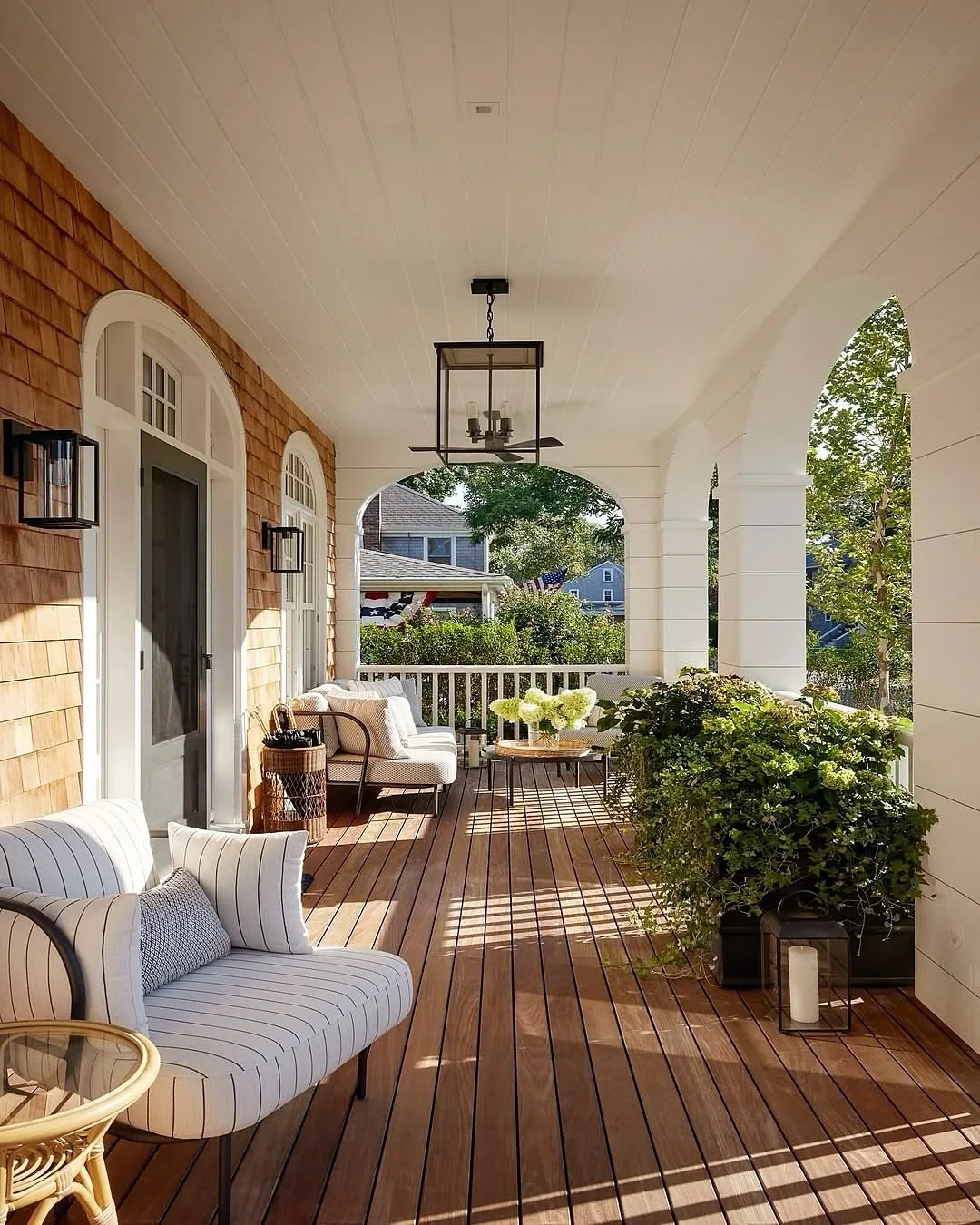
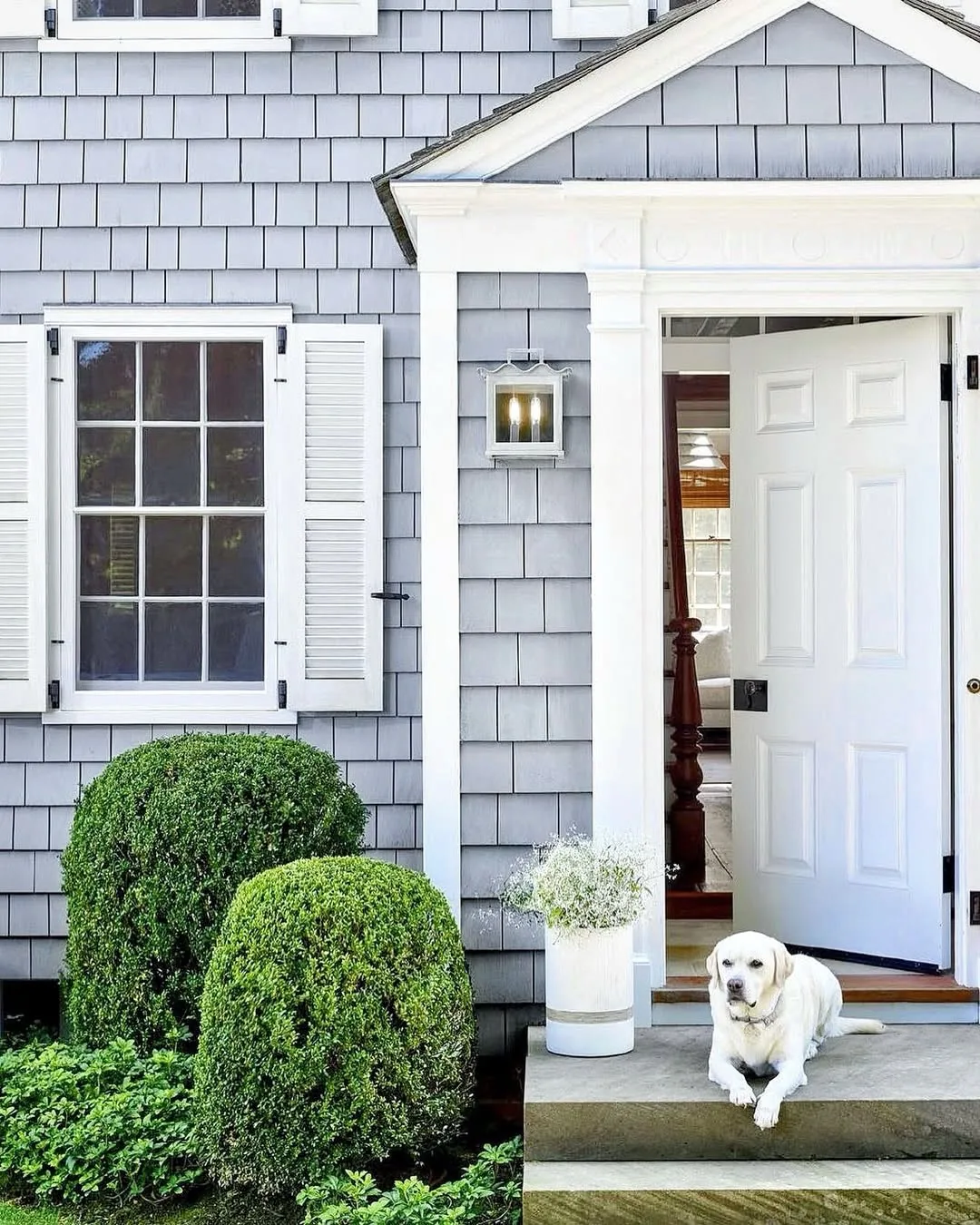
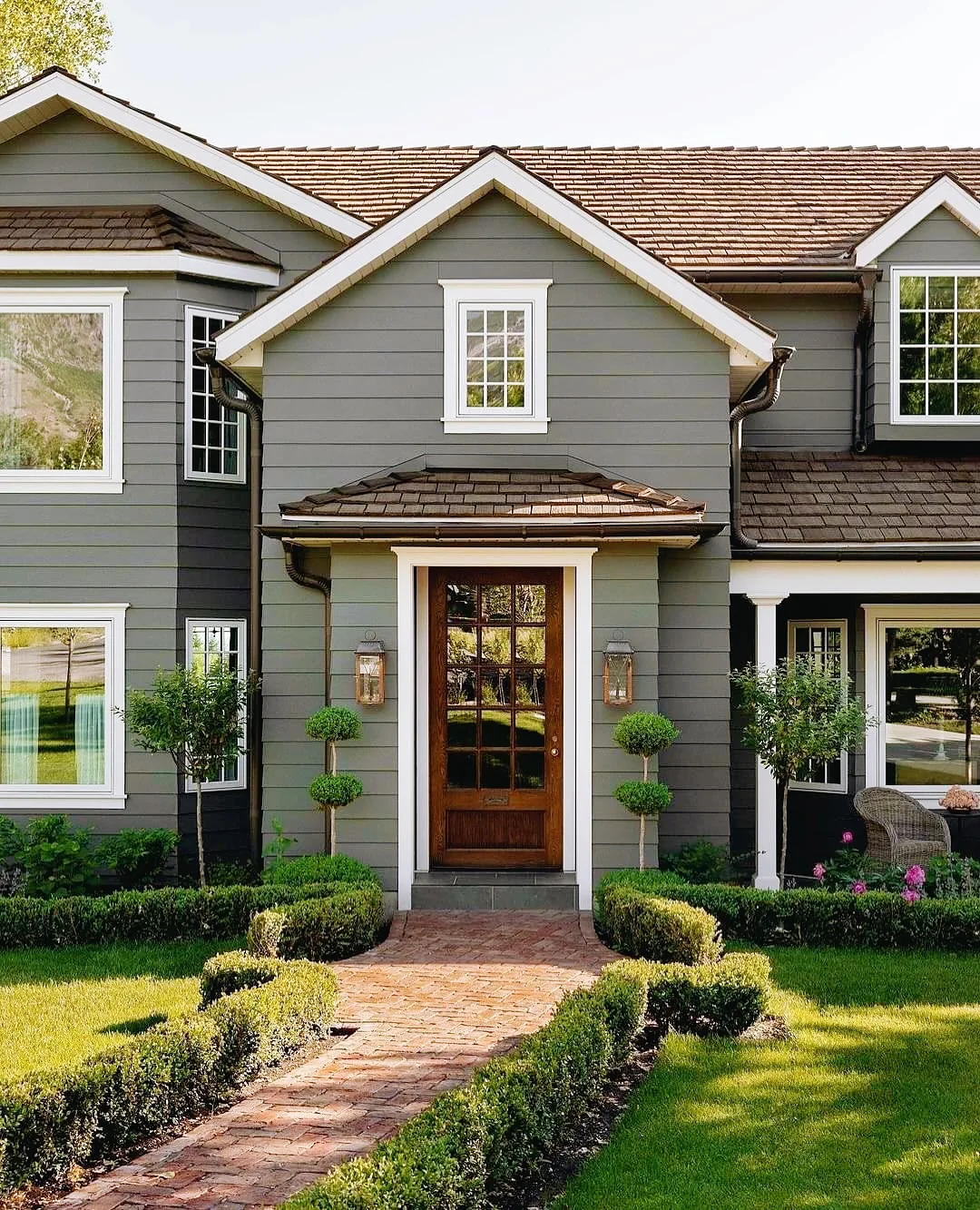
You will buy two of everything structural: pots, evergreens, boxwood balls. Seasonal color between them may vary playfully, but the architecture stays twinned. On wide porches, repeat the pair at the steps too, creating a rhythm that walks guests inward. Singles decorate. Pairs compose.
Layer each pot tall, full and spilling
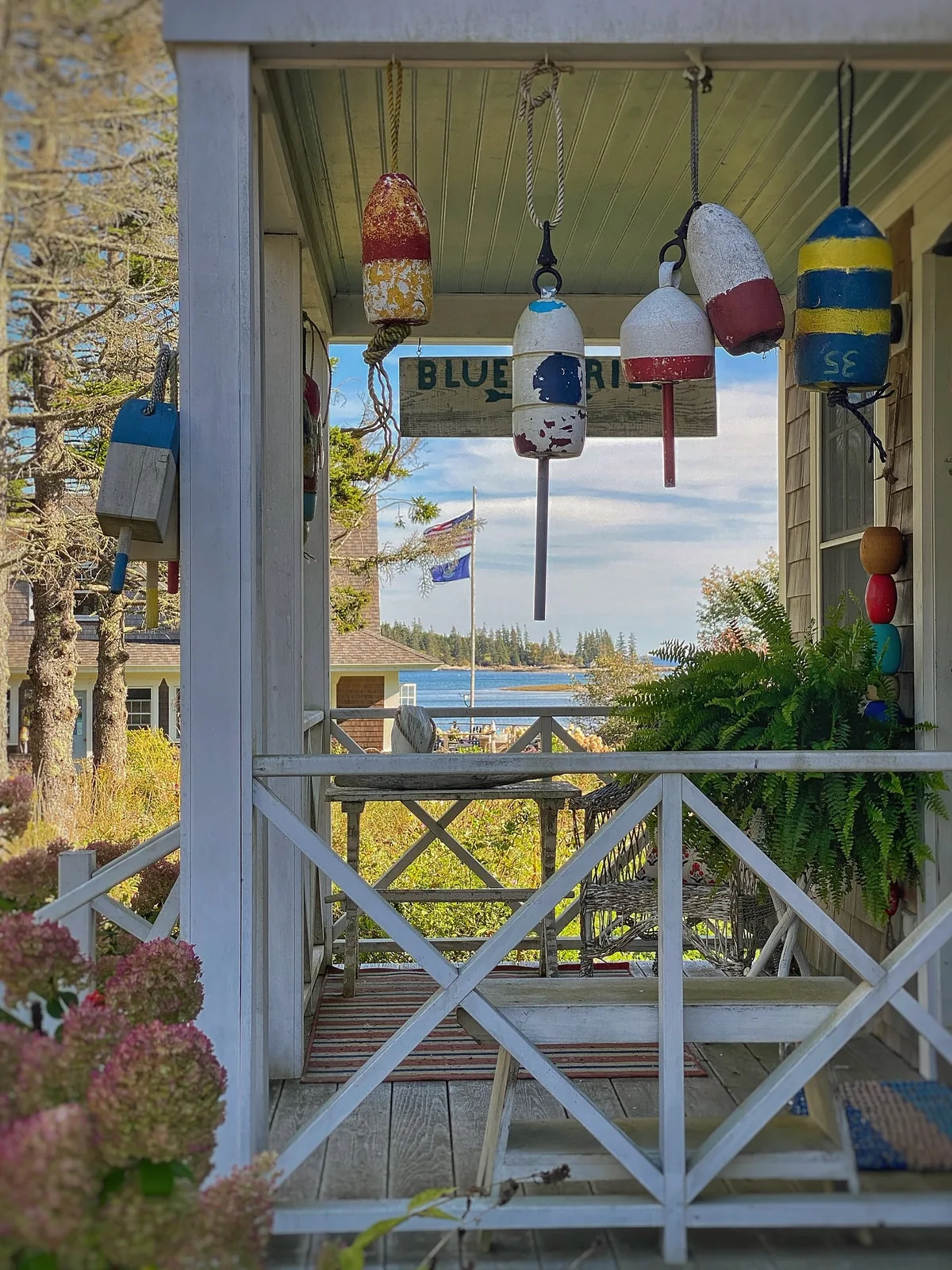
Single-note pots read as placeholders. The classic composition stacks three habits: one upright thriller for height, mounding fillers for body, and trailers spilling over the rim to soften the edge. Height at the back, fullness in the middle, spill at the front, and the pot looks designed from every angle.
You will give thrillers real stature, grasses, cannas or upright boxwood, rather than timid spikes. Fillers in odd numbers knit together fastest. Trailers want enough length to move in wind, which is half their charm. For the door-framing half of this equation, our white farmhouse porch ideas show planting that points at entries instead of burying them. Compose in three dimensions.
Plant winter first, summer second
Porches wear their planting longest in the bleak months, when hydrangeas are bare sticks and annuals are memories. Evergreen bones, boxwood, holly, dwarf conifers, carry the threshold from November to March, which is most of the year you actually see the front in daylight. Summer color is the garnish.
You will anchor every permanent planter with something evergreen before adding a single seasonal thrill. Winterberry branches, cut greens and simple lights dress those bones for the holidays without replanting. A threshold handsome in February flatters every June effortlessly. Design backward from the hardest season and the easy ones take care of themselves.
Planter decisions at a glance
| Decision | What works | Why it works | What fails |
|---|---|---|---|
| Pot size | Largest the threshold fits | Volume decides watering days | Dainty pots dry by noon |
| Drainage | Holes plus feet plus mulch | Roots breathe, surface holds | Sealed bases, bare baking soil |
| Hydrangea sun | Morning light, afternoon shade | Buds form without frying | Western blast all afternoon |
| Watering | Deep soaks to drainage | Trains roots downward | Daily surface sips |
| Color | Tested soil, nudged seasonally | Chemistry is reliable | Fighting alkaline ground toward blue |
| Composition | Pairs, layered heights, evergreen bones | Frames doors, survives winter | Singles, flat pots, summer-only thinking |
The Porch Planter Formula
Six rules keep thresholds blooming:
- Pot up, never down. The biggest fitting pots cut watering and flatter the facade.
- Drain and mulch everything. Holes, feet and bark separate thriving from surviving.
- Sun the mornings. Eastern light with afternoon mercy grows the most buds.
- Soak, then wait. Deep water to drainage, then fingers decide the next round.
- Test before tinting. Soil chemistry steers blooms, but only from a known starting point.
- Pair up and winterize. Twins frame doors, evergreens carry the bleak months.
Follow those and your threshold earns its photographs in February as well as June. For the entry the planting serves, our white farmhouse porch ideas frame doors with green rather than burying them.
Frequently Asked Questions
How often should I water porch hydrangeas?
When the top of the soil dries, deeply until water runs from the holes. Hot windy weeks may mean daily, cool weeks far less. Fingers beat schedules, and big pots stretch every interval.
How do I turn hydrangeas blue?
On bigleaf varieties, acidic soil with available aluminum produces blue blooms. Test first, then amend with aluminum sulfate across the season. White varieties ignore chemistry entirely, and alkaline soil holds pink.
What size planter is best for a front porch?
The largest your threshold fits while keeping passage comfortable. Bigger volume means fewer waterings, happier roots and better street presence. One generous pot beats three small ones on every measure.
Do hydrangeas need full sun?
No, and afternoon blast harms them. Morning sun with afternoon shade grows the most blooms on bigleaf types. Panicle varieties tolerate more sun, so match the type to your exposure.
What stays green in porch planters all winter?
Boxwood, holly, dwarf conifers and hardy ivy hold structure through frost. Anchor permanent planters with these bones, then dress seasonally. Winter interest decides thresholds more than summer color does.
Should porch planters match each side?
The structural pots should twin for the framing effect, while seasonal color between them can play. Matching architecture with playful filling reads designed. Total mismatch reads accidental.
This article may contain affiliate links. We may earn a commission at no extra cost to you.