White Without Contrast Vanishes From the Street

Add us as a preferred source to see more stories on Google.
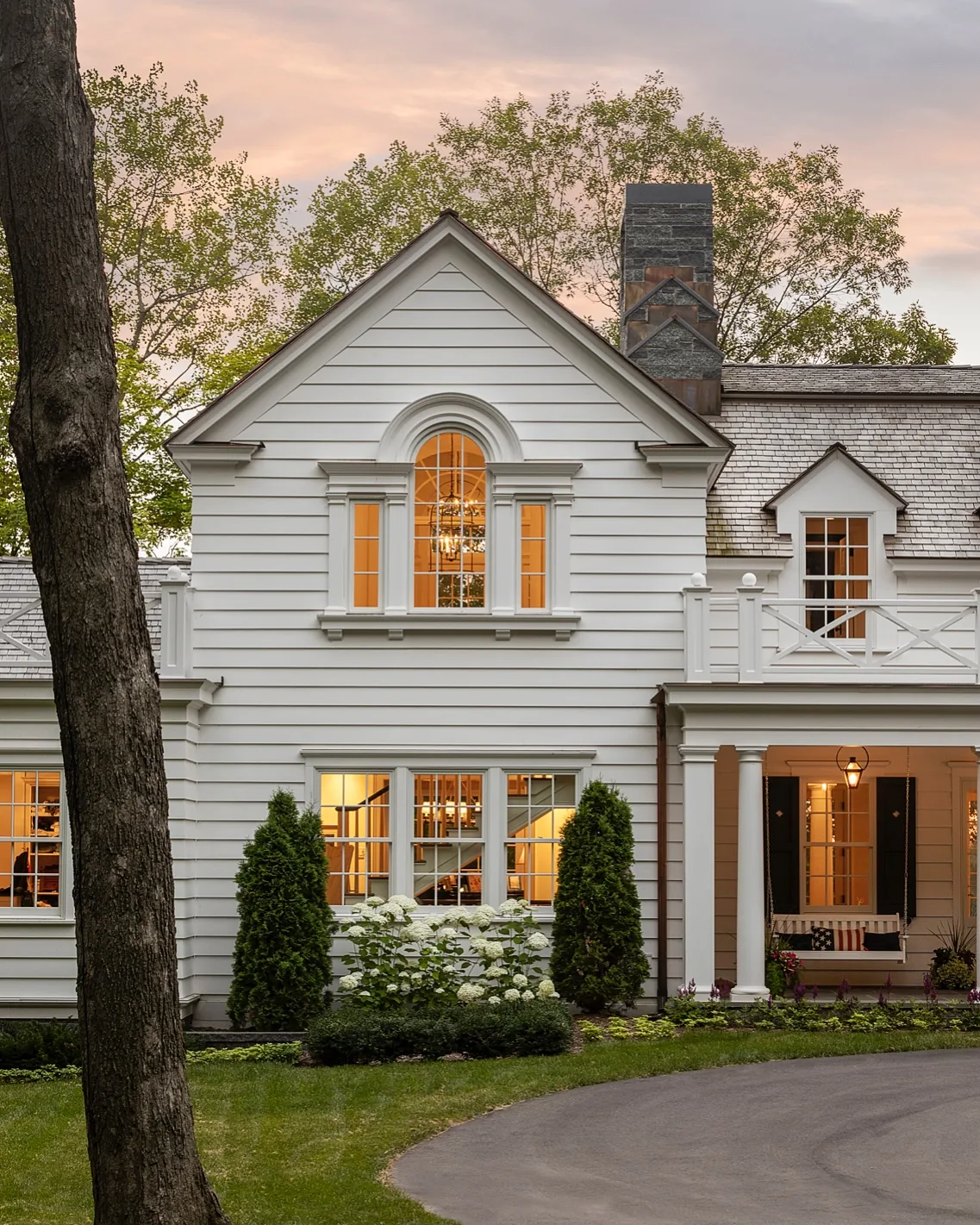
You chose white because it’s safe. It’s the riskiest color you own.
Here’s the thing. White is a background, not a subject, and a white house with nothing to contrast it doesn’t look clean. It looks absent.
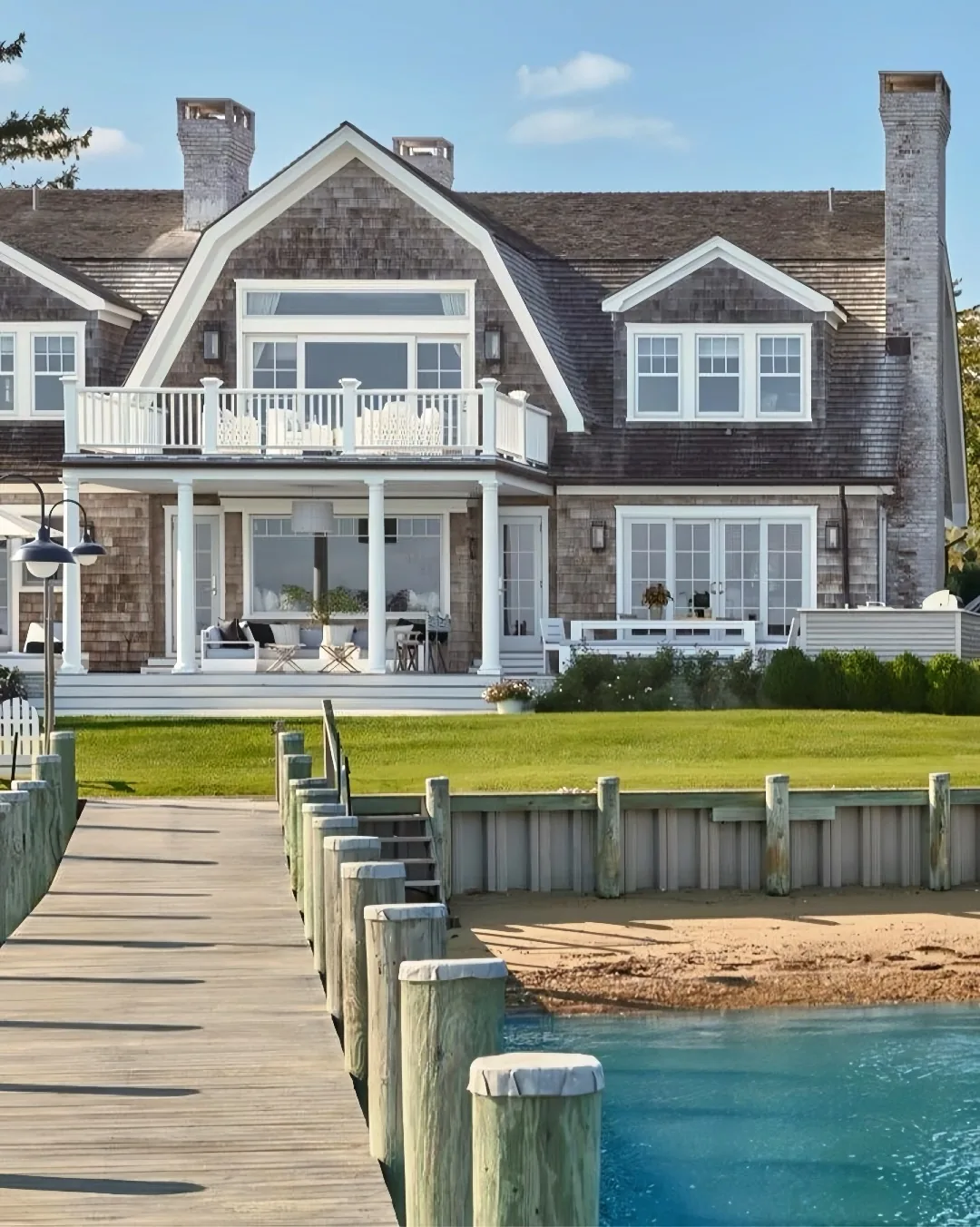
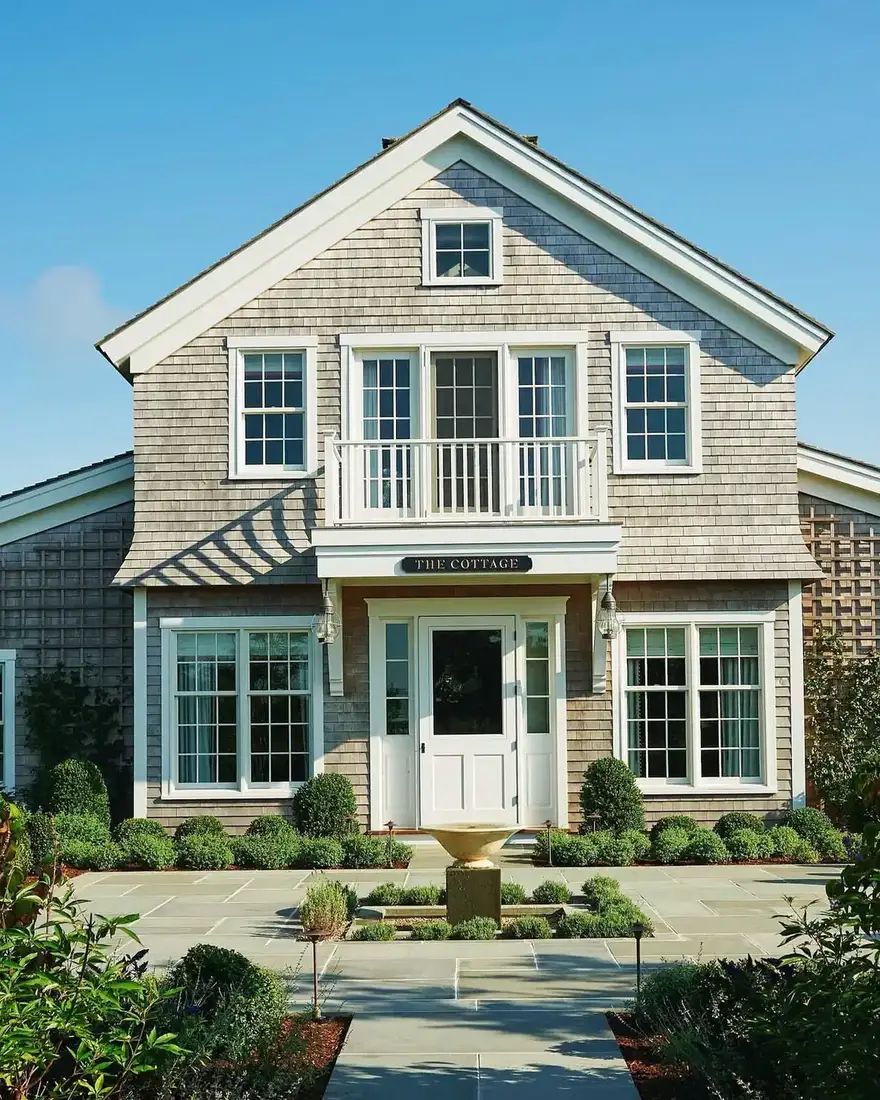
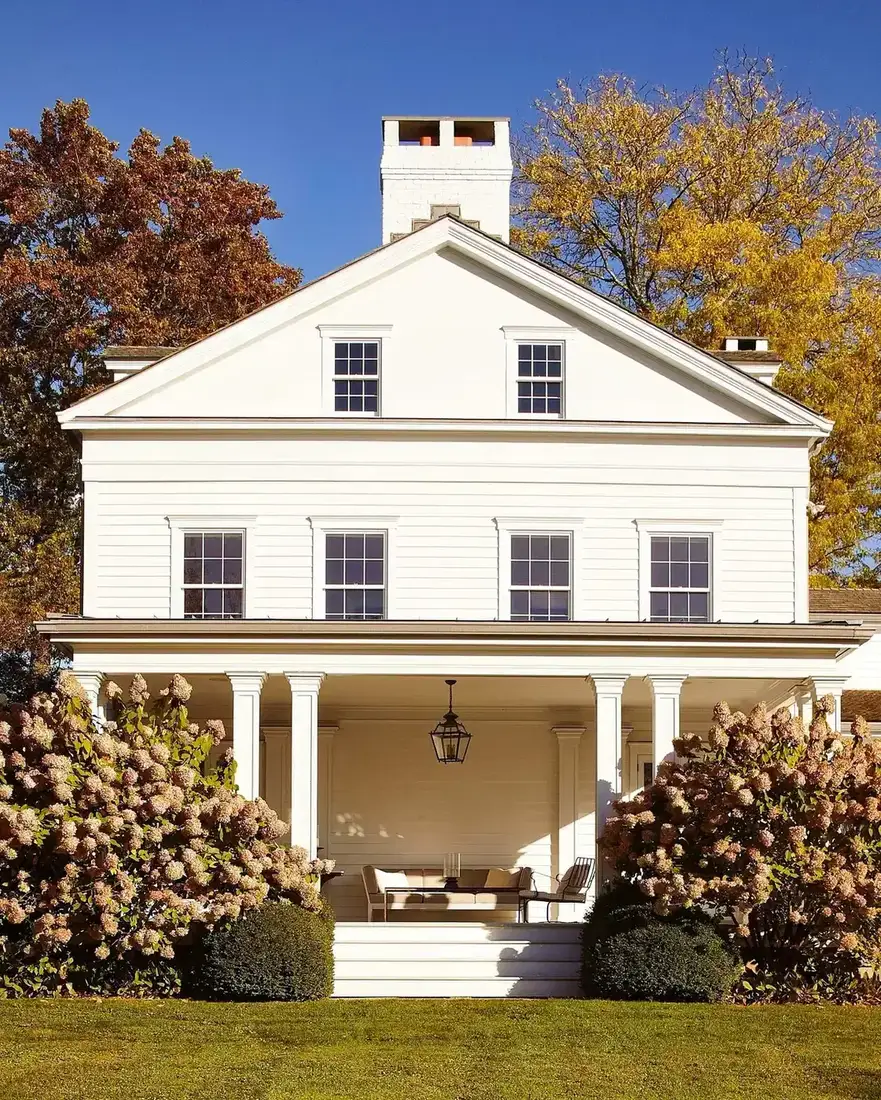
Chances are the white house exterior ideas you saved aren’t farmhouses at all. They’re colonials, townhouses and foursquares where something dark, green or textured does the talking. You’ll learn to give your white its subject here.
Give white its anchor
You’ll choose the dark thing first and the white second. Reverse that order and the white floats away.
Pick your dark anchor before your white
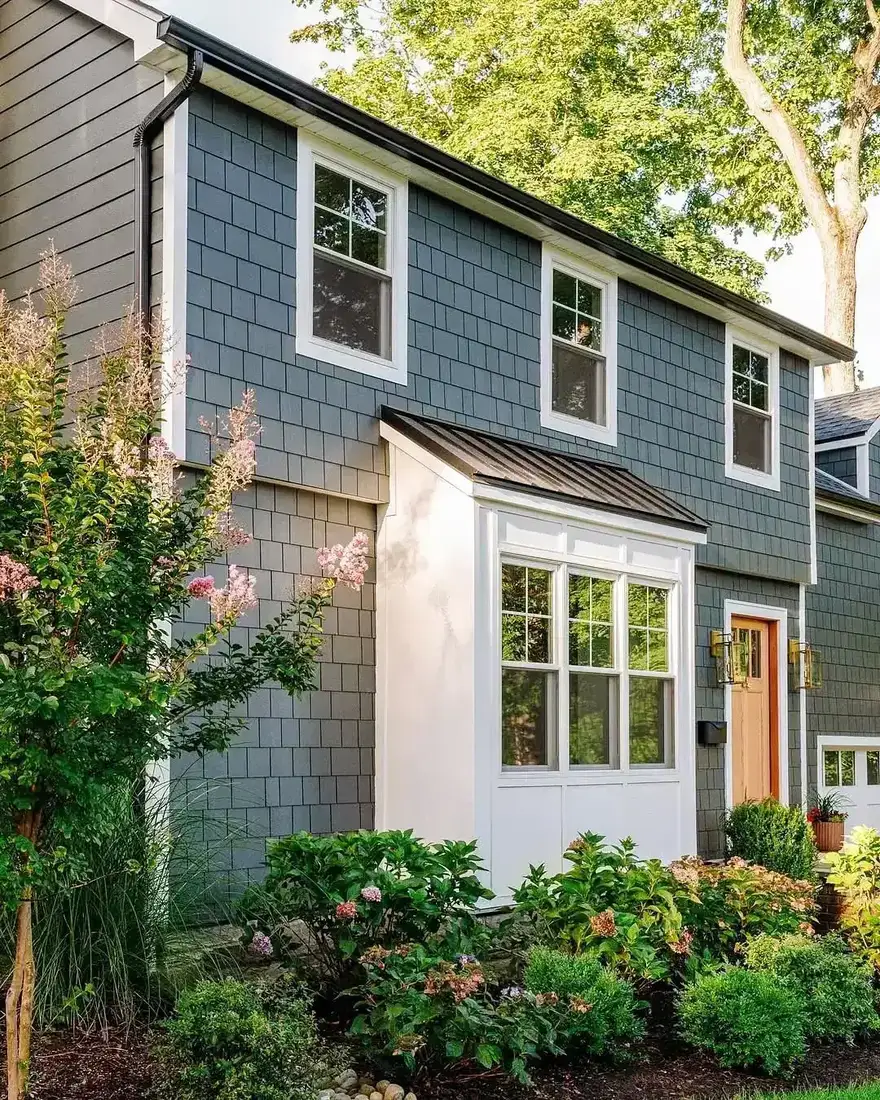
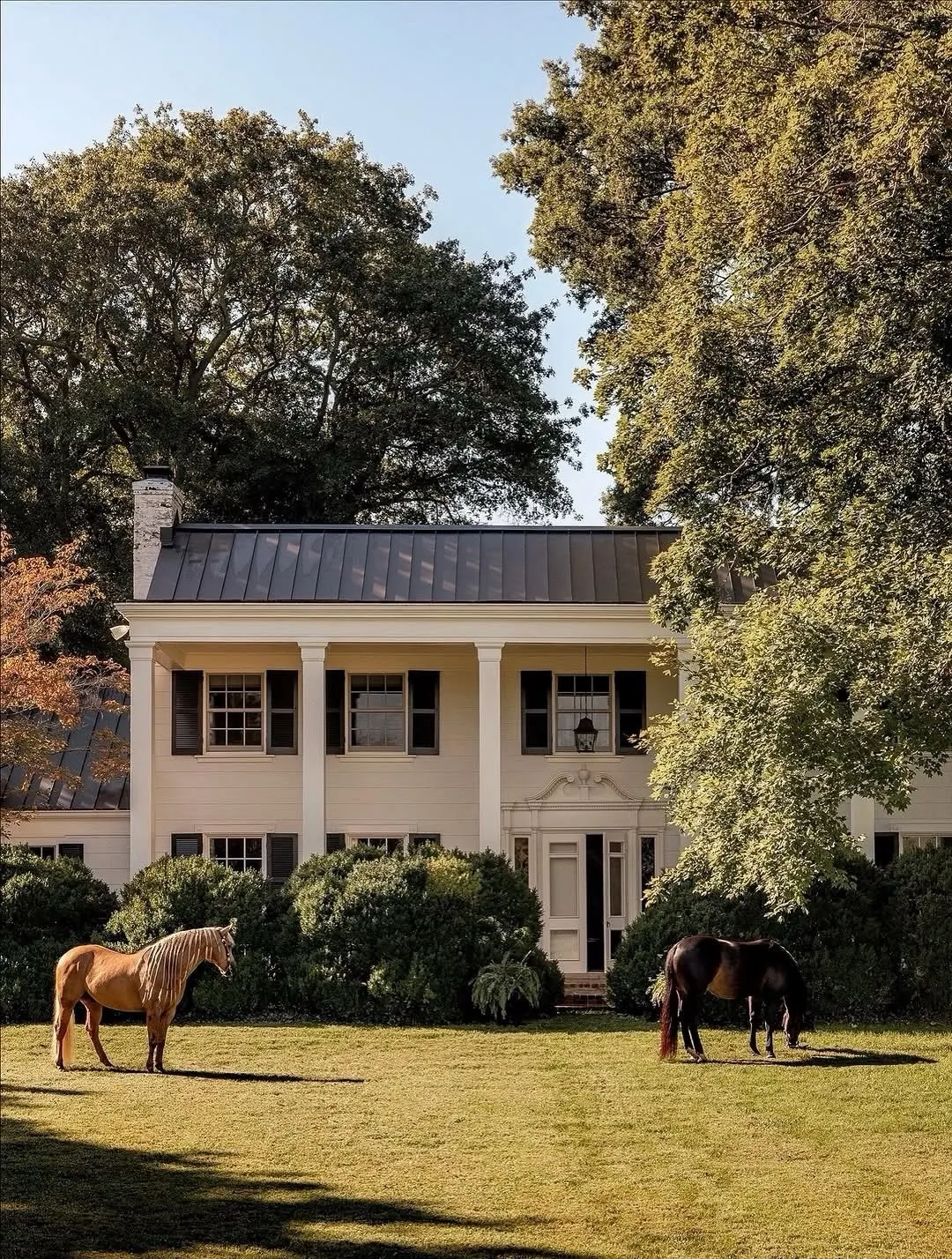
Every white house you admire owns one dark element holding it down. You’ll choose yours deliberately: black shutters, a charcoal roof, iron balcony rails or a deep green door. That anchor gives your eye somewhere to land and tells the street your white was chosen, not defaulted.
Without it, you’ll get the vanishing house. White walls, white trim, white windows and a pale roof dissolve against an overcast sky. You’ll drive past homes like that daily without registering them. One dark decision, made first, saves the thousands you’re about to spend on white paint.
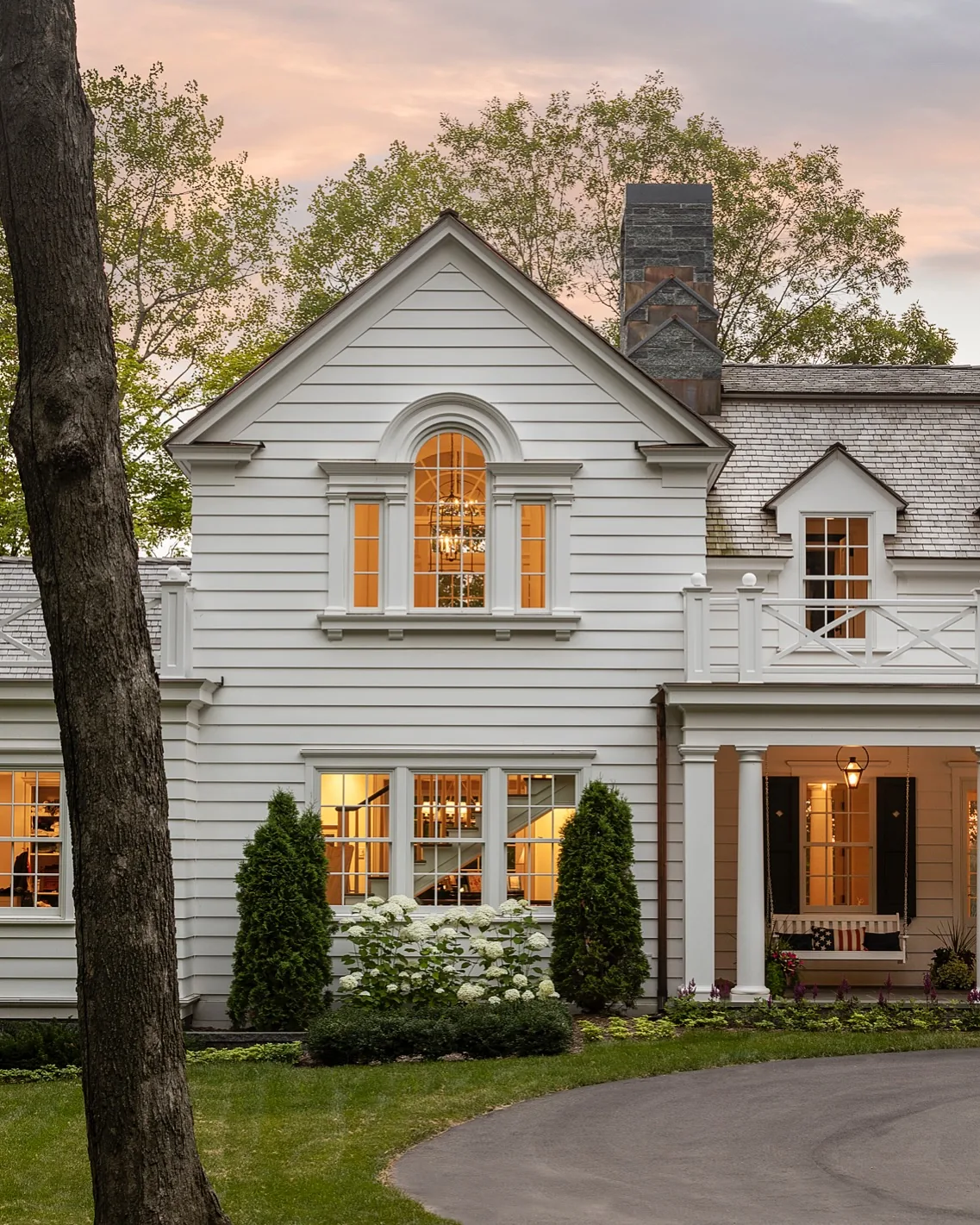
Let a hip roof calm a tall white box
Foursquares and colonials wear white well because their hip roofs press a dark lid onto the composition. You’ll keep that lid dark and quiet, charcoal or weathered bronze, so it anchors the bright walls below. A pale roof on a tall white house doubles the glare instead of grounding it.
You’ll also mind the porch roof as part of the same lid. A dark standing seam porch roof ties the base to the crown and shades your siding where weather hits hardest. When roof, porch roof and shutters share one dark family, you’ll get a house that reads composed from every angle you view it.
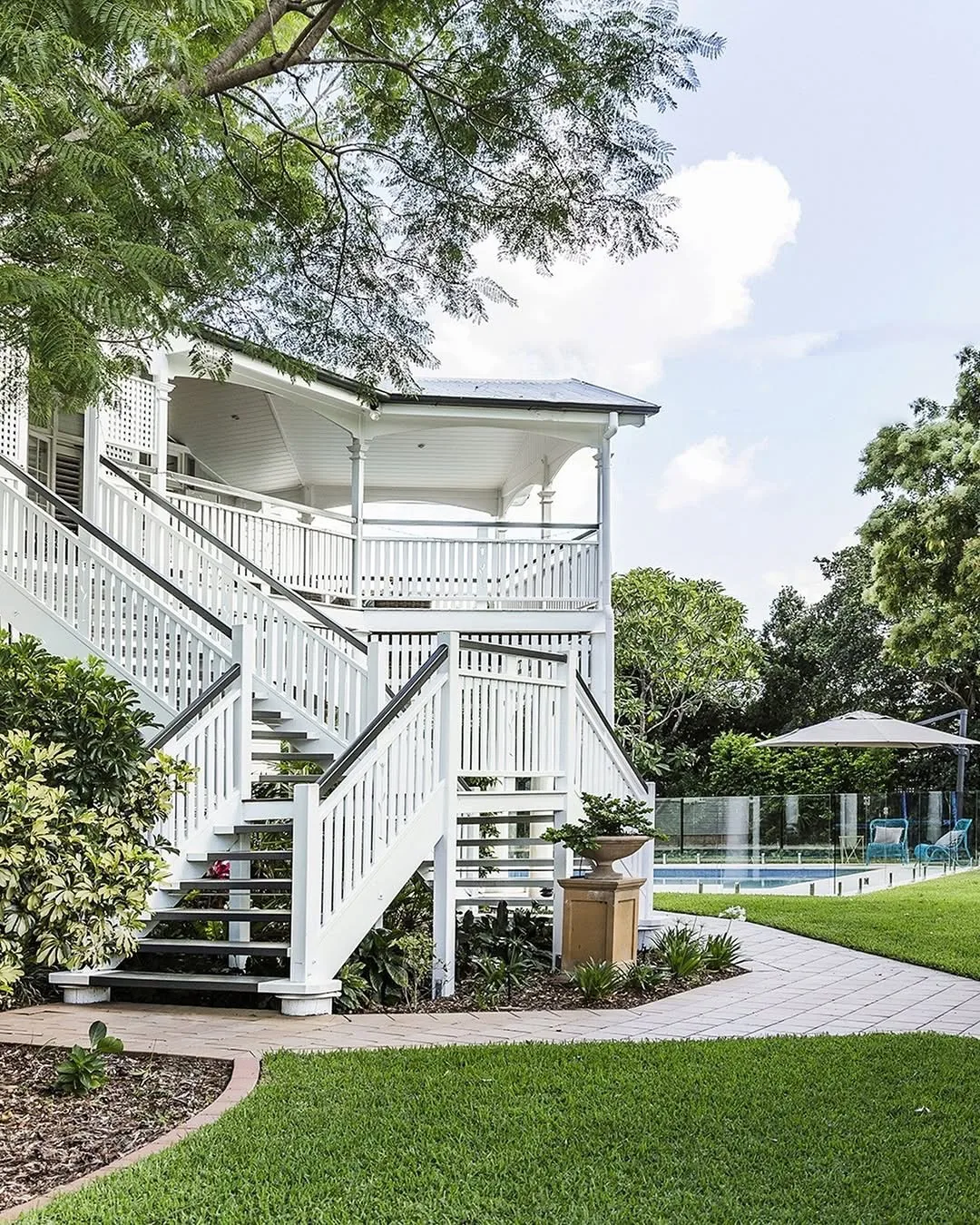
Raise a Queenslander trick for hot climates
Queenslanders lift living floors above the ground on posts, and you’ll borrow the logic even where you can’t lift the house. Deep verandas wrap the walls in shade, white paint reflects what sun remains and every room opens to moving air. The style beats heat without machinery, which is worth studying wherever summers punish you.
You’ll paint stairs and railings the same white so the undercroft reads clean, then let one dark stair runner or timber screen warm it. Raised floors dry fast after storms and deny termites their hidden highways. Even if your house sits on a slab, you’ll steal the veranda depth and the shade-first thinking.
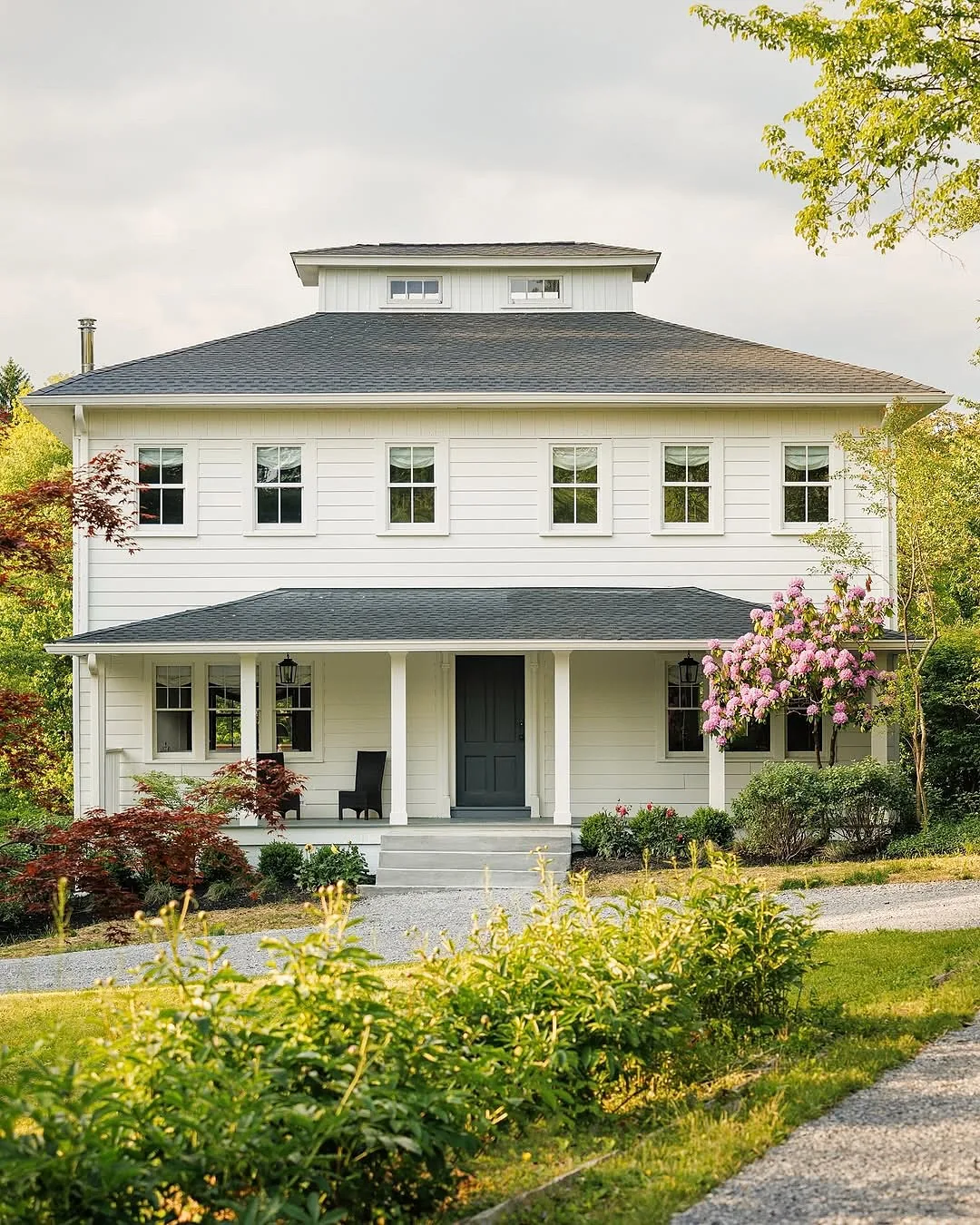
Texture and green against the glare
Flat white in full sun needs relief. You’ll grow it, build it or plant it before the first summer.
Grow vines where walls bake blank
A big blank white gable in afternoon sun begs for green relief. You’ll train climbing roses, jasmine or ivy up a wire, never straight onto the wall, so air moves behind the leaves and painters can reach the siding later. The vine cools the wall, scents the air and breaks the glare into shadow.
You’ll prune yearly to keep growth off your roof, gutters and window frames. Vines that reach the eaves trap moisture where you’ll least want it. One disciplined climber makes a plain white wall look established in three years. Three undisciplined ones make it look abandoned, so you’ll choose varietal and wire before you plant.
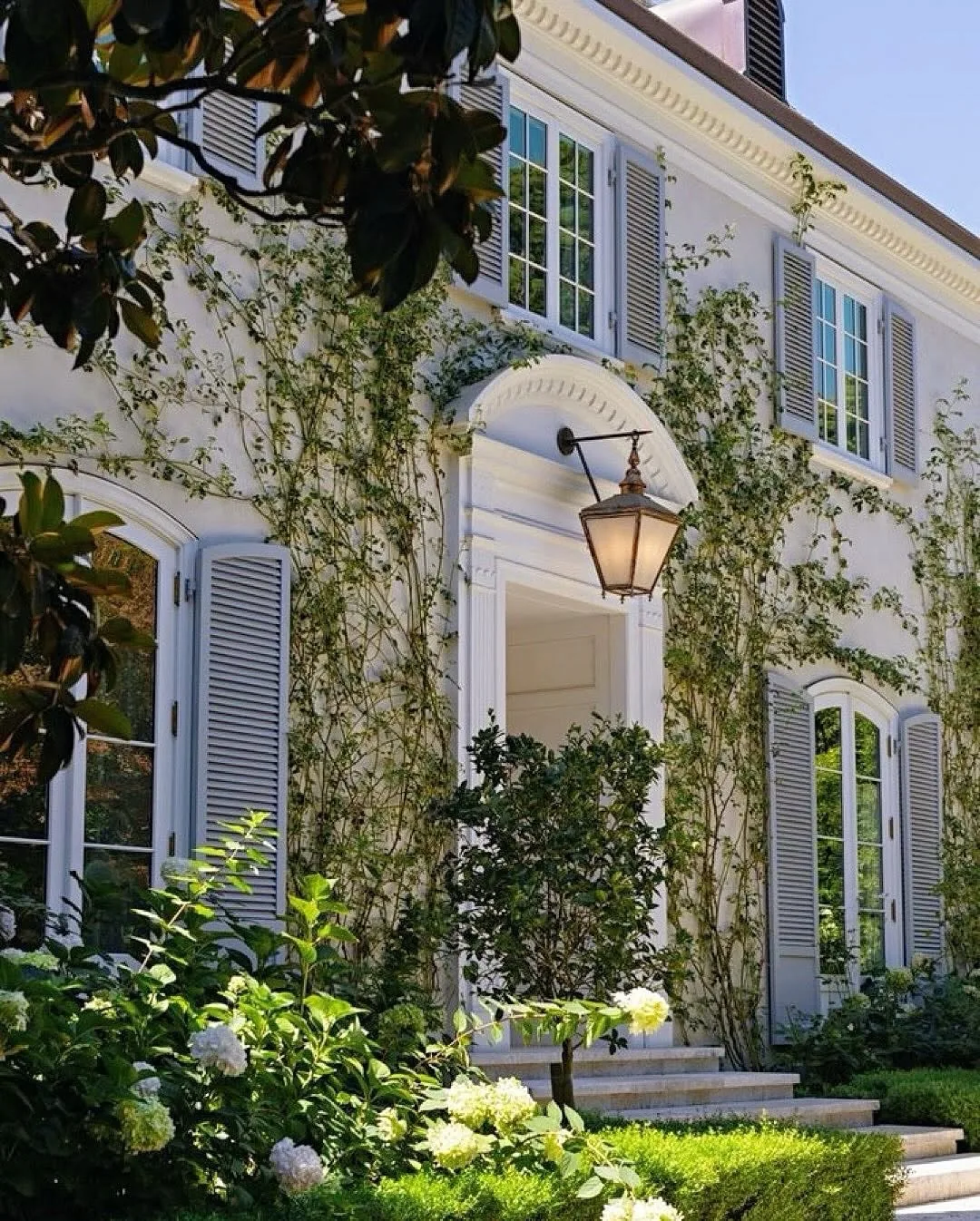
Warm white walls with a copper roof moment
Copper against white is the warm-meets-crisp pairing your camera loves. You’ll cap a bay, a porch or a pool house in copper and let the main roof stay quiet. The metal glows amber for its first years, then settles into brown-green patina that flatters every white you’ll ever paint beside it.
You’ll isolate copper from zinc-coated steel where water runs, since runoff corrodes the steel below. One copper moment per property reads as heritage. You’ll resist scattering it across gutters, caps and lanterns, because repetition spends the magic. Small copper, big effect, decades of payoff.

Give white house exterior ideas evergreen bones for February
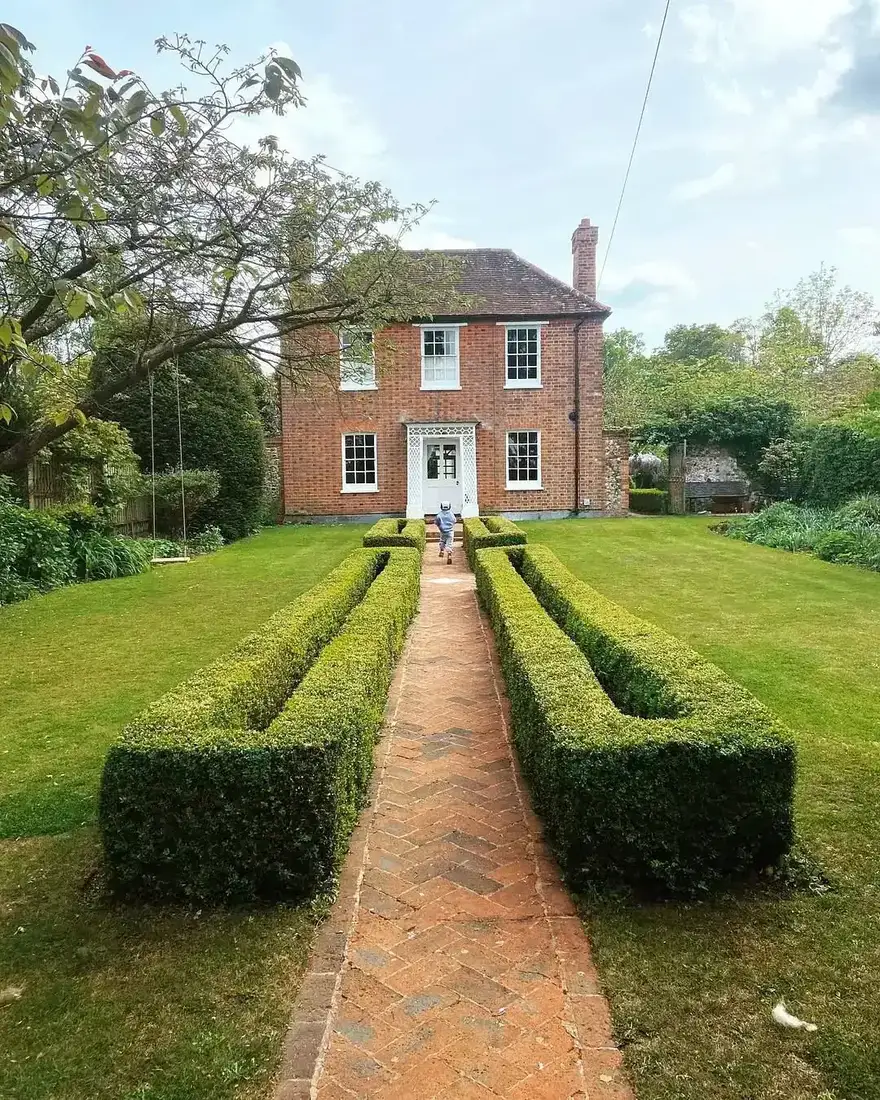
White houses get judged hardest in winter, when flowerbeds vanish and walls stand exposed. You’ll plant clipped boxwood, yew and holly as evergreen bones that hold your composition through the grey months. Snow outlining dark green against white walls is the February photograph your summer garden never gives you.
You’ll keep the evergreens below your sills so winter sun still reaches your glass. Shear lightly twice yearly rather than hacking once, and you’ll keep crisp lines without stress. For the full method on evergreen structure versus seasonal color, see our white farmhouse curb appeal ideas. Winter is the honest season, so you’ll design for it first.
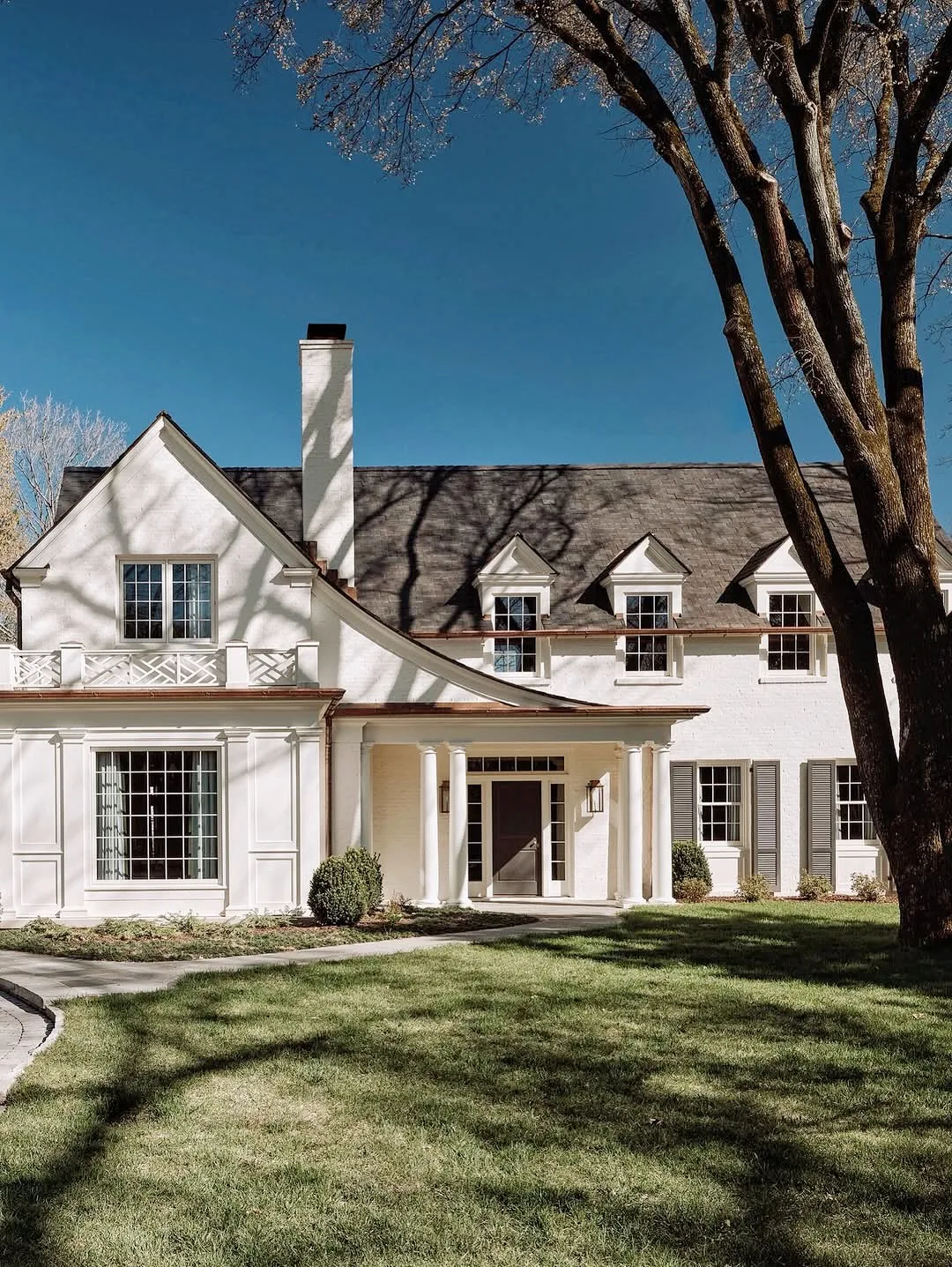
White on every style
White isn’t a farmhouse color. You’ll dress it for colonials, townhouses, pool houses and snow.
Give the colonial symmetry and one dark metal note
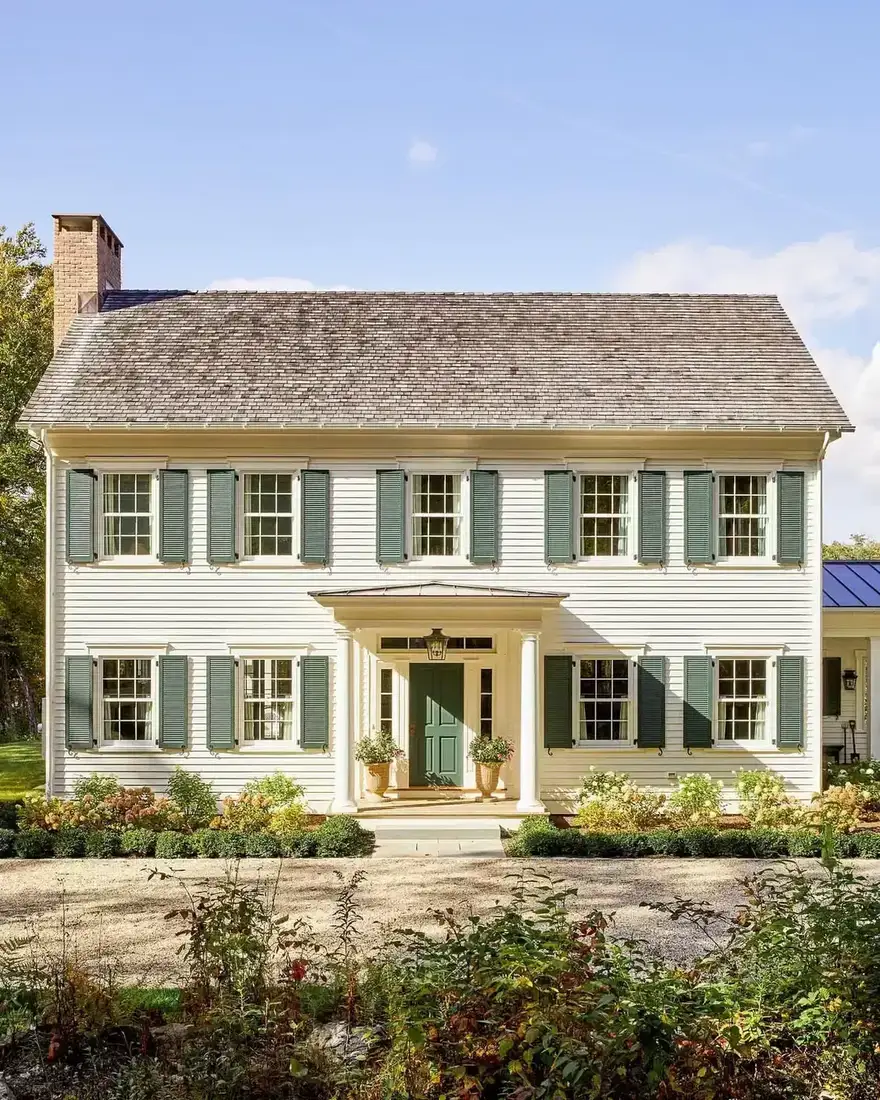
White colonials succeed on strict symmetry with one dark metal note. You’ll center your door, mirror your windows and hang black lanterns or an iron balcony rail as the anchor. The formality does the talking, so your white can stay quiet and let proportion carry the street.
Keep shutters honest: sized to half their windows and hung with a gap, or skipped entirely. Fake shutters flatten formal facades fastest because symmetry leaves nowhere to hide. For the deeper rules on balanced fronts, read our farmhouse exterior color schemes guide on undertones. Symmetry plus one dark note beats decoration every time.
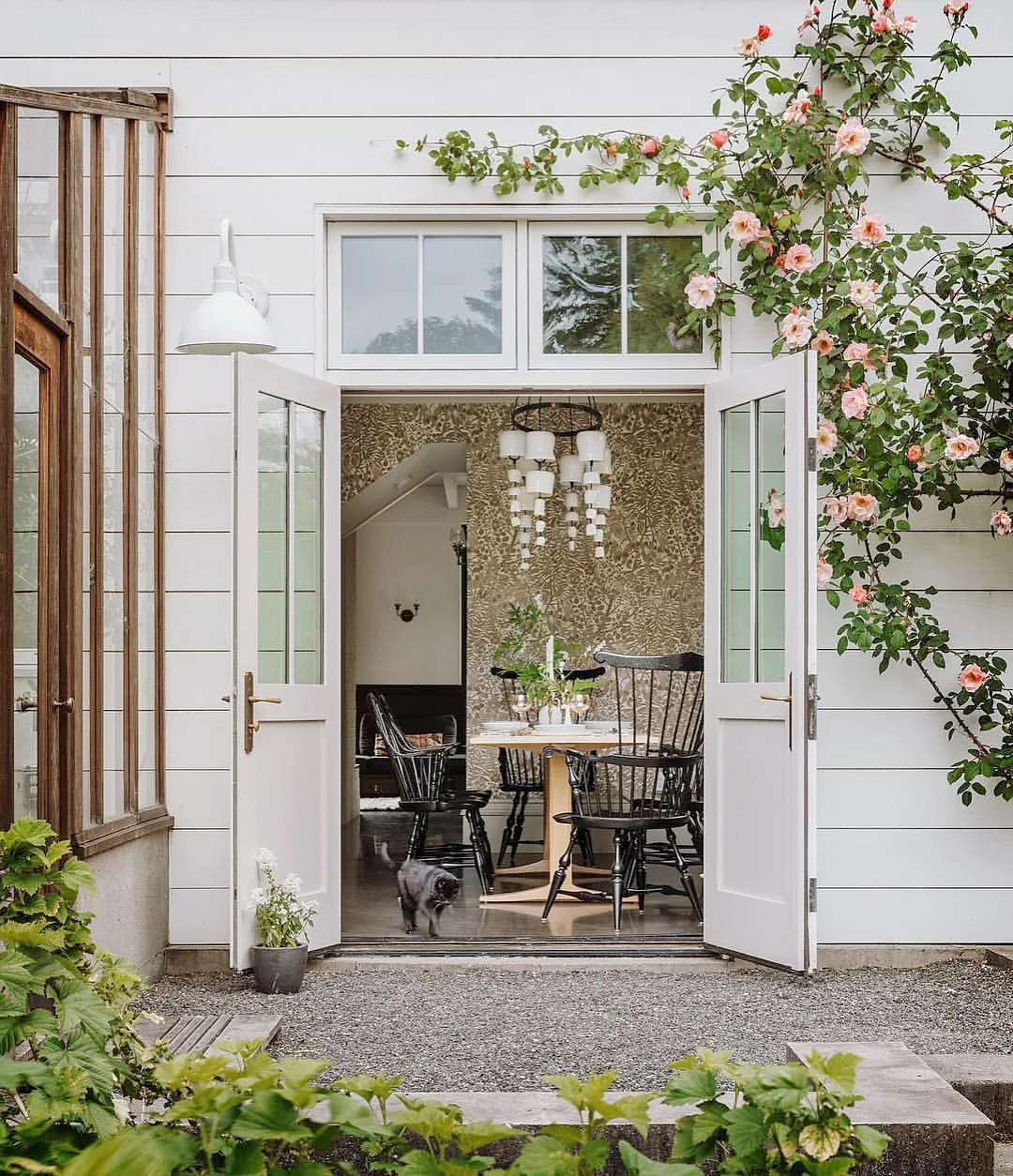
Open French doors onto climbing roses
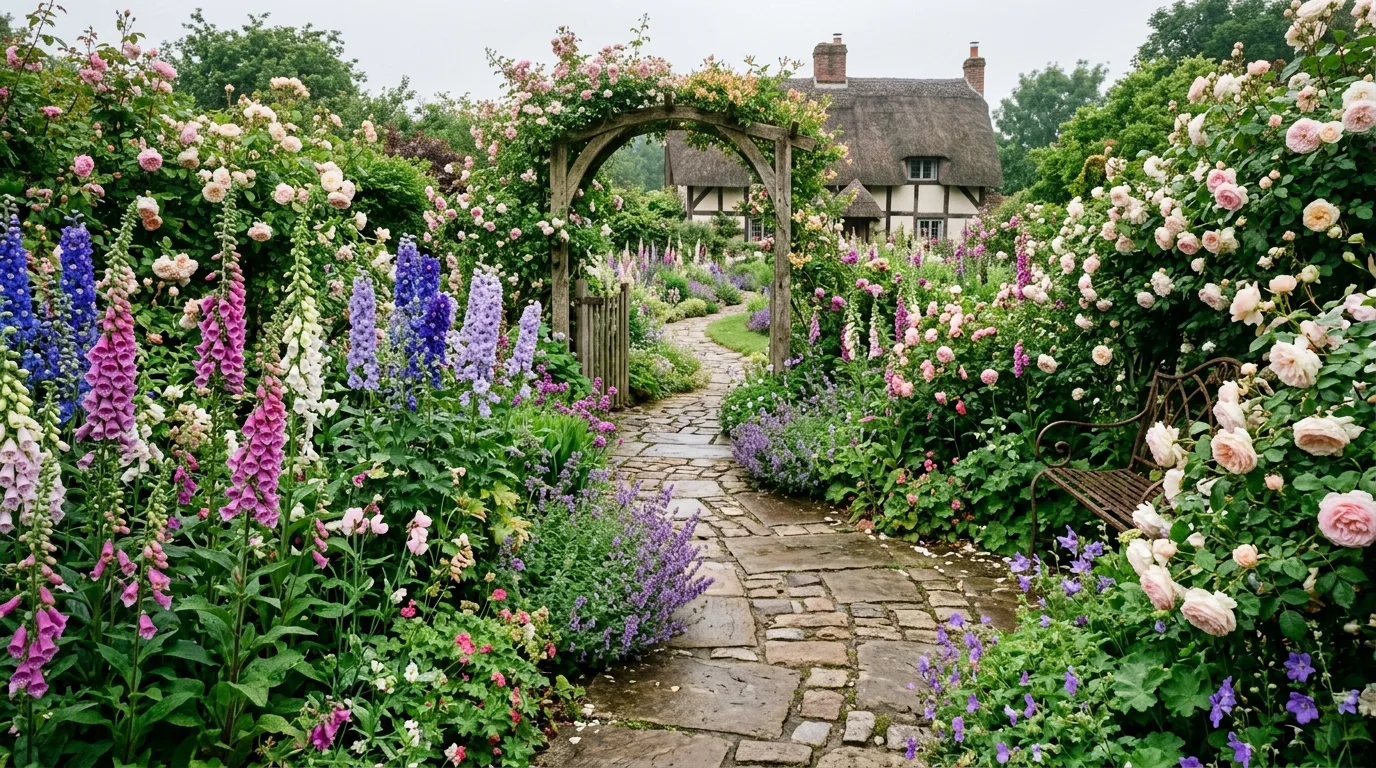
French doors turn a white wall into a threshold, and you’ll frame yours with climbing roses for the full effect. The glass multiplies light, the roses soften the geometry and the pairing reads romantic without trying. You’ll paint door trim the same white so the opening dissolves into the wall.
You’ll pave the landing generously, because doors this inviting get used constantly. Gravel or stone drains between rains where lawn turns to mud at the threshold. When the roses bloom over open doors, you’ll get the photograph every white-house owner wants and few plan for. Architecture plus planting, neither working alone.
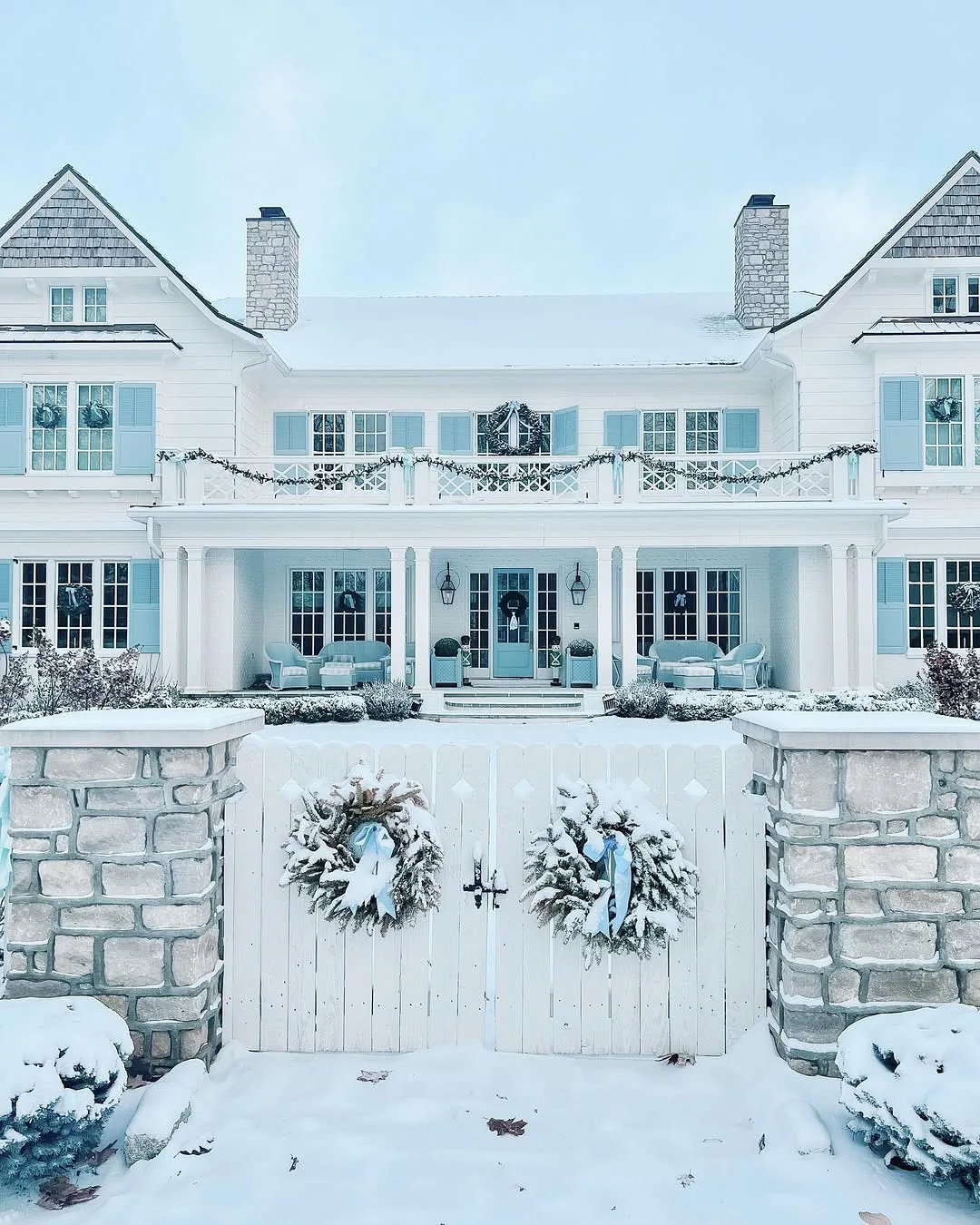
Hang wreaths where white needs winter green
Snow turns white houses invisible against white lawns, so you’ll dress for the season deliberately. Twin wreaths on doors and windows, garlands along rails and one lit evergreen in the yard give your white walls the green contrast they lose in December. You’ll look like the holiday card your street photographs.
You’ll hang with proper hooks, not nails you’ll regret in spring. Battery timers light your greens without cords snaking across the porch. Take it all down promptly in January, because tired decorations on white walls read sadder than on any other color. Seasonal dressing is a short, joyful contract you’ll honor fully.
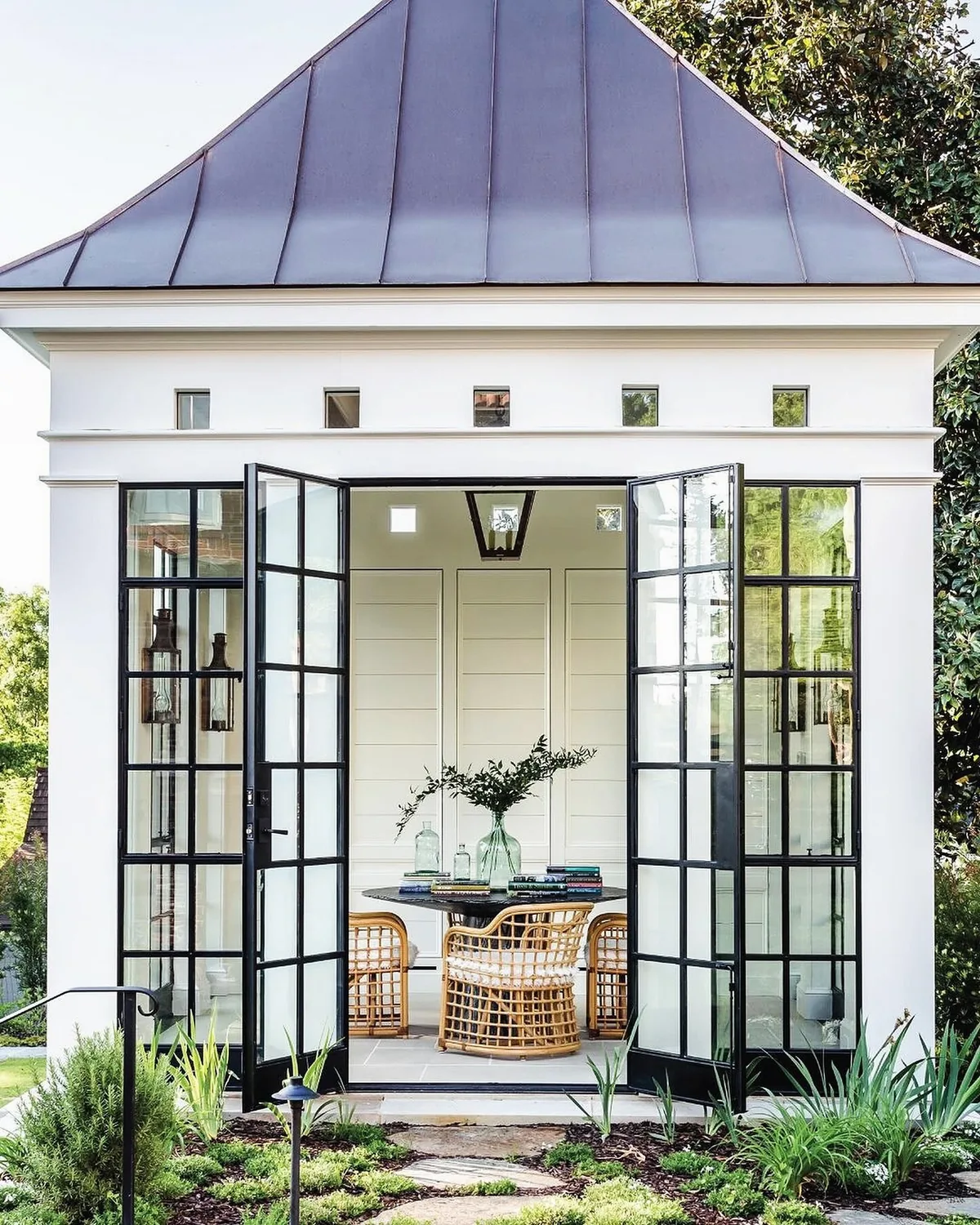
Keep the pool house simpler than the house
A pool house should read as the main house’s quiet sibling, never its rival. You’ll repeat the white and one trim color, simplify the details and let the copper roof or wood doors carry the charm. Two competing houses on one plot split the eye and halve the elegance.
You’ll pave generously around it, because wet feet punish lawn into mud within a month. Stone or gravel aprons drain fast and stay clean. When the pool house whispers and the main house speaks, you’ll get a property that reads as one considered estate instead of two projects.
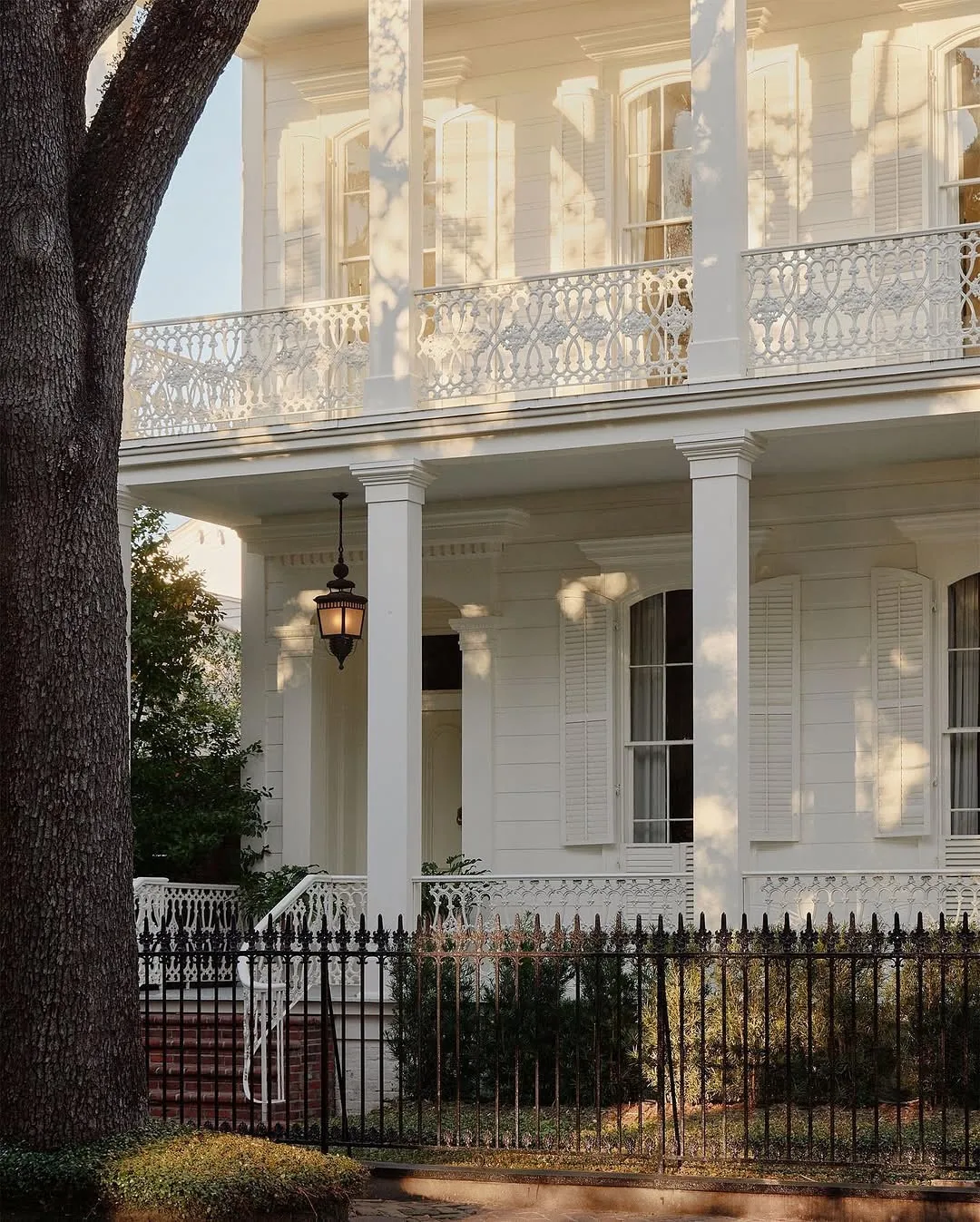
Fence the townhouse in iron, not timber
Southern townhouses meet the street through iron, and you’ll follow suit. A black iron fence and balcony rail draw one crisp line that anchors your white facade without hiding it. Timber privacy fencing swallows narrow frontages and fights the vertical rhythm your tall windows set.
You’ll keep the iron simple: verticals, one top rail, no ornamental excess. Paint it the same black as your door hardware so the whole front shares one metal note. Behind it, you’ll plant one disciplined row, boxwood or jasmine on wires, that softens without hiding. Iron plus green is the townhouse formula you’ll never need to revise.
White done right versus white by default at a glance
| White with a subject | White by default | |
|---|---|---|
| Anchor | One dark element chosen first | None, everything pale |
| White | Warm with cream in it | Brilliant, glaring |
| Texture | Vines, copper, stone or iron | Flat siding, nothing else |
| Planting | Evergreen bones for winter | Flowerbeds that vanish |
| In snow | Dressed with green | Invisible against the lawn |
| Verdict | Paint this house | Replan first |
The White House Formula
If you strip all eleven ideas down to a plan, it reads like this:
- Anchor first. One dark element chosen before the white, never after.
- Warm white only. Cream inside, brilliance never.
- Texture or green always. Vines, copper, iron or stone against the glare.
- Style the white to the house. Colonial symmetry, townhouse iron, pool-house restraint.
- Evergreens for February. Design for the month that judges hardest.
- Dress the snow season. Wreaths and green where white disappears.
Get those six right and your white reads chosen instead of defaulted. You’ll own the crisp look instead of vanishing into it.
Frequently Asked Questions
What is the best white paint for a house exterior?
A warm white with cream in it, never a brilliant blue-white. You’ll test on your sunniest wall because sun pushes every color lighter, and judge shaded walls separately. For undertones and reflectance numbers, our farmhouse color guides cover the method in full.
How do I stop my white house looking flat?
You’ll give it a dark anchor, texture and planting. Black shutters or ironwork, a copper roof moment or climbing vines break the glare into shadow. Flat white with nothing to contrast it dissolves against bright skies.
Should I paint my brick house white?
Only knowing it’s close to permanent. You’ll gain brightness and lose the maintenance-free masonry forever, trading it for a repaint cycle. Limewash offers a softer, more forgiving middle ground. Decide with open eyes because there’s no cheap way back.
What color roof goes with a white house?
Dark and quiet: charcoal, weathered bronze or slate. You’ll keep the lid dark so it anchors bright walls, and match porch roofs and gutters to the same family. Pale roofs double the glare instead of grounding the house.
How do I keep a white house clean?
You’ll soft-wash yearly, keep sprinklers off walls and hold mulch back from siding. Shaded north walls green first, so you’ll inspect those each spring. White shows everything, which is exactly why your maintenance schedule matters more than your paint brand.
Does a white house suit a townhouse?
Beautifully, with iron and discipline. You’ll fence in black iron, keep planting to one row and let tall windows set the rhythm. Timber fencing swallows narrow frontages, while iron plus green frames them.
This article may contain affiliate links. We may earn a commission at no extra cost to you.