12 Brick Exteriors and the One Choice You Can't Undo

Add us as a preferred source to see more stories on Google.
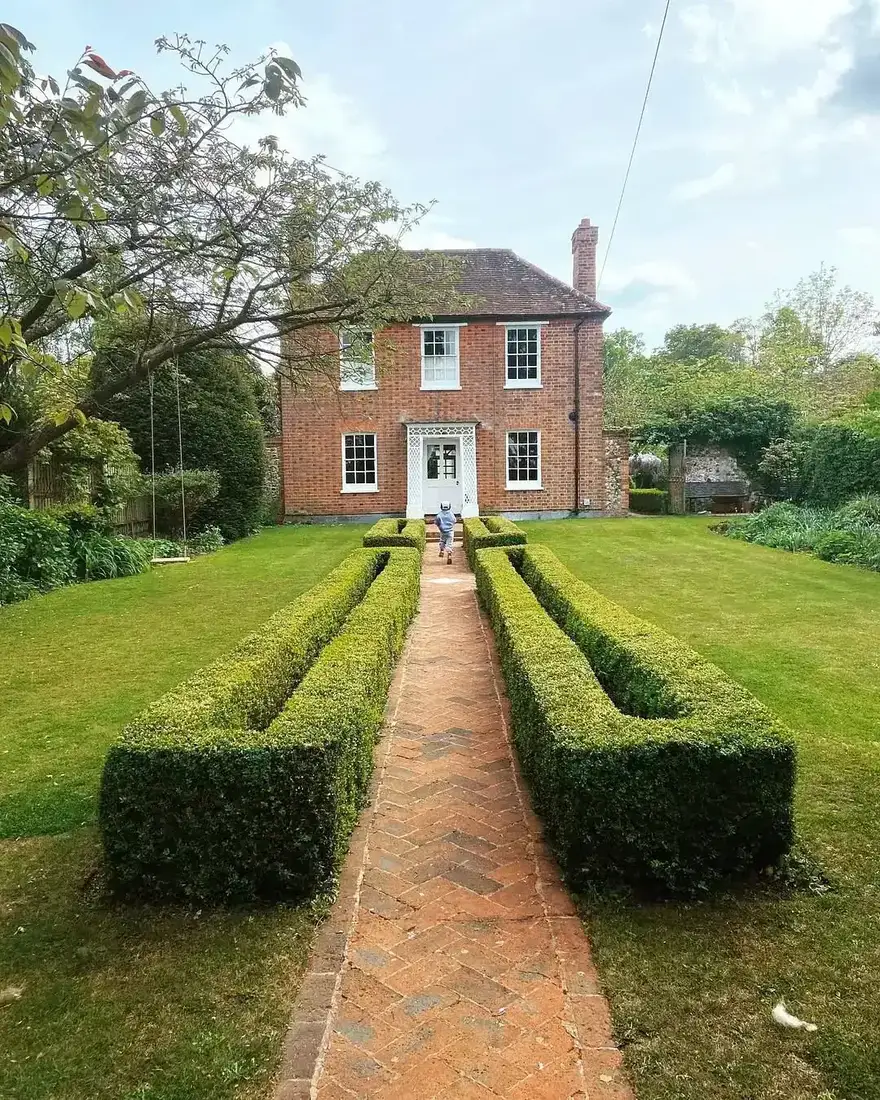
Brick is the one thing on your house that gets better with age. Timber needs repainting. Render cracks. Vinyl fades. Brick just quietly improves for about a hundred years.
Which is a shame, because the most popular brick makeover is also the one people regret most.
Painting brick is close to permanent. A fair few people find that out somewhere around the second coat.
Here are twelve directions you can take, from leaving your brick completely alone to covering it up. Each one comes with the honest catch attached.
Leave the brick alone
Repaint the trim first, then look again
Before you touch a single brick, repaint the trim.
On a red brick house the trim does far more visual work than you’d think, and it costs a tiny fraction of anything else on this list. Do it, live with it for a month, then decide.
Red brick sits in the orange family. That means it plays nicely with crisp white, soft cream, and true black. What lets it down is anything in the same warm middle range. Beige, tan, and warm grey all go muddy against brick.
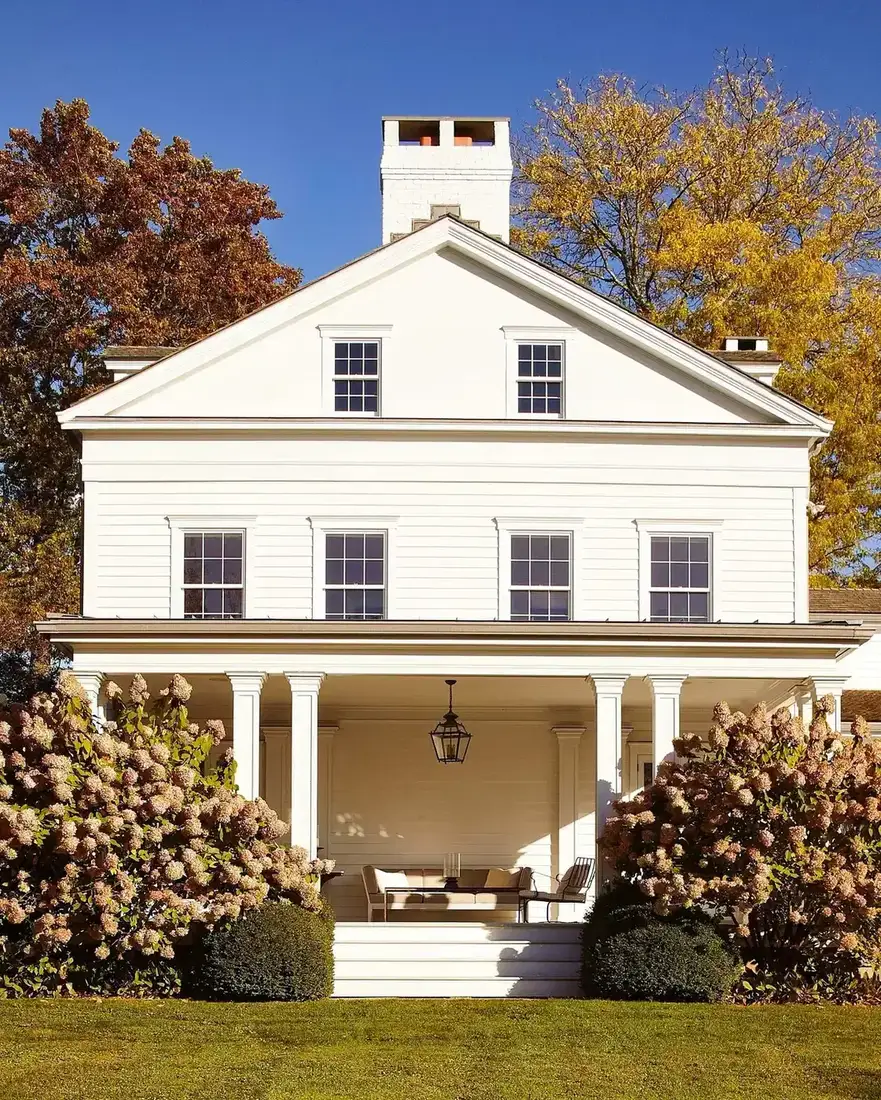
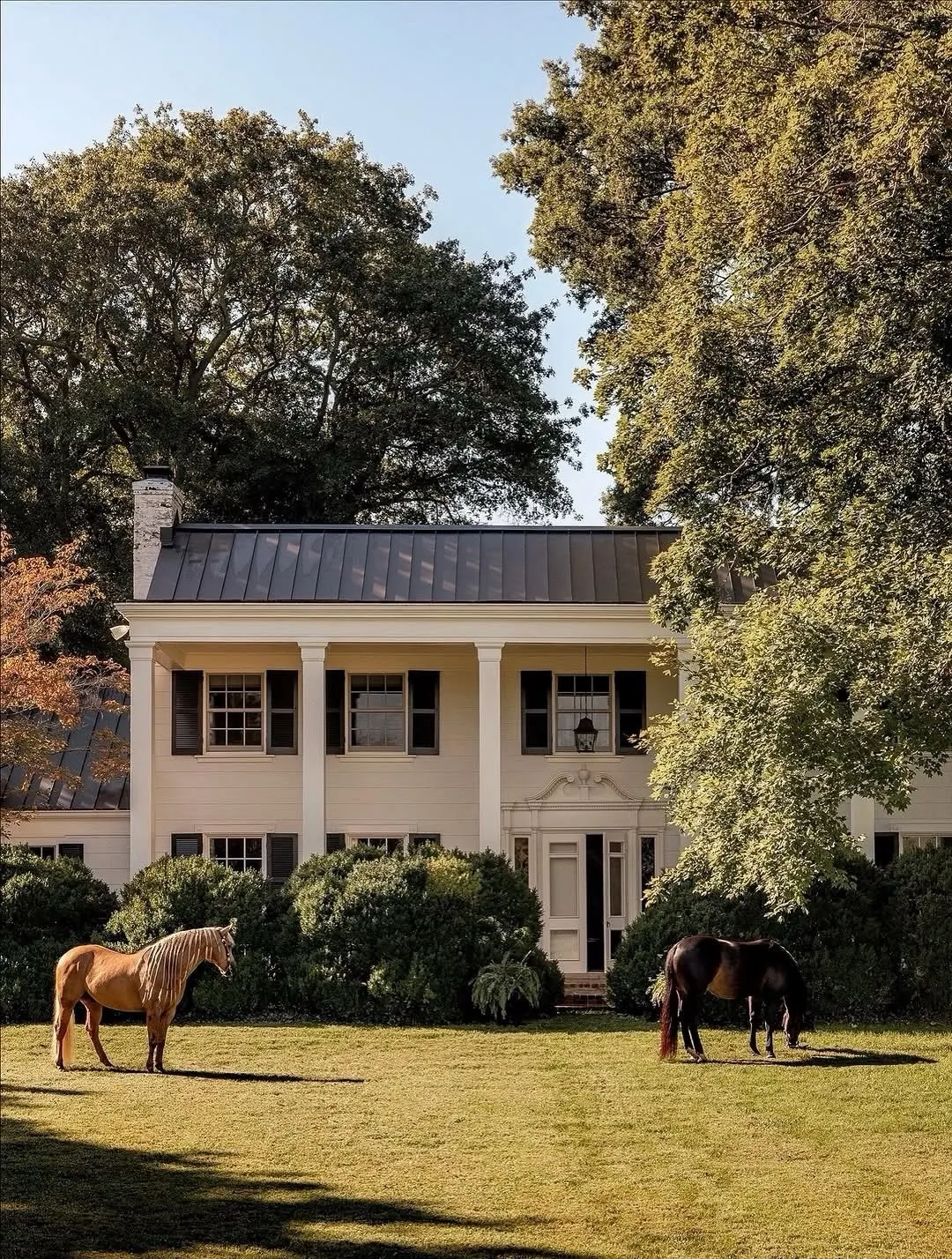
The house below is doing nothing clever. White trim, black shutters, and that’s it. If yours need replacing, our black shutters house exteriors guide shows how to size each pair so it could close.
Let ivy soften it instead
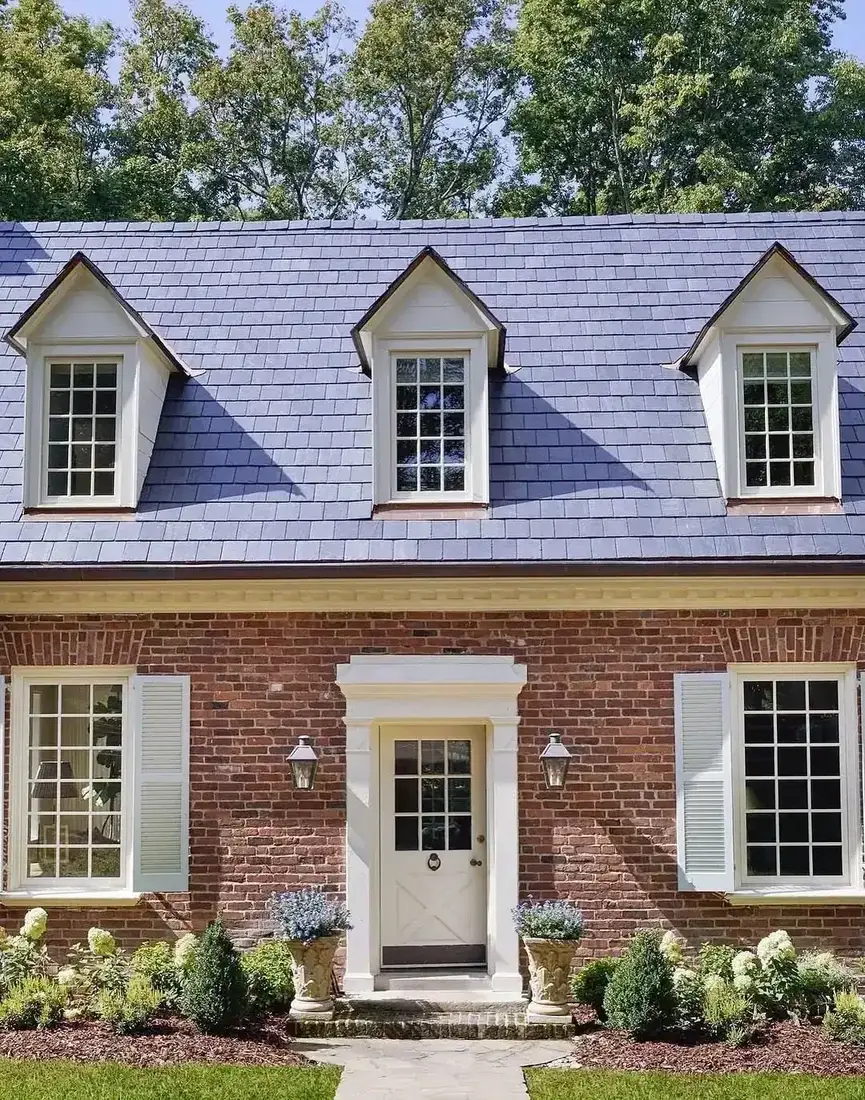
If your red brick feels heavy, ivy breaks it up without changing a thing about your wall itself.
One word of warning, because this bit matters. Boston ivy and Virginia creeper hold on with little sticky pads and are usually fine on sound brickwork. English ivy is different. It pushes roots into your mortar joints and will slowly open them up, especially on houses built before about 1930 with soft lime mortar. Check what you’re planting before it goes in the ground.
Keep it trimmed back from the gutters, windows and roofline. Then it looks established rather than neglected.
Sort the mortar before anything else
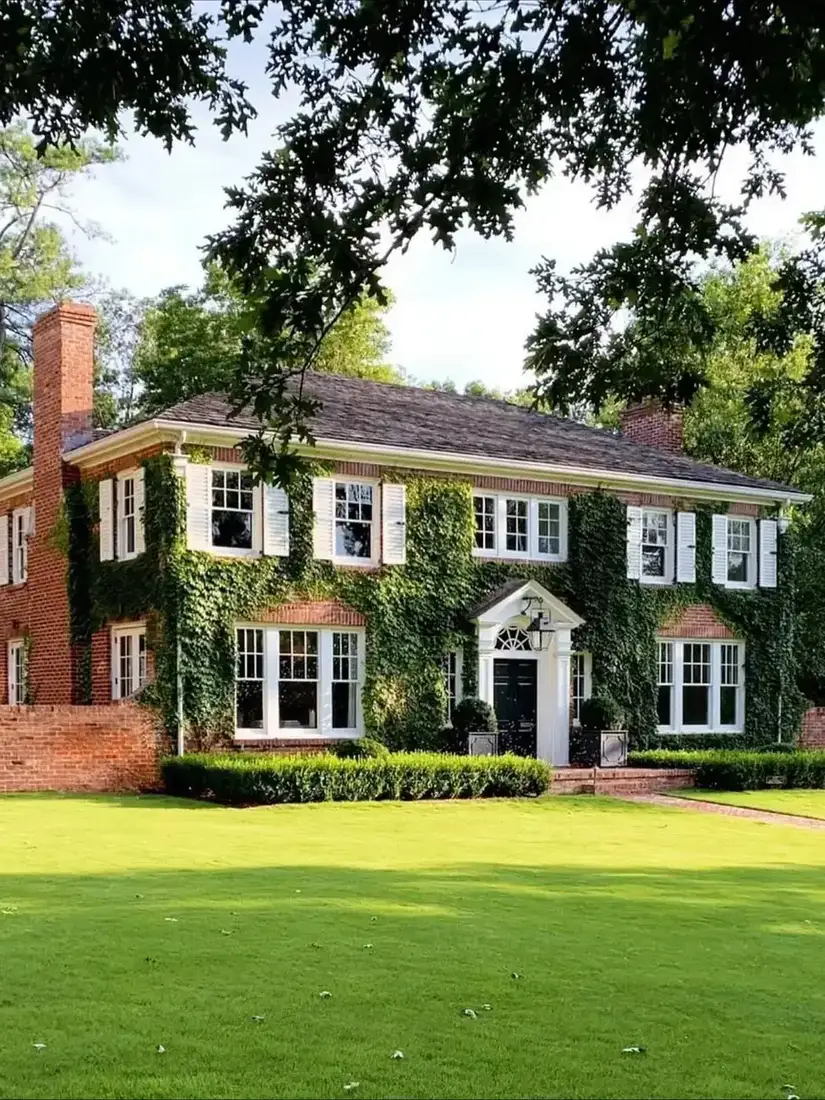
Mortar is about 15 to 20% of what you actually see when you look at a brick wall. Most people never think about it.
Pale mortar makes each brick stand out on its own and lifts the whole wall. Dark mortar blends them together into one solid block. Same bricks, completely different house.
Here’s the part that costs money if you get it wrong. On any house built before roughly 1930, use lime mortar, not cement. Cement is harder than old brick, so when water needs to escape it goes out through the brick face instead of the joint. The face then flakes off, which is called spalling, and it’s the most expensive brick mistake there is. Your builder should know this. Ask anyway. The same rule decides whether a stone house survives repointing or slowly falls apart. At porch scale, where water lingers on treads and splashback never stops, our brick front porch and steps ideas apply the same mortar honesty plus drainage.
Go light on the trim if your brick is dark
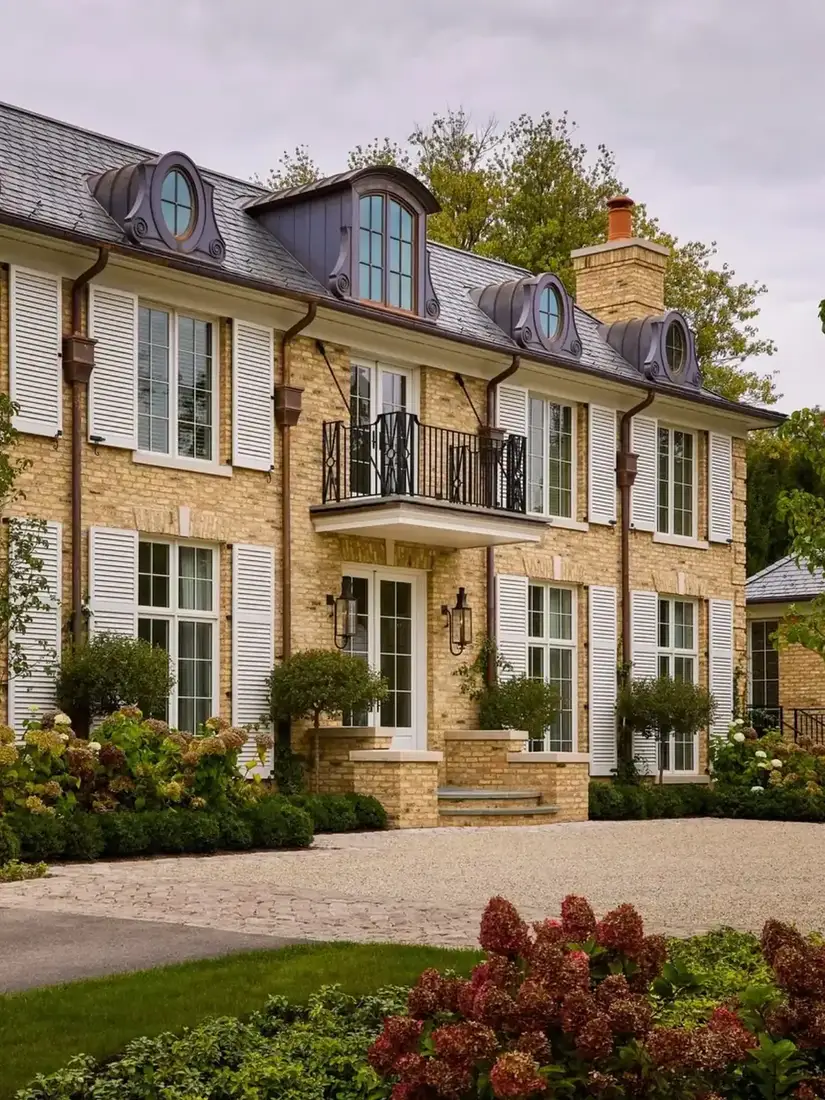
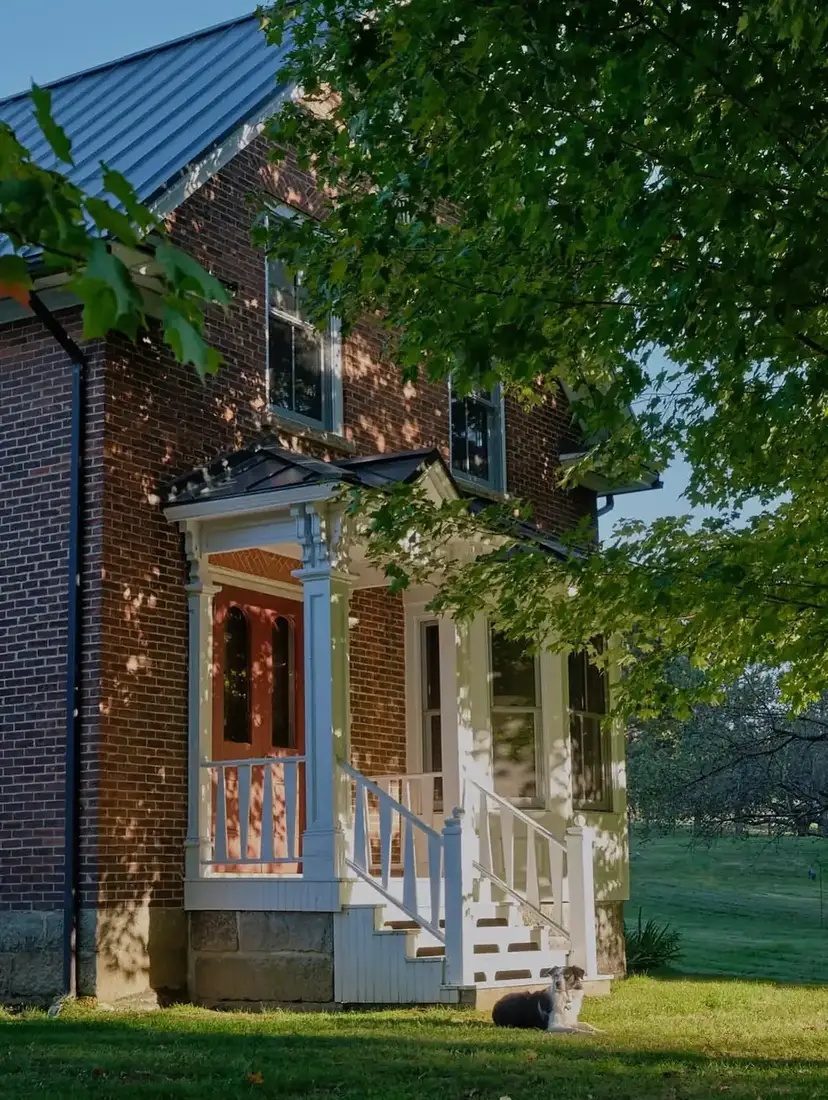
Dark and brown brick houses often look gloomy, and the usual instinct makes it worse.
The rule is the opposite of what feels right. The darker your brick, the lighter your trim should be. A white porch, white window surrounds and pale steps lift a dark wall the same way a white mount lifts a dark photograph.
Add a light path or a gravel drive and it works even harder. The house stops swallowing the whole view.
The reversible middle ground
Limewash instead of paint
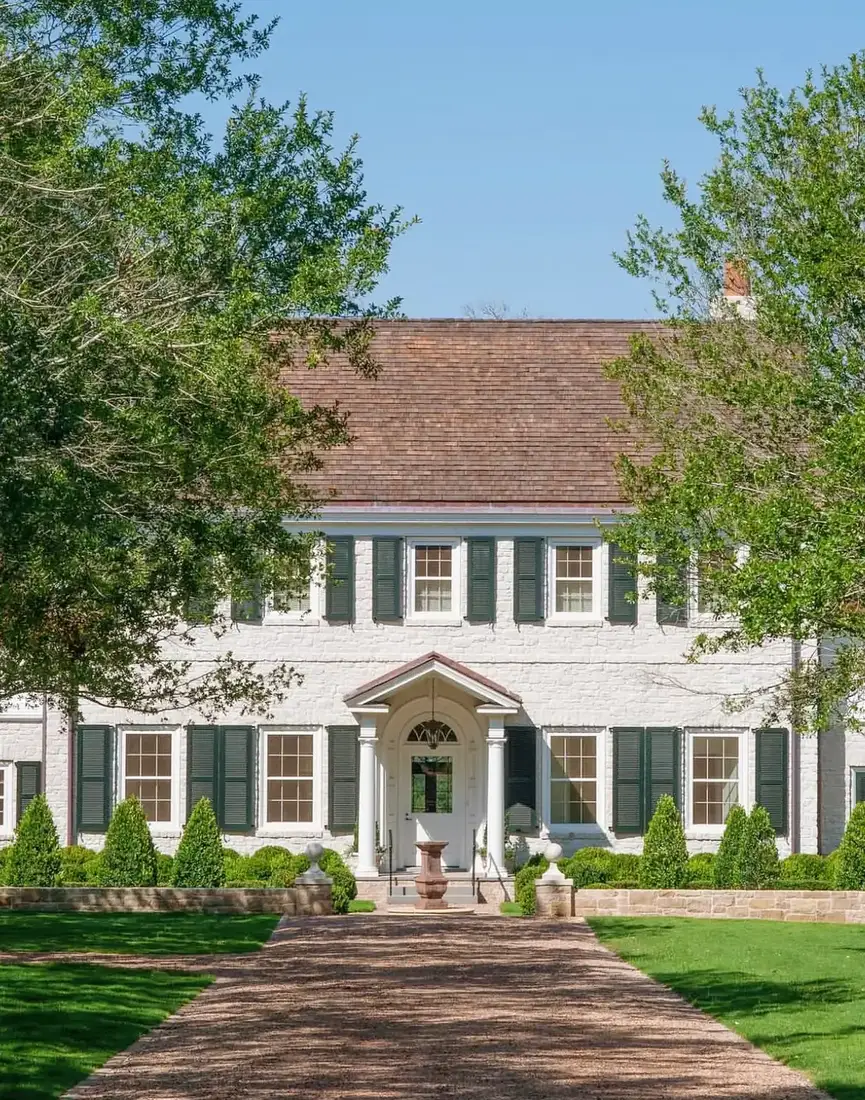
Limewash is just slaked lime and water. It soaks into the brick rather than sitting on top of it, so your wall keeps breathing. Over time it softens and thins instead of peeling off in sheets.
Two things make it the sensible choice. You can wash it straight back off with water and a stiff brush in the first few days if you hate it. And you can water it down differently across one wall, so some bricks show through more than others. That patchiness is exactly why limewash looks old rather than painted.
You’ll want to redo it every five to seven years. That’s not really a downside. A limewashed wall looks better as it ages, which is more than you can say for a painted one.
German schmear for texture
German schmear, sometimes called mortar wash, is a thin layer of wet mortar dragged across the brick and partly wiped back while it’s still soft.
You end up somewhere between limewash and render. The brick shape still reads, your colour softens, and your surface picks up a slightly wobbly, old European look. It suits Tudor houses, cottages and anything French-inspired. On a crisp symmetrical house it looks wrong.
It’s harder to undo than limewash and easier than paint. Practise on a back wall first. How much you wipe off is the whole technique, and you won’t get a feel for it until you’ve done a few square metres.
Whitewash for a cottage look
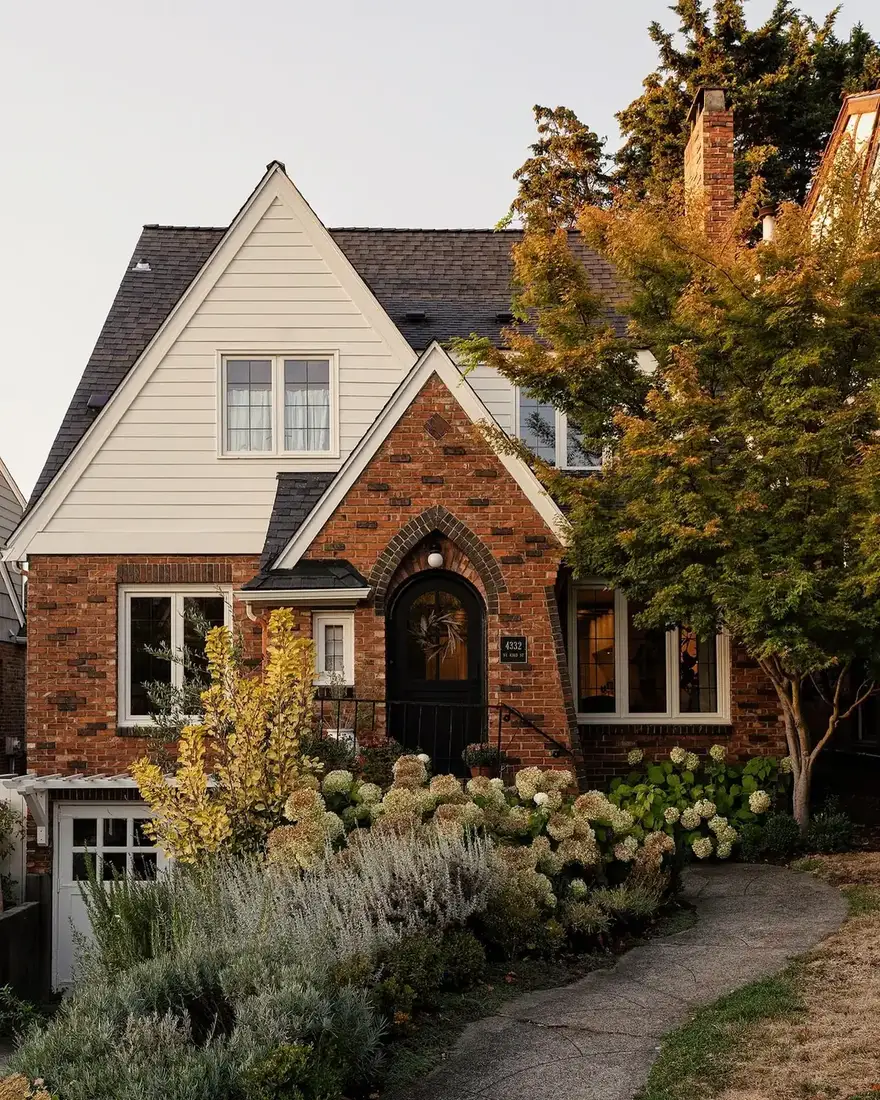
Whitewash is limewash’s thinner cousin. More water, more brick showing through, a chalkier finish.
It works best on smaller, less formal houses where you want charm rather than grandeur. On a big symmetrical front it can look a bit weak. On a cottage it looks just right.
Pair it with one strong door colour. Because your wall has gone pale, you can be far bolder at your front door than you ever could against raw red brick.
If you’re going to paint it anyway
Know what paint actually does to brick
Painted brick looks brilliant. It’s also the one thing on this list you can’t walk back.
Brick is designed to be porous. It soaks up water and lets it out again. Ordinary exterior paint seals that surface shut. The water still gets in, but now it can’t leave, so it pushes outwards, lifts your paint, and over a few frosty winters takes the face of the brick with it. Getting the paint off later means chemical stripping or blasting, and both damage the brick underneath.
If you’re doing it regardless, use a mineral or silicate masonry paint rather than a standard acrylic. These bond into your wall and still let it breathe. That’s the difference between a front that lasts fifteen years and one that’s flaking by winter five.
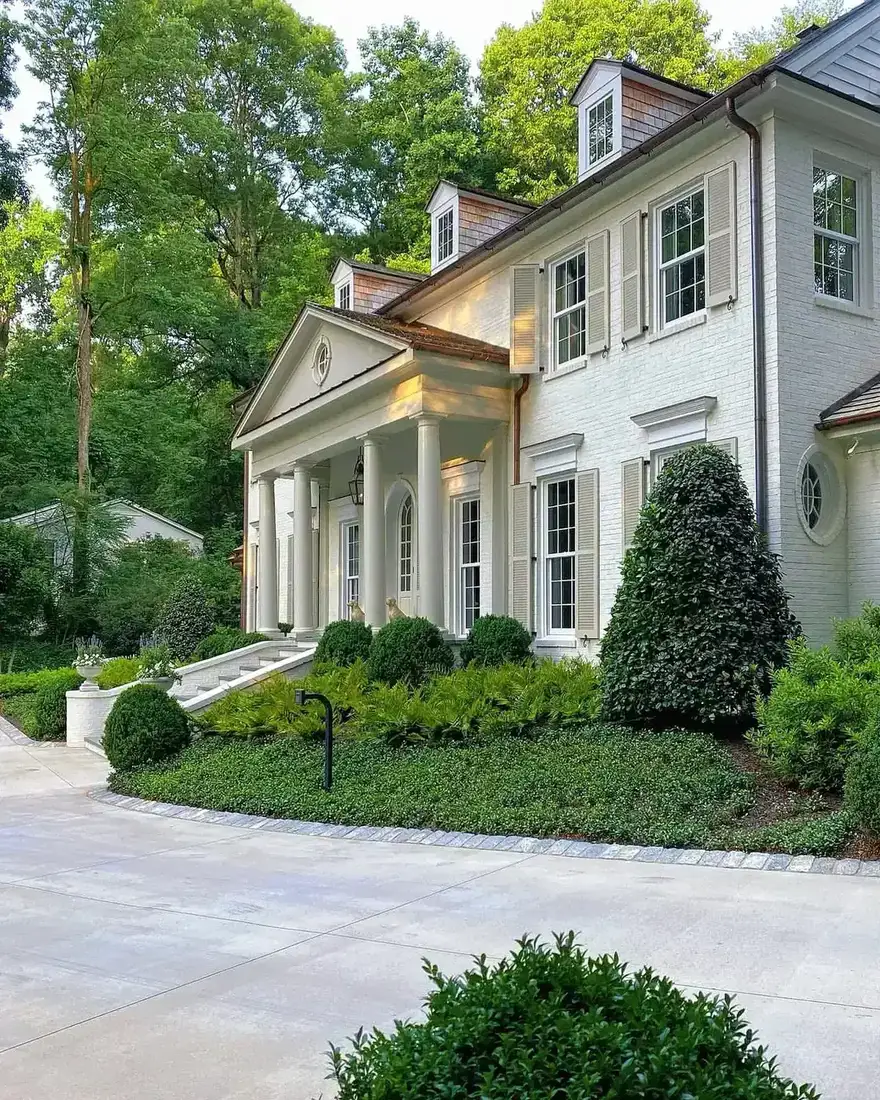
White brick needs one dark thing
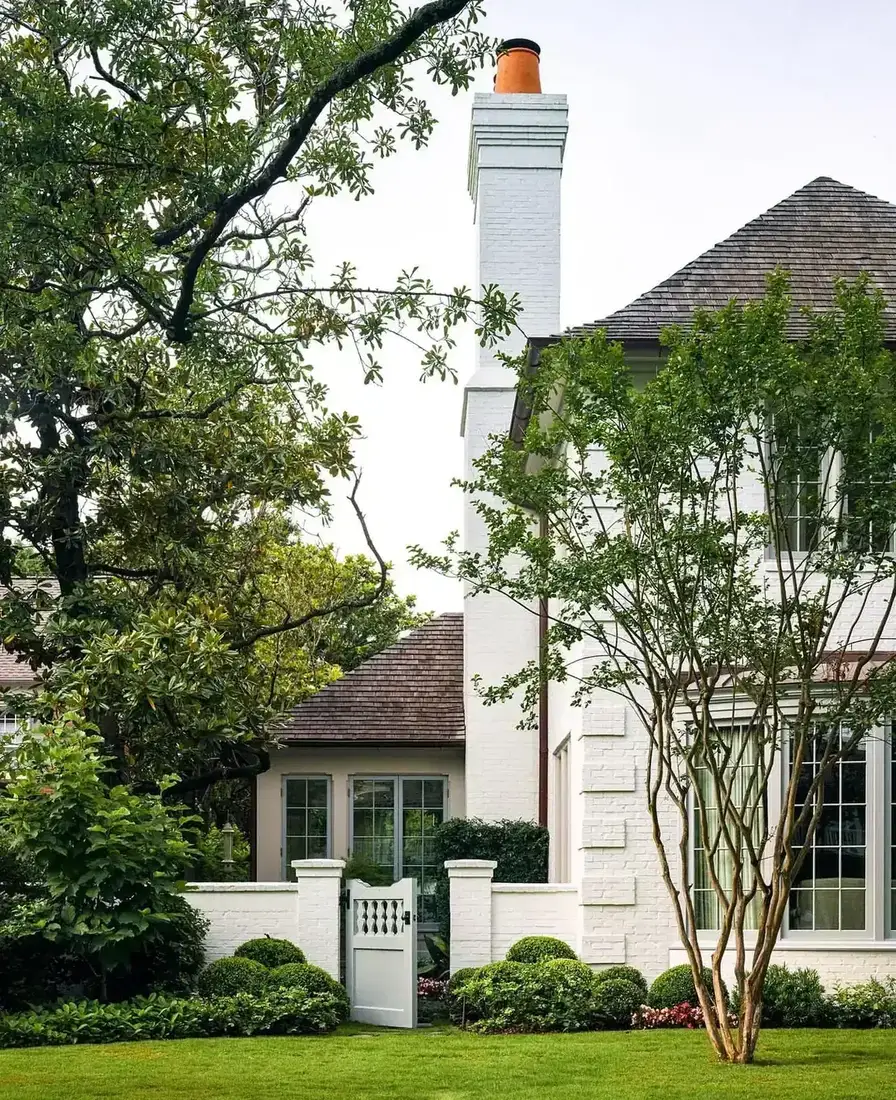
An all-white house with white trim vanishes against a grey sky. You’ve probably seen this and not known why it bothered you.
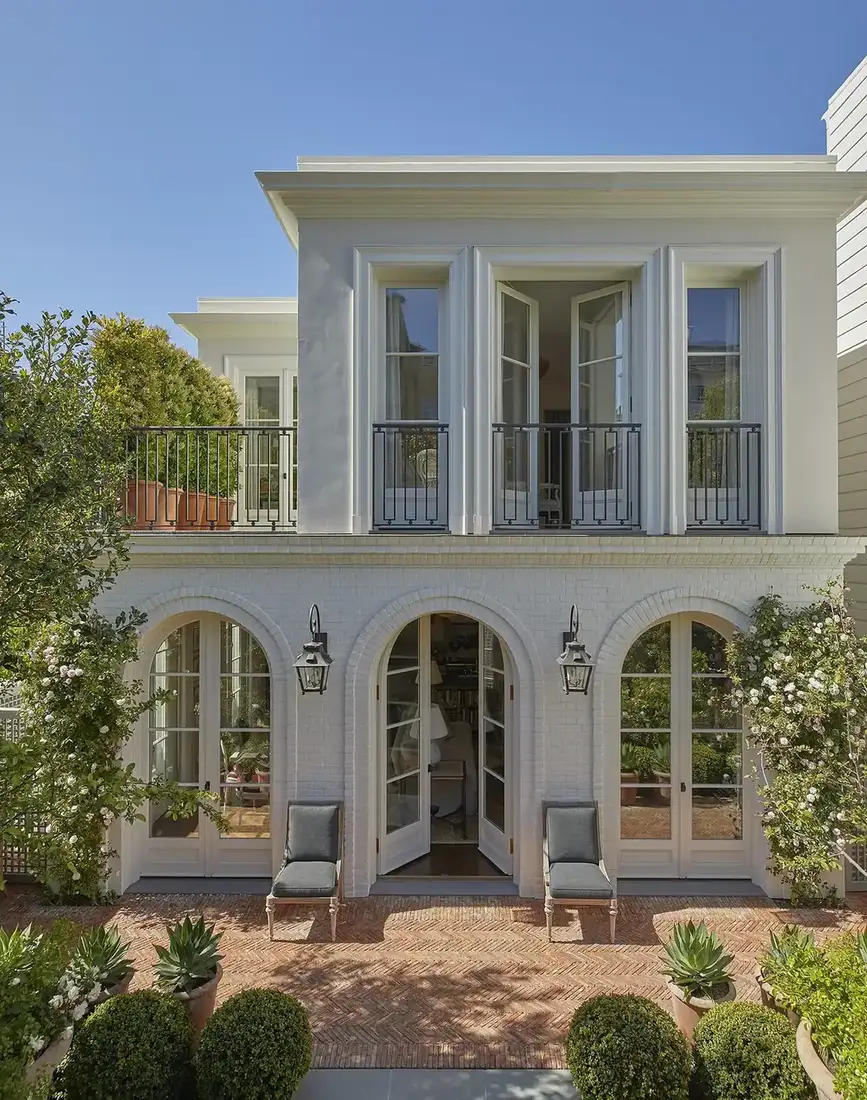
Every white brick house that works has one dark element holding it down. Black window frames, a dark front door, a slate roof, or black shutters. That single anchor gives your eye somewhere to land, and it’s what makes the white look deliberate. It’s the same rule that decides whether a white farmhouse reads warm or washed out. Beyond brick, our white house exterior ideas guide gives non-farmhouse white houses their own anchors and textures.
On this one it’s the arched steel doors and the iron balcony doing the job.
Match the sheen to the house
Sheen is the bit everyone skips, and it changes the result more than the exact shade of white does.
Go flat or matte on the brick. It looks older, and it hides every bump and patch in your wall. That’s what you want on a cottage or an old house. Use satin on the trim and door, where a little shine defines the edges and makes it easier to wipe clean.
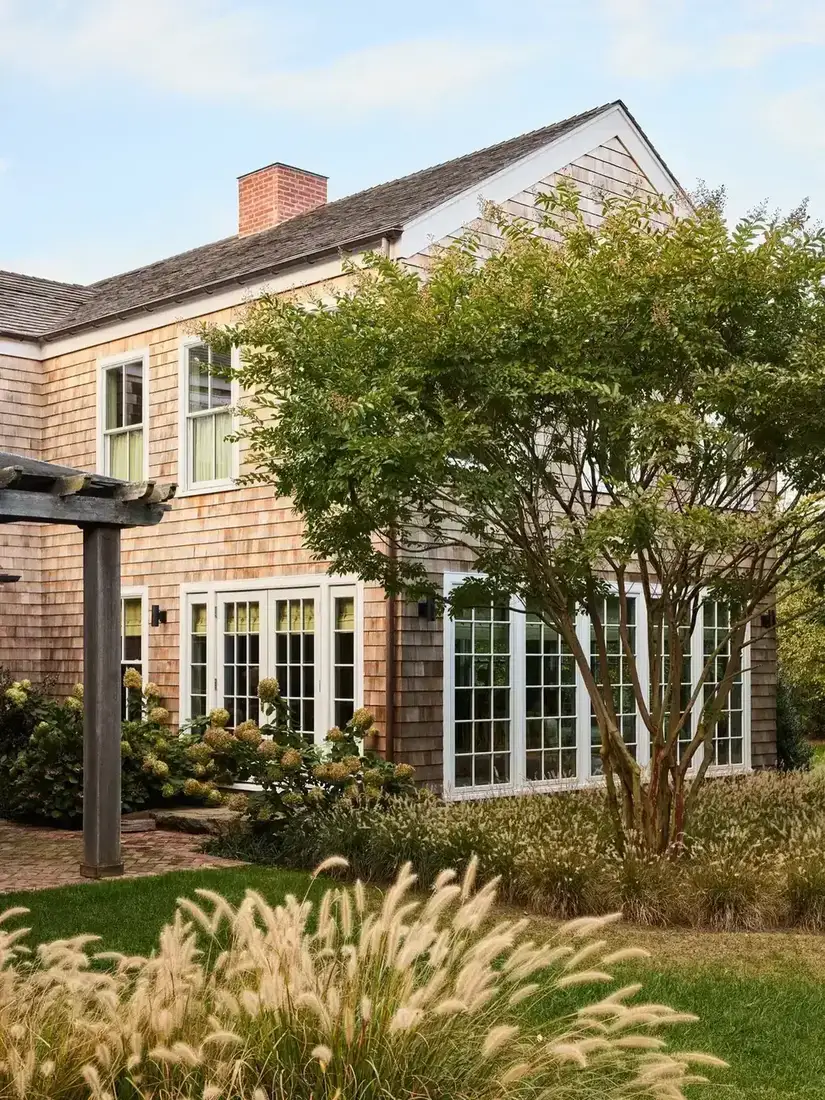
Keep gloss off the walls completely. On brick it looks plasticky and highlights every uneven bit. Save it for your front door, if you use it at all. Timber is different again. Cedar shingles are usually best left bare to weather, no finish at all.

The bits that finish it off
Give the front door one strong colour
Brick is a neutral background, painted or not. That means a brick house can carry a much bolder door than a timber one, and you should use that.
The pairings that work: deep green or navy on red brick, and black or one saturated colour on white brick. For green’s full rules against brick, separation bands, depth and hardware, see our green front door ideas. For navy’s light and undertone discipline, our blue front door ideas sort the buckets before you sample. What fails nine times out of ten is a middle tone that sits close to the brick’s own depth. It reads as a mistake rather than a choice.
Keep your door as the only strong colour on your front. Don’t echo it anywhere else. The same restraint works indoors too, which is why one accent colour repeated three times is the rule for a warm neutral living room.
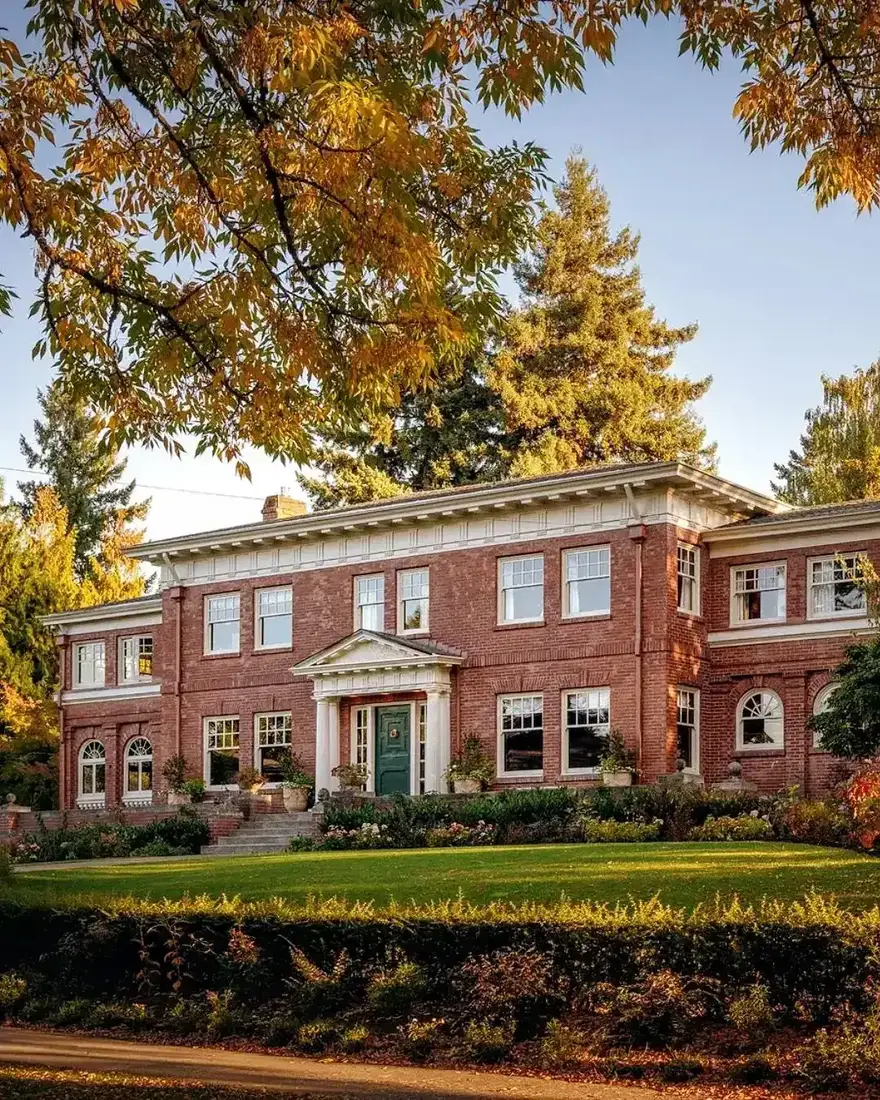
Plant structure, not flowers
A brick wall is already busy. Hundreds of small units, joints, and colour shifting across every course. Put a flowerbed in front of it and the two just fight each other.
Evergreen structure wins every time. Clipped boxwood, yew, hornbeam, a standard bay. Solid green next to brick reads as calm, and it still looks like something in February when your front of your house is most exposed. If you want colour, keep it in pots you can move, or push it to the back garden where garden decor and planting can do its own thing.
Keep the path to your door clear. If your house is symmetrical, plant it symmetrically. Brick houses are usually formal, and your garden looks best when it agrees with them.
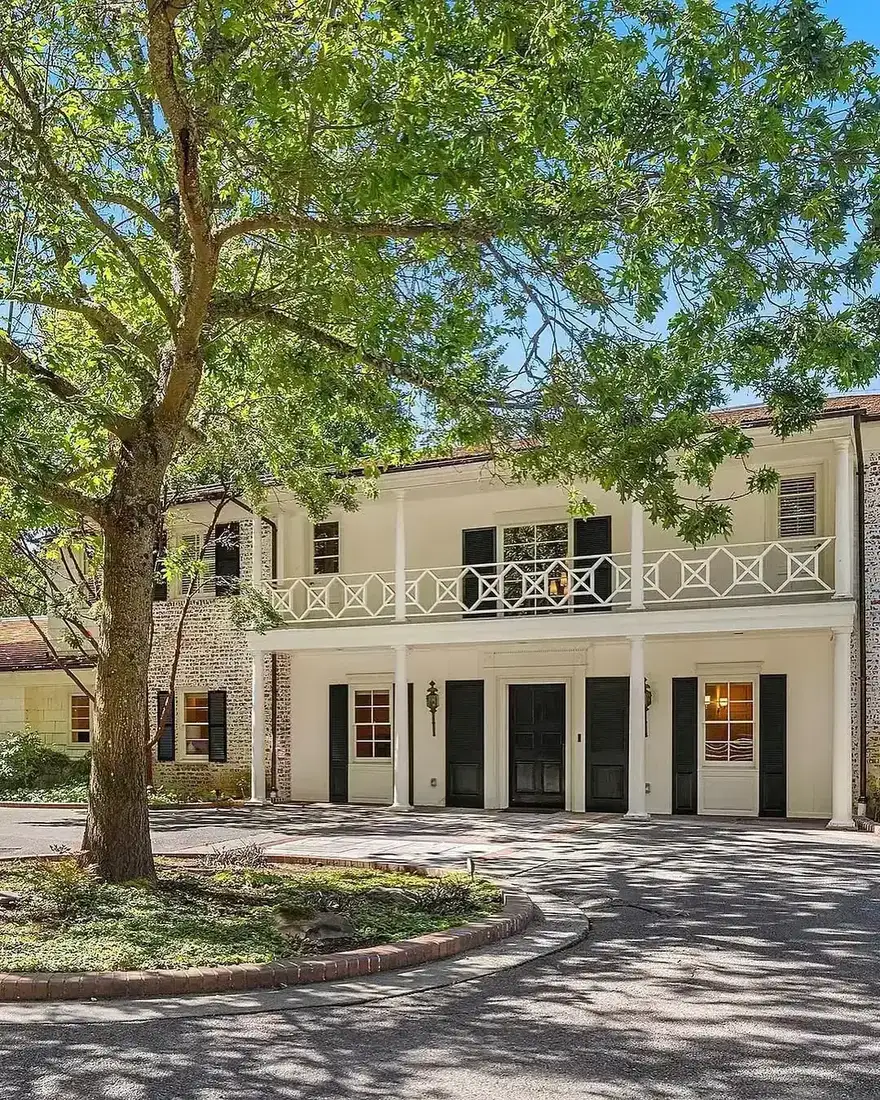
Which treatment should you pick?
| Treatment | Can you undo it? | Lets the wall breathe | Redo every | Best for |
|---|---|---|---|---|
| Bare brick, new trim | Yes, fully | Yes | Trim only, 7 to 10 yrs | Any sound brick |
| Limewash | Yes, for a few days | Yes | 5 to 7 yrs | Most houses. The safe pick |
| German schmear | No | Mostly | 10 yrs plus | Tudor, cottage, French |
| Mineral paint | No | Yes | 10 to 15 yrs | Modern or already painted brick |
| Acrylic paint | No | No | 5 to 8 yrs, then trouble | Honestly, avoid it |
The Brick Facade Formula
If you strip all twelve ideas down to a plan, it’s short:
- Sort your mortar first. Lime mortar on anything built before 1930.
- Trim before walls. Repaint it, live with it, then decide about the brick.
- One dark anchor. Shutters, window frames, roof or door.
- One strong colour. The front door, and nowhere else.
- Evergreen structure. Never seasonal flowers against brick.
- Reversible before permanent. Limewash before paint. Every time.
Get those six right and your house looks considered, whatever style it is. The same order of operations runs through all our home exterior guides. The same thinking works inside, where a rustic room comes down to a handful of decisions rather than a long shopping list.
Frequently Asked Questions
Should I paint my brick house?
Only if you’re happy for it to be permanent. Paint seals the pores in the brick and traps water inside the wall, which makes the face flake off over a few frosty winters. Taking it off later means stripping or blasting, and that damages the brick too. Limewash gives you a very similar look, lets the wall breathe, and washes off with water in the first few days.
What's the difference between limewash and whitewash?
Both are lime based. Limewash is the thicker one. It soaks into the brick and fades gently over five to seven years. Whitewash is thinner and chalkier, lets more brick show through, and suits smaller cottage-style houses. Neither one seals the wall the way paint does.
What trim colour goes with red brick?
Crisp white, soft cream, or true black. Stay away from warm middle tones like beige, tan and warm grey. They sit too close to the brick’s own colour and end up looking muddy.
What is German schmear?
It’s a thin layer of wet mortar dragged over the brick and partly wiped back while it’s still soft. The brick shape stays visible through a softened, textured surface. It’s harder to undo than limewash, easier than paint, and it suits Tudor houses, cottages and French-inspired homes.
Is ivy bad for brick walls?
It depends which ivy. Boston ivy and Virginia creeper climb with sticky pads and are usually safe on sound brickwork. English ivy sends roots into the mortar joints and can open them up over the years, especially on houses built before 1930 with soft lime mortar.
Why is my painted brick peeling?
Nearly always because acrylic or standard exterior paint sealed the wall and trapped water inside it. The water pushes outward and lifts the paint off. Mineral and silicate masonry paints don’t do this, because they still let the wall breathe.
What colour mortar should I use?
Pale mortar makes each brick stand out and lightens the wall. Dark mortar blends them into one mass. But the type matters more than the colour. Use lime mortar on anything built before about 1930, because cement is harder than old brick and forces water out through the brick face, which makes it flake.
This article may contain affiliate links. We may earn a commission at no extra cost to you.