Your Colonial's Symmetry Exposes Every Shortcut

Add us as a preferred source to see more stories on Google.
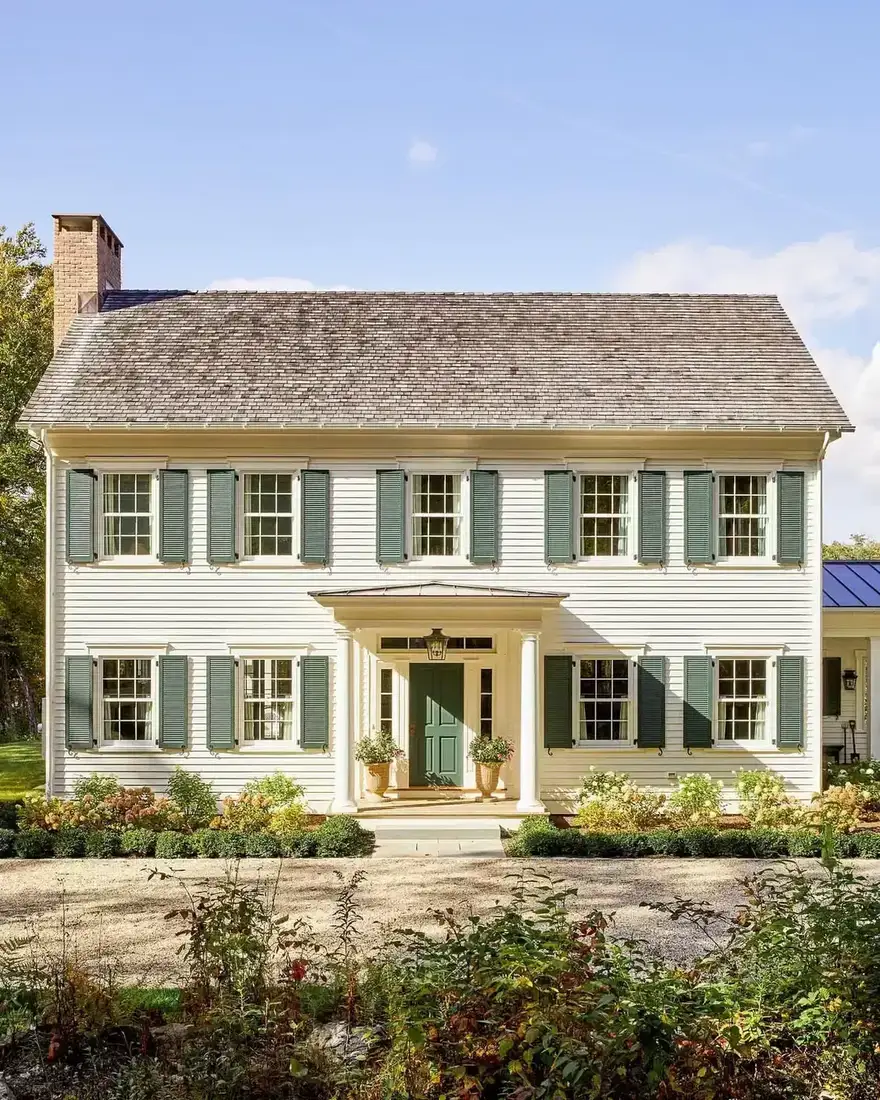
Something about your colonial looks wrong and you cannot name it.
The paint is fine. The garden is tidy. It still reads slightly off, and visitors never mention it because they cannot see it either.
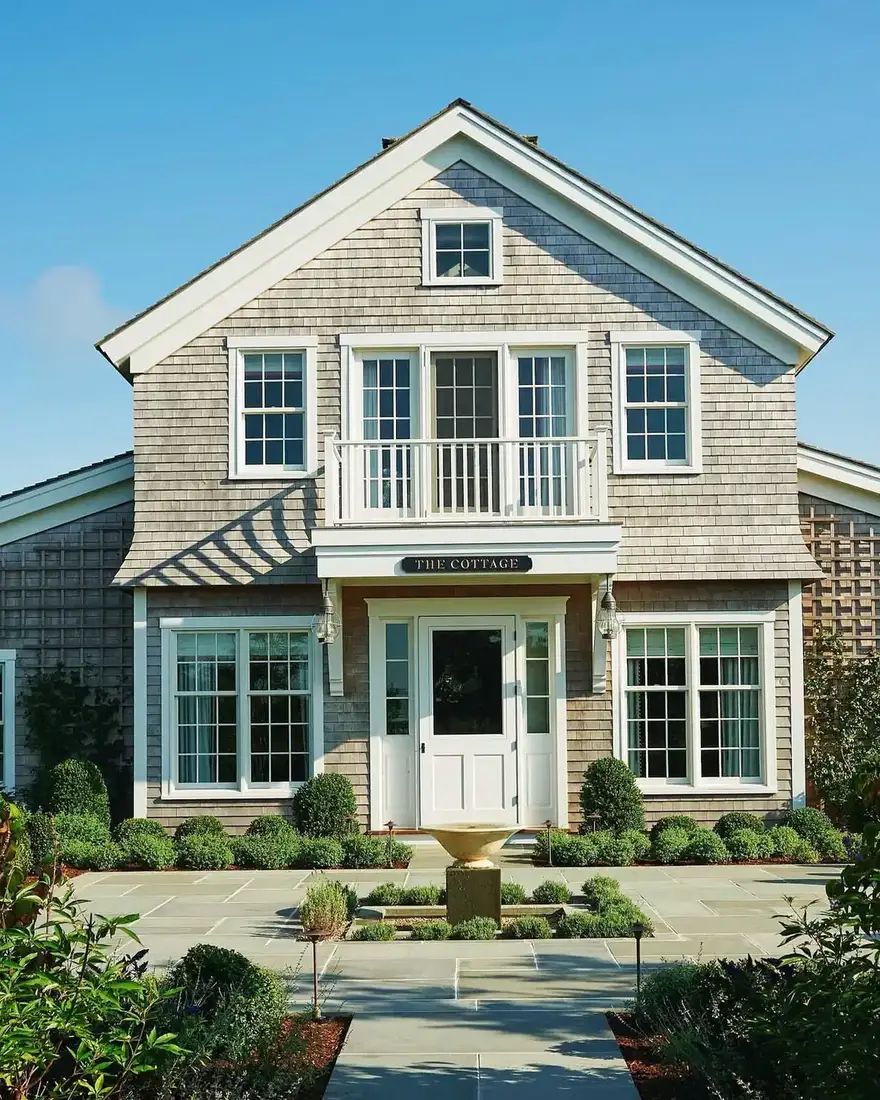
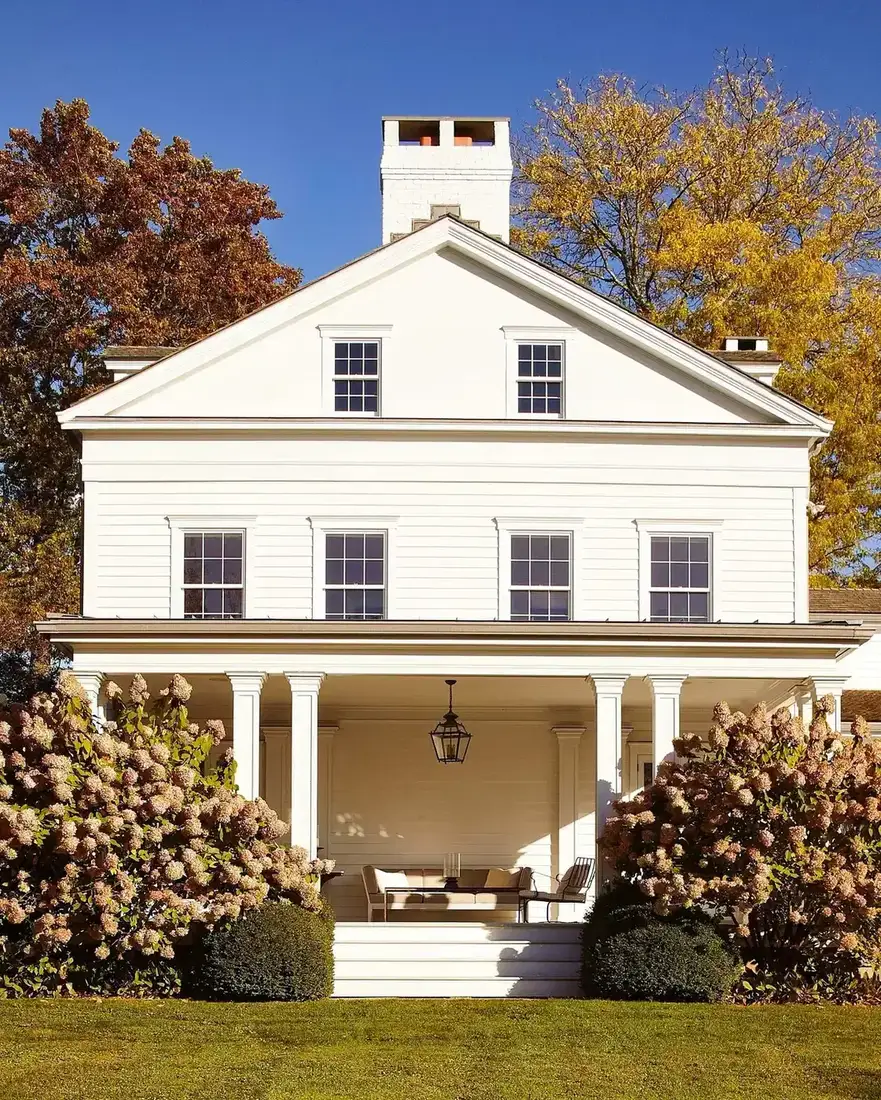
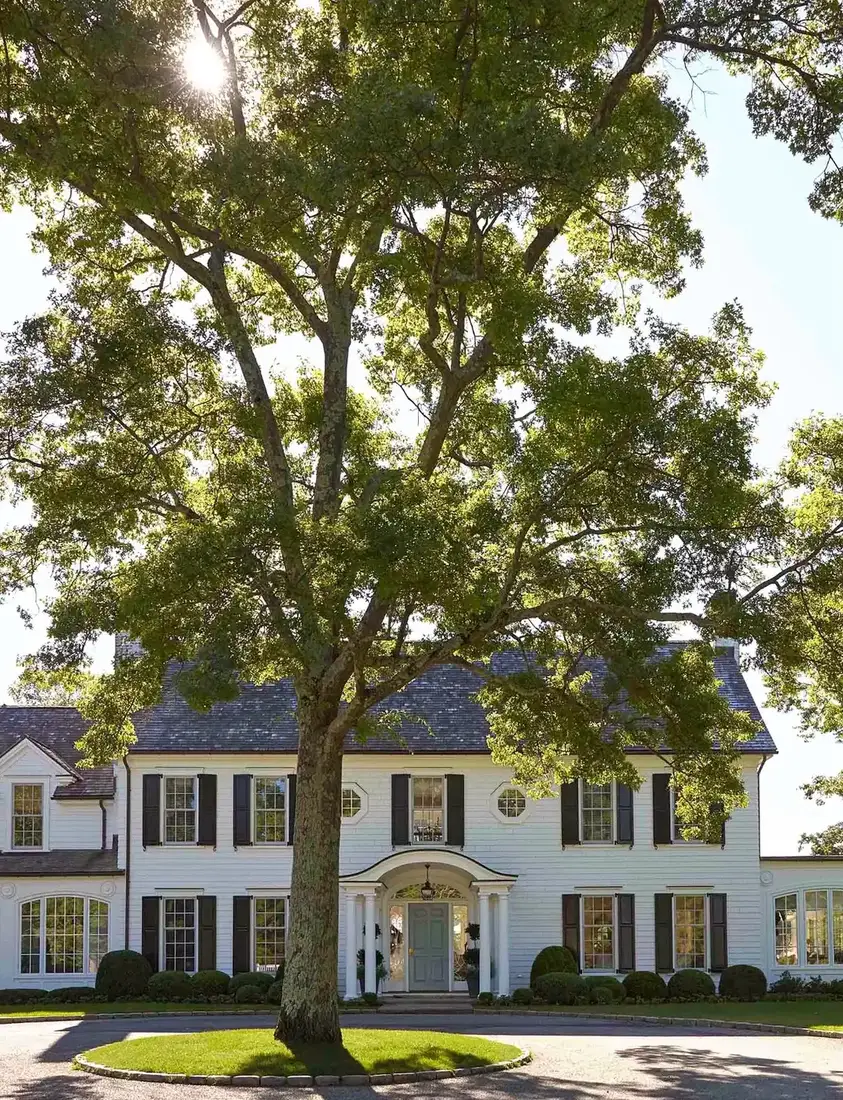
Symmetry is why. A colonial front is built on a mirror line, and a mirror line reports everything. One shutter too narrow, one lamp where there should be two, a path that misses the middle by a stride, and the whole facade wobbles. On a rambling cottage none of that would matter. Here it does.
These fifteen fronts show you what holds a symmetrical house together, and what quietly pulls it apart.
The mirror line
Start here. All of it is free to check and most of it is cheap to fix.
Fold the photograph down the middle
Stand in the centre of your path, take one straight-on photograph, then fold it in half on your phone. Now the mismatches announce themselves. A window sitting slightly wide. A downpipe on one side only. A porch light hung higher than its twin. This takes two minutes and it will save you from repainting a house whose real problem was a lamp. Before any decision about colour or planting, run this test, because everything that follows works better once you know which side is pulling.
Trust symmetry beyond New England
A Spanish colonial with bougainvillea and palms looks nothing like a white clapboard house, and it is playing the same game. The openings balance, the entrance holds the centre, and your eye finds a middle without being told. So do not assume these rules belong to one region or one climate. If your house has a mirror line, whatever your render, tiles or shutters are doing, that line is the thing you are protecting.

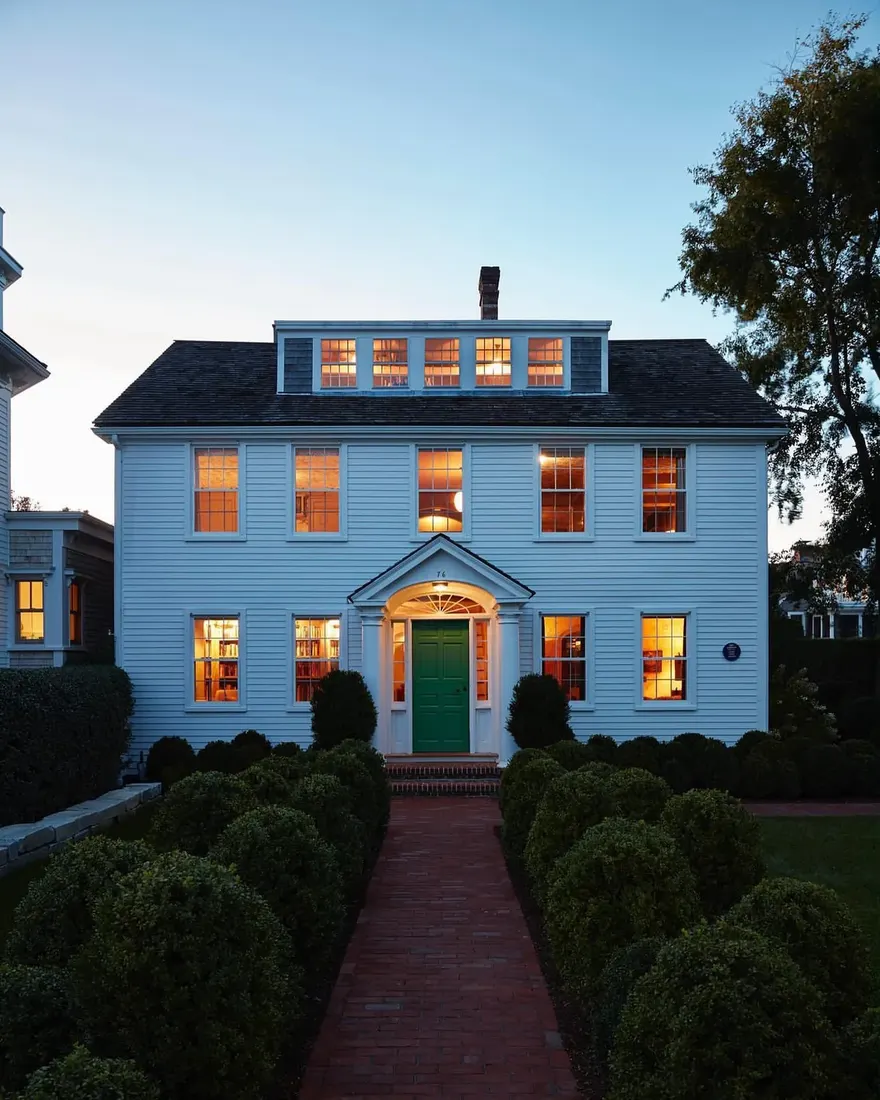
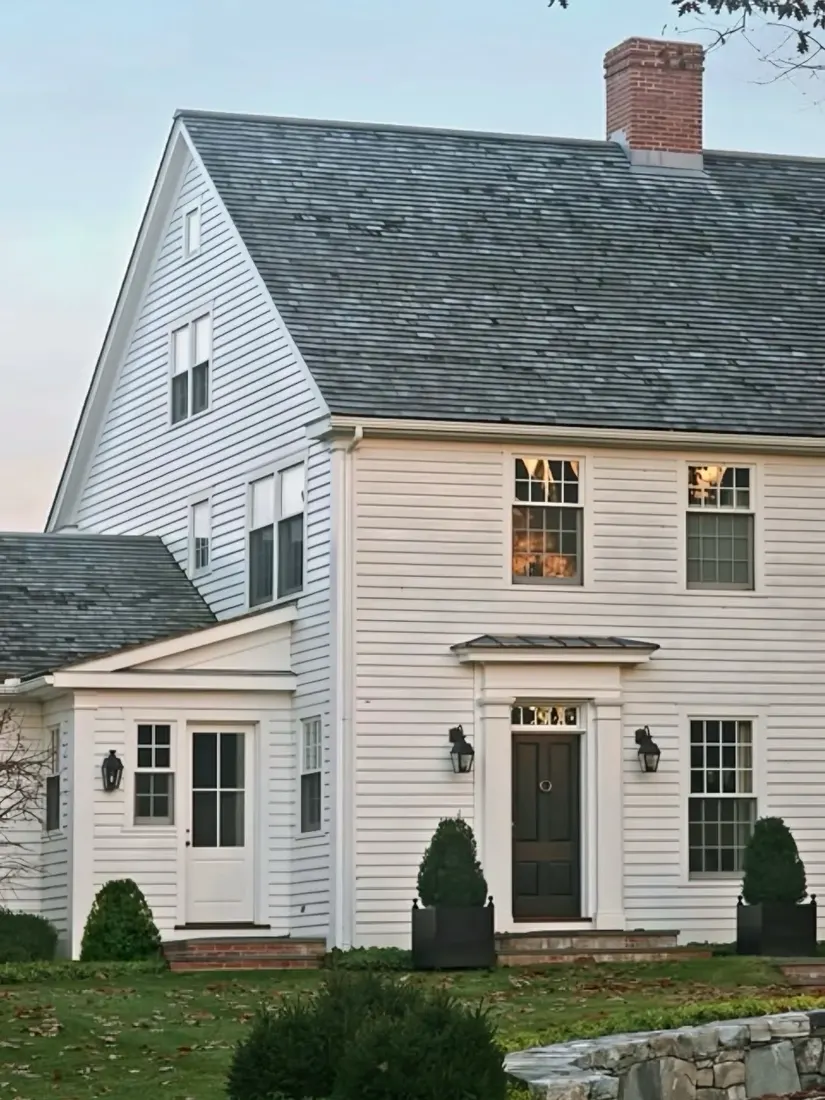
Let the pediment mark the middle, not decorate it
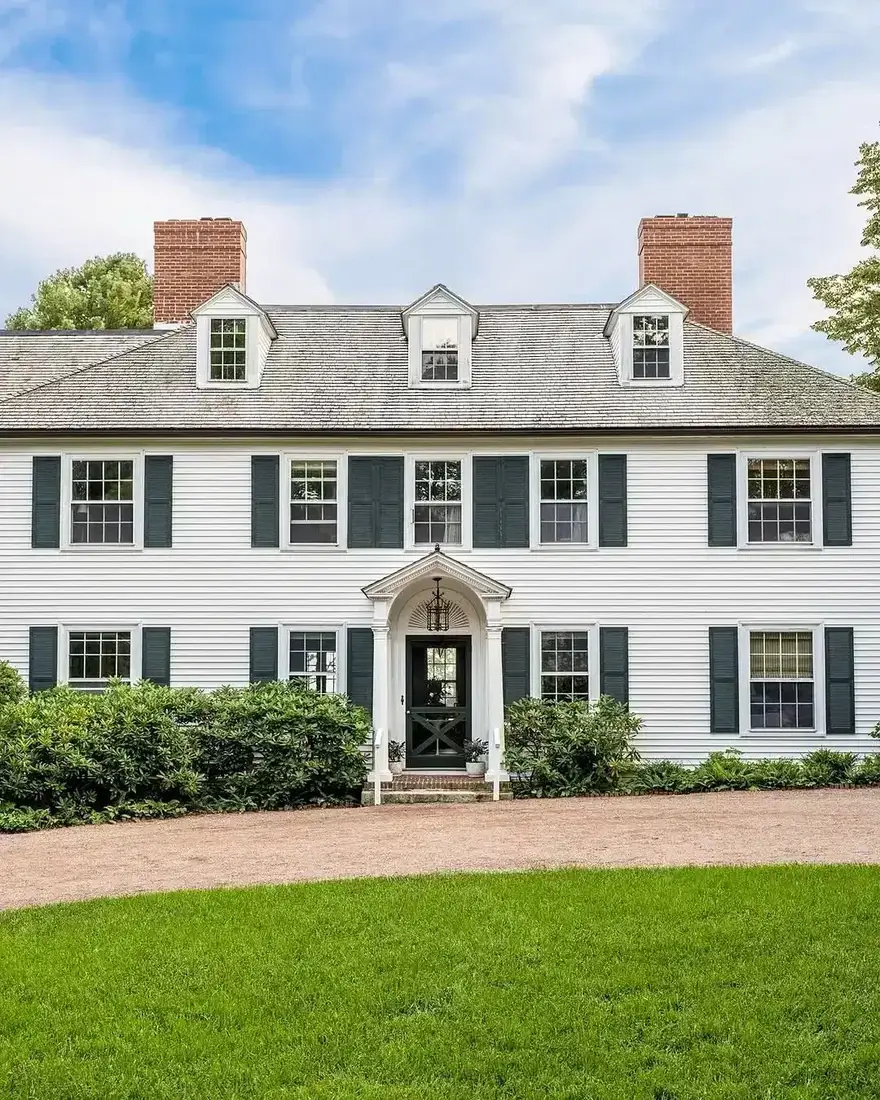
A triangular pediment over a black front door works because it sits exactly on the centre line and points at it. That is its job. Where a pediment fails you is when it is added as ornament, slightly narrow for your opening or slightly off to one side, and then it draws your attention to the very thing it should be confirming. So if you are adding one, set it out from the centre of the door, not from the wall or the steps. Our Greek Revival and Antebellum homes guide shows what happens when the pediment crowns a whole facade instead of one door.
Shutters, the thing everyone gets wrong
More colonials are spoiled by shutters than by any other single element. Here is how to avoid joining them. Our black shutters house exteriors guide sizes, hangs and colors them across every house style.
Size shutters as though they still worked
This is the rule that fixes most colonial fronts. A shutter should look as though, if you swung it shut, it would cover its window. Two narrow boards flanking your wide window announce that they are decoration, and once you notice that, you cannot stop noticing it. So measure your window before you order anything, and if a pair would look absurd closed, fit none at all. A bare window on a colonial is calm. An obviously fake shutter is not.
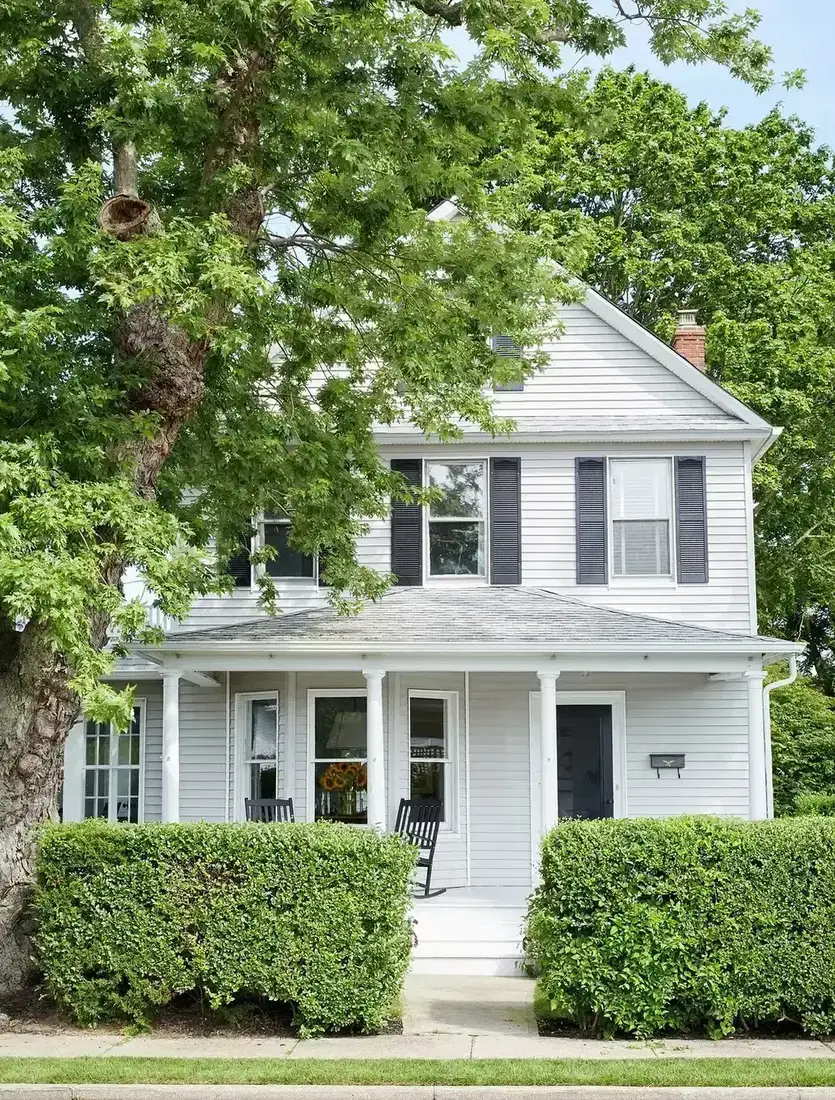
Skip shutters on the windows that cannot take them
Not every opening wants a pair. Windows close to a corner, close to a downpipe or close to each other leave no room for shutters that make sense, and cramming them in is worse than leaving them off. Look at your front honestly and decide which openings have space. Shutters on your main windows and nothing on the awkward ones reads as a decision you made. Shutters everywhere, some of them squeezed, reads as a catalogue order.
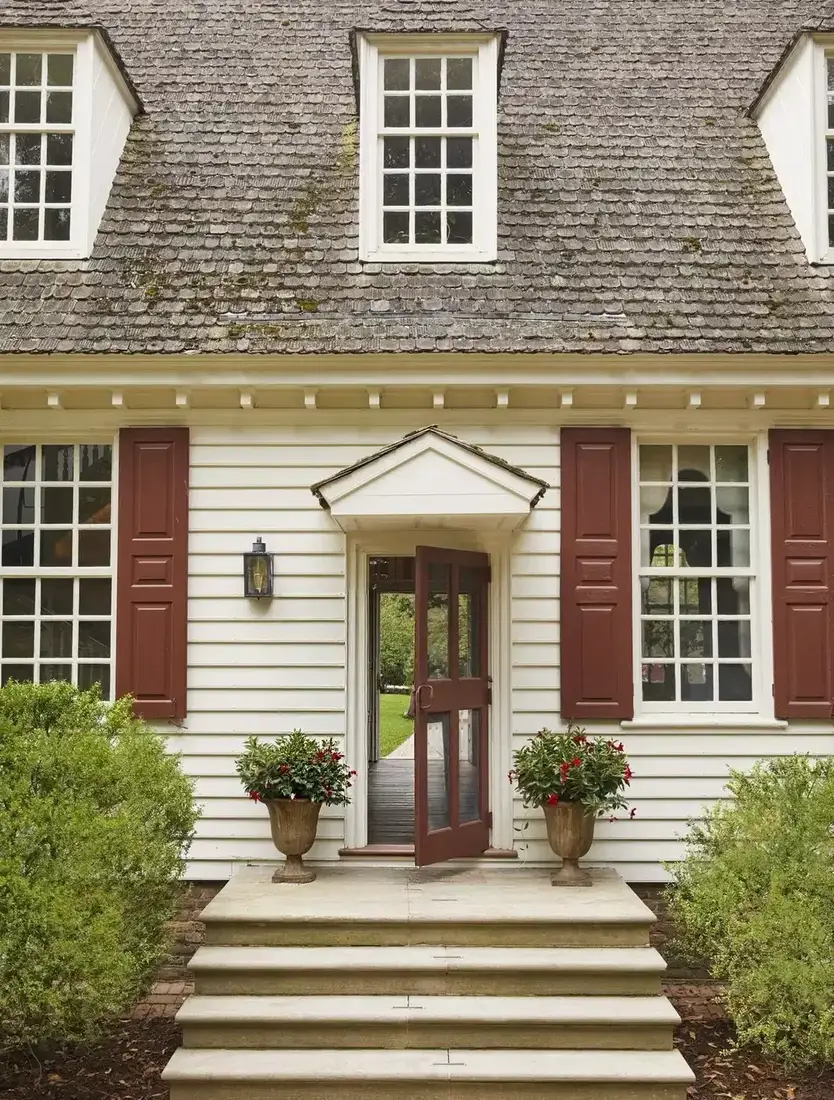
Hold your shutter colour to black, deep green or the trim white
Red shutters can be wonderful and they are a strong claim, so make it deliberately. Your reliable colonial palette is black, white and deep green, and those three hold their character in every light and every season. What tends to disappoint is the warm mid-tone: a taupe, a soft brown, a muted terracotta. Outdoors, against clapboard, those go muddy and flat. If you want warmth, put it in the wall colour and let the shutters stay clean and dark. If the deep green migrates from your shutters to your door, our green front door ideas keep it answering the garden instead of the trim.
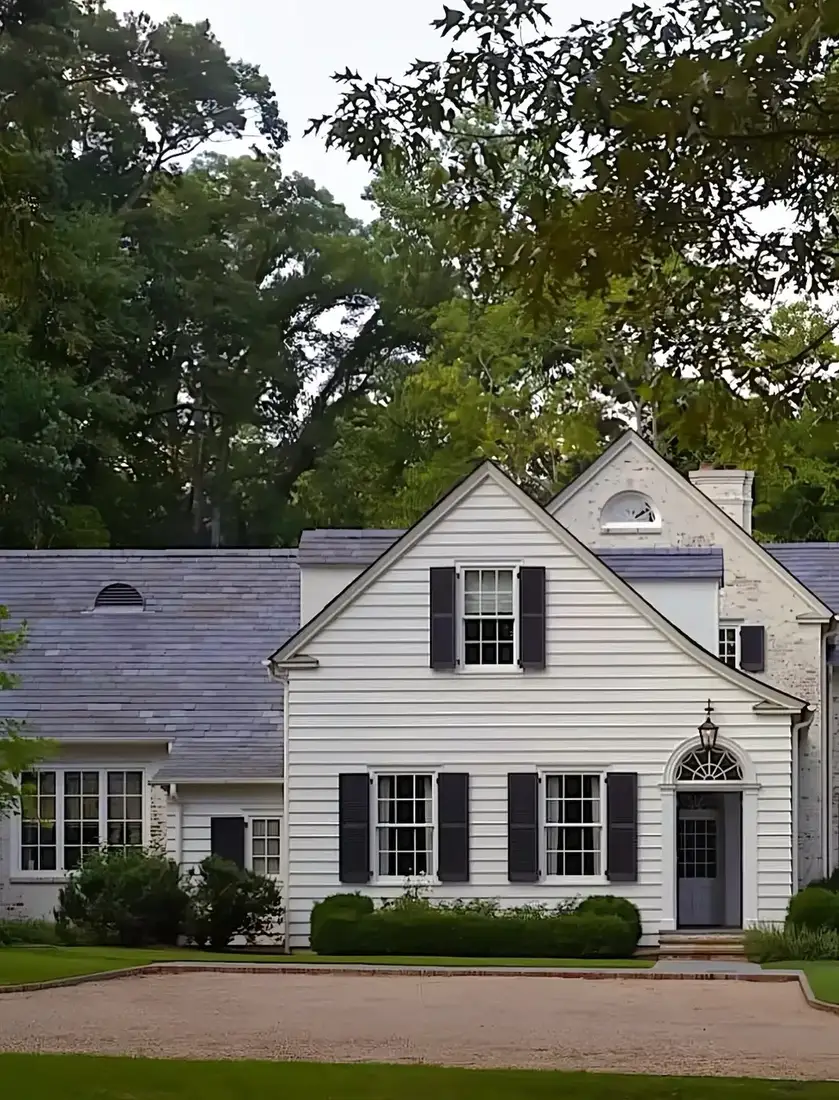
Match your shutters to the roof, not to a swatch
Slate, weathered grey and near black all sit together comfortably, which is why you read black shutters under a dark slate roof as inevitable. Take your shutter sample outside and hold it up so you can see roof, wall and shutter in the same glance. If the shutter reads warmer than the roof, the front will feel slightly unresolved even after everything else is right. Colonials reward you for this kind of checking, because there is nowhere for a mismatch to hide.

Pairs, entrances and the centre
Once the openings are right, the entrance is where a colonial earns its manners.
Pair everything at the door
Lanterns, planters, urns, topiary, steps. On a symmetrical front, a single one of anything looks like the other one is missing. This is not a style preference, it is simply how you read a mirror line. So when you buy, buy two. If the budget only stretches to one good lantern, wait and buy the pair later rather than hanging one now and telling yourself it looks intentional. It will not. For what to plant in those paired urns, and how much soil they need to survive August, our porch planter and hydrangea ideas size the soil first.
Set the portico out from the door, not the wall
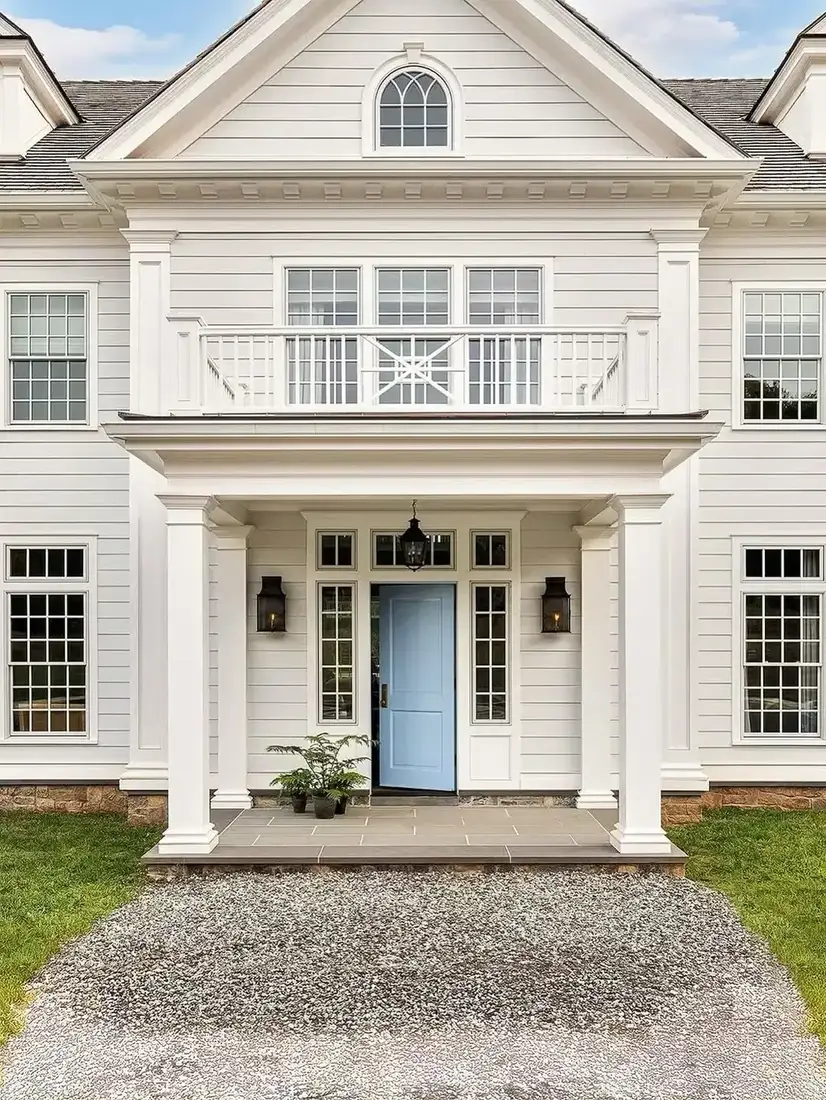
A columned portico is a strong piece of architecture and it must sit dead centre on the door. Where these go wrong is when they are positioned from the corner of the house or from the edge of the steps, which puts them a little off, and a little off on a colonial reads as a lot. Set yours out from the door centre and check your columns land evenly either side before anything is fixed. If your ambitions run to a full temple front rather than a porch, our Greek Revival and Antebellum homes guide applies the same centerline discipline at monumental scale. Once centred, the sizing questions, diameter, spacing and material honesty, are worked through at porch scale in our front porch column and portico ideas.

Count your dormers and let them share the rhythm
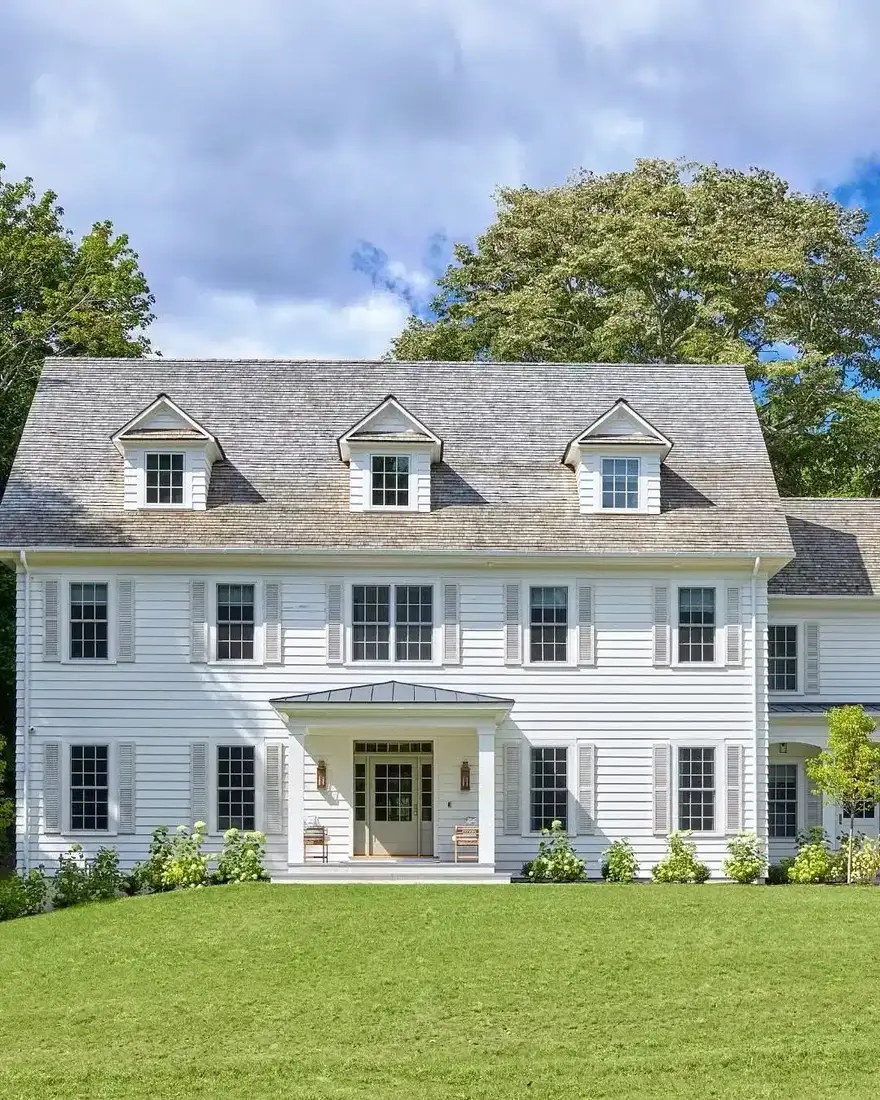
Dormers sit above the main windows and repeat their rhythm, which is why three evenly spaced dormers look calm. Trouble starts when a dormer is added later without reference to your windows below it, so your roof and your wall disagree. If you are planning one, line it up with what is underneath. If you have inherited a mismatch you cannot move, resist drawing attention to it with a contrasting colour.
Ground, path and planting
The house may be symmetrical. Most people undo it at ground level.
Run the path straight at the door
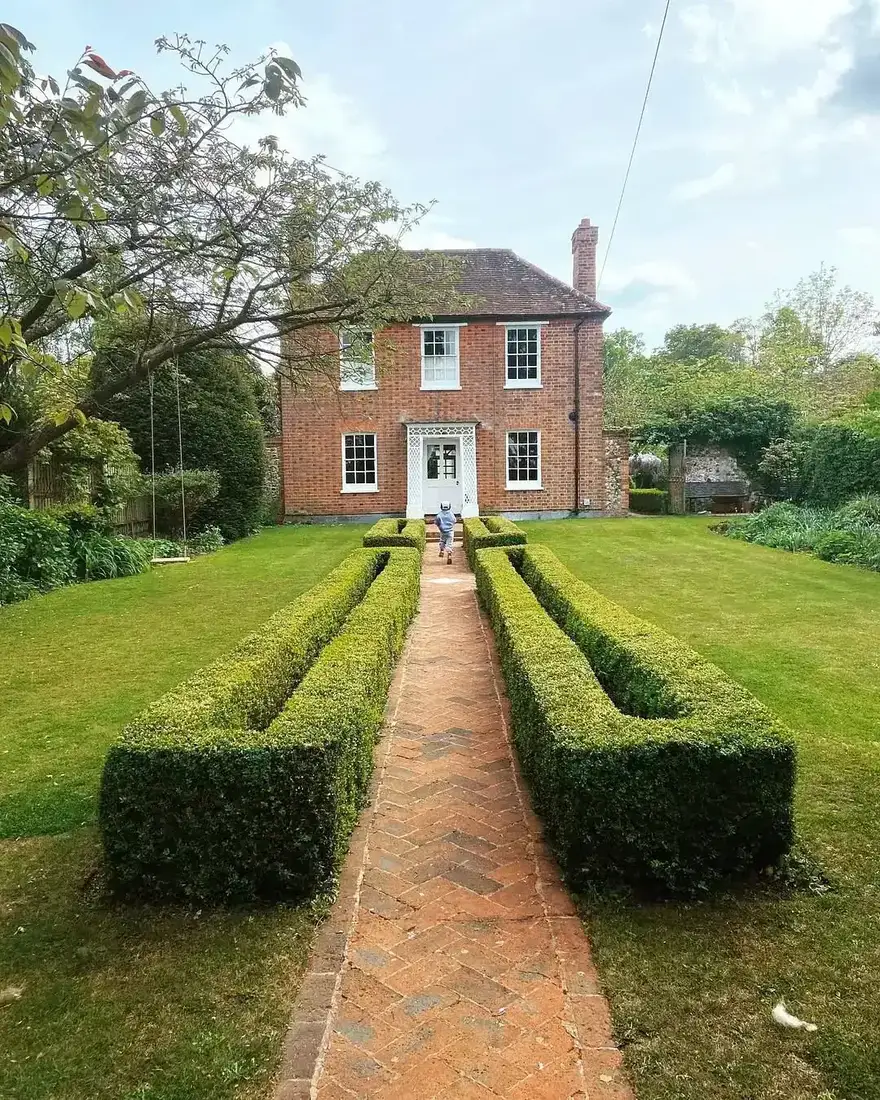
Your front door is the centre line, so your path should arrive at it. A curved or offset walk fights the architecture, and although a curve can be beautiful on a cottage, here it reads as an apology. A straight run from your gate or your drive to the middle of the door is what your house is asking for. If your existing path arrives off centre, that is usually a bigger improvement than anything you could paint.

Plant in pairs and clip them the same
A symmetrical house wants symmetrical planting. Two of the same shrub either side of your door, cut to the same size, is the whole idea. What breaks it is one plant thriving while its twin sulks, or one being trimmed harder than the other. So keep the pair matched deliberately, and if one dies, replace it rather than letting the survivor spread across the middle.
Line a picket fence up with the door too
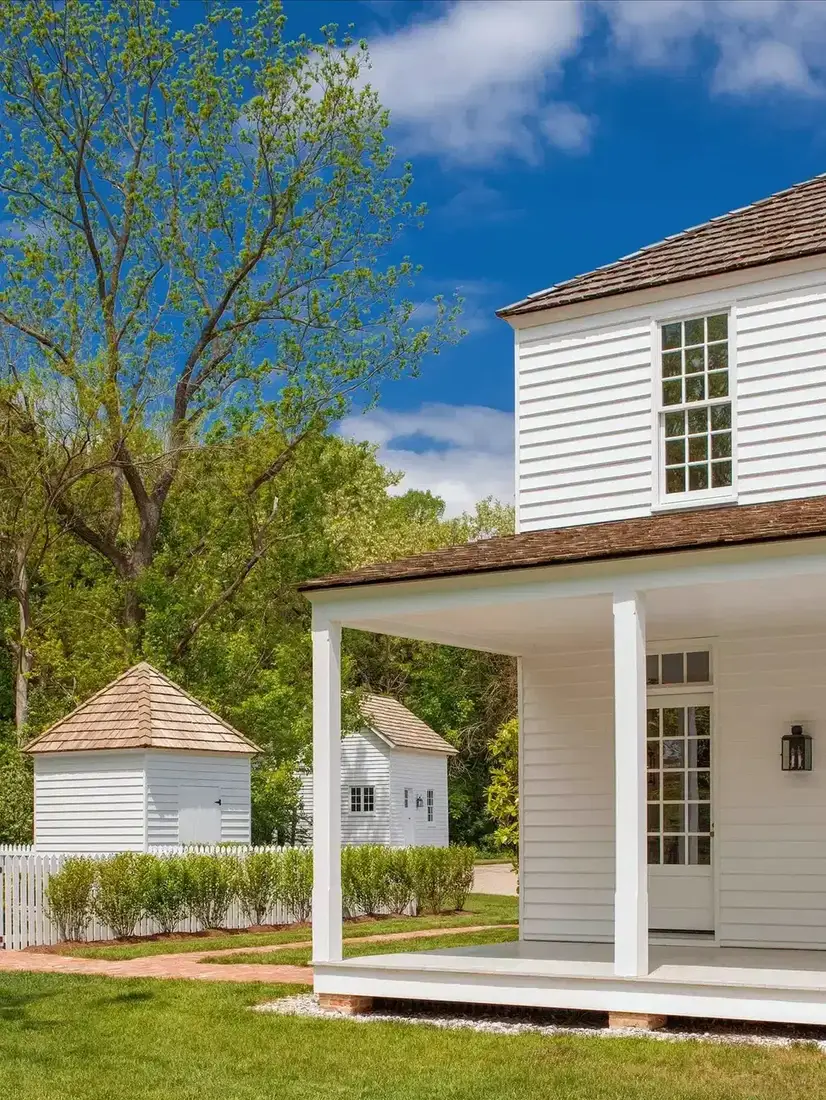
Fences and gates are part of the mirror line whether you meant them to be or not. A gate that sits off centre from the door pulls your eye sideways before you have even reached the house, and outbuildings either side of a colonial work best when they sit evenly. Where an exact match is impossible, get the gate right first, because that is the point where a visitor stops and looks up.
Resist decorating a facade that is already working
The last temptation is addition. Window boxes on some windows, a wreath on one side, a bench under one window, a bed of mixed shrubs across the front. Each one is harmless alone, and together they blur the mirror line you have just protected. Colonials look their best slightly under-dressed. If you are unsure, take something away and photograph it again. Our white farmhouse porch ideas cover the entry detail that is worth adding.
Colonial decisions at a glance
| Element | Gets it right | Gets it wrong |
|---|---|---|
| Shutters | Look as though they would close over the window | Narrow boards beside a wide window |
| Shutter colour | Black, white, deep green | Warm mid-tones that go muddy |
| Lanterns and planters | Always in pairs | A single one on a mirrored front |
| Portico or pediment | Set out from the centre of the door | Set out from a wall or steps |
| Path | Straight at the front door | Curved or offset walk |
| Planting | Matched pairs, clipped alike | One side outgrowing the other |
The Colonial Symmetry Formula
- Photograph the front and fold it in half. Whatever fails to meet is your real problem.
- Size the shutters to the windows. If a pair would look silly closed, fit none.
- Buy in twos. Lanterns, urns, shrubs and steps all read wrong as singles.
- Set the entrance out from the door centre. Not from a corner, not from the steps.
- Bring the path straight in. An off-centre walk argues with the house all day.
- Under-dress it. A colonial is already decorated by its own proportions.
Work through those in order and the vague wrongness disappears, usually before you have spent much at all. The rest of our home exterior guides go into materials once the proportions are settled.
Frequently Asked Questions
What size should colonial shutters be?
Wide enough that they would cover the window if they closed. That is the test. Shutters obviously too narrow for their opening are the most common mistake on colonial houses, and once you notice it you cannot stop noticing it.
Can I leave a colonial window without shutters?
Yes, and it is often the better answer. Windows near a corner, a downpipe or another window may have no room for a sensible pair. A bare window reads calm, while a squeezed shutter reads like a mistake.
What are the best colonial exterior trim colours?
Black, white and deep green are the reliable ones. They hold their character in every light. Warm mid-tones such as taupe and soft brown tend to go muddy outdoors against clapboard.
Does my front path need to be straight?
On a symmetrical colonial, yes. The front door is the centre line, and a curved or offset path fights the architecture. Straightening the walk often improves the front more than repainting it.
Why does my colonial look off even though it is freshly painted?
Usually something has broken the mirror line: a single lantern, uneven planting, a portico set out from the wrong point, or shutters that do not match their windows. Photograph the front straight on and fold the image in half to find it.
How should I plant the front of a colonial house?
In matched pairs, clipped to the same size, set either side of the entrance. If one of a pair dies, replace it rather than letting the survivor spread across the middle of the front.
This article may contain affiliate links. We may earn a commission at no extra cost to you.