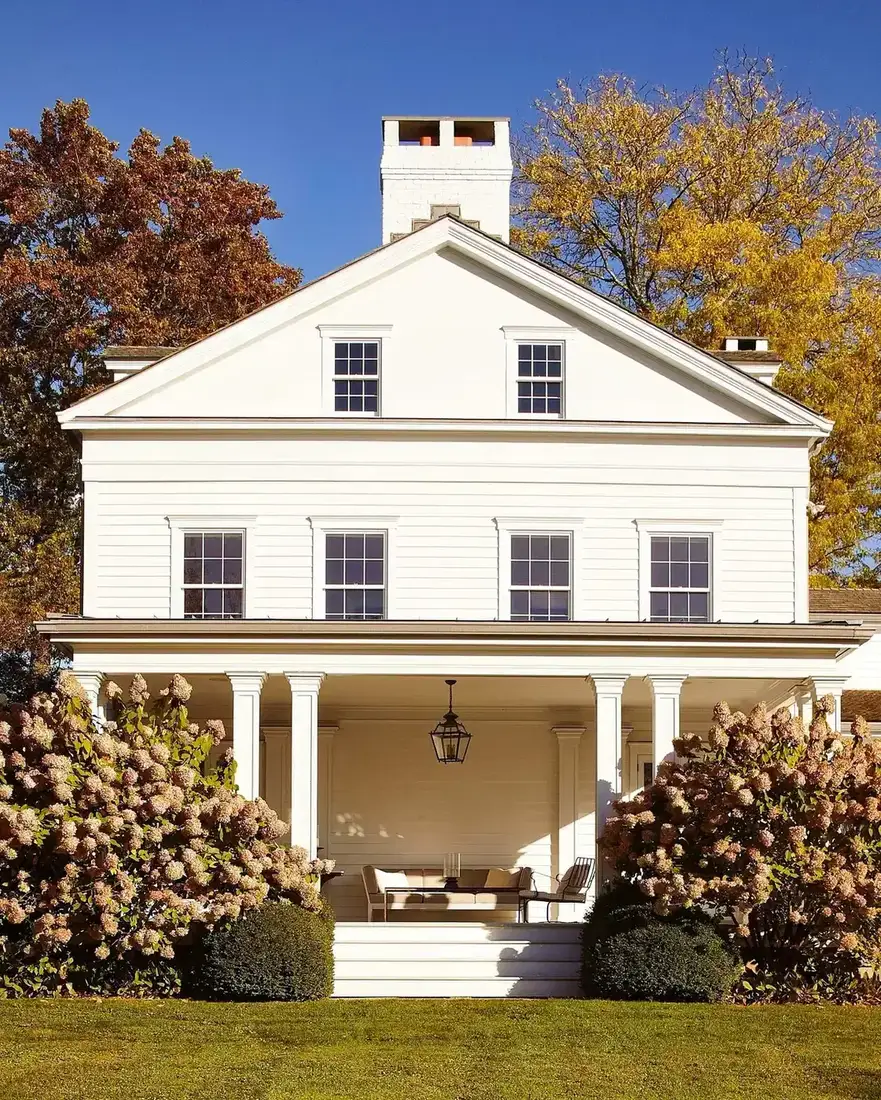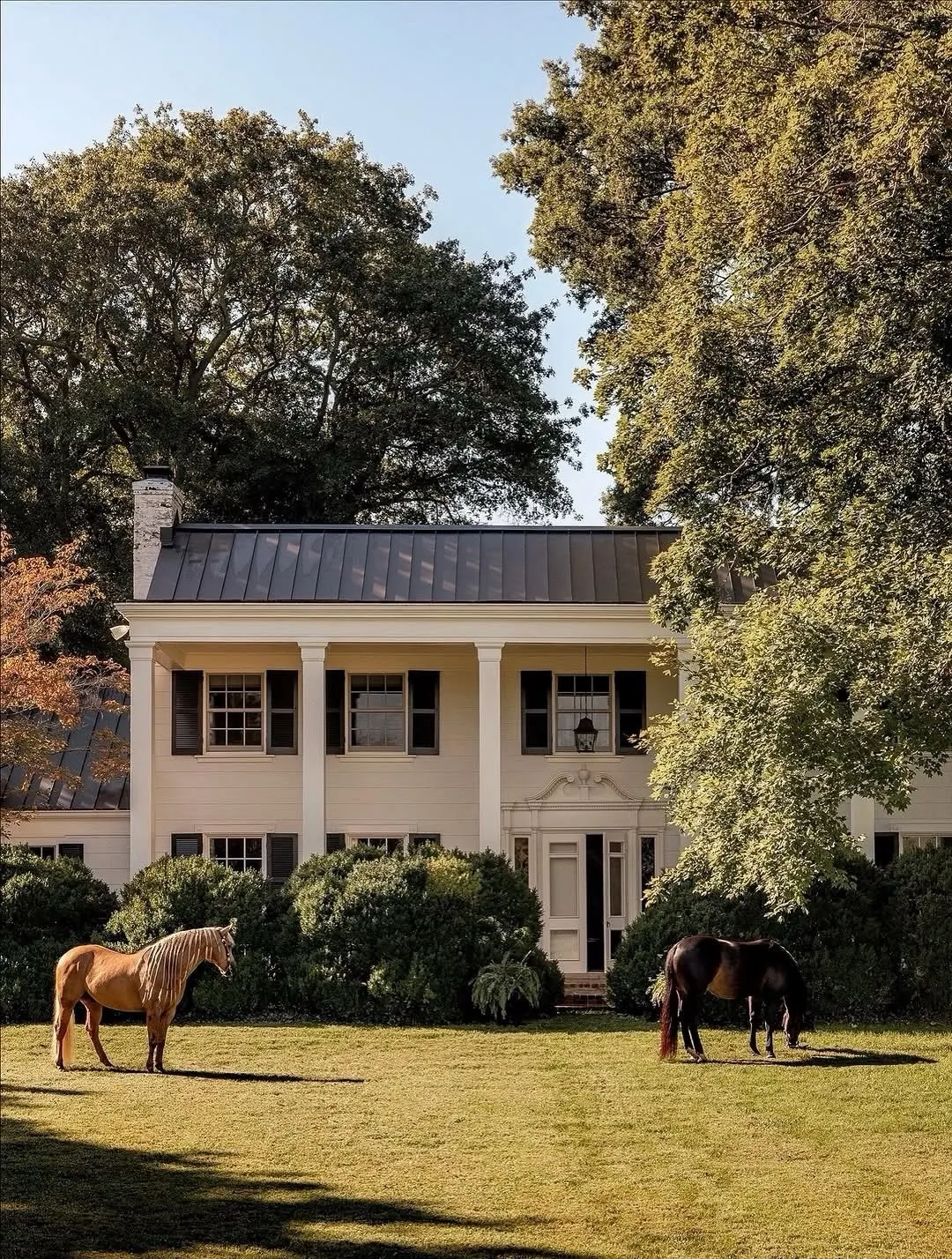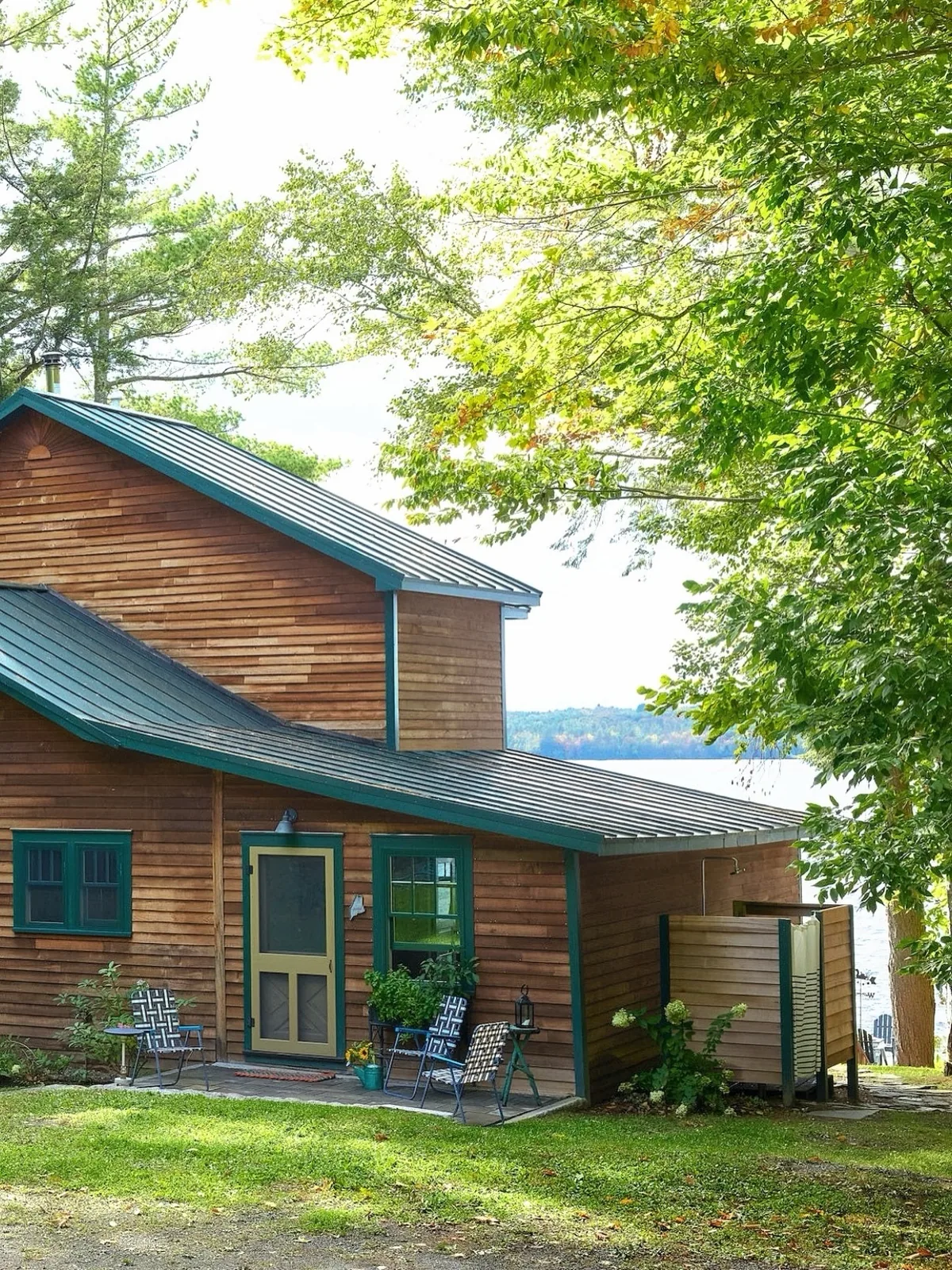
Wrong-Size Shutters Cheapen Your Whole Facade

Add us as a preferred source to see more stories on Google.
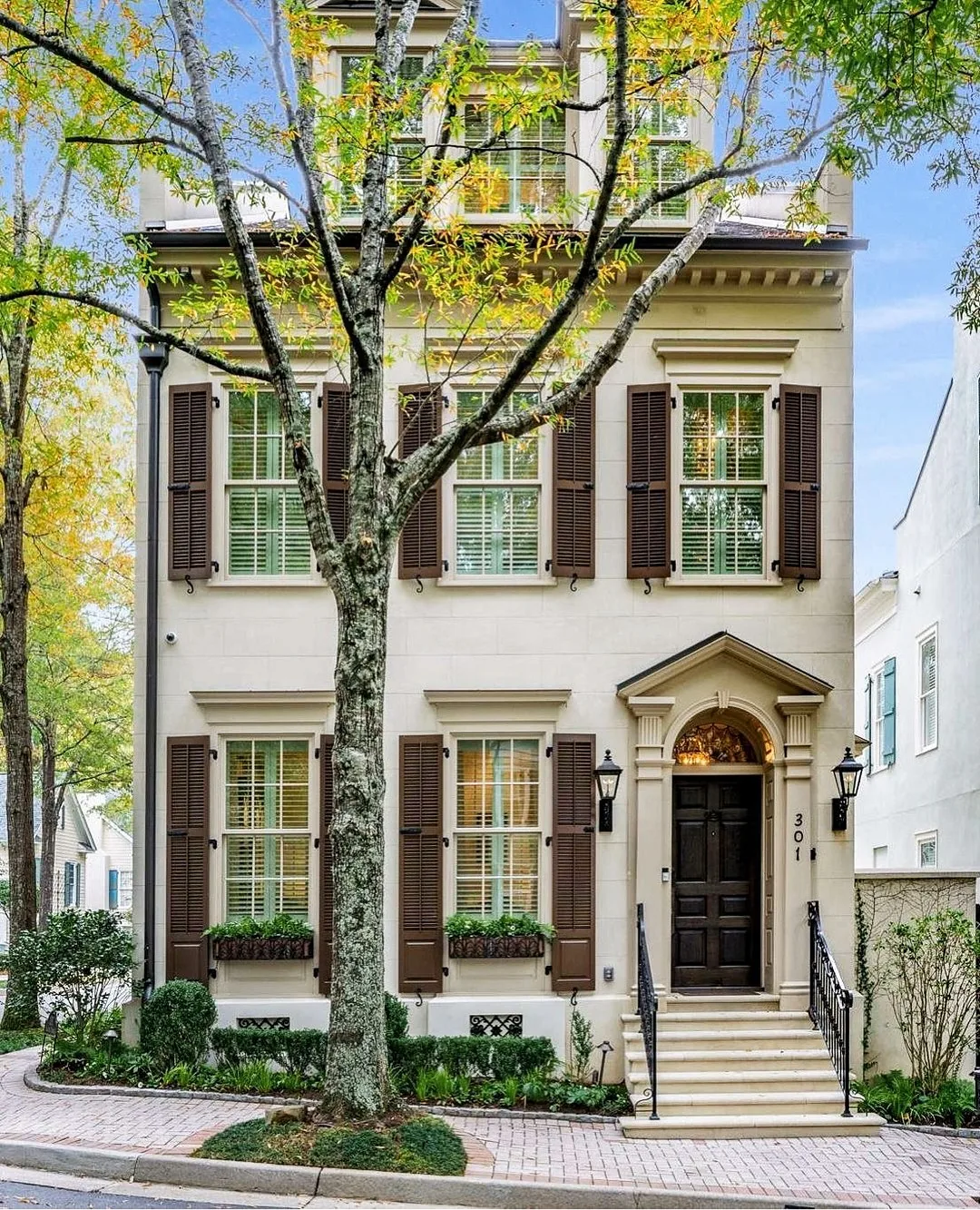
You ordered the standard size. Your windows aren’t standard.
Here’s the thing. Shutters are the cheapest way to look expensive and the fastest way to look fake, and the difference is entirely fit.
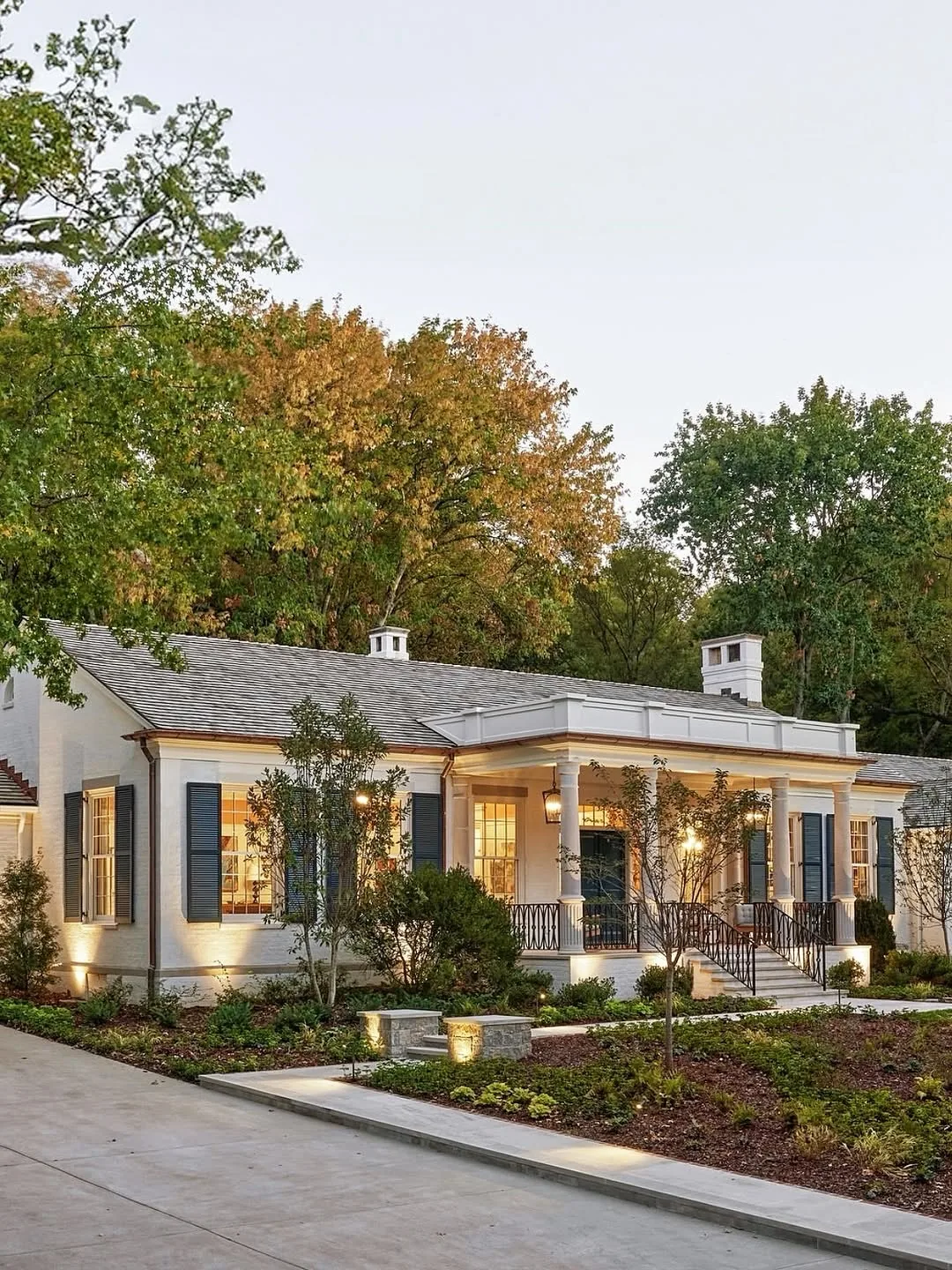
Chances are the black shutters house exteriors you saved all pass one test yours fails: each pair looks like it could close. You’ll learn to pass it here for less than the wrong shutters cost.
Size them like they work
You’ll measure every opening before you shop. Windows lie about being identical, so your tape settles it.
Measure each window, never assume
Walk your facade with a tape and you’ll find windows that look twins differ by an inch or more. Order one standard size for all of them and half your shutters arrive visibly wrong. You’ll measure width and height of every opening, write each on a simple sketch and order to the openings you own.
Include the trim in your height and the glass in your width thinking. You’ll measure the full casing top to bottom for leaf length, since shutters frame the whole composition, not just the glass. An hour with a tape saves the slow embarrassment of almost-right shutters you’ll notice every arrival for years.
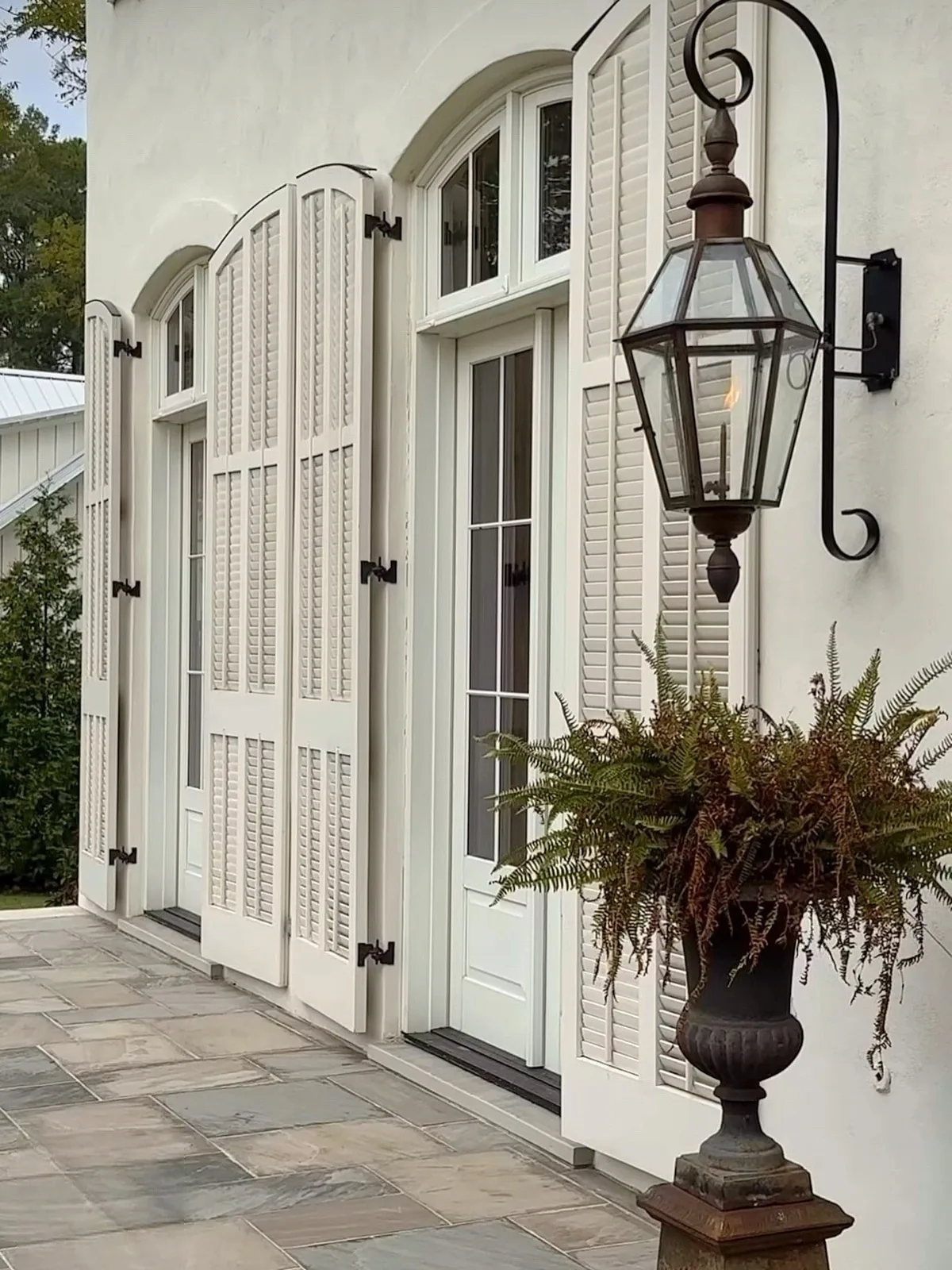
Halve the width for each leaf
Here’s the rule you’ll never unsee once you know it. Each shutter should span half its window’s width, so the closed pair would meet exactly in the middle. You’ll divide every opening by two and buy that leaf width. Skinny leaves flanking a wide window confess fakery from the driveway.
This rule also tells you when to skip shutters. Picture windows, triple mulled units and bays can’t take honest pairs, and you’ll leave them bare rather than stamp small boards on their flanks. A window without shutters looks unfinished for a day. A window with silly shutters looks wrong forever, and you’ll pay the same either way.
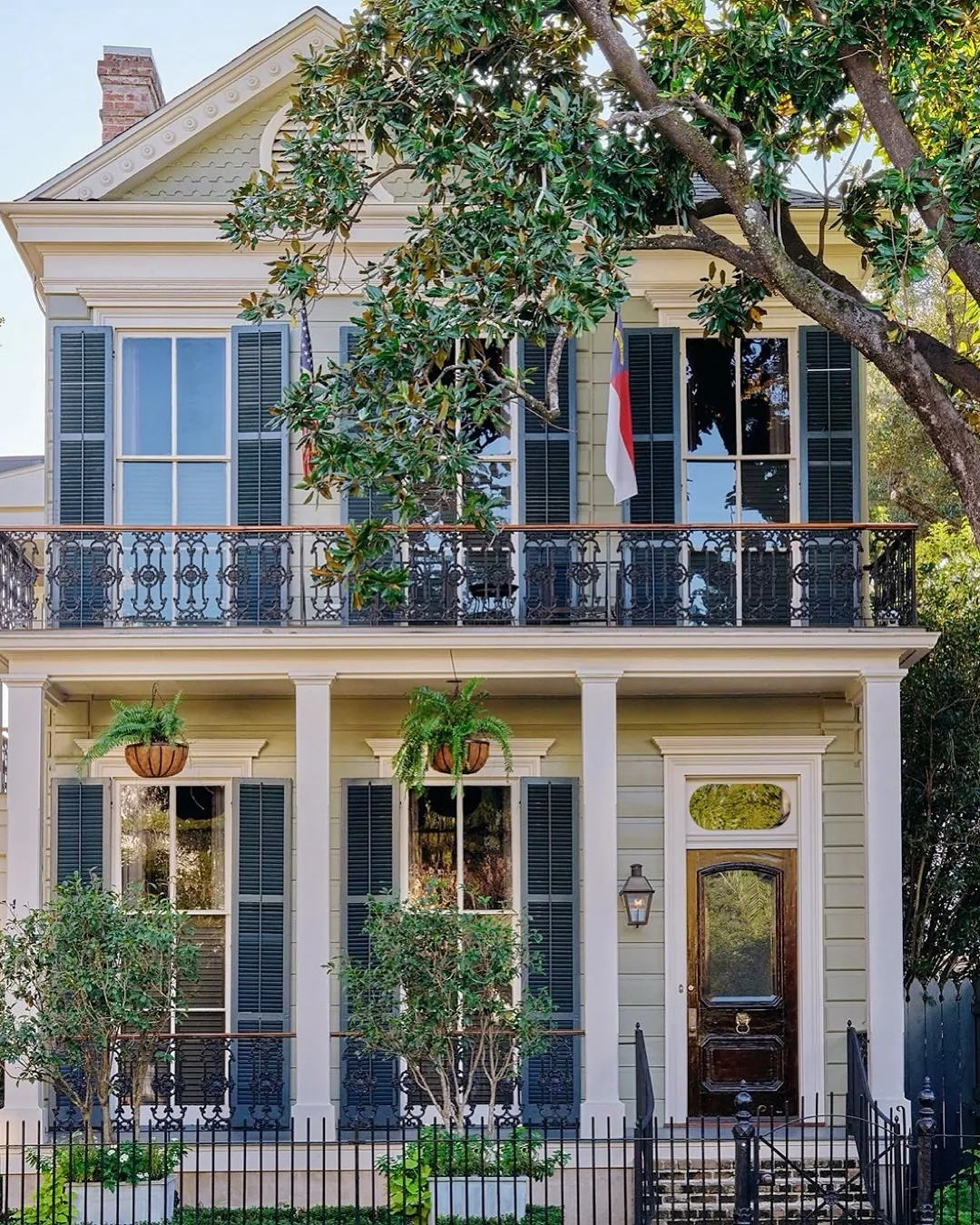
Match the full height, sill to head
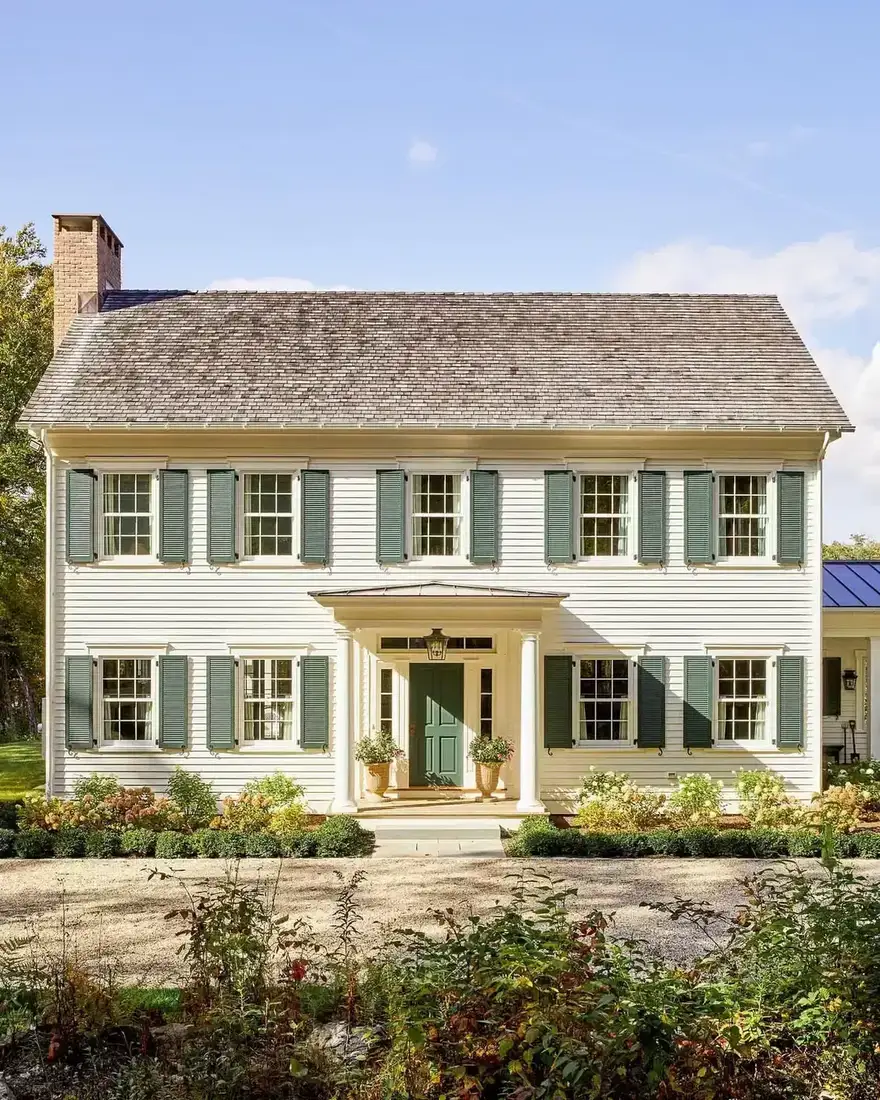
Short shutters look like an afterthought even when the width is right. You’ll run each leaf the full height of its opening, casing to casing, so the pair frames the window like a proper border. Leaves that stop inches short read as samples somebody forgot to return.
You’ll check arched and gabled windows with extra care, since rectangular leaves can’t honestly frame curved tops. Where the shapes refuse each other, you’ll skip shutters on those openings and dress the rectilinear windows only. Consistency across your shuttered windows matters more than shuttering every window you own.
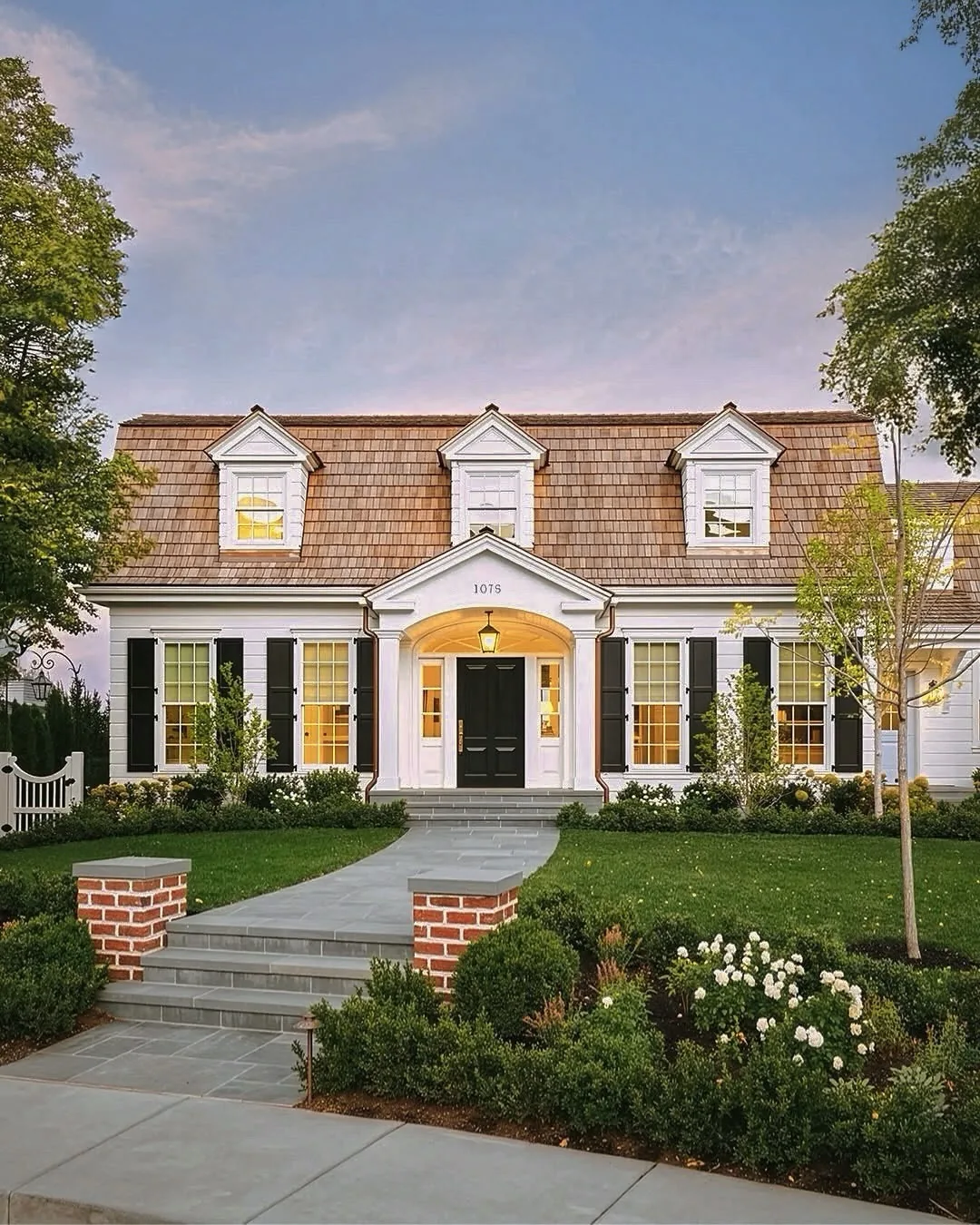
Hang them honestly
Fit gets you halfway. You’ll mount the second half like the shutters might actually swing.
Hang leaves on hardware with a gap
Shutters bolted flat to siding announce they never move, and the missing shadow line proves it. You’ll mount yours on hinges with holdbacks, standing the leaves off the wall so air circulates and a real shadow falls behind each board. The gap keeps moisture from sitting and tells the street these shutters work.
You’ll buy the hardware before the shutters so lengths and throws match. Hinges, pintles and shutter dogs cost little against the shutter price and change the read completely. Flat-screwed boards collect grime behind them and rot your siding where you’ll discover it late. Hardware is honesty you can purchase by the set.
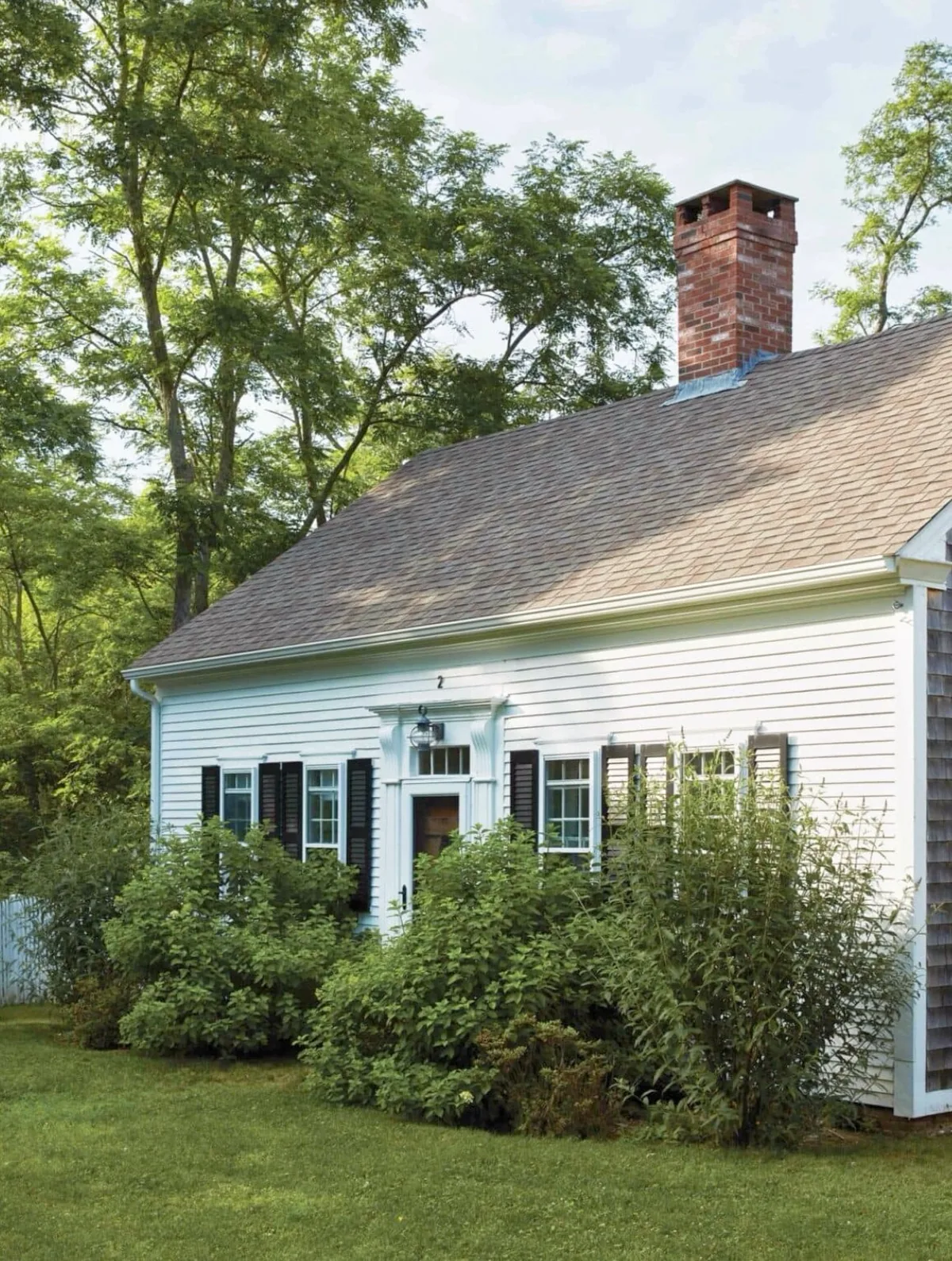
Line rails up with your sash bars
Here’s the detail that separates good shutters from great ones. You’ll align your shutter’s horizontal rails with the window’s meeting rails, the bars where sash halves join, so the composition reads as one designed unit. Misaligned rails chop the facade into static you feel without naming.
You’ll check this alignment on the ground before anything goes up. Lean each pair against its window, step back to the curb and adjust. Louvered leaves want their louvers sloping to shed water outward when closed, which you’ll confirm while handling them. Ten minutes per window buys the tailored look catalogs charge double to fake.
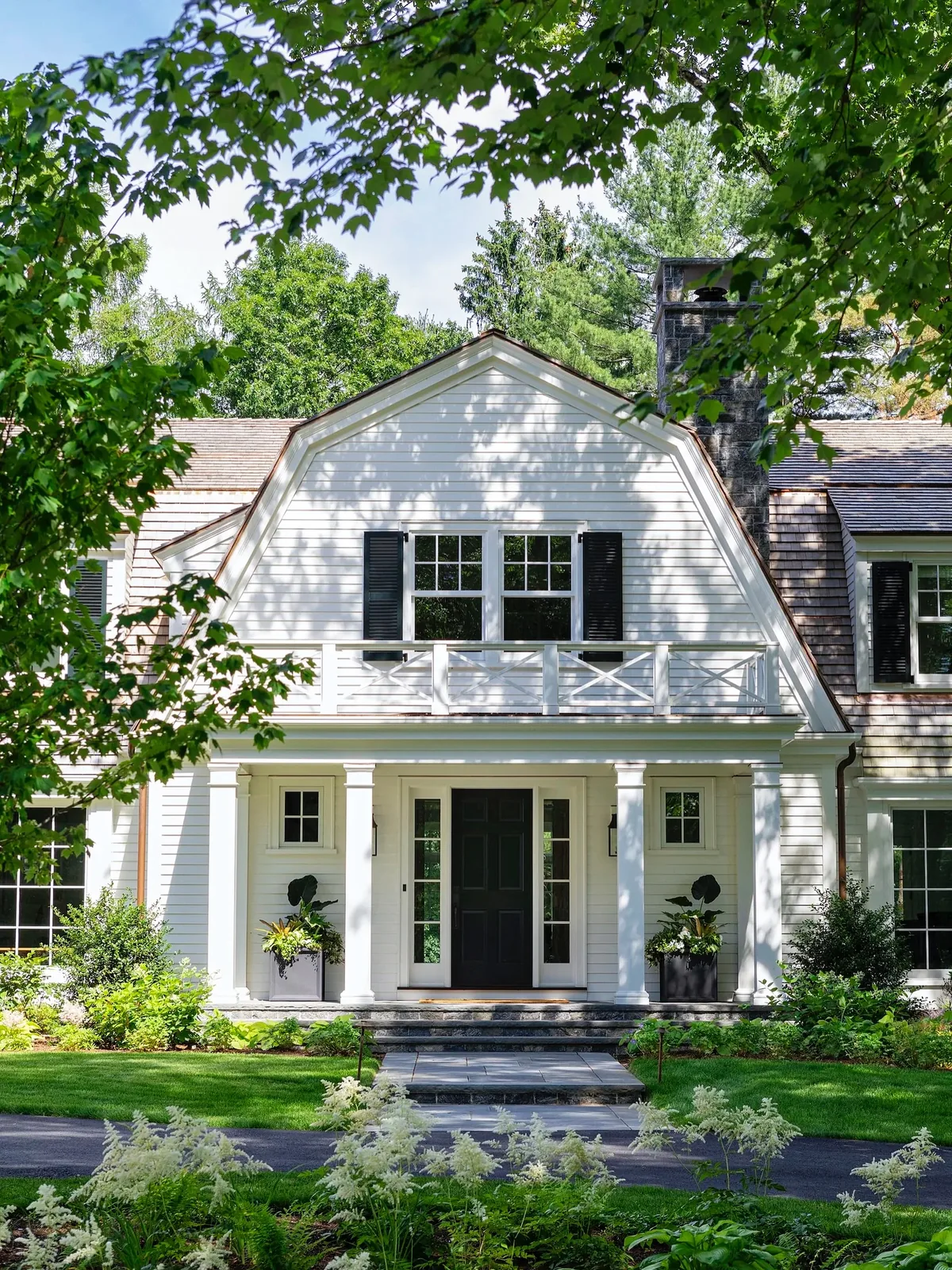
Color them into the composition
Black is the safe answer, not the only one. You’ll place shutter color by hierarchy like every other decision.
Keep black shutters house exteriors in the family, not alone
Black shutters floating on a house with no other black read as stickers. You’ll repeat the note: black door, black lanterns, charcoal roof or dark bronze hardware, so shutters belong to a family instead of shouting solo. Two or three black touches compose a scheme, while one isolated pair looks ordered by mistake. For sheen, matching blacks and lantern light at the door itself, our black front door ideas take the same discipline to the threshold.
You’ll paint shutters satin or semi-gloss for depth and weather resistance. Flat black chalks fast in sun and shows every dust film. When your door, lanterns and shutters share one finish, you’ll get the tailored colonial read that photographs well and ages better than any single-feature update.
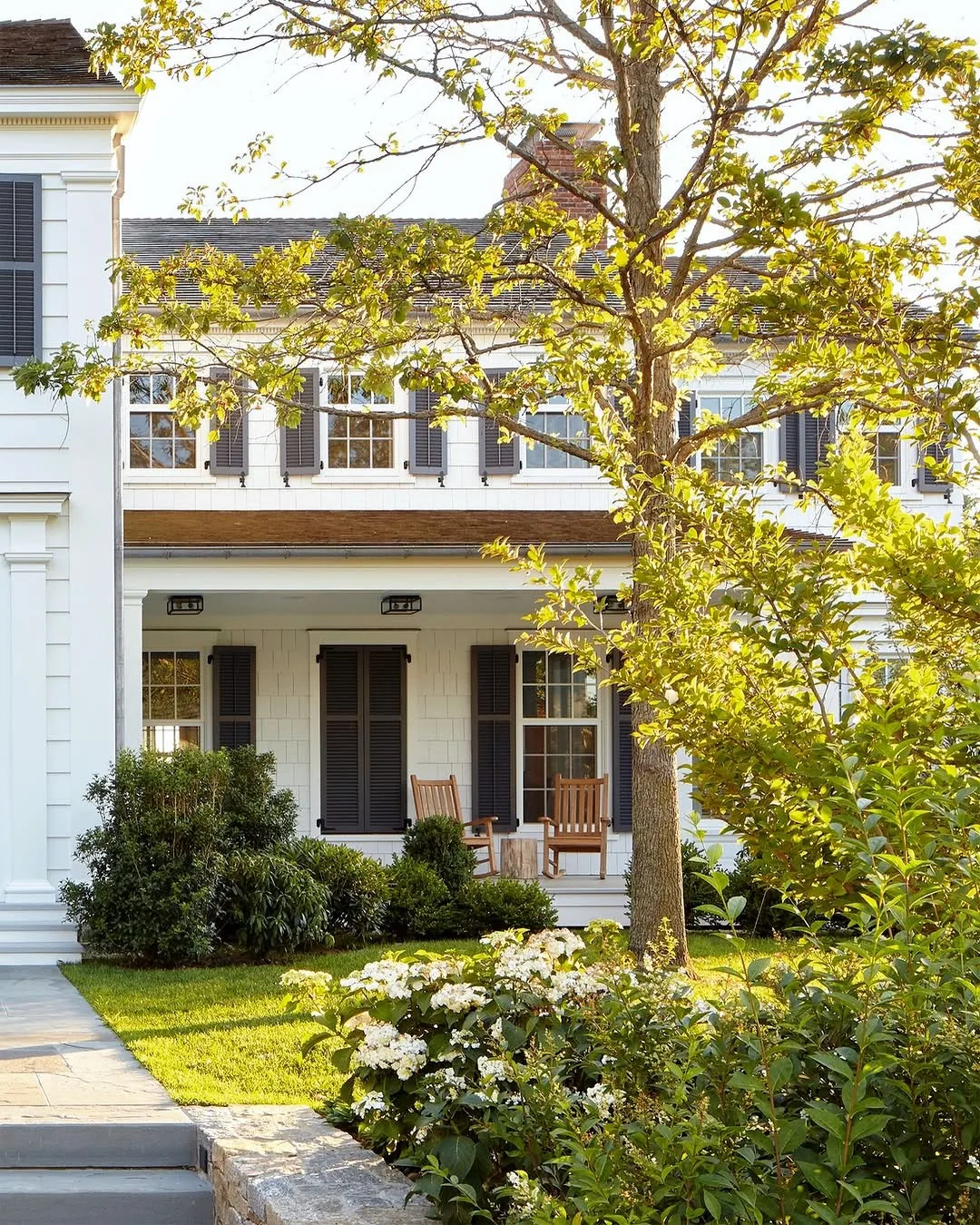
Borrow blue or brown where black feels harsh
Cream walls, coastal light or brick facades sometimes want a softer dark than jet black. You’ll try navy, deep green or espresso brown shutters that frame windows firmly without the stark punch. Blue-grey shutters on white read coastal and calm where black reads formal.
You’ll tie the softer color to something else you own: a blue door, bronze roof or green garden beyond. Orphan colors fail whatever their beauty, so every shutter shade needs a relative on the property. For white walls carrying colored shutters, our white farmhouse exterior ideas guide shows the balance working. Related colors compose, loners decorate.
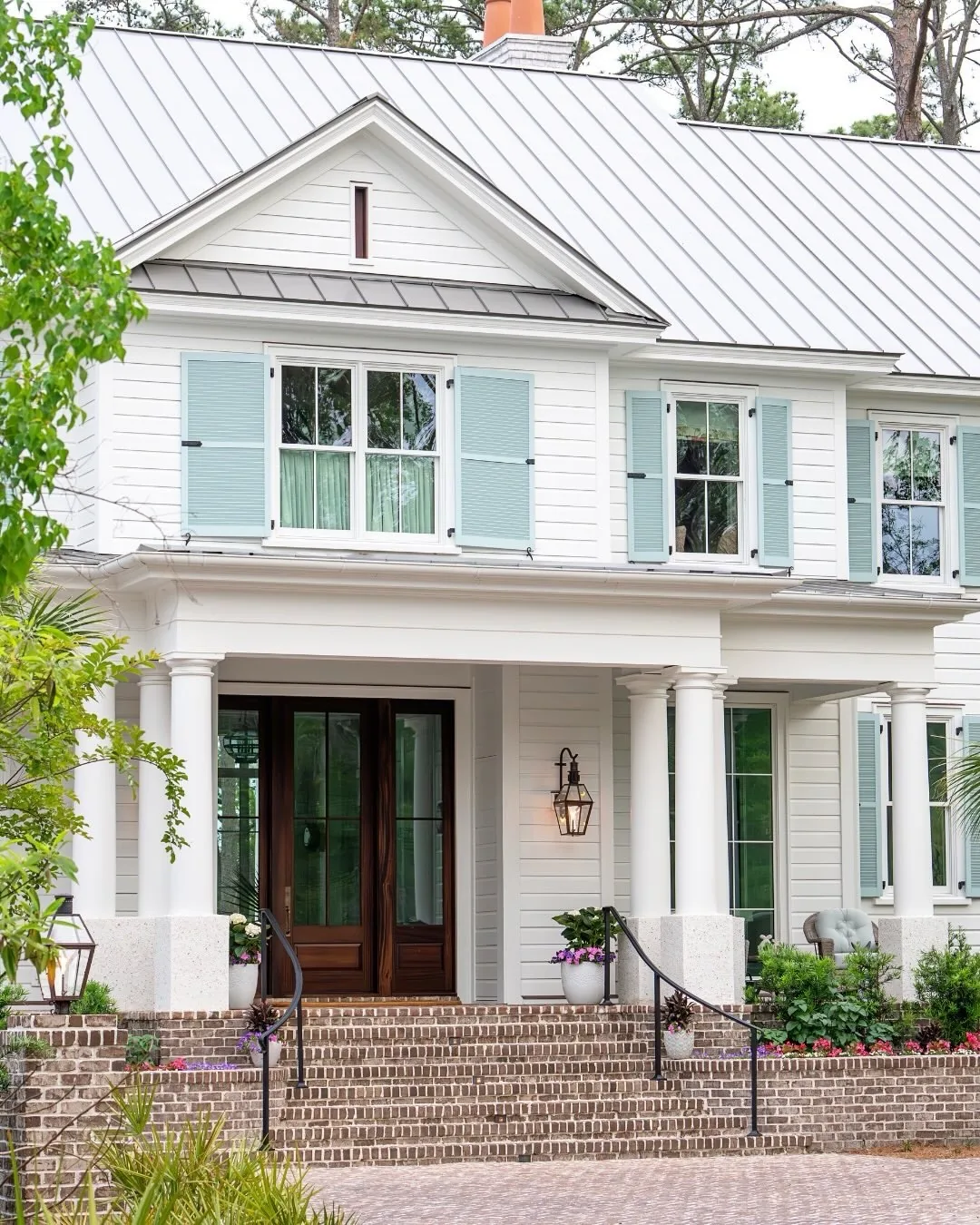
Let white shutters whisper on dark walls
Dark siding flips the formula: you’ll frame openings with white or cream shutters that glow against charcoal, navy or forest walls. The contrast runs reversed but the sizing rules never change. Half-width leaves, full height, hardware and gap, whatever the colorway.
You’ll keep white shutters cleaner than dark ones demand, since white shows mildew first on shaded walls. A yearly soft wash keeps them crisp. Where your dark walls already carry strong trim, you’ll consider skipping shutters so the composition breathes. White-on-dark needs the same discipline as black-on-white, just inverted.
Crown the roofline so shutters aren’t lonely
Shutters frame windows while cupolas and dormers crown the roof, and you’ll want both levels dressed or neither. A shuttered house with a bare flat roofline looks bottom-heavy, like a suit with no hat. One or two cupolas, finished in your trim color, complete the vertical composition.
You’ll scale cupolas to your roof, never to your ambition. Oversized boxes read as pigeon coops from the street. For the full method on roof ornaments that earn their keep, browse the rest of our home exterior guides. Shutters below, cupola above, and your house stands fully dressed from foundation to ridge.
Honest shutters versus stuck-on boards at a glance
| Honest shutters | Stuck-on boards | |
|---|---|---|
| Width | Each leaf half the opening | Skinny regardless of window |
| Height | Full casing to casing | Inches short |
| Mount | Hinges, gap, holdbacks | Screwed flat to siding |
| Rails | Aligned with sash bars | Random or absent |
| Color | Related to door and roof | Orphan shade |
| Verdict | Hang these | Skip entirely |
The Shutter Fit Formula
If you strip all nine ideas down to a plan, it reads like this:
- Measure every opening. Twins differ, so your tape decides each leaf.
- Half the width each. Pairs that could meet read honest from the curb.
- Full height always. Casing to casing, never inches short.
- Hardware and gap. Hinges and shadow lines prove the shutters work.
- Color with relatives. Shutters join the door and roof family.
- Crown above. Cupolas complete what shutters start below.
Get those six right and your shutters frame windows like portraits. You’ll own the tailored look for the price of careful shopping.
Frequently Asked Questions
Should I add shutters to my house?
Only where honest pairs fit. You’ll size each leaf to half the opening, hang on hardware and skip picture windows and bays entirely. Shutters that couldn’t close read as stuck-on decoration, so bare glass beats fake dressing on windows that refuse proper pairs.
What size should exterior shutters be?
Each leaf should span half its window’s width and run the full opening height, casing to casing. You’ll measure every opening because lookalike windows differ. Pairs sized this way look like they could close, which is the whole test your eye applies from the curb.
Should shutters be functional or decorative?
They should at least look it. You’ll hang yours on hinges with holdbacks and a gap off the wall, whether they ever swing or not. Flat-screwed boards trap moisture, rot siding and confess fakery through their missing shadow lines.
What color shutters go with a white house?
Black first, for the timeless colonial read, with navy, deep green or brown where black feels harsh. You’ll repeat the shutter note in your door, lanterns or roof so it belongs to a family. Orphan colors fail whatever their beauty.
Can I put shutters on a picture window?
You’ll skip them. Wide mulled units and bays can’t take honest pairs, and small boards on their flanks look silly permanently. A bare window reads unfinished for a day, while fake shutters read wrong for as long as they hang.
Do shutters add value to a house?
Well-fitted ones add perceived care that buyers feel immediately, while fakes subtract it just as fast. You’ll spend the same money either way, so spend it on correct sizing and hardware. Tailored details photograph well and appraise as maintenance done right.
This article may contain affiliate links. We may earn a commission at no extra cost to you.