Choose the Vanity First and Your Tile Will Fight It

Add us as a preferred source to see more stories on Google.
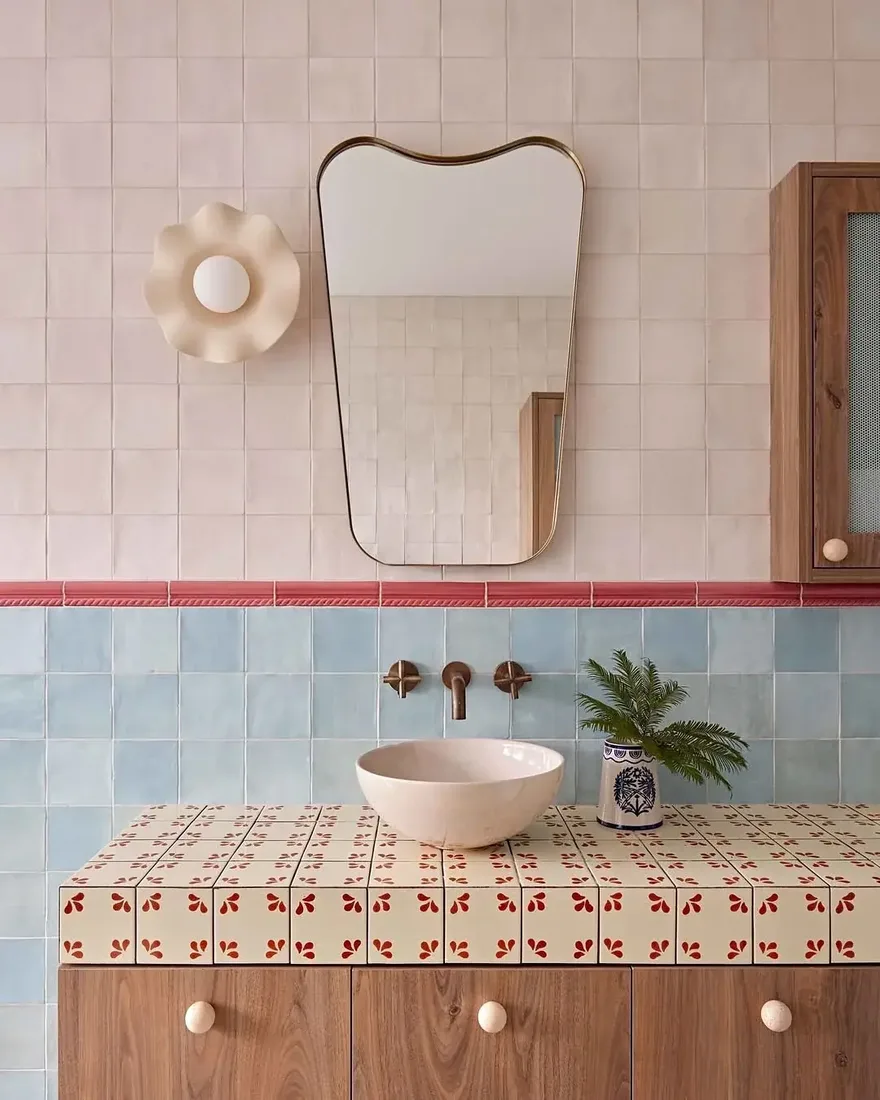
Tile is the most permanent decision in a bathroom and the one most often chosen last, after the vanity and the fittings are bought. That order is backwards, and it is why so many bathrooms end up with tile fighting everything else.
You fall in love with a vanity, then try to find a tile that matches it, and the palette never settles.
These nine bathrooms show you why you choose tile first and let the vanity follow.
You will see the bathroom calm when you choose tile first for you and you let the vanity follow for you. When you let tile lead for you, you give the room a quiet you can feel for you.
Order that keeps tile and vanity from fighting
Choose the surface you cannot change easily first.
Pick tile before you pick the vanity
Tile covers more surface than any vanity and it is the hardest to change later. When you choose tile first, the vanity, tap and handles can be quiet companions. When you keep tile first for you, you give the vanity a quiet to sit on for you and you let the palette settle for you. When you choose vanity first, you chase a tile to match it and the palette feels forced. Stand in the tile shop with vanity samples in your hand, not the other way around. You will save money and you will keep the bathroom from fighting itself. For more on keeping the whole room calm, see our bathroom tile ideas. Order a single sample of each tile and live with it beside the window for a few days before you commit, because bathroom light changes a glaze more than a paint chip.
Keep tiles larger and fewer in a small room
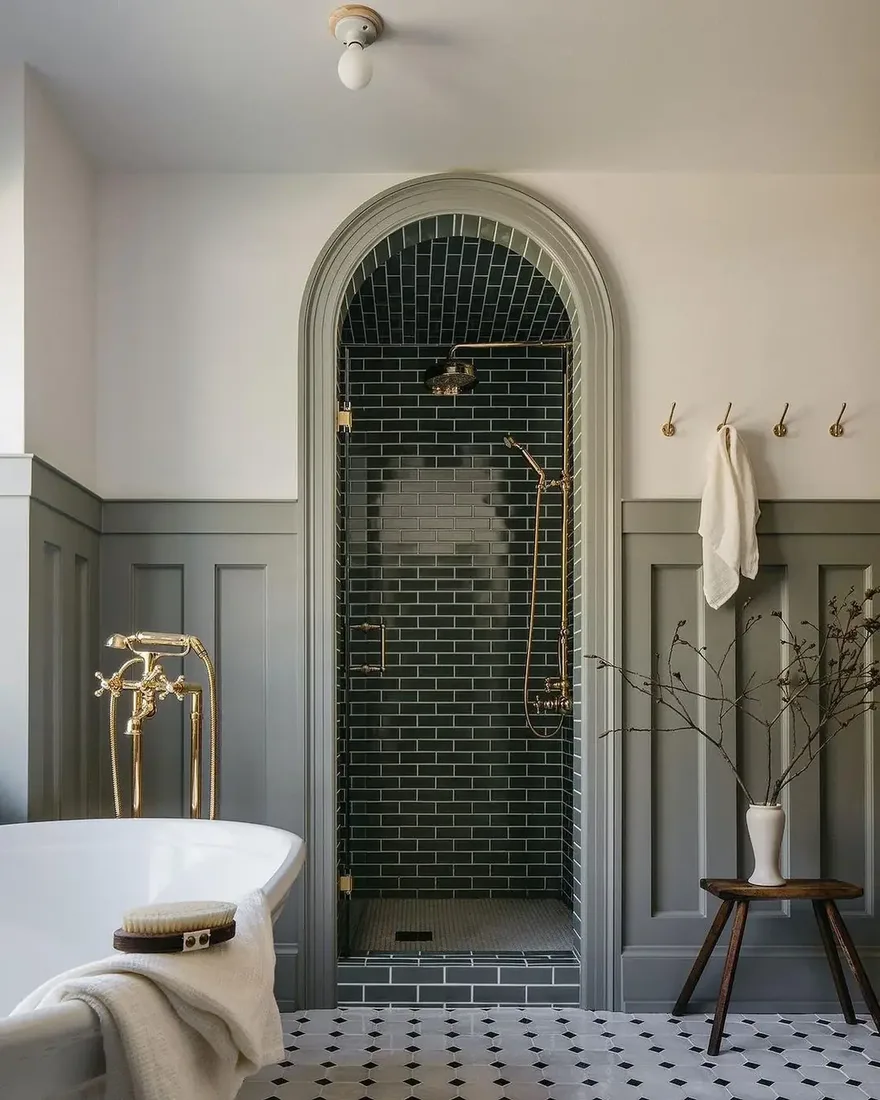
Fewer, larger tiles read calmer in a small room because there are fewer grout lines to chop the surface. A large plain tile lets your eye travel, while many small tiles make the wall feel busy. Keep that large tile to one quiet tone and let the vanity be the warm wood that follows. When you keep that large tile quiet for you, you let the vanity be the warm wood that follows for you. You notice the room breathe when the tile field is calm and the vanity has room to be seen.
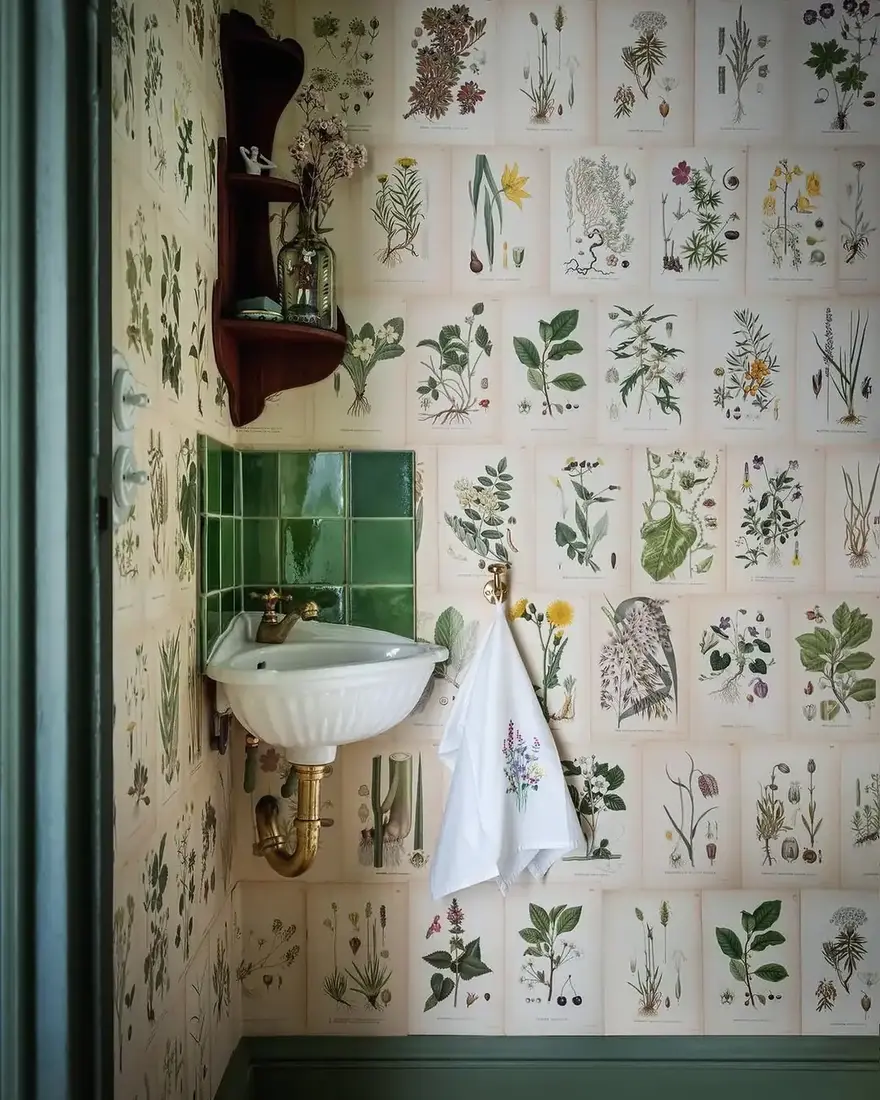
Let grout colour decide whether the wall is a surface or a pattern
Grout colour changes the result as much as the tile you chose. Matching grout makes a wall read as one continuous surface, while contrasting grout emphasises each tile and turns the layout into the feature. Decide which you want before the tiler starts. When you want calm, match. When you want pattern, contrast. That choice is as visible as the tile itself. When you decide that choice for you, you keep the wall as you meant it for you.
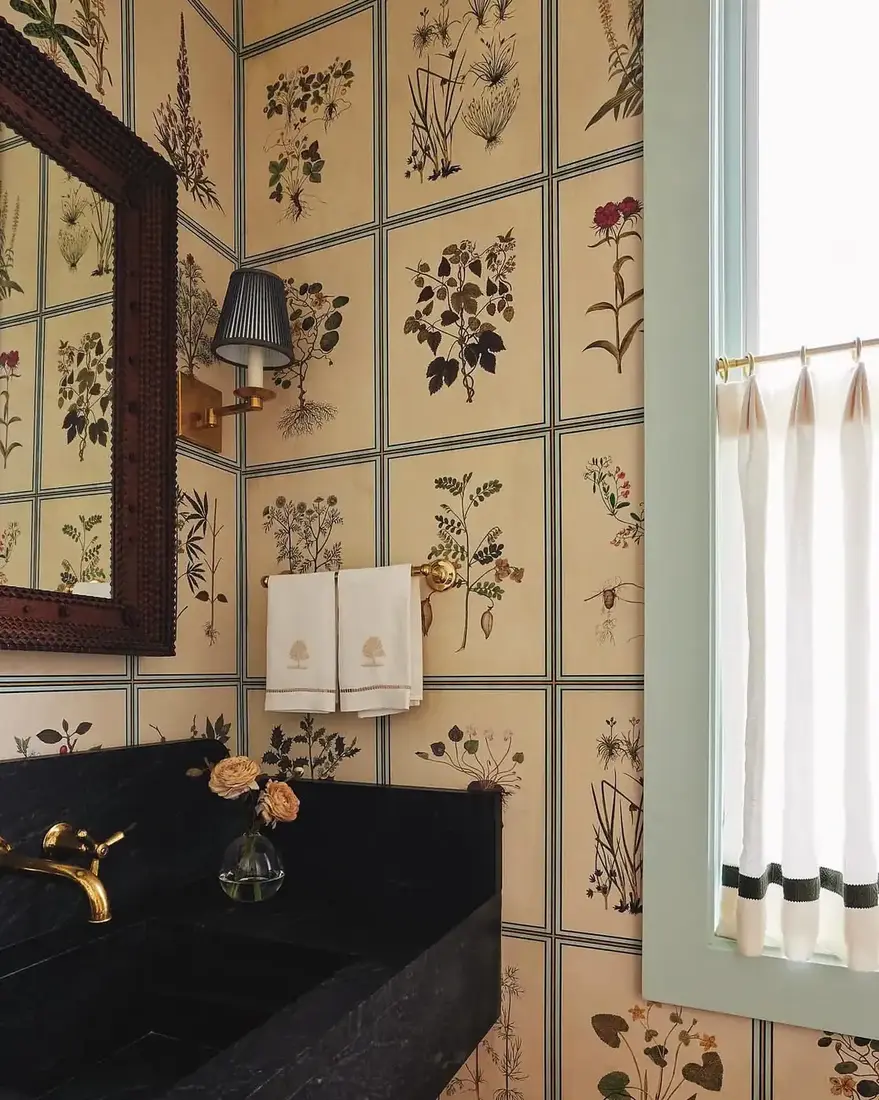
The tile that asks for a little more room
You keep handmade tile calm when you give it the joint it needs for you. When you let variation breathe for you, you keep the wall hand-made for you.
Handmade tile is not a regular tile. It wants its own joint.
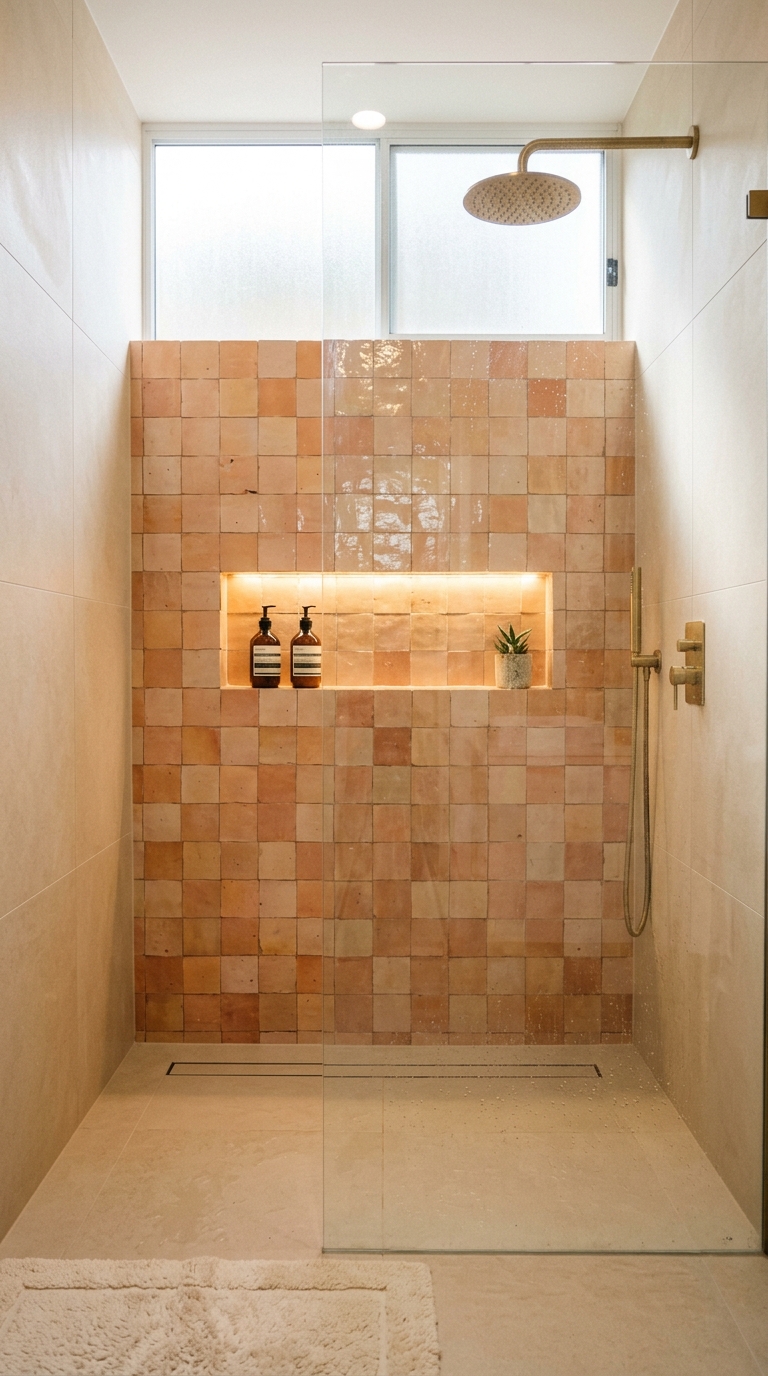
Give handmade zellige the wider joint it needs
Handmade tiles such as zellige vary in tone and size by design. That variation is the beauty, and it needs a wider grout joint to accommodate it. A tight joint forces uneven edges to fight for you, while a slightly wider joint lets the variation sit calmly for you. You keep that joint even for you and you let the tile breathe for you. Keep that joint even and let the tile’s own tonal shifts be the pattern. You will see the wall feel hand-made, not mis-measured, when the grout gives it room.
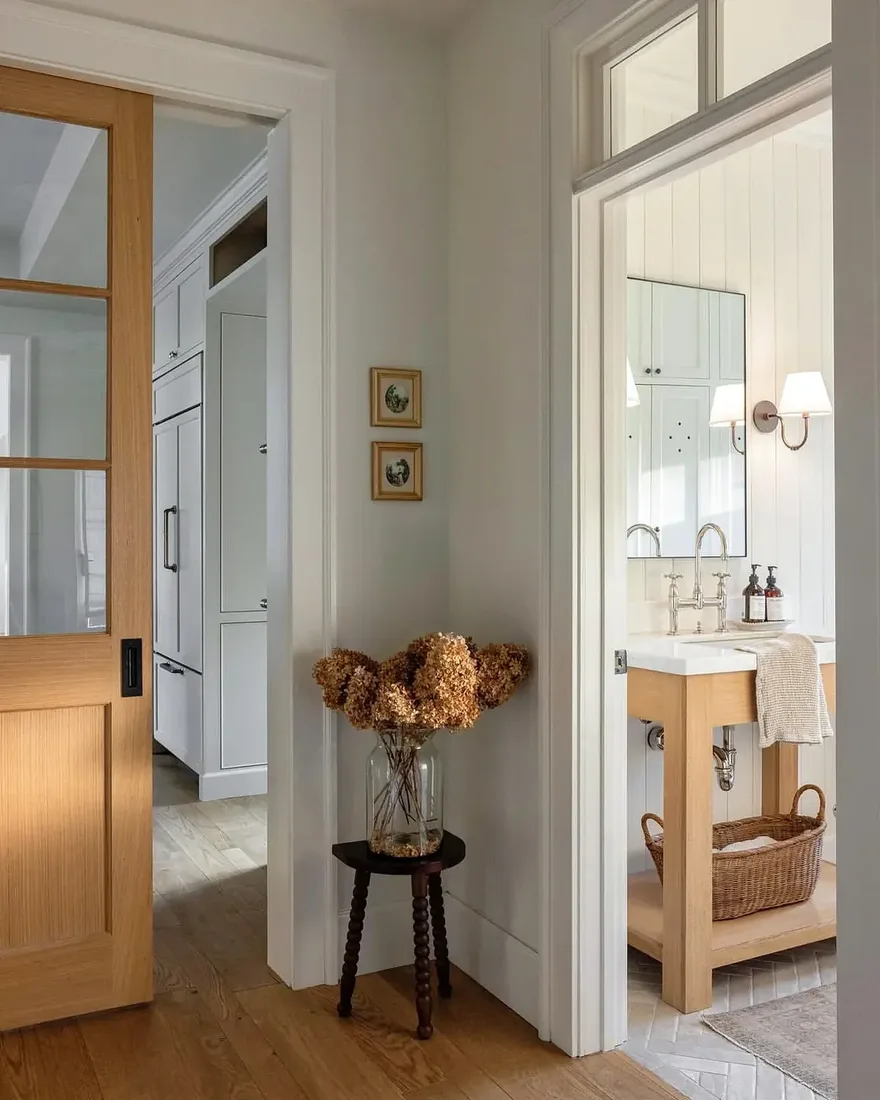
Hold a sample against the vanity before you buy
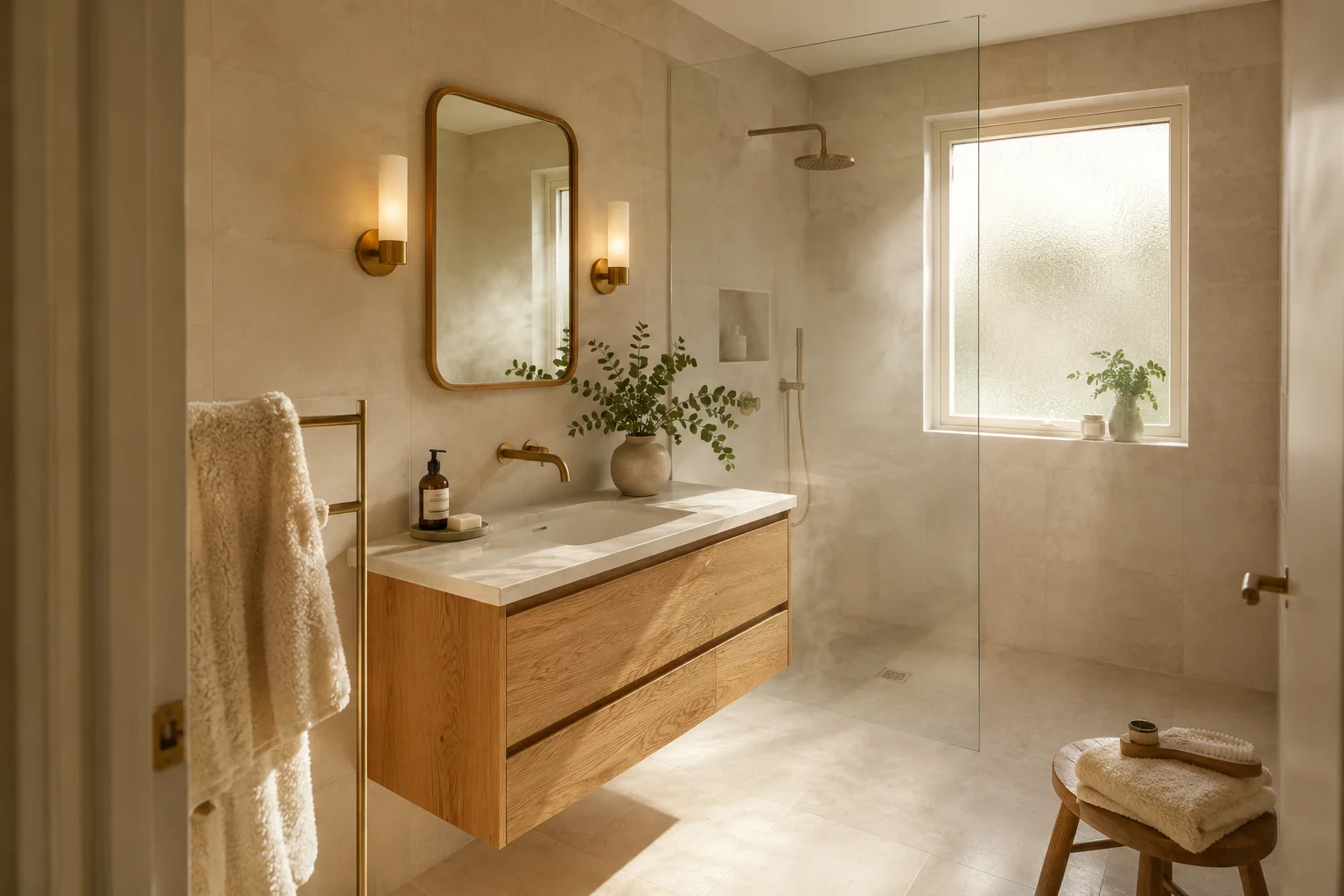
A tile and a vanity can look perfect apart and fight together. Hold a full tile sample against the vanity timber in the shop’s daylight, not just under warm showroom spots. That side-by-side tells you for you whether the tile’s undertone warms or cools the wood for you. You see the warmth and you keep the palette as one for you. When they share warmth, the bathroom reads as one palette. For more on keeping wood and tile quiet together, explore our bathroom lighting ideas.
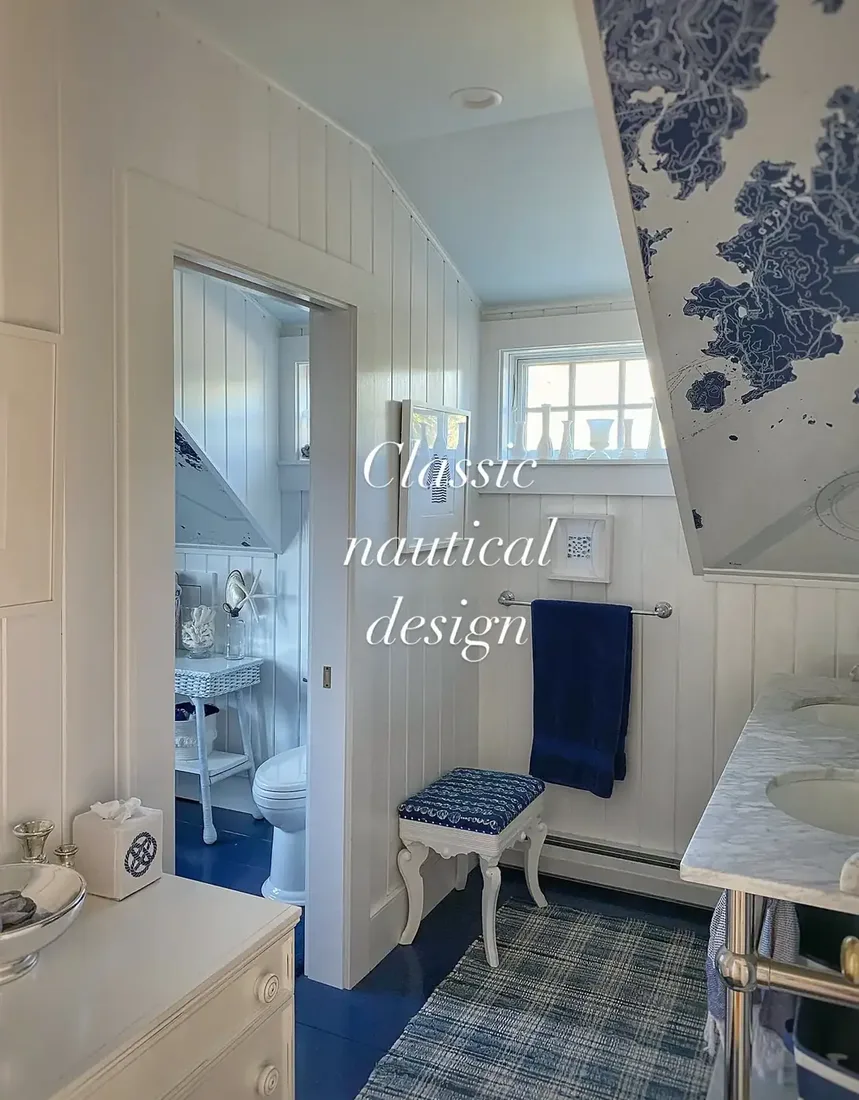
Let the vanity be the warm note that follows
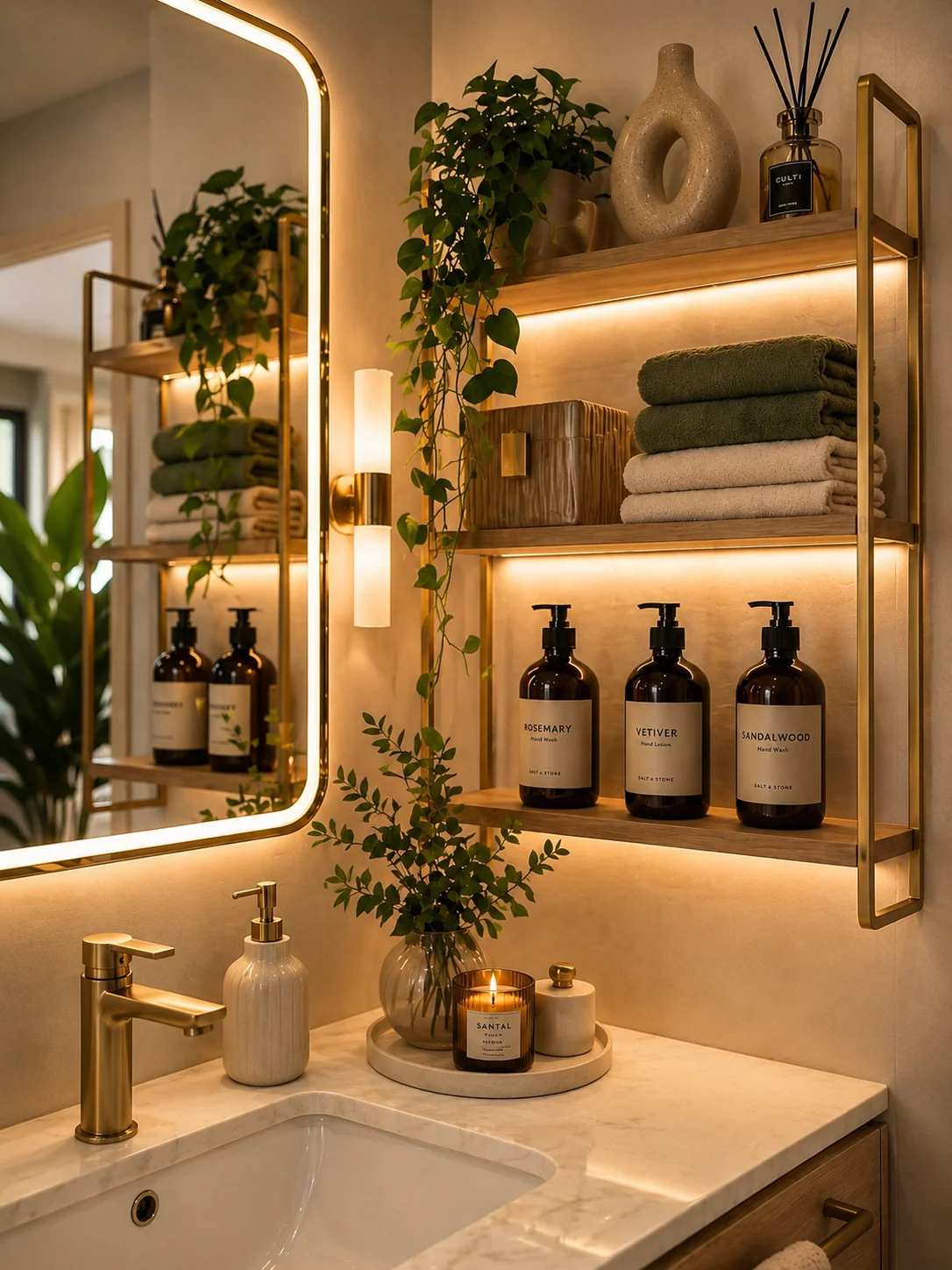
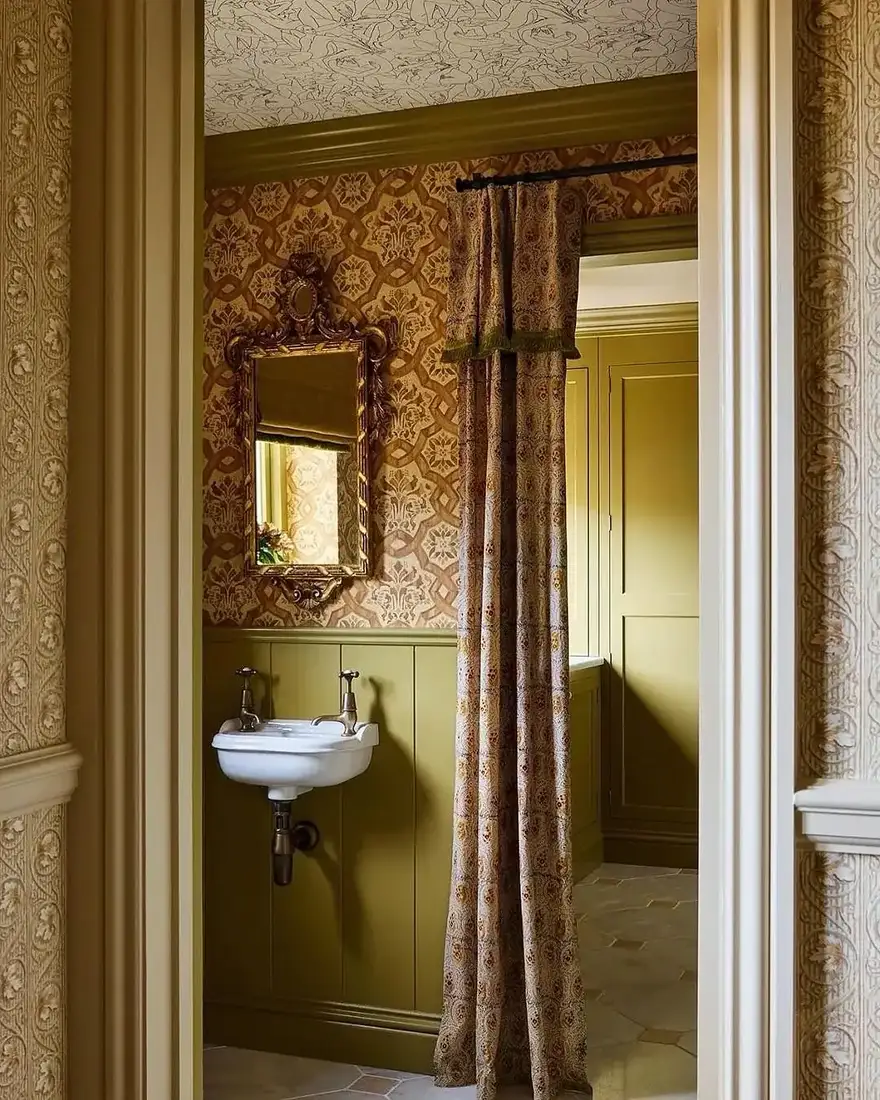
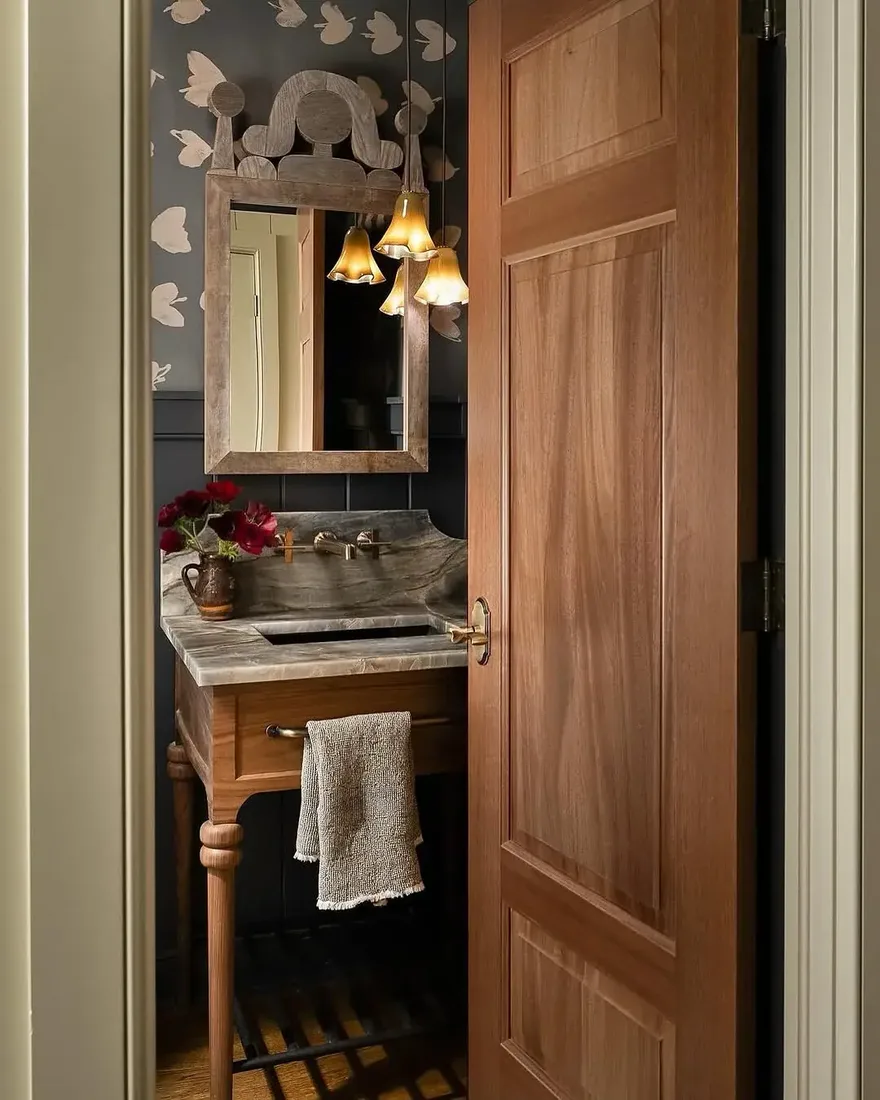
When tile leads, the vanity can be the warm, quiet piece that follows. A warm oak or walnut vanity against a calm tile field gives you the wood you wanted without competing with the tile. Keep the vanity to one warm wood and let the tap and handles echo that warmth in brass or aged bronze. That single warm echo ties the tile and vanity without adding a new colour for you. You keep that echo for you and you let the room settle for you.
Height and the line that lifts a small room
The last tile decision is where you stop.
Take tile to the ceiling to lift a small room
Take tile to the ceiling in a small room. Stopping partway cuts the wall with a horizontal line and makes the room feel lower, as if you ran out of tile. A full-height field lifts the eye and lets the vanity and mirror float against one continuous surface. When you keep that full-height field for you, you lift the eye for you and you let the vanity float for you. Keep that full-height tile quiet for you today here and let the vanity be the furniture that sits in front of it for you.
Keep the ceiling line clean where tile meets paint
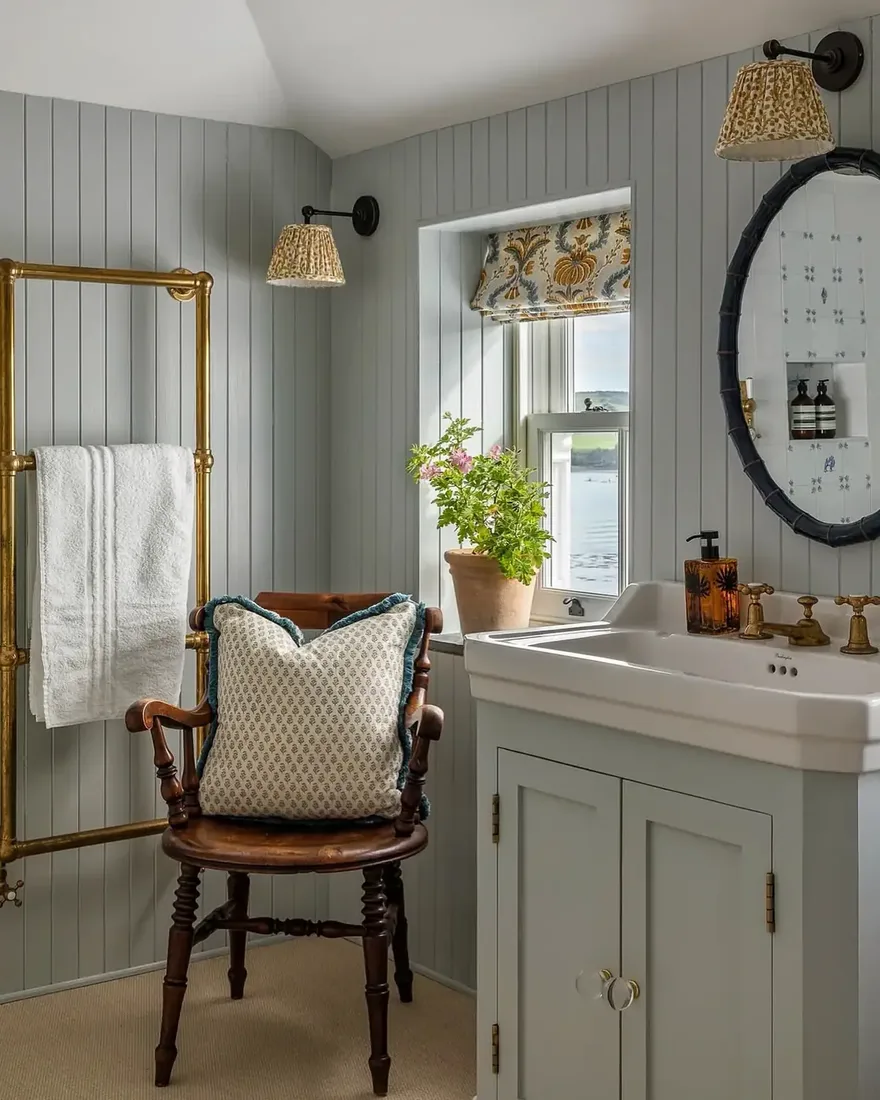
Where tile meets painted wall at the ceiling, keep the line straight and the paint quiet. A crisp, level edge lets the tile read as architecture. When that line wobbles or the paint competes with the tile, the whole wall feels unsettled. You see the room lift when the tile runs uninterrupted to the ceiling and the paint above it stays calm.
Tile and vanity choices that settle
| Choice | How it reads | When you use it |
|---|---|---|
| Tile first | Palette settles | Vanity and fittings fight tile |
| Larger, fewer tiles | Calm, fewer grout lines | Small room feels busy |
| Matching grout | One surface | You want calm |
| Contrasting grout | Pattern emphasised | You want layout as feature |
| Wider joint for zellige | Hand-made, calm | Tile varies in tone and size |
| Tile to ceiling | Height lifted | Stopping partway cuts wall |
The Small Bathroom Tile Formula
- Choose tile first. It covers most and is hardest to change.
- Keep tiles larger and fewer in small rooms. Fewer grout lines read calmer.
- Decide grout colour with the tile. Matching for surface, contrasting for pattern.
- Give zellige a wider joint. Variation needs room to sit.
- Take tile to the ceiling. In small rooms, a partway stop lowers the wall.
- Let the vanity follow. Warm wood that sits quietly against the tile field.
Hold those six and your tile and vanity will feel like one decision, not two that met late.
Frequently Asked Questions
Should I choose tile or vanity first?
Tile. It covers more surface than any vanity and is hardest to change later. When tile leads, the vanity can be a quiet companion.
What tile size suits a small bathroom?
Fewer, larger tiles. With fewer grout lines, the surface reads calmer and your eye travels.
How does grout colour change the look?
Matching grout makes a wall read as one surface. Contrasting grout emphasises each tile and turns the layout into the feature.
Do handmade zellige tiles need special grout?
They vary in tone and size by design and need a slightly wider, even joint. That room lets the variation sit calmly.
Should tile go to the ceiling in a small bathroom?
Yes. Stopping partway cuts the wall with a line and makes the room feel lower. A full-height field lifts the eye.
How do I keep tile and vanity from fighting?
Hold a full tile sample against the vanity timber in daylight. When they share warmth, the palette reads as one.
This article may contain affiliate links. We may earn a commission at no extra cost to you.