15 Brick Porches Built to Outlive Their Mortar

Add us as a preferred source to see more stories on Google.
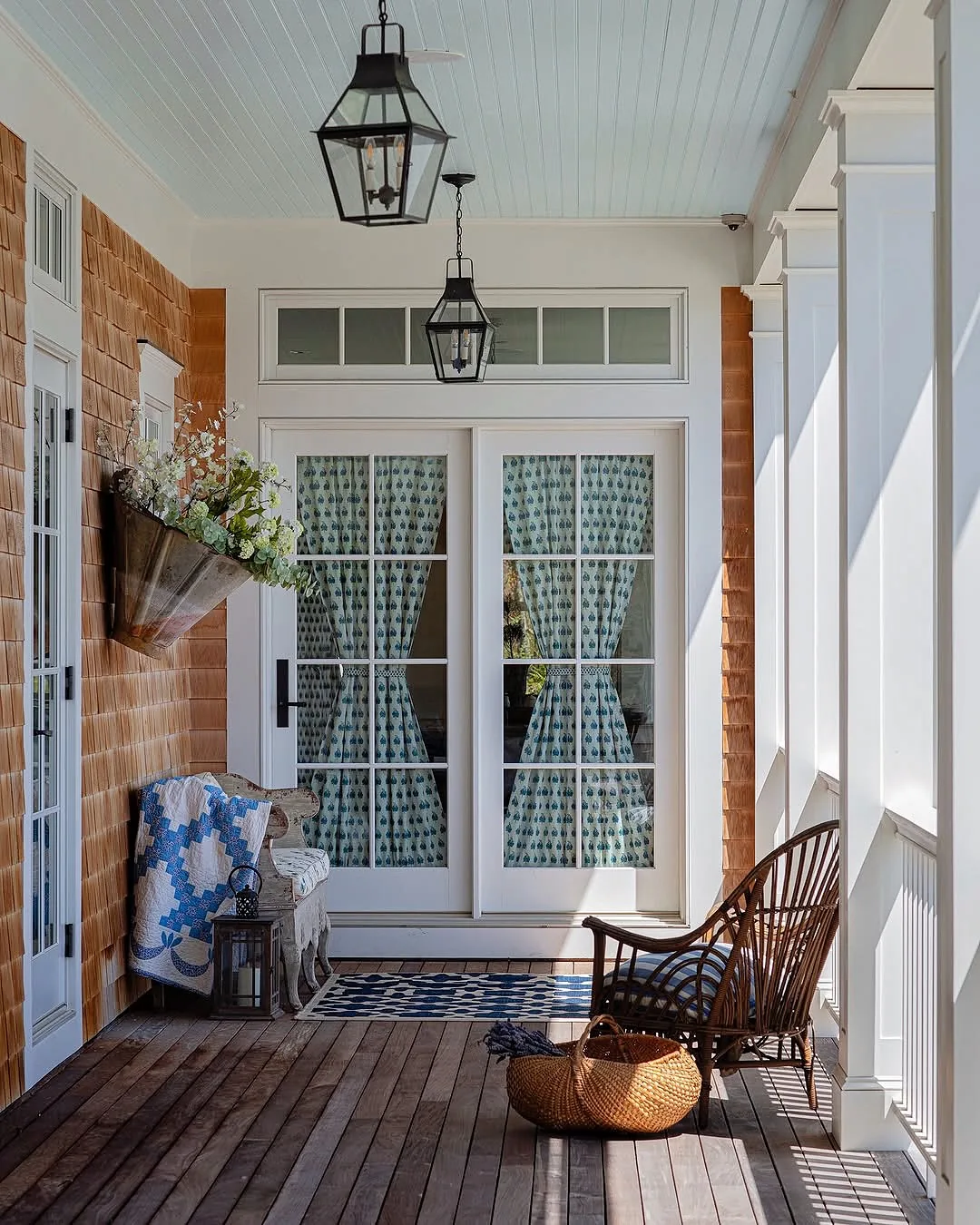
Brick looks permanent, so you treat it as maintenance-free. Then the faces pop off your steps, your mortar outlives the brick it was meant to protect, and your winter salt finishes what your trapped water started.
Nearly every brick porch failure is your water failure wearing a masonry costume. Your pattern, your color and your edging never killed a porch. Your standing water, hard mortar and salt did, patiently, over a few of your winters.
These brick front porch & steps ideas start underground and work up: drainage, mortar honesty, even risers, and only then the dressing. Get water moving and brick truly is forever.
Move water first
Brick survives anything except standing water. Four ideas keep it moving.
Watch one hard rain before planning anything
Theory ends where your first storm begins. During your next heavy rain, step under cover and watch your porch and steps: where sheets form, where puddles sit, where your wall meets your floor stays dark longest. An hour after your rain stops, whatever is still wet is your punch list.
You will photograph your wet patches, because your memory flatters drainage. Your low corners, the seam at your house wall, and your bottom step collect first. Every later decision in this article aims at what your photos show. Diagnosis before decoration, always, since repointing a puddle’s favorite corner without fixing your puddle buys membership in the repaint-every-three-years club.

Slope every surface away from the house
Your porch floors and step treads should shed water outward, not invite it toward your wall. Even a slight fall outward moves your storms along, while your dead-level floor holds a film that freeze-thaw levers into cracks. Your house wall is the worst place for water to linger, since it soaks both your masonry and timber sills.
You will check your fall with a long level and your rain photos together. Ponding near your wall wants regrading or a discreet channel drain before any cosmetic work. Your steps shed best with treads pitched barely forward, invisible to your foot and obvious to your water. Gravity is your free labor. Aim it correctly once and it works every storm.
Roof the porch or accept the weathering
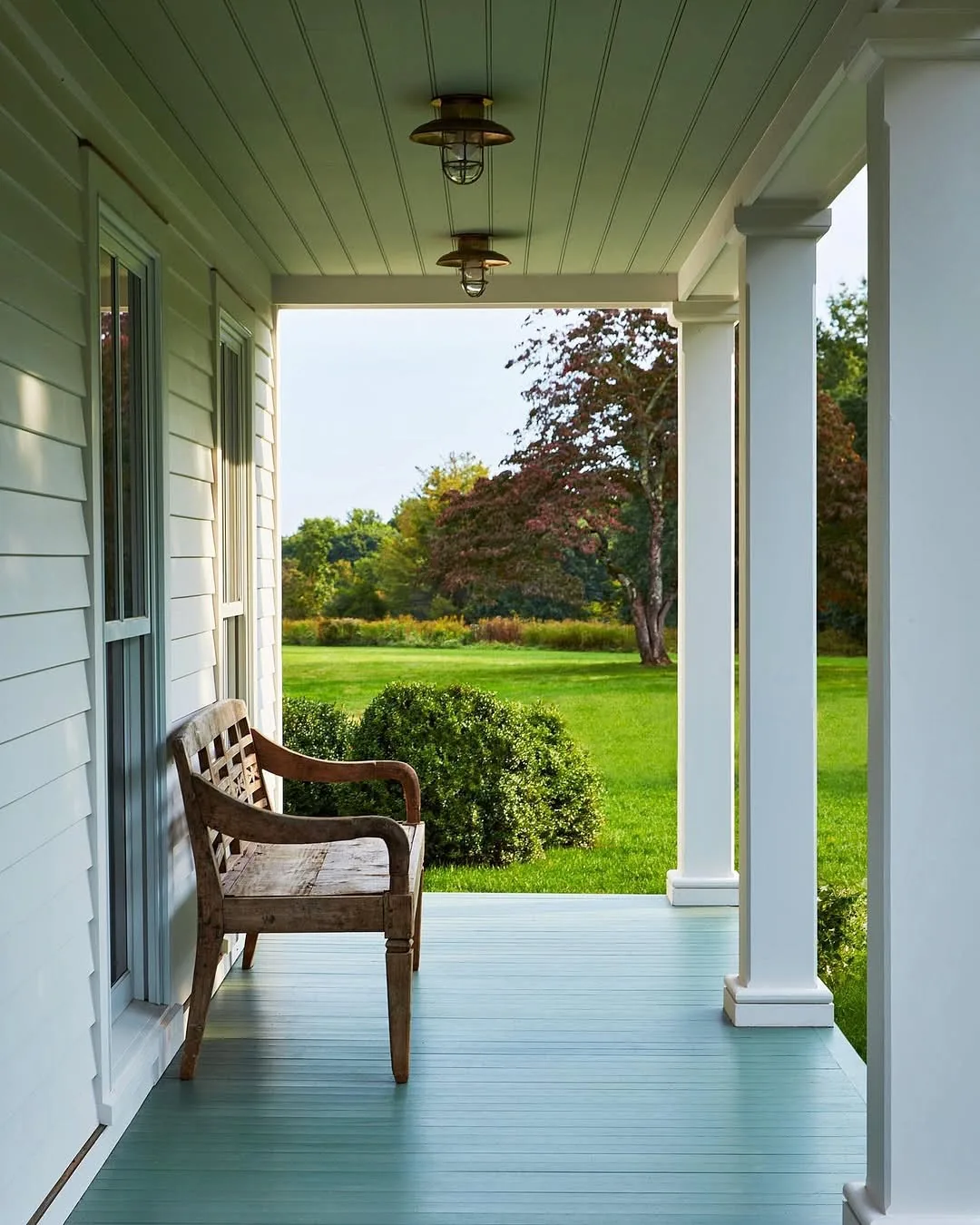
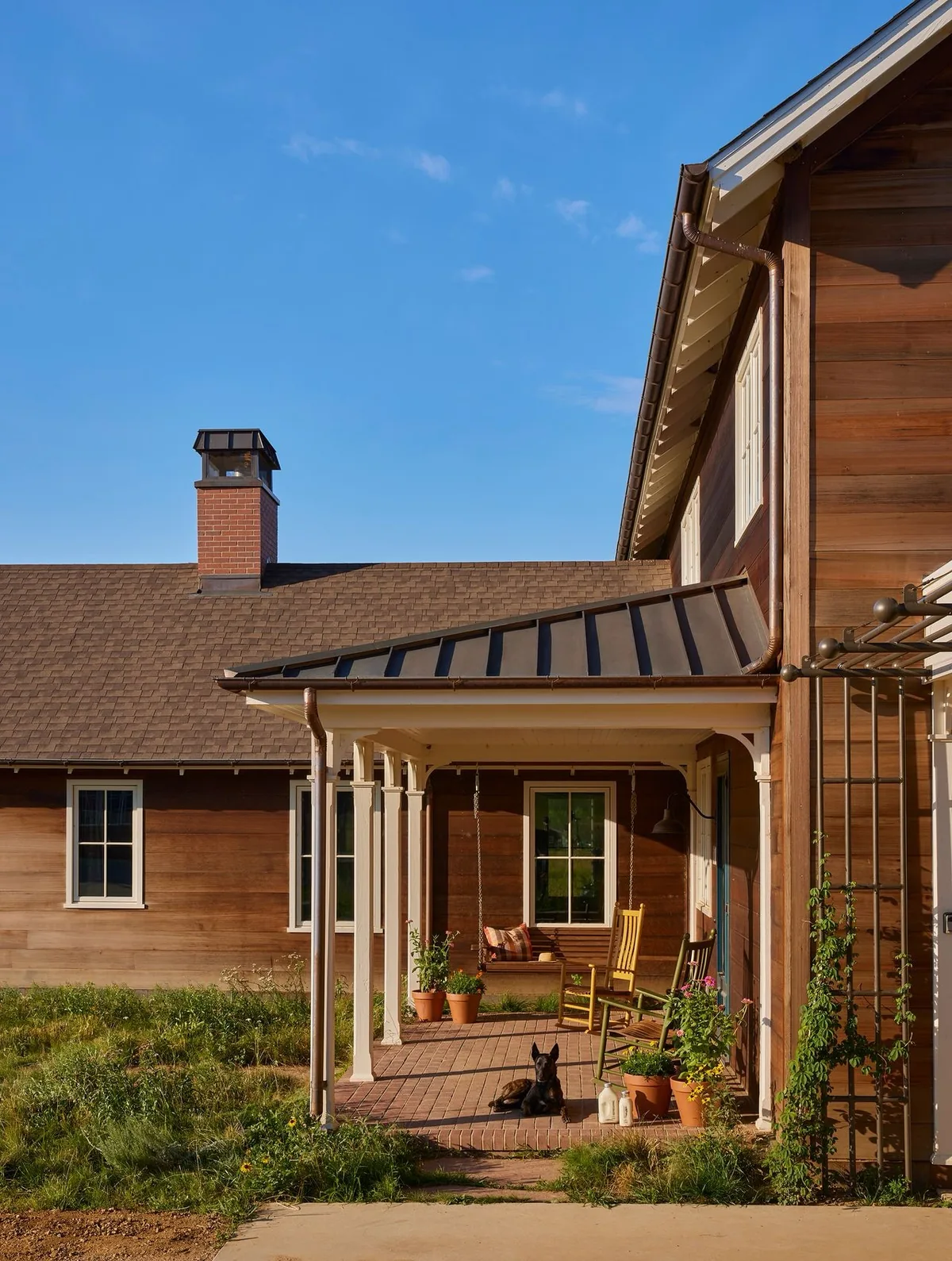
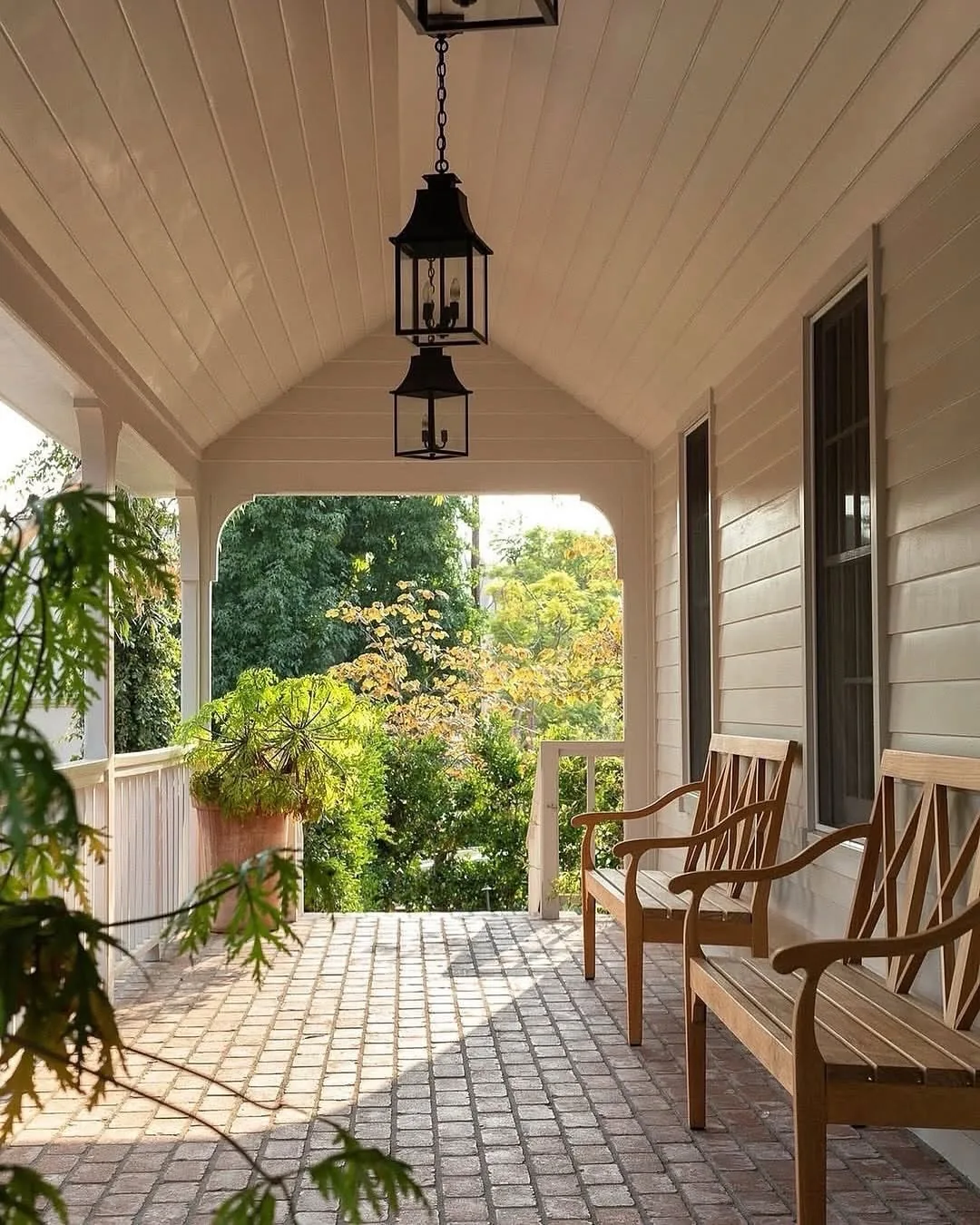
Covered brick porches age gracefully for a simple reason: your roof breaks the storm before it lands. Your open brick steps take the full sky, every freeze cycle and every salted boot, which is why your steps fail decades before your sheltered floors of the same brick. Your exposure is a lifespan multiplier.
You will either extend real cover, a porch roof or a generous portico, or detail open steps for the harder life: denser pavers, raked joints, breathable sealer. Do not detail open steps like a sheltered floor and hope. For the cover question itself, the roof-first logic in our colonial house exterior ideas applies directly. Shelter is the cheapest masonry preservative ever sold.

Keep joints back, never proud
Proud mortar joints that bulge past the brick face catch water and hold it against the unit. Raked or flush joints shed storms cleanly and age into soft shadow lines. The joint profile is a tiny detail with an outsized say in how wet your wall stays after rain.
You will specify raked joints on any repointing or new work, and cut back existing proud joints while you are at it. The visual difference is subtle. The drainage difference is not. Water that cannot perch cannot penetrate, and joints are where most penetration begins. Small profile, large consequence, one decision at quoting time.
Mortar honesty
Mortar should be softer than the brick it holds. Three ideas keep that promise.
Repoint old brick with lime, never hard cement
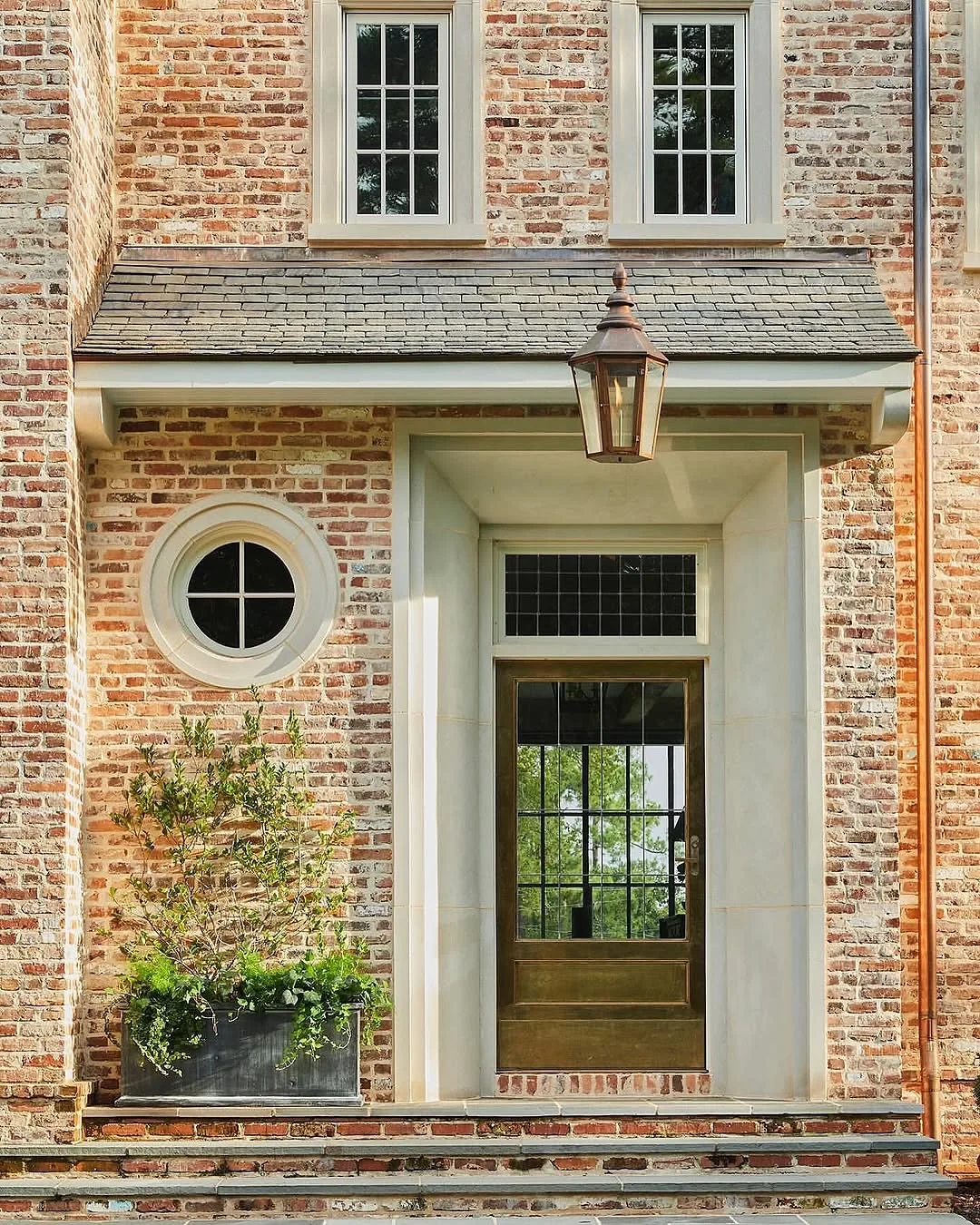
Houses built before about 1930 were laid in lime mortar that flexes and breathes. Smearing modern cement over it creates joints harder than the brick, so trapped moisture escapes through the brick faces instead of the joints. That escape route has a name, spalling, which is when the brick face flakes and pops off.
You will match your old mortar with lime-based mixes and hire masons who say the word lime without prompting. Your test question at quoting time is simple: ask what they bed your historic brick in. Cement-first answers disqualify. Your soft joints sacrifice themselves to save your brick, which is exactly their job. Your hard joints sacrifice your brick to save themselves.
Read spalling as a water confession
Flaking faces, salt blooms and crumbling units are not your brick disease. They are your wall testifying about your water: where it enters, where it sits, how it freezes. Treating your spalled units without fixing your moisture is makeup on a fever, and your next winter collects its fee again.
You will trace every spalled patch uphill to its water source before replacing a single unit. Your failed flashing, splashback from your hard patio, a gutter pouring onto one corner: your cause is always nearby and almost always cheap to fix. Replace your damaged units only after your water path is corrected. Your brick tells the truth about water. Believe it the first time.

Salt the boots, never the steps
De-icing salts chew brick faces and mortar joints through repeated crystallization inside the pores. One harsh winter of heavy salting can age steps five years, and the damage concentrates exactly where feet land. Sand gives traction without chemistry, and it sweeps away in spring.
You will switch to sand or grit for traction and save salts for the asphalt, if anywhere. Where ice truly threatens, calcium-based products damage masonry less than rock salt, but less is doing a lot of work in that sentence. Lay the sand before the storm, not after the fall. Your steps will outlive your neighbor’s by a decade on this one habit alone.

Treat reclaimed brick as thirsty, not tough
Salvaged pavers bring unmatched character and unmatched porosity. A century of firing variation means some units drink water eagerly, and those are the ones that spall first on exposed steps. Character and vulnerability arrive in the same pallet.
You will lay reclaimed units in sheltered floors where possible and choose denser modern pavers for open treads that take weather head-on. Where reclaimed must face the sky, a breathable penetrating sealer slows absorption without trapping vapor. Never film-form a sealer over old brick, since trapped moisture then has nowhere to go but out through the face. Breathe in, breathe out, always.

Steps that forgive
Porch steps cause more falls than any other stair in the house. Three ideas make them kind.
Hold every riser equal or rebuild
Feet memorize the first step and trust the rest to match. A single riser taller or shorter than its siblings trips people in daylight who would manage a far steeper but even stair. Settling, added patio layers and thick overlays create these traps gradually, which is why old steps grow dangerous politely.
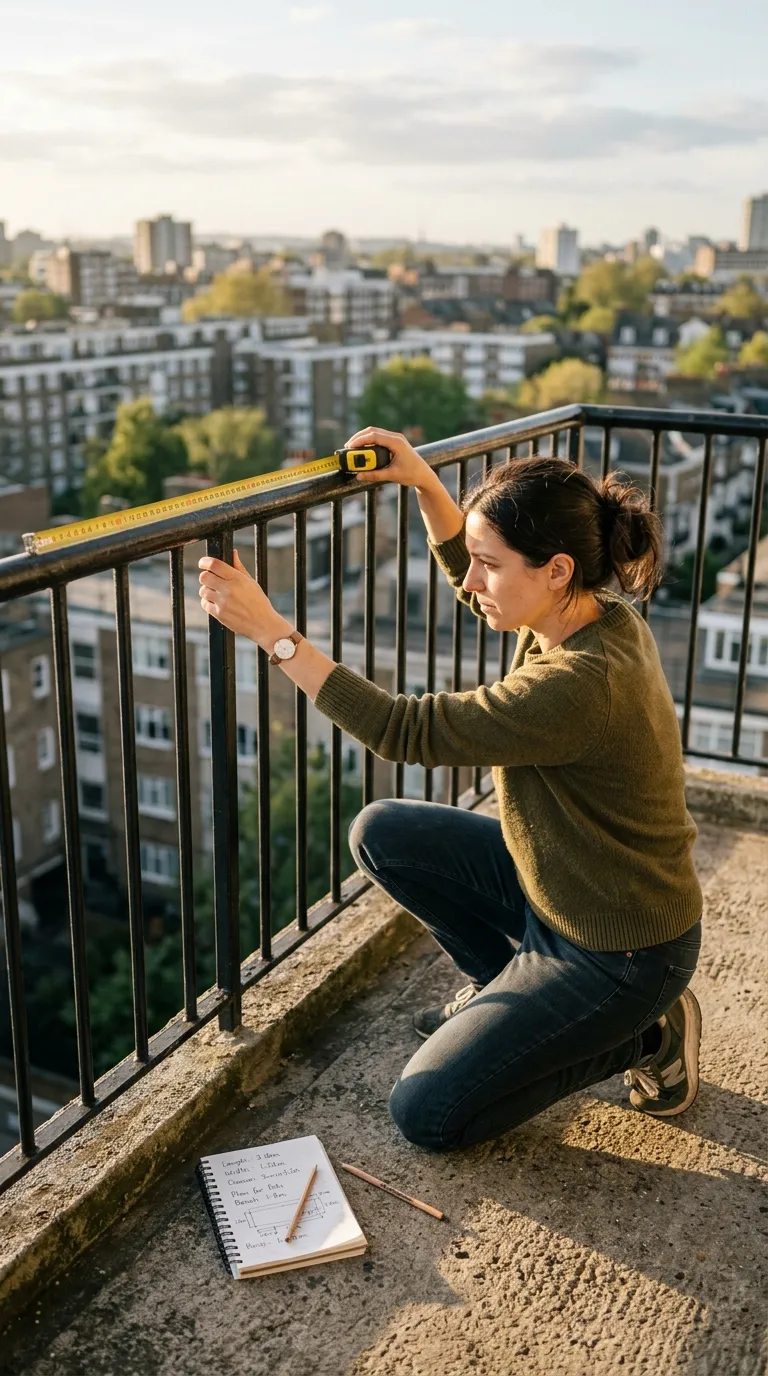
You will measure every riser and correct outliers, even if it means rebuilding a step that looks fine. Consistency beats gentleness: even risers of any reasonable height walk safely. While you measure, check tread depth too, since shallow treads plus tall risers compound. Feet forgive steep. They never forgive surprise.
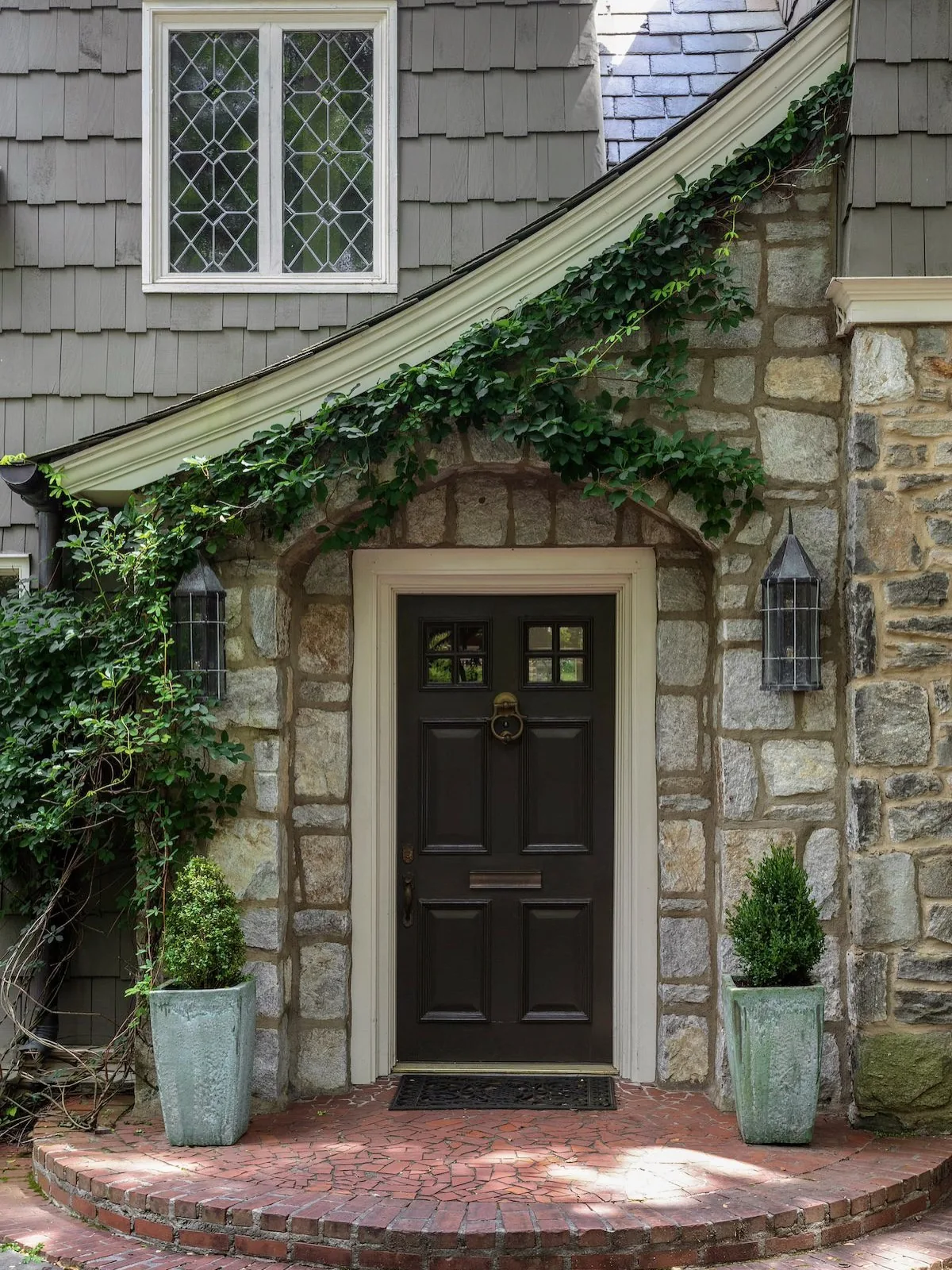
Nose each tread with light and edge
Step edges disappear after dark, in rain, and for aging eyes at noon. A defined nosing, a slightly protruding edge with a lighter tone or a strip of light, marks each tread boundary where feet need the information. Most porch falls happen on the last step, where the ground arrives unexpectedly.
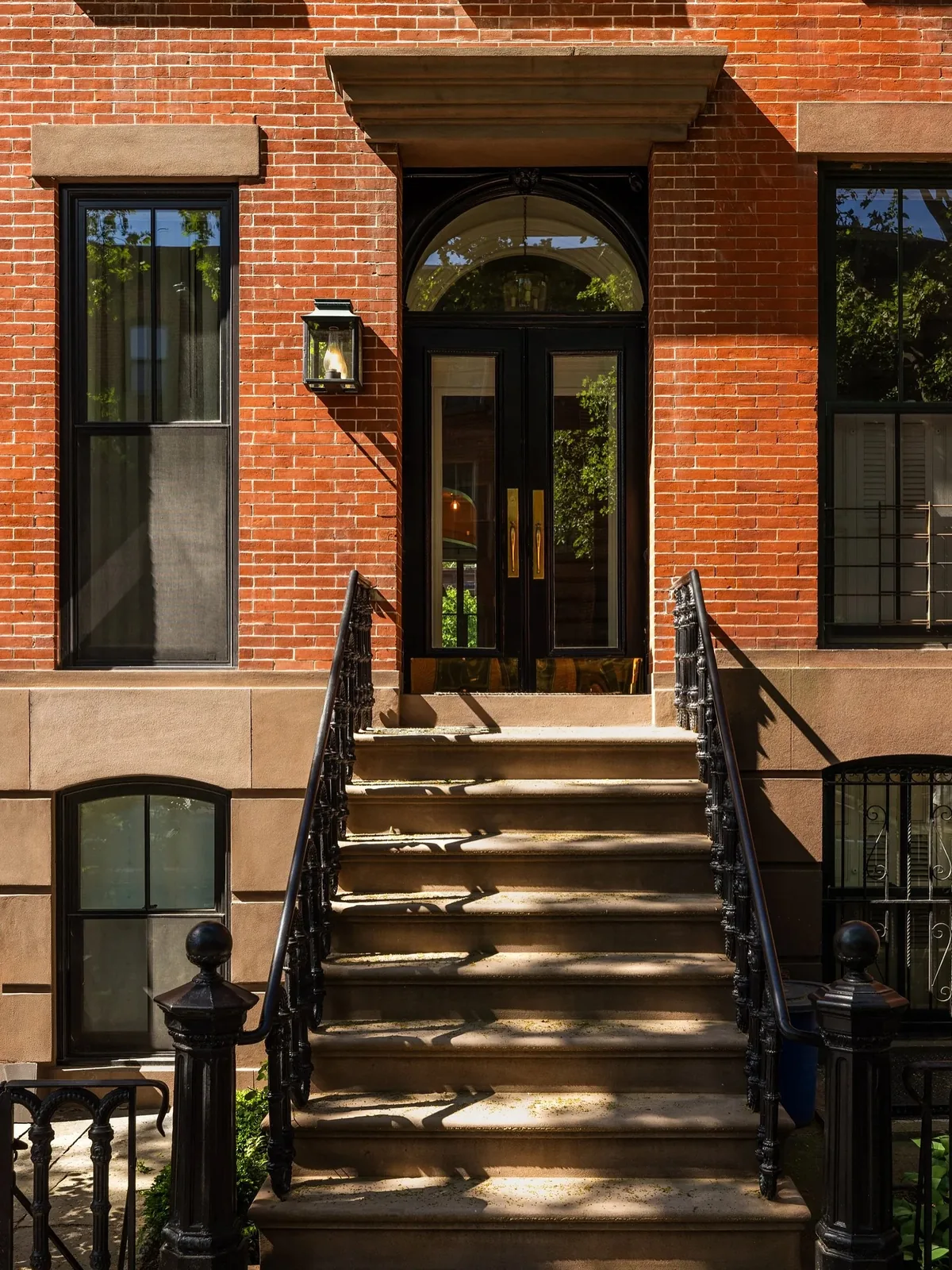
You will edge open steps with contrasting rowlock brick or stone nosings and add low lighting that grazes across treads rather than blinding down them. Solar caps help, wired step lights transform. The goal is a staircase readable at midnight in rain. If your grandmother could navigate it half asleep, you built it right.
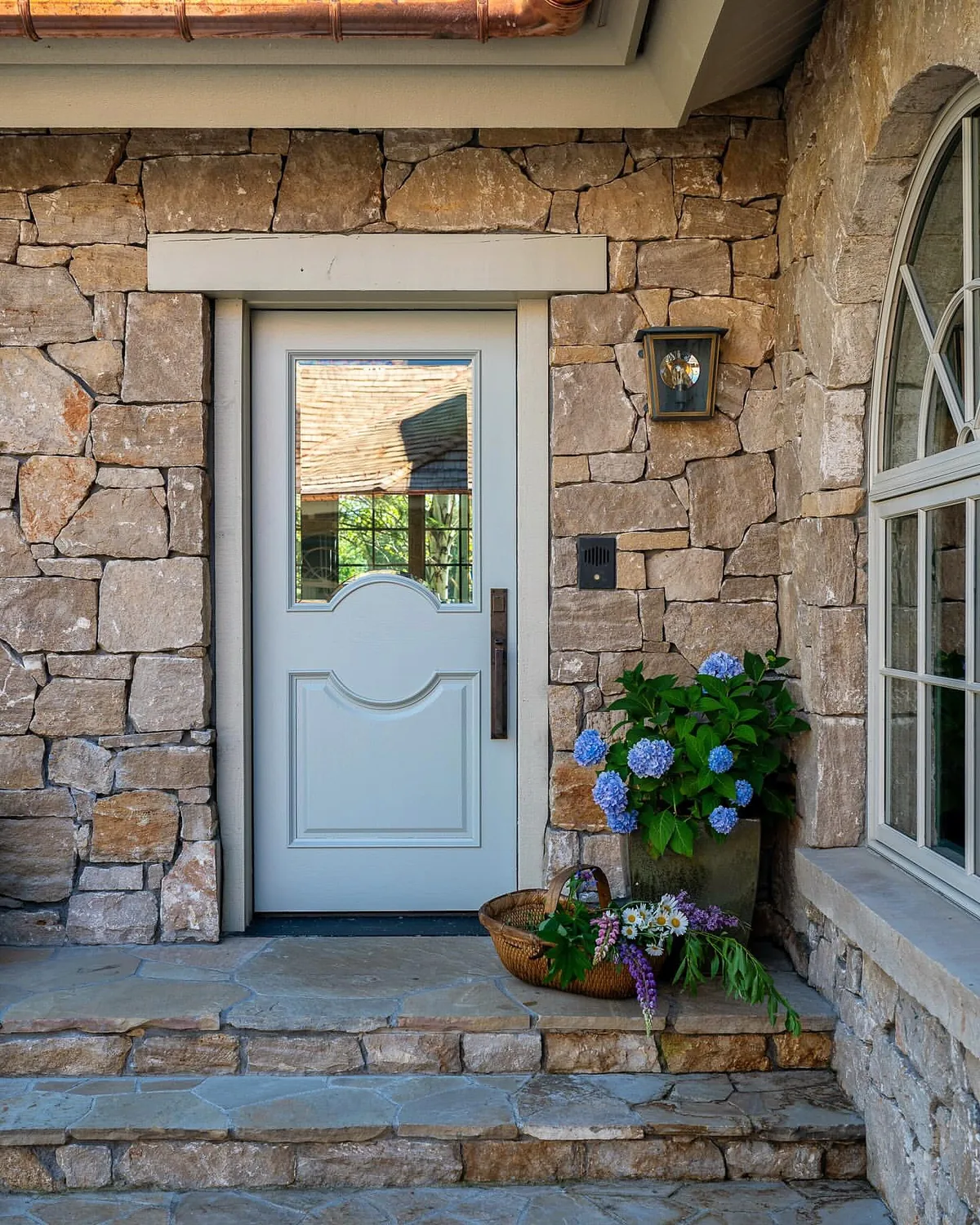
Rail the steps your pride says you don’t need
Three steps feel too few for a rail until someone carries a toddler, a casserole and an umbrella down them in February. Codes draw their lines in various places, but bodies draw theirs at balance, grip and confidence. A rail is used most by the people you love most.
You will fit a rail that matches the porch language, iron with iron, timber with timber, and anchor it into masonry properly rather than surface-gluing. Both sides beat one wherever width allows. Nobody ever regretted a handsome rail. Plenty have regretted its absence at the worst possible moment.

Dress brick without harm
Brick welcomes dressing that breathes. Four ideas decorate safely.
Treat paint as close to permanent
Painting brick is easy to start and punishing to reverse, since stripping risks the faces and the paint changes how the wall breathes. Some painted brick looks superb for decades. Much of it peels within years because moisture got behind a film it could not cross. The decision deserves a season of thought, not a weekend of enthusiasm.
You will read the full permanence case in our brick house exterior ideas before opening a tin, since walls and porches share the same physics. If you paint, use mineral-based coatings that let vapor through and never trap moisture behind acrylic films. Reversible choices first, permanent ones last, always in that order.
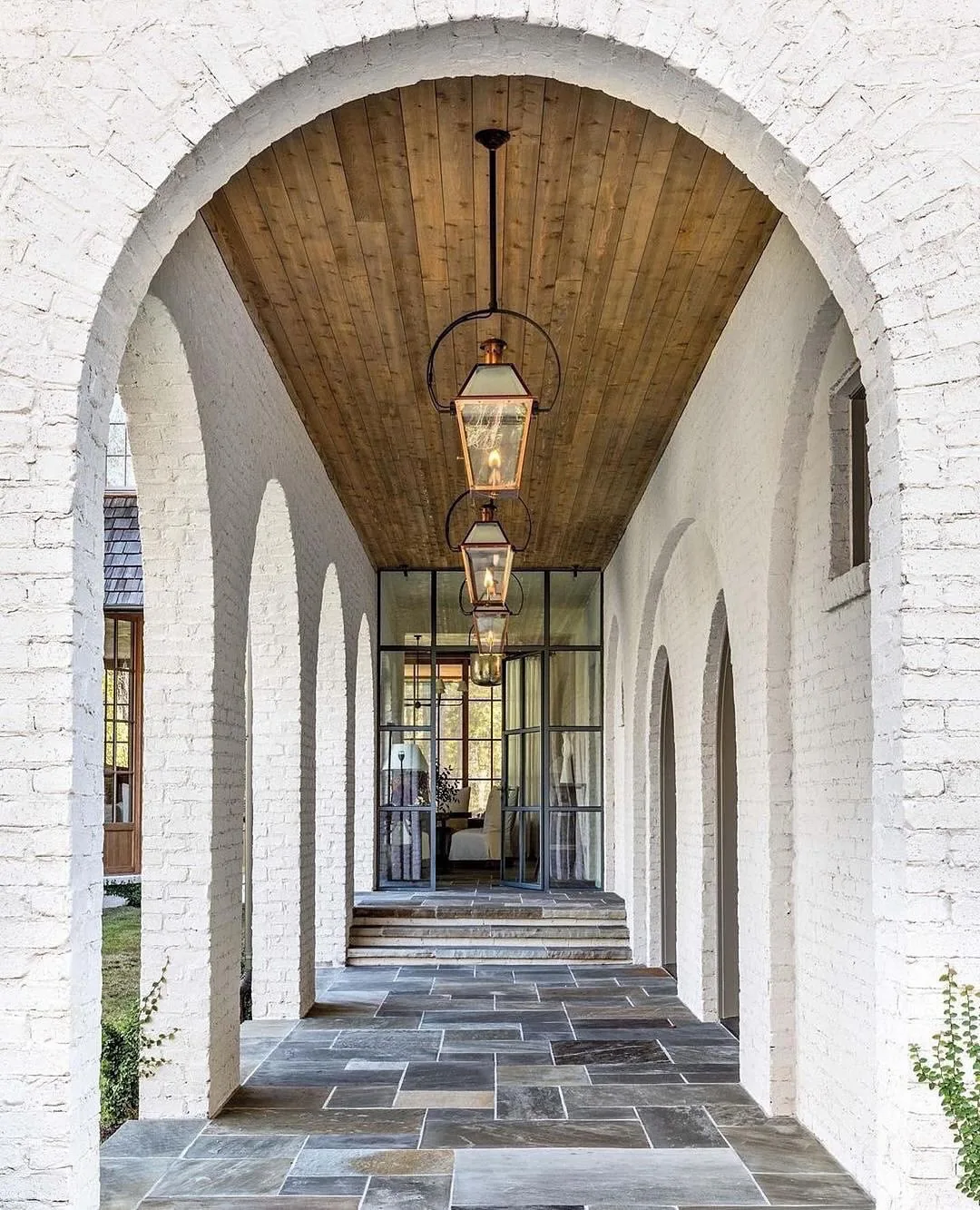
Lift rugs and mats off the brick regularly
Doormats and outdoor rugs trap moisture against the floor exactly where feet already grind grit into it. The brick beneath stays damp days longer than exposed areas, and the pattern of damage eventually outlines every rug you ever owned. Shade plus cover plus rug is the full recipe.
You will choose open-weave mats that drain, shift them weekly, and let the brick breathe between. In damp seasons, store decorative rugs entirely and keep one washable runner for function. The floor you paid for deserves sunlight and air between guests. Bare brick dries. Covered brick stews.
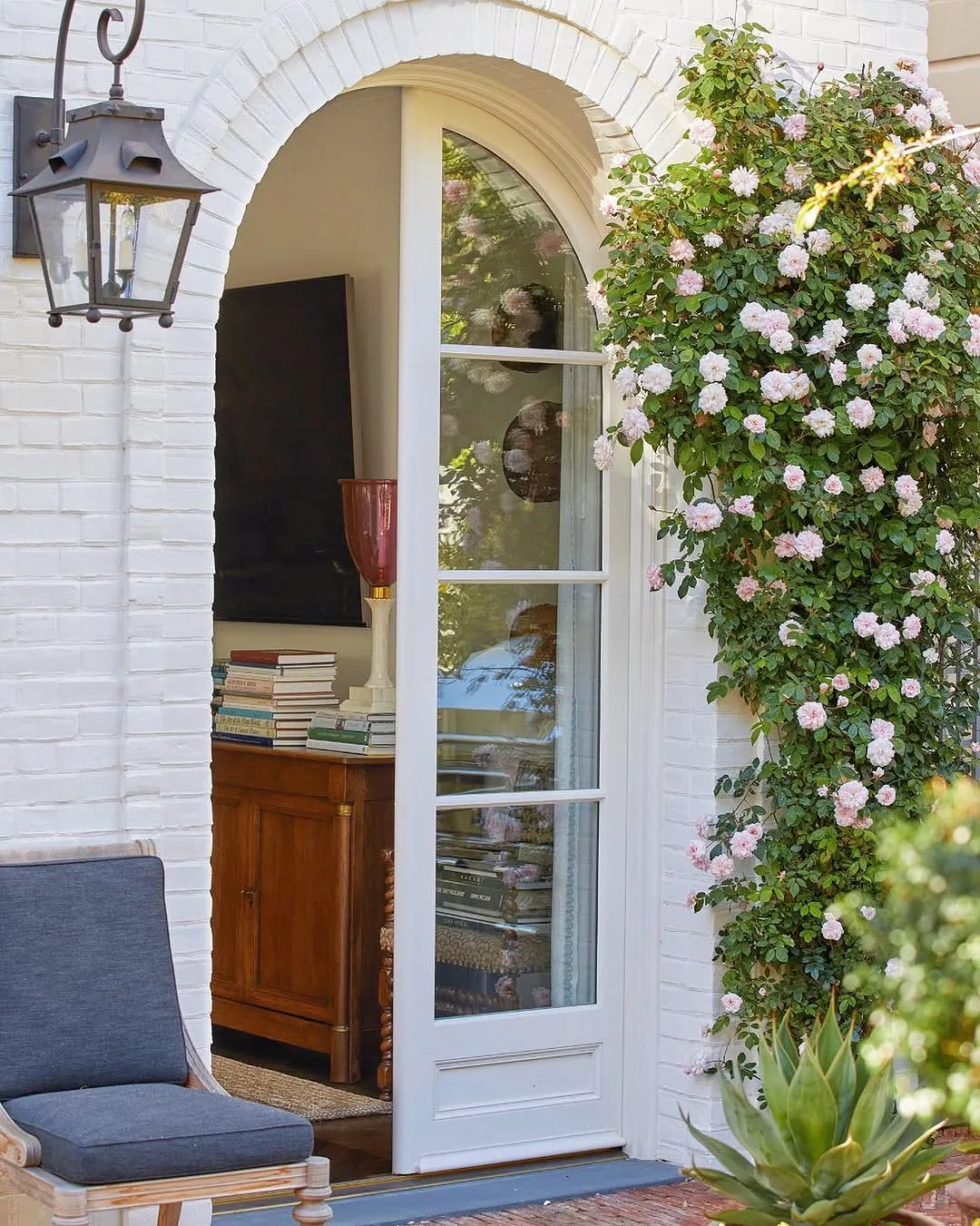
Train vines on wire, never into joints
Climbing plants root into mortar joints and lever them apart over seasons, while holding damp against the wall behind a pretty curtain. The romance is real and so is the repointing bill. Freestanding trellises and wire systems give you the green without the grip.
You will hold all growth clear of the masonry on its own support, pruned annually away from gutters and flashing. Roses on a wire arch frame entries beautifully with zero wall contact. Ivy on the wall itself is a slow demolition wearing leaves. Admire your neighbor’s ivy. Trellis your own.

Seal breathable, or don’t seal at all
Penetrating sealers that line the pores slow absorption while letting vapor escape, and they suit exposed steps well. Film-forming sealers that coat the surface trap moisture rising from below, trading a glossy season for spalled faces later. The label rarely confesses which kind it is, so you must ask.
You will choose silane-based penetrating products for horizontal brick, applied to dry masonry in mild weather, and skip sealing sheltered floors entirely since they never needed it. When in doubt, leave brick unsealed and spend the money on drainage. Water kept off beats water coated over, every time, on every porch.
Brick porch decisions at a glance
| Decision | What works | Why it works | What fails |
|---|---|---|---|
| Slope | Fall away from the wall everywhere | Gravity drains every storm free | Dead-level floors ponding at the sill |
| Mortar on old brick | Lime-based, softer than units | Joints sacrifice themselves, brick survives | Hard cement forcing moisture through faces |
| Winter care | Sand for traction | Grip without chemistry | Rock salt crystallizing inside pores |
| Dressing | Mineral paint, lifted rugs, trellised vines | Everything breathes | Films, trapped mats, roots in joints |
| Sealer | Penetrating, on exposed steps only | Slows entry, allows escape | Glossy films over rising damp |
The Brick Porch Formula
Brick keeps its six promises when you keep yours:
- Watch one storm first. Wet patches an hour after rain are the whole punch list.
- Fall away from the house. Floors and treads shed outward, never toward the sill.
- Lime for old, cement for new. Mortar stays softer than the brick it holds.
- Sand, never salt. Traction without chemistry adds a decade to treads.
- Even risers, lit nosings. Feet forgive steep but never forgive surprise.
- Breathe everything. Paint, rugs, vines and sealers all let vapor through or stay off.
Honor those and your brick outlives the mortgage. For the walls above the porch floor, our brick house exterior ideas settle the paint question permanently.
Frequently Asked Questions
Why are my brick steps crumbling?
Almost always trapped water freezing inside the units, often worsened by hard cement mortar or de-icing salts. Fix the drainage and the salt habit first, then replace damaged units, or the new ones inherit the same fate.
Can I use cement mortar on old brick?
You should not. Cement is harder than historic brick, so moisture escapes through the faces instead of the joints, causing spalling. Match old work with lime-based mortar mixed for the purpose.
Should I seal my brick porch?
Exposed steps benefit from breathable penetrating sealers, while sheltered floors rarely need any. Avoid film-forming coatings that trap moisture. Drainage improvements beat sealers in every comparison.
Does rock salt damage brick steps?
Yes, through salt crystallization inside the pores, which flakes faces and joints over a few winters. Sand gives traction without damage. Restrict any de-icer use and rinse in spring.
Can I paint my brick porch floor?
You can, but treat it as near-permanent and use breathable mineral coatings, since trapped moisture lifts films fast underfoot. Unpainted brick with good drainage outlasts most painted floors with less care.
How do I stop vines damaging brick?
Grow them on freestanding trellises or wire systems held clear of the wall. Roots exploit mortar joints and foliage holds damp against the face. Prune yearly and never let growth reach gutters.
This article may contain affiliate links. We may earn a commission at no extra cost to you.