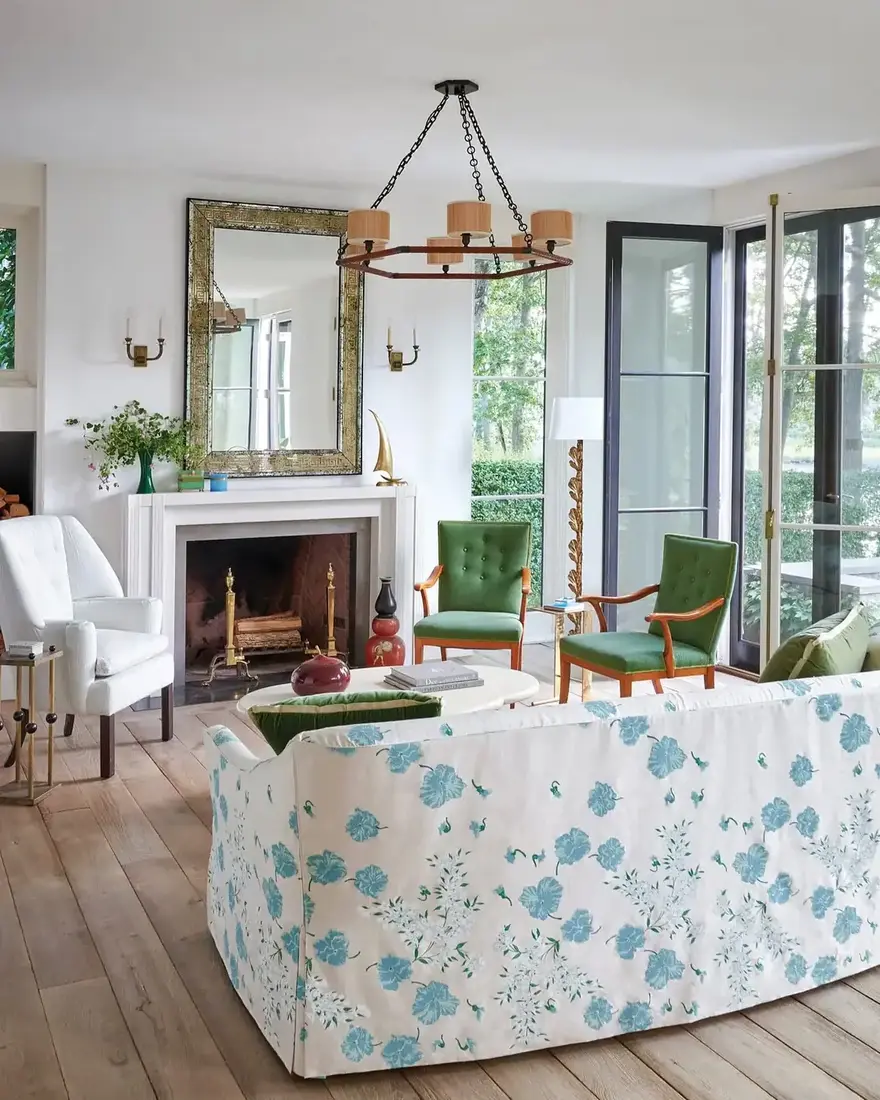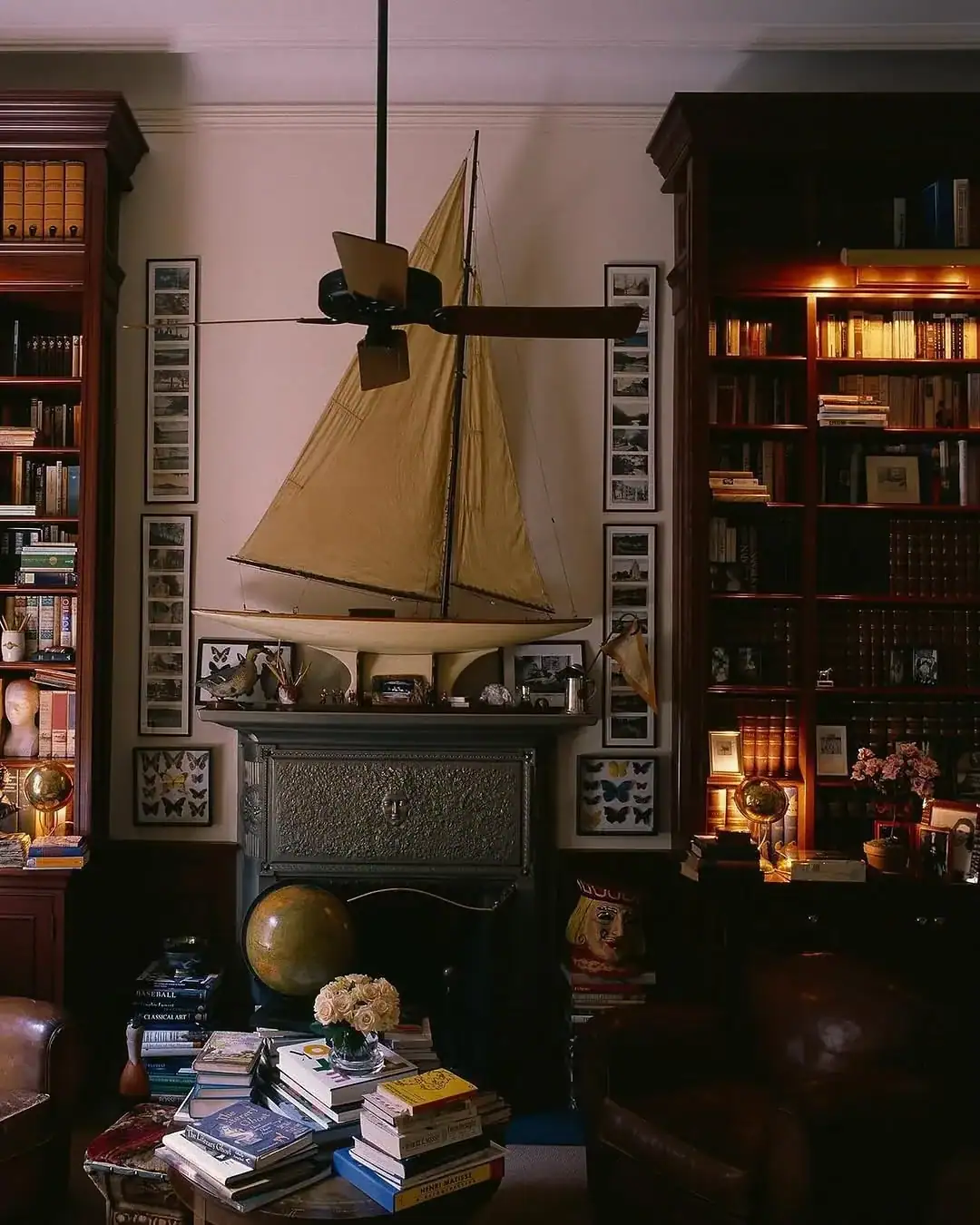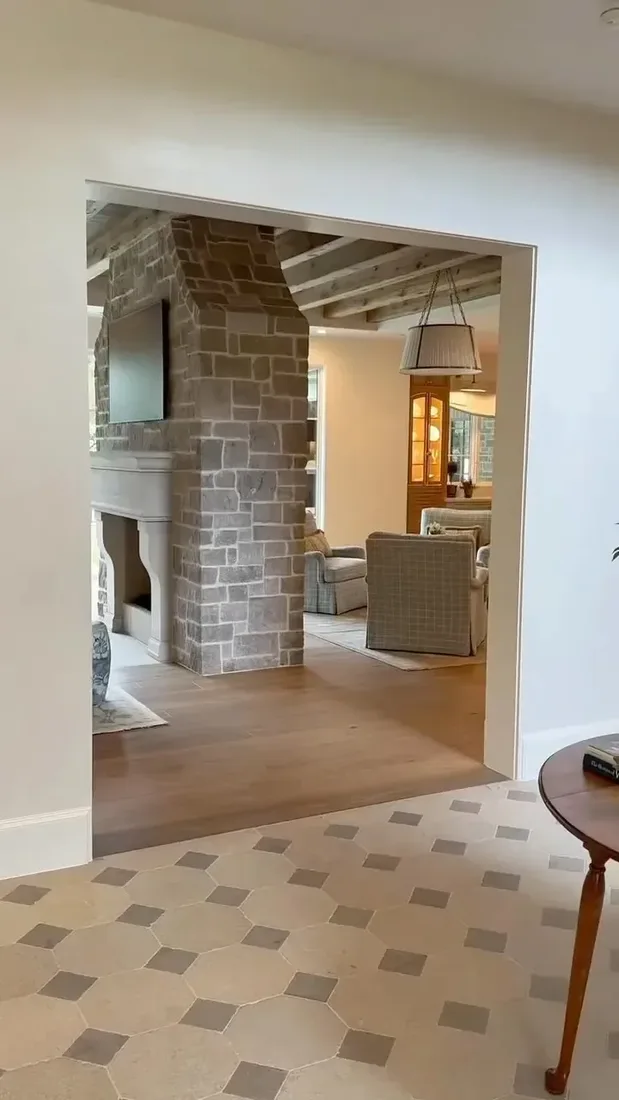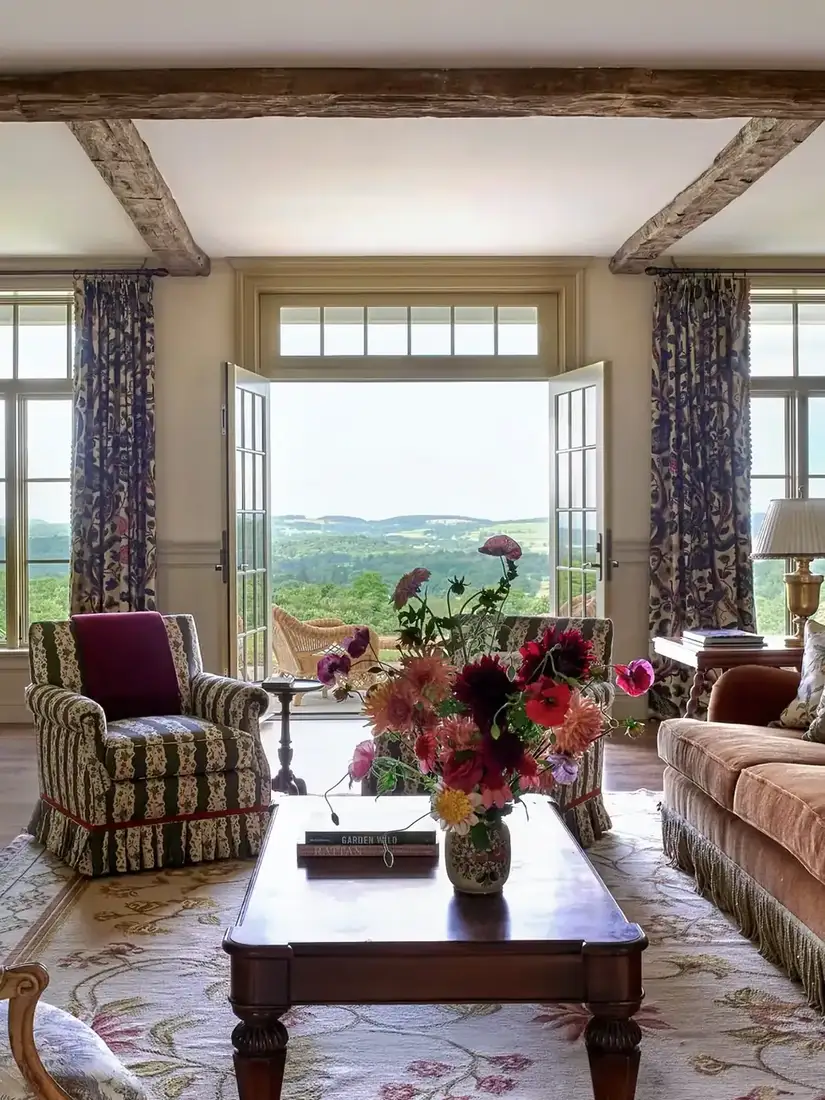
Is Your Blue Living Room Cold or Just Unfinished?

Add us as a preferred source to see more stories on Google.
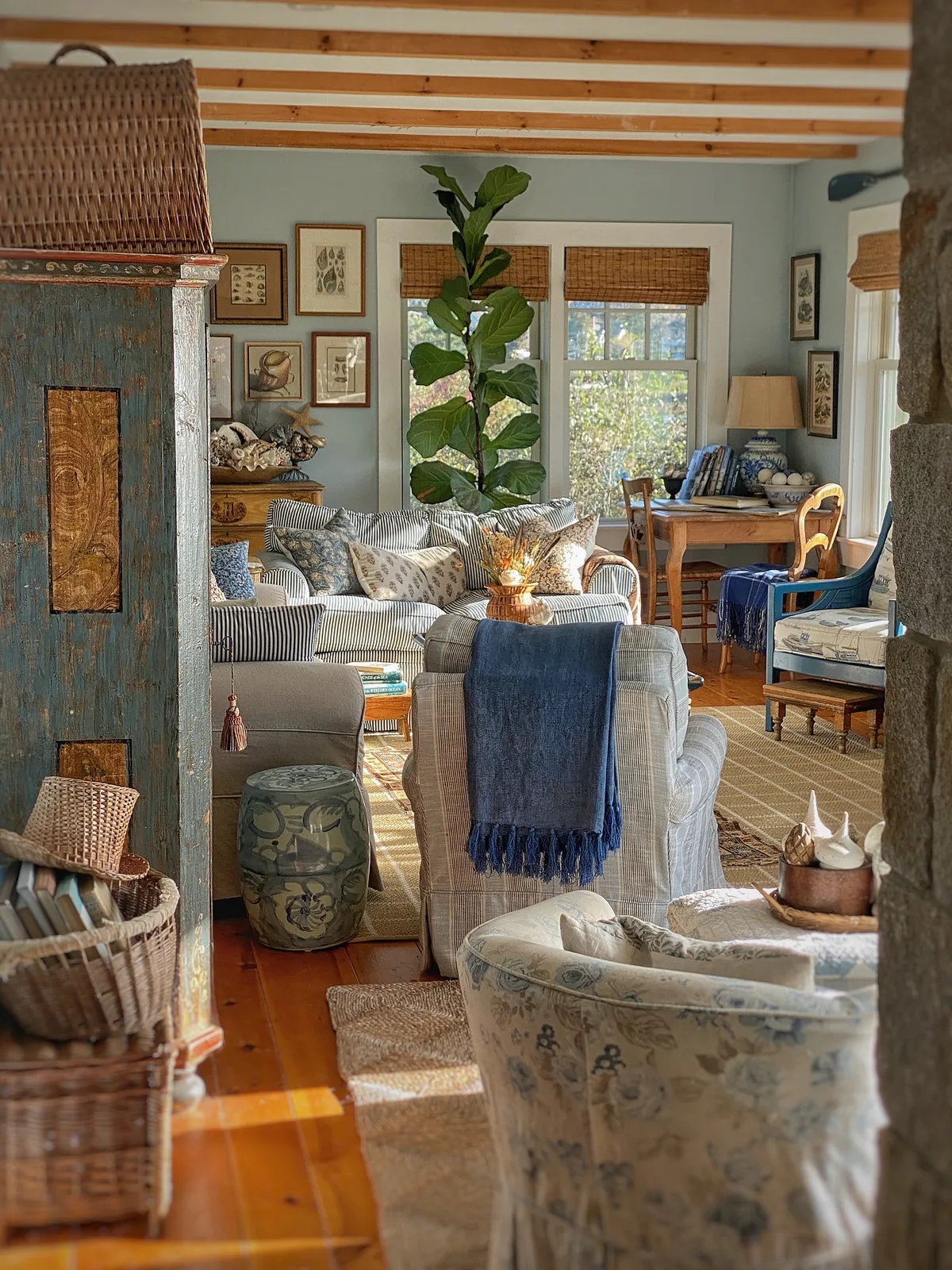
Your blue swatch looked coastal in the store. On a north-facing wall in February it reads as a refrigerator interior.
Blue isn’t warm or cold by itself. Your window orientation, your bulbs and your wood decide that, and they decide before you ever open the paint tin.
Get the warmth right first and these blue living room ideas give you the calmest room in the house. Skip it and no shade of navy saves you.
Read your light before your chip
You’ll audit orientation the way gardeners audit sun. Two ideas prevent the refrigerator effect.
Face north honestly before you paint navy
North-facing rooms receive cool, indirect light all day, which drags every blue toward grey-green chill. You’ll admit your orientation before choosing depth: south rooms take moody navy beautifully, while north rooms want mid-tone blues with warmth built in. The same tin paints two different rooms depending on the window.
You’ll test with a large sample board moved around the room through one full day. Morning, noon and lamplight each tell a different truth. You’ll favor blues with warm undertones, green-leaning rather than violet, since violet casts go icy fastest. If the evening version depresses you, the color fails no matter how it sings at noon. Orientation first, chip second, and February stops surprising you.
Hold to one blue depth, not three
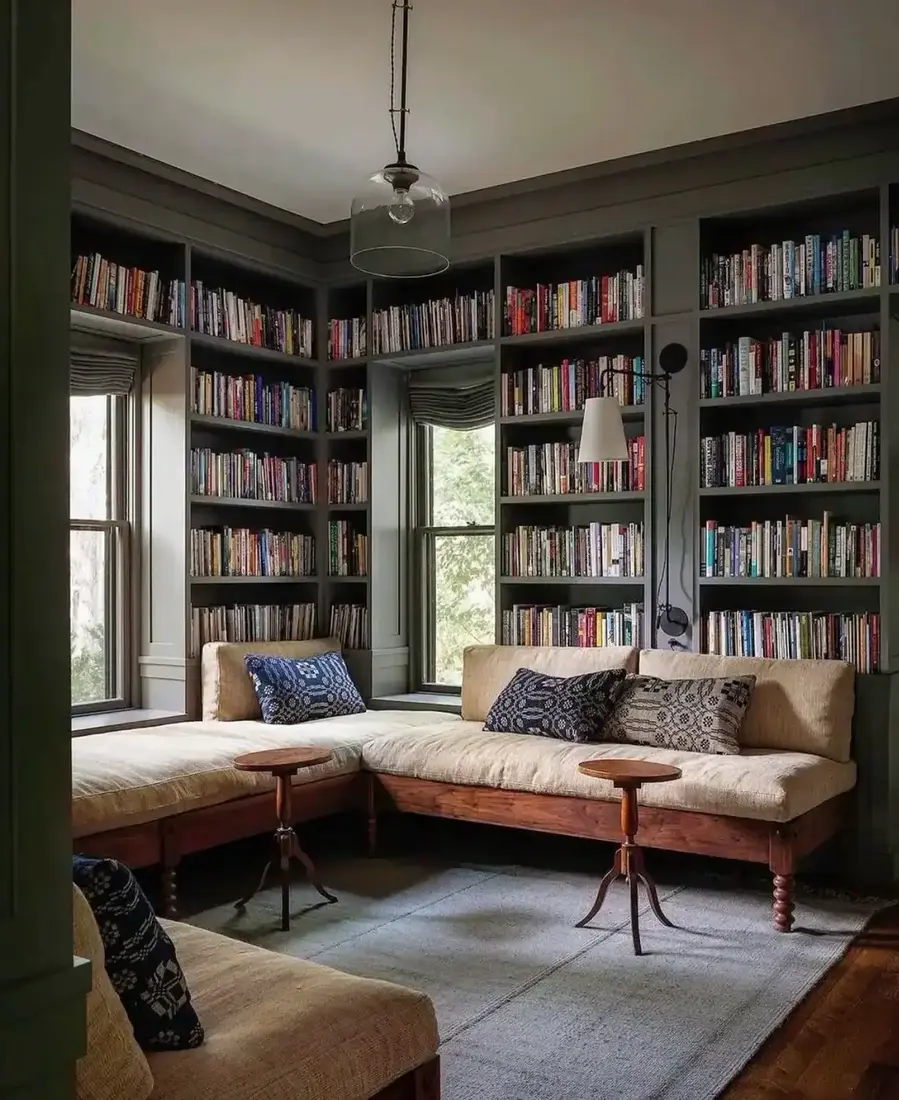
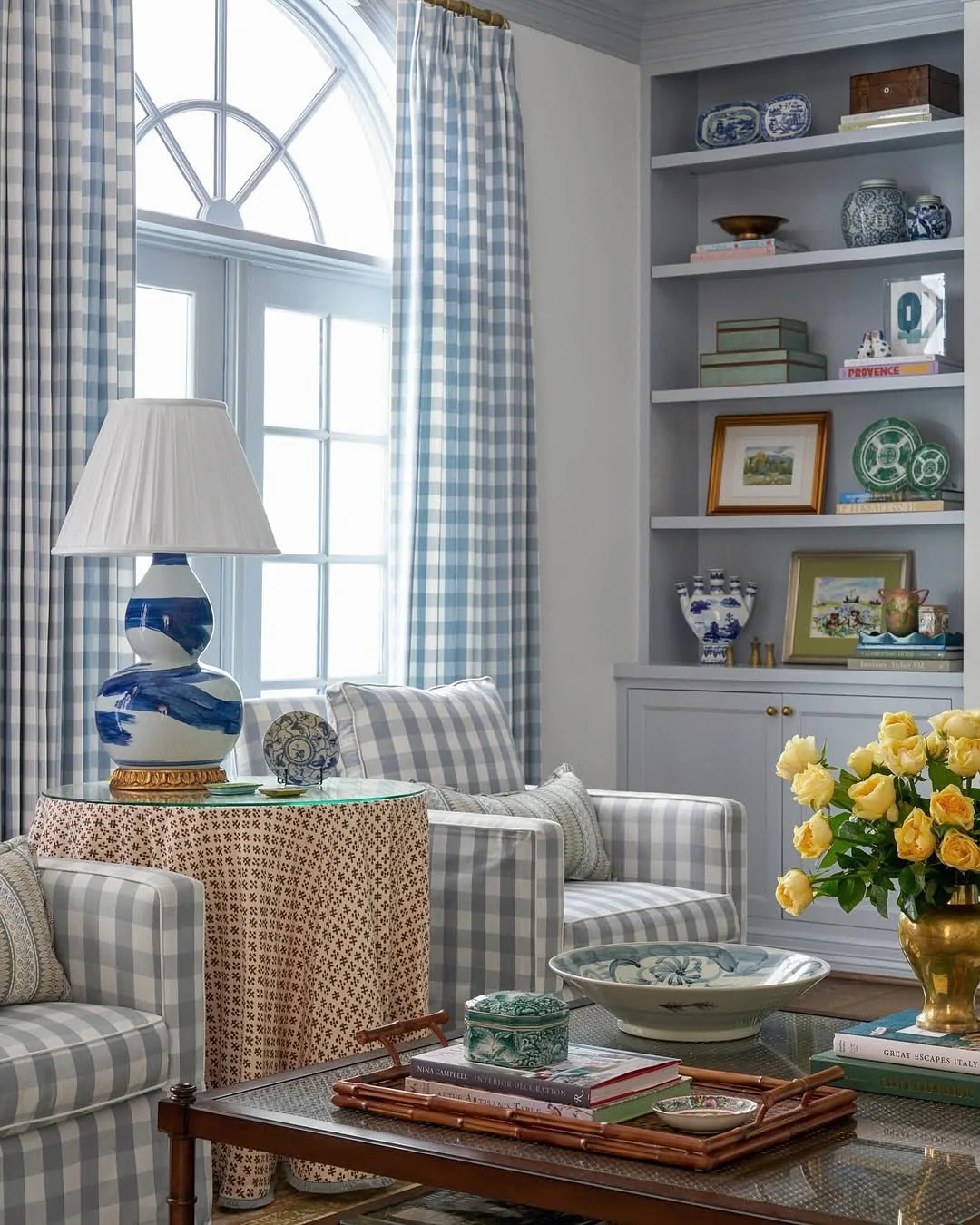
Three competing navies, sofa, walls and curtains each slightly off, read as a mistake rather than a scheme. You’ll pick one blue depth to lead and let everything else support in neutrals, whites and wood. Restraint is what makes blue look expensive instead of busy.
You’ll test companions against your lead blue in the room’s actual light. Cream, oat, warm white and natural timber all flatter blue without competing. You’ll photograph the room to check, since cameras flatten depth and reveal whether blues relate. If the photo shows three strangers, you’ll edit down to family. A second blue earns its place only as a small accent, a cushion or a vase. When one blue rules, the room calms. When three argue, even guests feel the tension.
Warm everything blue touches
Blue takes all its comfort secondhand. Two ideas supply the warmth.
Answer blue with wood and brass
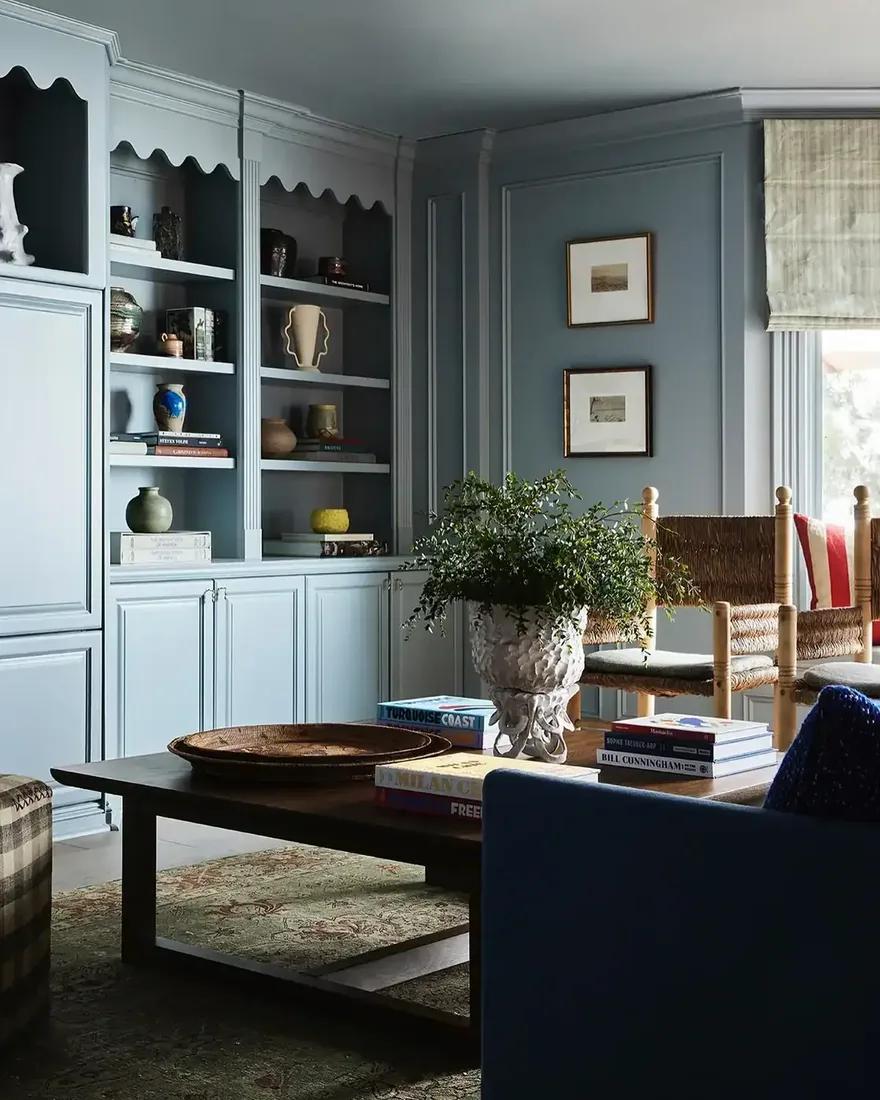
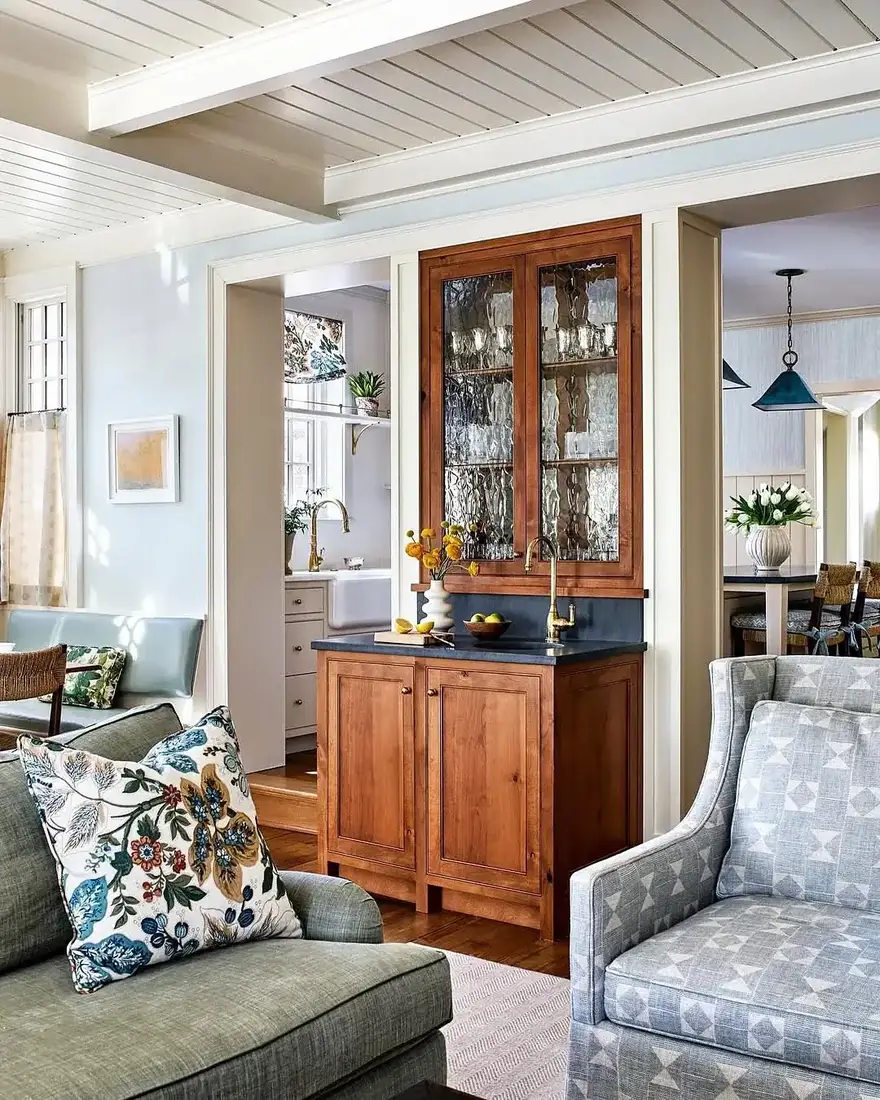
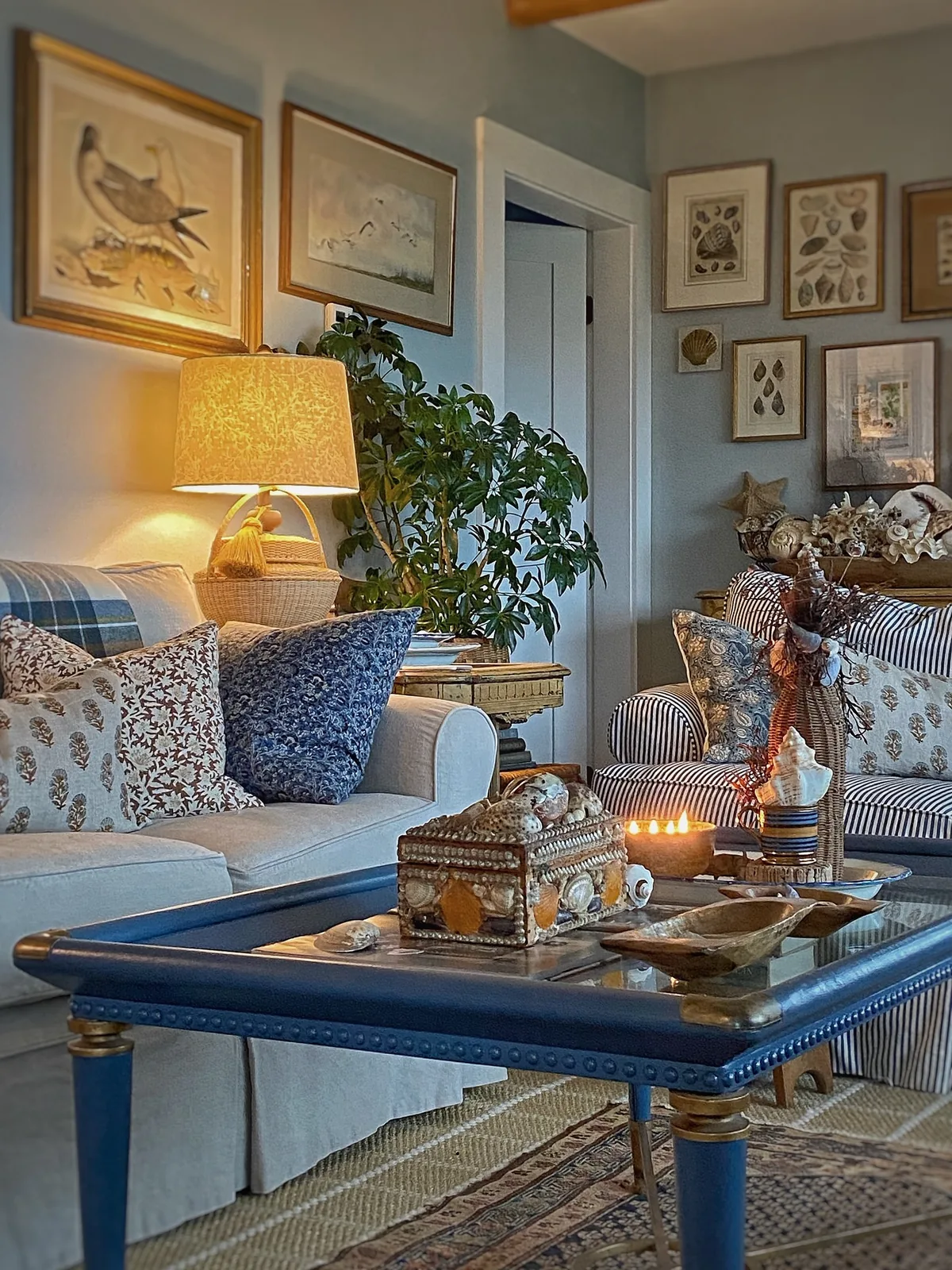
Cool walls demand warm furniture or the room chills. You’ll bring in honey oak, walnut or warm pine against blue walls, plus brass lamps and frames that throw golden reflections. Wood and brass do the thermal work paint can’t, and they photograph beautifully against navy.
You’ll avoid grey-washed floors and chrome with blue, since cool plus cool reads clinical. For rooms where warmth is the entire brief, our cozy living room ideas guide layers texture over these same principles. If your floors run grey, you’ll warm upward with an oatmeal rug and timber coffee table. When every blue surface sits near something warm, you’ll feel the room exhale. Contrast of temperature beats contrast of color here.
Light blue rooms warmer than white ones
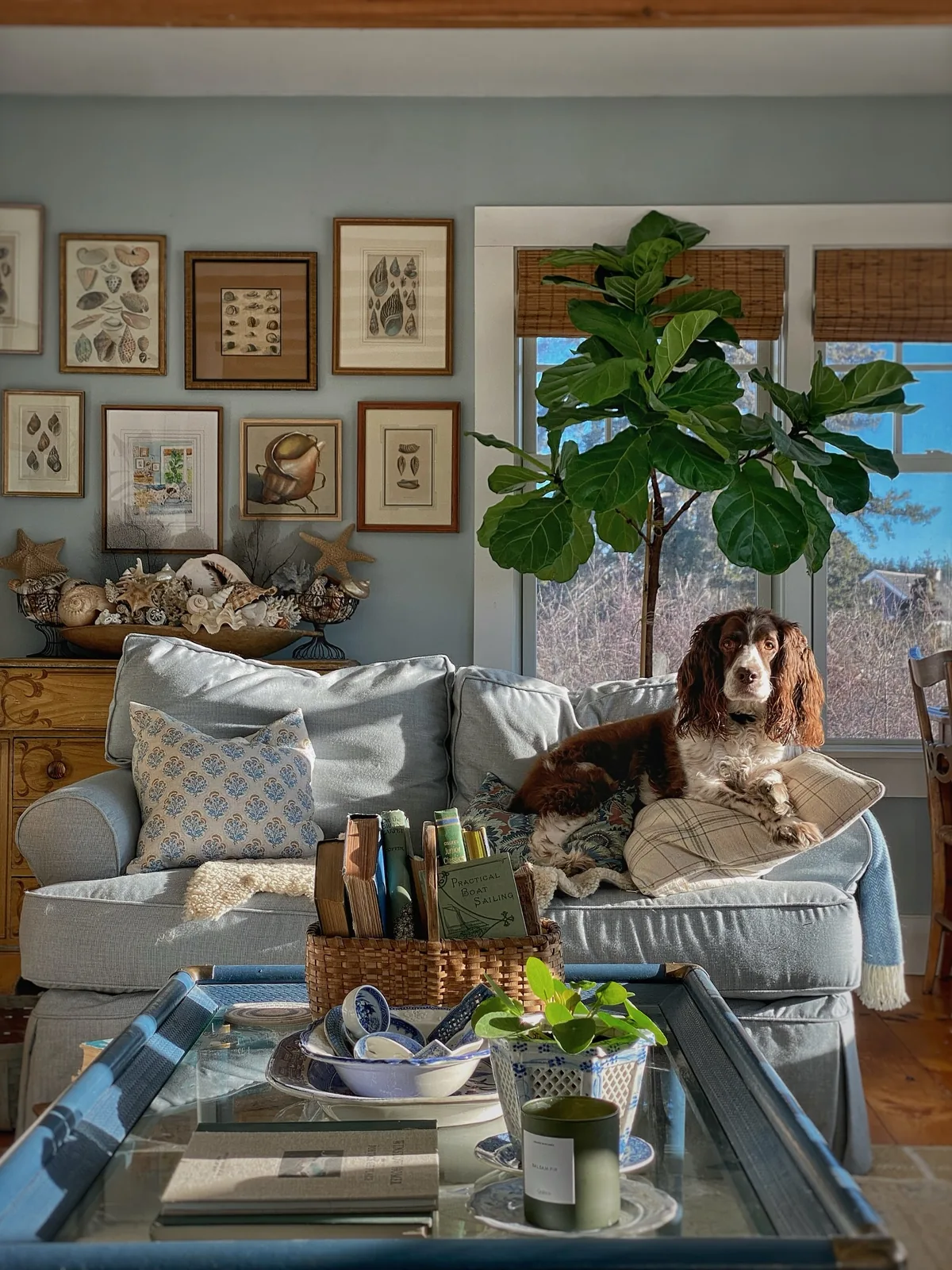
Blue walls drink light instead of bouncing it. You’ll add more lamps than a white room needs and warm every bulb to 2700K or below, because cool bulbs turn navy inky and flat. Three warm sources minimum: overhead dimmed low, table lamps at seating height, one glow washing the blue wall itself.
You’ll put the wall-washing light on first when testing. A navy wall lit warmly reveals depth and movement you never suspected. You’ll test bulbs at night, not noon, because daylight flatters everything and lies about evenings. Buy one bulb of each temperature and live with both a week. The same wall under cool overheads goes dead. Since blue needs light most after dark, you’ll design the evening scheme before the daytime one. Lamps are the heating system of a blue room.
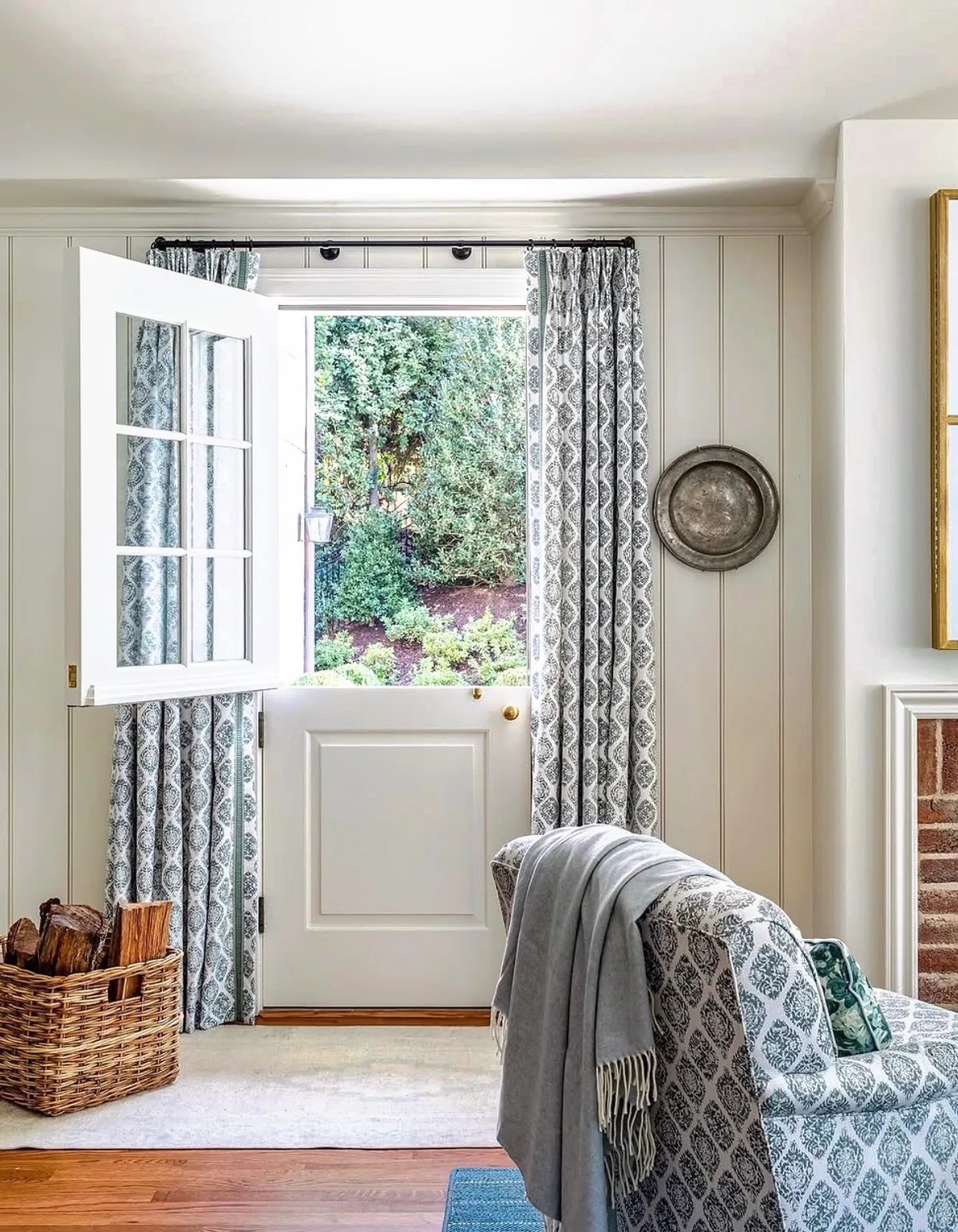
Commit at the right level
Paint isn’t the only way to own blue. Two ideas match commitment to courage.
Curtain the color before you paint it
Nervous about navy walls? You’ll hang blue curtains first. Floor-length panels in velvet or linen deliver the depth with zero permanence, frame your light source beautifully and can move rooms when you tire of them. Curtains are blue with an exit strategy.
You’ll choose the curtain blue you’d eventually paint, so the test means something. You’ll hang panels high and wide like permanent drapes, training the eye to read them as architecture. Skimpy rods shrink windows and cheapen blue. Live with it a full season, watching February light and August light differently. If you still love it, you’ll paint with confidence. If not, you’ll take down panels instead of repainting walls. Reversible first, permanent when proven.
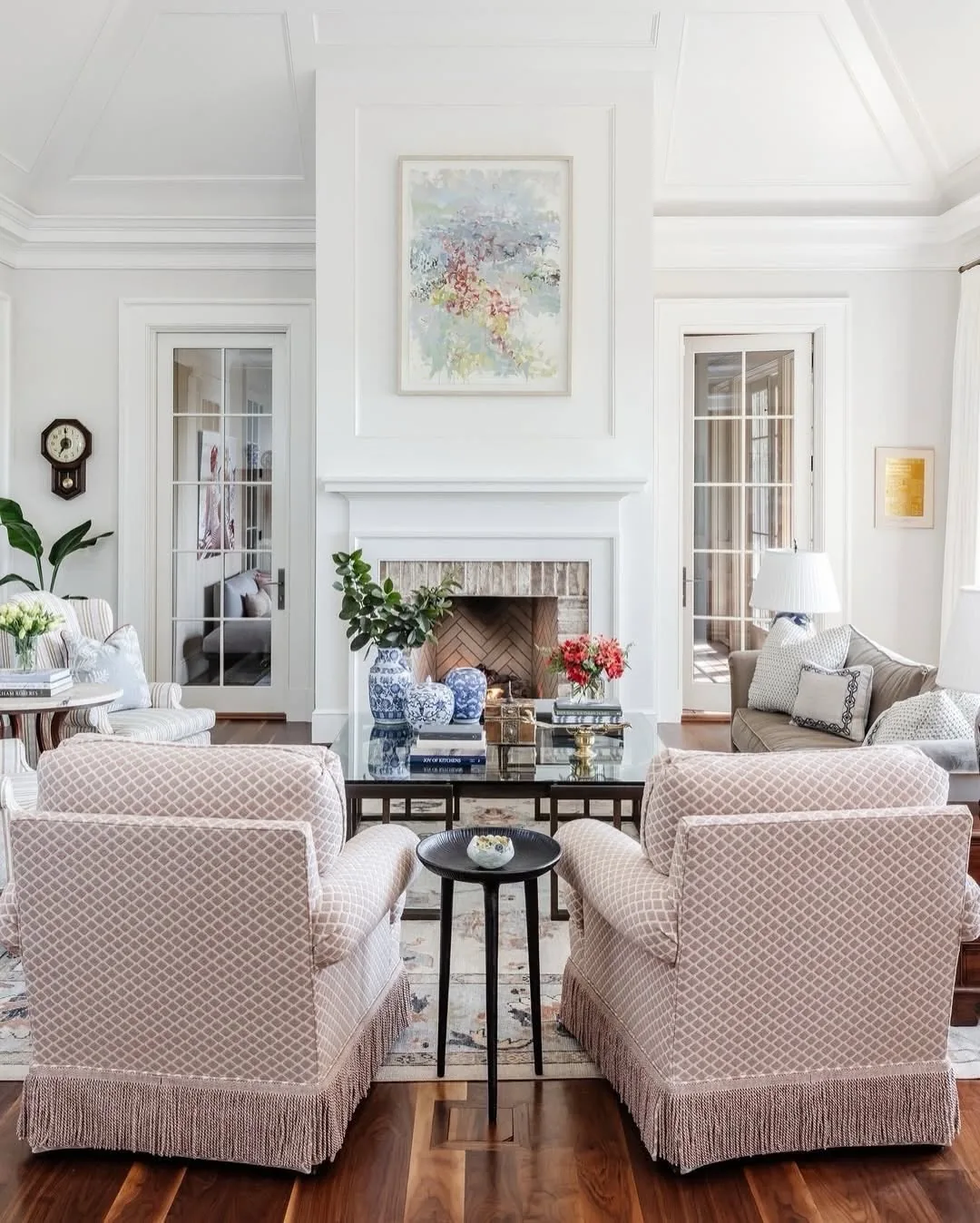
Collect blue living room ideas across white rooms
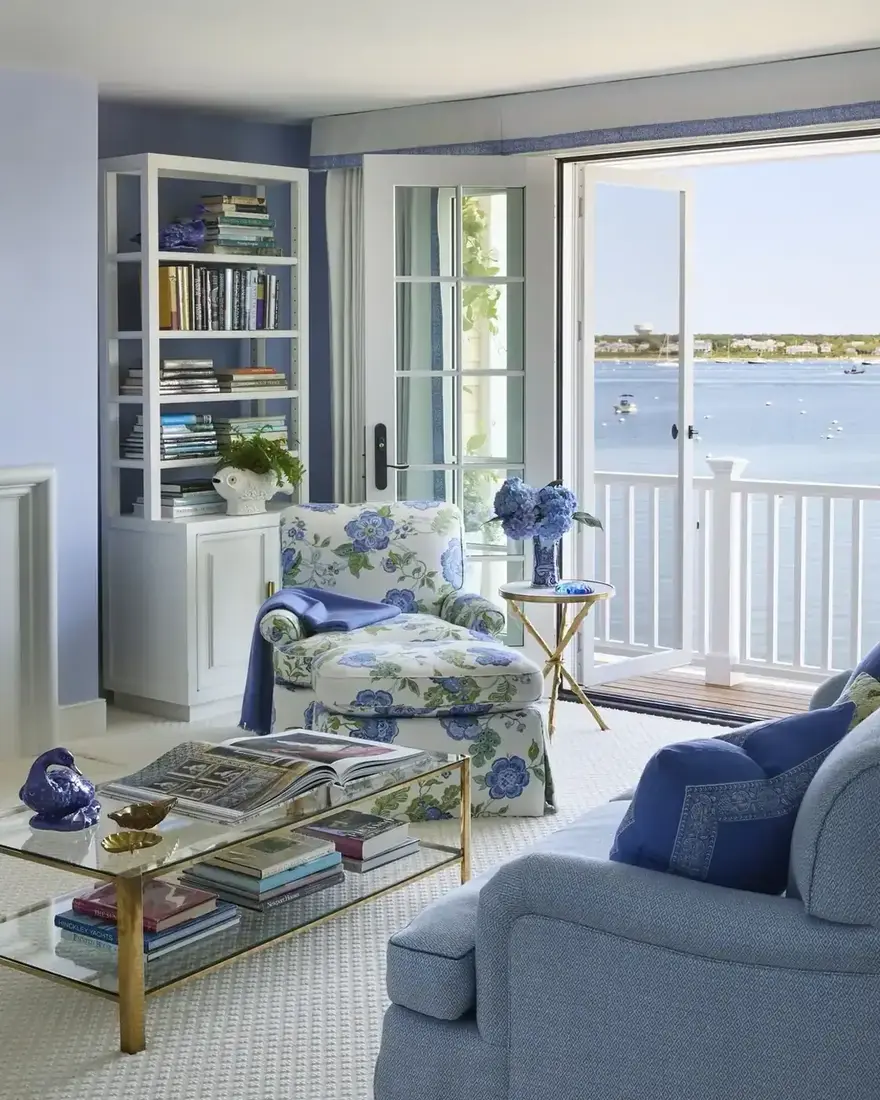
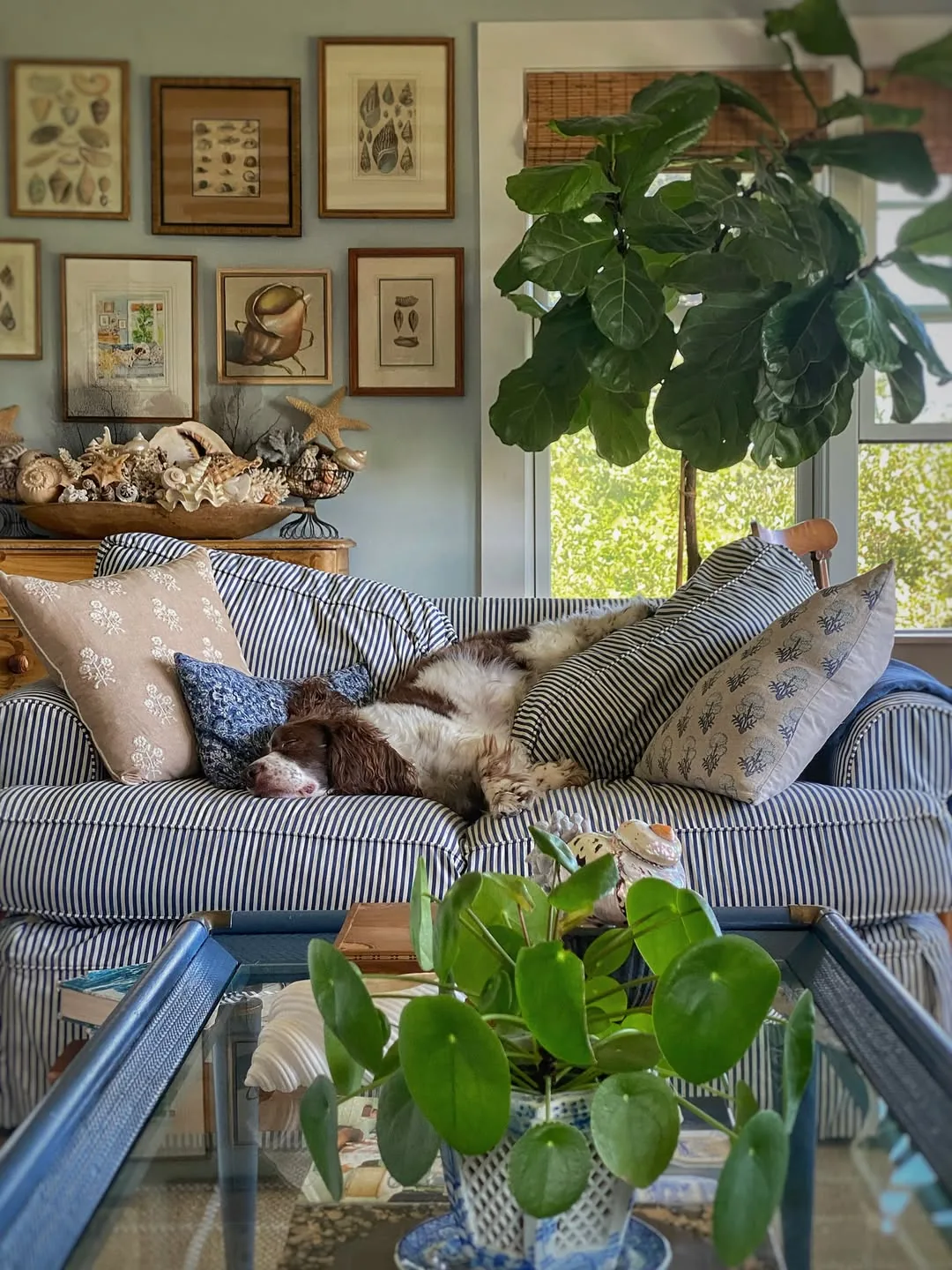
White rooms take blue accents the way neutral outfits take jewelry. You’ll gather ginger jars, cushions and art in blues that share one undertone, spreading them so the eye travels. Three blue notes minimum make a scheme. One lonely vase reads as a gift you haven’t unwrapped.
You’ll vary the blues slightly while keeping the family: cobalt jar, denim cushion, slate art. You’ll edit ruthlessly each season, removing one object for every two added. Collections grow while schemes survive by subtraction. Identical shades look staged, while cousins look collected. For the full discipline on textiles that carry a room, see our living room rug and textile ideas. When blue arrives as objects, you’ll rearrange seasonally instead of repainting ever.
Cold blue versus warm blue rooms at a glance
| Cold blue room | Warm blue room | |
|---|---|---|
| Light | North windows, cool bulbs | Any orientation, 2700K lamps |
| Partners | Grey floors, chrome | Warm wood, brass |
| Blues | Three competing navies | One depth leading |
| Textiles | Thin, cool cottons | Velvet, wool, layered |
| Test | February depresses | Evening glows |
| Verdict | Rewarm this | Live here |
The Blue Room Formula
If you strip all six ideas down to a plan, it reads like this:
- Orientation first. North rooms take mid-tones with warmth, south rooms take navy.
- One blue depth. Lead with one, support with neutrals and wood.
- Wood and brass everywhere blue sits. Temperature contrast beats color contrast.
- 2700K and layered. Blue drinks light, so you’ll pour more, warmer.
- Curtains before paint. Reversible tests, permanent only when proven.
- Collect, don’t match. Cousin blues read collected, twins read staged.
Get those six right and blue calms your whole house. You’ll own the serene room instead of the chilly one.
Frequently Asked Questions
Will navy walls make my living room dark?
They’ll deepen it, which reads cozy with enough warm light and flattering with south windows. You’ll layer three warm sources, keep trim and ceiling light, and remember these blue living room ideas assume lamps, not overheads, do the evening work. North rooms should take mid-tone blues instead of full navy.
What colors go with a blue sofa?
Cream, oat, warm white and natural timber flatter blue without competing. You’ll add brass for glow and one warm accent like rust or mustard. Avoid grey floors and chrome, which chill the scheme clinical.
Is blue a cold color for living rooms?
Only without warmth beside it. You’ll pair every blue surface with wood, brass or warm light, and the room reads calm instead of cold. Blue borrows all its coziness from its neighbors.
Should I paint my living room blue or buy blue furniture?
You’ll curtain first, then decide. Panels test the color reversibly through all seasons. Furniture commits harder than curtains but softer than walls. Paint last, when the room has already proven it loves blue.
How do I light a navy living room?
More sources than a white room needs, all at 2700K or below. You’ll wash one blue wall with warm light, dim overheads low and lamp seating height. Cool bulbs turn navy inky, so check every bulb.
Can I mix different blues together?
You’ll mix cousins, not twins and not strangers. Slightly varied blues in one undertone family read collected. Identical shades stage, clashing undertones fight. Three blue notes minimum make the scheme.
This article may contain affiliate links. We may earn a commission at no extra cost to you.