A Crowded Mantel Hides Your Fireplace

Add us as a preferred source to see more stories on Google.
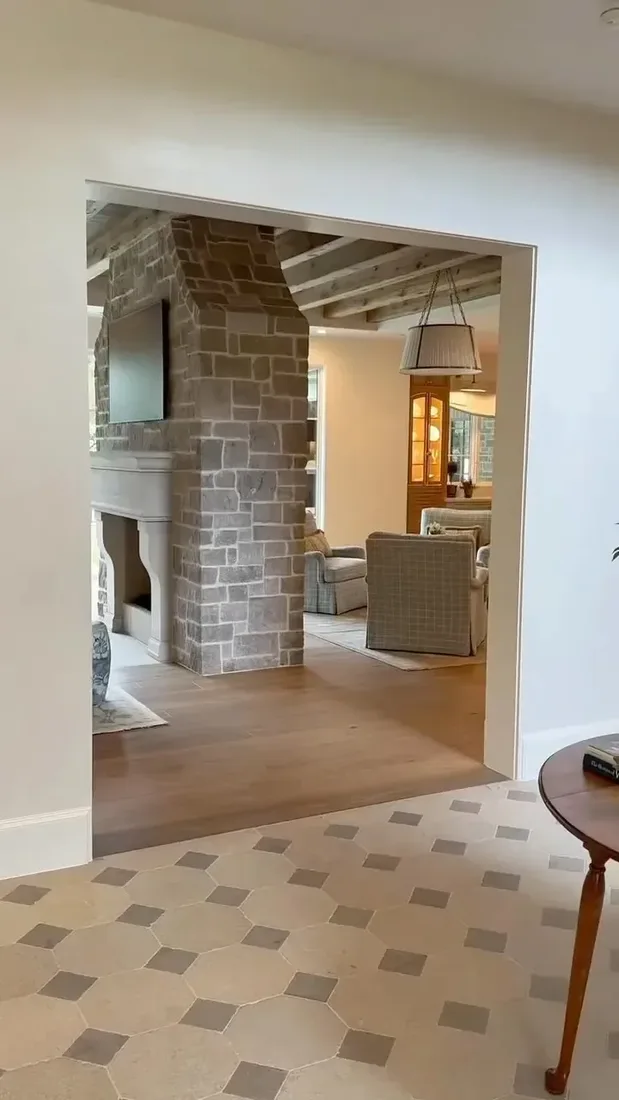
The mantel is the most restyled surface in the house and the most overloaded. You add a frame, a vase, another vase, then a garland to tie it together, and the fireplace you wanted to highlight disappears behind the things you put on it.
Almost every mantel that works has fewer objects than you would guess, at three different heights, with a third of the shelf empty.
These ten mantels show you how to edit to that calm.
Edit to three heights and leave air
The first cut is the big one. Remove, then arrange what remains.
Anchor the mantel with one large piece
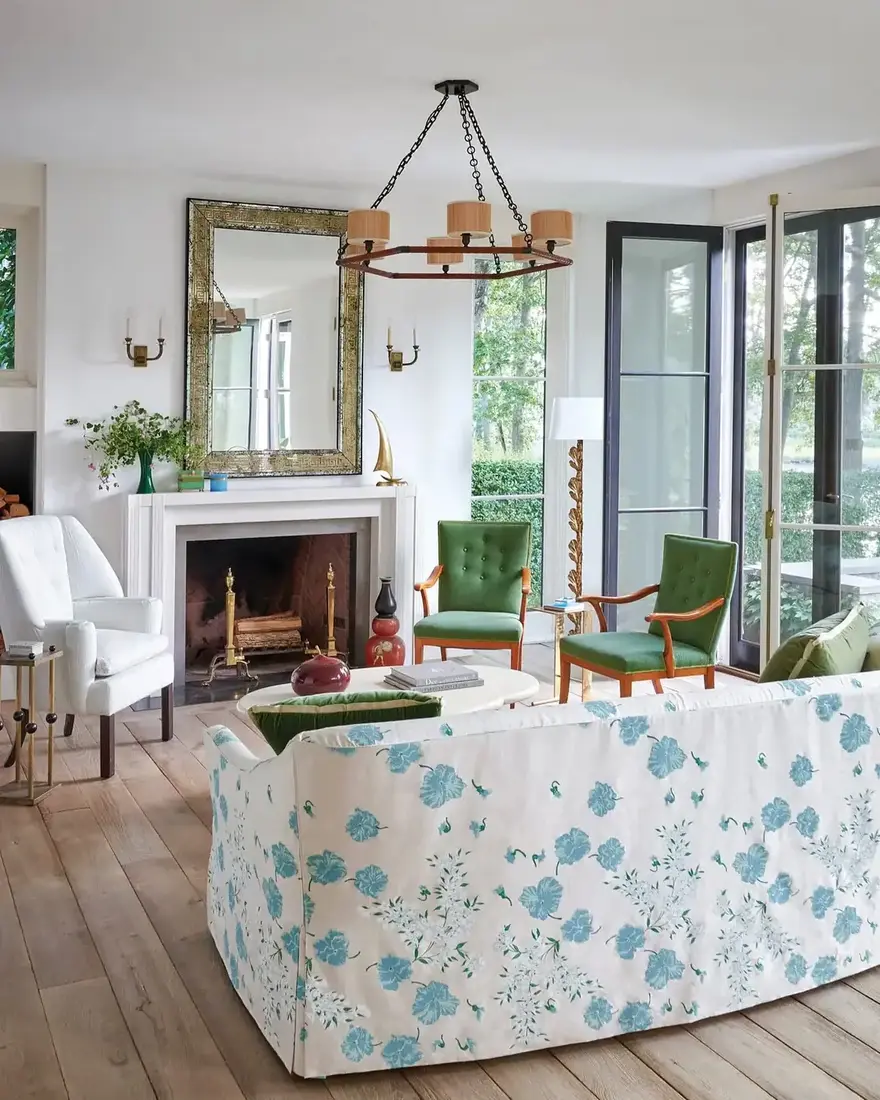
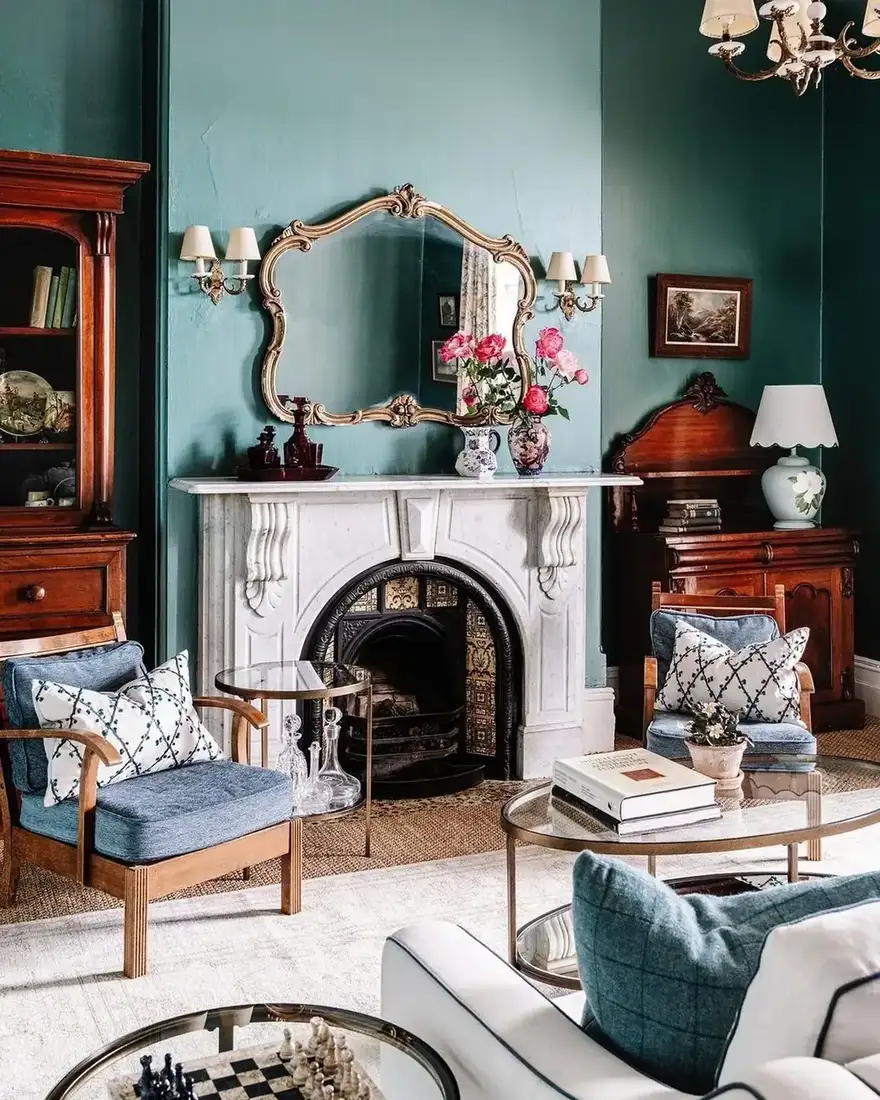
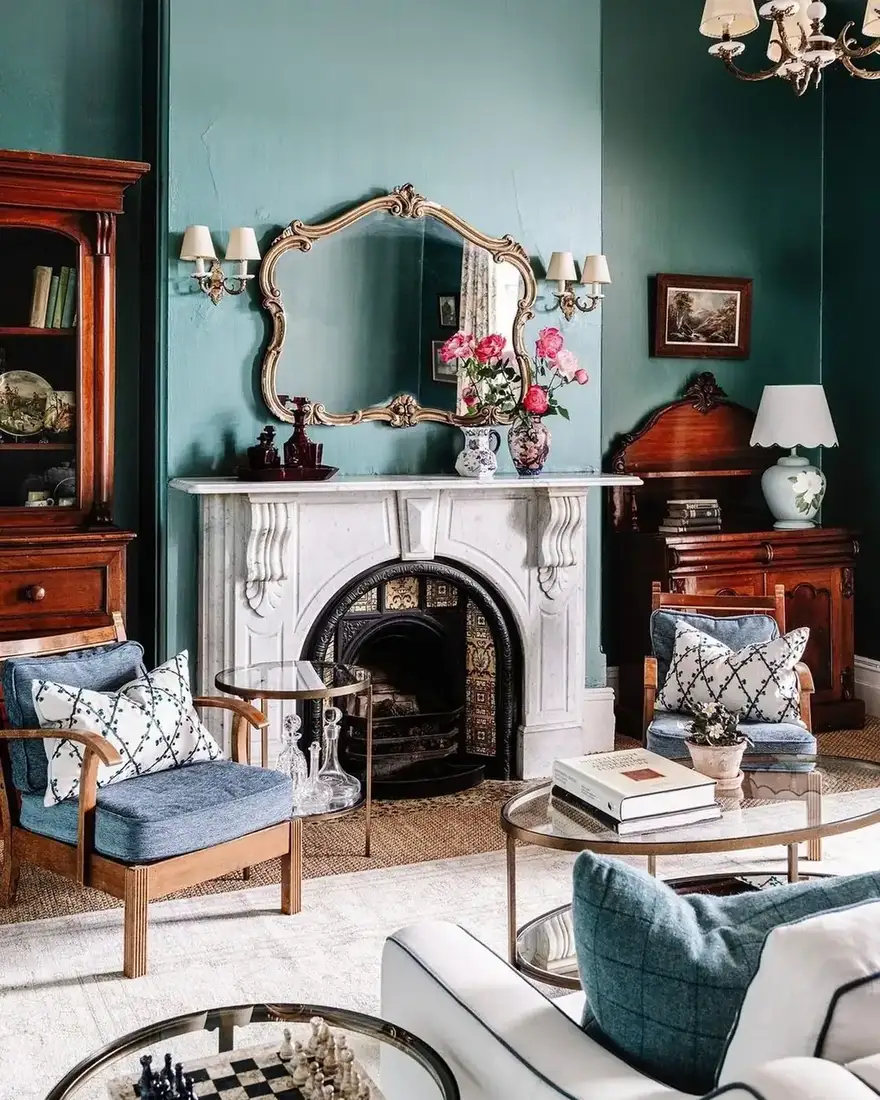
A mantel without an anchor drifts, and your eye has nowhere to land. Choose one large piece, usually a mirror or a picture, and keep it centered or just off centre. That anchor sets the scale, and everything else you add wants to be smaller than it. When the large piece holds the centre, you can be spare with the rest and the mantel reads as composed rather than crowded. You notice the difference the moment the anchor is the only tall element, and you will keep that hierarchy when you edit the rest. Whatever you choose as the anchor, hang or lean it before you add anything else, because every other decision on the mantel is measured against it.
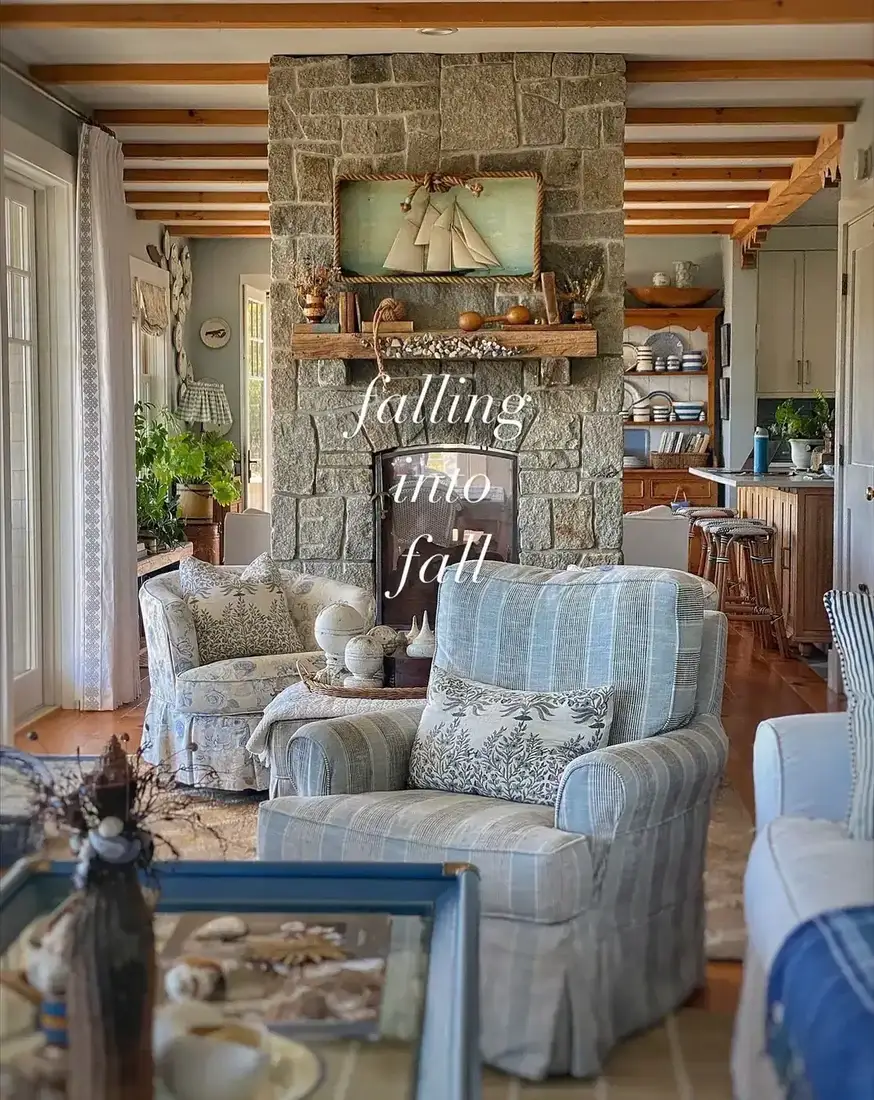
Build three tiers you can read from the doorway
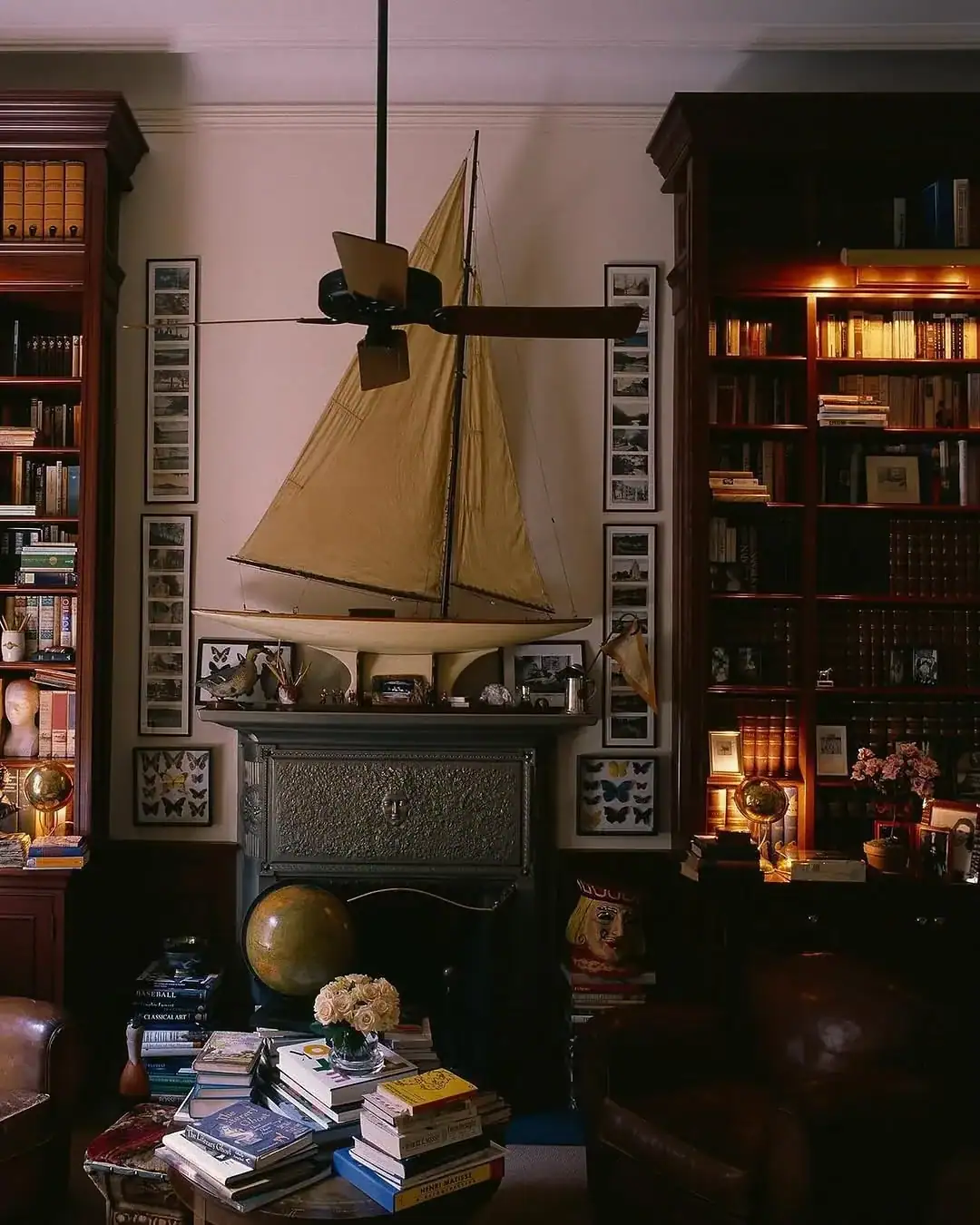
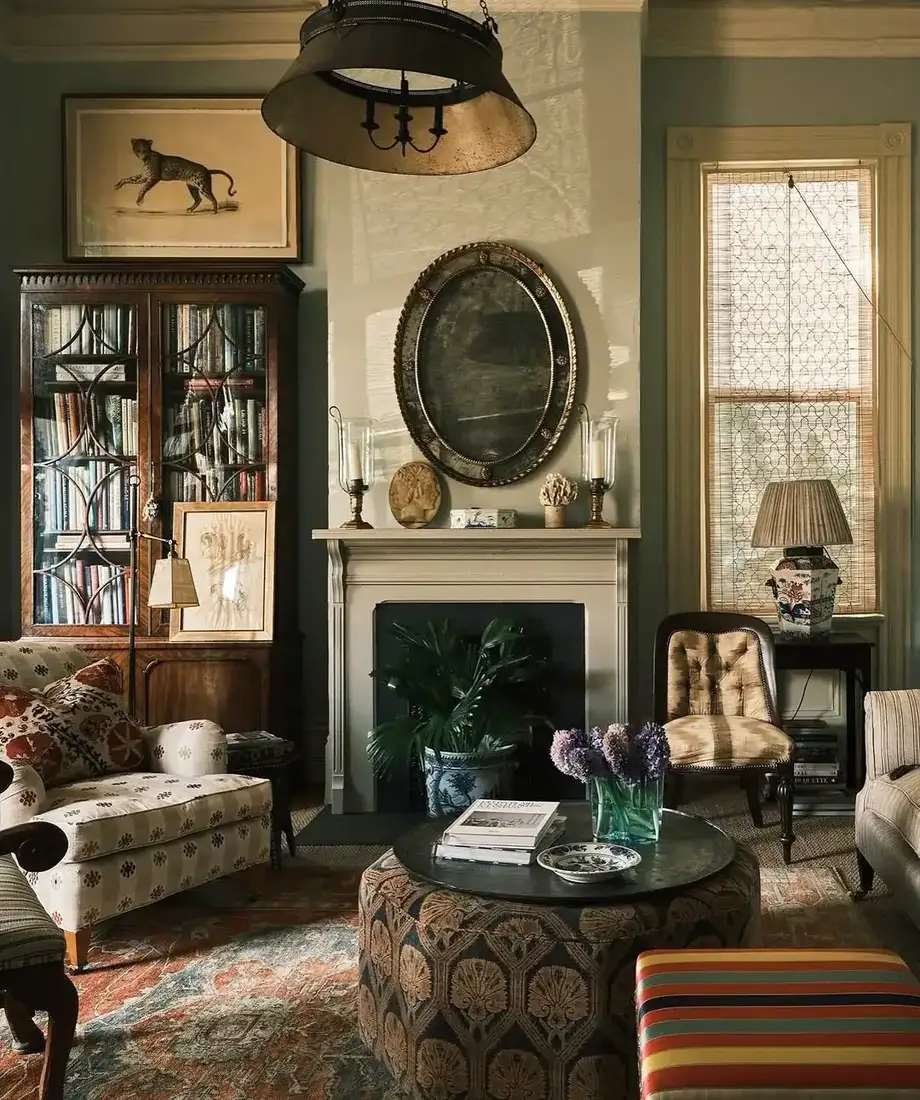
Vary height across three tiers so the mantel has a skyline. Something tall behind, often at the anchor, something mid in front of it, and something low and horizontal along the mantel edge. That layering gives you depth without adding more objects. Keep the mid piece slightly off centre so the grouping feels collected, not lined up. When you keep that off-centre for you, you give the grouping a collected feel for you and you keep the mantel from lining up for you. When you step back, you should see three distinct heights, not one flat row, and you will know the mantel has a skyline. For more on tying mantel height to hearth, see our living room fireplace ideas.
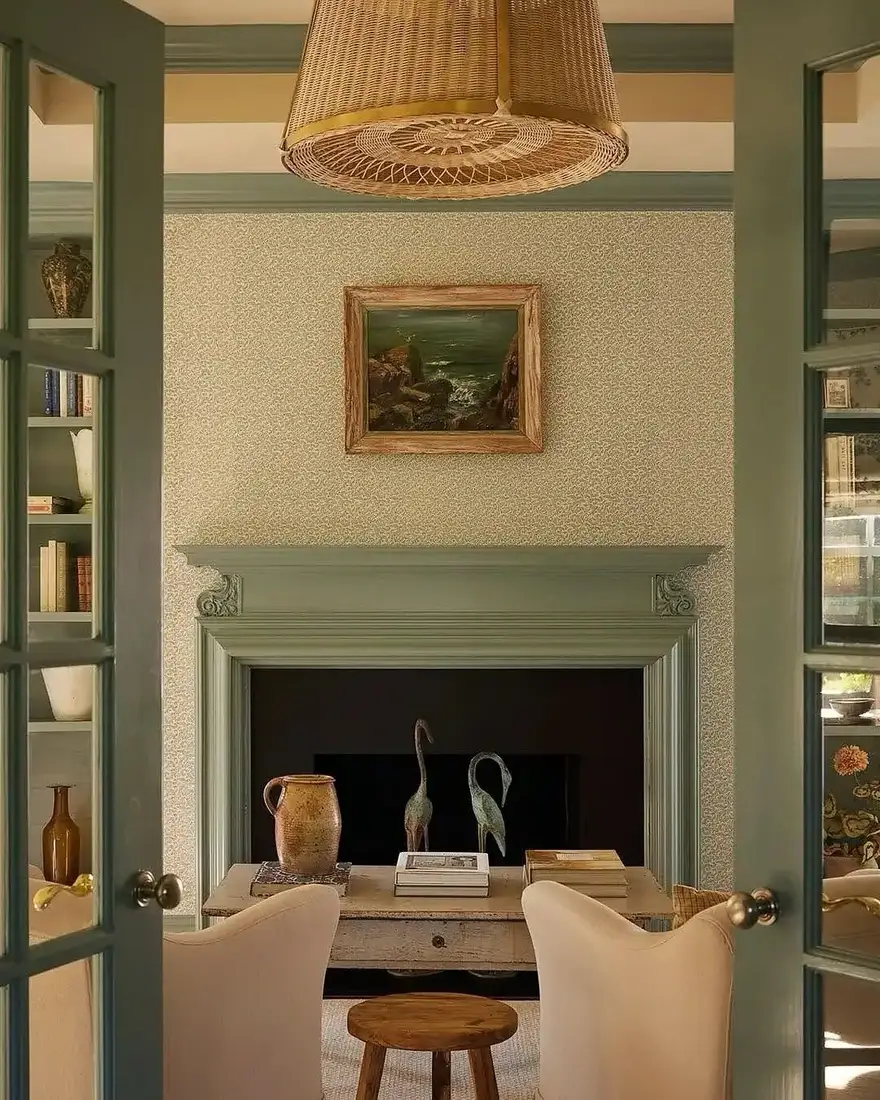
Leave a third of the mantel for breathing room
A mantel filled edge to edge reads as storage, and your fireplace deserves more than that. Leave at least a third empty, with a clear stretch of mantel showing between groupings or at one end. That emptiness is not wasted space; it is what lets your eye rest between objects. When you clear that third for you, you let the stone or brick become part of the styling for you and you keep the mantel as a frame for you. When you clear that third, the stone or brick of the surround becomes part of the styling, and the mantel feels like a frame for you, not a shelf you crammed.
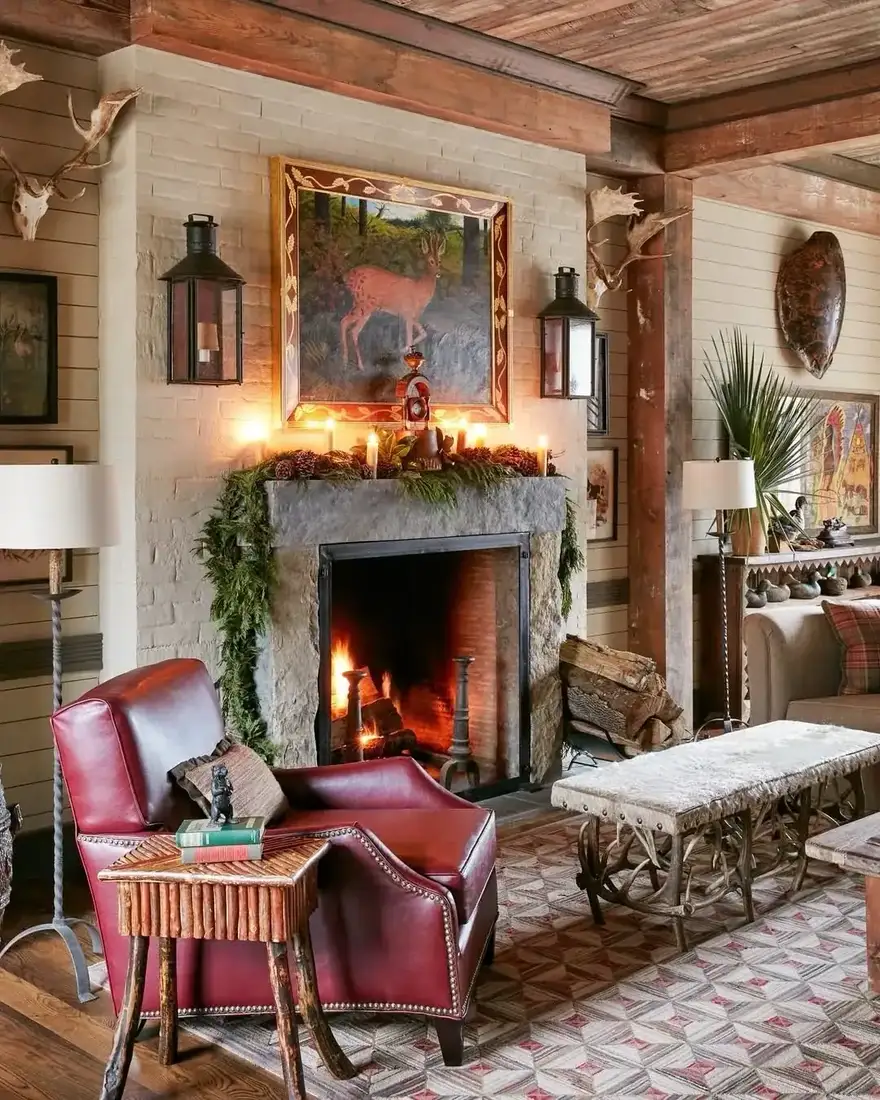
Keep even and odd intentional, not mixed
Odd numbers read as arranged, even numbers read as symmetrical, and both can work. What reads as accidental is mixing them without deciding. If you want a gathered, collected feel, group three or five objects with varied heights. If you want calm symmetry, pair two candlesticks or two vases at equal height. Choose one logic for the main grouping and hold it for you. When the logic is clear, the mantel looks like you meant it.
What sits where, and what stays clear of heat
You keep the mantel safe and the hearth spare when you hold soft materials clear of the opening for you. When you keep that clear zone for you, you let the mantel breathe for you.
Heat and scale decide what belongs on the mantel and what belongs beside it.
Keep scale smaller than the anchor, always
Everything you add beside a large mirror or picture wants to be smaller than that anchor, or the mantel loses its hierarchy. A tall mirror can hold a low bowl and a small vase, but not a second large frame that competes. When you keep that scale relationship for you, the anchor stays the star for you and the smaller pieces read as companions for you. The traditional room around this mantel gets its own rules in our traditional and formal living room ideas. You keep that hierarchy for you and you let the mantel settle for you. You will see the mantel settle the moment the second-largest piece steps down.
Hold candles and greenery clear of the opening
Candles, garlands and greenery bring life to a mantel, but they need distance from the firebox opening when the fire is lit. Heat discolours wax, dries foliage and can make a garland droop or scorch. Keep those soft materials to the outer thirds of the mantel for you or to the hearthside for you, and leave the centre above the opening clearer for you. You keep that outer placement for you and you let the centre breathe for you. That clear zone also gives your anchor breathing room, and you keep the hearth safe while the mantel stays styled.
Let the mantel echo the room, not fight it
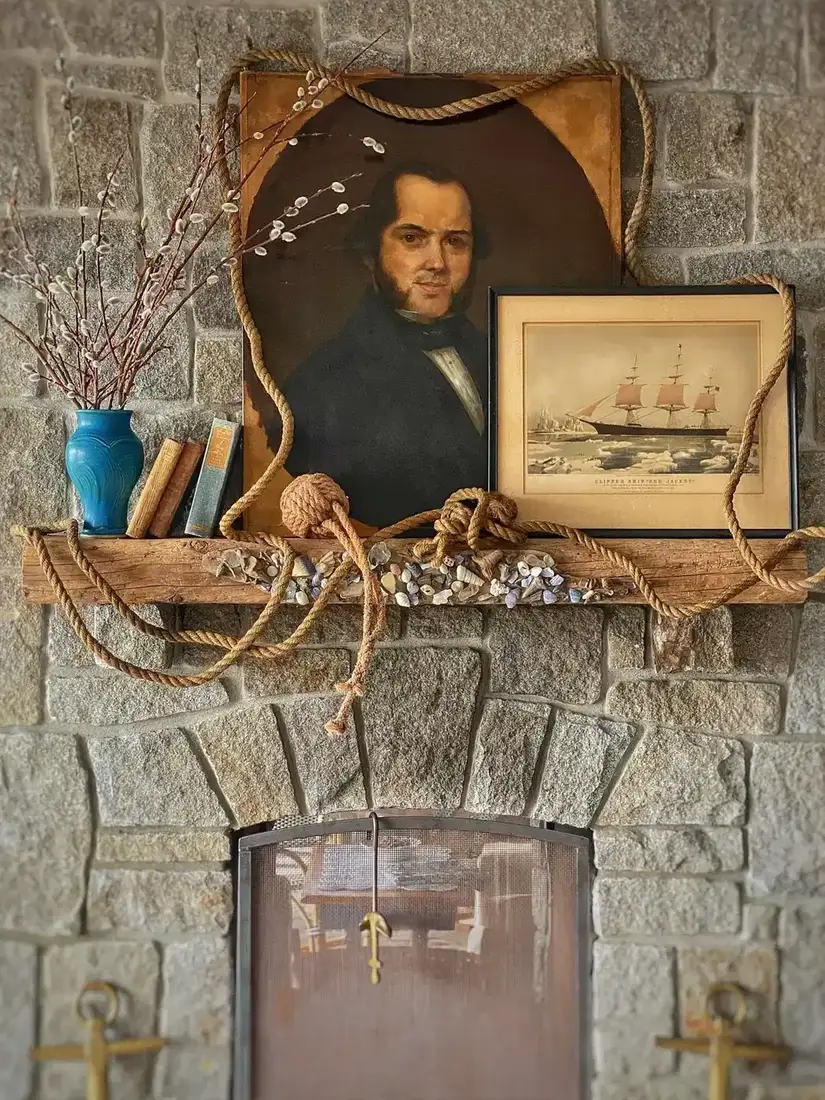
A mantel that introduces a new palette feels pasted on. Pull its tones from the room you already have, the stone’s mortar, the sofa’s linen, the brass of the fireplace tools. When the mantel shares that palette, it reads as part of the room rather than a separate display. You will find you need fewer objects when the colour already belongs. For more on tying hearth and seating into one palette, explore our stone fireplace ideas.
The quietest mantels are the most photographed
The last edits are about restraint.
Edit one more time than you think you need to
Most mantels fail because you stopped one object too early. Style the mantel, step back to the doorway, and remove one thing. That final edit is often what gives you the third empty you needed. You will notice the remaining objects look more intentional, and the fireplace surround finally has the visual weight it deserves. Keep that edited version for a week before you add anything back.
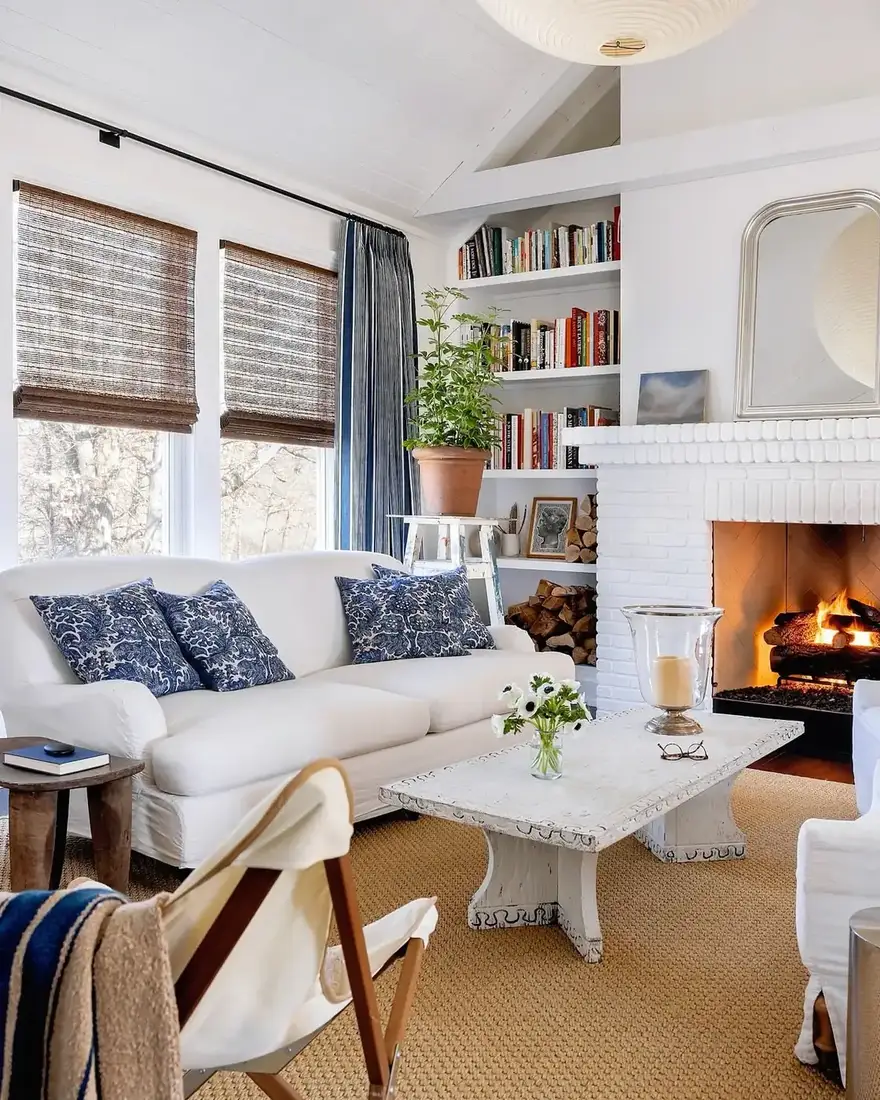
Keep the hearth as calm as the mantel
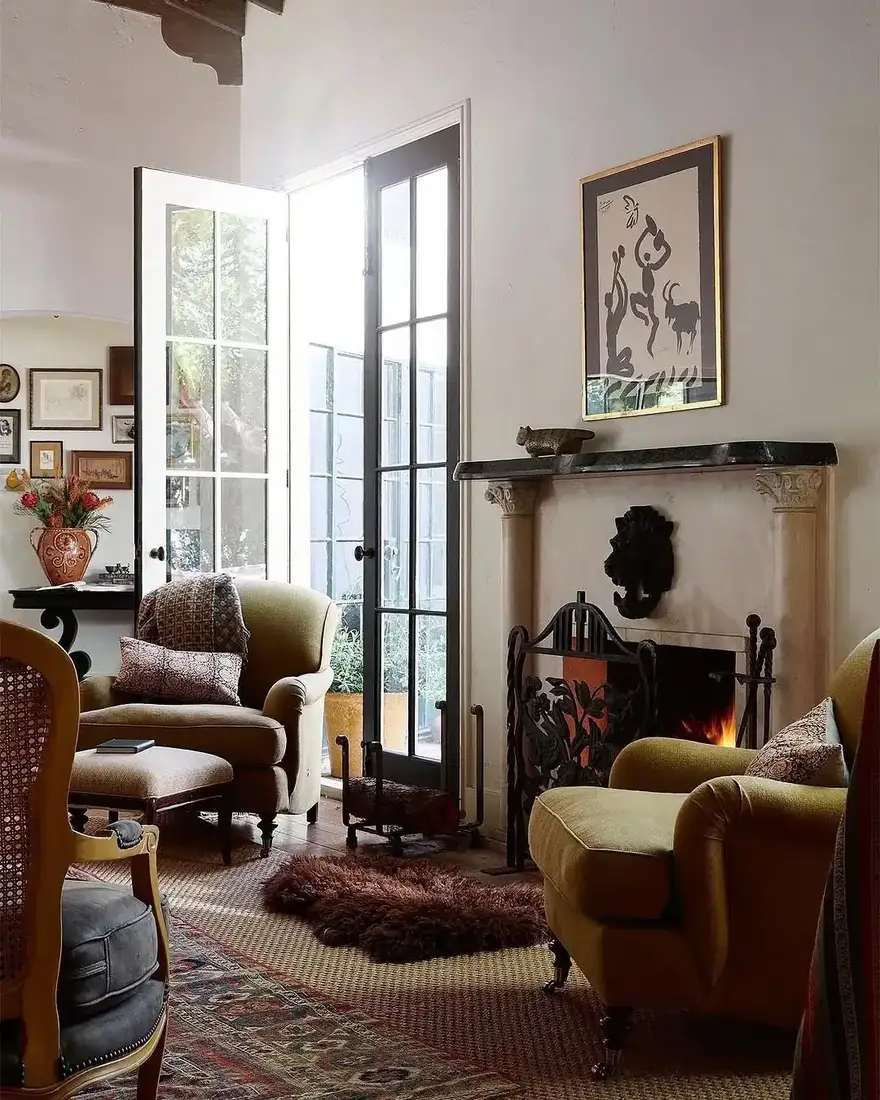
A calm mantel with a cluttered hearth still feels busy. Keep the hearth clear of furniture and rugs that lap onto it, and let one hearth element, a basket of logs, a single plant or a low stool, echo the mantel’s palette. When both mantel and hearth have air, the whole chimney reads as one composed wall. You see the room gather when the hearth is a place you can approach.
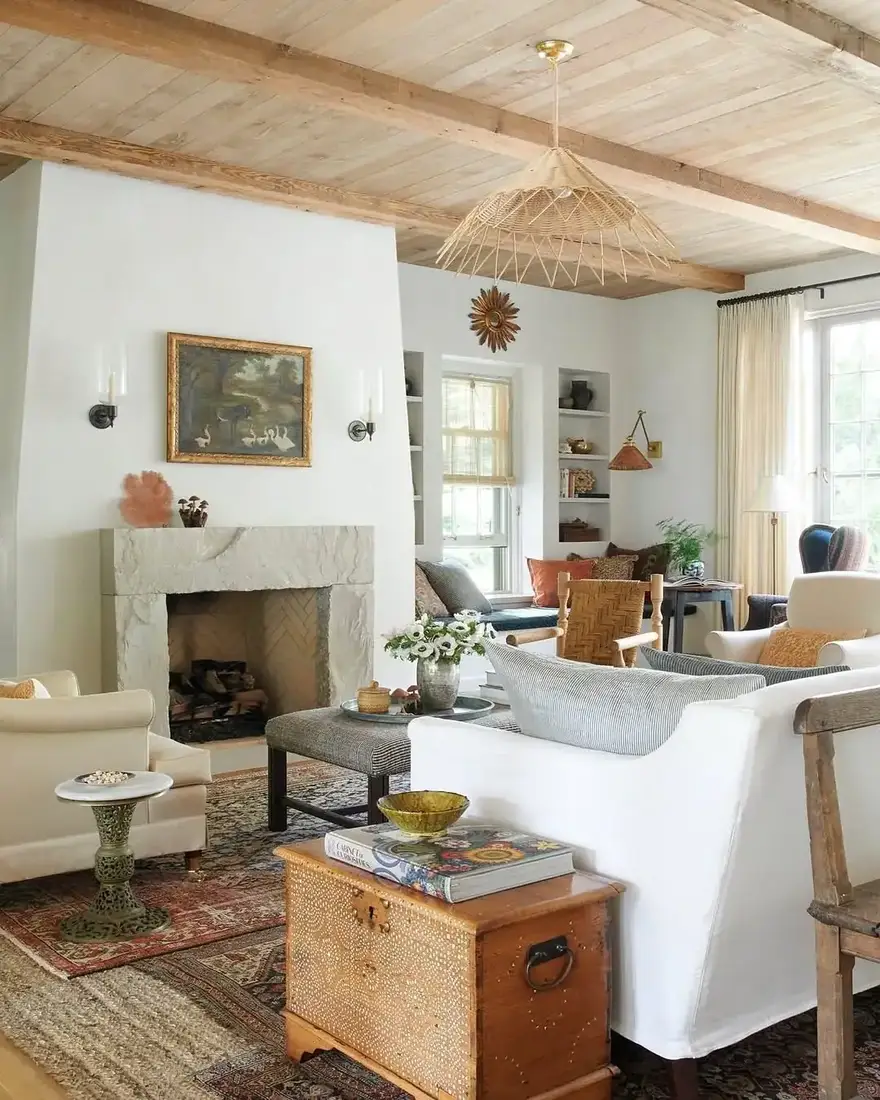
Mantel choices that calm or crowd
| Choice | How it reads | When you use it |
|---|---|---|
| One large anchor | Eye has a place to land | Mantel feels scattered |
| Three tiers of height | Layered, collected | Mantel looks flat |
| A third empty | Breathing room | Mantel reads as storage |
| Even symmetry | Calm, formal | You want quiet order |
| Odd grouping | Gathered, relaxed | You want a collected feel |
| Soft materials clear of opening | Safe, spare | Fire is lit often |
The Fireplace Mantel Formula
- Choose odd for collected, even for calm. Do not mix without deciding.
- Stack three heights. Tall behind, mid in front, low and horizontal along the edge.
- Anchor with one large piece. Mirror or picture, everything else smaller.
- Leave a third empty. Let the mantel show as a frame.
- Keep scale stepped down. No second piece competes with the anchor.
- Hold soft materials clear of the firebox. Candles and greenery to the outer thirds when lit.
Hold those six and your mantel will feel intentional long after you stop styling it for you. You keep the hearth as the heart and you let the mantel breathe for you.
Frequently Asked Questions
How many objects should be on a mantel?
Fewer than you think. Anchor with one large mirror or picture, add two to three smaller pieces at varied heights, and leave at least a third of the mantel empty. When you have to count, you likely have too many.
Should I use odd or even numbers on a mantel?
Both work when you commit. Odd numbers read as arranged and relaxed, even numbers read as symmetrical and calm. Mixing them without a clear choice reads as accidental.
How do I get three heights on a mantel?
Place something tall behind, often at the anchor, something mid in front of it, and something low and horizontal along the edge. That layering gives you a skyline you can read from the doorway.
What should be the largest piece on the mantel?
Usually a mirror or picture. Keep it centered or just off centre and keep everything else smaller than it so the hierarchy stays clear.
How much of the mantel should stay empty?
At least a third. That emptiness lets the eye rest and lets the stone or brick of the surround become part of the styling.
Can I put candles and greenery on the mantel?
Yes, but keep them clear of the firebox opening when the fire is lit. Heat will soften wax and scorch foliage, and the centre above the opening wants to stay clearer anyway.
This article may contain affiliate links. We may earn a commission at no extra cost to you.