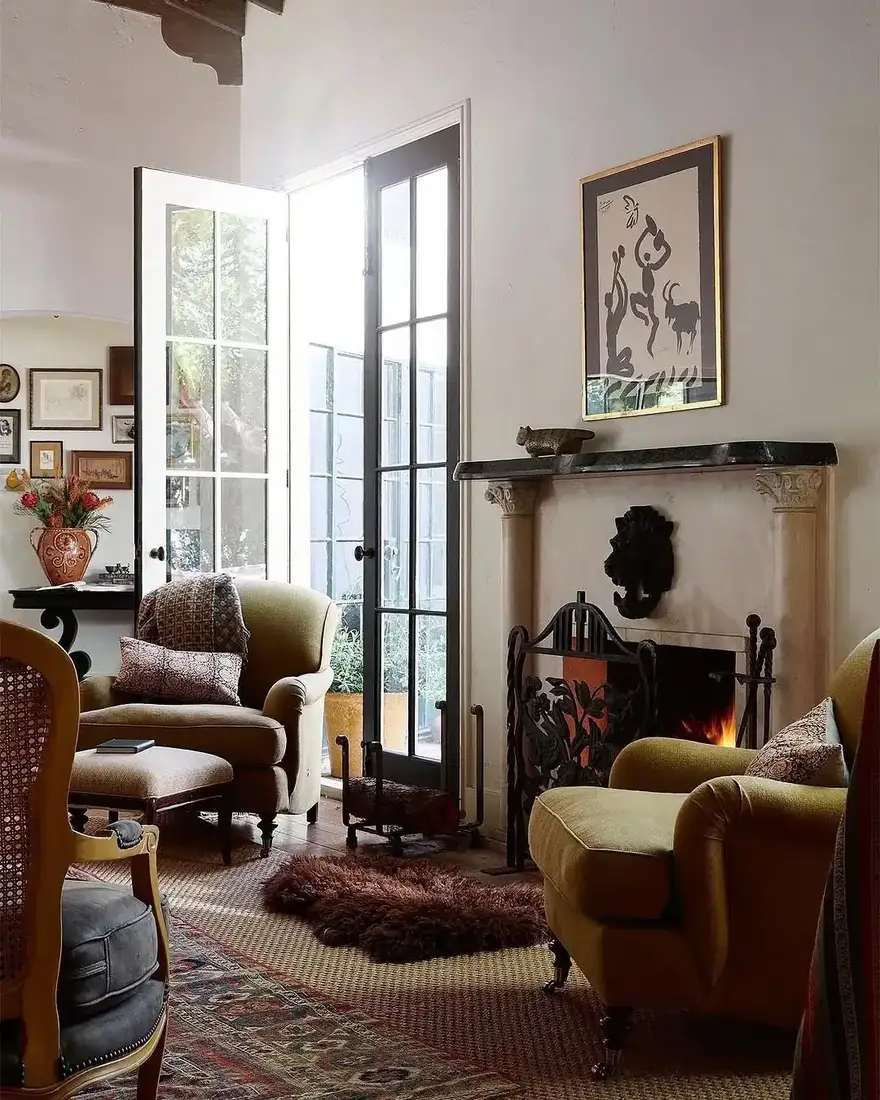
Will Anyone Actually Sit on Your Window Seat?

Add us as a preferred source to see more stories on Google.
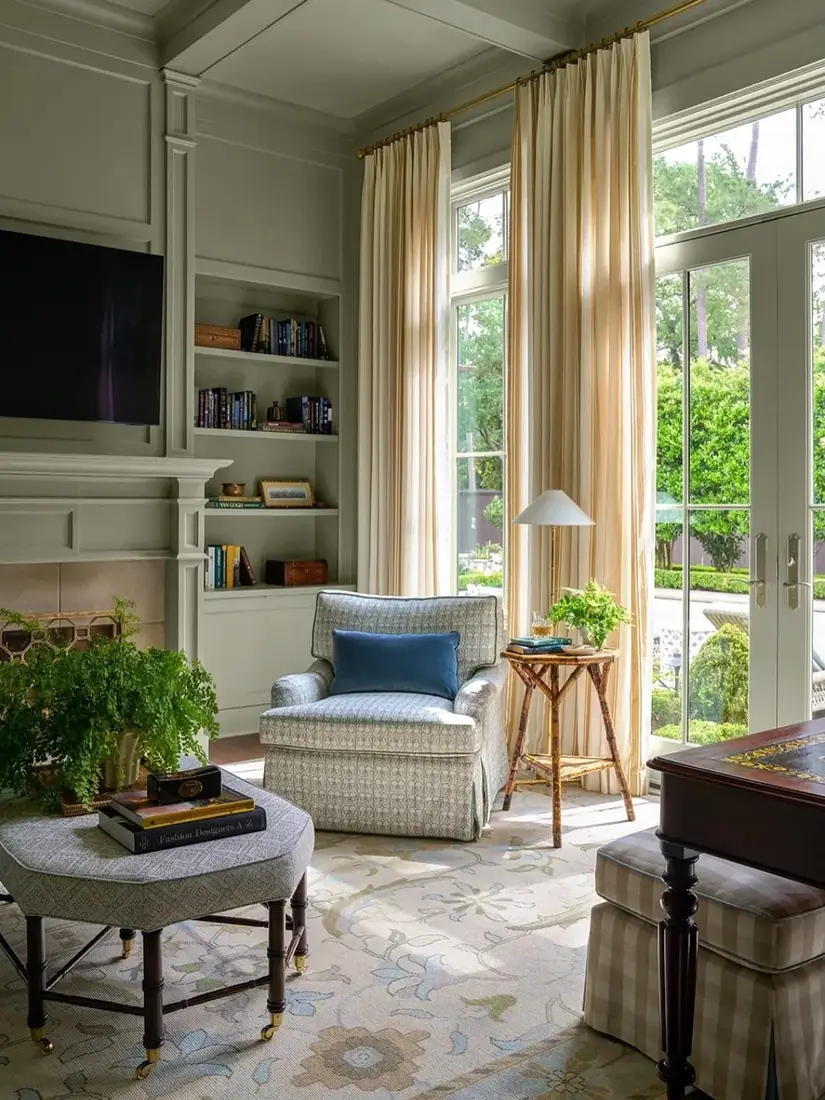
A cushion on a shelf under a window is a windowsill, not a seat, and you feel the difference the first time you try to stay.
A window seat only gets used when it solves three things nobody photographs: back support, light you can read by, and somewhere to put a cup.
These six niches show you how to get those three right so the seat becomes the spot you reach for.
Make the seat a place you lean into
Depth and back decide whether you perch or stay.
Tune depth so you can lean, not just perch
A seat that is too shallow leaves you perched on the edge with nowhere for your legs. One that is too deep forces you to pile cushions to reach the back, and you never relax. Depth is what decides whether the niche gets used, and you feel it before you can name it. Test the niche by sitting with your back against the wall and your feet flat, then stay a few minutes as you would to read. When you can lean without slouching and swing your legs without hitting the front, you have a seat you will return to. Give that test real time before you fix the joinery, and you will avoid the sill you sit on once.
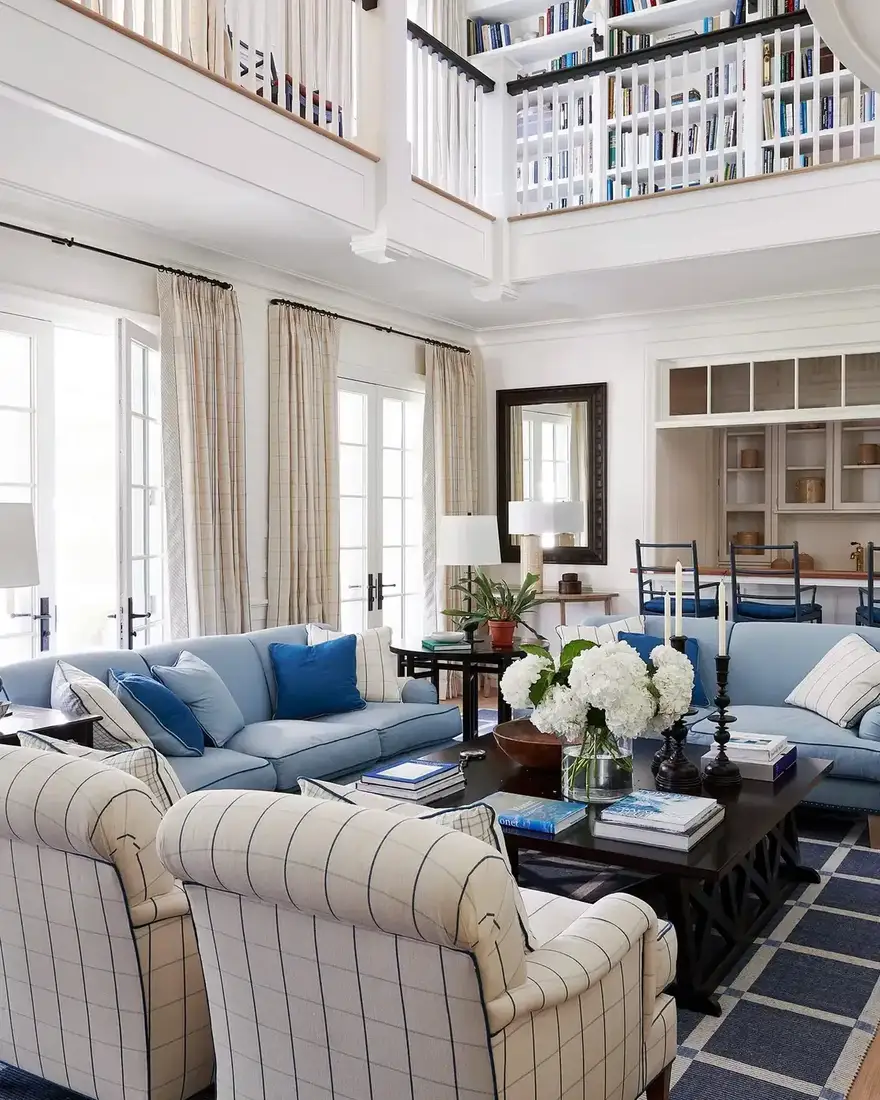
Prioritise back cushions over a thick seat
A hard wall behind you ends the stay even when the seat itself is soft. Back cushions matter more than seat cushions because you lean far longer than you sit. You spend most of the time against the back, so that is where comfort lives. Choose a back that is deep enough to hold your shoulders without pushing you forward, and keep it slightly angled. You feel your spine settle when the back does the work, and you will keep the seat cushion thinner because the comfort comes from behind, not from sinking.

Keep shelves shallow above a seat you use
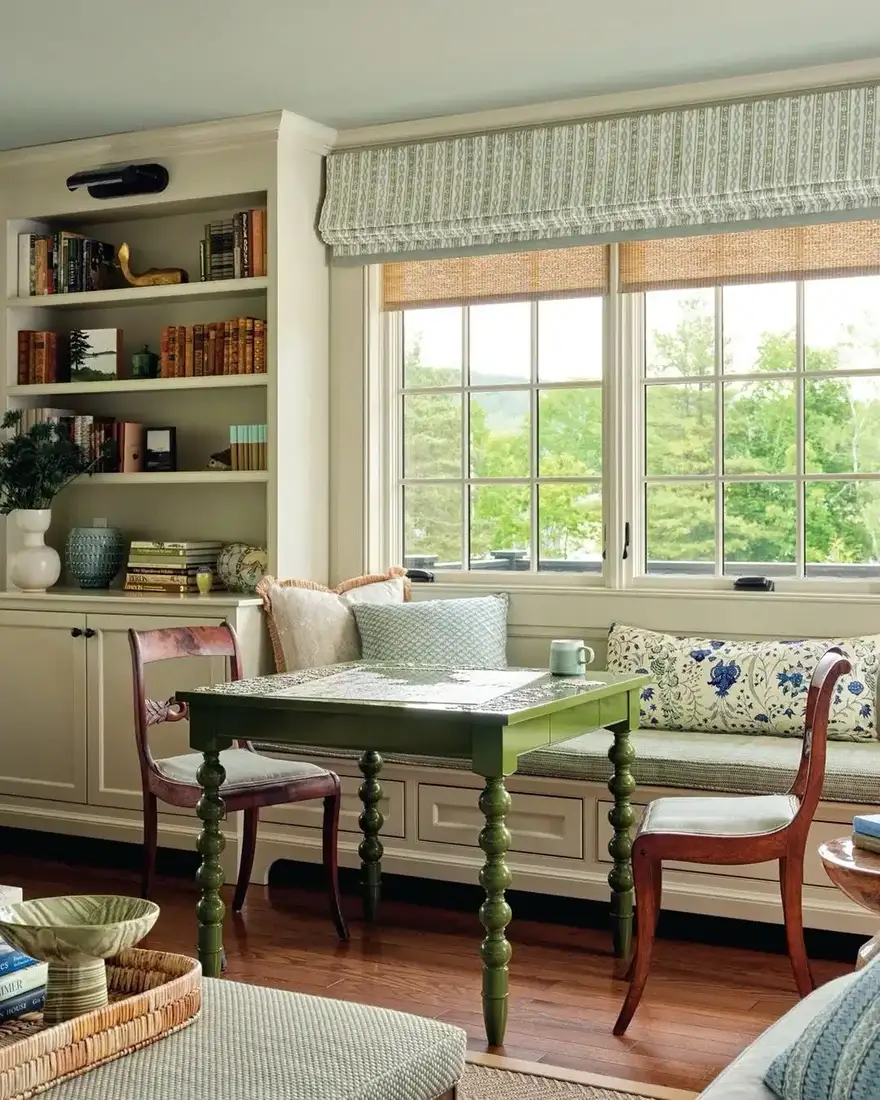
Bookshelves above a window seat need to be shallower than those elsewhere. When the shelf hangs too deep, you bump your head and the niche feels boxed. Keep the shelves above the seat modest in depth so you can stand without brushing them and so daylight reaches the cushion. You keep the view as the focus and you avoid the boxed feeling that deep shelves bring. That restraint also leaves the window as the focus, and you keep the seat as a seat rather than a hallway of books you must duck under.
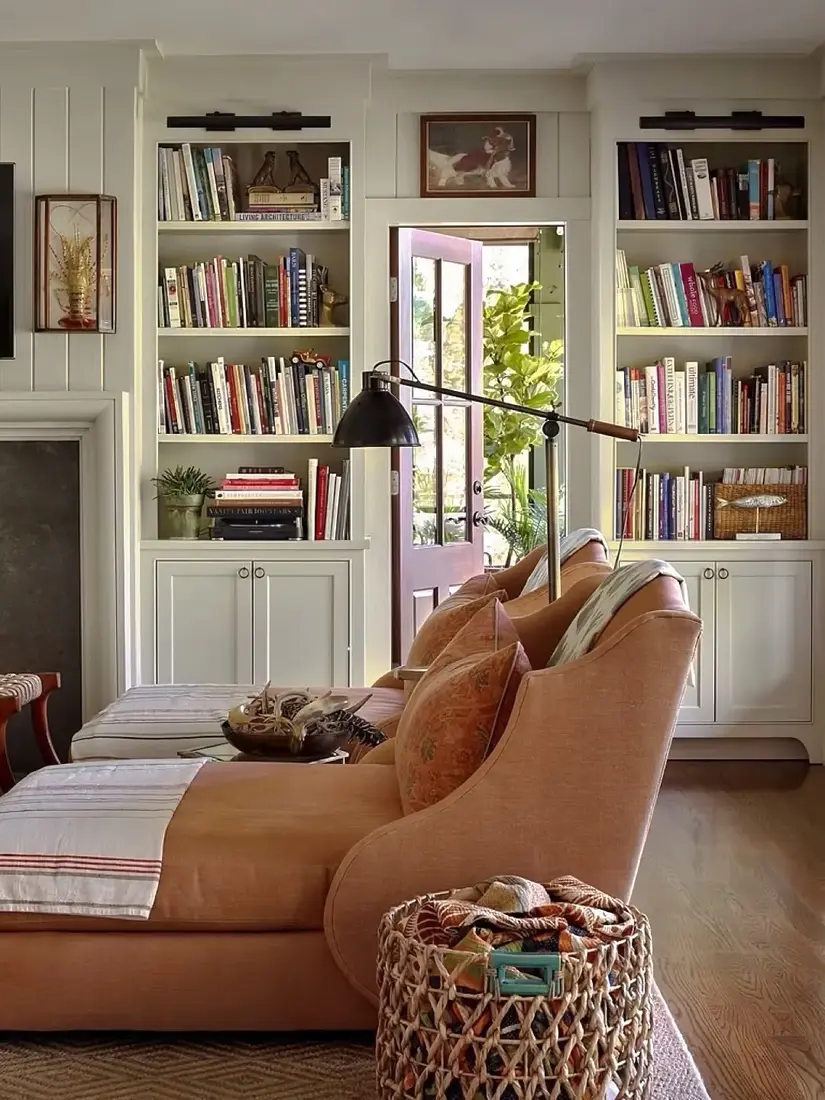
Light and storage that make the niche daily
A seat without light and a place for things stays a photograph, not a habit. When you give it a lamp you control and a drawer you open often, you turn a styled corner into a daily one. You keep the view and you keep the book within the same reach.
Bring light over the shoulder, not in front
Light from the window directly ahead backlights the page and tyres your eyes. Light over the shoulder falls onto the book where you need it and keeps the view intact. Add a wall light or a small library arm on the side you read from, wired to a warm dimmer, and you will read longer without moving. Dim it for evening and you keep the niche soft when the window goes dark. When you try the seat at dusk, you will know immediately which side wants the light, and you can place the switch where your hand falls. Keep that control simple and you will reach for the seat after dark.
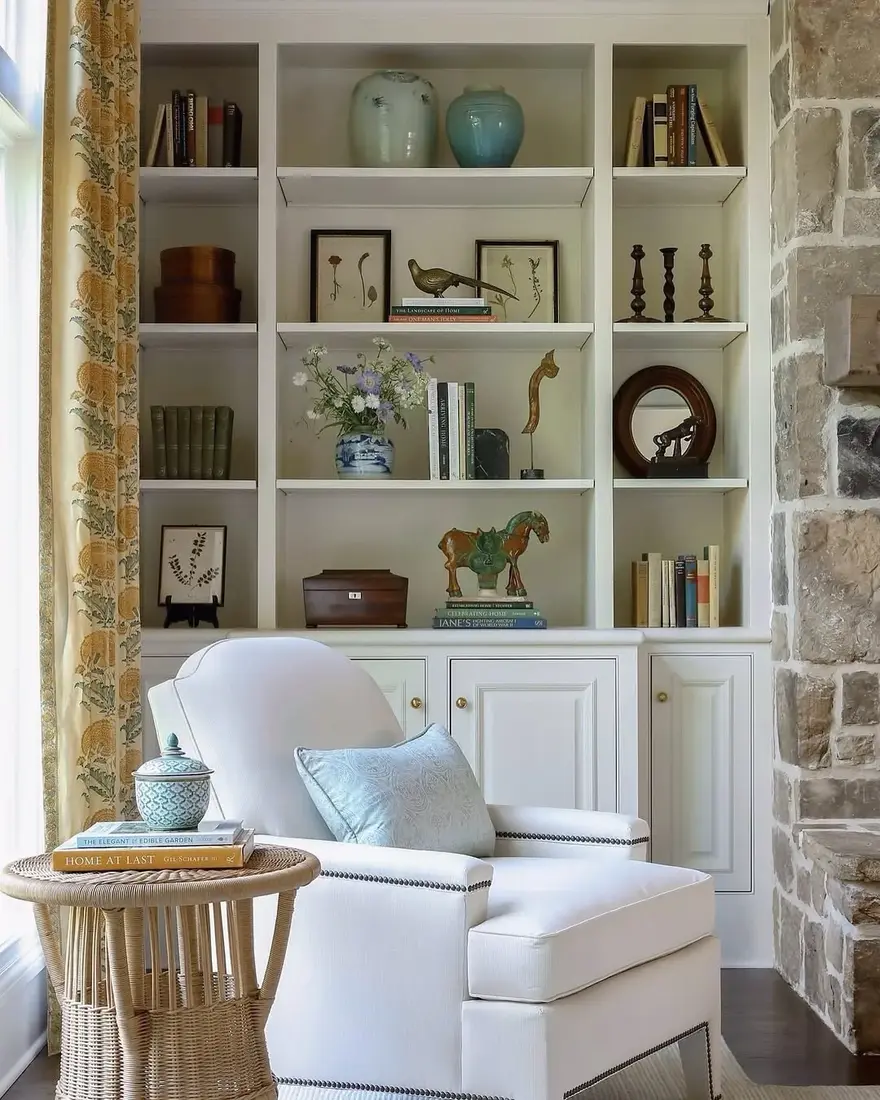
Build storage into the base from the start
The cheapest storage in the house lives under a window seat you were already building. Drawers or a hinged lid hold throws, toys or the blankets you reach for when you linger. Because the base is deep and low, you gain volume you would otherwise give to dead air. You hide the everyday mess and you keep the open shelves honest. Keep the front flush with the bookcase face so the whole wall reads as one piece of joinery, and you gain a reason to open the seat even when you do not sit. You will use that storage more than the display, and you will keep the room calmer because the everyday clutter has a place that closes.
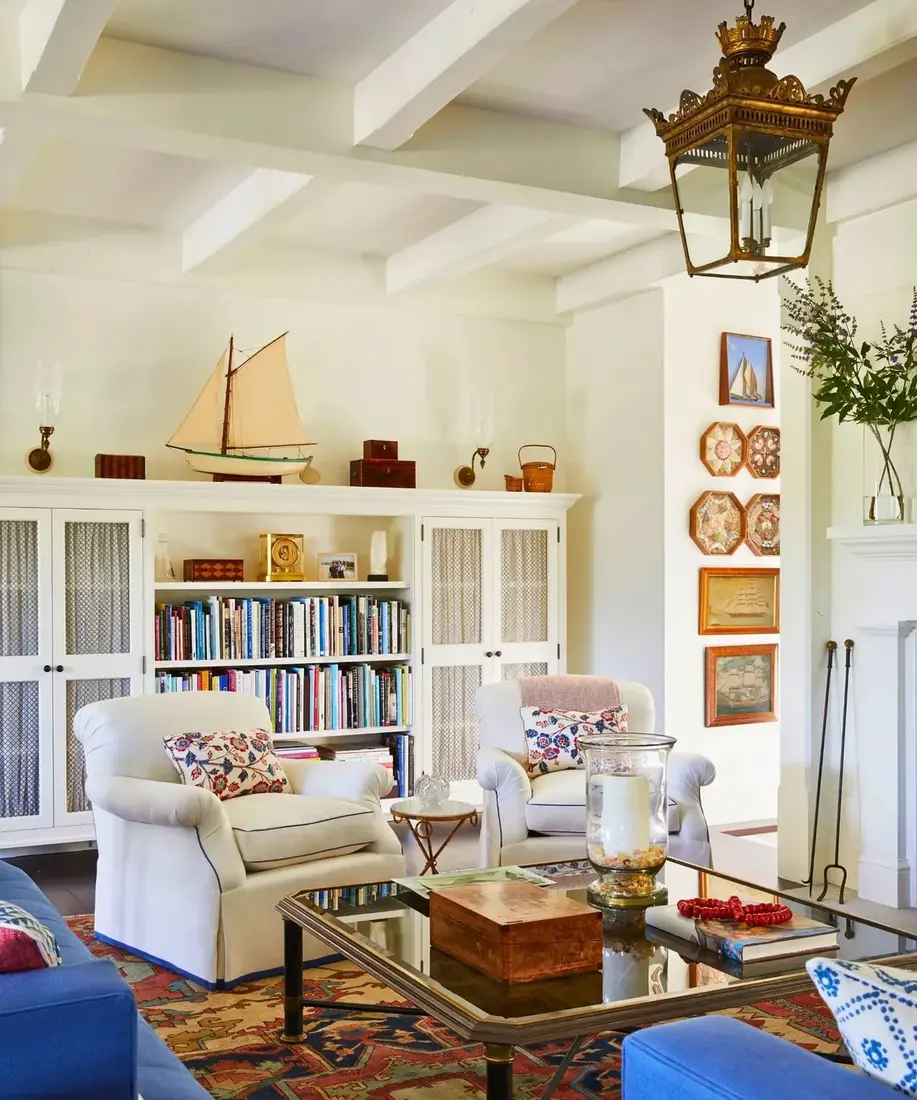
Keep the radiator clear underneath
A seat that traps heat makes the room uneven and the cushion uncomfortable. If a radiator sits in the niche, keep it clear and vented so warmth moves into the room, not into the base you just built. Leave a grille at the front or a gap at the top and maintain access for the valve. You preserve the warmth you pay for and you keep the seat inviting in the cold months. You preserve the heat you pay for, and you keep the seat a place you want to sit in winter rather than avoid. Test the niche in winter with the heating on and you feel immediately whether the seat traps or shares warmth.
Niches that stay empty versus niches you use
| Choice | What you get | When it matters |
|---|---|---|
| Depth tuned for leaning | You stay, not perch | Every reading niche |
| Back cushions, angled | Spine support | Hard wall behind |
| Light over shoulder | Page lit, view kept | Evening reading |
| Storage in base | Cheapest volume | You need throws or toys hidden |
| Radiator vented | Heat moves, seat stays cool | Niche holds existing radiator |
The Window Seat Formula
- Test depth by sitting, not measuring a photo. Too shallow you perch, too deep you cannot lean without pillows piling.
- Give the back the budget. A proper back cushion beats a thicker seat every time.
- Bring light to the shoulder you read from. Side light beats front light for a book.
- Use the base for storage. Drawers or a lift lid keep the wall as one joinery run.
- Keep shelves above shallower. Protect your head and let daylight hit the cushion.
- Vent the radiator. Keep the seat from trapping heat you need in the room.
Build those six and your niche becomes the spot you reach for, not the ledge you photograph.
A window seat works when it is somewhere you actually sit, not somewhere you photograph.
The shelving rules here carry straight over to built-in bookshelf living room ideas, and the styling itself is covered in bookshelf styling ideas.
Frequently Asked Questions
How deep should a window seat be to get used?
Deep enough to lean back with feet flat, not so deep you need cushions to reach the wall. Depth decides whether you perch or stay, so test by sitting, not by guessing.
Are back cushions or seat cushions more important?
Back cushions. A hard wall behind you ends the stay even when the seat is soft. Give the back angle and depth for your shoulders.
Where should the reading light go?
Over the shoulder you read from. Light from the window ahead backlights the page and tires you, while side light falls exactly where you need it.
Can I add storage to a window seat?
Yes, build it into the base with drawers or a hinged lid. It is the cheapest storage in the house and keeps the wall reading as one piece.
What if there is a radiator under the window?
Keep it clear and vented with a grille or gap so heat moves into the room. A trapped radiator makes the seat uncomfortable and wastes heat.
How do I keep the seat from feeling like a laundry pile?
Style it spare. One cushion along the back, one throw folded, and shelves styled with air. When you leave a third empty, the niche stays calm.
This article may contain affiliate links. We may earn a commission at no extra cost to you.