Put Your Nook in a Walkway and Nobody Sits

Add us as a preferred source to see more stories on Google.
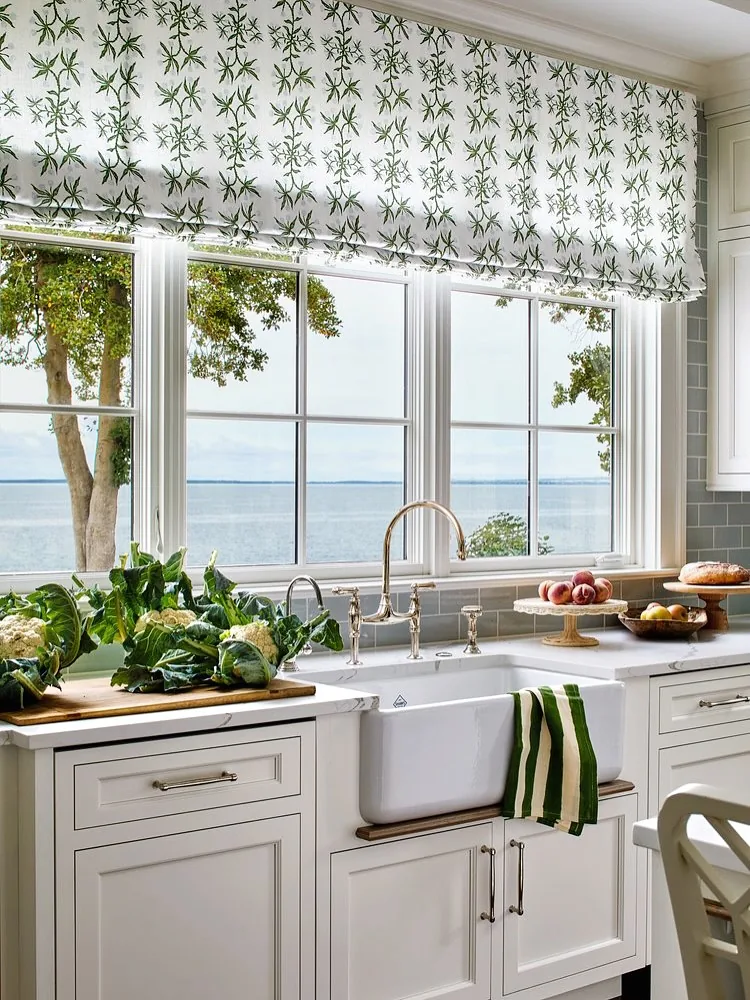
Nobody lingers where suited strangers brush past with laundry baskets.
That’s the whole mystery of your empty nook. Not the cushions, not the table shape, not the pendant height. Three circulation paths cross the corner, turning every breakfast into a commute, and no styling overcomes a thoroughfare.
Nooks need stillness the way plants need light. Place yours out of traffic, aim it at morning sun, and the corner fills itself daily. Tape the paths before you place the table.
Place it out of traffic
You’ll map movement before furniture. Three ideas keep corners calm.
Count paths crossing before placing anything
Stand in your planned corner at 7:15am mentally. You’ll trace every route: fridge to coffee, door to pantry, sink to table. Three or more crossing paths make retreats impossible regardless of cushions. Relocate or accept hallway status honestly.
You’ll choose corners with one approach direction, ideally against an exterior wall with windows. You’ll photograph the corner at breakfast rush to see paths honestly, since memory flatters layouts while photos expose thoroughfares. Dead-end geometry protects sitters naturally. When traffic flows past instead of through, lingerers appear without invitation. Placement decides use before a single purchase.
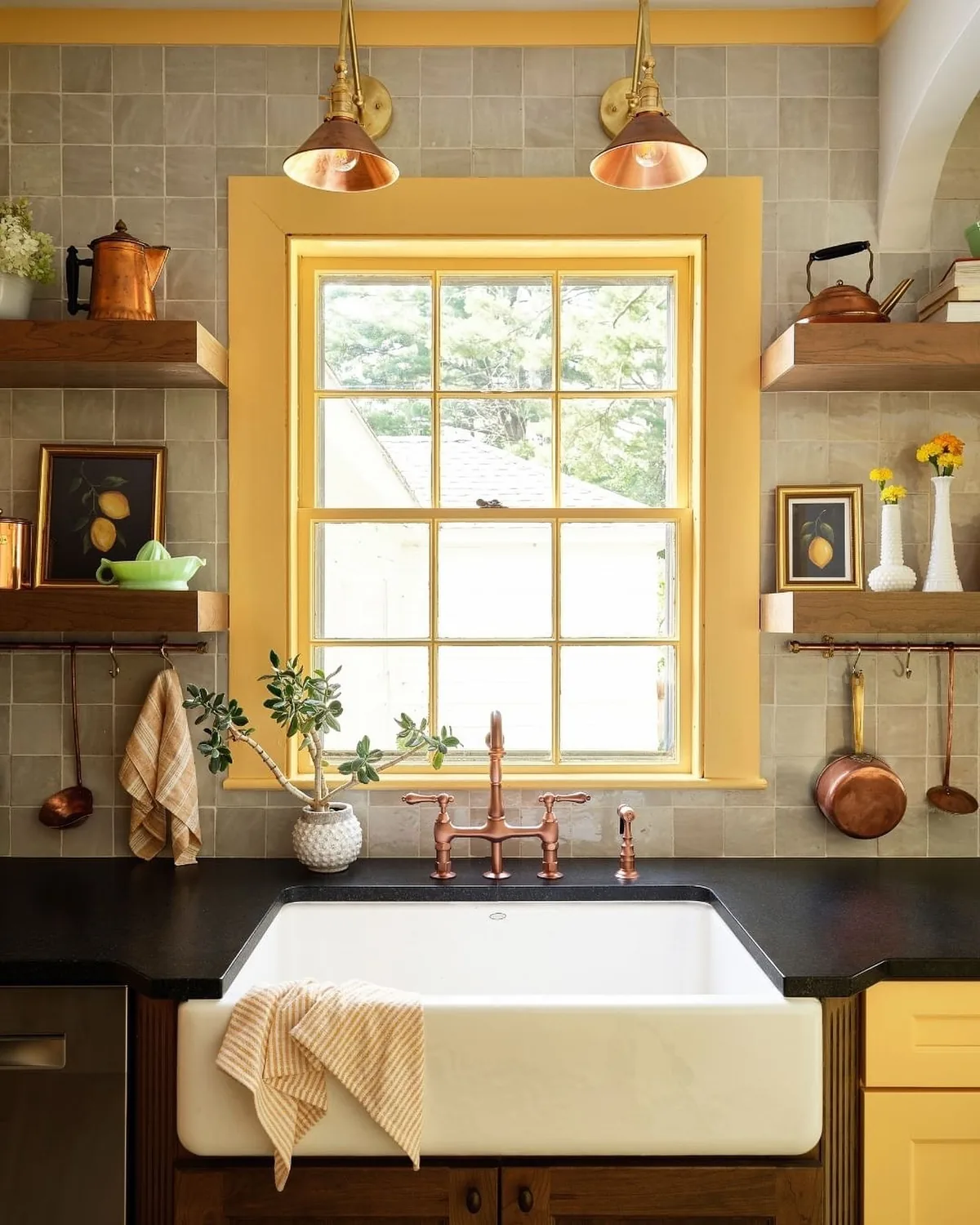
Banquette the walls that enclose
Fixed benches seat four where chairs fit two, since nobody needs pull-out clearance behind. You’ll banquette two walls in L-shapes for maximum density, keeping one side open for easy exit. Corner sitters accept climbing past others only when meals linger.
You’ll build storage into bench bases, hinged tops swallowing linens and overflow. Dead space under seating wastes the nook’s best cubic meters, so hinges beat fixed bases daily. Dead space under seating wastes the nook’s best cubic meters. When benches hold both people and things, small footprints outperform larger loose arrangements. Density plus storage beats spaciousness daily.
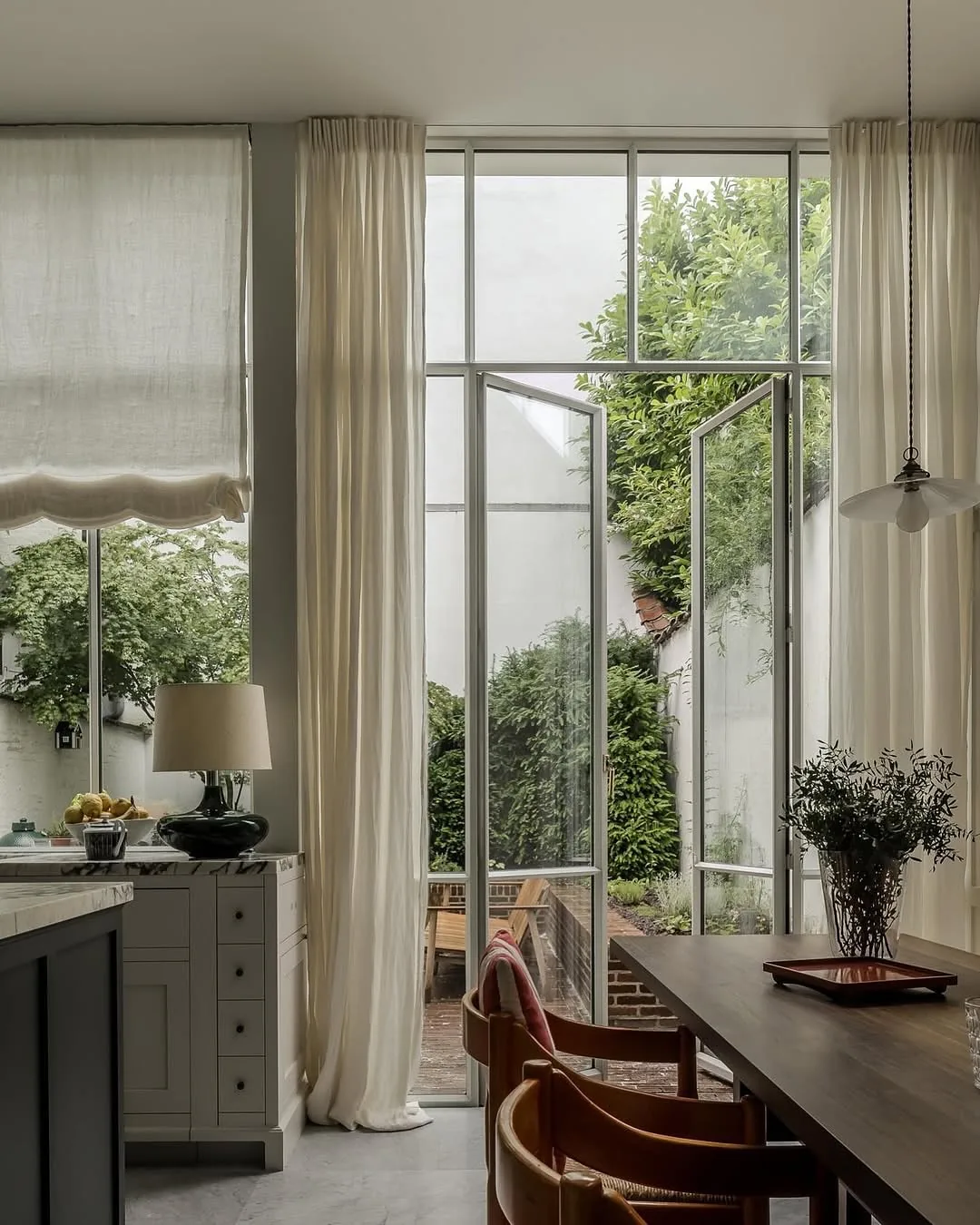
Pedestal the table against leg wars
Four-legged tables ambush banquette sliders constantly. You’ll choose round pedestal bases that free every side for entry, letting sitters slide without negotiating furniture legs. Single center supports end the shin wars permanently.
You’ll size rounds generously: 42 inches seats four comfortably where 36 squeezes. You’ll confirm chair clearance behind non-bench sides, since pedestals help sliding but sitters still need exit room. Pedestals also simplify cleaning underneath, one base instead of four leg zones. When entry flows from all sides, the nook welcomes spontaneously. Leg negotiation kills more breakfasts than bad coffee ever did.
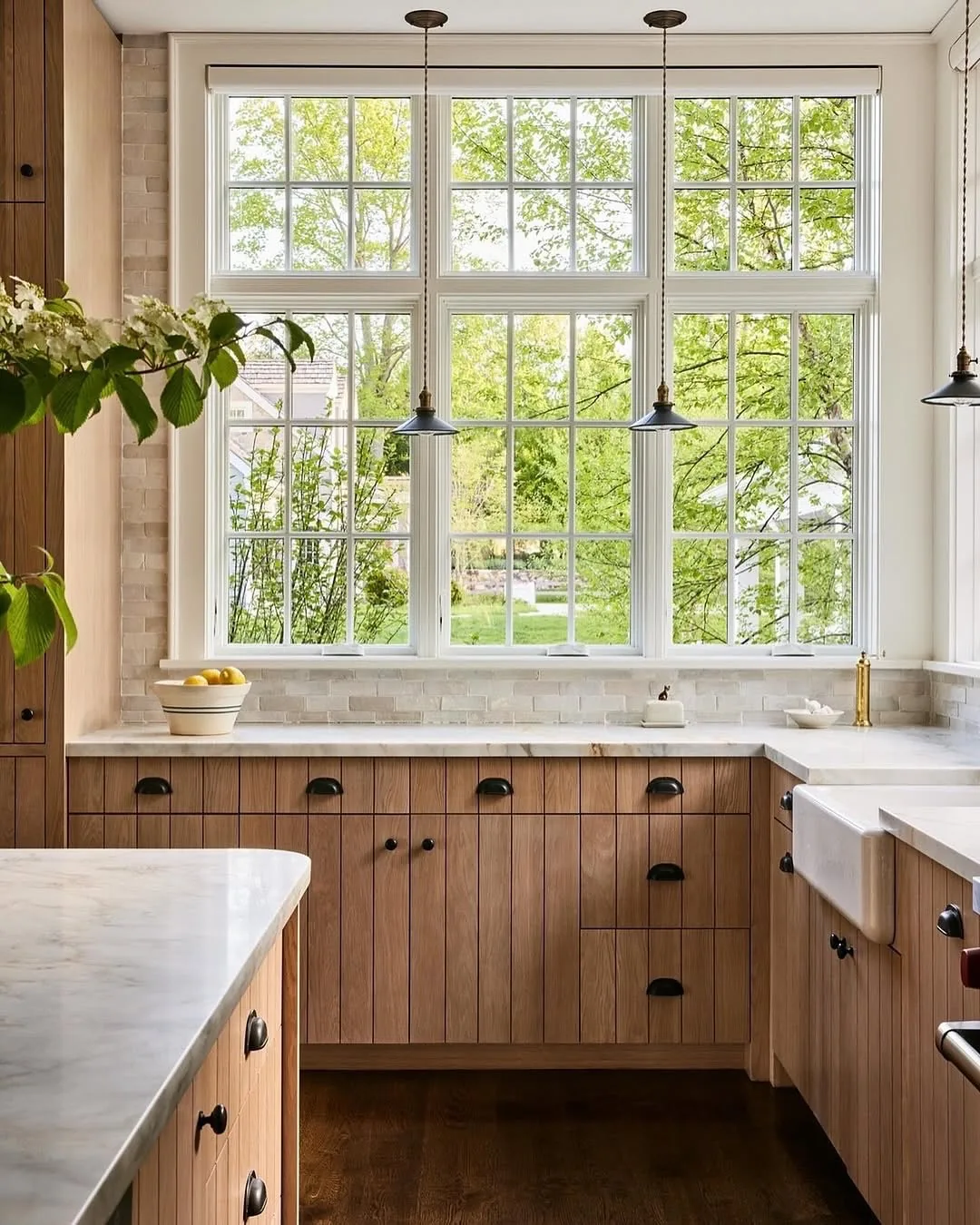
Shape morning light deliberately
East light makes nooks; harsh light breaks them. Three ideas tune glass.
Diffuse east sun, never block it
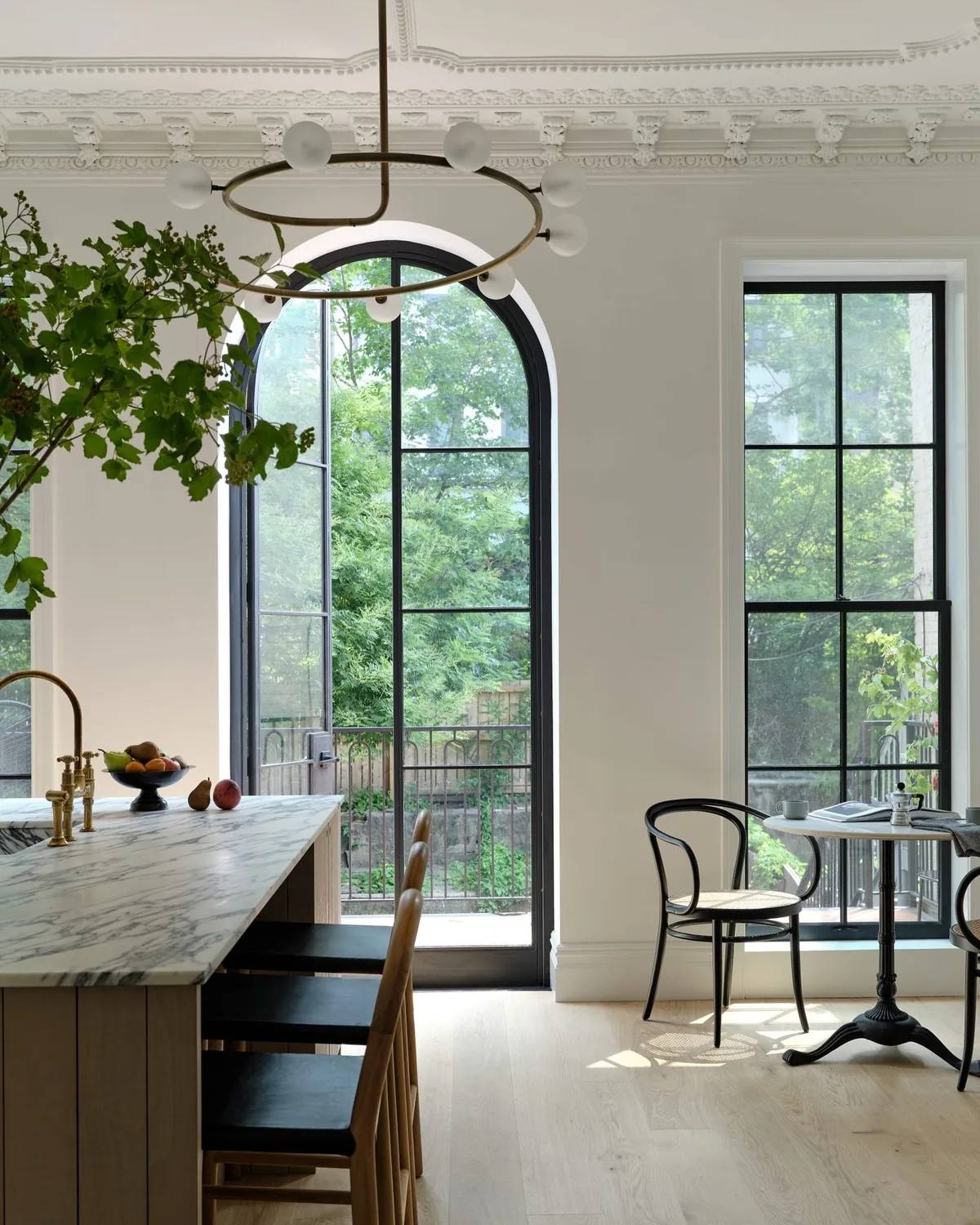
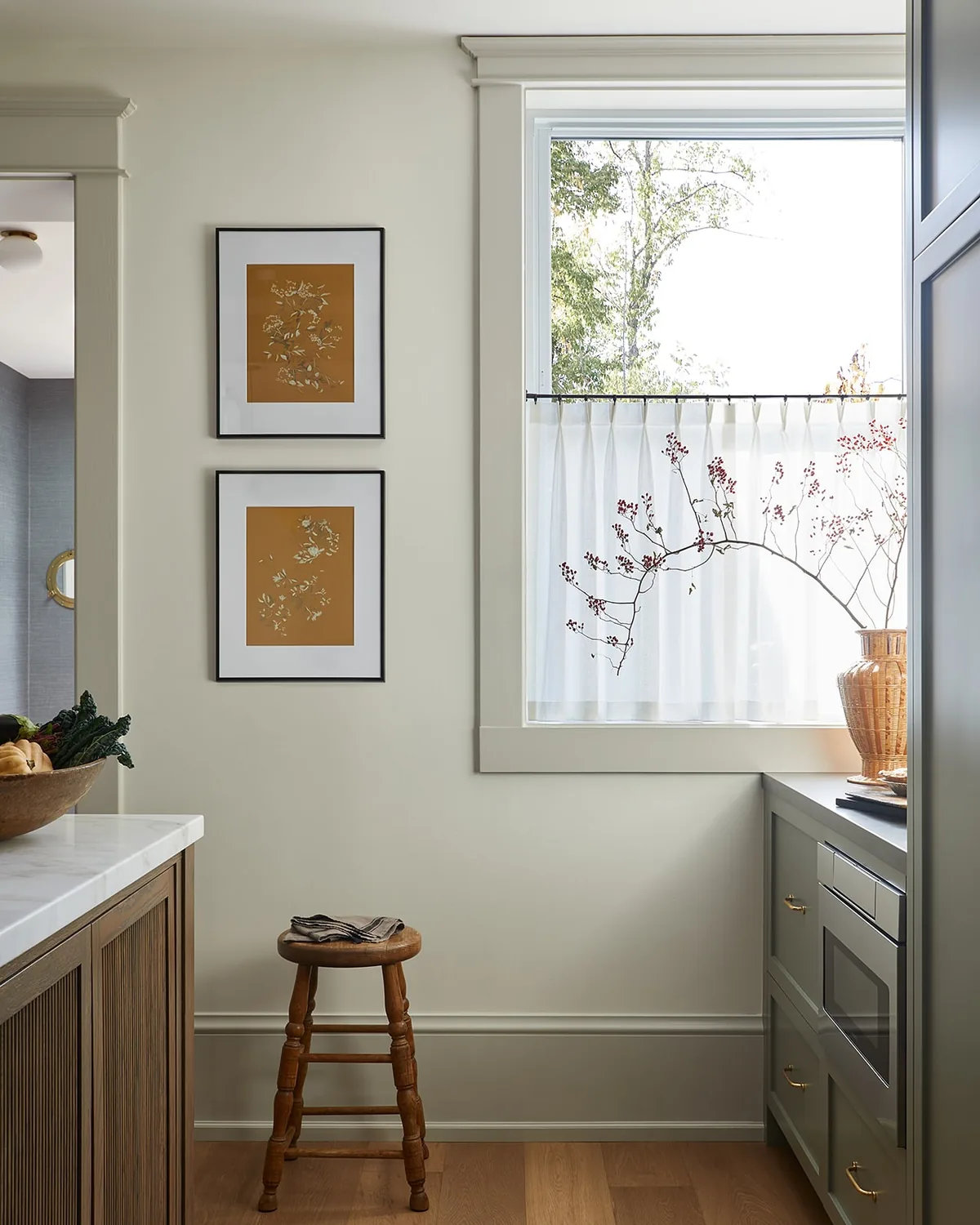
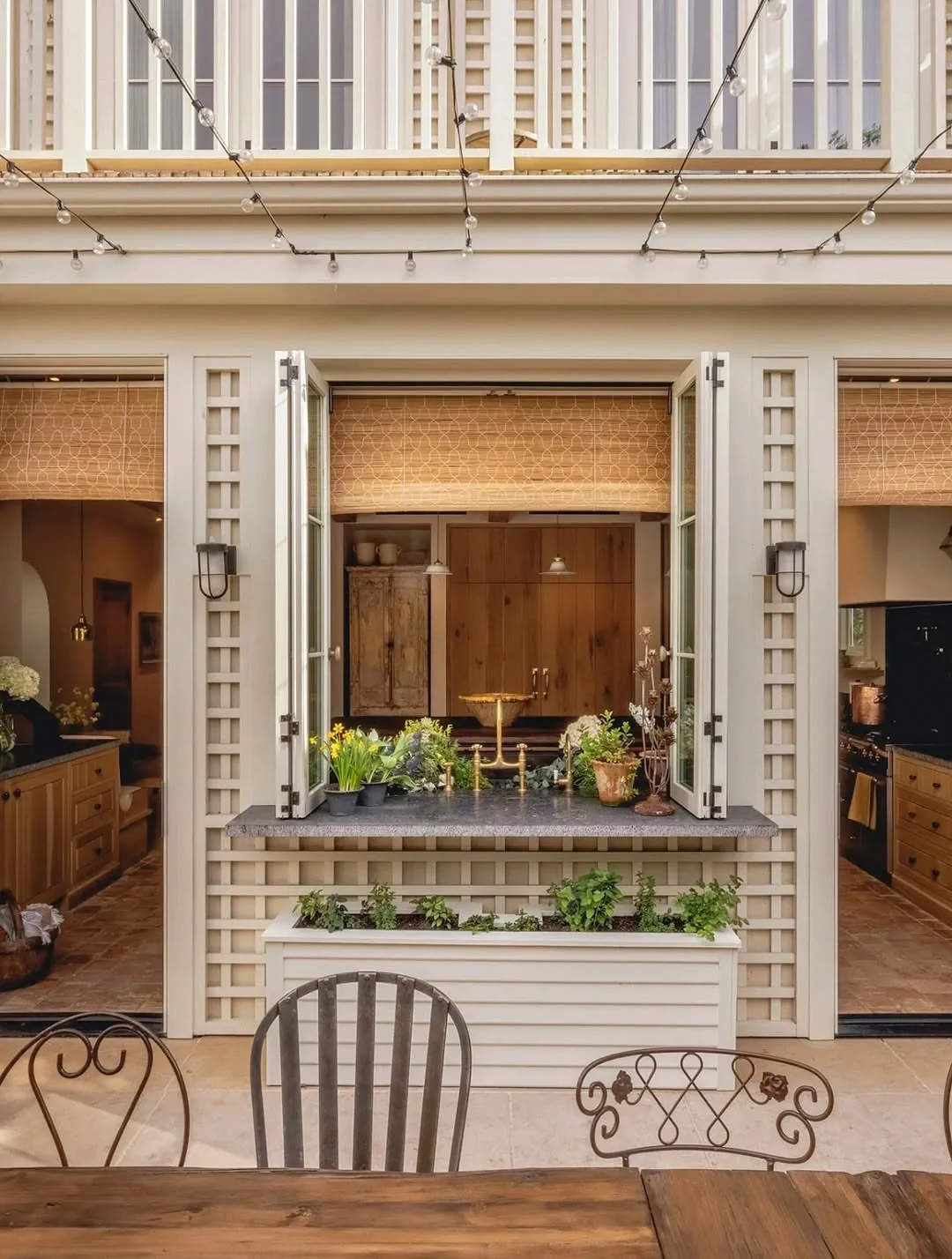
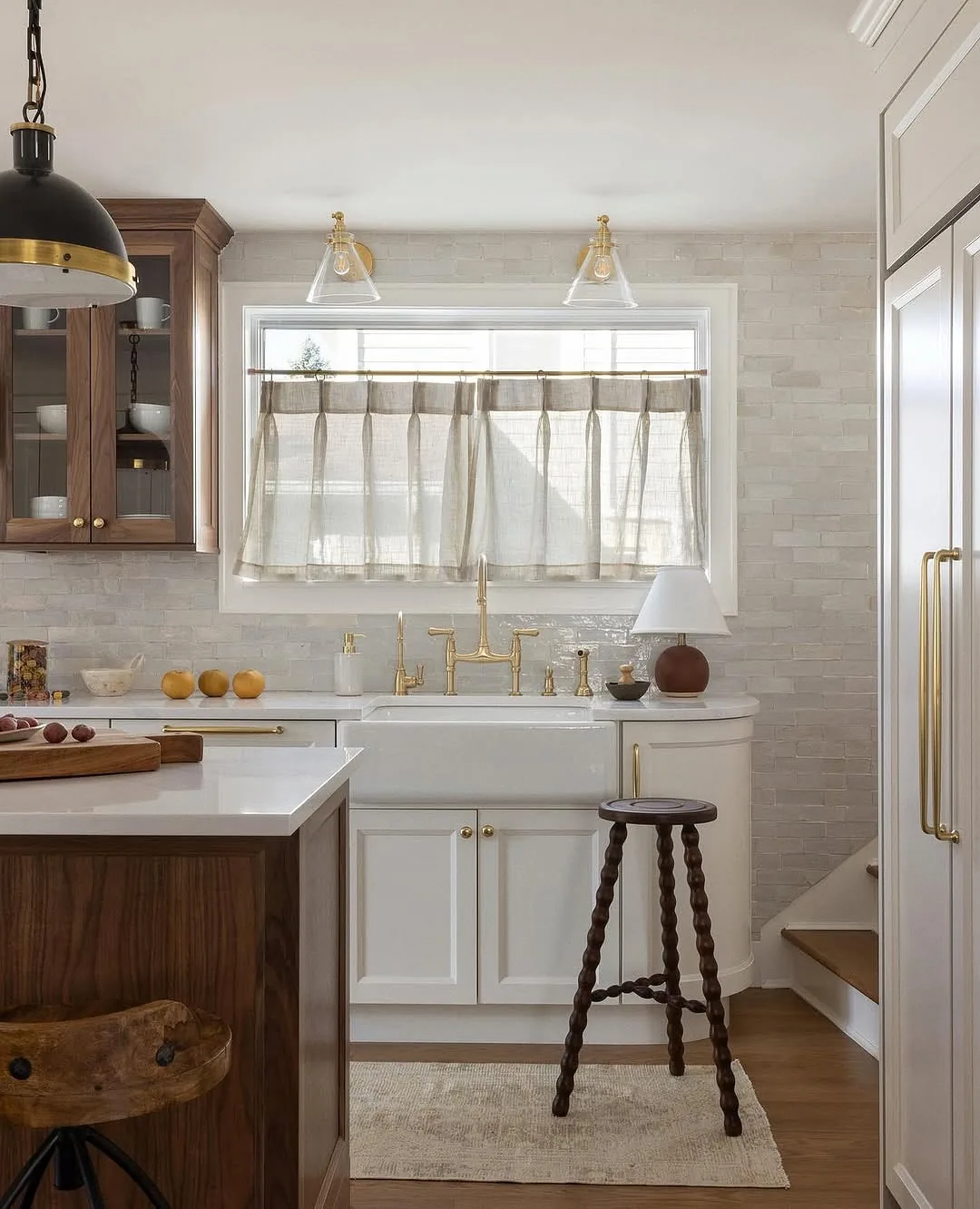
Raw morning sun squints sitters and bleaches cushions simultaneously. You’ll hang sheer linen that scatters direct rays into even glow while preserving brightness. You’ll layer bottom-up shades for privacy that preserves sky, since full curtains drawn for neighbors delete mornings entirely. Sheers maintain the aliveness blackout treatments murder.
You’ll avoid heavy curtains on primary nook windows entirely. They solve glare by deleting the reason you sat there. Bottom-up shades handle privacy while leaving tops open to sky. When light softens without dimming, mornings stretch longer and phones stay pocketed more.
Frame views from seated eye height
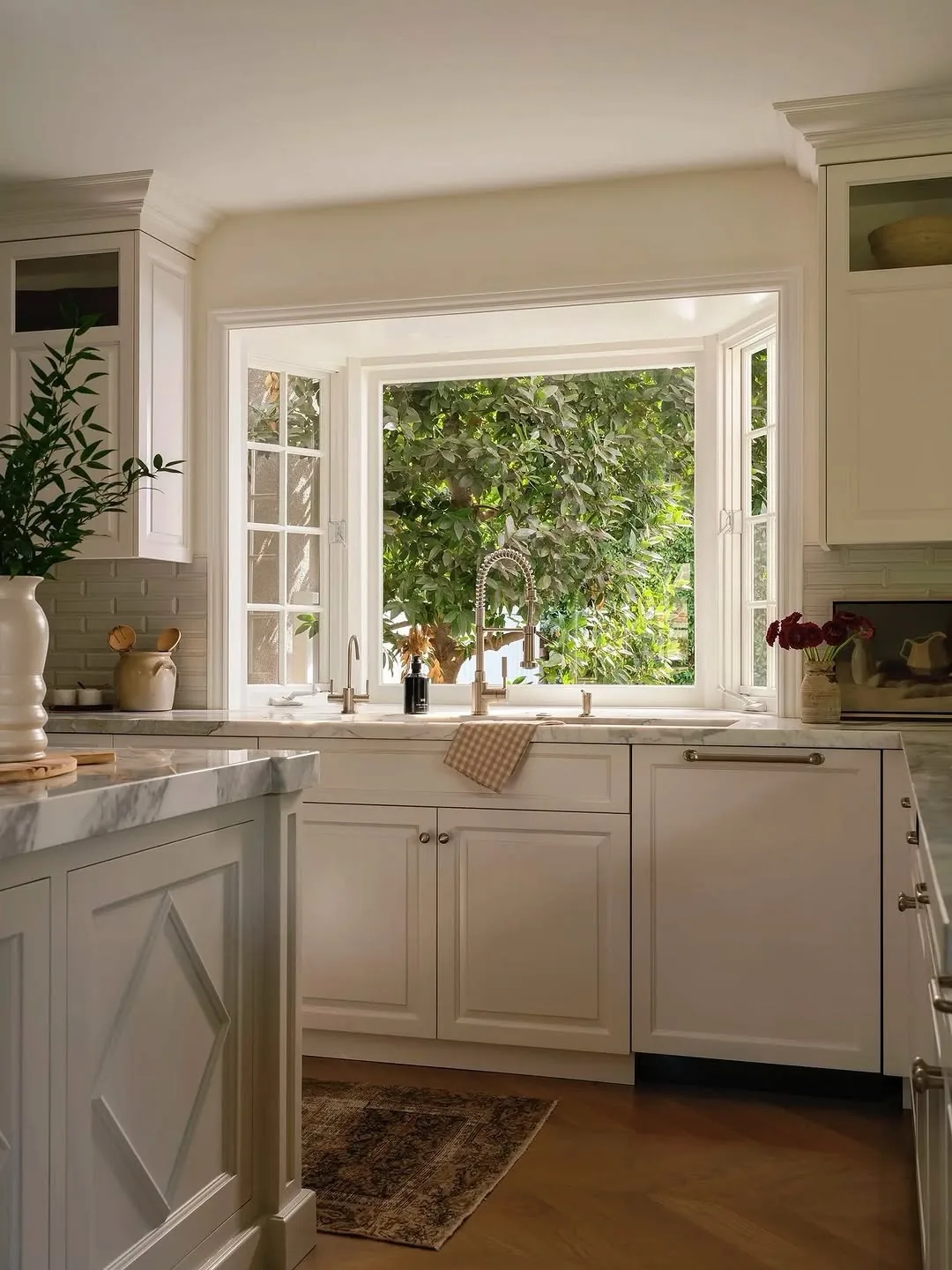
Standing views differ completely from sitting ones. You’ll crouch to bench height and check what sitters actually see: fence, garden, sky proportion. Treatments should frame that seated view, never slice across it.
You’ll raise blinds fully above sightlines and clear sills of clutter blocking glass. Bottles and jars on sills slice sightlines you framed carefully, so keep glass horizons clean. A trailing plant filters foreground beautifully while the view breathes beyond. When the outlook feels intentional from the cushion, even fences read as garden edges. Seated framing decides daily, standing framing deceives.
Light evenings and finish warmly
Nooks serve dinner as well as dawn. Three ideas carry past sunset.
Pendant the table for night duty
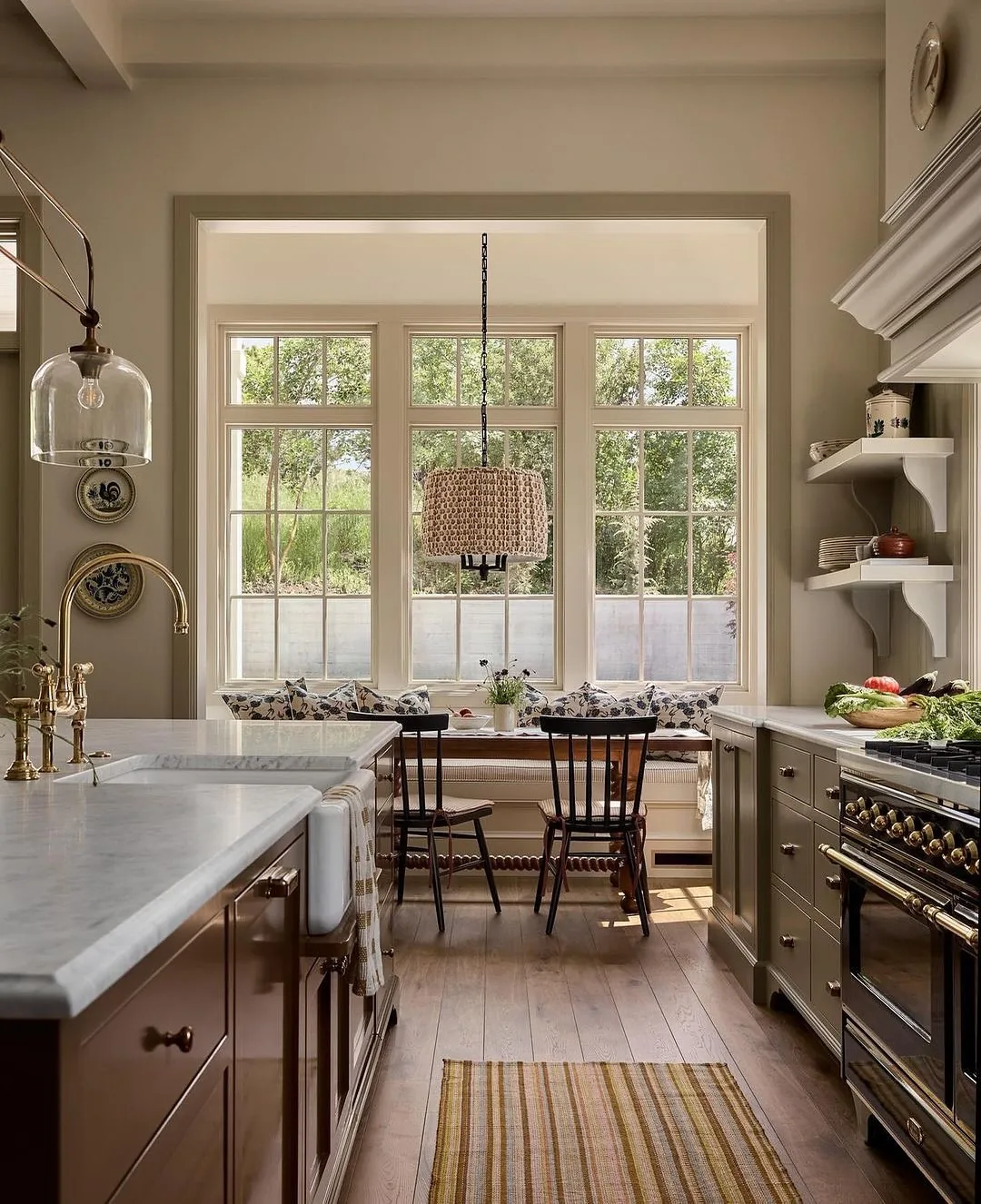
Daylight abandons nooks by late afternoon in winter. You’ll hang one pendant 30 to 34 inches above the table, dimmable and warm, so evenings inherit the corner’s charm. Unlit nooks go dark months yearly without it.
You’ll size the fixture to the table, roughly half to two-thirds its width. For pendant scale rules that transfer room to room, browse our kitchen ideas hub alongside this guide. Timid pendants disappear while oversized ones hover oppressively. When one warm pool centers the table nightly, the nook earns dinner as well as breakfast. Daylight starts corners, pendants keep them.
Judge breakfast nook & kitchen window ideas by evening use too
Morning-only nooks waste half their potential. You’ll imagine the corner at 8pm: homework, bills, wine with a friend. If the setup serves only cereal, it idles eighteen hours daily.
You’ll add a sconce or small lamp for reading light that pendants don’t reach. Sideways sitters need their own glow for books and laptops. When evenings work as well as dawns, the nook justifies its footprint completely. Single-shift corners rarely survive renovation rounds.
Warm the corner past its windows
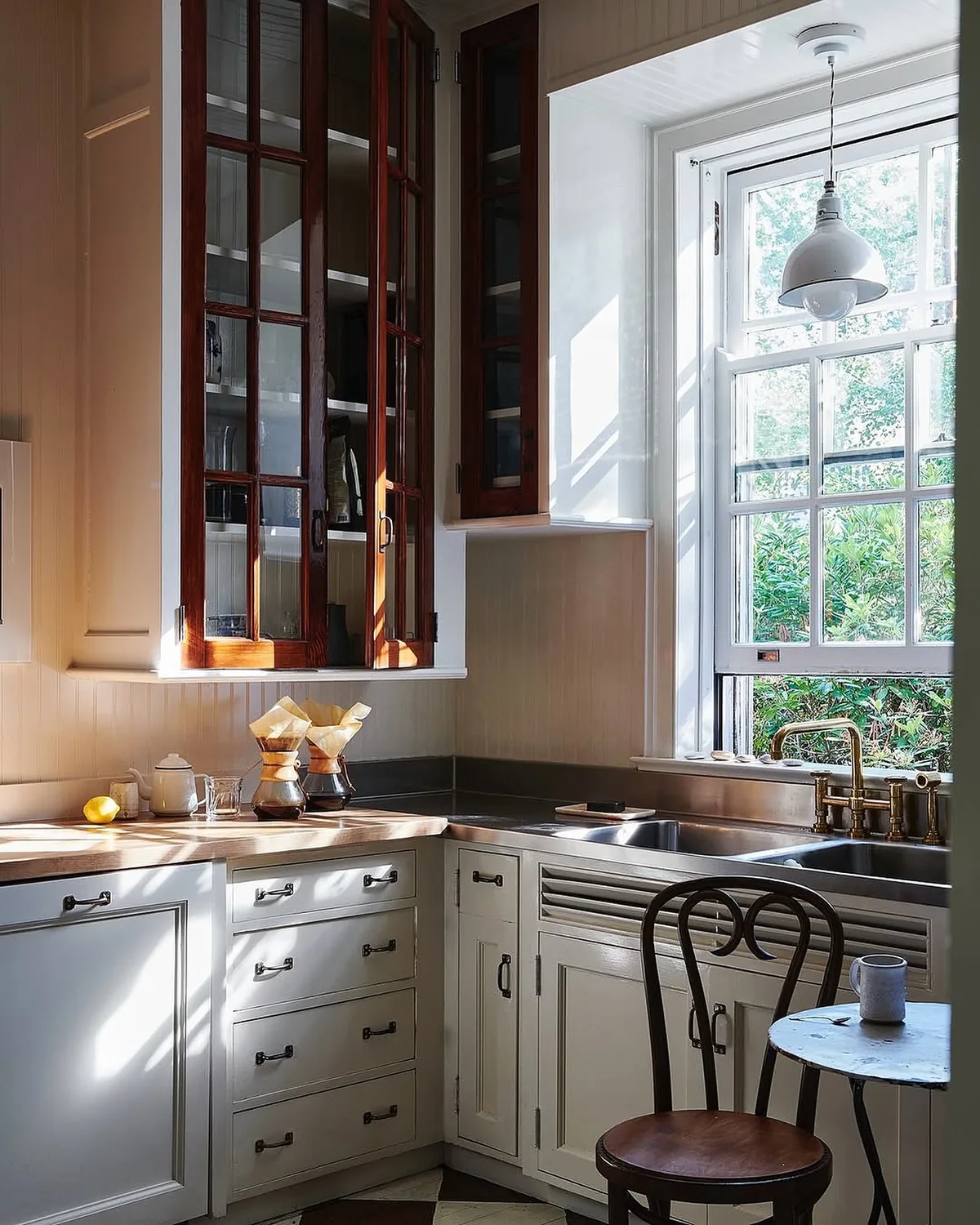
Glass corners chill after sunset regardless of daytime charm. You’ll choose indoor-outdoor fabrics for bench cushions, since morning condensation and crumb duty punish delicate weaves. You’ll layer textiles deliberately: cushioned benches, a washable rug underfoot, one throw within reach. Warmth you can touch matters more than warmth you see.
You’ll run the rug large enough to catch table and bench feet together. Cold tile underfoot ends lingering faster than any draft. When textiles wrap the corner softly, evening use follows naturally. Bare hard corners photograph crisp and sit empty.
Nook math that matters at a glance
| Works daily | Sits empty | |
|---|---|---|
| Traffic | Two paths maximum | Three-plus thoroughfare |
| Table | Round pedestal, 42 inches | Square four-legger |
| Seating | Banquette plus storage | Chairs needing pull-out |
| Light | Diffused east plus pendant | Bare glare, no evening plan |
| View | Framed from cushion height | Sliced by treatments |
| Verdict | Breakfast daily | Mail storage |
The Breakfast Nook Formula
Eight ideas resolve into six morning rules:
- Traffic under two. Count paths at rush hour before placing anything.
- Banquette the walls. Density plus hidden storage beats loose chairs.
- Pedestal rounds. Forty-two inches seats four without leg negotiations.
- Diffuse the east. Sheers soften, blackout deletes the point.
- Pendant for nights. Warm dimmable glow inherits the corner at dusk.
- Textiles wrap. Cushions, rugs and throws carry evenings past sunset.
Hold those six and the corner fills before the coffee cools. Mornings gain a room they never had, built from space already owned.
Frequently Asked Questions
Where should I put a breakfast nook?
You’ll choose a corner with at most two crossing paths, ideally an exterior wall with east windows. Dead-end geometry protects sitters while thoroughfares destroy lingering. Traffic decides before cushions do.
What table works best in a nook?
You’ll pick round pedestals around 42 inches for four. Single center bases free every side for sliding in. You’ll test with chairs first, living with the arrangement a week before building anything fixed.
How do I light a breakfast nook?
You’ll diffuse daylight with sheers plus hang one dimmable pendant 30 to 34 inches above the table. Evenings need the pendant inheriting the corner. Add a sconce for sideways readers the pendant misses.
Can a small kitchen fit a nook?
You’ll banquette two walls where chairs fit none, gaining four seats in chair-for-two footprints. Storage bases double the win, and light colors keep tight corners breathing. Storage bases double the win. Small kitchens earn nooks through density, never through squeezing.
How do I stop my nook becoming a dumping ground?
You’ll use it daily, which is the real prevention. Corners serving breakfast resist clutter naturally. Add storage benches for overflow and cap table objects at three. Used nooks stay clear.
Should nook windows have curtains?
You’ll diffuse with sheers or bottom-up shades, never blackout. Privacy needs solutions preserving sky and light. Bare glass glares mornings while heavy drapes delete the reason you sat there.
This article may contain affiliate links. We may earn a commission at no extra cost to you.