Measure Your Cabinet Before You Fall for the Sink

Add us as a preferred source to see more stories on Google.
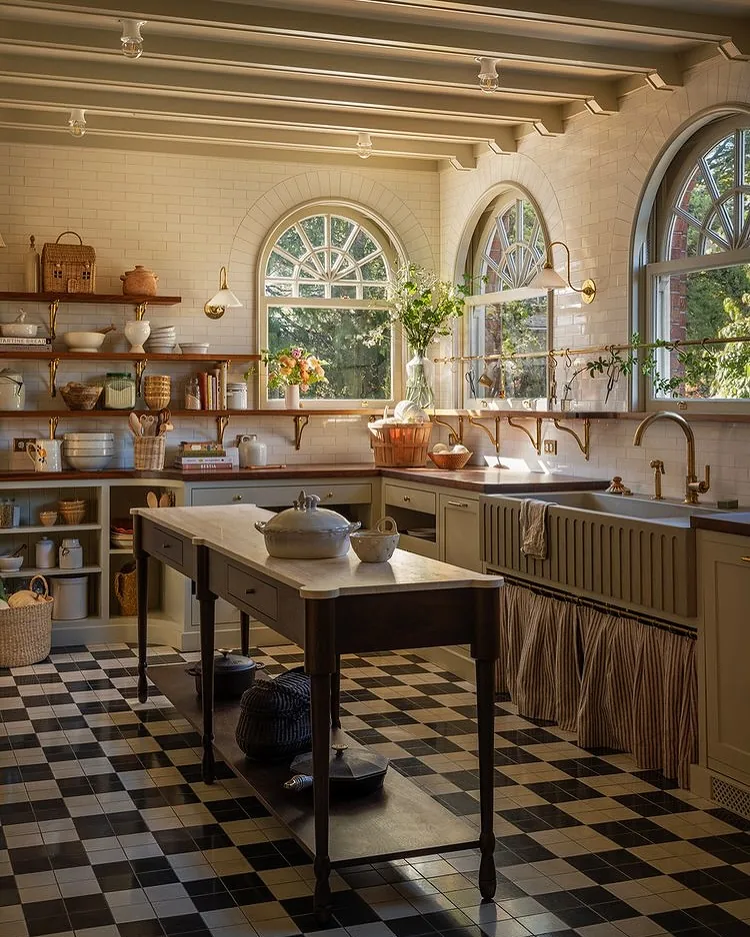
That apron front photographs beautifully. It also rebuilds your cabinet.
An apron sink is never just a purchase. The cabinet face gets cut down, a support frame goes in, doors get shortened, plumbing drops lower, and your countertop gets templated to that exact basin. Swap styles later and you redo the face and usually the counter too.
So you buy once, carefully, in the right order. Cabinet first, material second, style last. These farmhouse sink ideas reward patience with thirty years instead of sagging in three.
Fit the box before the basin
You’ll measure cabinets, not countertops. Three ideas prevent the expensive return.
Size the sink to the cabinet’s inside
Listings name sinks by round numbers that hide true dimensions. You’ll measure your cabinet’s inside width and check it against the manufacturer’s spec sheet, never the marketing title. The cabinet generally needs to run a few inches wider than the basin so framing and mounting fit inside the box.
You’ll do this before falling in love with any particular apron. A sink that needs a 36-inch base in a 33-inch cabinet means new cabinetry, not creative shimming. When the numbers agree on paper, everything downstream, support, plumbing, counters, proceeds calmly. Measure twice here and the whole project thanks you.
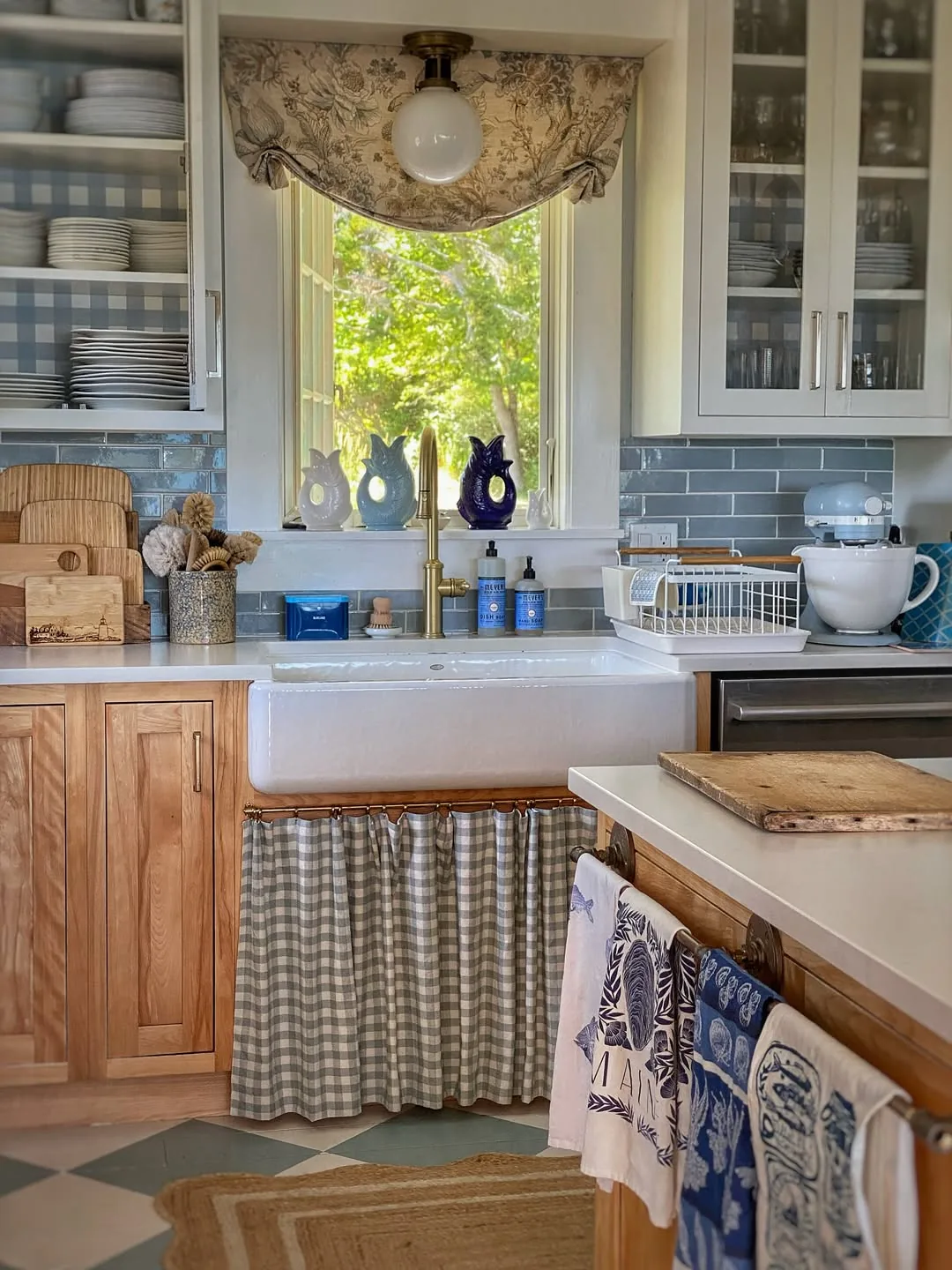
Frame for hundreds of pounds, not tens
A fireclay basin plus water plus a roasting pan weighs more than the cook. You’ll build cross-members or a plywood platform carrying that load down through the cabinet sides to the floor. Clips and caulking hold conventional sinks. Farmhouse basins demand carpentry.
You’ll tell your installer before work begins, not during. Sagging months later is the classic symptom of framing decided on the fly, and it never self-corrects. When the frame goes in deliberately, the sink sits dead level for decades. Support is invisible when right and the whole story when wrong.
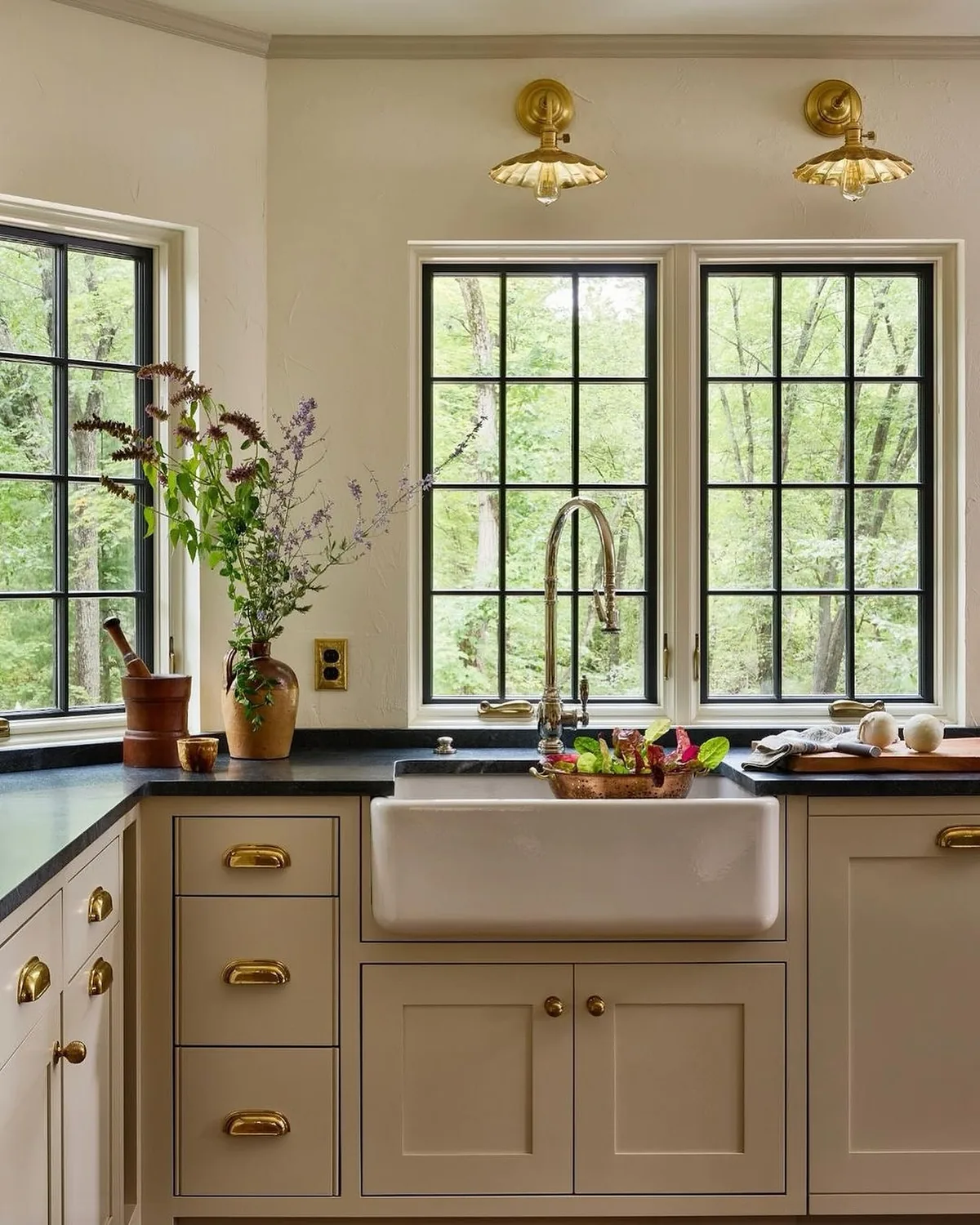
Template counters to the exact sink
Countertop fabricators cut to the sink’s template, not its nominal size. You’ll have the actual basin on site or its exact spec sheet in hand before anyone measures stone. Apron reveals, flush or slightly proud, get decided now because the stone edge meets the apron permanently.
You’ll confirm the reveal style with your installer in writing. Flush reads modern and wipes clean. Slightly proud reads traditional and forgives small misalignments. When template, sink and style all agree before cutting, the joint looks inevitable. Stone cut twice is money cut once too often.
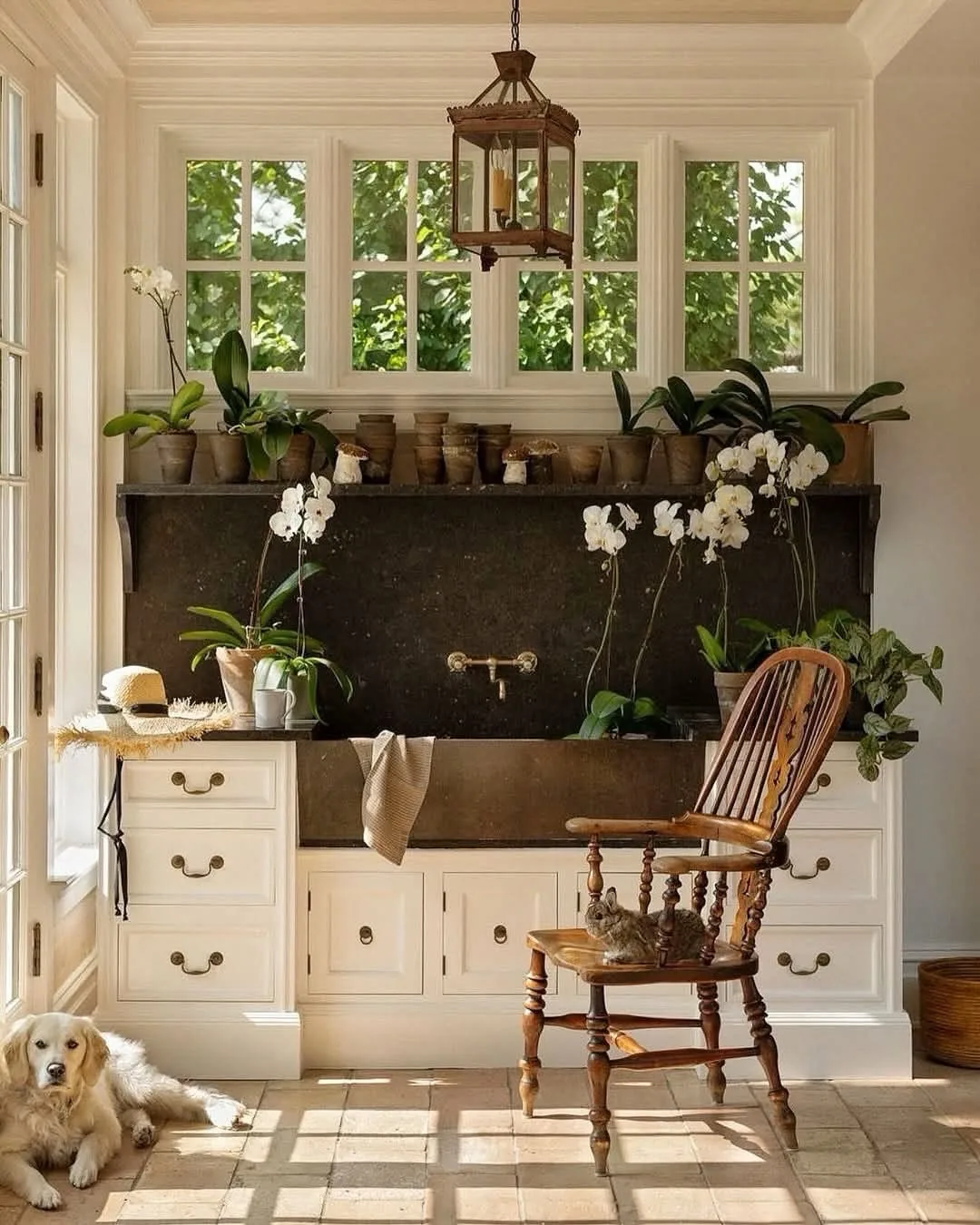
Choose the material honestly
Each basin material trades beauty against forgiveness differently. Four ideas pick yours.
Fireclay for the classic, with eyes open
Fireclay delivers the glossy white farmhouse look nothing else matches. Its fused glaze shrugs off coffee, wine and heat that stain lesser surfaces. You’ll buy quality from makers with real kilns behind them, because firing standards separate decades-long basins from crazing disappointments.
You’ll accept two truths with it. Dropped cast iron chips even good fireclay, and cheap thin lookalikes chip at apron corners first, exactly where everyone looks. A bottom grid and gentle habits protect the investment. When you buy real fireclay and treat it with minimal respect, it outlasts the kitchen around it.
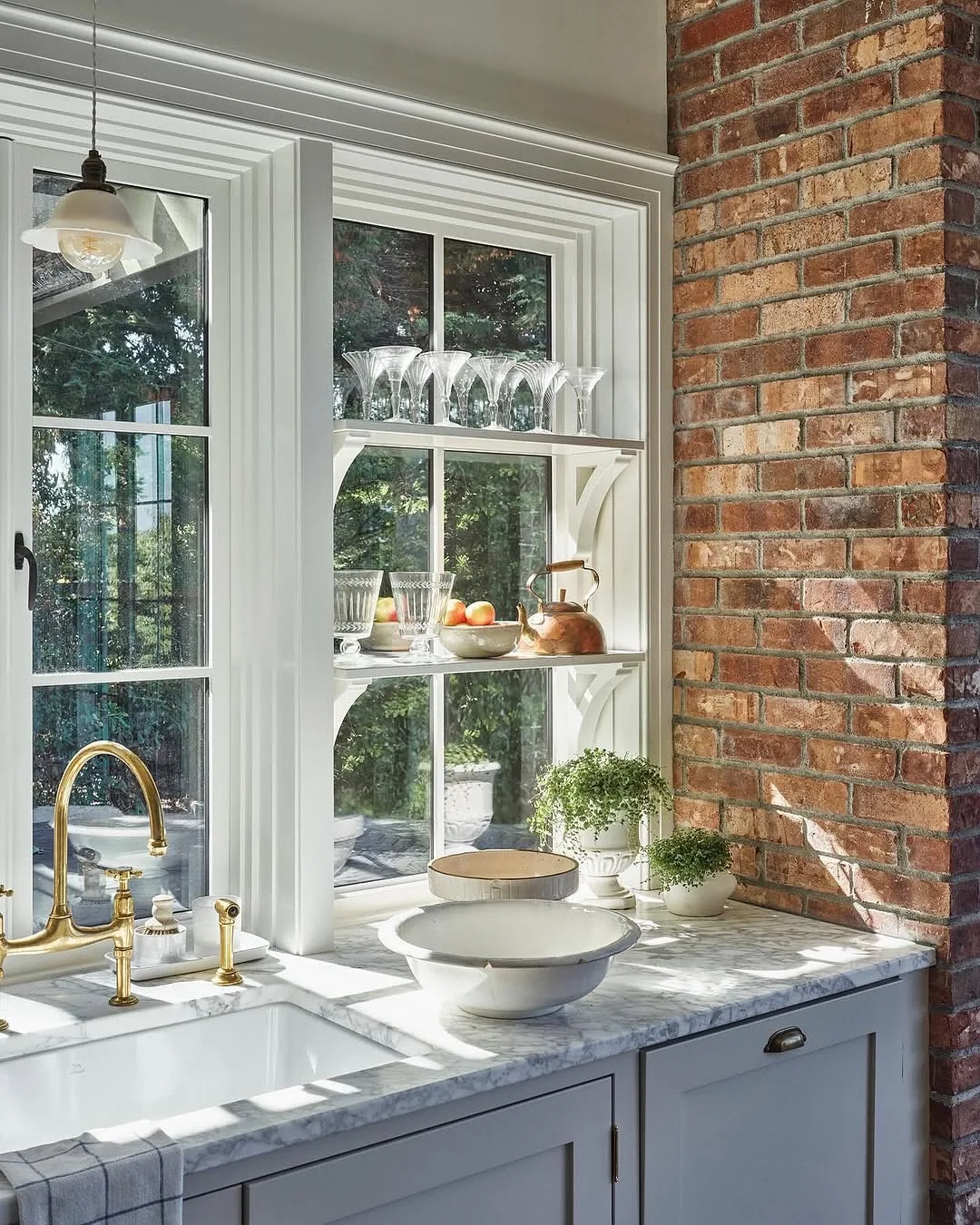
Forgive daily life with stainless steel
Stainless never chips, never crazes and shrugs off the abuse busy kitchens deal. You’ll choose heavier gauges that feel solid underhand, since thin steel drums and flexes. Brushed finishes hide the fine scratching that polished ones advertise.
You’ll accept water spots as patina rather than fighting them daily. A quick wipe with the grain keeps steel presentable without ceremony. When forgiveness outranks romance in your priorities, stainless wins going away. It won’t photograph like fireclay, but it forgives like nothing else exists.
Reach for composite when noise bothers you
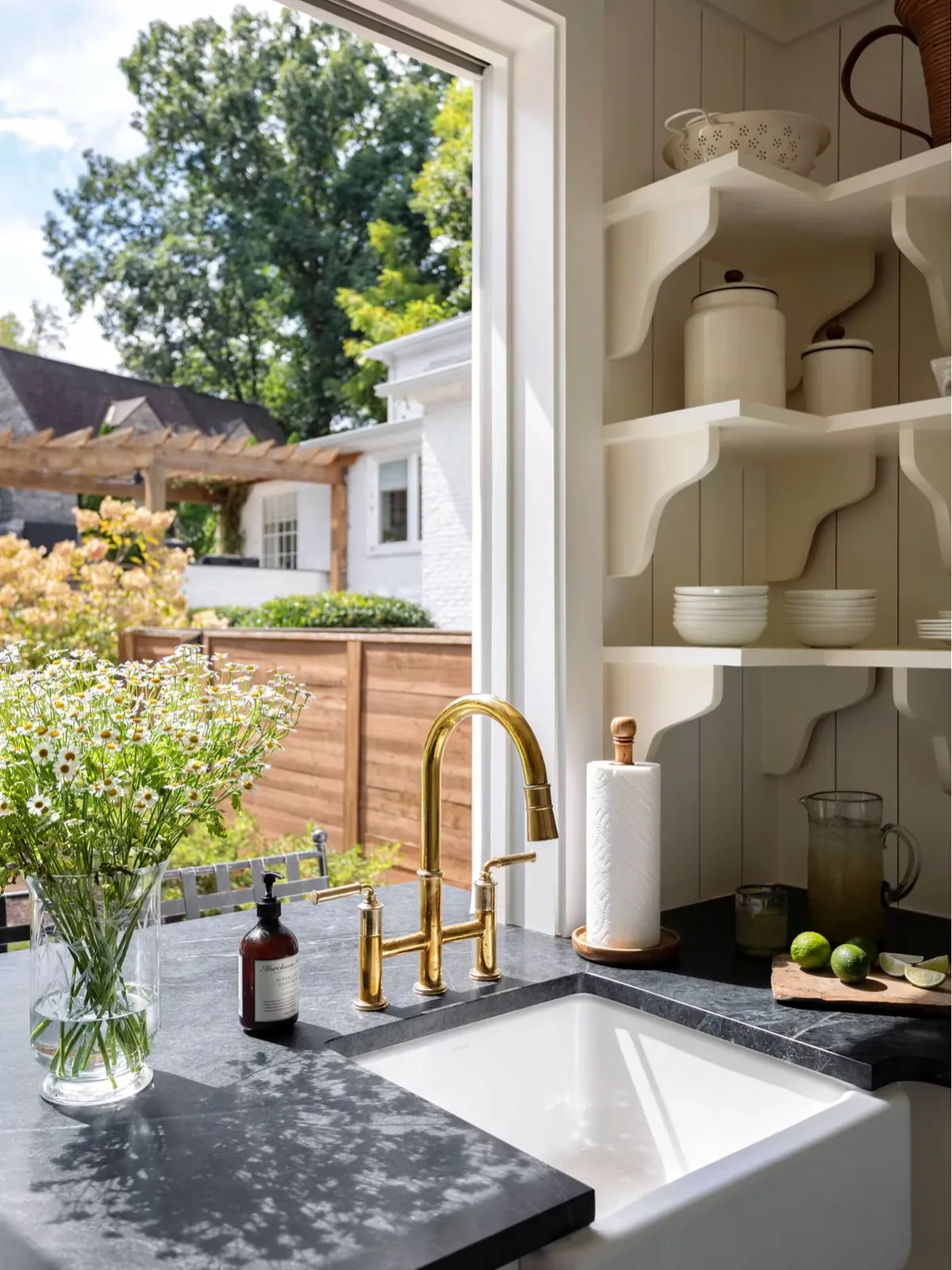
Granite composite sinks absorb sound, resist scratches and hide daily marks better than any glossy basin. You’ll pick mid-tone greys, blacks or whites that match your counters closely. Dark composites show mineral deposits in hard-water areas, so you’ll know your water before committing.
You’ll enjoy the soft matte quiet of stone basins every washing-up. No ringing steel, no clatter echo, just solid muted work. When the kitchen opens to living space, that acoustic calm matters more than showroom shine. Composite splits the difference between beauty and forgiveness better than purists admit.
Patina copper if you’ll tend it
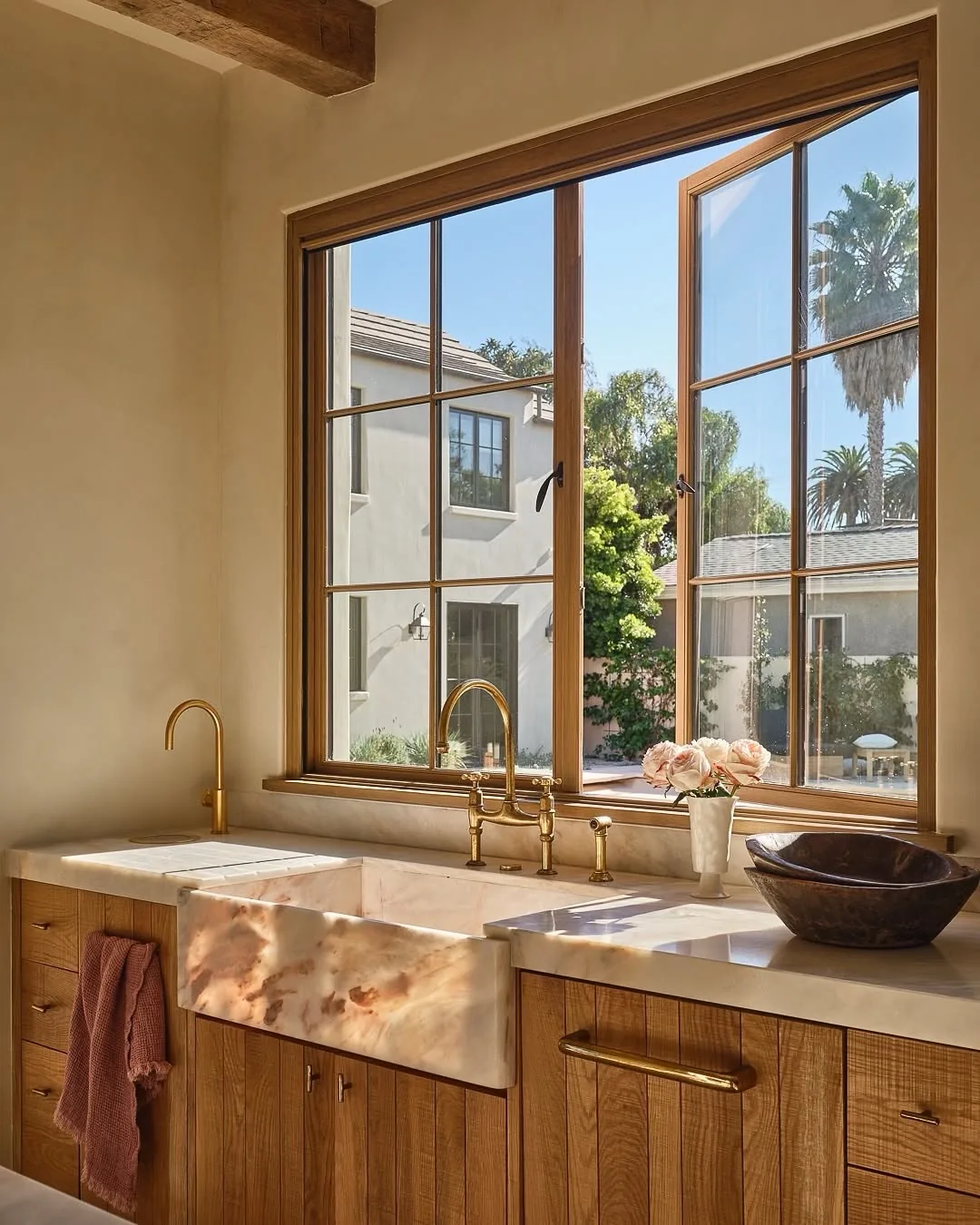
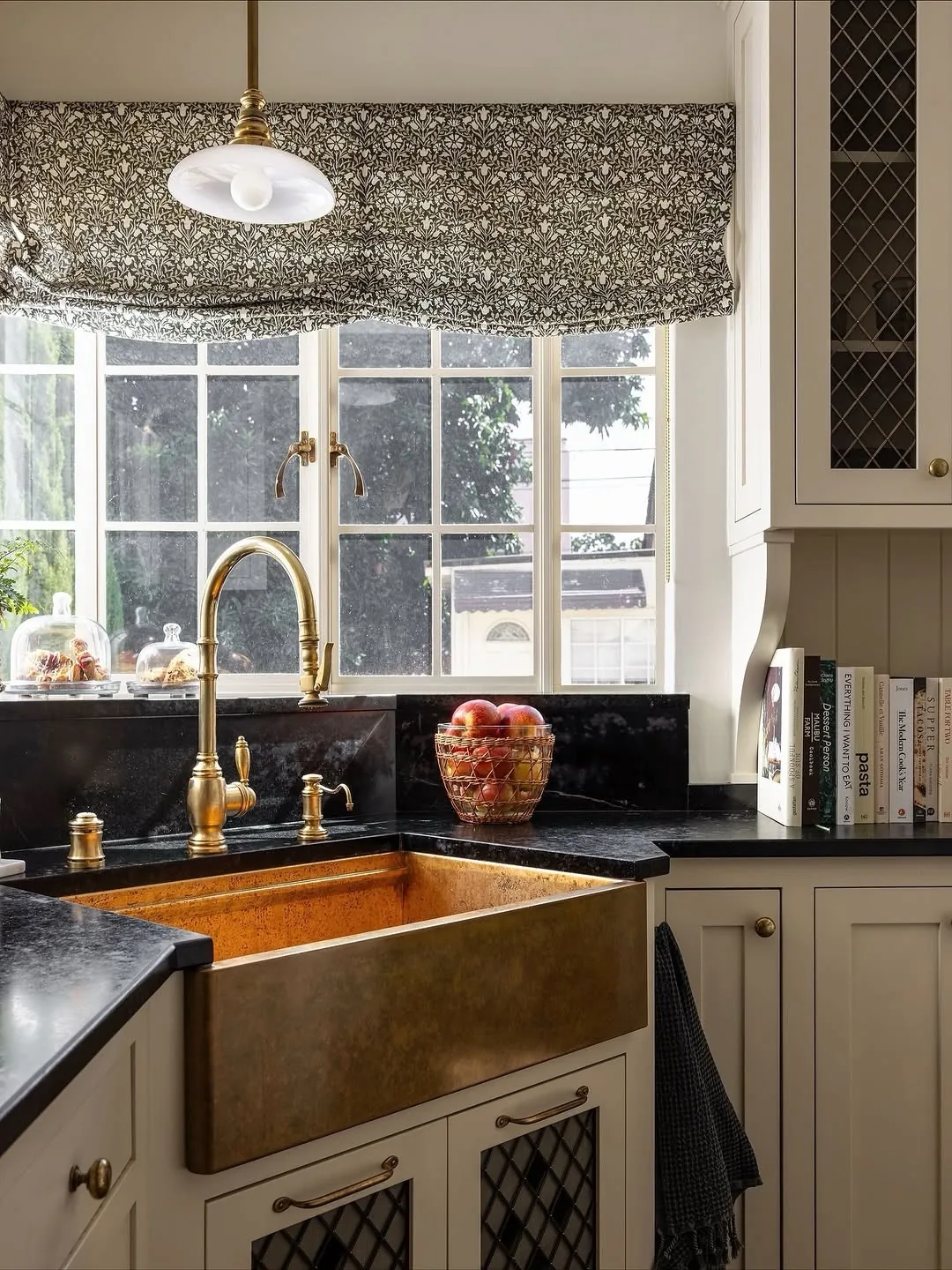
Copper basins glow like nothing manufactured and evolve visibly with use. You’ll commit to the living finish honestly: acids spot it, scrubbing brightens patches, and the patina tells your cooking story back to you. Sealed copper behaves calmer if the evolution unnerves you.
You’ll pair copper with warm woods and brass, never chrome, so the whole sink wall shares one temperature. When tended lightly and loved fully, copper becomes the kitchen’s heirloom. When neglected resentfully, it reads as damage. Choose the relationship you actually want, not the photograph.
Configure bowls and work zones
Single, double or workstation each suit different cooks. Four ideas match basin to habits.
Bowl single for sheet pans and sanity
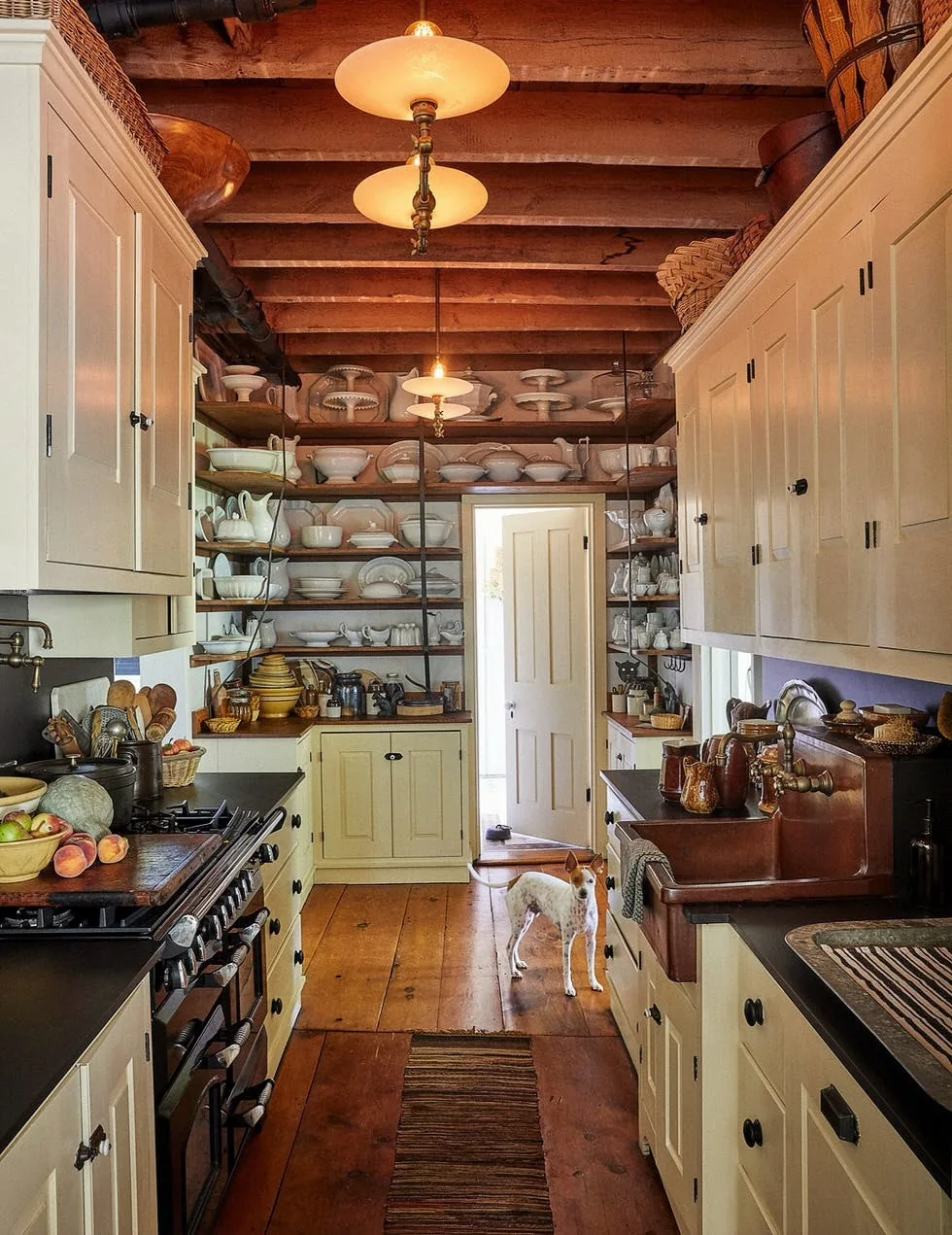
One large basin swallows roasting trays, sheet pans and stockpots flat. You’ll choose single bowls when big cookware defines your cooking, which for most serious cooks is always. Divided basins halve exactly the space large pans need.
You’ll add a dish tub or over-basin rack for the rinse-and-soak workflow doubles provide. Accessories recover the divided function without surrendering the big basin. When the largest thing you own lies flat, daily washing stops being geometry. Single bowl wins for cooks, doubles win for dividers.
Split only for true two-cook kitchens
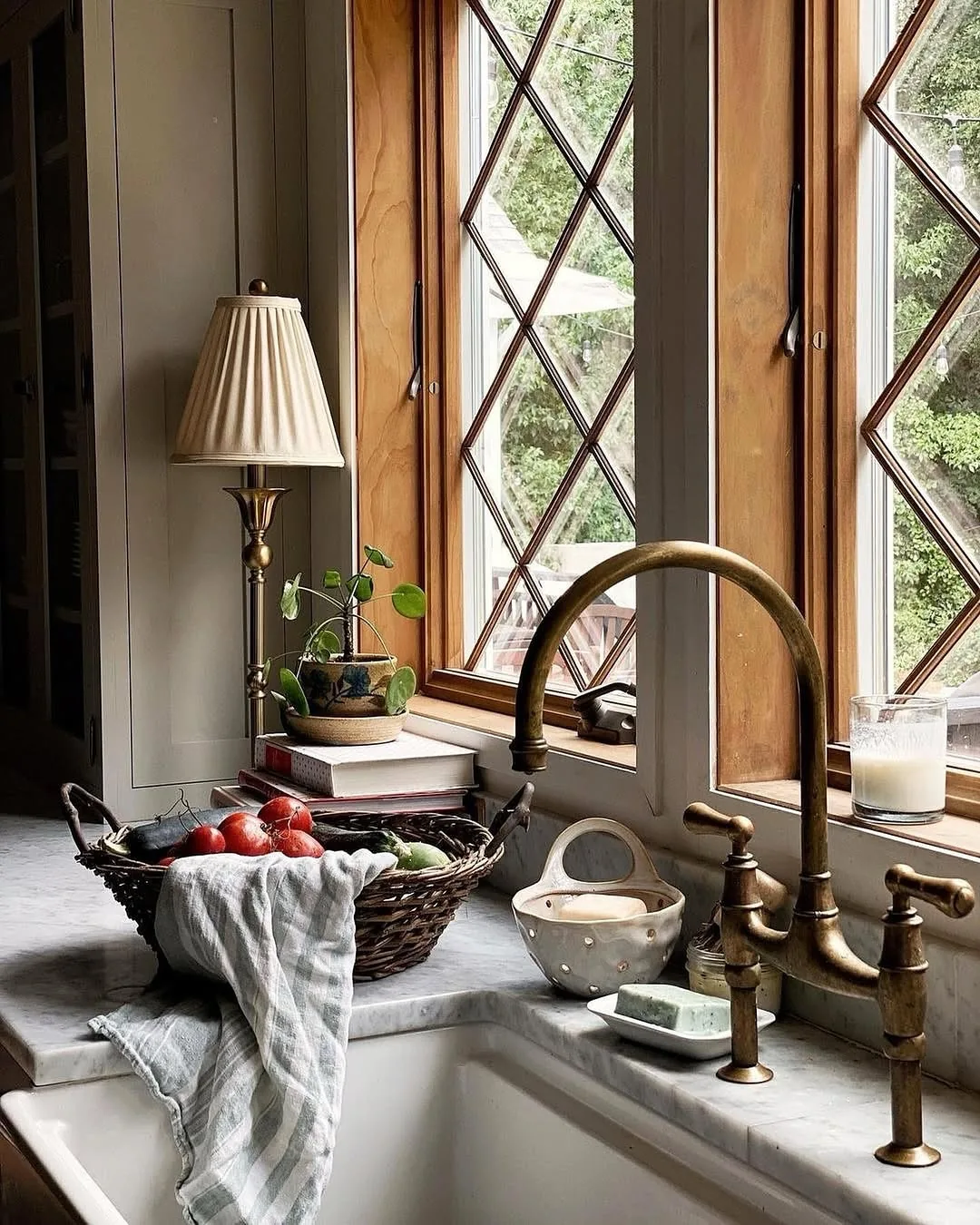
Double bowls serve households where two people genuinely work simultaneously, or where hand-washing divides soak from rinse daily. You’ll confirm that reality before surrendering big-pan space. Most families discover one cook plus a dishwasher makes doubles redundant.
You’ll choose unequal splits when dividing, keeping one basin large enough for real work. Equal halves shrink both sides below usefulness. When two cooks truly share the sink, doubles earn their keep nightly. When the second bowl holds sponges, you’ll wish for the single back.
Workstation the basin into a prep deck
Ledge rails holding boards, racks and colanders turn the sink into counter space. You’ll consider workstation accessories before defaulting to double bowls, since sliding gear over the basin recovers prep area doubles steal. The sink becomes a station, not just a hole.
You’ll buy the accessory set with the sink, because aftermarket rails fit poorly and cost more. Cutting boards, drying racks and colanders sliding at rim height transform washing-up workflow completely. When the basin works triple shifts, even small kitchens gain phantom counter space exactly where water already lives.
Sink the potting bench the same rules apply
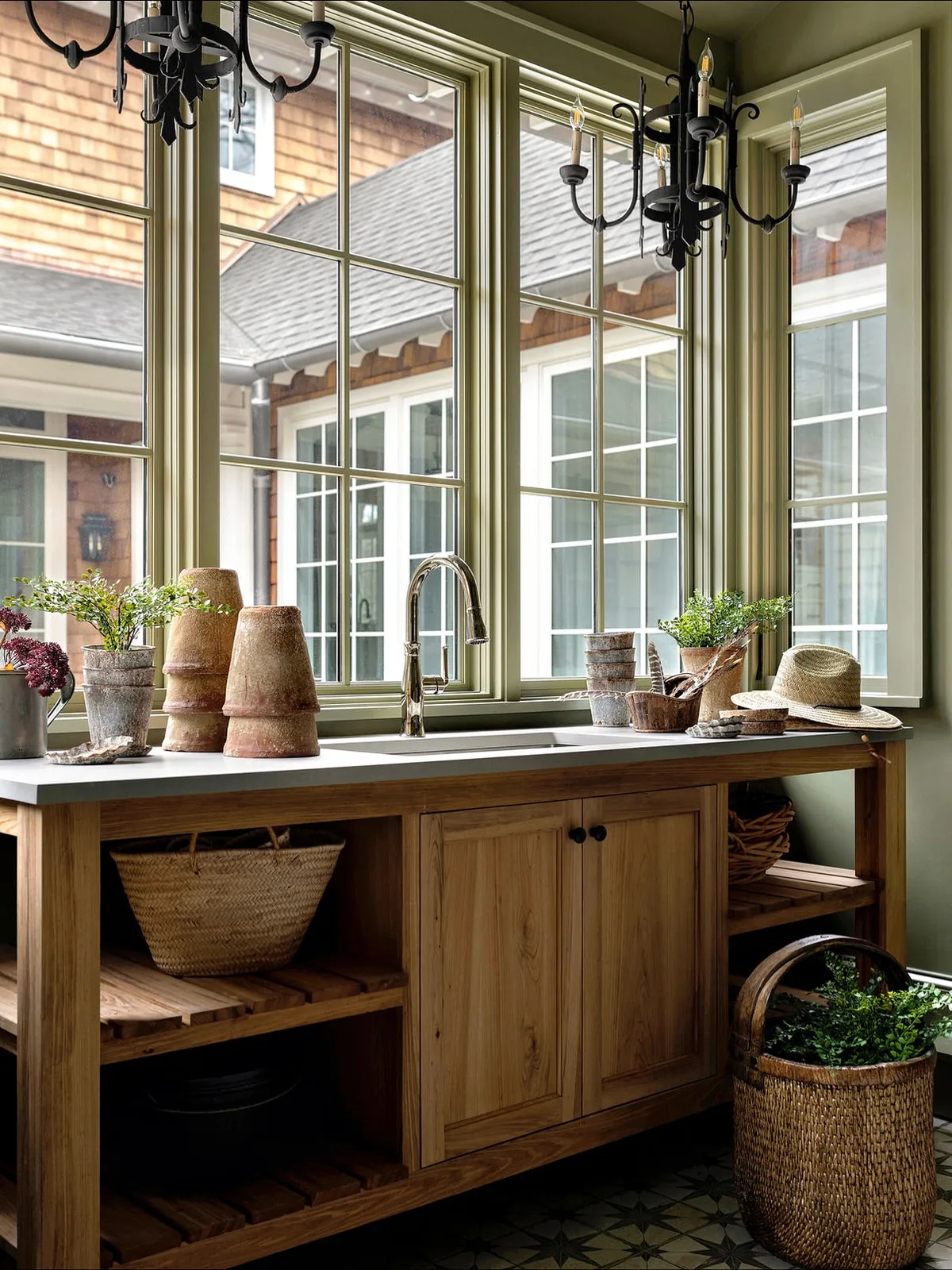
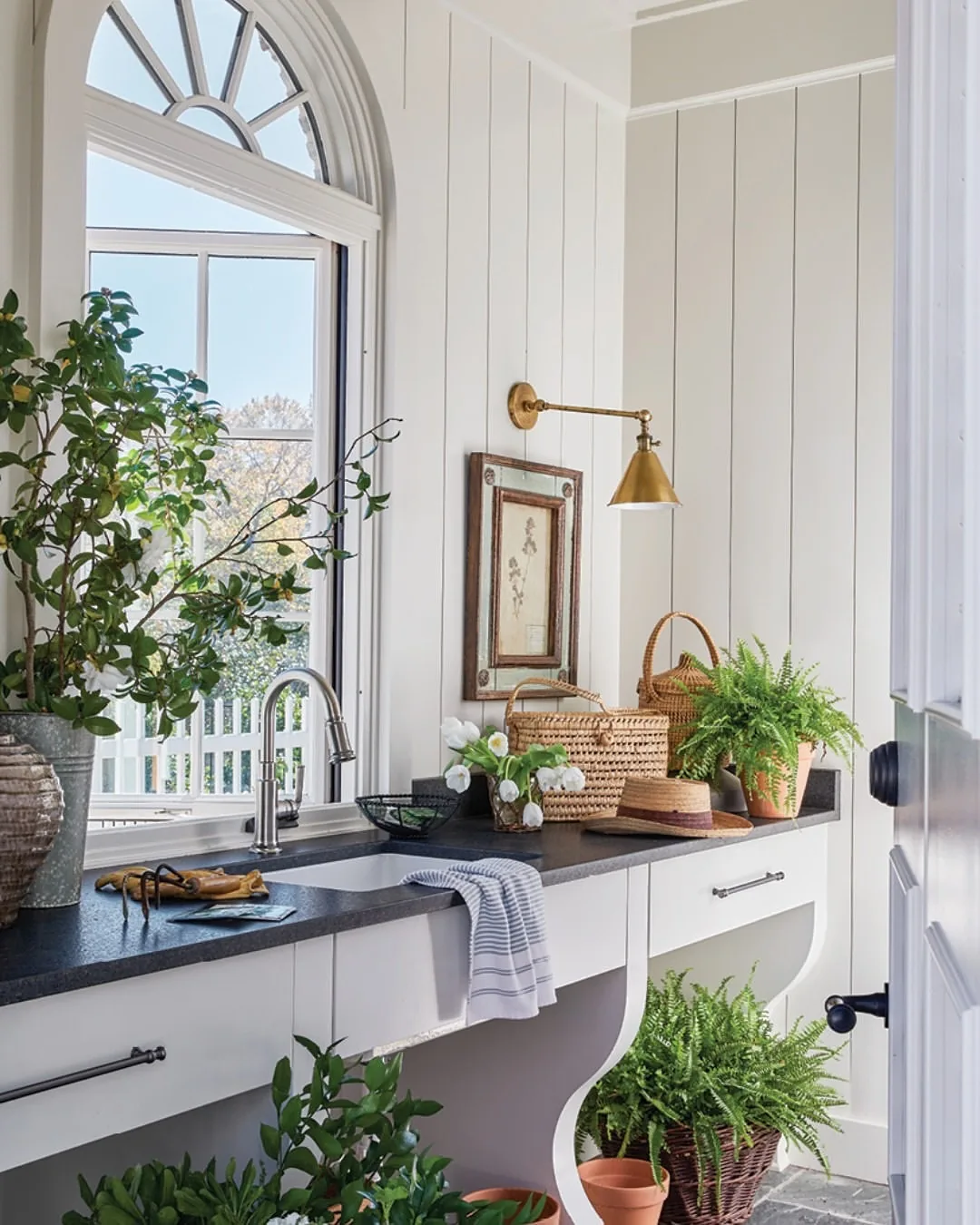
Outdoor and utility sinks deserve the same fit logic. You’ll measure the bench, frame for weight and plumb drainage properly rather than improvising. Potting benches rot fastest where water sits, so drainage slope matters more than basin beauty.
You’ll choose forgiving materials outside: stainless or composite over fireclay’s chip risk. Weather punishes glossy basins faster than kitchens do. When utility sinks get full planning respect, they serve decades. The potting bench you plumb properly becomes the garden room’s anchor.
Set the sink into its wall
Faucets, windows and neighbors decide the final feel. Four ideas finish the wall.
Raise the faucet to the task
Deep basins need tall clearance for stockpots and buckets. You’ll size faucet height and reach to the basin’s depth, testing with your tallest pot in the shop. Pull-down sprayers earn their keep daily in deep singles.
You’ll match faucet finish to your hardware family, brass with brass, black with black. Mixed metals at the sink read as indecision at the room’s focal point. For more on unifying metals across the kitchen, browse our kitchen ideas hub. One metal at the waterline keeps the wall calm.
Center farmhouse sink ideas on the window wall
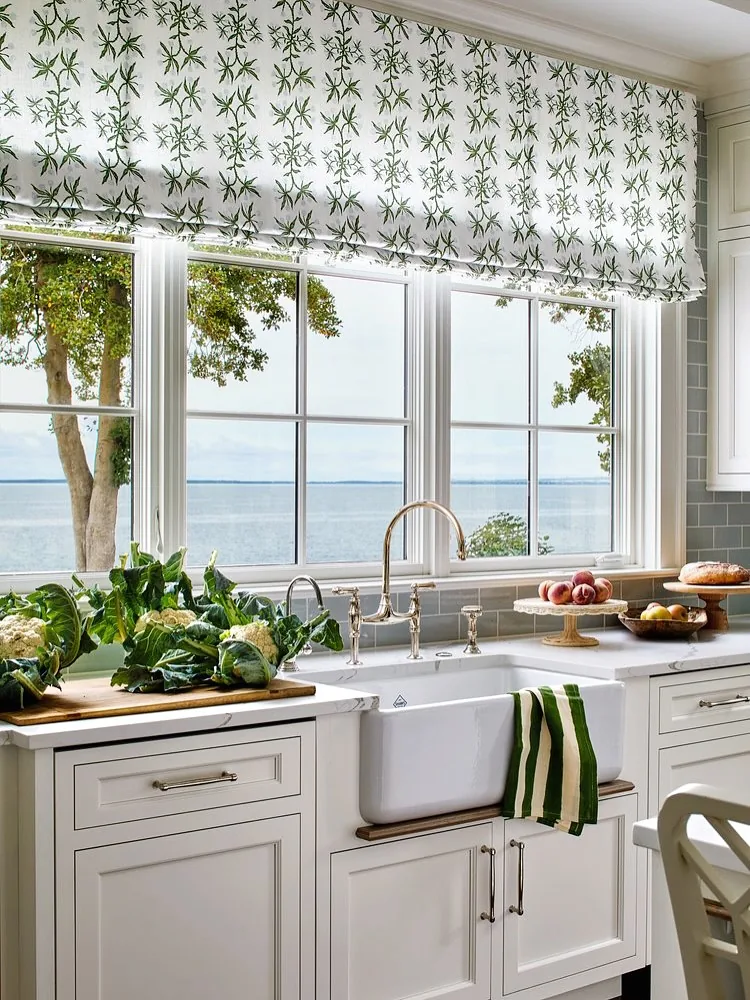
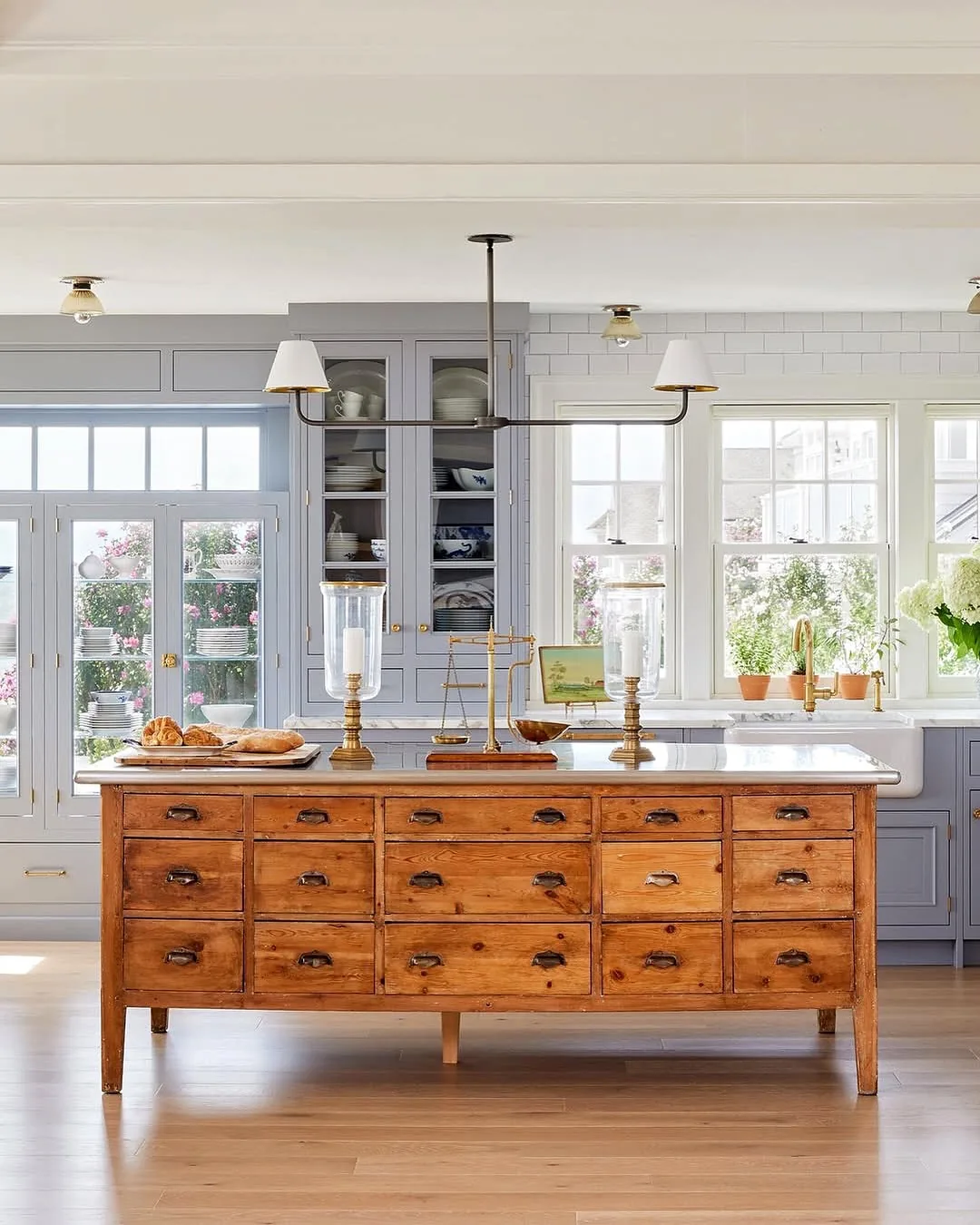
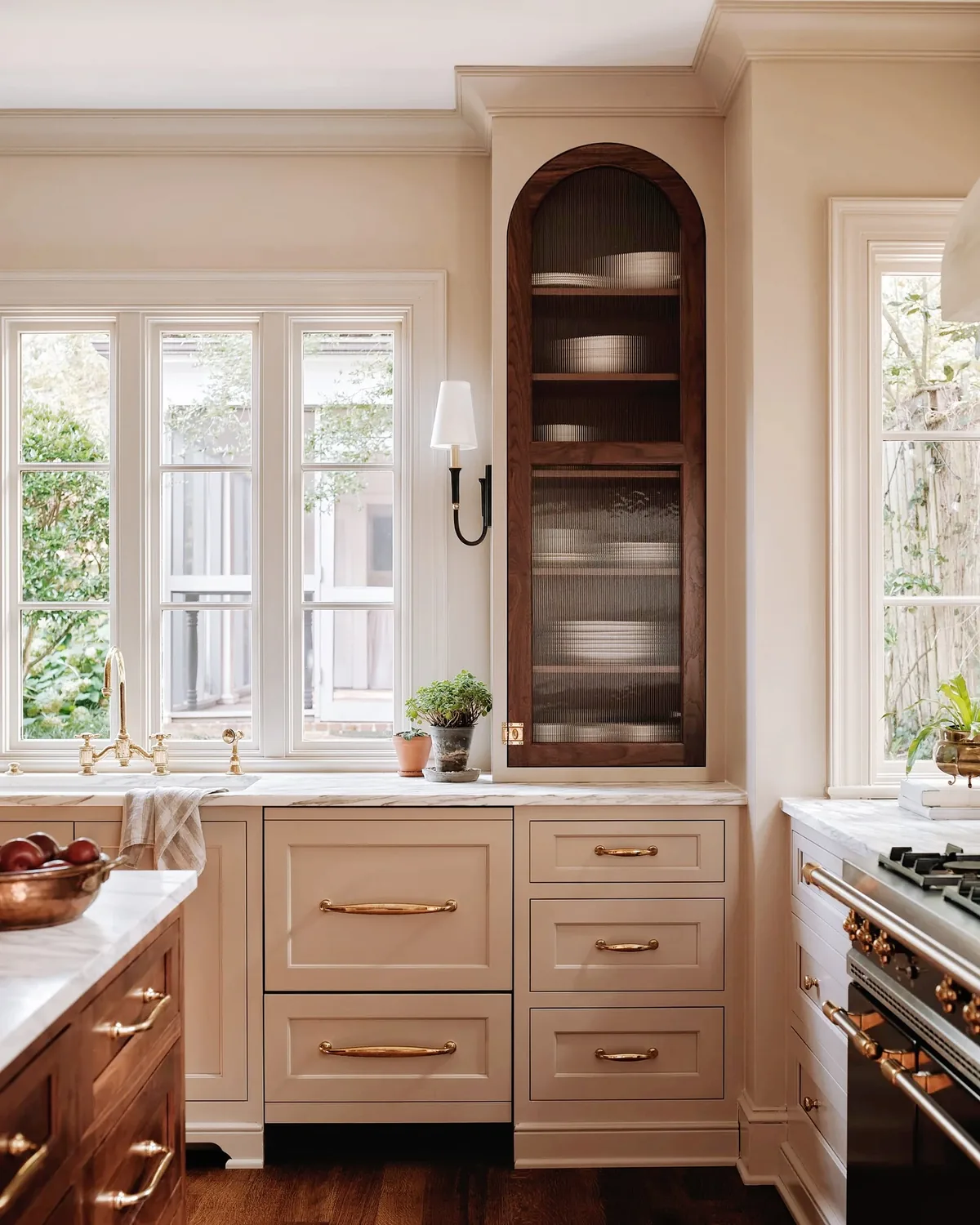
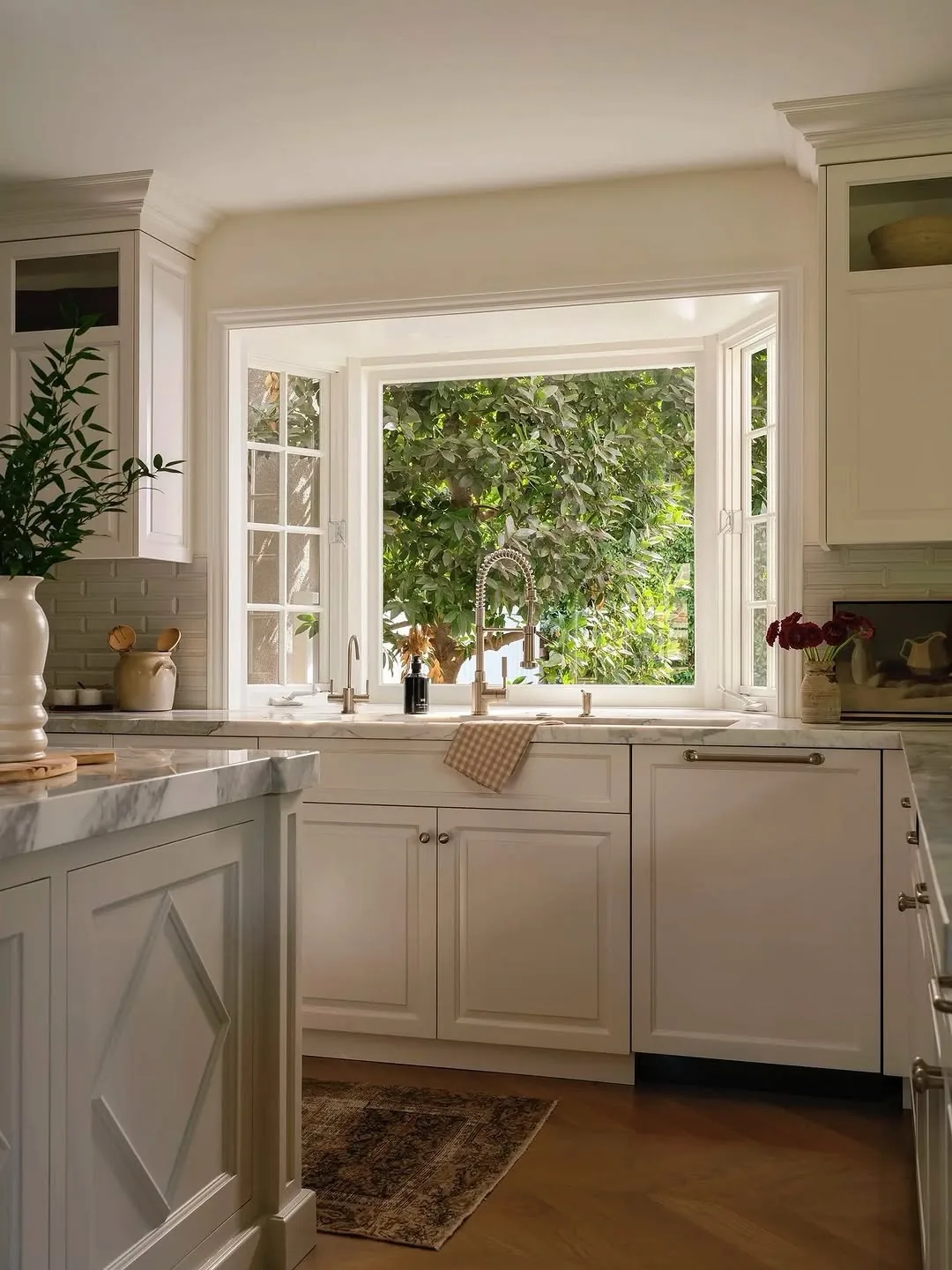
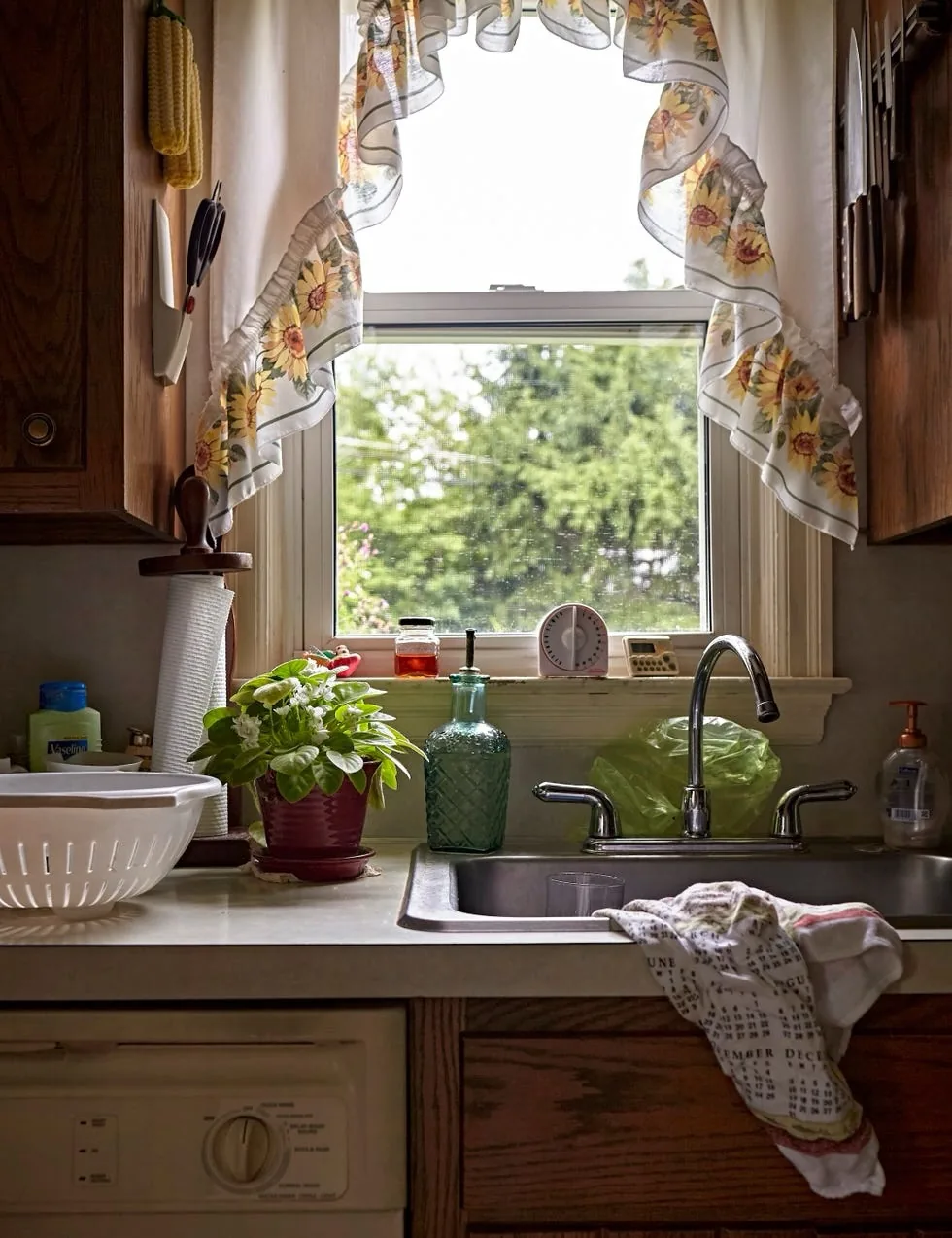
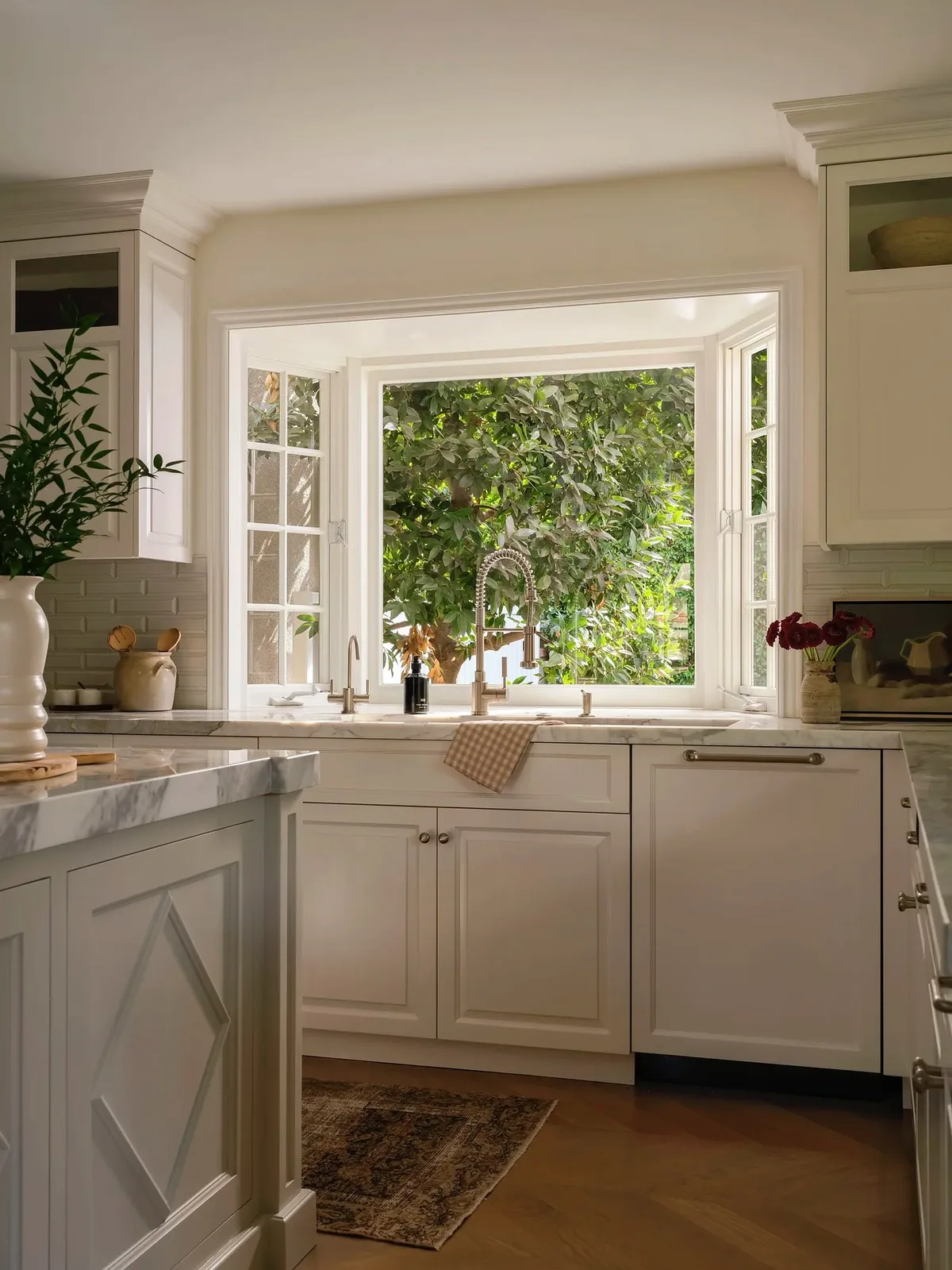
Sinks belong under windows where plumbing allows. You’ll center the basin on the glass so daylight falls on work and the view pays you while you wash. Window sinks make daily chores feel less like chores measurably.
You’ll dress that window simply: a shade that lifts fully, no fussy curtains absorbing spray. Sill height must clear the faucet, which you’ll confirm before ordering either. When sink, light and view align, the least glamorous station becomes the kitchen’s happiest place.
Back vintage basins with modern guts
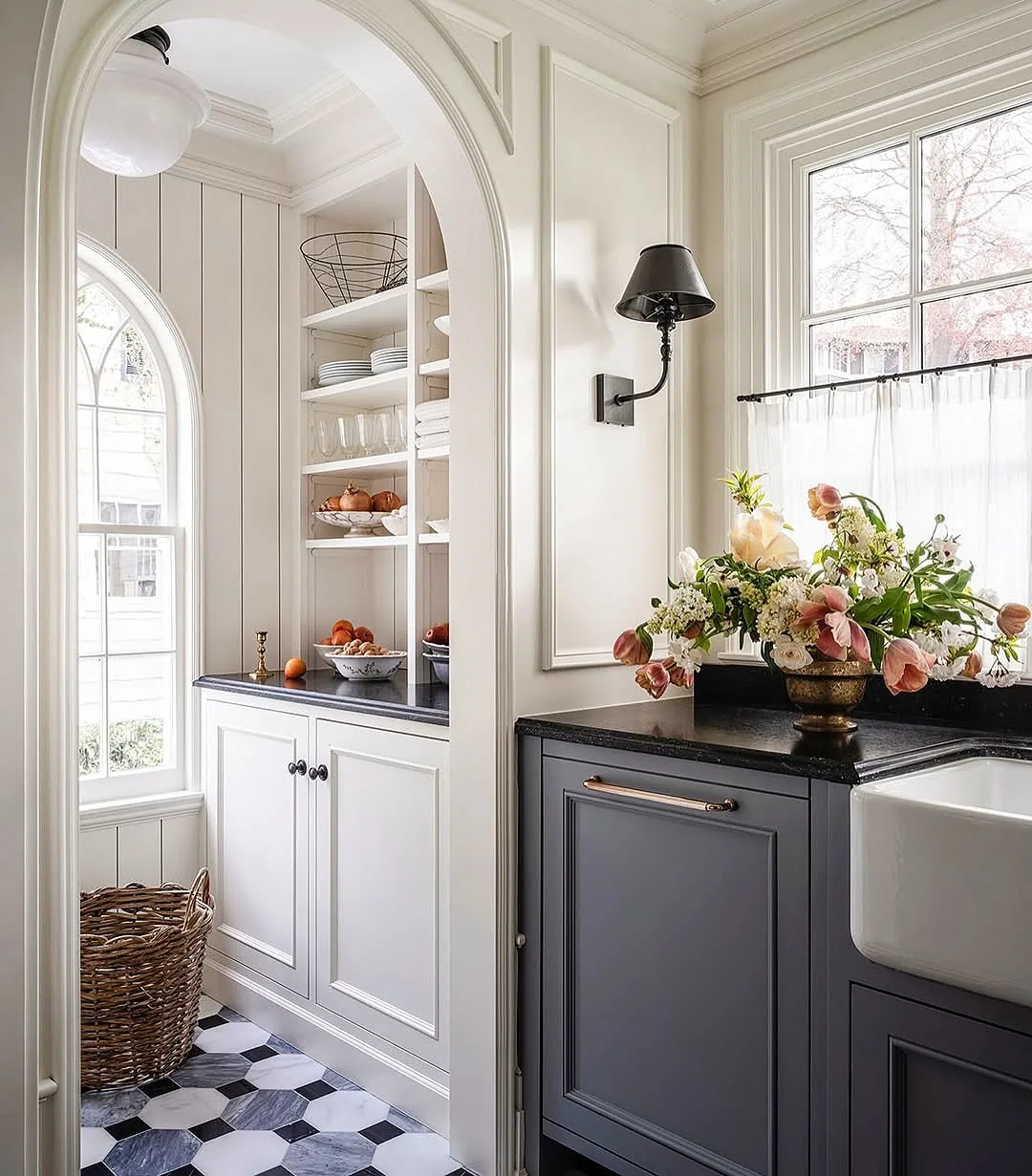
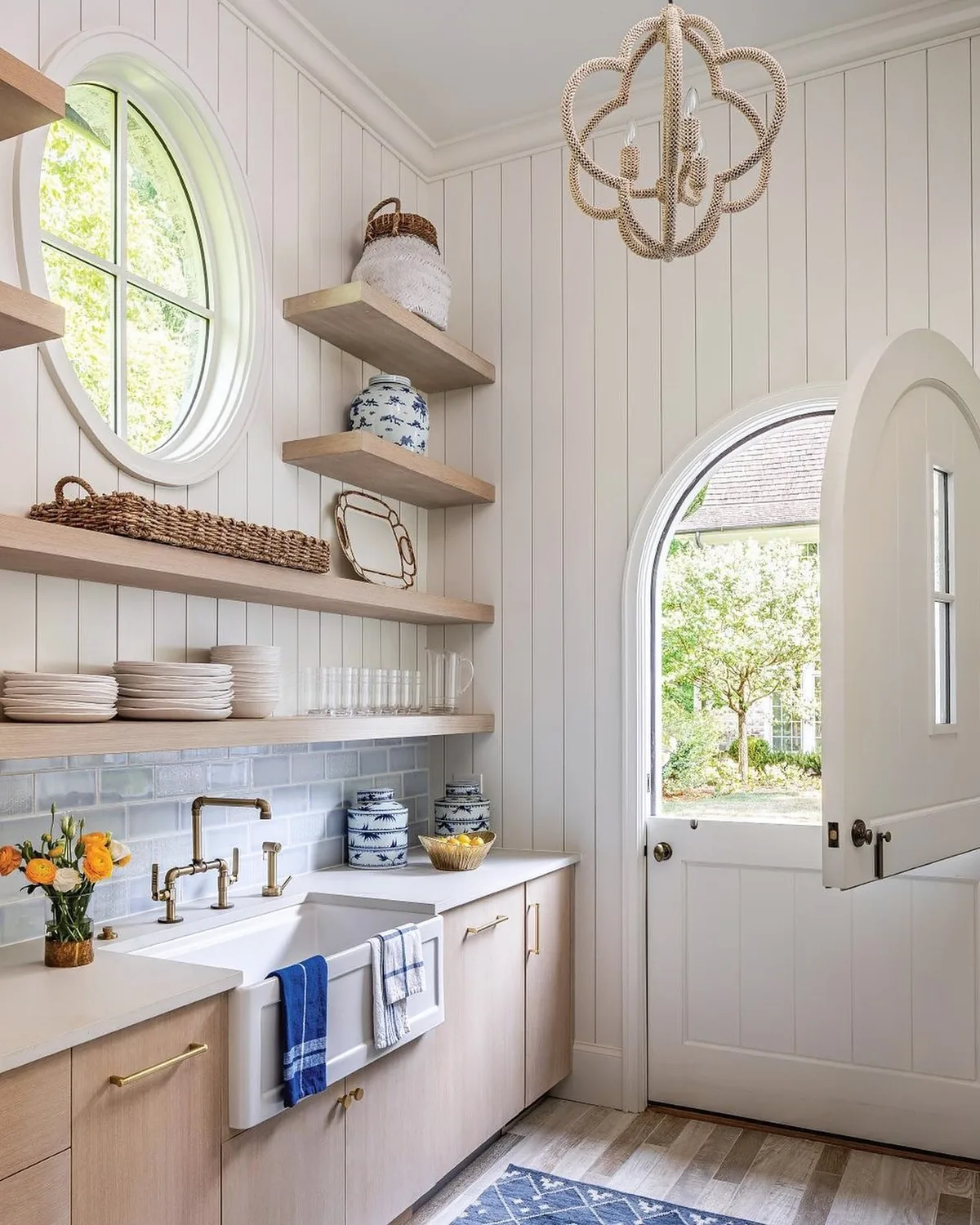
Old sinks charm and old plumbing leaks. You’ll pair vintage basins with new supply lines, shutoffs and traps every time. Salvage character belongs above the counter, never inside the wall.
You’ll have vintage fireclay checked for hairlines before installing, since old crazing grows under new use. For the whole vintage kitchen around the basin, see our vintage and antique kitchen ideas. A sound old basin with new guts serves generations more. When charm meets reliability, the kitchen gains soul without gaining plumber visits. Romance the visible, modernize the hidden, always.
Scrub fireclay gently or not at all
Abrasive powders scratch even fused glaze over years. You’ll clean with soft cloths and mild soap, reserving baking soda paste for stains. Bleach baths whiten safely on occasion but age gaskets and surrounding caulk.
You’ll fit the bottom grid from day one, since prevention beats restoration on glossy basins. Grids look fussy in photos and prove essential in practice. When gentle habits start immediately, the basin still glows at year ten. Harsh scrubbing borrows shine from the future.
Fireclay versus steel versus composite at a glance
| Fireclay | Stainless steel | Granite composite | |
|---|---|---|---|
| Look | Glossy classic white | Brushed professional | Matte stone quiet |
| Forgiveness | Chips on hard impacts | Never chips, spots show | Hides marks best |
| Weight | Heaviest, full frame | Lightest, easy support | Middle, standard frame |
| Sound | Rings without pads | Rings, pads help | Quietest by nature |
| Care | Gentle, grids help | Wipe with grain | Easiest daily |
| Verdict | Most beautiful | Most forgiving | Quietest pick |
The Farmhouse Sink Formula
If you strip all fifteen ideas down to a plan, it reads like this:
- Cabinet first. Inside width and spec sheet before any falling in love.
- Frame for hundreds. Cross-members to the floor, decided before install day.
- Template to the basin. Exact sink on site before stone gets cut.
- Material honestly. Fireclay beauty, steel forgiveness, composite quiet.
- One metal at water. Faucet joins the hardware family, never starts a new one.
- Window behind. Daylight on work turns chores into the day’s calmest minutes.
Get those six right and the sink serves thirty years. You’ll wash everything you own in it without a second thought.
Frequently Asked Questions
What size farmhouse sink do I need?
You’ll match it to your cabinet’s inside width, with the cabinet running wider than the basin for framing. These farmhouse sink ideas all assume the spec sheet decides, never the listing title, since marketed sizes hide true dimensions. Measure twice here and everything downstream proceeds calmly.
Are farmhouse sinks hard to install?
Harder than drop-ins, straightforward for pros. You’ll budget carpentry for the cut-down face, support framing and likely counter work. Tell your installer about weight before work begins. Sagging months later always traces to framing decided on the fly.
Do farmhouse sinks chip easily?
Quality fireclay resists daily wear but chips on hard impacts like dropped cast iron. You’ll avoid cheap thin lookalikes that chip at apron corners first. Bottom grids and gentle habits protect the investment for decades.
Single or double bowl farmhouse sink?
You’ll choose single for sheet pans and sanity unless two cooks truly share daily. Unequal splits beat equal halves when dividing. Accessories recover divided function without surrendering the big basin.
Can I retrofit a farmhouse sink?
You’ll budget face carpentry, likely counter re-cutting and shorter doors. Retrofit-specific aprons soften but never eliminate the surgery. If the goal is just a big flat basin, large undermounts deliver most function with zero modification.
What faucet works with a farmhouse sink?
You’ll size height and reach to basin depth and match finish to your hardware family. Pull-down sprayers earn daily keep in deep singles. One metal at the waterline keeps the room’s focal point calm.
This article may contain affiliate links. We may earn a commission at no extra cost to you.