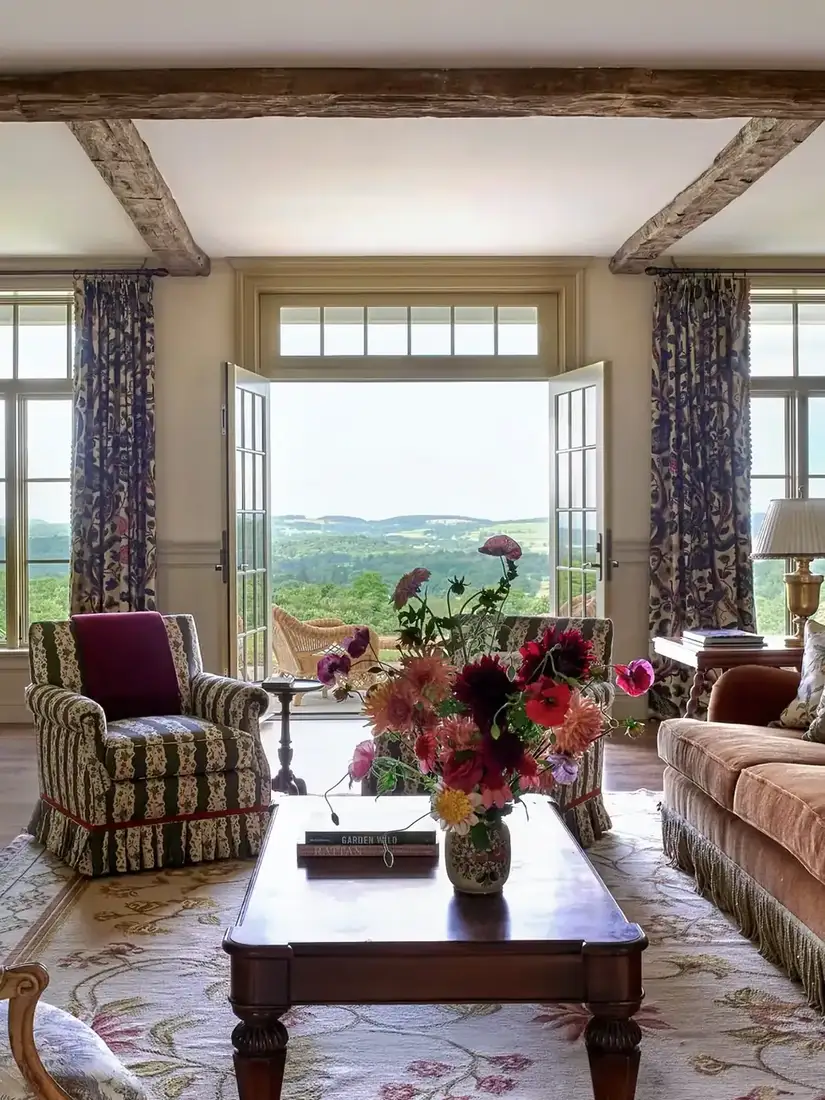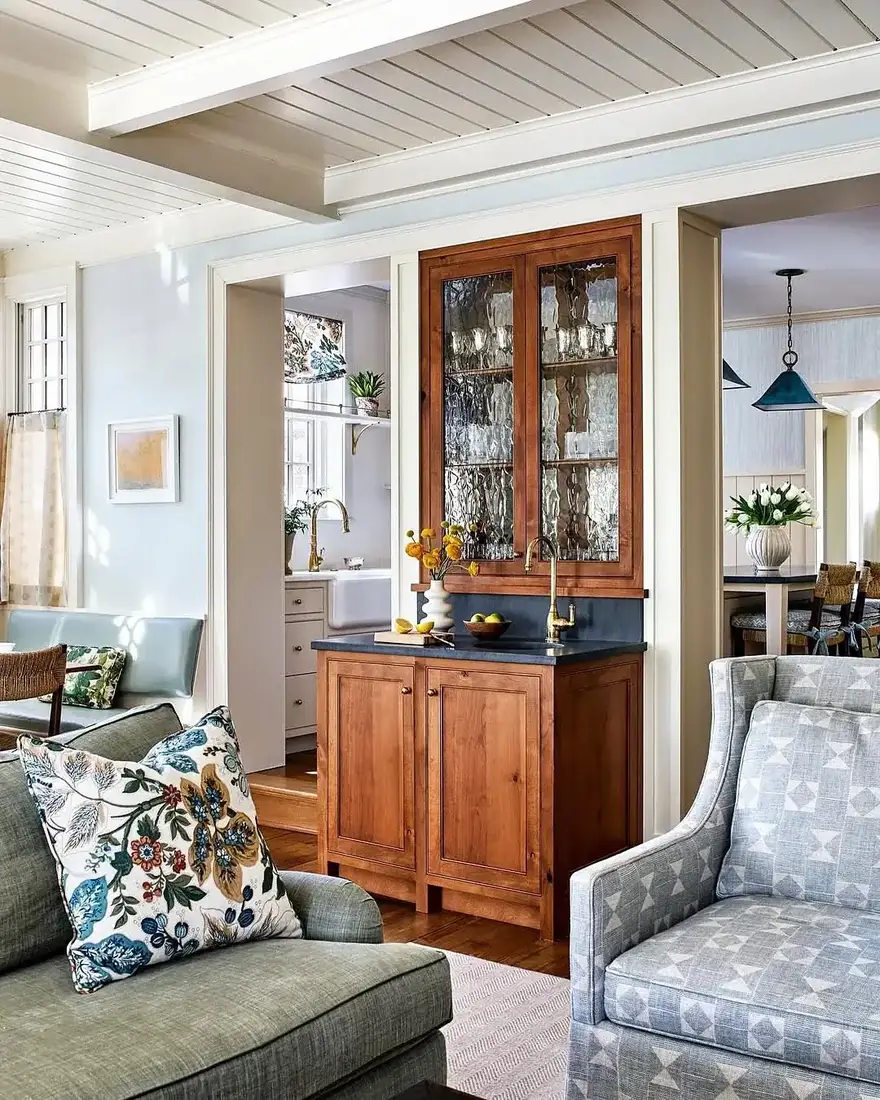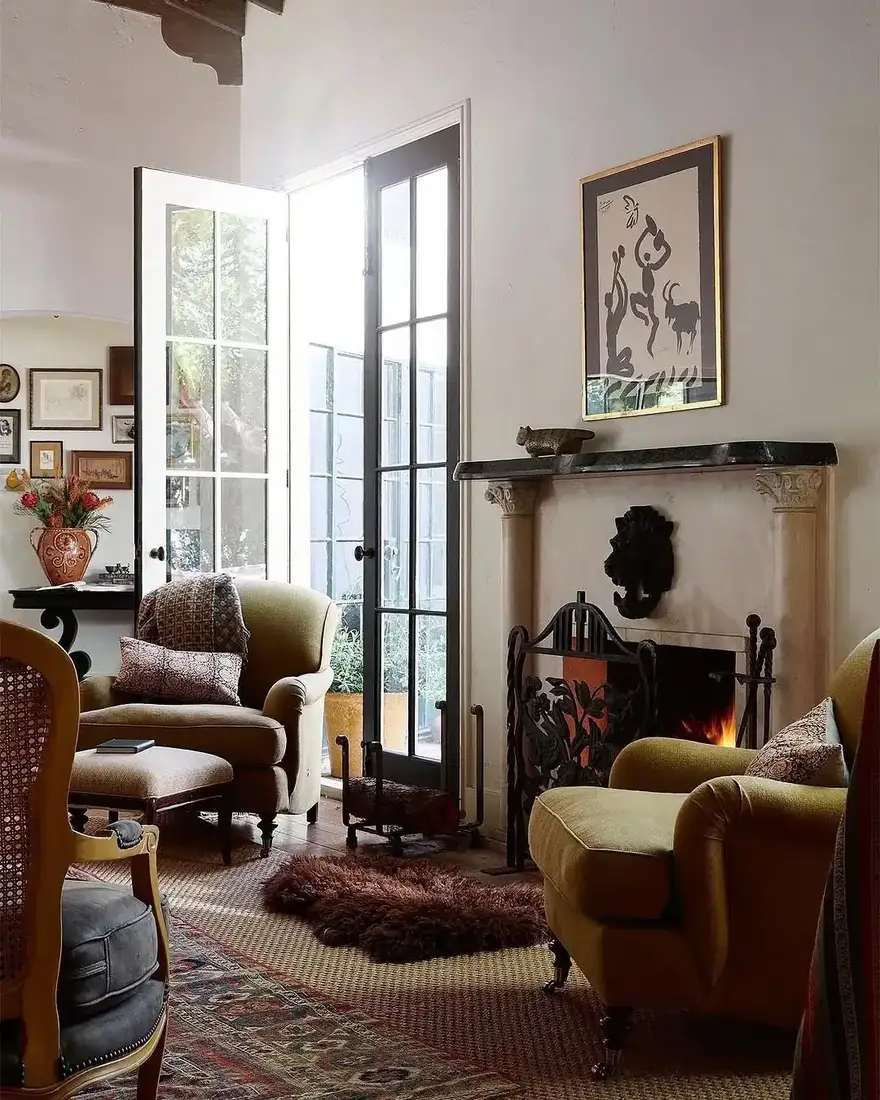
Styling Won't Save a Seat Nobody Sits In

Add us as a preferred source to see more stories on Google.
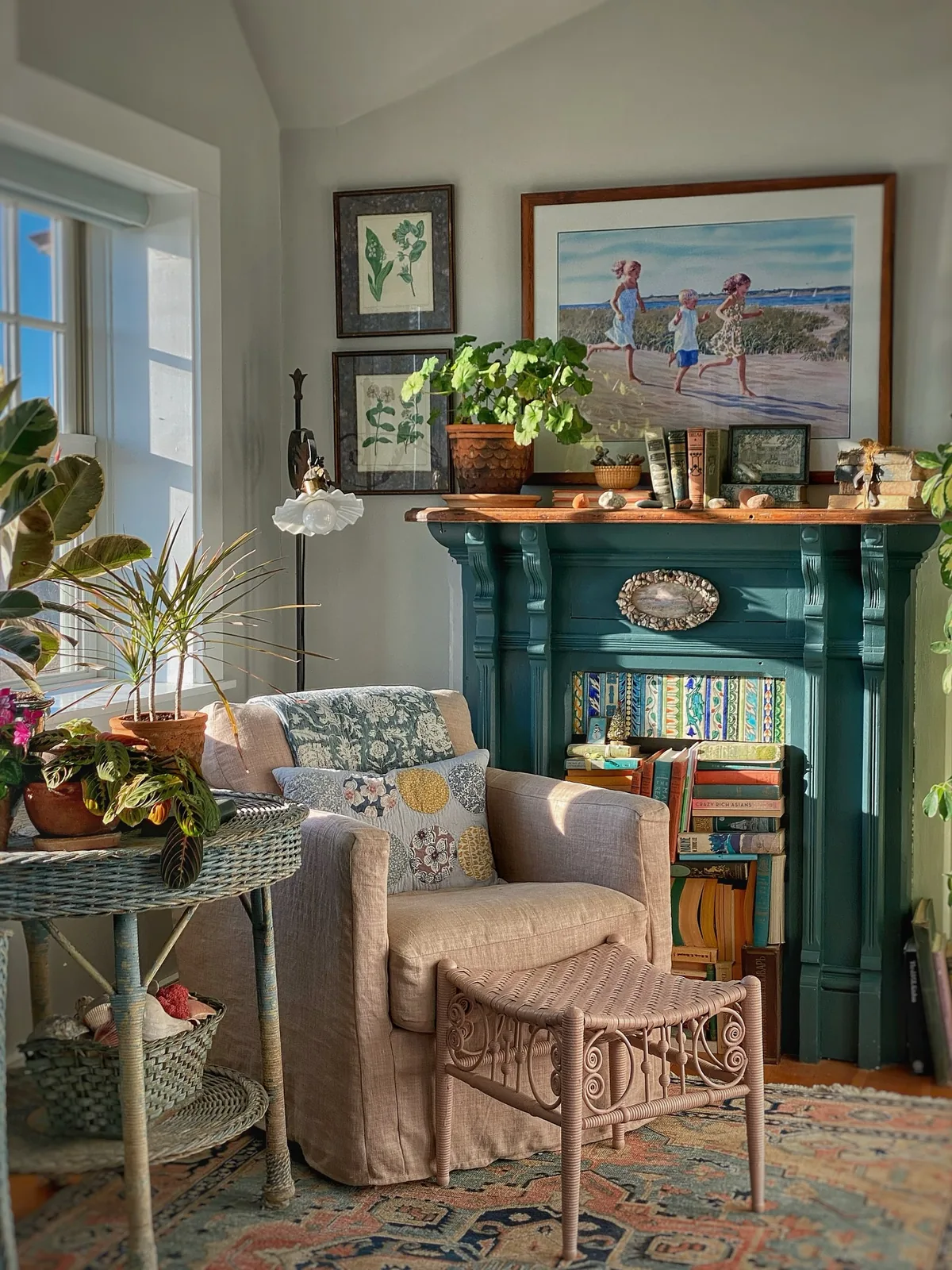
Your nook has the chair, the lamp and the folded throw. You still read on the sofa.
The styling was never the problem. Most unused window seat & reading nook ideas fail for three physical reasons no photo shows: nothing enclosing your back, nothing shaped for your spine, and light arriving from the wrong side.
Fix those three and the corner gets used daily. Skip them and it stays a styled chair nobody sits in, however pretty your throw looks.
Enclose the seat on three sides
Your body reads shelter before it reads decor. Four ideas build the feeling of a nook out of an open corner.
Bound three sides before you buy anything
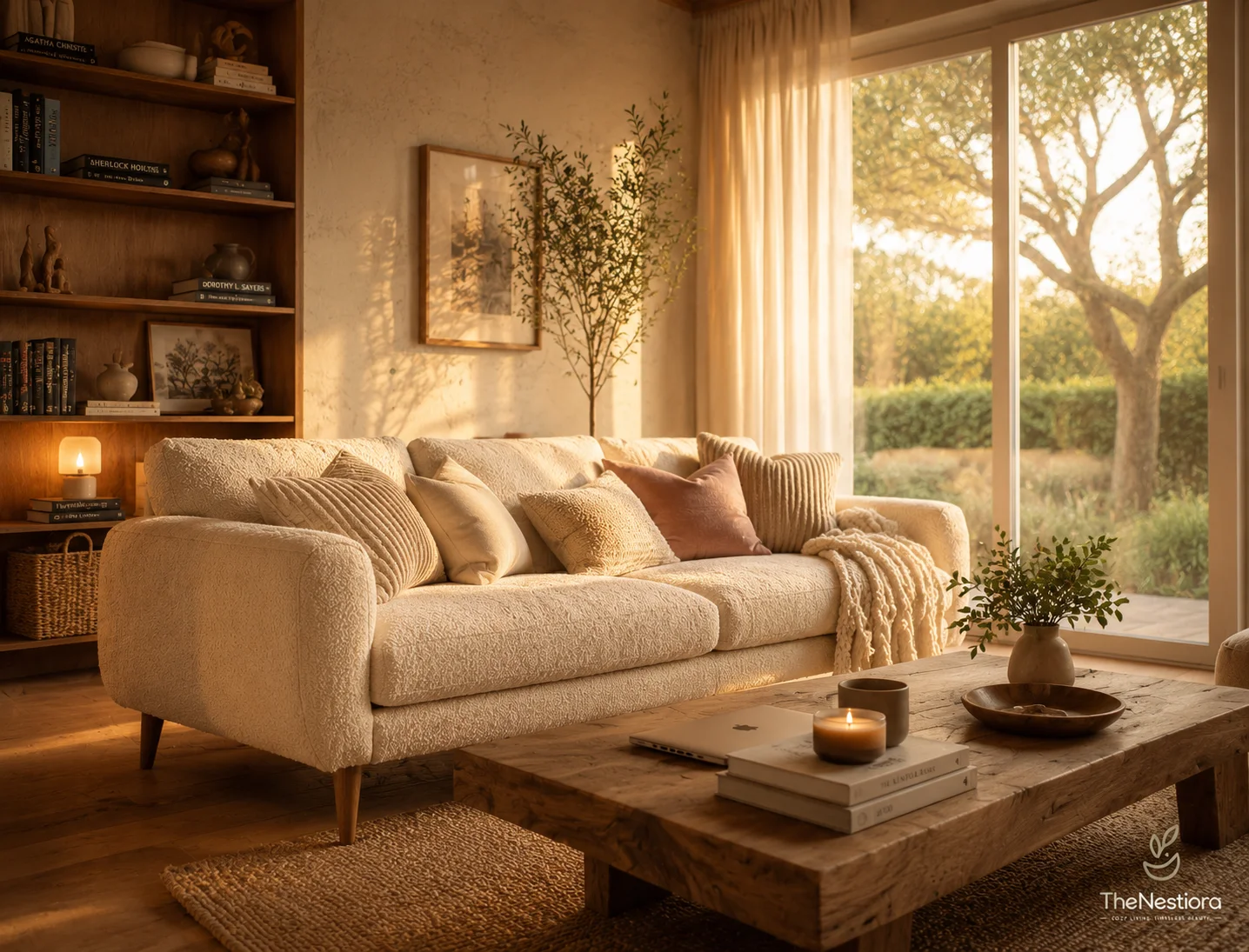
Sit in your planned spot and count how many sides hold you. A corner gives you two walls for free, and you’ll build the third with a tall plant, a slim bookcase or the chair’s own high back. Three bounded sides tell your nervous system this place is shelter, while one open side keeps it connected to the room.
Test it with laundry baskets before you spend anything. You’ll feel the difference the moment the third side goes up, even mocked in cardboard. An unbound chair in an open room is just seating. The same chair with three sides becomes somewhere you’ll disappear to every evening.
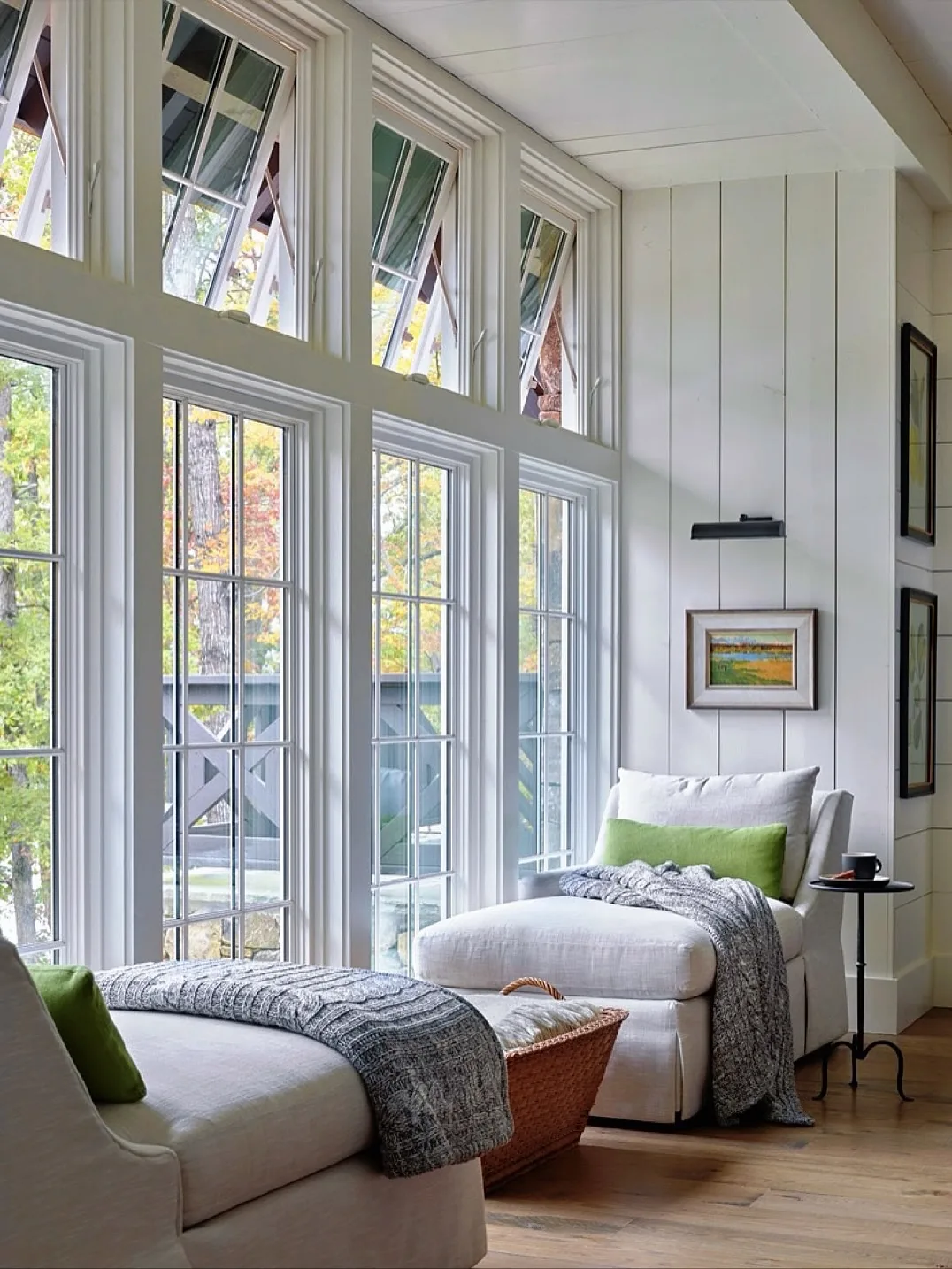
Angle the chair into the corner
Pushing a chair flat against one wall wastes the corner behind it and leaves your back exposed. You’ll angle the seat 30 to 45 degrees into the corner so both walls catch you and the room opens before you. That diagonal also aims you at the window light instead of parallel to it.
You’ll gain a triangle of dead space behind the chair, and that’s the point. Fill it with a floor lamp rising over your shoulder and a tall plant softening the angle. The chair stops floating in the room and starts belonging to its corner. One rotation changes everything about how often you’ll sit there.
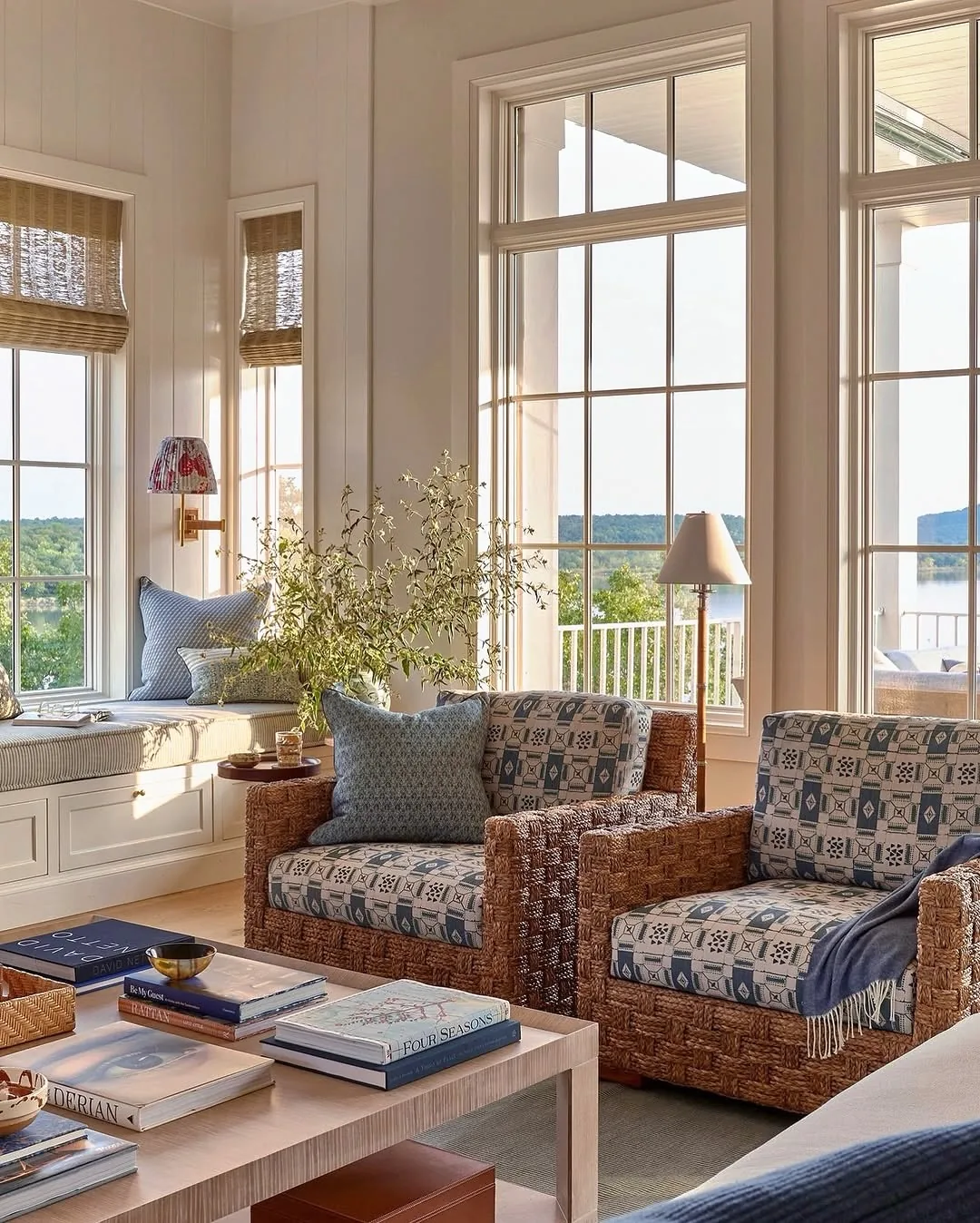
Lay a rug that declares the zone
A nook without a floor boundary leaks into the room around it. You’ll lay a small rug, round if you can, under chair and footstool so the zone reads as its own place. A circle works best because it declares independence from the room’s grid instead of aligning with it.
You’ll size it to catch front legs and feet, not to fill the corner wall to wall. Too big and the zone dissolves back into the room. The rug also warms cold floors underfoot, which matters more than it sounds on winter evenings. When your feet land on the nook’s own ground, you’ll stay an extra chapter.
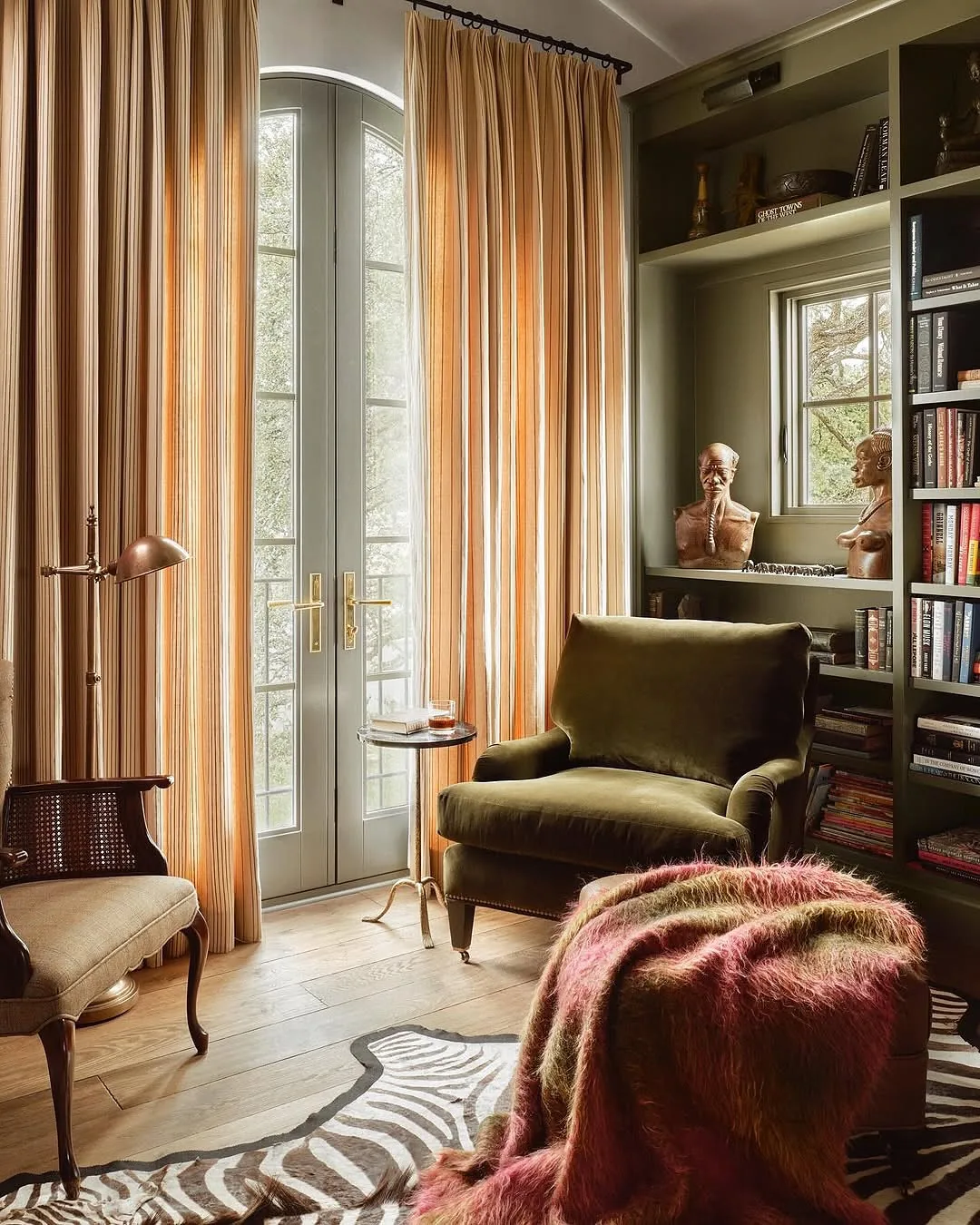
Screen lightly, never wall off
A nook needs shelter, not isolation. You’ll divide it from the main seating with something you can see over or through: a low bookcase, an open plant stand, the chair back itself. That half-screen gives readers privacy while keeping them part of the household’s evening.
You’ll avoid tall closed furniture that boxes the reader into a cell. A full bookcase wall turns shelter into exile, and nobody volunteers for it. The test is conversation: you should hear the room comfortably and join it by turning your head. Sheltered enough to settle, open enough to belong.
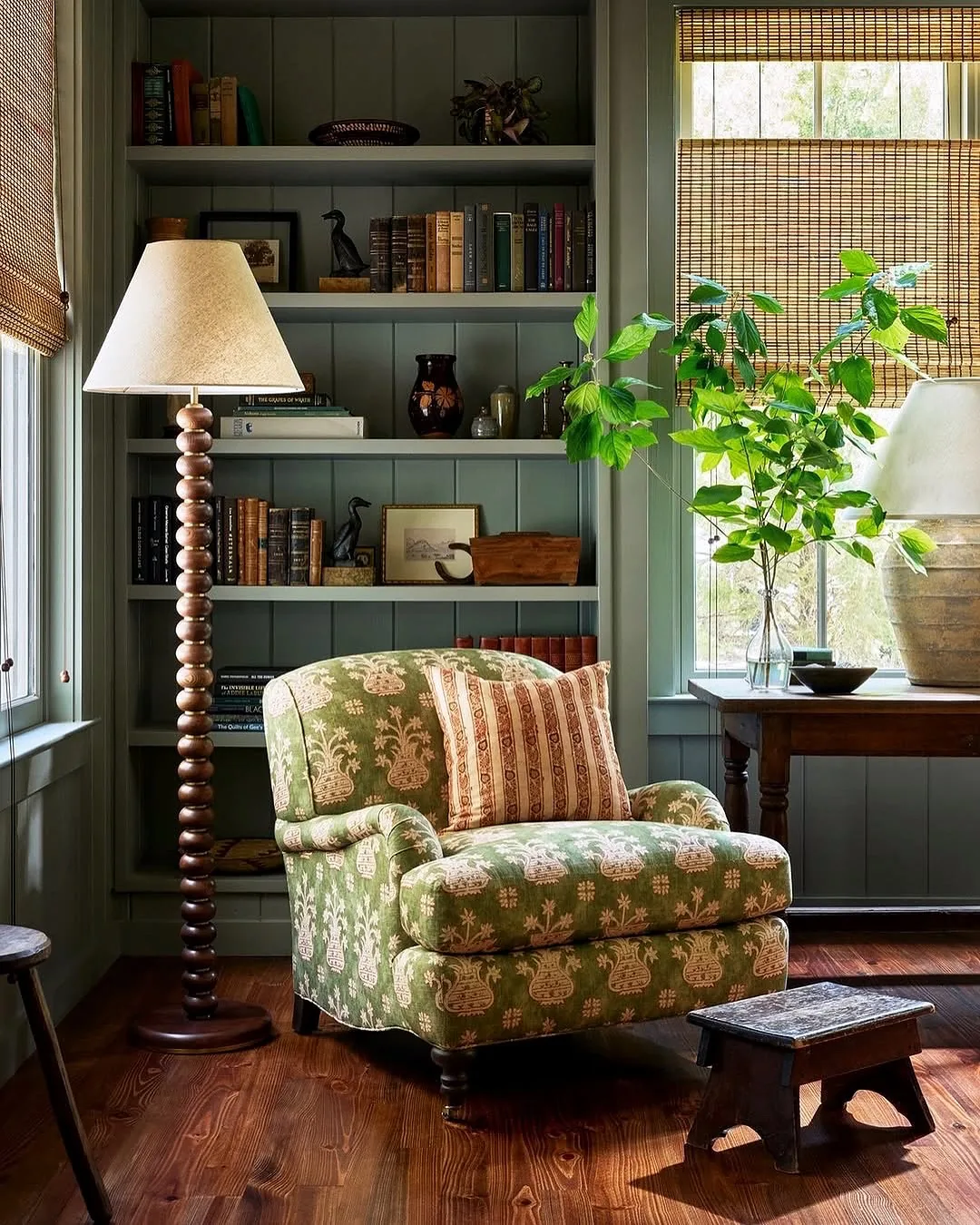
Choose the seat your spine believes
Backs decide use more than cushions do. Four seats, four honest verdicts.
Stretch out on a daybed where rooms allow
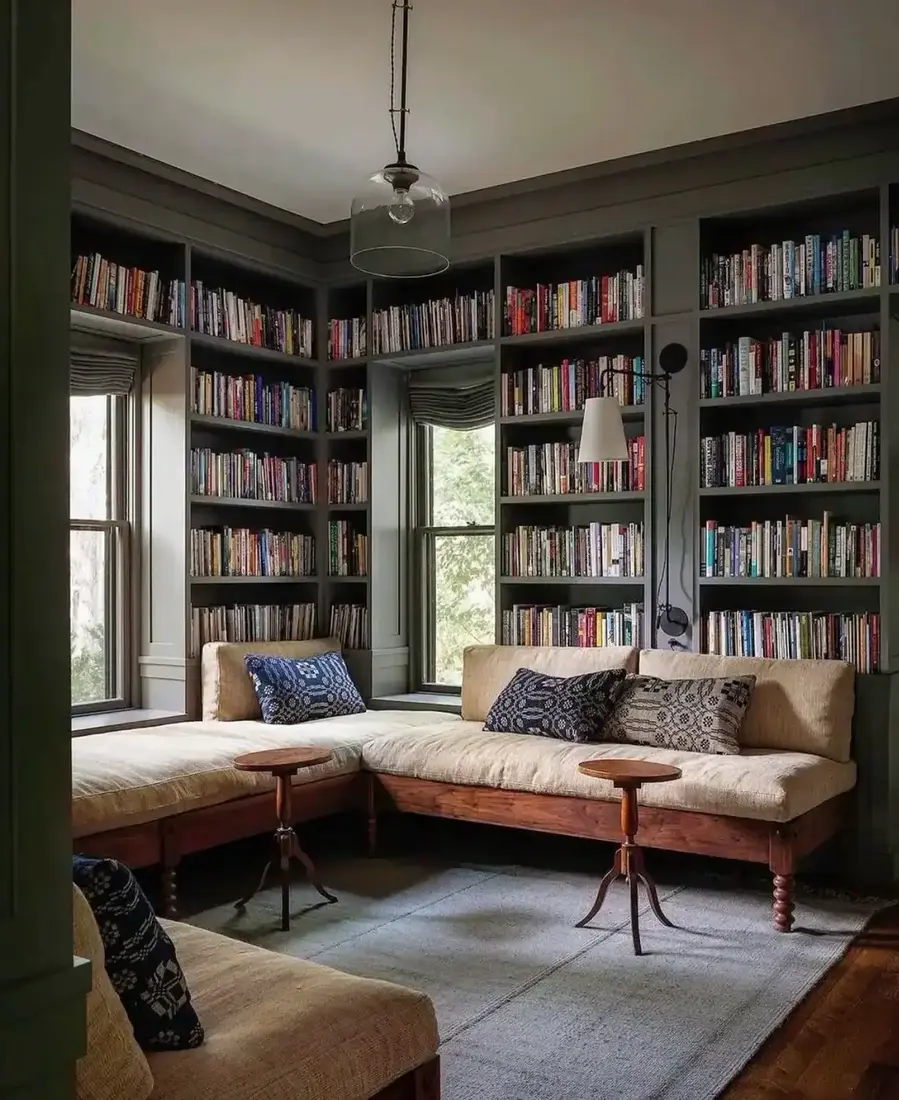
The daybed is the most comfortable reading furniture you can own and the most underused. A narrow twin mattress on a low frame, set lengthways against the wall with firm cushions along the back, supports your whole body at any angle and lets you lie flat properly. Nothing else you buy comes close for long sessions.
You’ll double its value as a guest bed, which is why it suits spare rooms better than any sofa bed. Keep the frame low, near standard seat height, so it reads as seating by day. When a piece of furniture naps better than your bed and seats better than your sofa, you’ll wonder why every house doesn’t hold one.
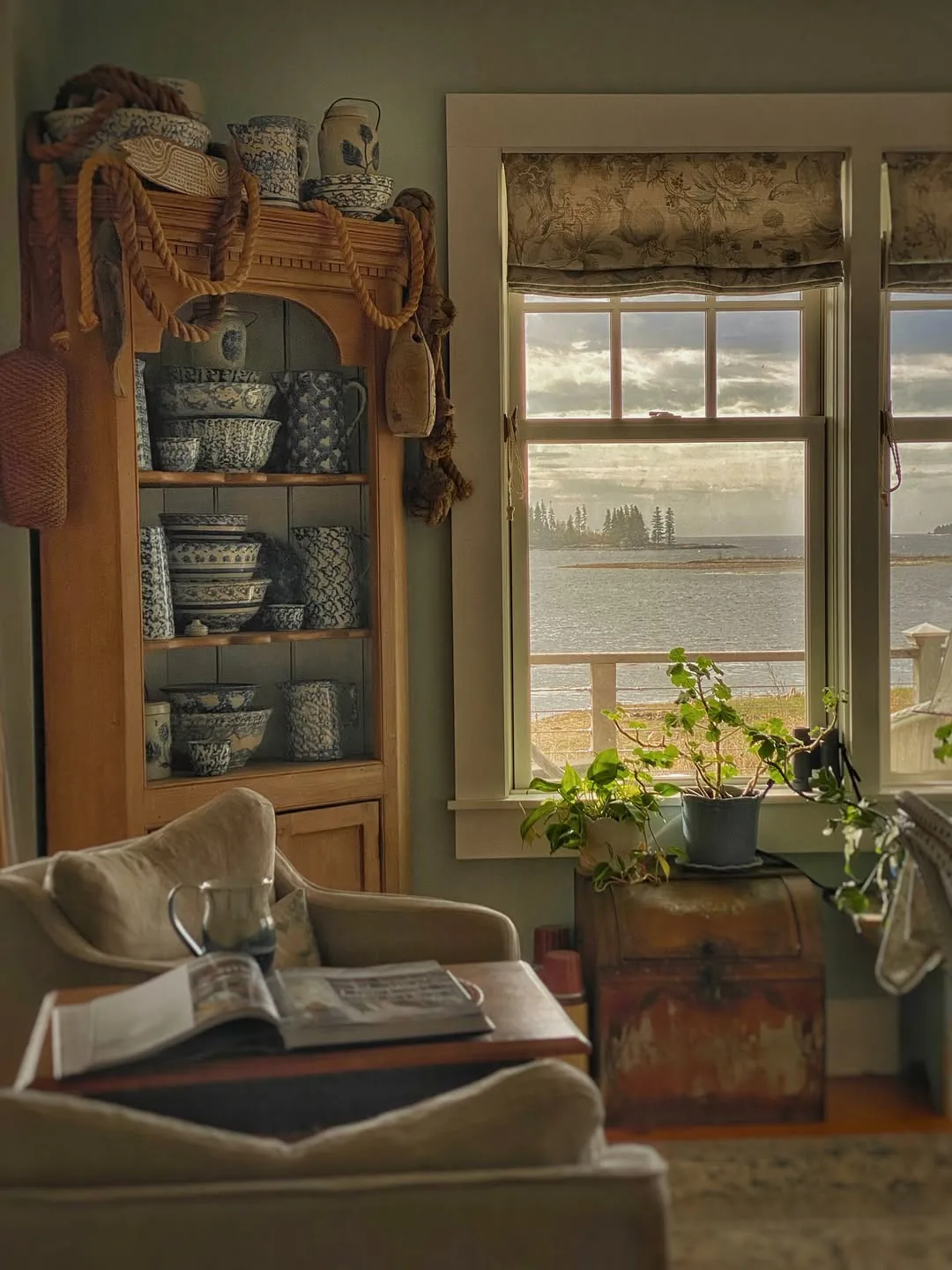
Eat and read at the banquette
A dining banquette pulls double duty most furniture can’t. You’ll size the bench deep enough to curl sideways with a book after the plates clear, with firm back cushions rather than a hard wall. Morning coffee, evening chapters, one piece of furniture earning both. If your banquette anchors a kitchen rather than a living room, our breakfast nook and kitchen window ideas plan traffic, light and seating for the working corner.
You’ll light it twice: a pendant for the table and a small lamp or sconce for the reader. One light can’t serve meals and pages equally. Keep the table clearable in one move, because a banquette buried under mail never becomes a nook. When dining furniture reads, your kitchen gains a library without adding a room.
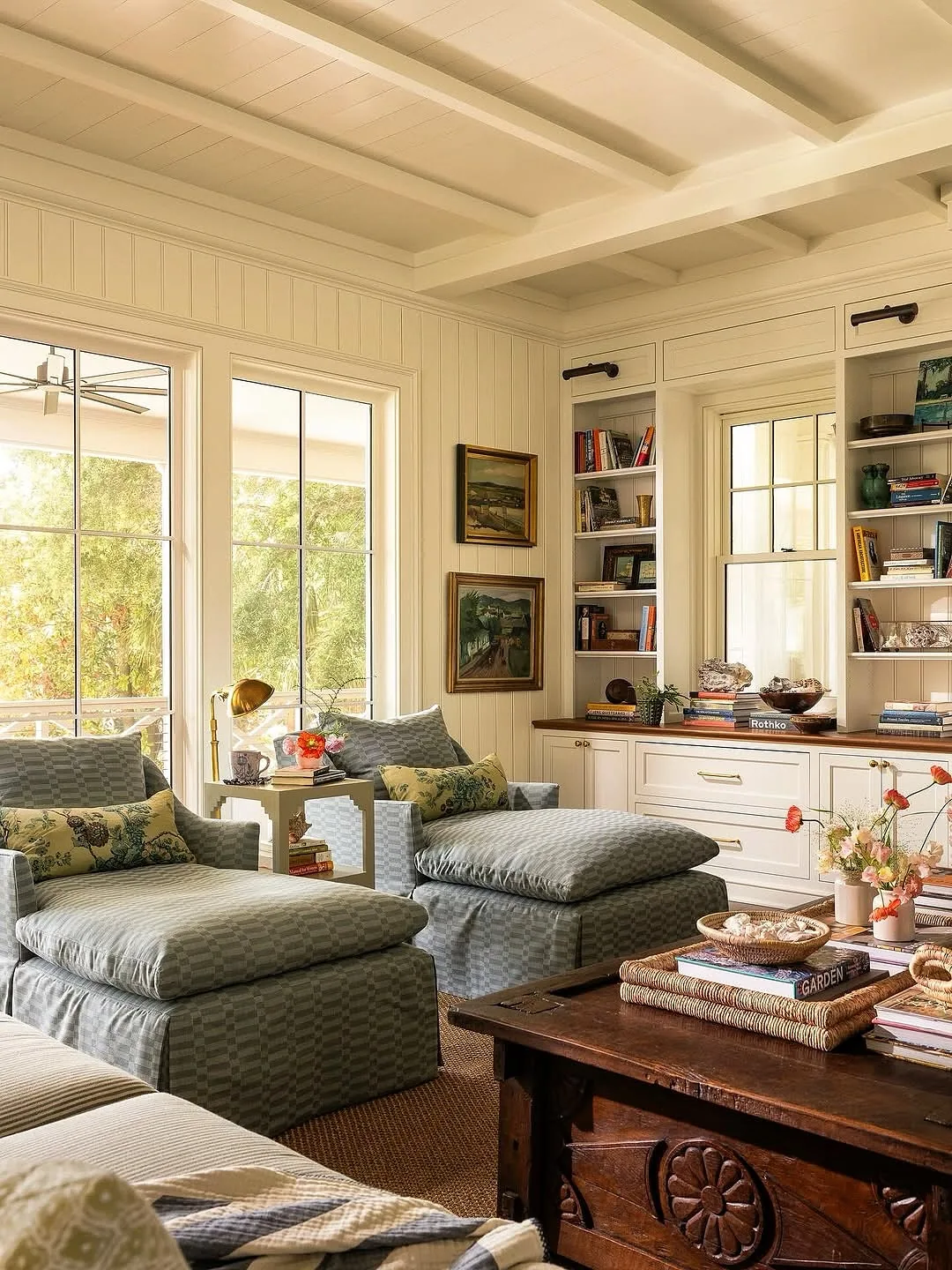
Tame sunroom glare before you furnish
Sunrooms seduce at noon and punish at three. You’ll manage the light before buying a single cushion, because direct sun bleaches fabrics, overheats readers and glares off every page. Sheer linen panels diffuse the blast while keeping the brightness that drew you there. For furnishing the glass room itself once the light is tamed, see our sunroom and sitting room ideas.
You’ll orient seating sideways to the strongest glass rather than facing into it. Side light flatters faces and pages alike, while front light squints everyone. Add one opaque blind per skylight for the brutal weeks. A sunroom you can sit in at 3pm in August is a room designed, not just glazed.
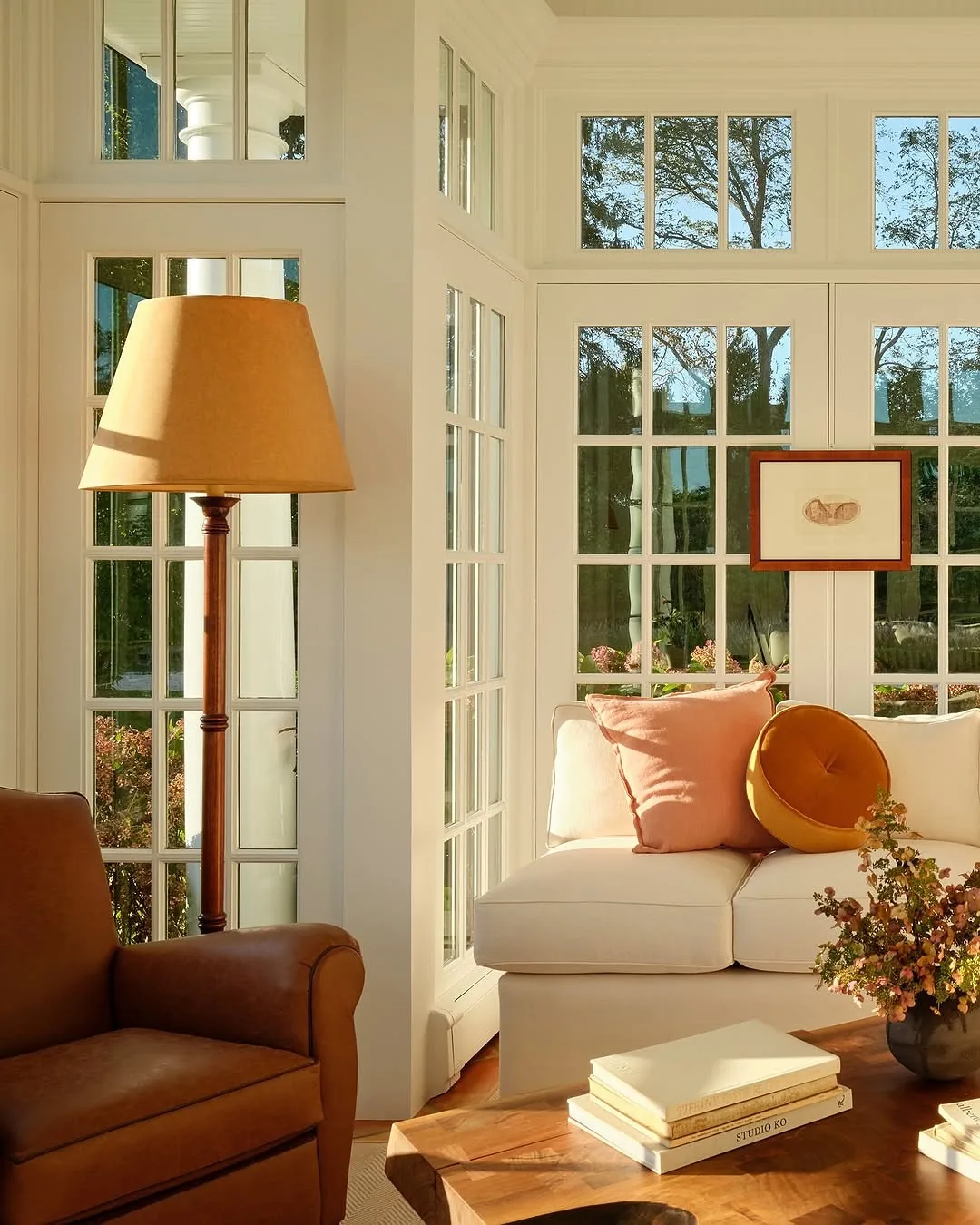
Soften stone walls with standoff textiles
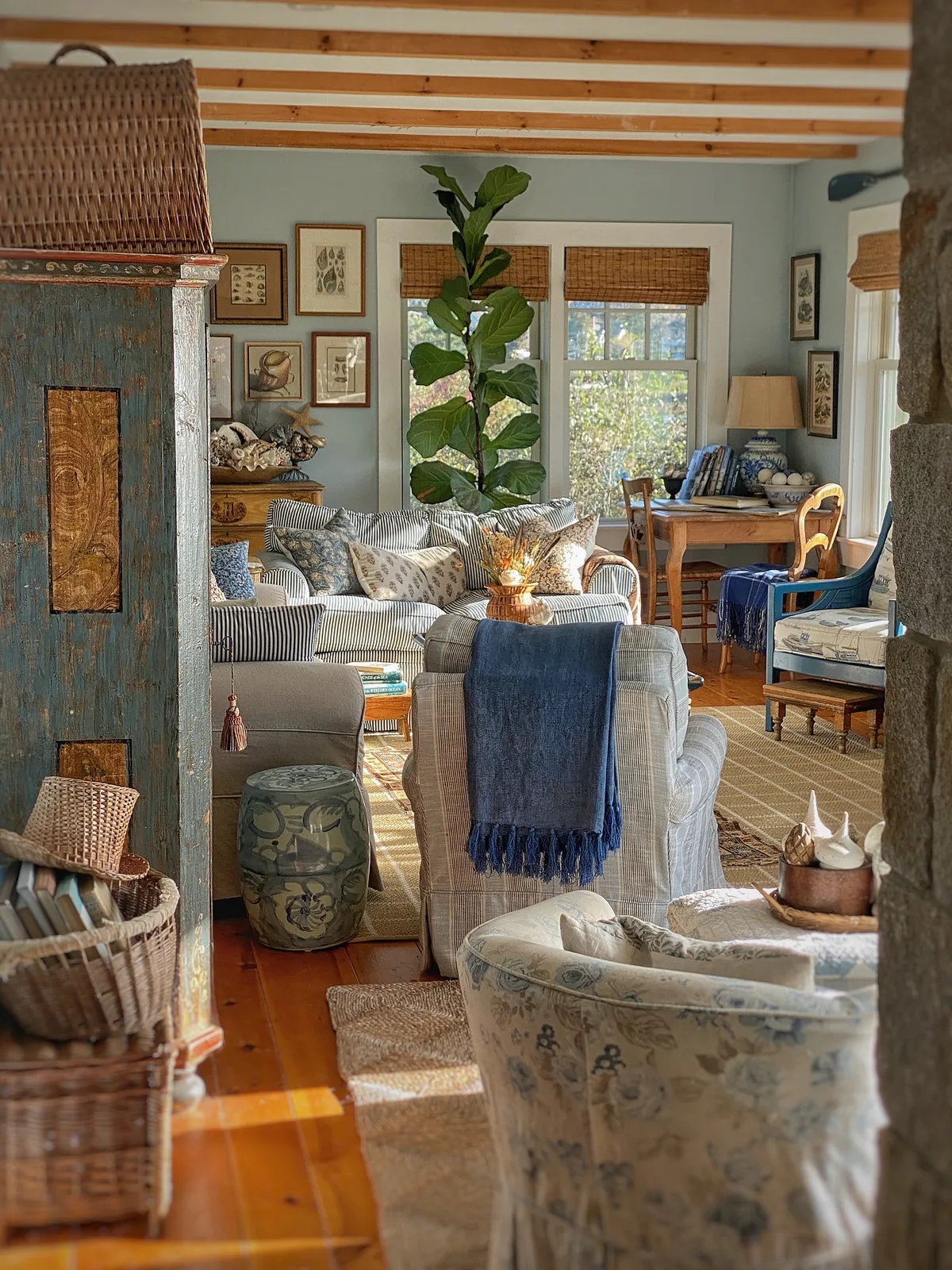
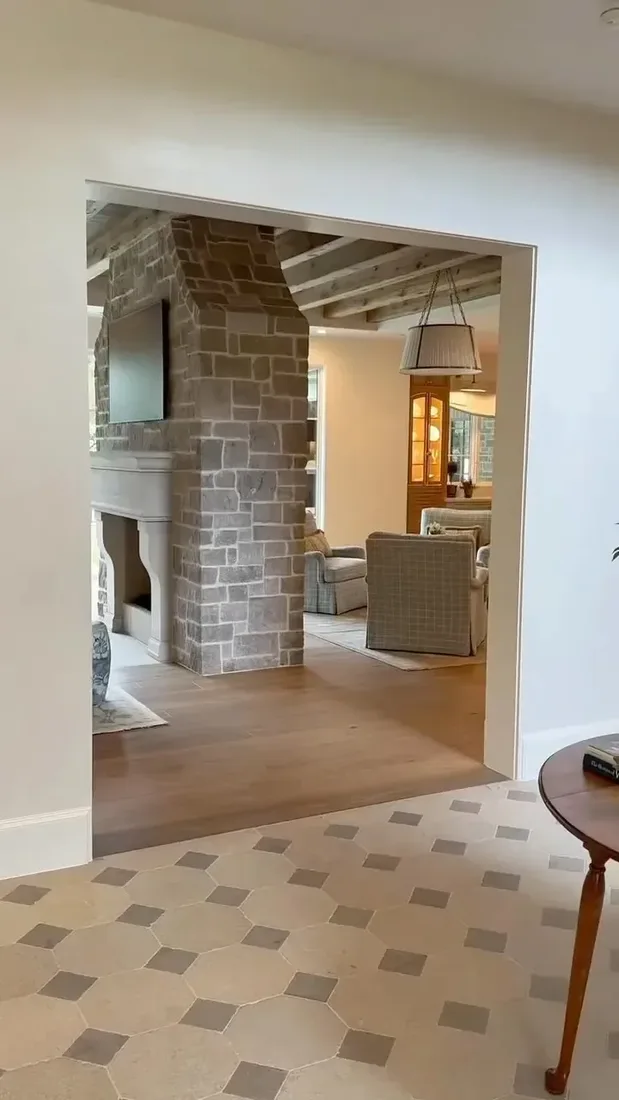
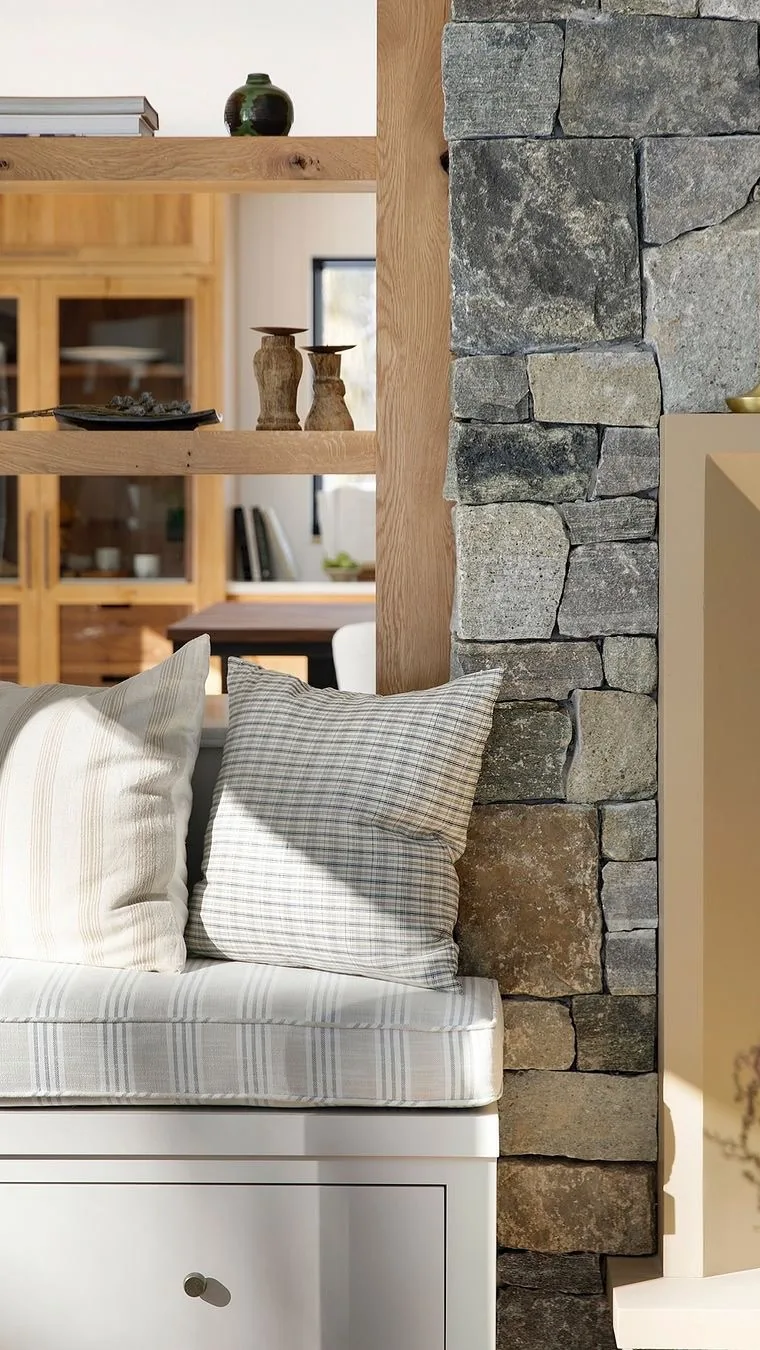
Stone and brick walls photograph beautifully behind nooks and freeze the sitter. You’ll never lean comfortably on bare masonry, so plan the standoff: a deep seat that holds you off the wall, layered cushions behind your back and a rug underfoot cutting the cold rising through the floor.
You’ll also watch the temperature swing. Masonry stays cold hours after the heating starts and holds evening chill into spring. A thick throw kept in the nook’s own basket solves it without touching the thermostat. For more on pairing rough walls with soft seating, see our cozy living room ideas. Texture you look at differs from texture you lean on.
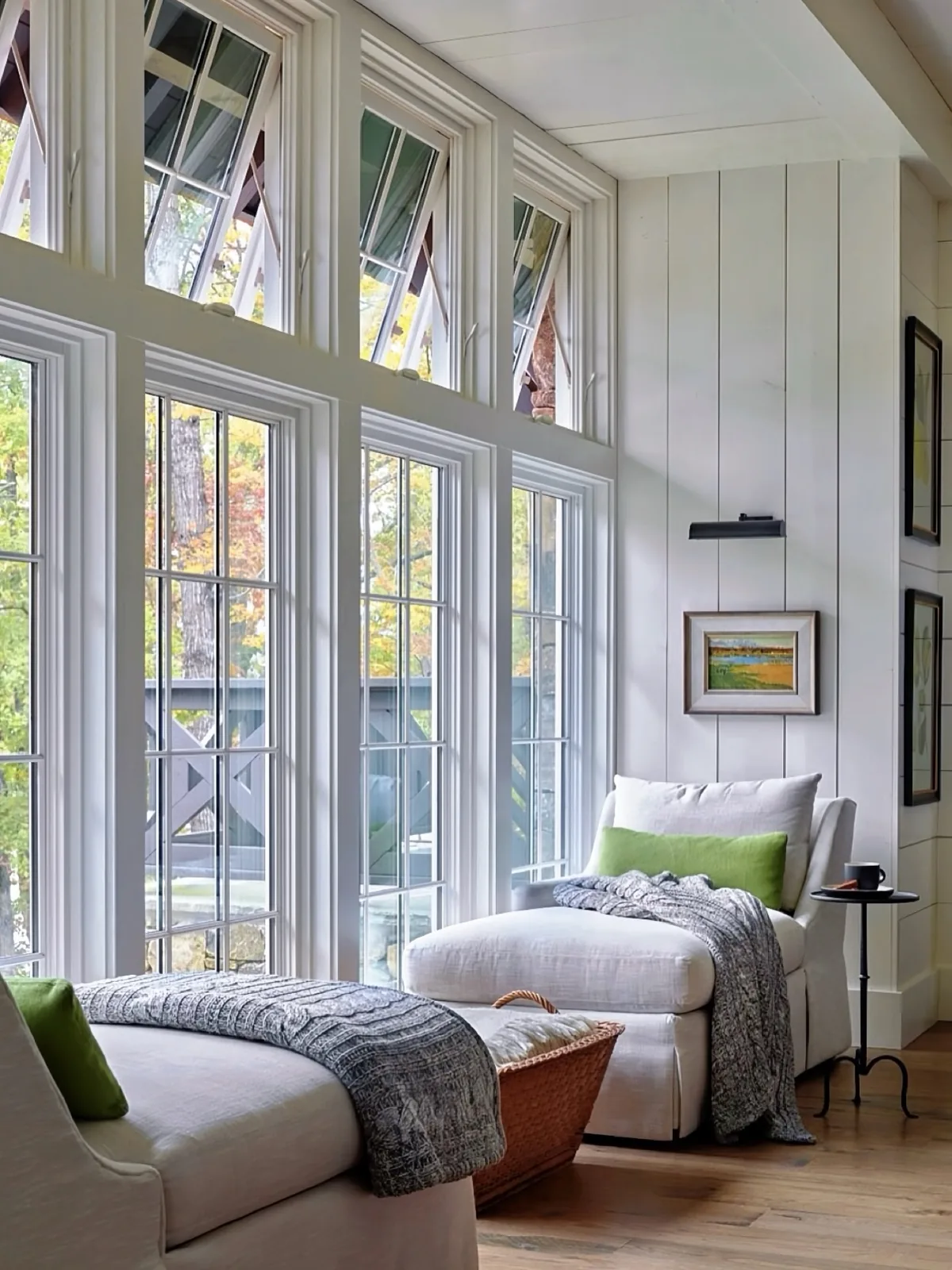
Light the page, not the room
Readers need a pool of directed light. Three ideas aim it correctly.
Pull daylight sideways with sheers
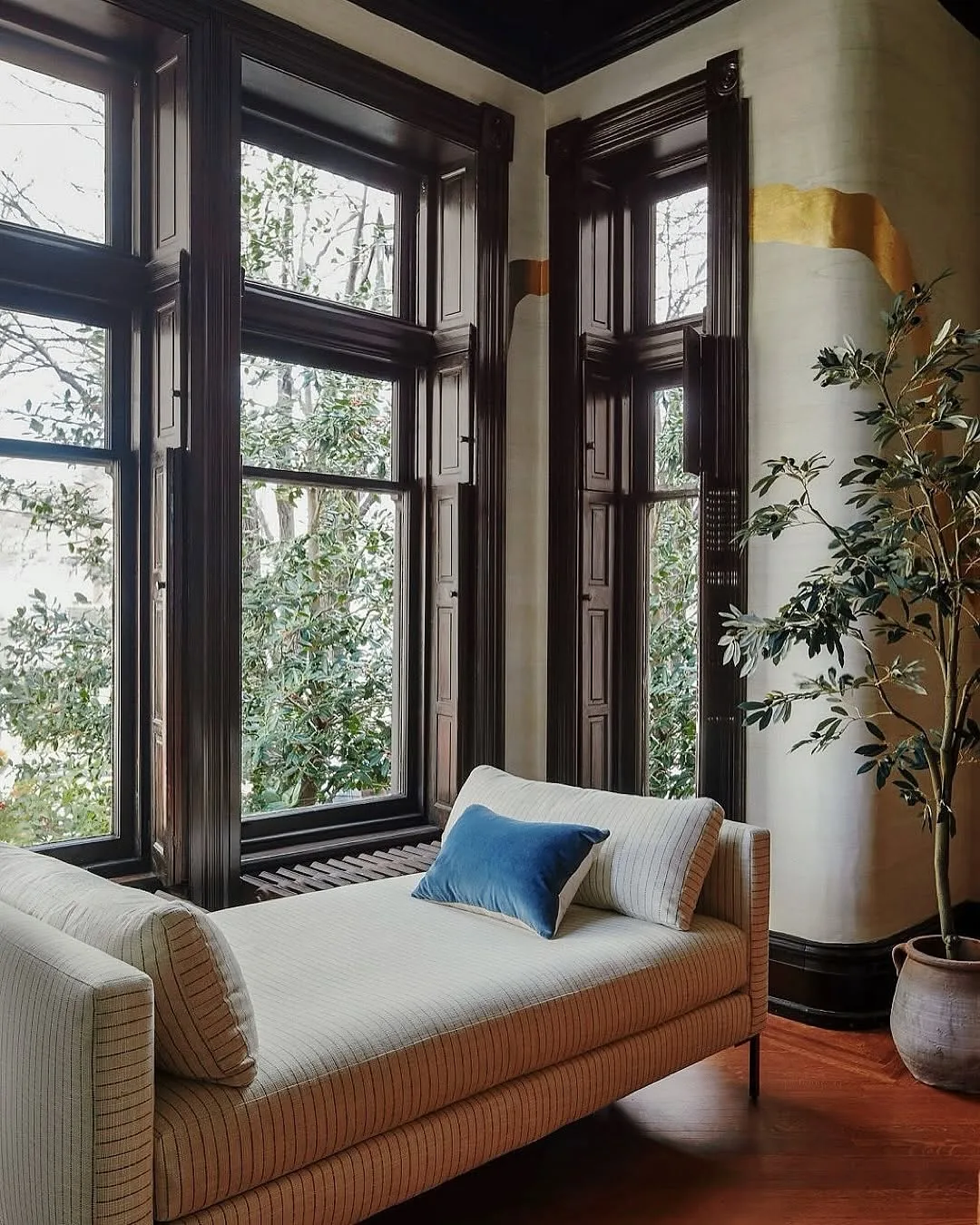
A window seat facing straight into the glass is a glare trap. You’ll diffuse direct sun with sheer panels that soften without darkening, or you’ll sit sideways so the window lights your page from the left or right. Sideways daylight is the finest reading light that exists, and it’s free.
You’ll avoid blackout fabrics anywhere near the nook. They solve glare by killing the reason you sat there. Linen sheers that puddle slightly also dress the window for evening, when your lamp takes over. Daylight done right means you’ll read for hours without the headache you blamed on your eyes.
Add a second lamp to cut contrast
Reading in a bright pool surrounded by darkness tires your eyes faster than dim light does. You’ll add one small low lamp elsewhere in the room, a shelf glow or a dimmed floor lamp, so the nook isn’t an island of glare in a black sea. That background layer cuts the contrast your eyes strain against.
You’ll put the nook lamp on its own switch or a smart bulb, separate from the room’s lighting. Evenings then have two moods available: full room for company, nook-only for reading. When the rest of the room can go dim while your page stays lit, the corner finally feels like evening shelter.
Warm every bulb to 2700K and dim it
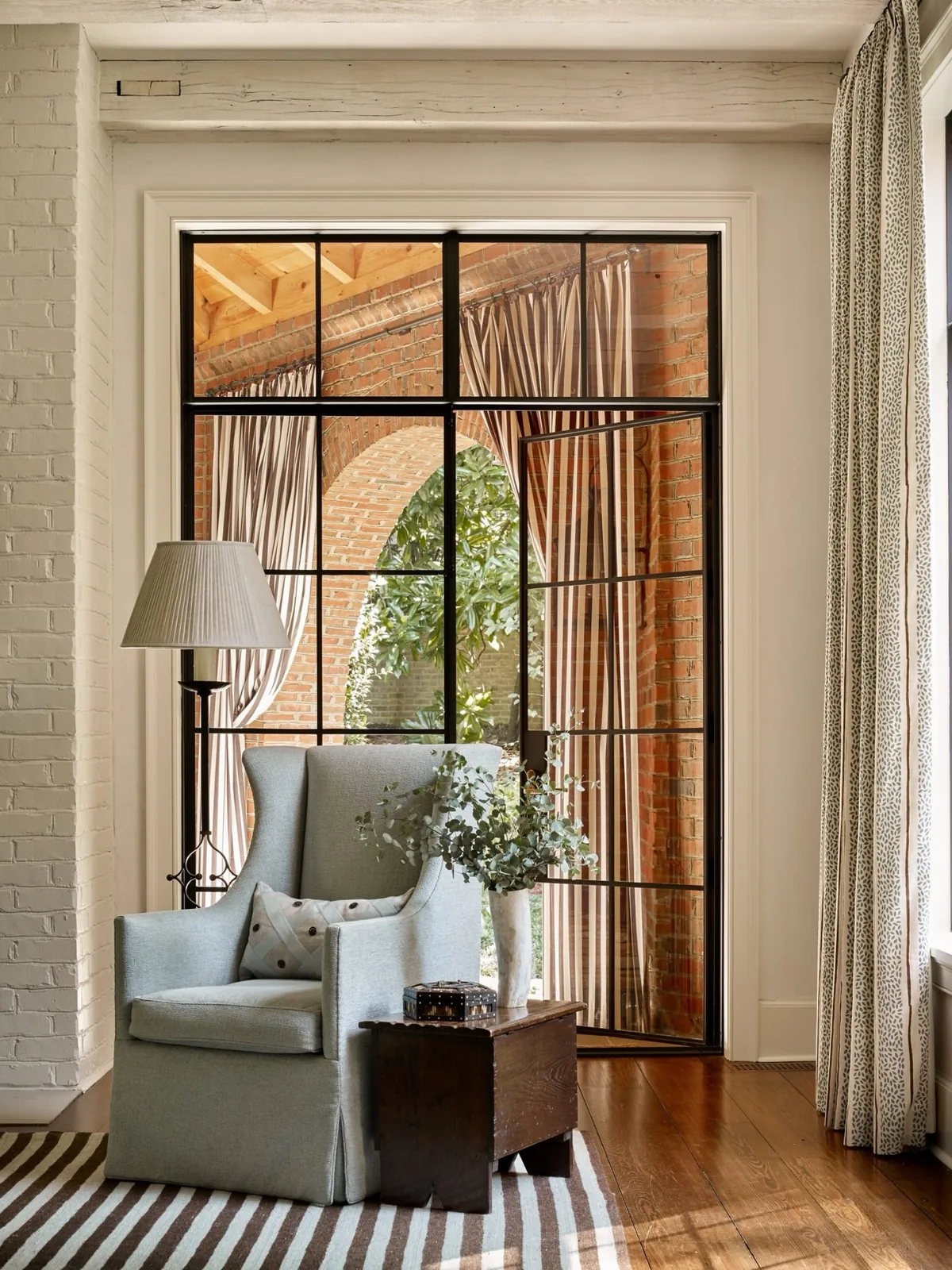
Cool white light turns a nook into an office corner. You’ll fit warm bulbs at 2700K or below in every nook fixture and add dimming wherever the wiring allows. Warm dim light tells your body the day is ending, which is exactly the permission a reader wants.
You’ll check the bulb, not the shade, because shades lie about temperature. A cool LED behind amber glass still reads clinical on the page. One warm dimmable source over the shoulder plus one low background glow is the complete formula. Get the temperature right and even a plain chair starts feeling like a retreat.
Keep it used, not just styled
Nooks die from friction, not ugliness. Four habits remove the friction.
Park a table within arm’s reach of window seat & reading nook ideas
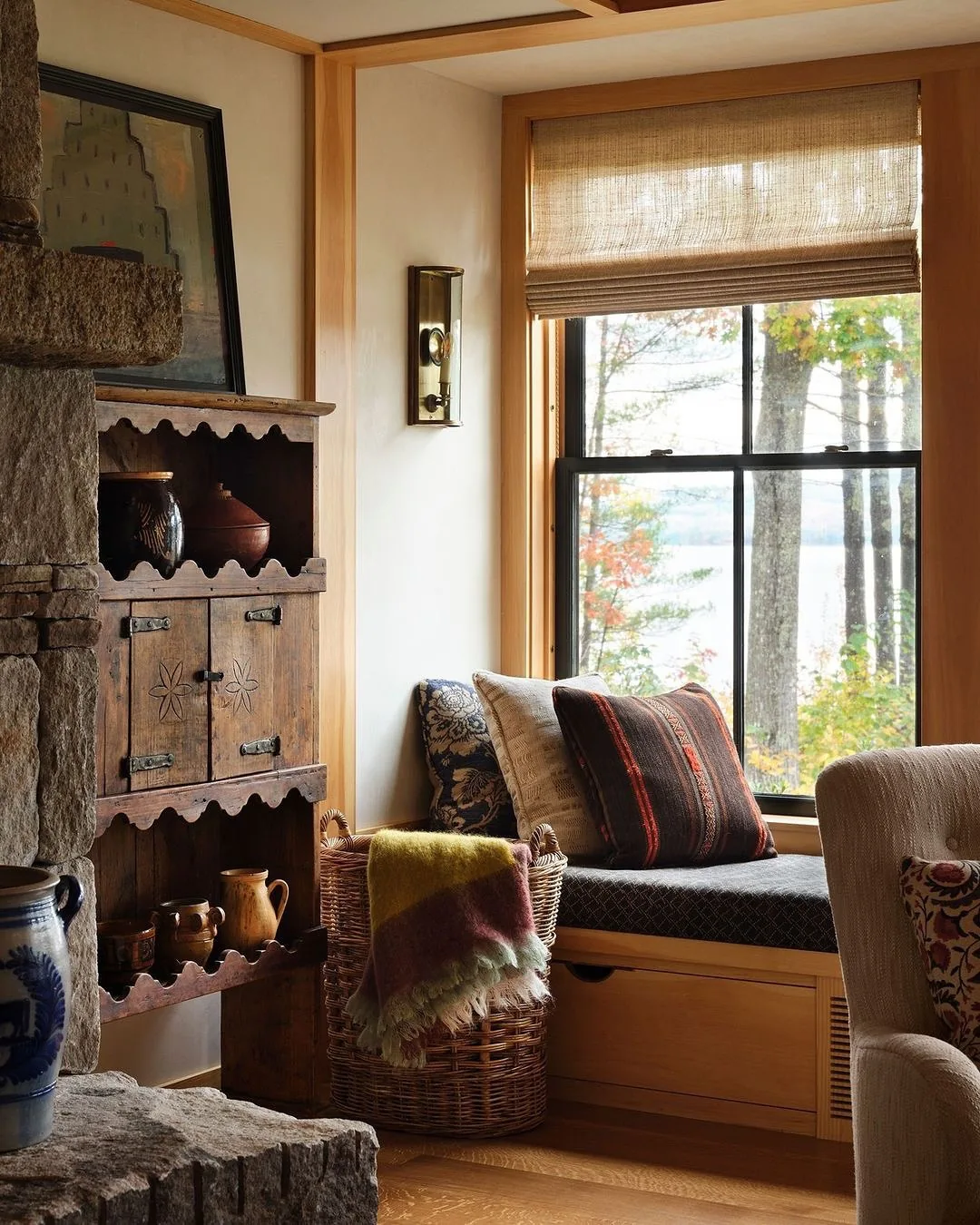
A nook without a landing spot for a mug lasts one chapter. You’ll place a small table or wall ledge beside the seat at elbow height, close enough to reach without standing. Readers who must rise for every sip stop returning by Thursday.
You’ll keep it tiny on purpose. A surface that fits a mug and a book can’t accumulate the mail, keys and clutter that bury bigger tables. Wall-mounted ledges suit window seats with no floor space. When everything you need sits within one lean, the nook runs on habit instead of intention.
Choose fabrics that wash and forgive
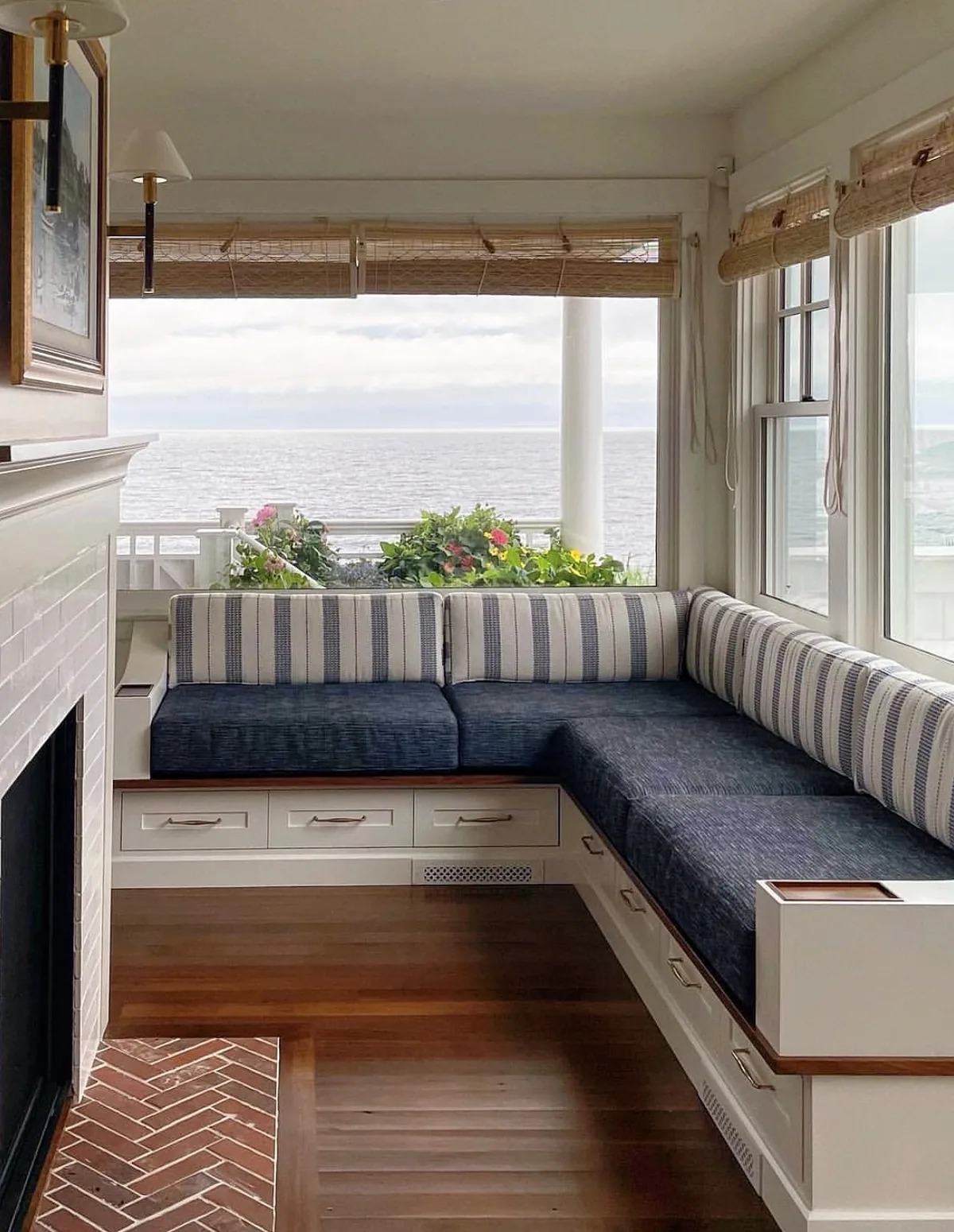
Nook textiles take daily body contact, sun fade and the occasional coffee. You’ll pick removable washable covers in mid-tones that hide wear, and you’ll avoid pure white and silk anywhere near the glass. Sun bleaches the window side of every cushion within a season.
You’ll rotate cushions quarterly so fading lands evenly. Keep a spare set in the nook’s own storage and the refresh takes minutes. For the full method on textiles that survive real rooms, browse our living room ideas guides. A nook you can wash is a nook you’ll keep using.
Store the current stack inside the nook
Readers abandon nooks that require a trip to the shelves. You’ll keep the current book, the next book and the blanket in the nook itself: a basket under the seat, a slim shelf at shoulder height, an ottoman that opens. Everything the session needs lives within reach.
You’ll cap the collection ruthlessly. A nook holding forty books becomes a library annex that nobody tidies. Three books and one throw is a working nook. When finishing a book means reaching, not rising, you’ll read the extra twenty minutes that turn readers into daily ones.
Face the view when the view earns it
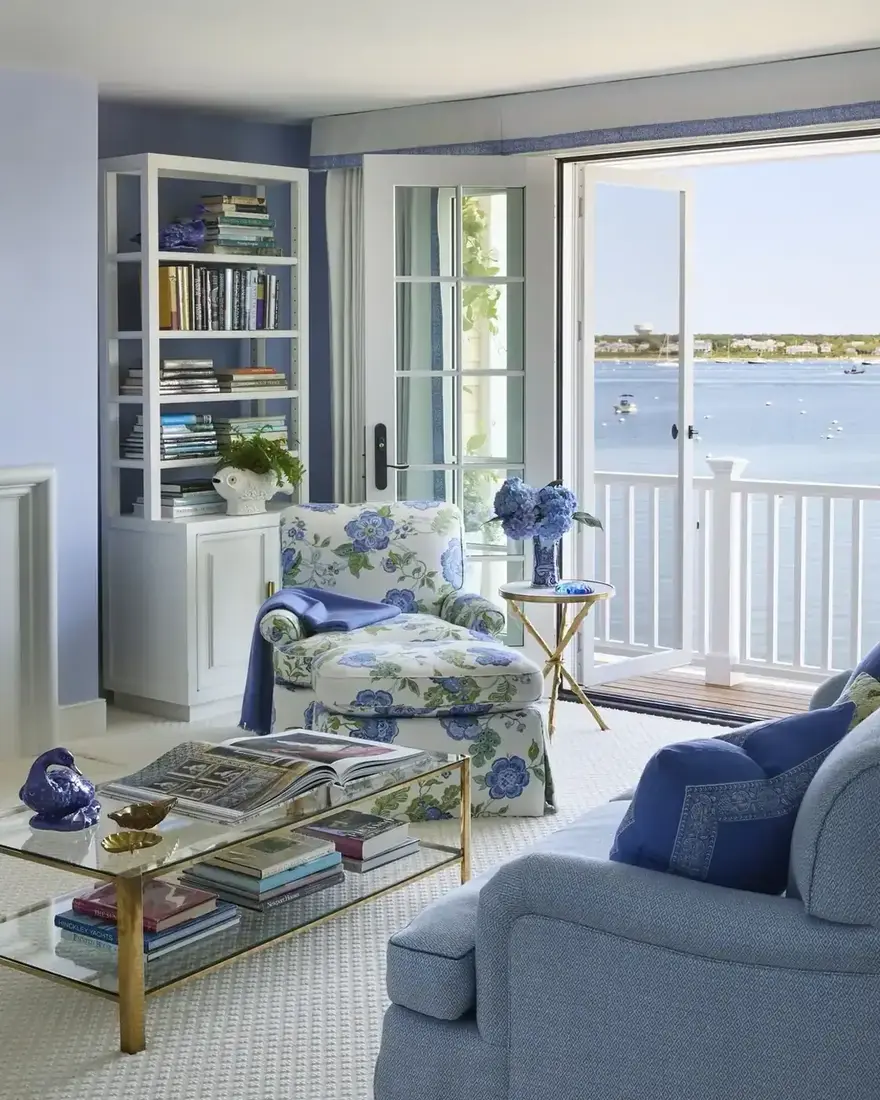
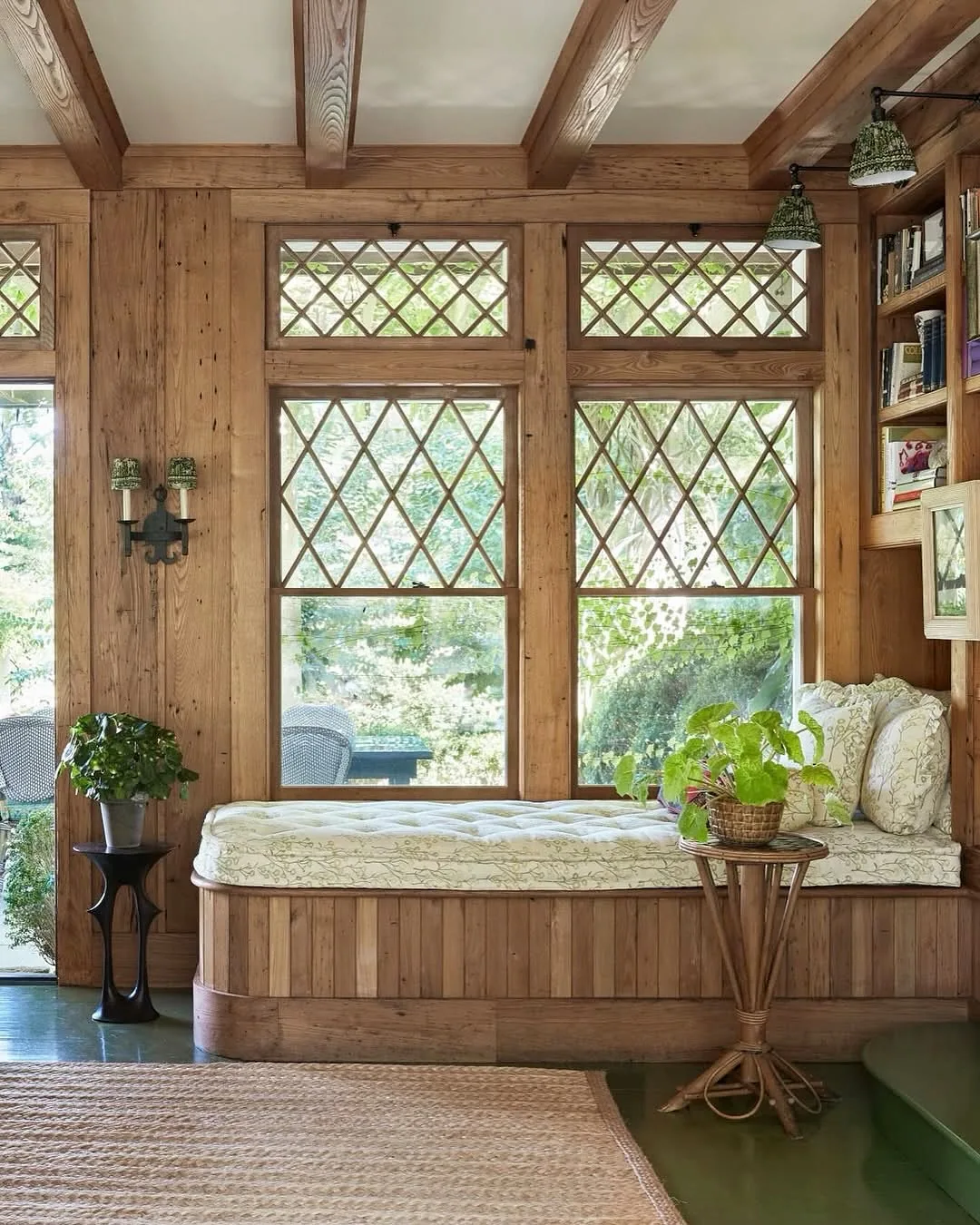
Some windows overlook parking lots and some overlook the sea. You’ll be honest about which you own. Where the view earns attention, angle the seat to share it with the page, glancing up between chapters. Where it doesn’t, face inward and let the nook be about shelter and light instead.
You’ll never apologize for a nook with a dull outlook. Enclosure, support and light work identically facing a garden wall. But when you own the ocean or the lake, you’ll waste it facing the television. Sit the reader where the best thing in the house is visible, and the nook sells itself forever.
Nook shapes at a glance
| Corner chair | Window seat | Daybed | Banquette | |
|---|---|---|---|---|
| Effort | An afternoon | A build or buy | A spare room | Dining room |
| Comfort | Good with support | Good with cushions | Best you can own | Good after meals |
| Light | Lamp over shoulder | Daylight plus sconce | Lamp plus window | Pendant plus reader |
| Best for | Rented rooms | Alcoves and bays | Guests who read | Kitchens that read |
| Watch for | Open back exposure | Flat wall fatigue | Taking the spare room | Table buried in mail |
| Verdict | Start here | Build it right | Keep it if you can | Clear it nightly |
The Reading Nook Formula
If you strip all fifteen ideas down to a plan, it reads like this:
- Three bounded sides. Corner plus one built screen, tested with laundry baskets first.
- A back you believe. Support at the lumbar curve, never a flat wall.
- Light over one shoulder. Sideways daylight, warm lamp, dimmed background.
- Table within a lean. Mug and book reachable without standing.
- Washable everything. Mid-tones, removable covers, rotated quarterly.
- The stack lives here. Three books and one throw, restocked not stored.
Get those six right and the corner gets used daily. You’ll own a reading habit, not a styled chair.
Frequently Asked Questions
Why don't I use my reading nook?
Because one of three physical things is missing: enclosure at your back, support shaped for your spine, or light arriving over your shoulder instead of into your face. You’ll fix the missing one before restyling anything. Styling never saved an unused corner.
Do I need a window for a reading nook?
No. You’ll bound any corner on three sides, add a warm lamp over one shoulder and lay a rug to declare the zone. Windowless nooks work identically once the physics holds. Windows give free daylight, not requirements.
What is the best chair for reading?
One with a high enough back to catch your shoulders and arms low enough to hold a book for an hour. You’ll angle it 30 to 45 degrees into a corner with a lamp behind one shoulder. Seat depth matters less than back contact.
How do I light a window seat for evening reading?
You’ll mount a sconce on the leaning wall with an arm reaching over your shoulder, on its own switch. Add one low lamp elsewhere in the room to cut contrast. For built-in construction details, our window seat joinery guide covers depths and clearances.
How deep should a window seat be?
Deep enough to curl sideways with firm back cushions bringing usable depth back to about sitting depth. You’ll find full construction numbers in our window seat bookshelf guide, which owns the joinery half of this topic. This guide owns the using-it half.
How do I stop my nook becoming a dumping ground?
You’ll keep surfaces tiny, cap the book stack at three and store everything else elsewhere. A nook that holds a mug and a book can’t collect mail. When clutter needs a home, you’ll give it one in another room.
This article may contain affiliate links. We may earn a commission at no extra cost to you.