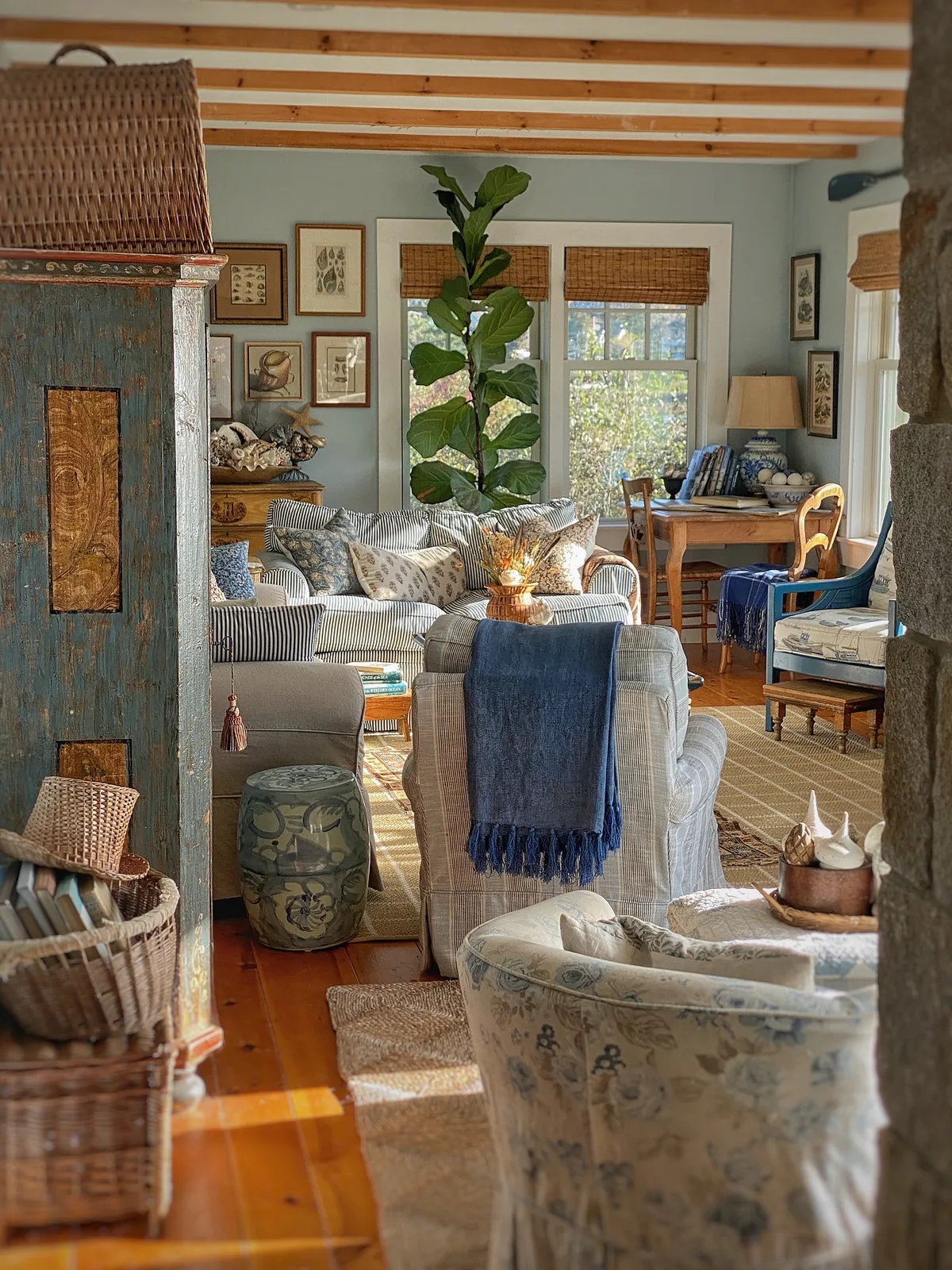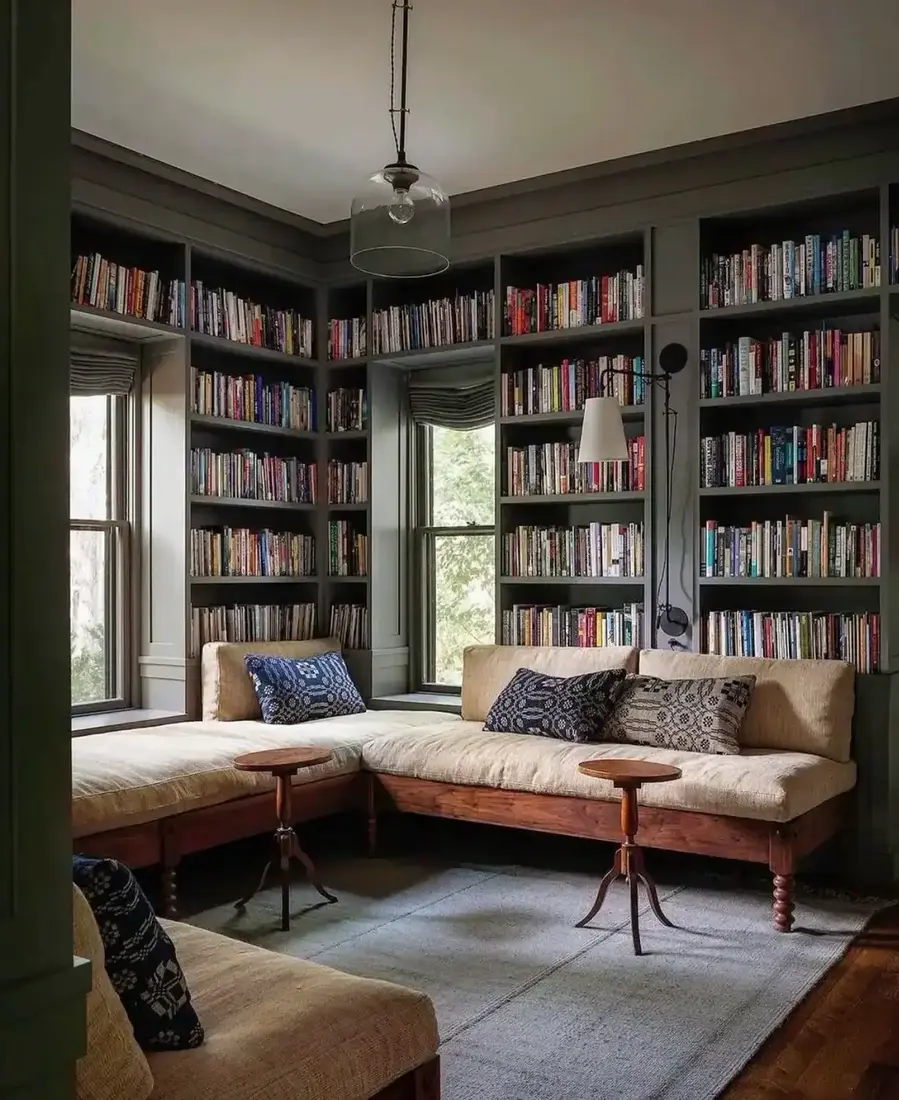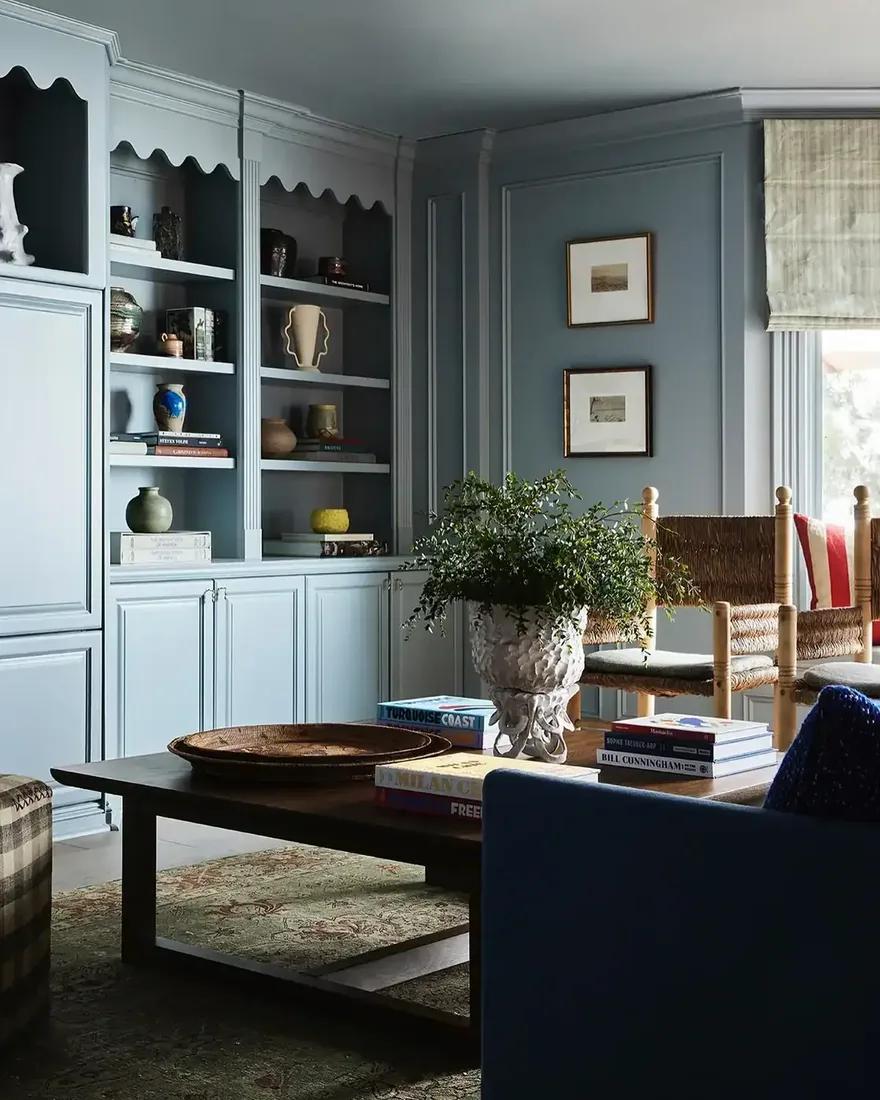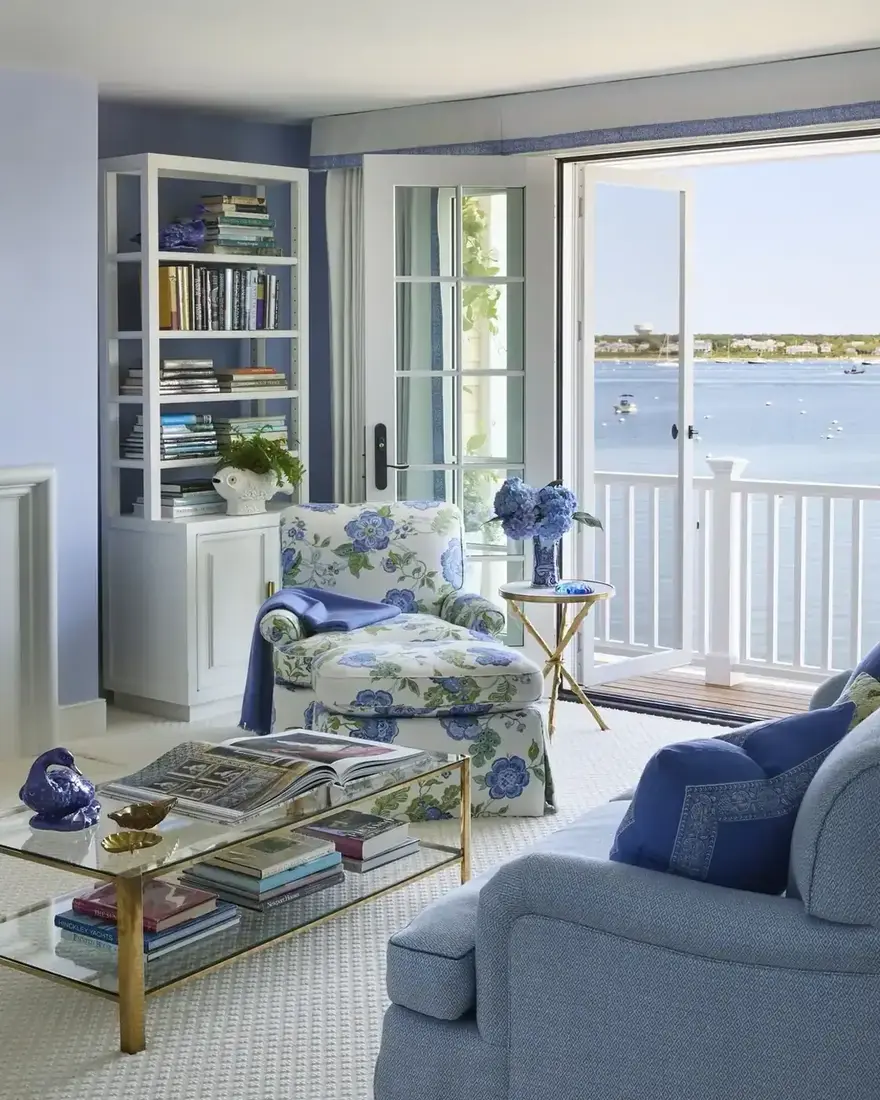
Which Old Thing Carries Your Cabin Room?

Add us as a preferred source to see more stories on Google.
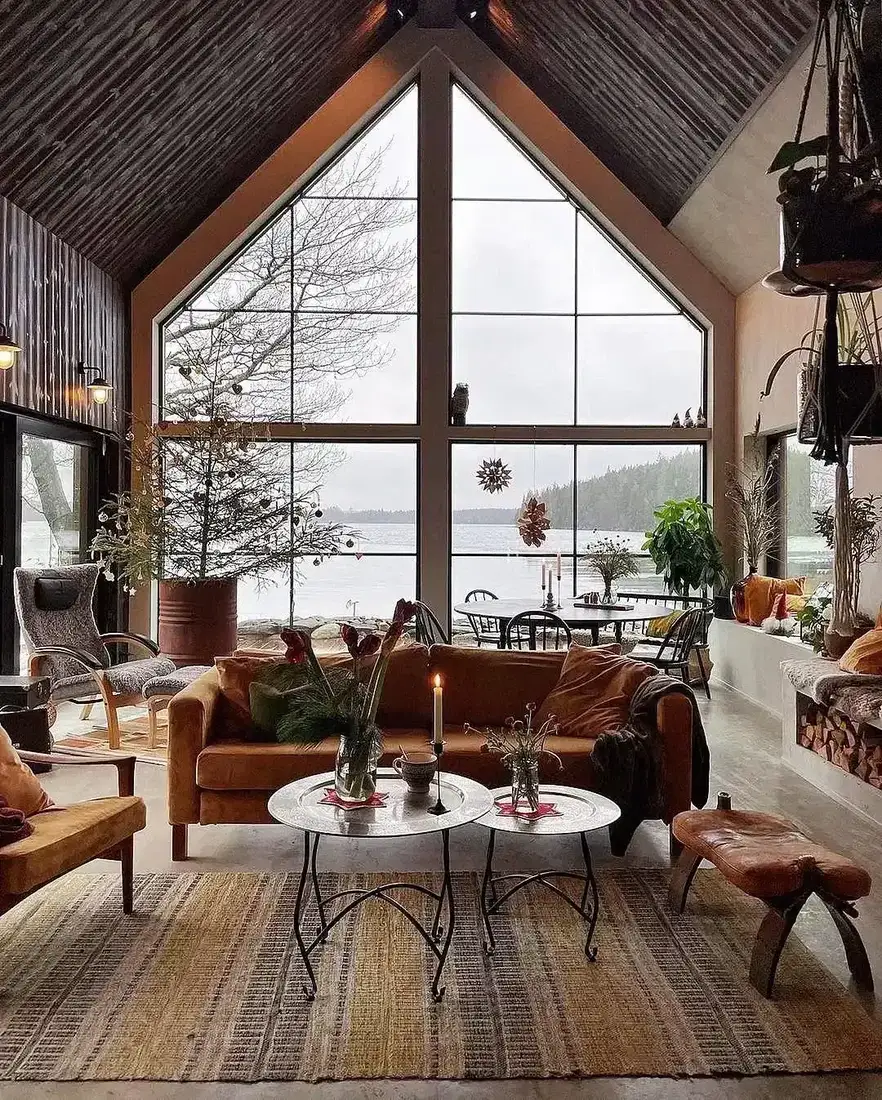
Rustic tips into theme quickly. You add stone, then beams, then reclaimed timber, then a distressed table, and the room that wanted to feel warm feels like a themed restaurant.
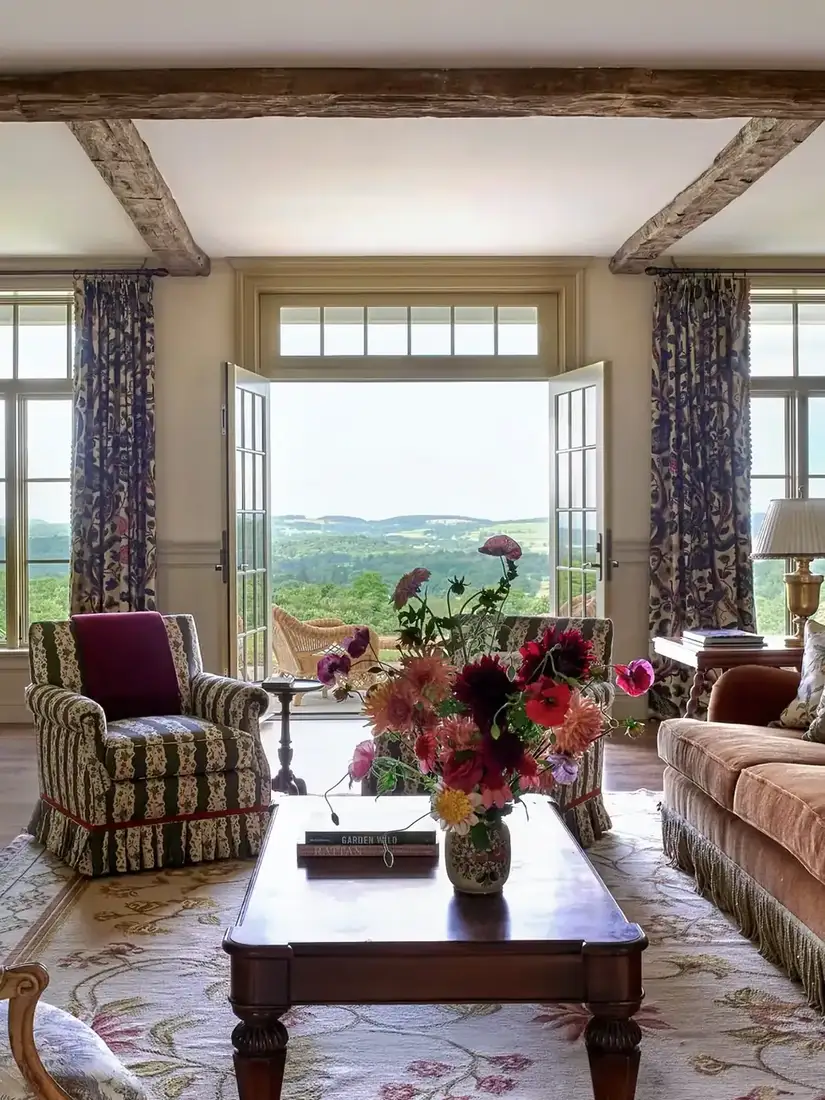
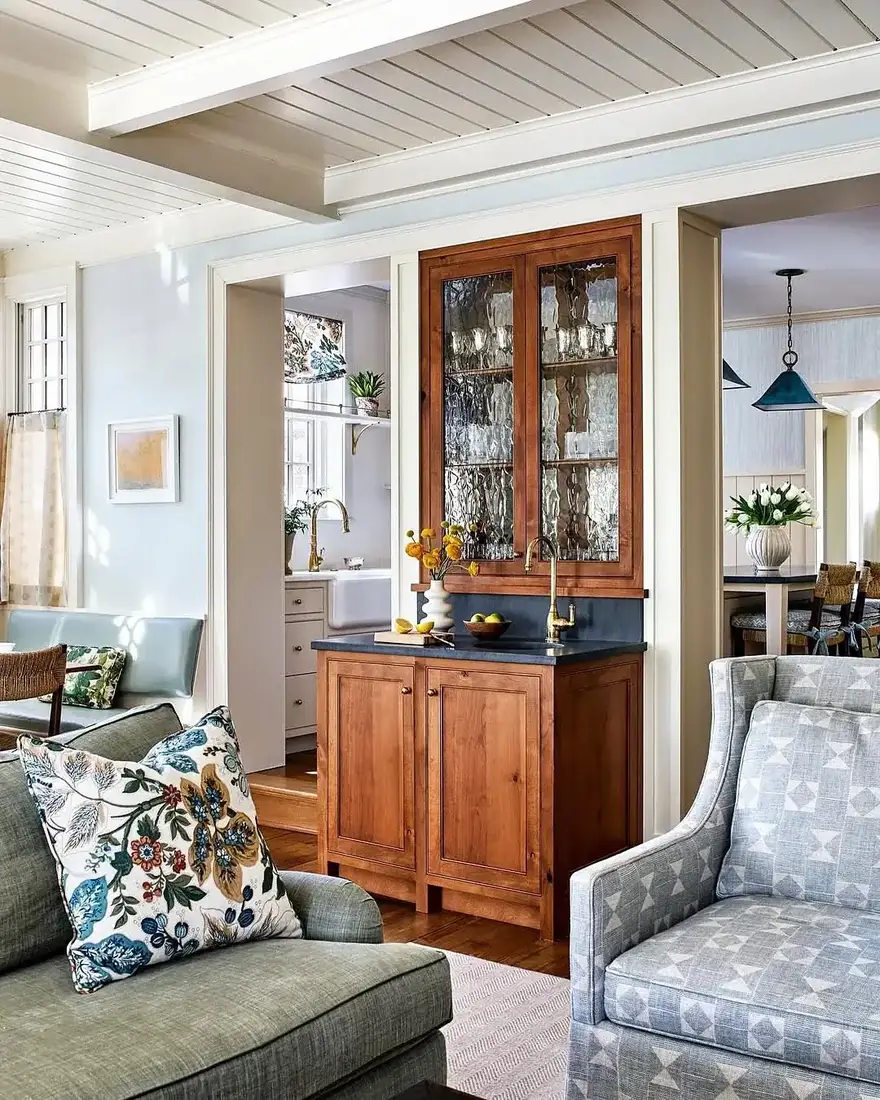
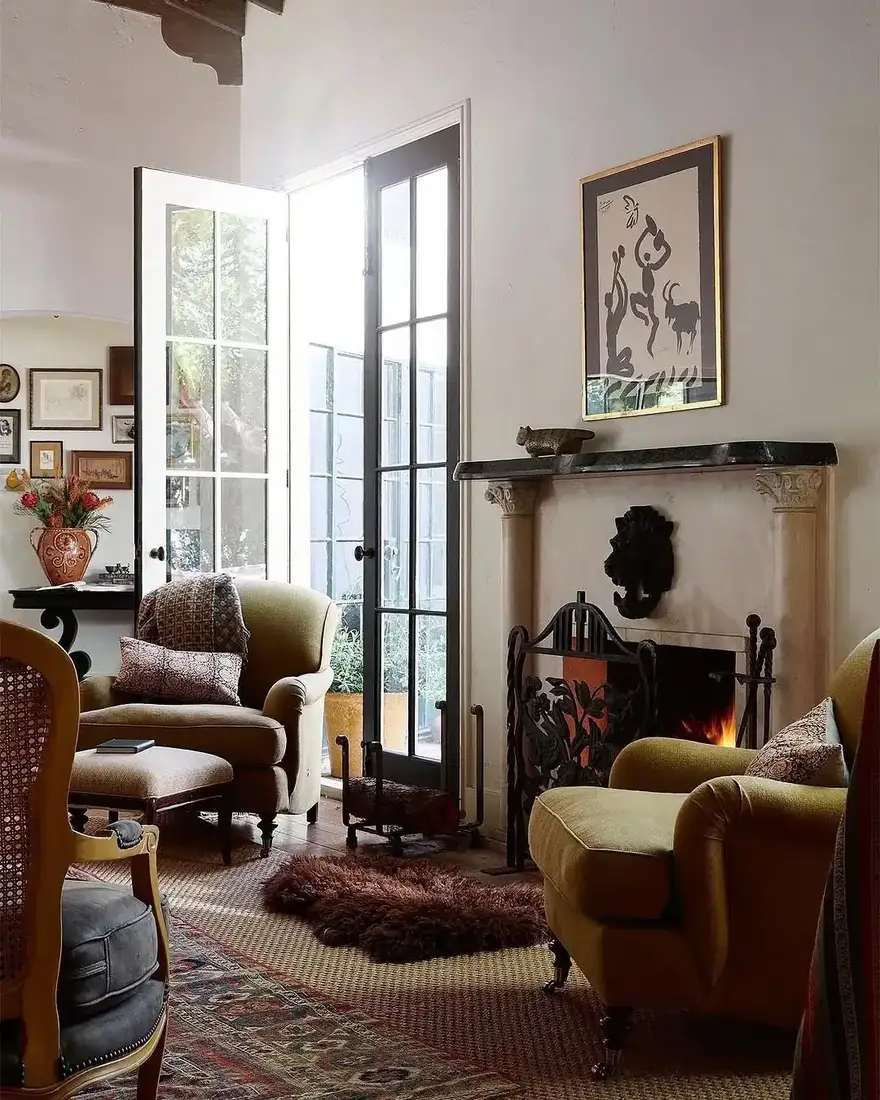
The rooms that stay elegant use one genuinely old or rough element and keep everything around it simple.
These ten cabins show you how to let one carry the room.
One real element is enough
Start with the bones, then stop.
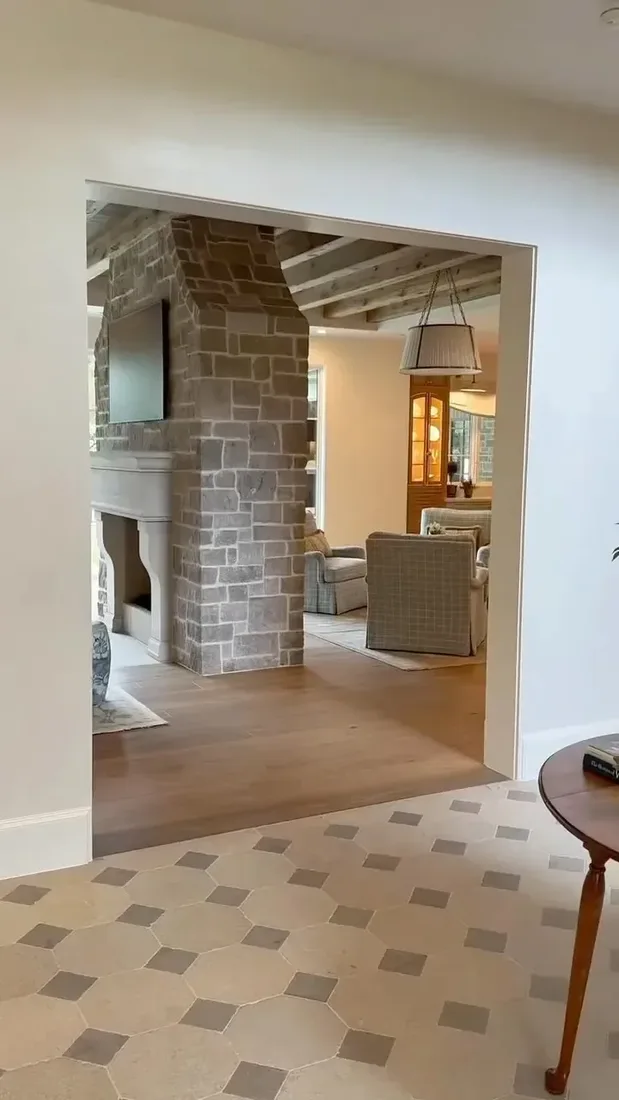
Let one architectural element do the work
One stone hearth, one beam run or one reclaimed timber wall can carry a whole sitting room. That single element gives you texture, shadow and age in one move. When you add a second rough element, you double the theme, and a third turns the room into a set you bought at once. Keep the second and third surfaces plain, a plaster wall, a linen sofa, a jute rug, and the one old piece reads as authentic. When you keep those companions plain for you, you let the one old element carry the room. You pick up on the room breathe the moment you remove the second competing texture.
Choose genuinely old over new made to look old
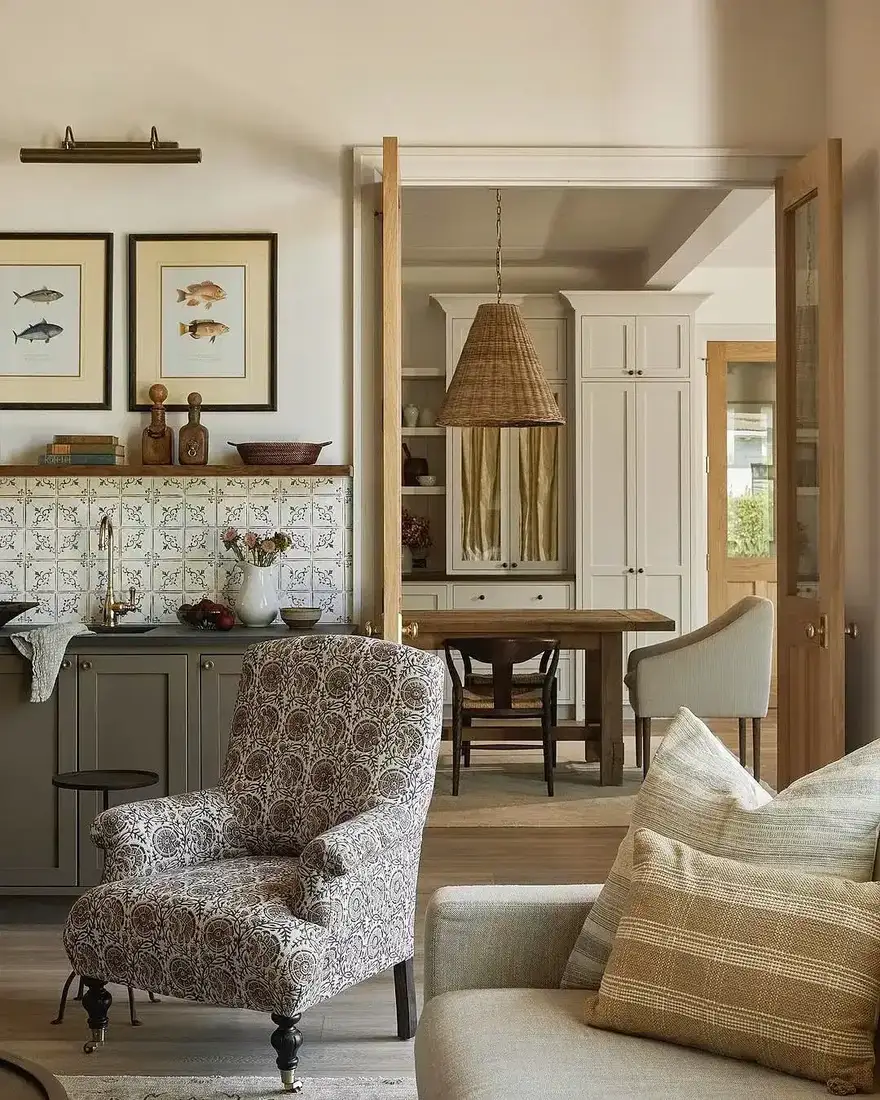
Genuinely old materials carry irregular marks, a little wobble in the edge, a knot where a branch grew, a soft fade where sun hit. New distressed materials try to fake that with uniform dents that your eye reads as pattern. When you choose one truly old beam or mantel, the room gains the irregularity you cannot manufacture. When you run your hand along it for you, you feel the difference before you can name it for you. Run your hand along it and you feel the difference before you can name it.
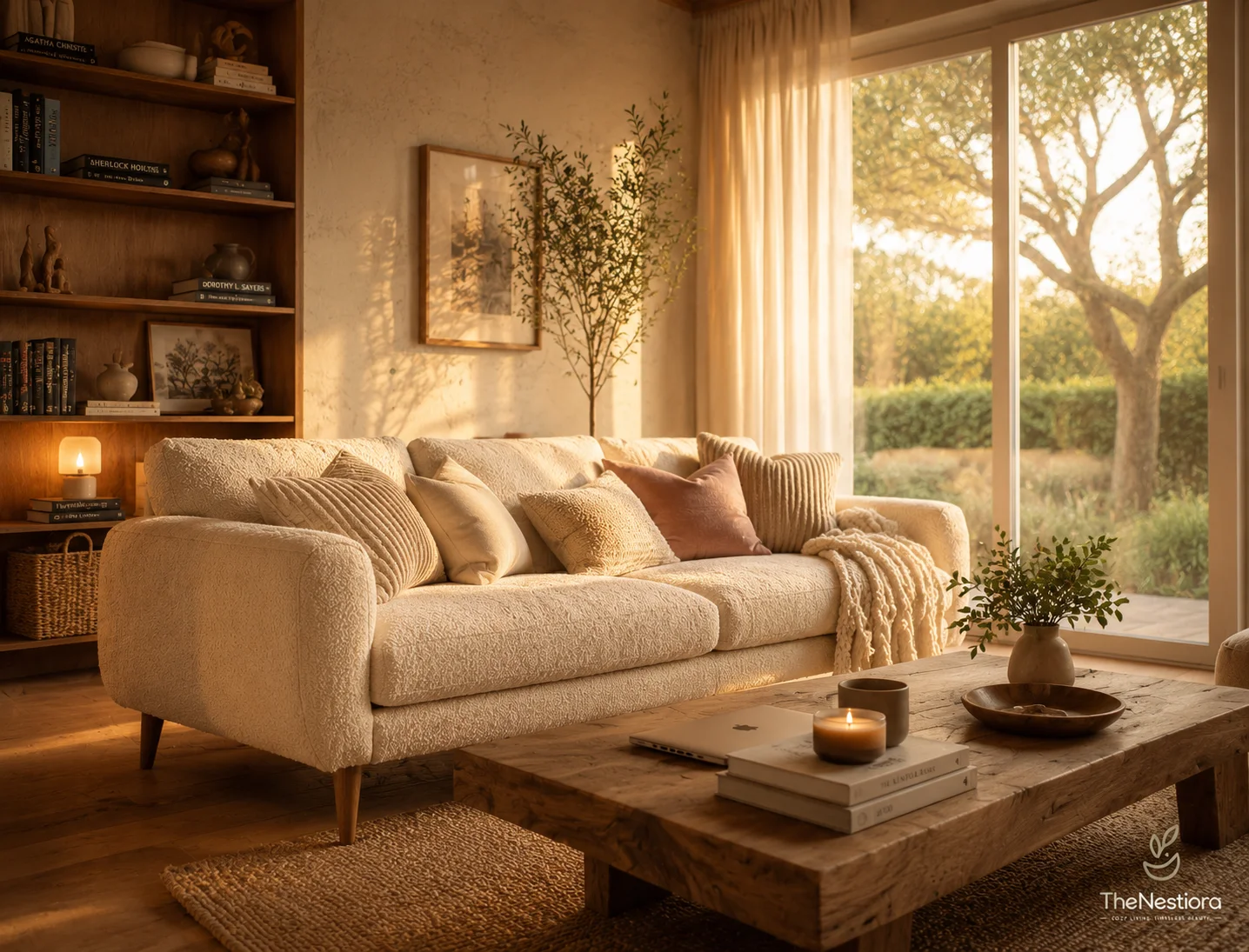
Lean a soft plain sofa against the rough
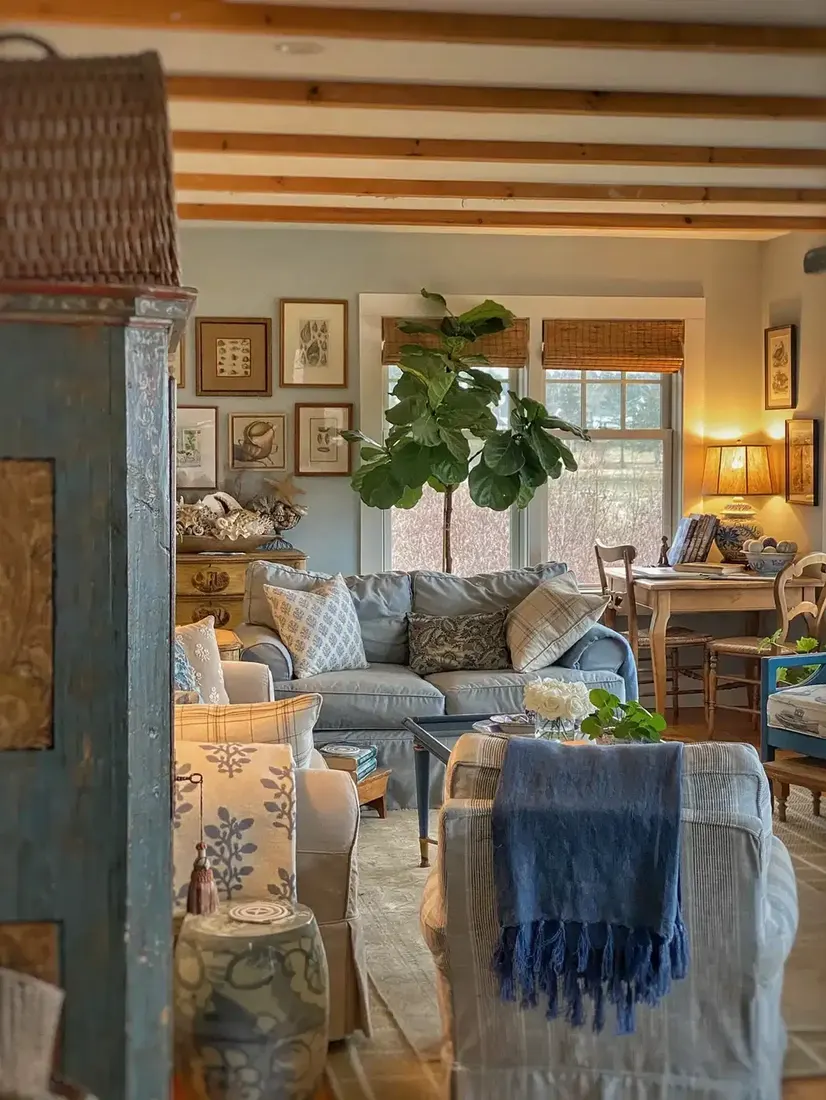
Rustic needs one soft plain thing to lean against, usually a neutral upholstered sofa. That plain linen or boucle gives the rough element a quiet companion. Without it, stone or timber has nothing to soften it and the room feels hard. Keep that sofa to one or two cushions, no pattern, and let the rough wall be the texture. When you keep that plain linen for you, you let the rough wall be the texture for you and you keep the cabin elegant for you. You will see the cabin feel elegant rather than heavy the moment that plain softness lands.
Materials that age with the cabin, not against it
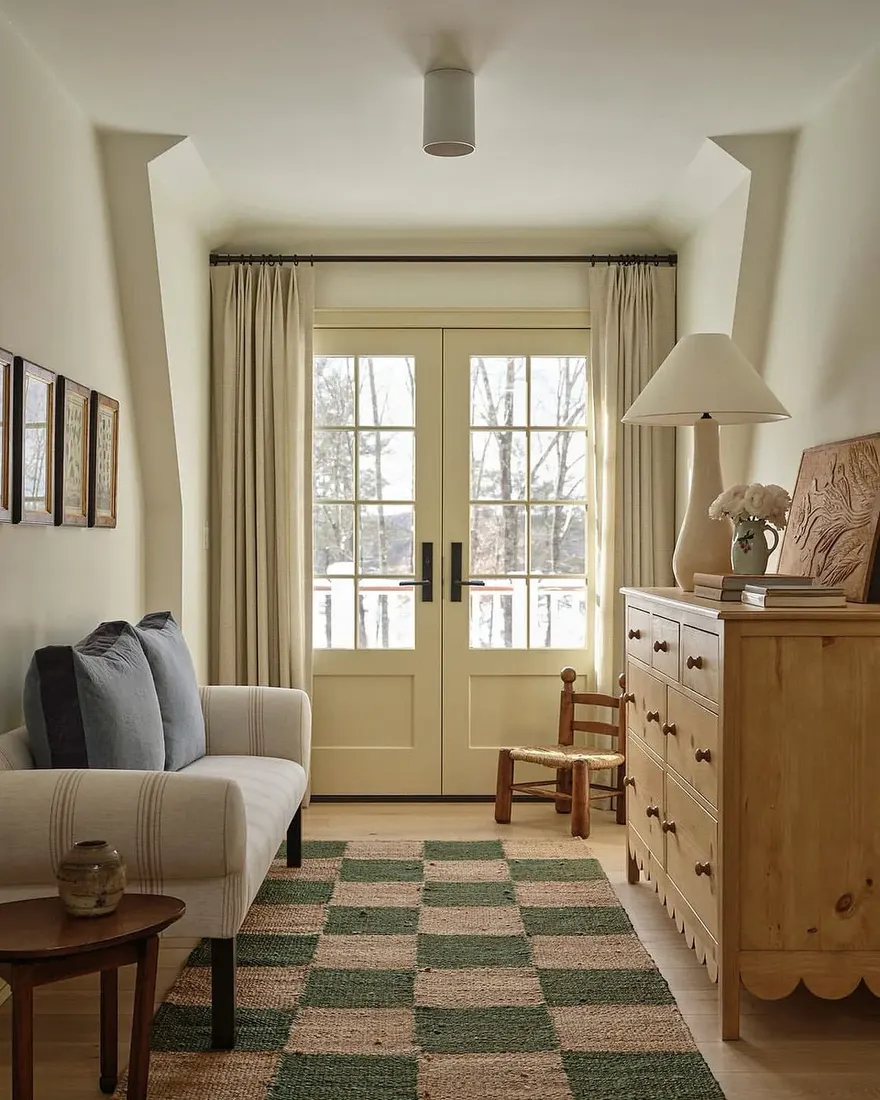
What you choose to sit near the old element decides whether it looks collected.
You keep that choice for you and you let the old element lead for you. When you let that one carry the room for you, you keep the cabin elegant for you.
Keep leather where you want age, not synthetic
Leather ages into rustic. As you use it, it softens, darkens at the arms and gains the patina that makes a cabin feel lived in. Most synthetics do not. They stay flat, a little shiny, and they peel rather than patina. When you want a cabin that grows more beautiful, choose leather for the chair you reach for daily. You sense the difference in five years when the leather tells your story and the synthetic tells its age.
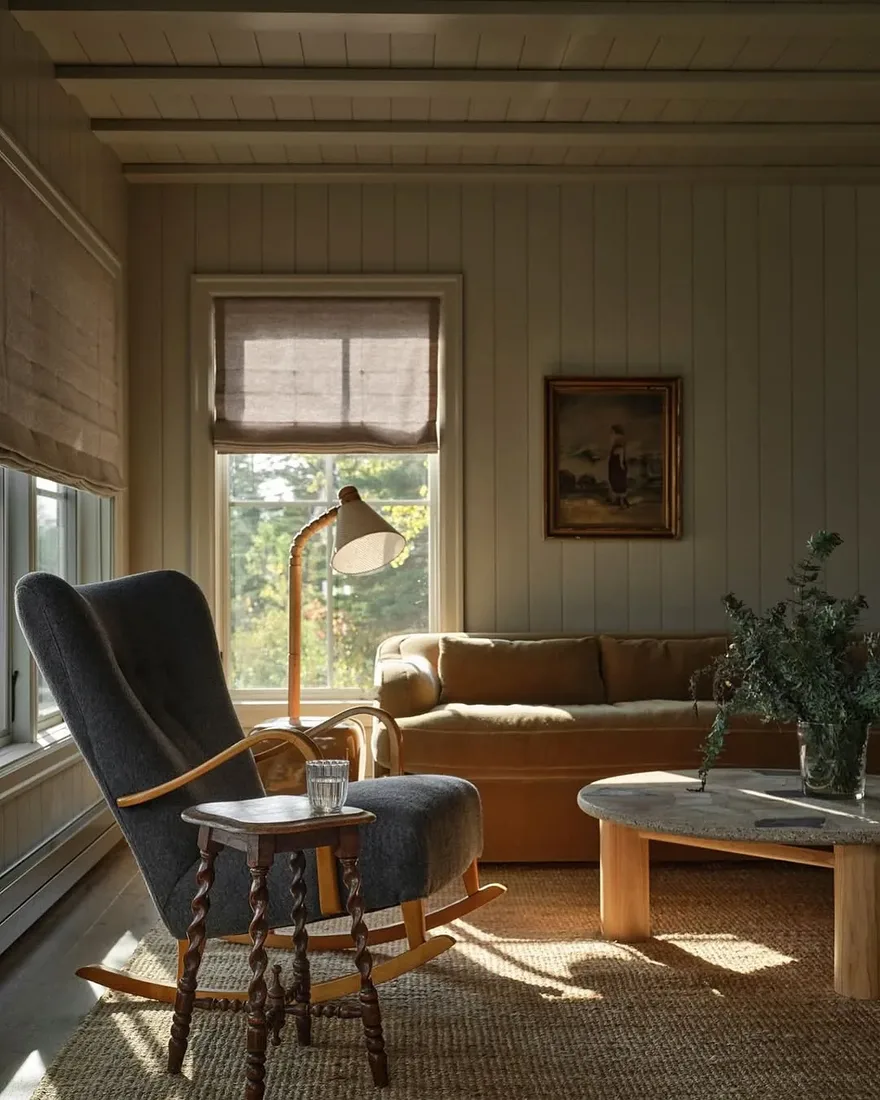
Let texture lead and keep colour quiet
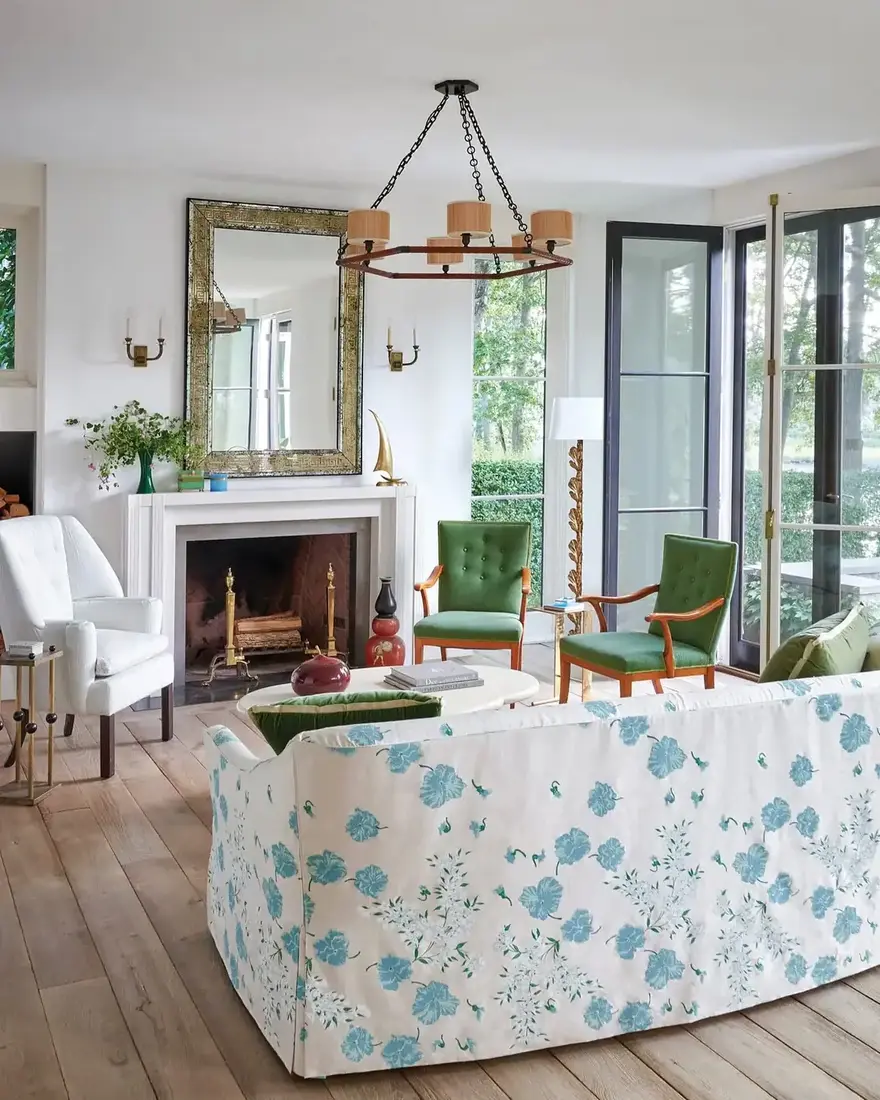
Let texture do the work rather than colour. Keep the palette to natural tones, putty, oat, warm stone, honey timber, and let grain, weave and stone texture carry the variation. When you add colour, keep it to one muted note, sage or ochre, rather than a bright palette that competes with the old beam. You keep that restraint for you and you let grain, weave and stone do the talking. That restraint keeps the cabin calm while the texture does the talking.
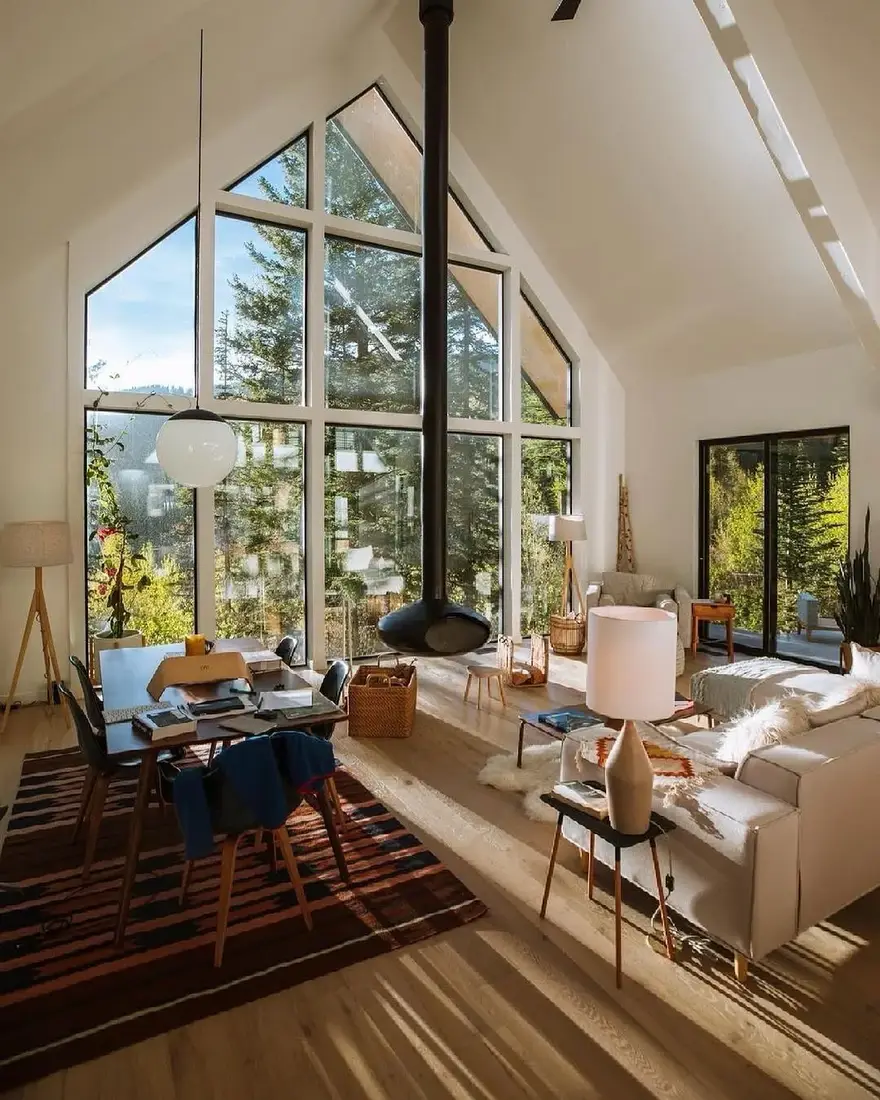
Echo the old element once, not everywhere
One echo is enough to tie the room together. A reclaimed timber mantel can echo in a single oak side table, a stone hearth can echo in a single stone-topped stool. When you repeat the same rough material everywhere, the room tips into theme. Keep the echo to one quiet piece and let the linen sofa and jute rug hold the rest.
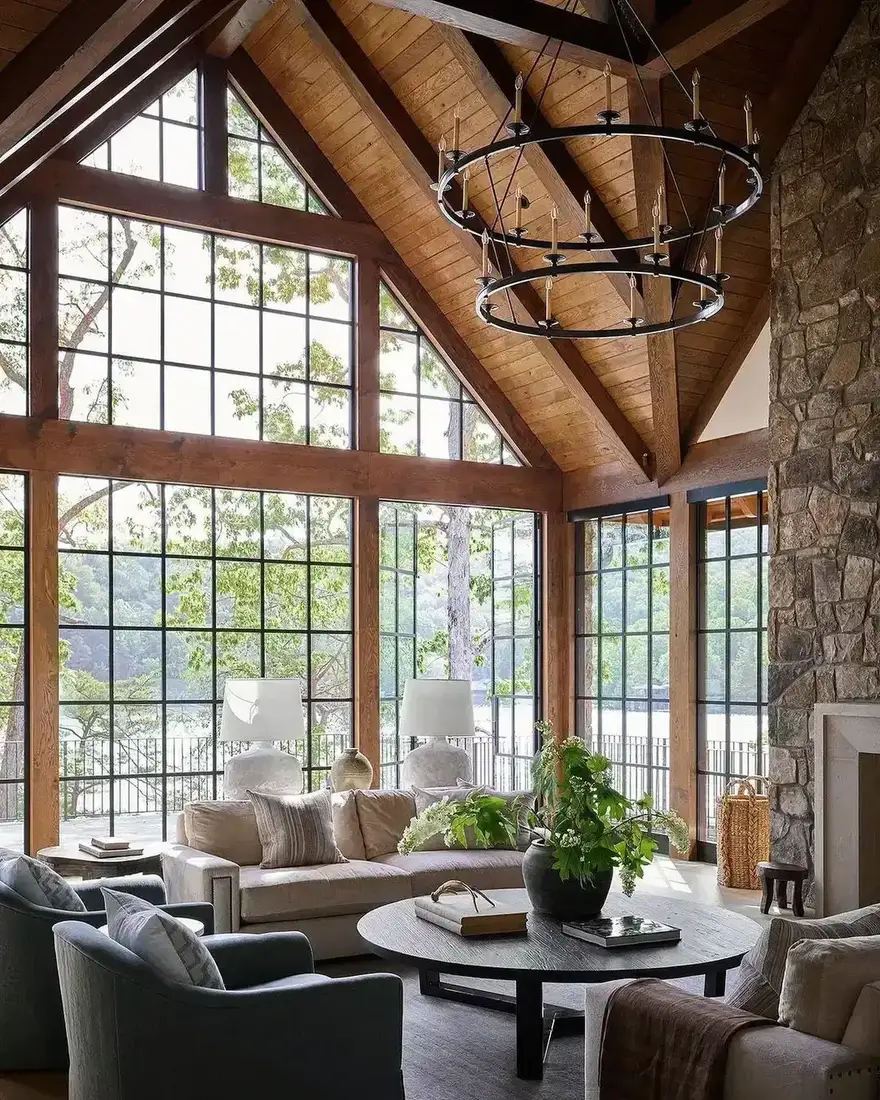
The quiet that keeps rustic from tipping
You keep rustic from tipping when you count rough elements from the doorway for you. When you keep one and you let texture lead for you, the room stays elegant for you.
The last restraint is the one you see from the doorway.
Keep the palette to natural tones
A natural palette lets the one old element breathe. Warm whites, putty, stone and timber give you enough variation without adding hue. When you keep that range, the rough beam or stone reads as part of the house, not as decor you added. You can add one soft plain throw in oat or sand and the room feels complete. For more on keeping a quiet base rich for you, see our neutral living room ideas.
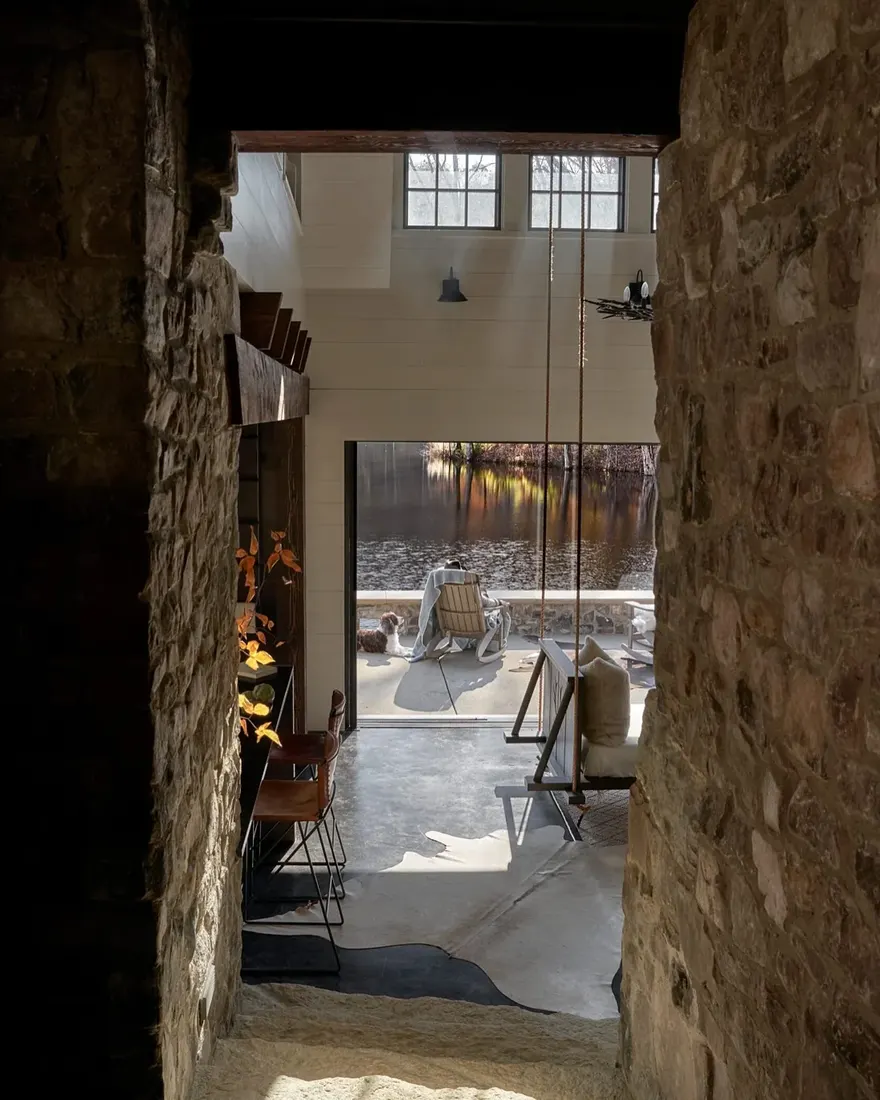
Add one warm light low, not a cluster overhead
A single warm lamp beside the old element does more than a cluster of spotlights on the beams. Keep light low and warm, and the rough texture glows. Overhead spots flatten the marks that make old timber beautiful. When you light the cabin like a cottage, with lamps below eye level, the old element reads as warm, not as a prop.
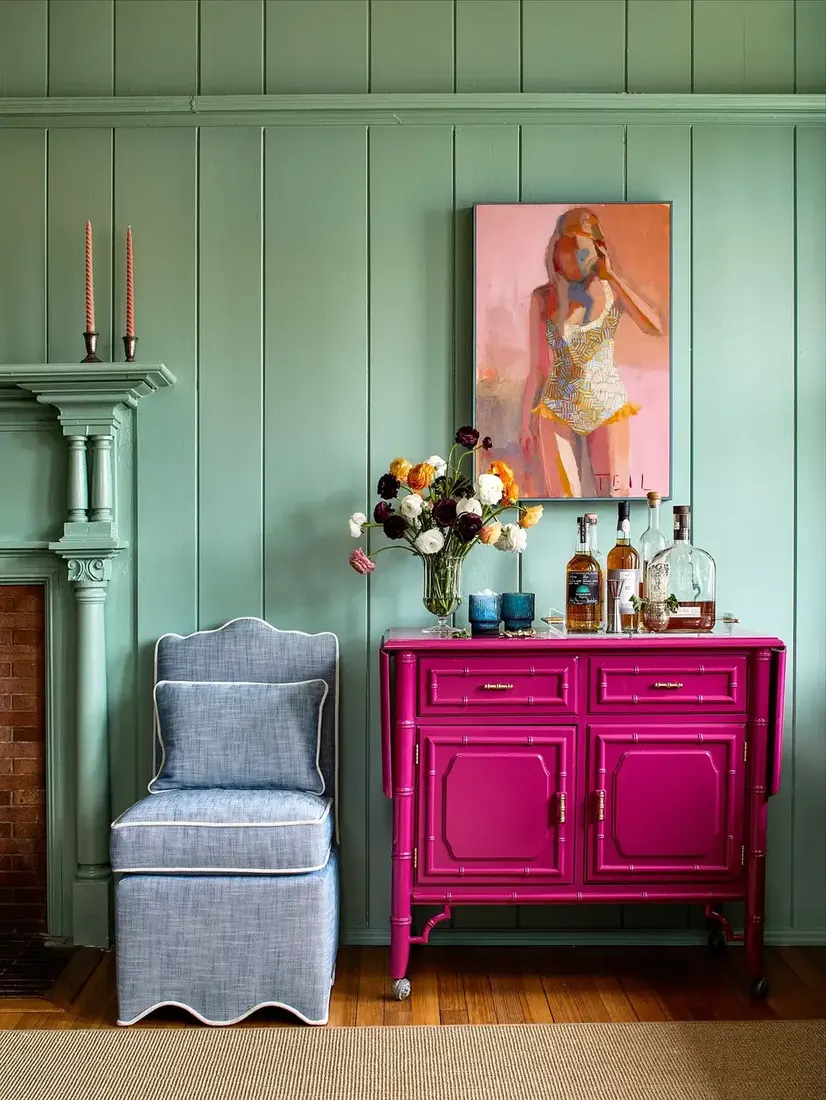
Keep the floor quiet so the wall can talk
A busy rug competes with a rough wall. Keep the floor to one calm texture, a jute or wool rug in oat, and let the stone or timber wall be the pattern. That quiet floor gives the old element the field it needs, and you feel the room settle. When you want pattern, keep it small and low, a single check on a cushion rather than a large floral on the rug.
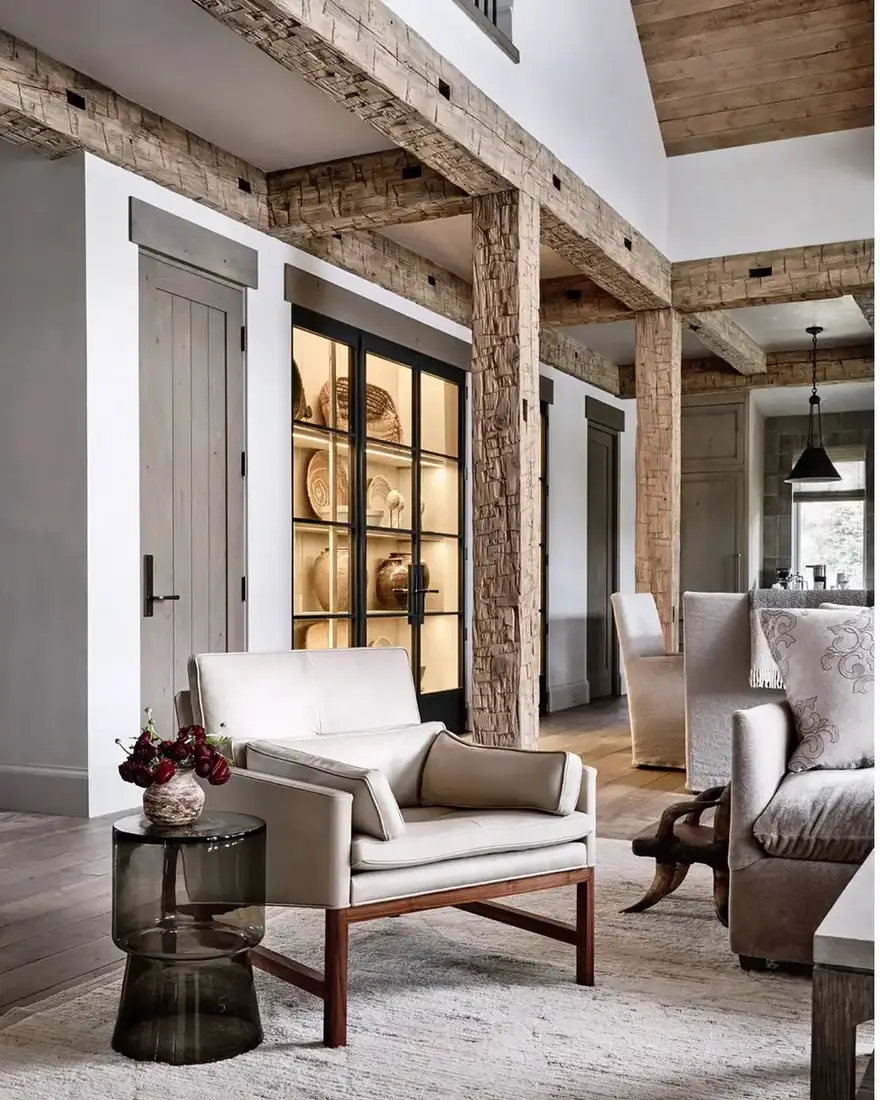
Edit until one rough remains the star
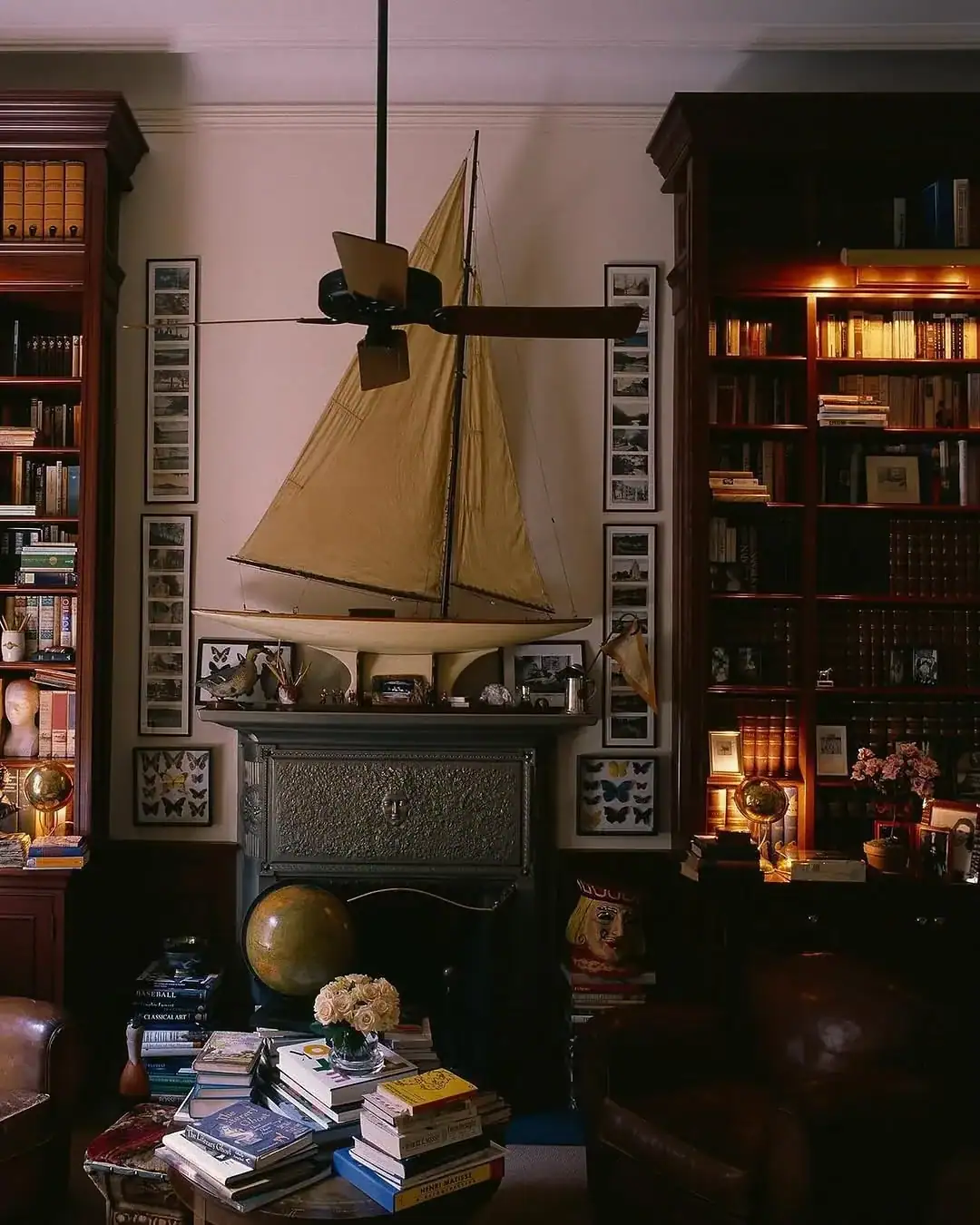
Stand in the doorway for you and count rough elements you can see for you. When you count three for you, you edit for you. If you can name three, you have a theme. Edit until one remains the star for you, and the others become plain plaster, linen or jute for you here today. That edit is what separates a cabin you want to stay in from a restaurant you visit once. For more on editing shelves to breathe, explore our bookshelf styling ideas.
Rustic choices that stay elegant
| Choice | How it reads | When you use it |
|---|---|---|
| One stone, beam or timber | Carries the room, calm | You want rustic without theme |
| Two is a lot, three is a theme | Theme tips quickly | You have many rough surfaces |
| Genuinely old marks | Irregular, collected | You can source old timber |
| Leather, not synthetic | Ages, patinas | Chair you use daily |
| Texture over colour | Natural, quiet | Palette feels busy |
| Plain linen sofa | Softens the rough | Stone or timber feels hard |
The Rustic Cabin Living Room Formula
- Give the room one old element. Stone, beams or reclaimed timber, not all three.
- Choose genuinely old where you can. Irregular marks beat uniform distressing.
- Lean a plain sofa against it. One soft neutral to soften the rough.
- Use leather where it will age. It patinas, synthetics peel.
- Let texture lead. Natural tones, grain and weave over added colour.
- Edit until one star remains. Count rough elements from the doorway and keep one.
Hold those six and the cabin stays elegant, not themed.
Frequently Asked Questions
How many rustic elements does a living room need?
One. One stone hearth, beam run or reclaimed timber wall can carry the room. Two is a lot, three tips into theme.
Is reclaimed or distressed timber better?
Reclaimed. Genuinely old timber has irregular marks and tonal shifts that new distressed wood cannot fake.
What sofa works in a rustic cabin?
One soft plain sofa in neutral linen or boucle. It gives the rough element a quiet companion to lean against.
Should I use leather or fabric in a cabin?
Leather where you want age. It softens and darkens with use, while most synthetics stay flat and peel.
How do I keep rustic from looking like a theme?
Let texture do the work and keep the palette to natural tones. When you add colour, keep it to one muted note.
How do I know the room is overdone?
Stand in the doorway and count rough elements. If you can name three, edit until one remains the star.
This article may contain affiliate links. We may earn a commission at no extra cost to you.