Set Your Beams Where Structure Wants Them

Add us as a preferred source to see more stories on Google.
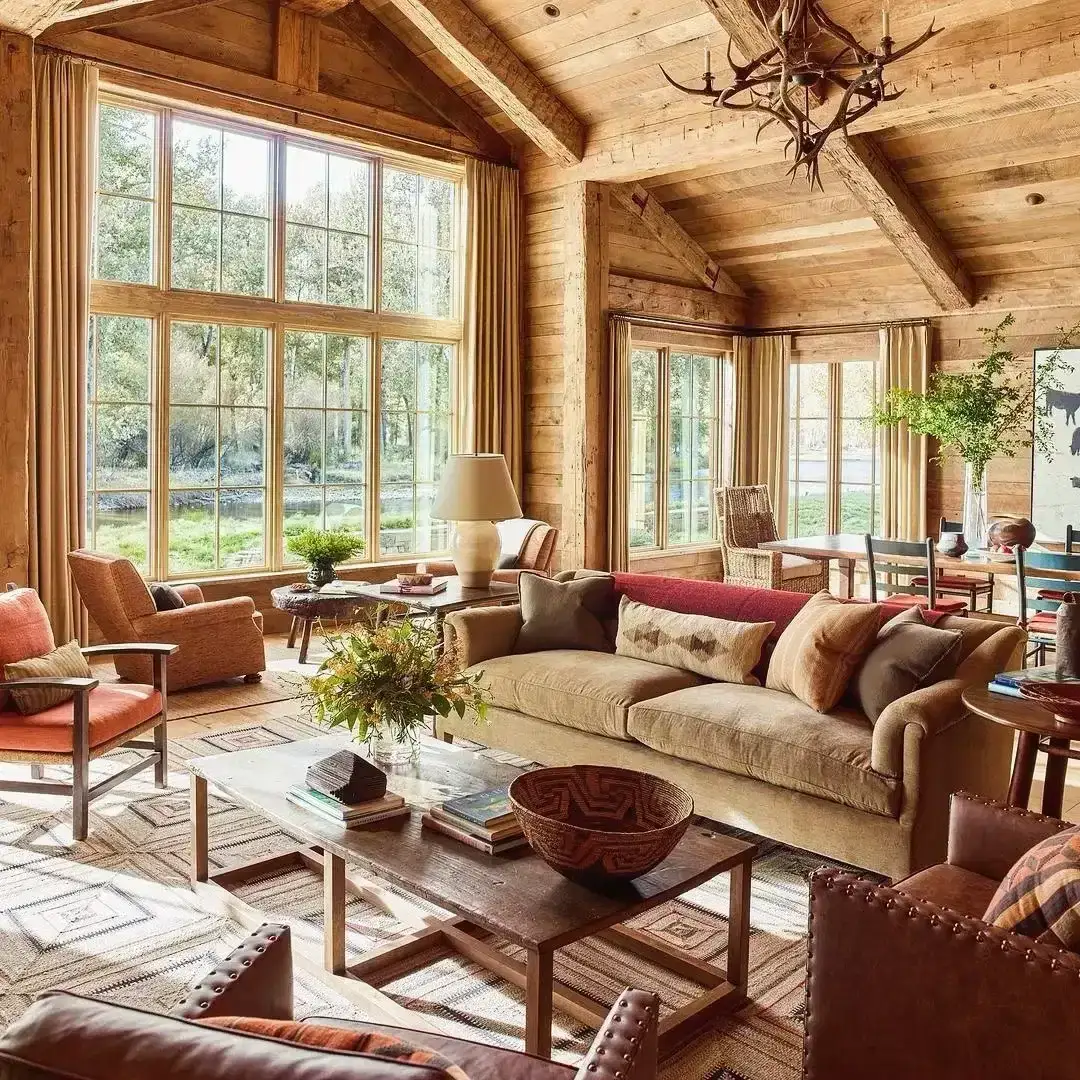
Fake beams are obvious, and for one reason: they are in the wrong place. Real beams follow the structure of the roof, carrying load where the span needs it.
Decorative beams get spaced evenly for looks, and your eye reads the difference even if you cannot name it.
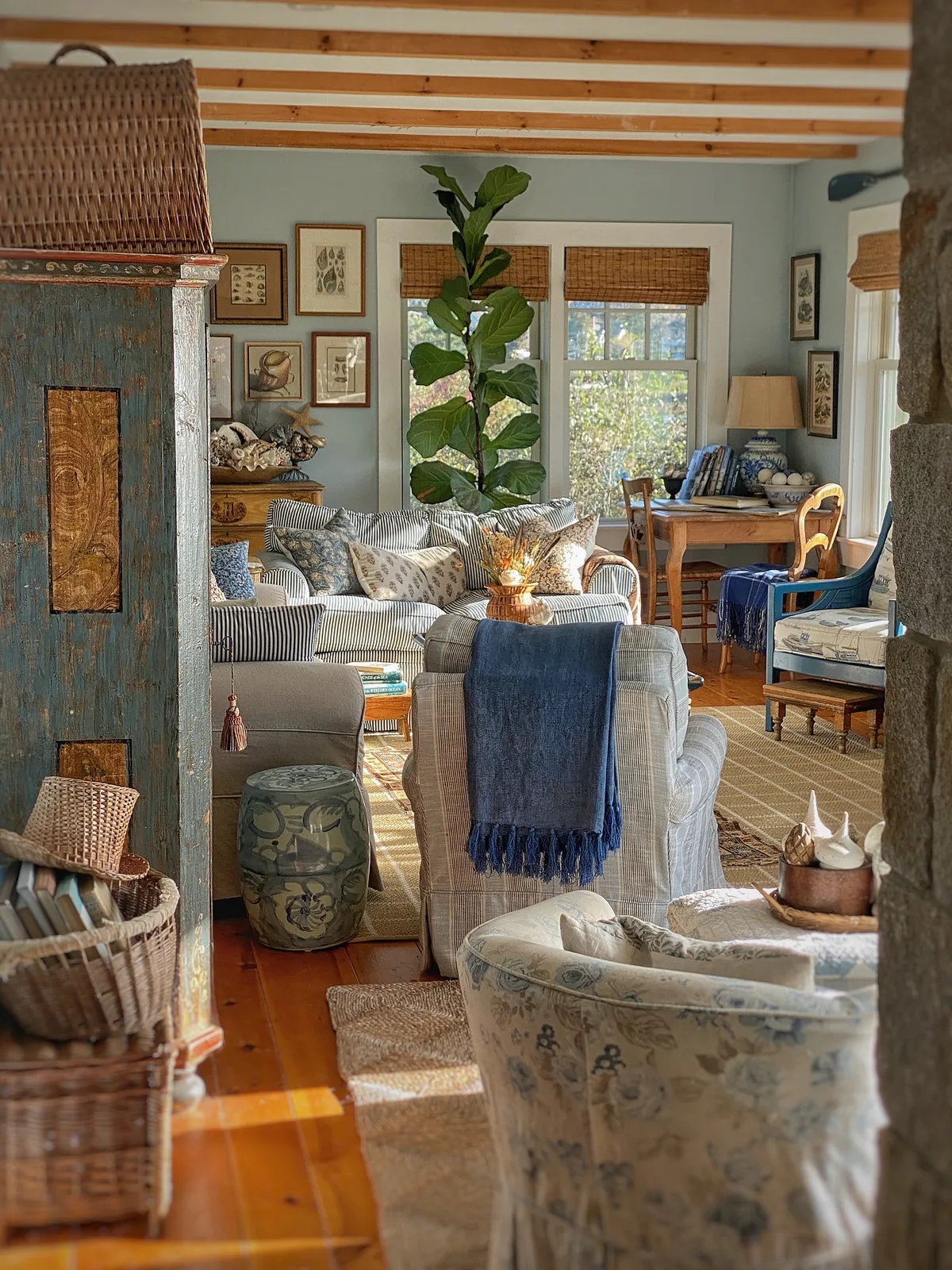
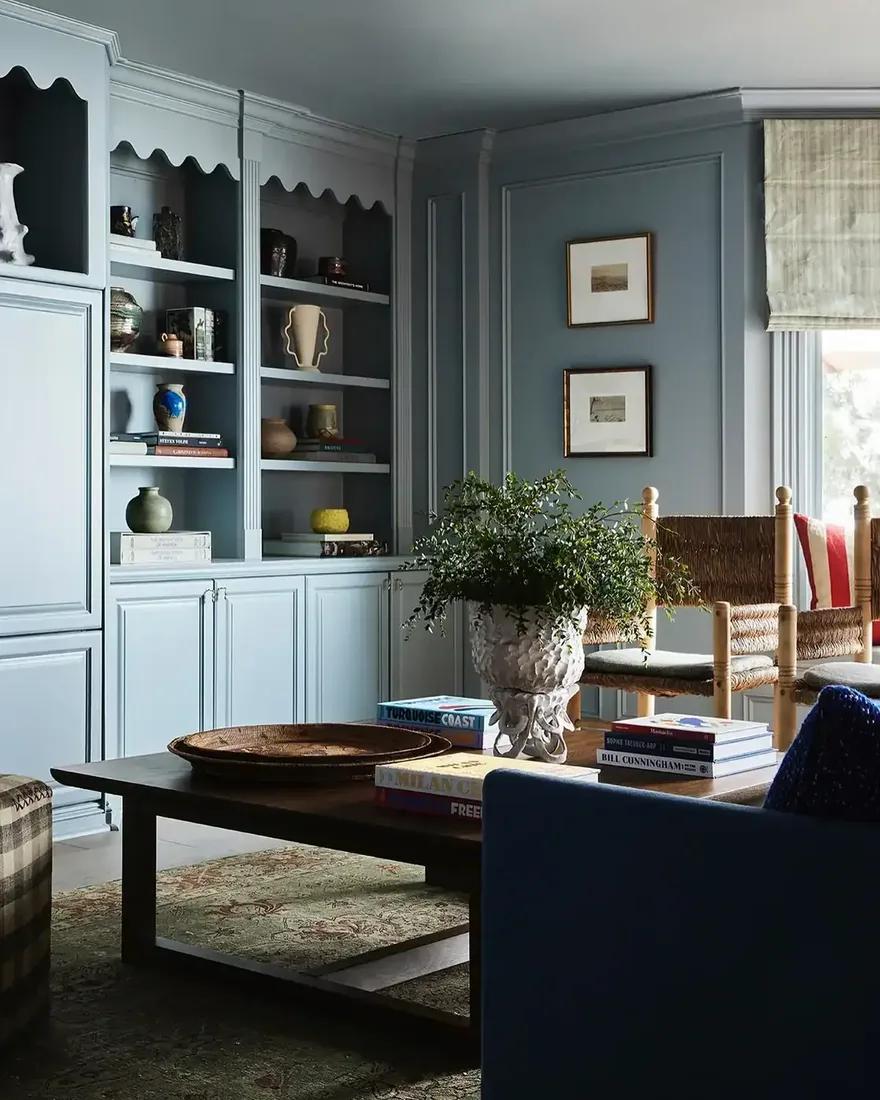
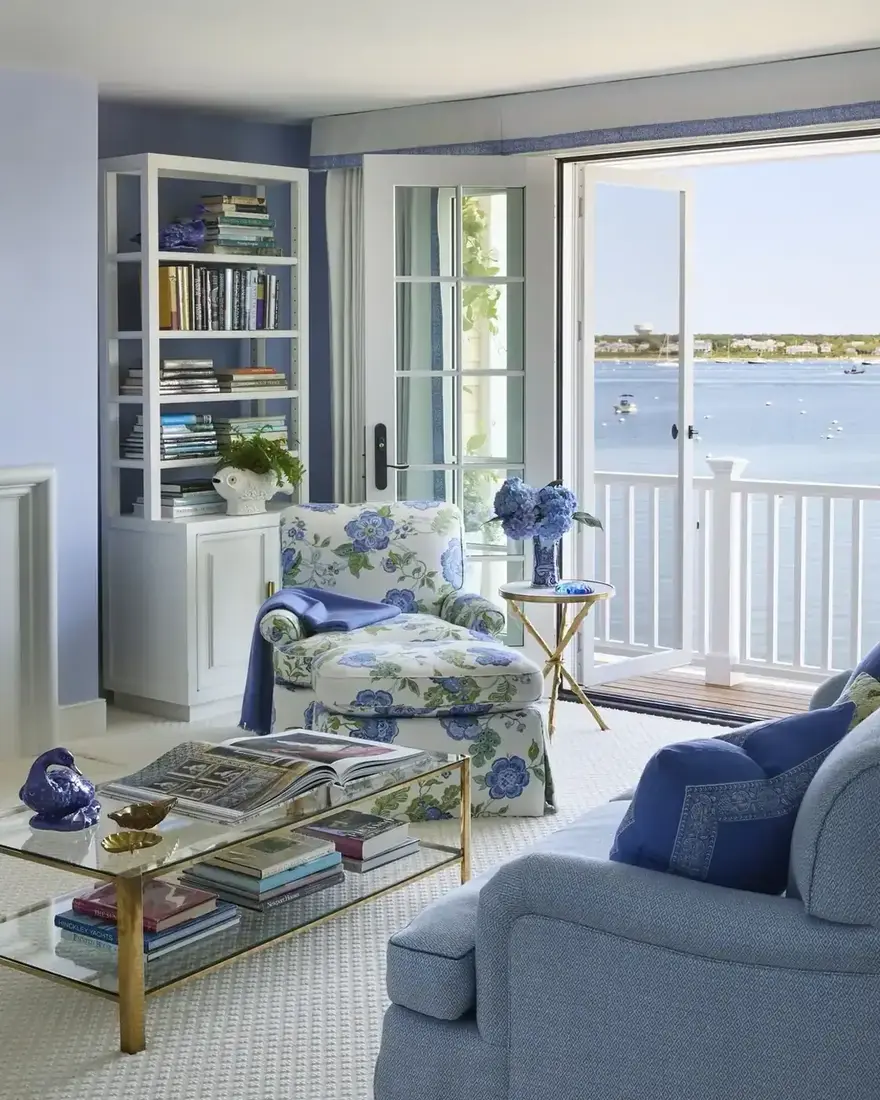
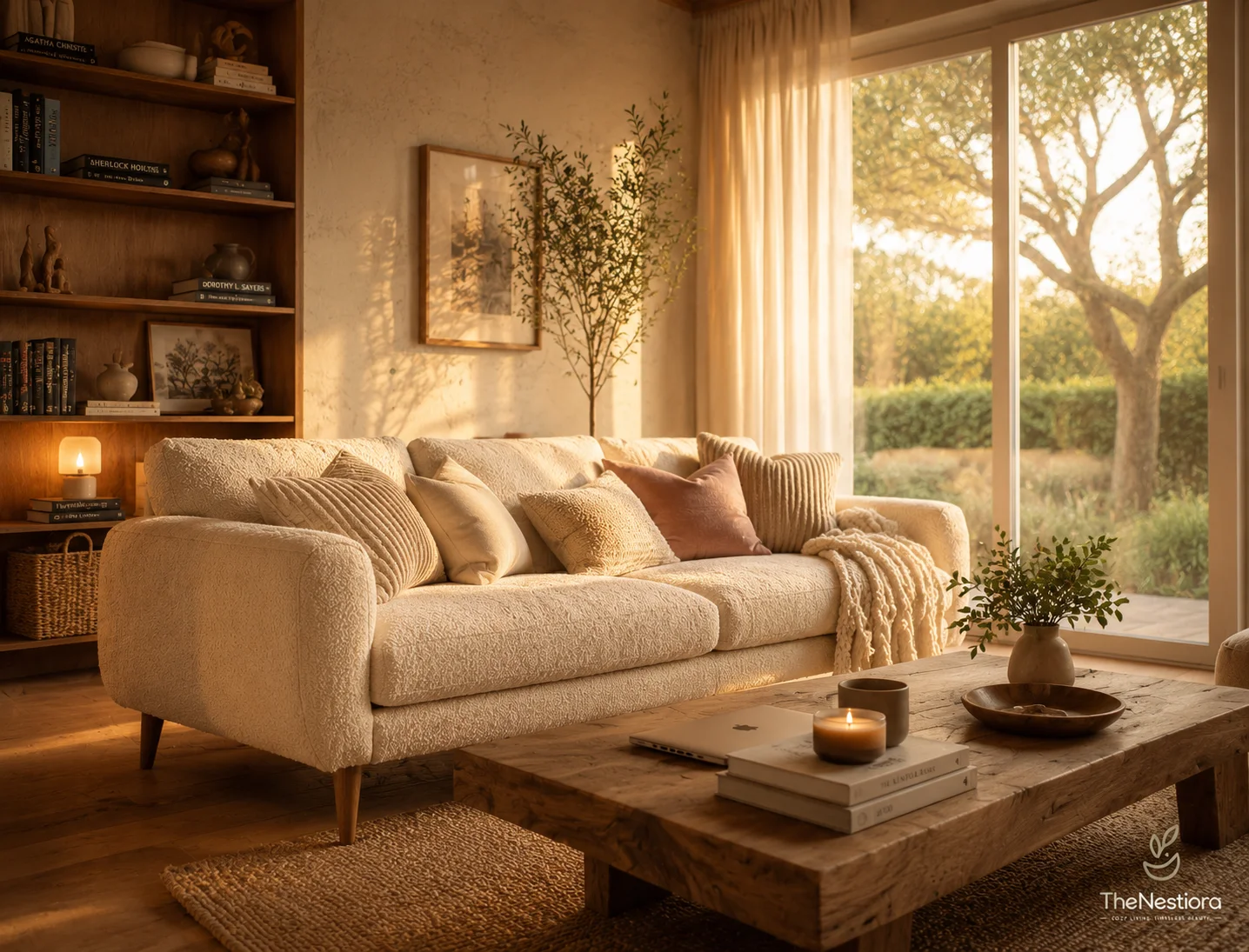
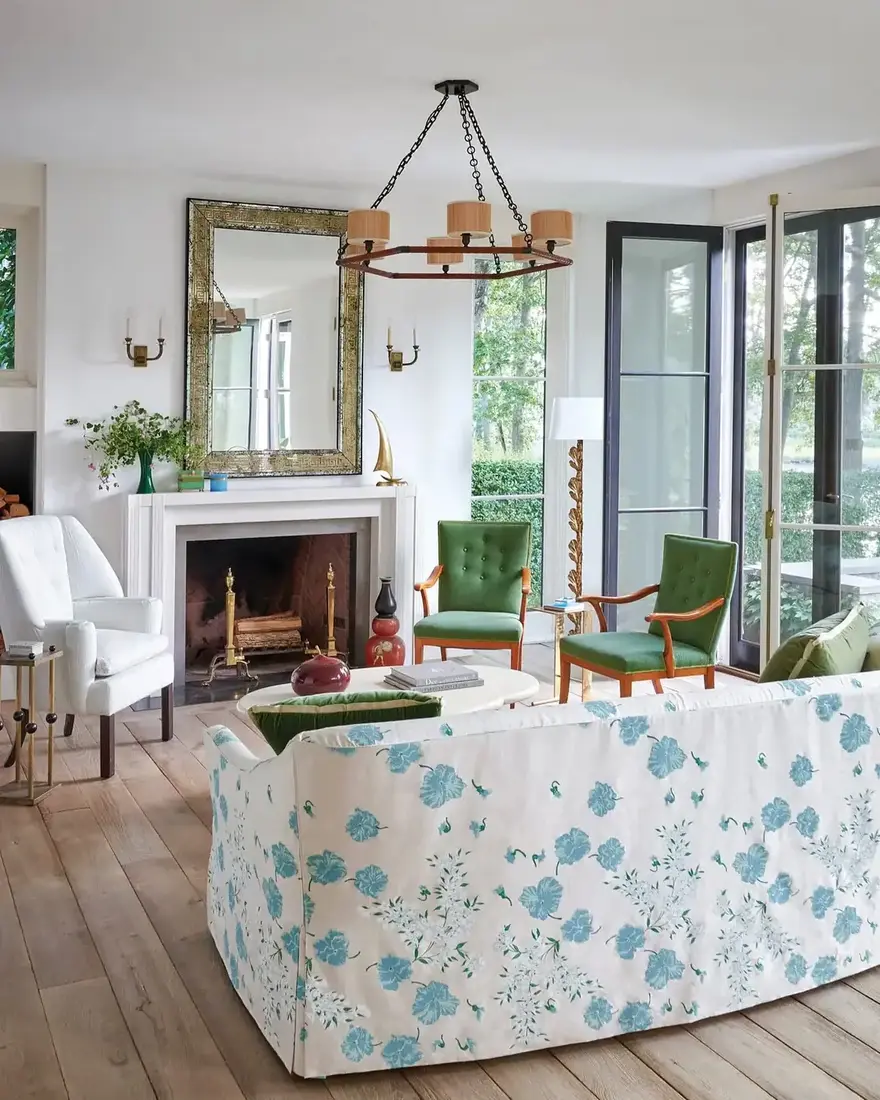
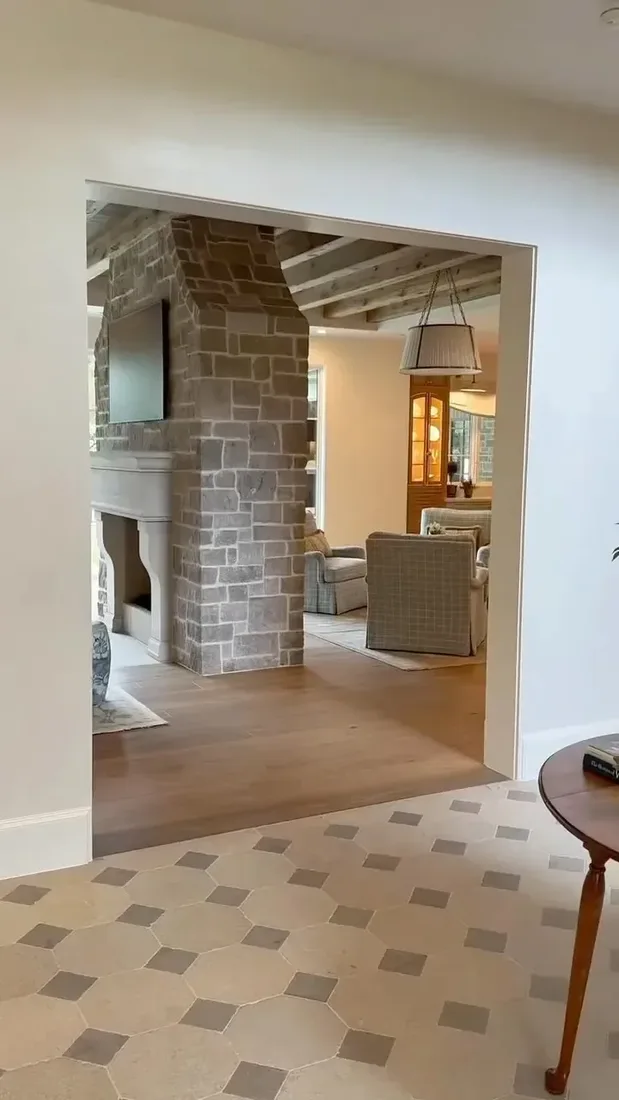
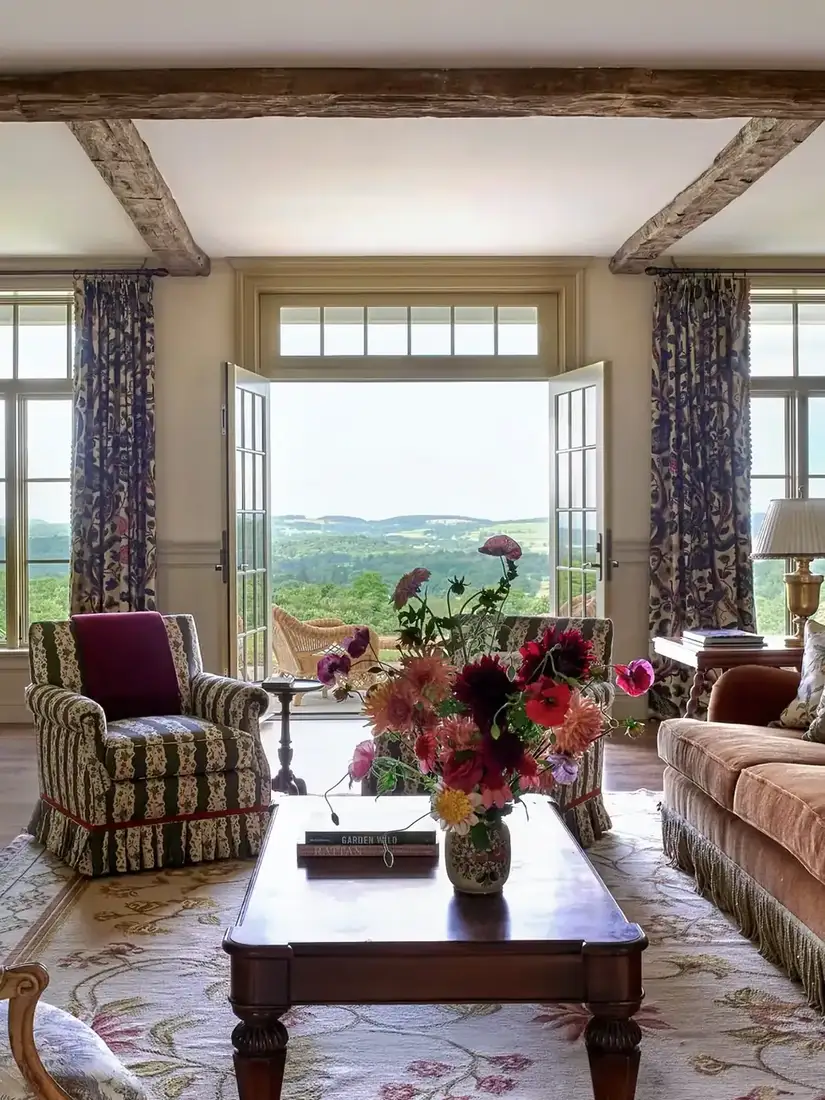
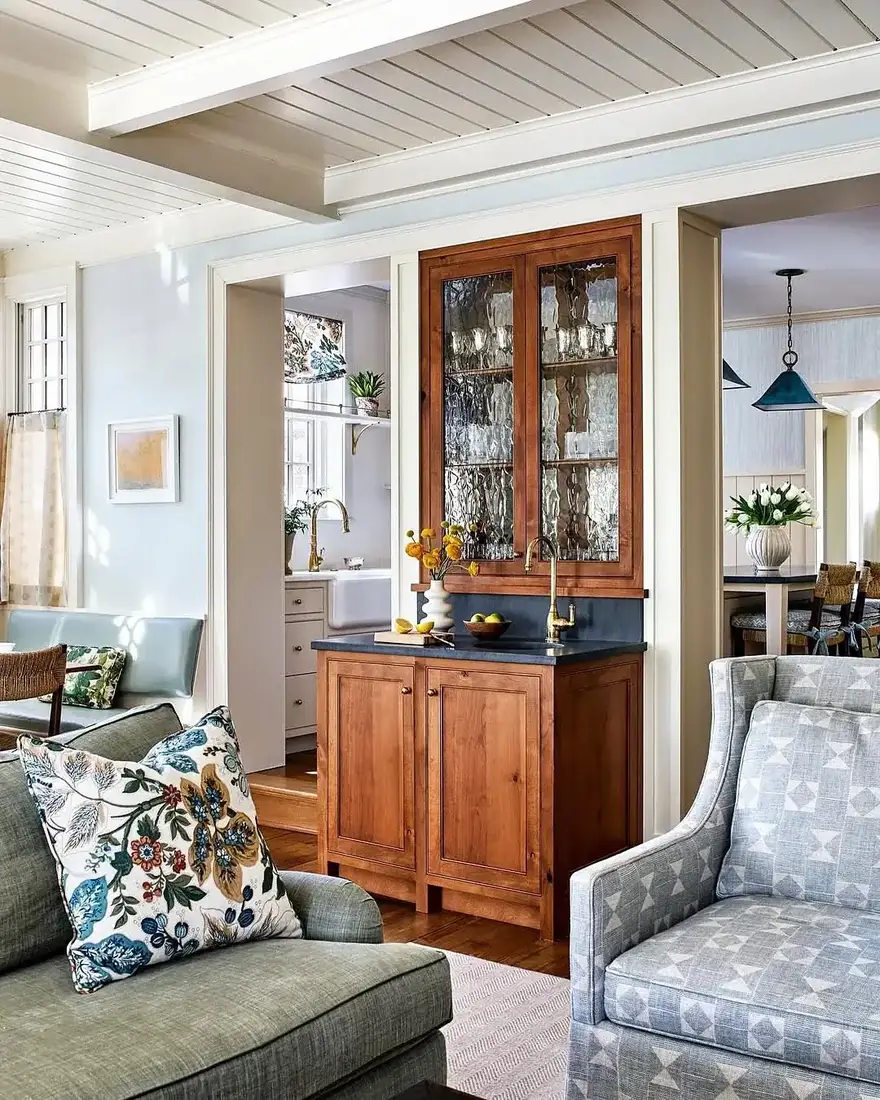
These ten beamed rooms show you how to place beams where structure wants them.
Place beams where the roof needs them
Structure first, decoration second.
Follow the span, not the symmetry
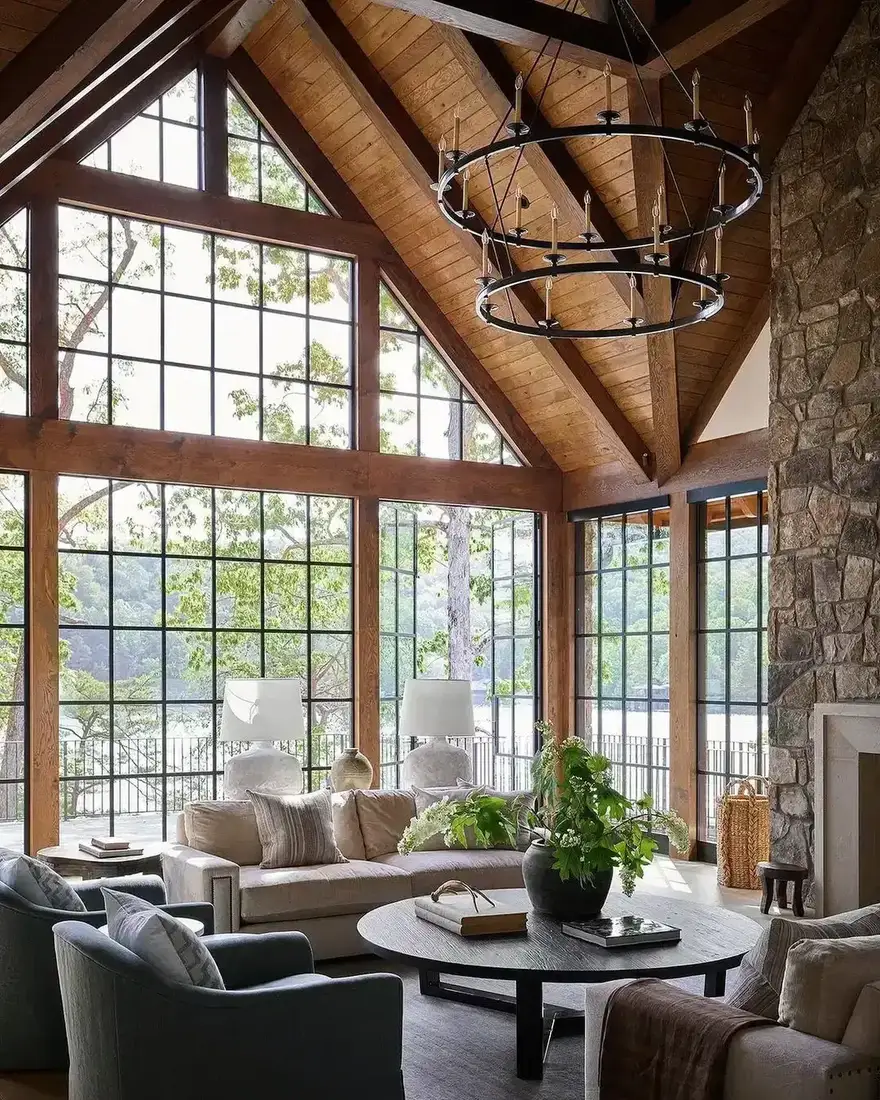
Structural beams run in the direction the roof requires and are spaced by span, not by taste. That means one bay may be wider than the next because the load asks for it. Evenly spaced beams read as applied because they ignore that logic and ask your eye to believe a roof that would not stand. When you let the span place the beams for you, the ceiling feels honest and the room feels settled for you. For more on keeping the whole wall calm, see our beamed and vaulted ceiling living rooms. If your beams are decorative rather than structural, that uneven rhythm is worth copying anyway, since perfect spacing is the fastest way to look applied.
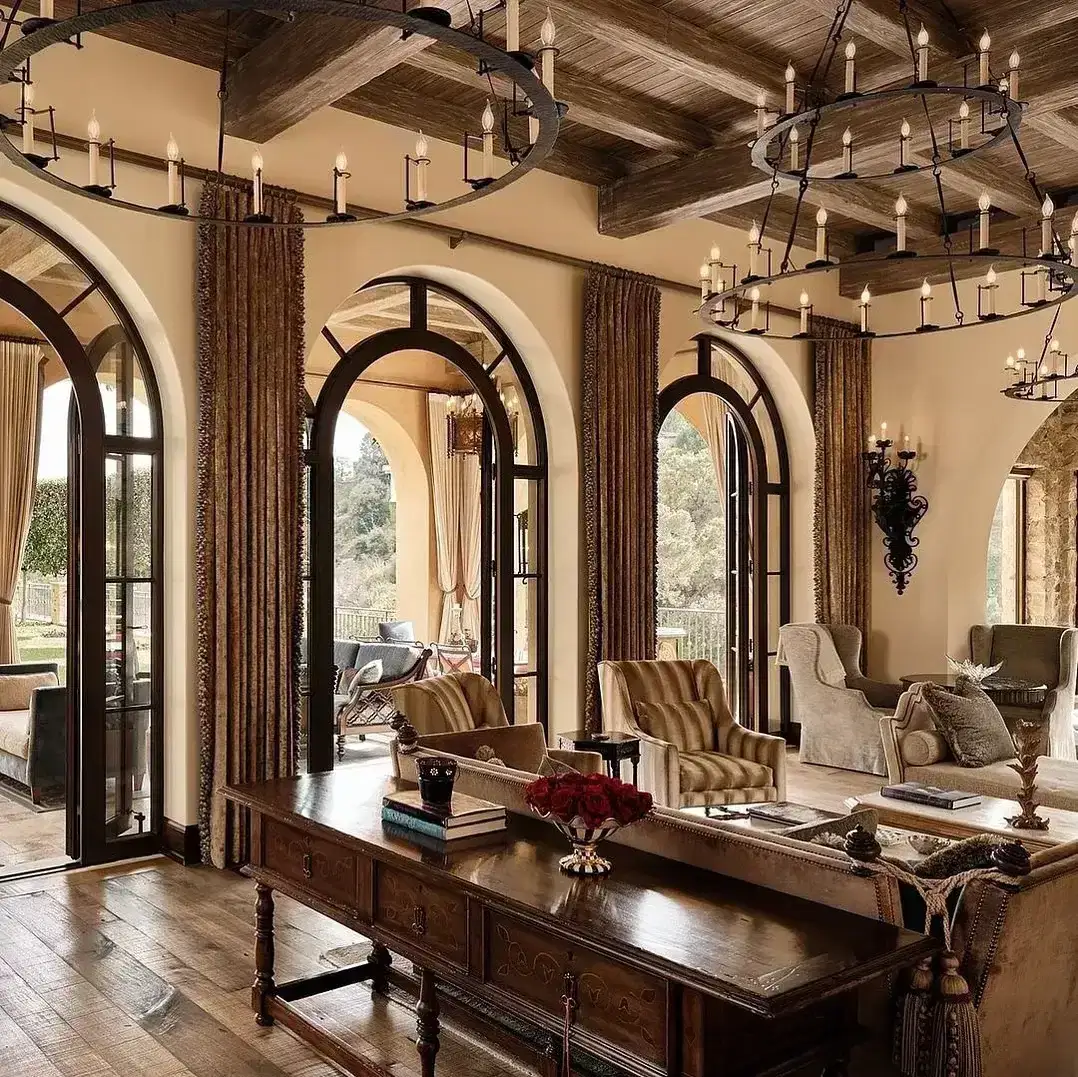
Choose reclaimed timber for marks you cannot fake
Reclaimed timber carries marks, checks and colour variation that new timber stained dark does not. The saw marks wander, the checks open where the wood dried, and the tone shifts from board to board. New timber, even when stained, stays even and a little flat. When you want beams to look collected, choose reclaimed and let that irregularity be the texture. When you run your hand along that reclaimed face for you, you feel the variation for you and you keep the beams from matching for you. You notice the difference when you look up and the beams do not match each other.
Keep the height with ceiling-matched paint
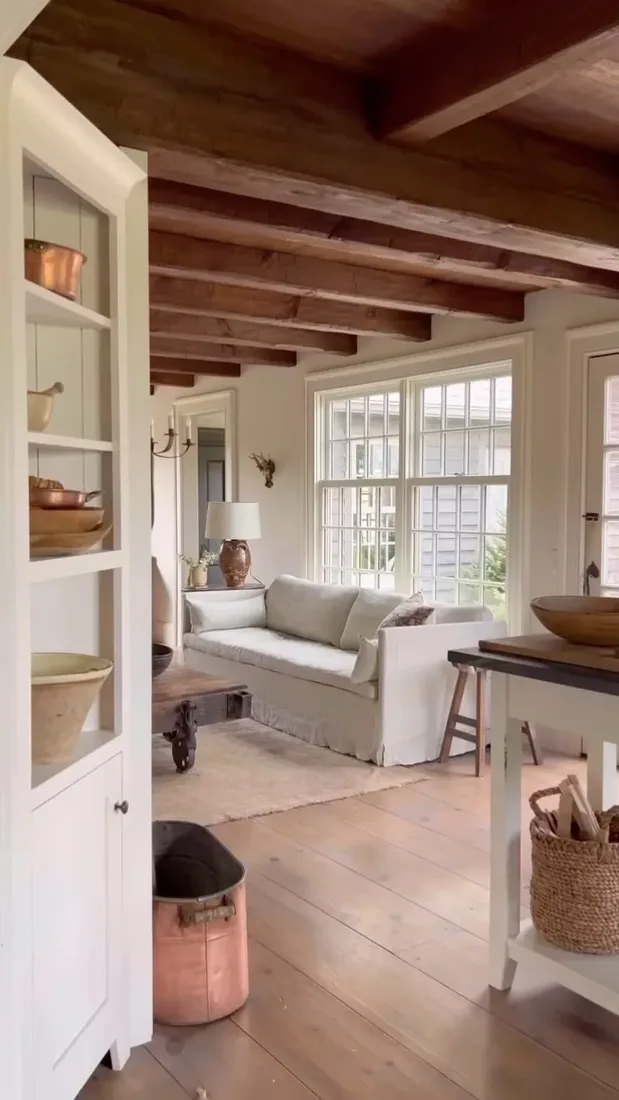
Dark beams against a pale ceiling lower a room visually. That can be cozy in a tall barn, but in a typical living room it presses the ceiling down. Beams painted the ceiling colour keep the height and let the beams read as structure without the visual drop. Keep that matched paint a little warmer for you than stark white for you so the beams still show, just softly for you. When you keep that warmth for you, you keep the beams visible for you and you keep the height for you. You keep the architecture without paying for it in height.
Live with beams, not just look at them
You keep the beams honest when you dust what you can reach and you light what sits between them. When you choose that care for you, the ceiling stays calm and the room feels lived in for you.
Beams are not just visual. They collect dust and shape light.
Keep beams reachable or accept the dust
Beams collect dust on the top face, and that dust shows in strong side light. Reachable is a real consideration, not an afterthought. If your beams sit where you can dust them with a soft brush on an extendable pole, you will keep them. If they are too high to reach without scaffolding, choose a finish that hides a little dust, like reclaimed with its own variation, and keep the ceiling colour matched so the line stays soft. You will thank yourself the first time you clean.
Light between beams, not on them
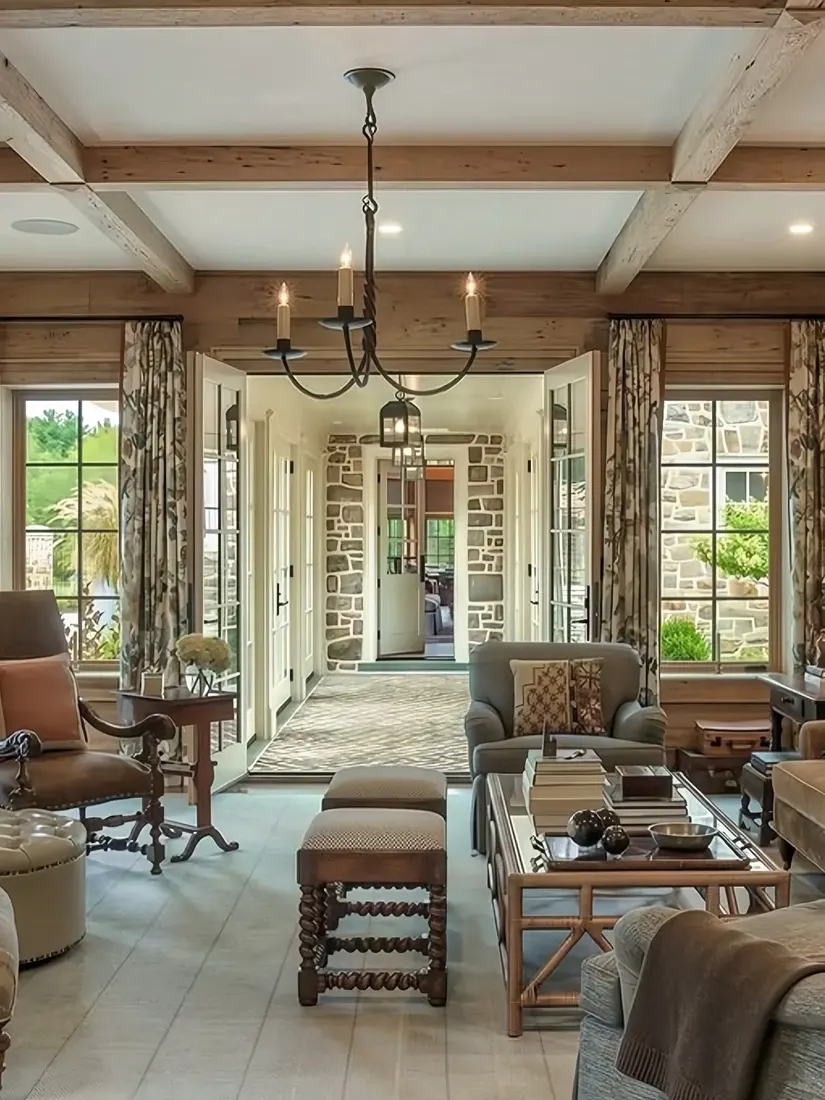
Light placed on the beams themselves throws hard stripes and makes the ceiling read as a grid. Light placed between beams washes the ceiling plane and lets the beams be shadow, not stripe. Tuck warm spots or a soft wash between, and you keep the beams as architecture, not as a light fitting. When you dim that wash for evening for you, the beams glow at their edges and the room feels warm rather than gridded for you.
Echo the beam tone once, not everywhere
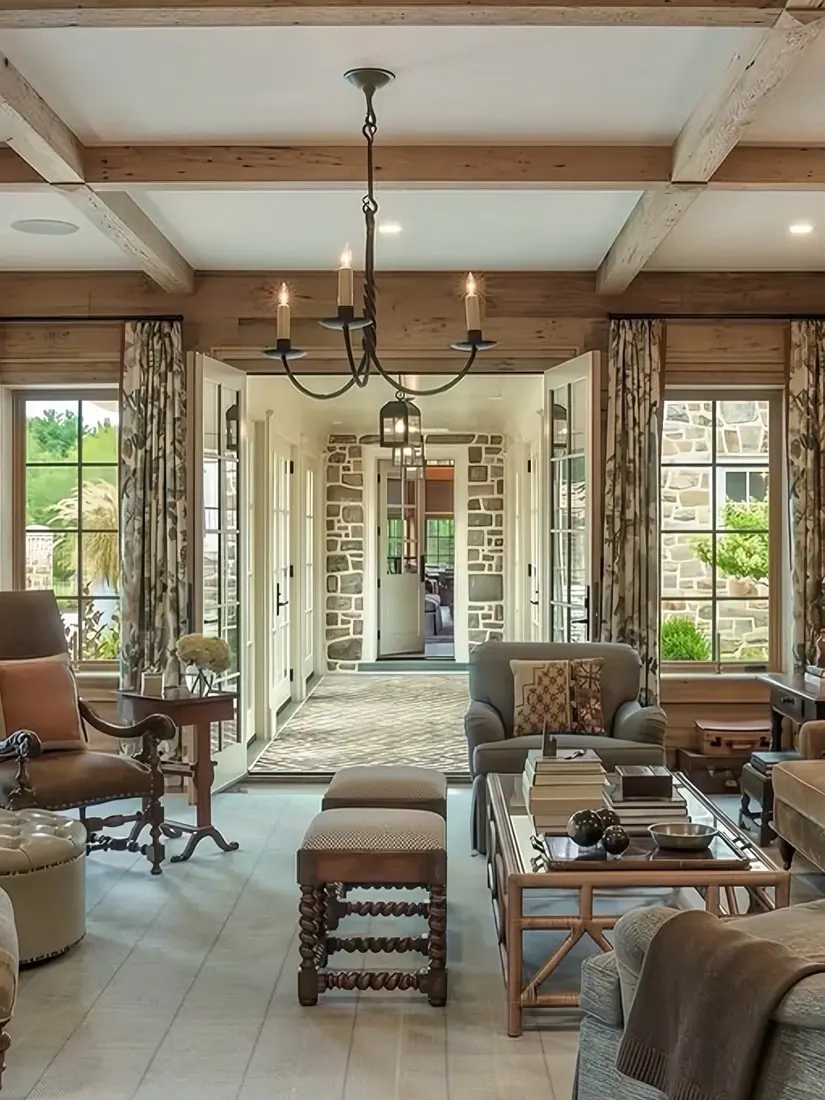
One echo ties the beams to the room without turning the room into timber. A reclaimed mantel, an oak side table or a single timber stool is enough. When you repeat the same rough timber on floor, table, shelf and mantel for you, the room tips into theme for you. You keep that echo to one for you and you let linen hold the rest for you. Keep the echo to one quiet piece and let linen and plaster hold the rest. For more on keeping one old element calm, explore our rustic cabin living room ideas.
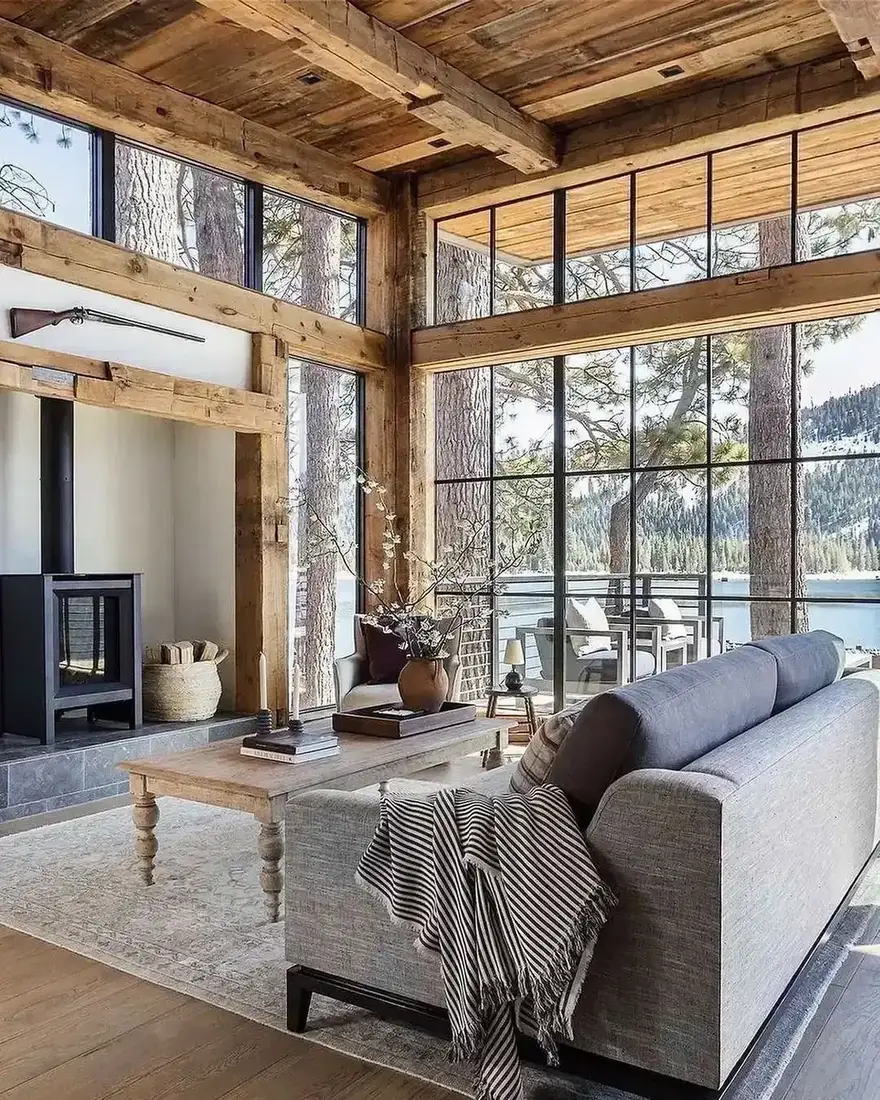
The quiet that keeps beamed rooms calm
The last choices decide whether the beams feel collected or applied for you. When you let one logic lead for you, you keep the ceiling calm for you and you let beams be architecture for you.
Let the roof decide direction
A roof that slopes one way wants beams that run the other way to tie it. When you let the roof decide for you, the beams read as the reason the ceiling stays up for you. You keep that honesty for you and you let the ceiling feel like it belongs for you. When you run beams with the slope for looks, the ceiling feels like a lid you added. Stand in the doorway and trace the ridge for you today. The beams that cross it will always feel more honest than those that run with it.
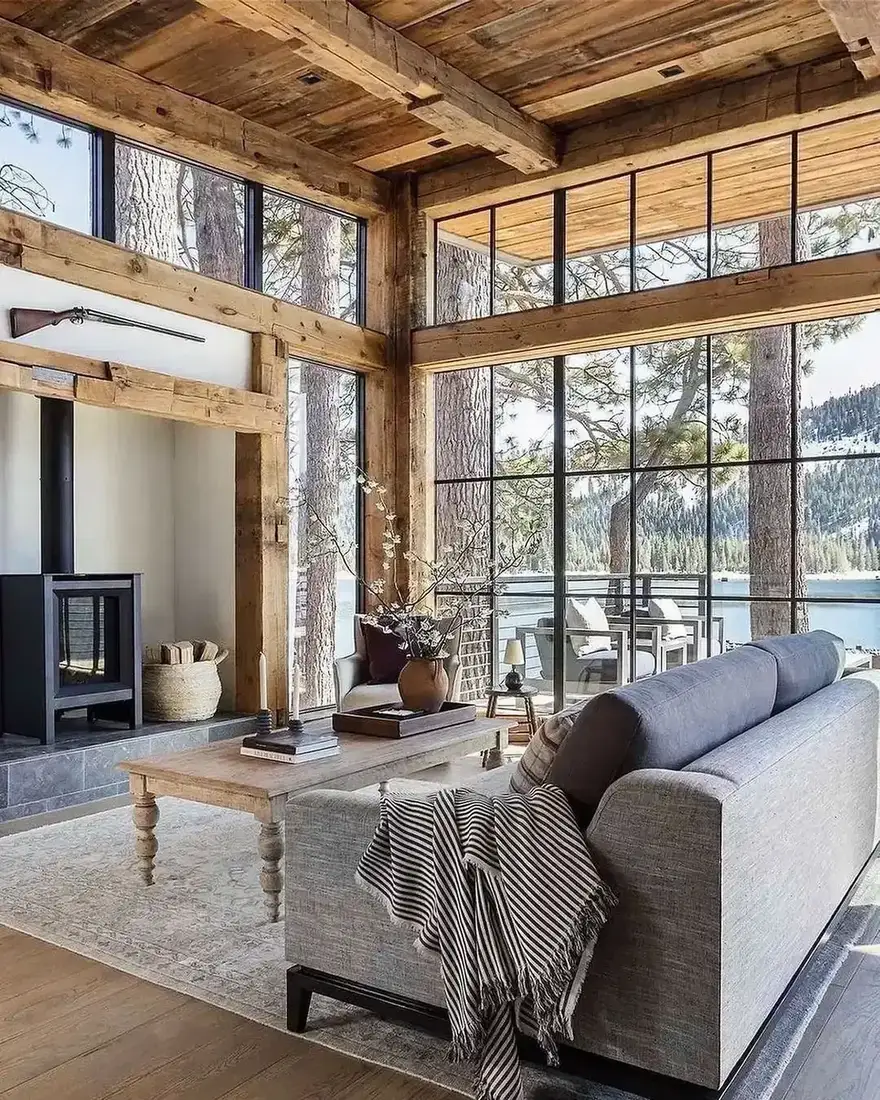
Keep the palette quiet so beams can talk
Beams already give you texture, so keep the palette quiet. Warm plaster, linen and jute give you enough variation without adding hue. When you keep that base calm for you, the beams can be the texture and the room stays settled for you. Add one soft plain sofa for the eye to rest, and the beams feel intentional rather than busy.
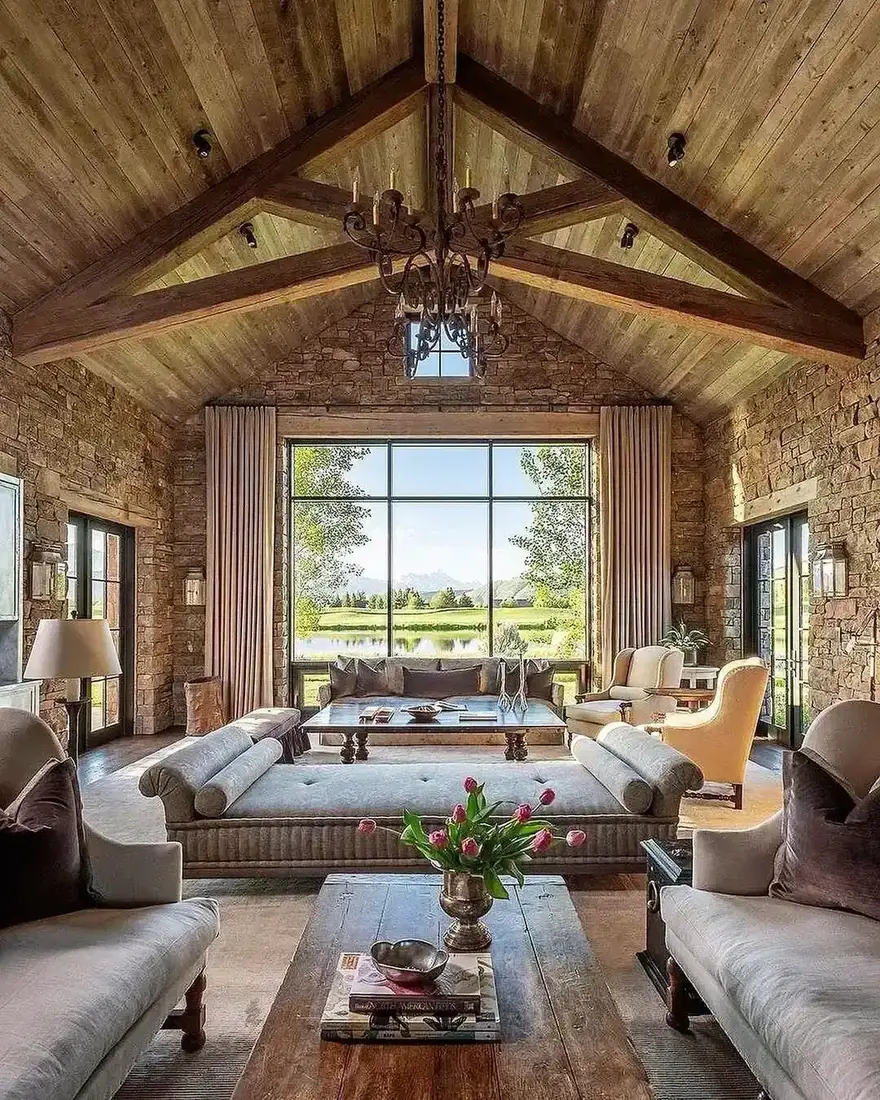
Edit until one beam run reads as the structure
A ceiling with two or three different beam directions feels like you could not decide. Edit until one run reads as the primary structure and the others, if you need them for you, are clearly secondary for you. That clarity is what separates a barn you love from a set you built. You feel the room settle for you when the ceiling has one logic you can follow from wall to wall for you.
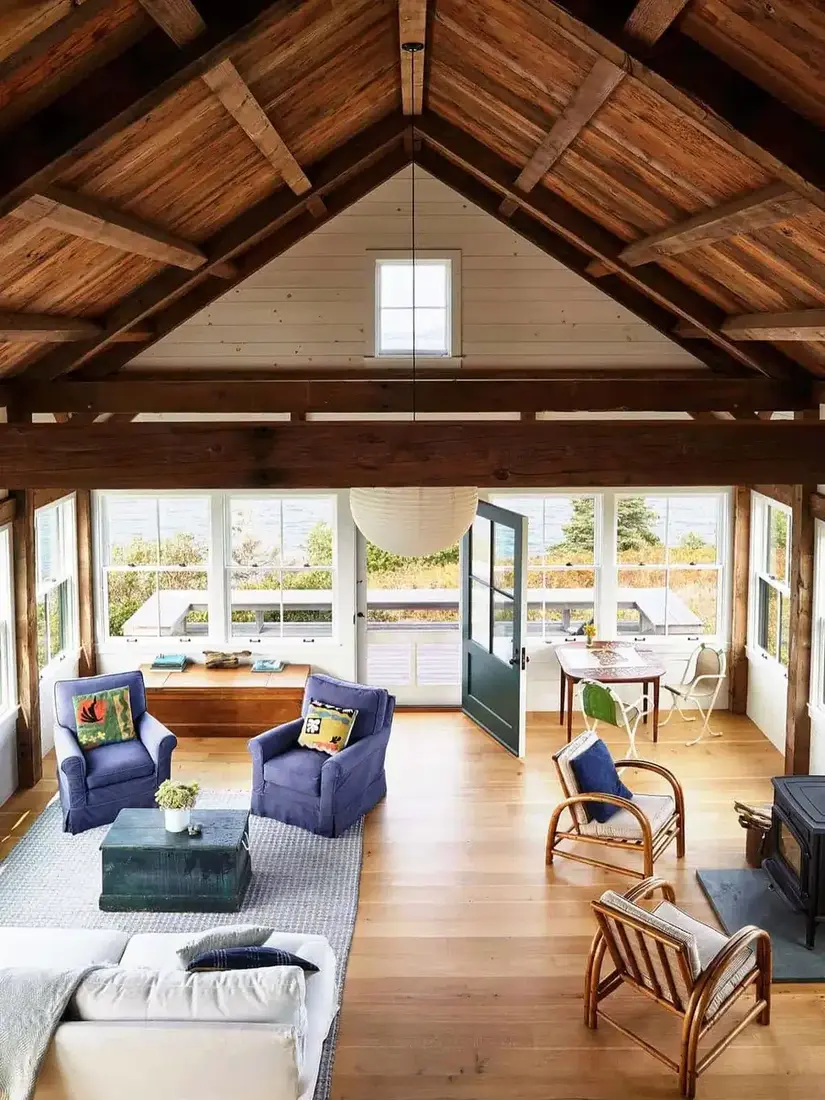
Beam choices that read honest
| Choice | How it reads | When you use it |
|---|---|---|
| Span-placed beams | Honest, settled | You want structure, not grid |
| Evenly spaced beams | Applied, decorative | Avoid where span varies |
| Reclaimed with marks | Collected, irregular | You want age you can feel |
| New stained dark | Even, flat | Keep for secondary trim only |
| Ceiling-matched paint | Keeps height | Room feels pressed down |
| Light between beams | Ceiling glows, beams float | Avoid grid stripes |
The Timber Beam Living Room Formula
- Let span place the beams. Direction and spacing follow structure, not taste.
- Choose reclaimed where it shows. Marks, checks and tonal shifts beat even stain.
- Match paint to keep height. Dark on pale lowers, matched keeps the lift.
- Keep beams reachable. Dust on the top face is a real maintenance choice.
- Light between, not on. Wash the ceiling plane, not the beam face.
- Echo once. One timber companion, not a timber set.
Hold those six and the beams will feel like they were always there.
Frequently Asked Questions
How should timber beams be spaced?
By the span the roof needs, not evenly for looks. Evenly spaced beams read as applied because they ignore where the load actually sits.
Is reclaimed timber better than new?
For beams you see, yes. Reclaimed carries marks, checks and colour variation that new timber stained dark cannot fake.
Do dark beams make a room feel lower?
Yes. Dark beams against a pale ceiling lower the room visually. Painting beams the ceiling colour keeps the height while the beams still read as structure.
How do I clean timber beams?
Keep them reachable. Beams collect dust on the top face, so choose a height you can dust with a soft brush or a finish that hides a little variation.
Where should I place lights with beams?
Between beams, not on them. Light between washes the ceiling plane and lets beams be shadow rather than stripe.
How do I keep a beamed room from feeling themed?
Echo the timber once, not everywhere. One mantel or side table in the same tone is enough; linen and plaster hold the rest.
This article may contain affiliate links. We may earn a commission at no extra cost to you.