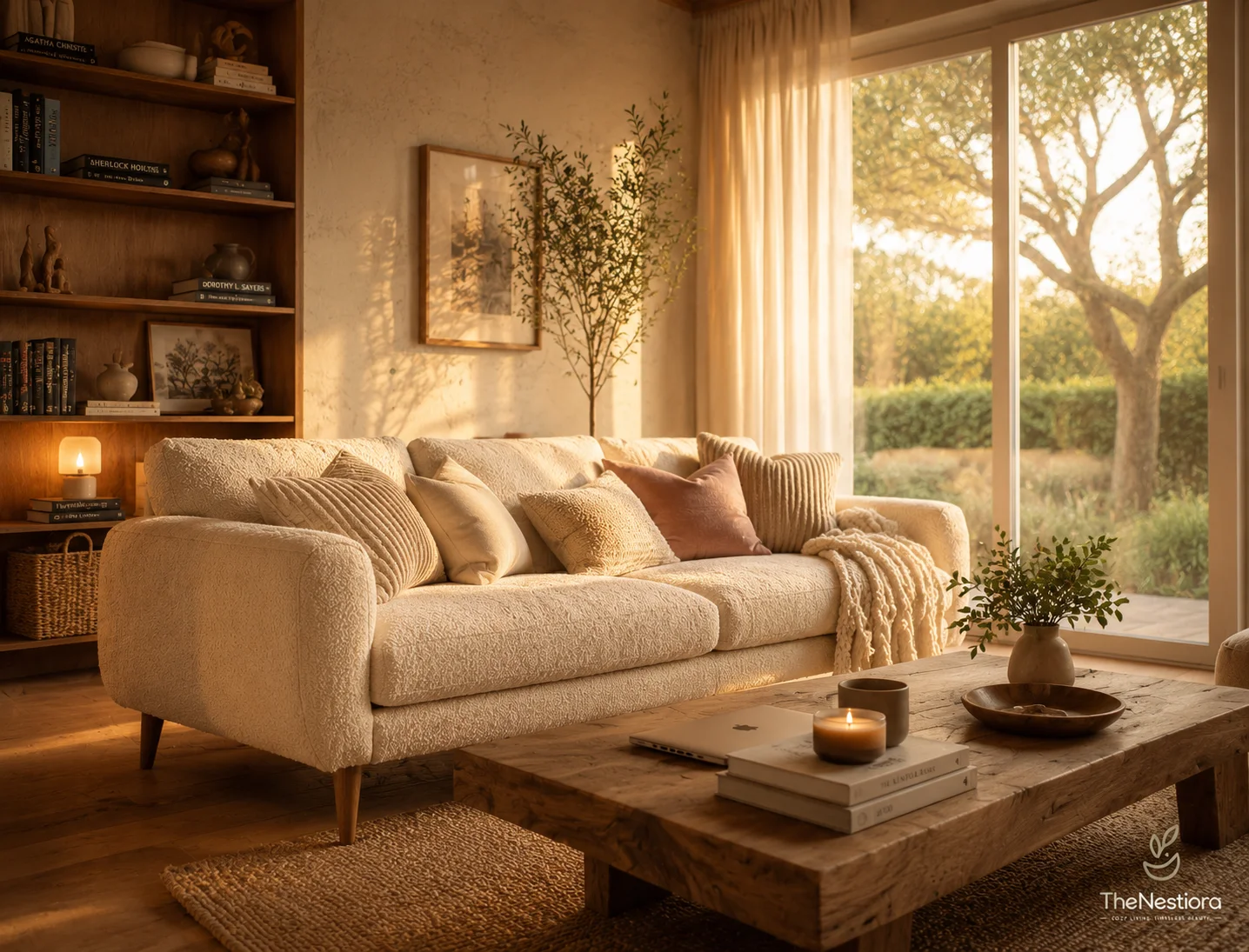
Traditional Rooms: Stiffness Is a Choice

Add us as a preferred source to see more stories on Google.
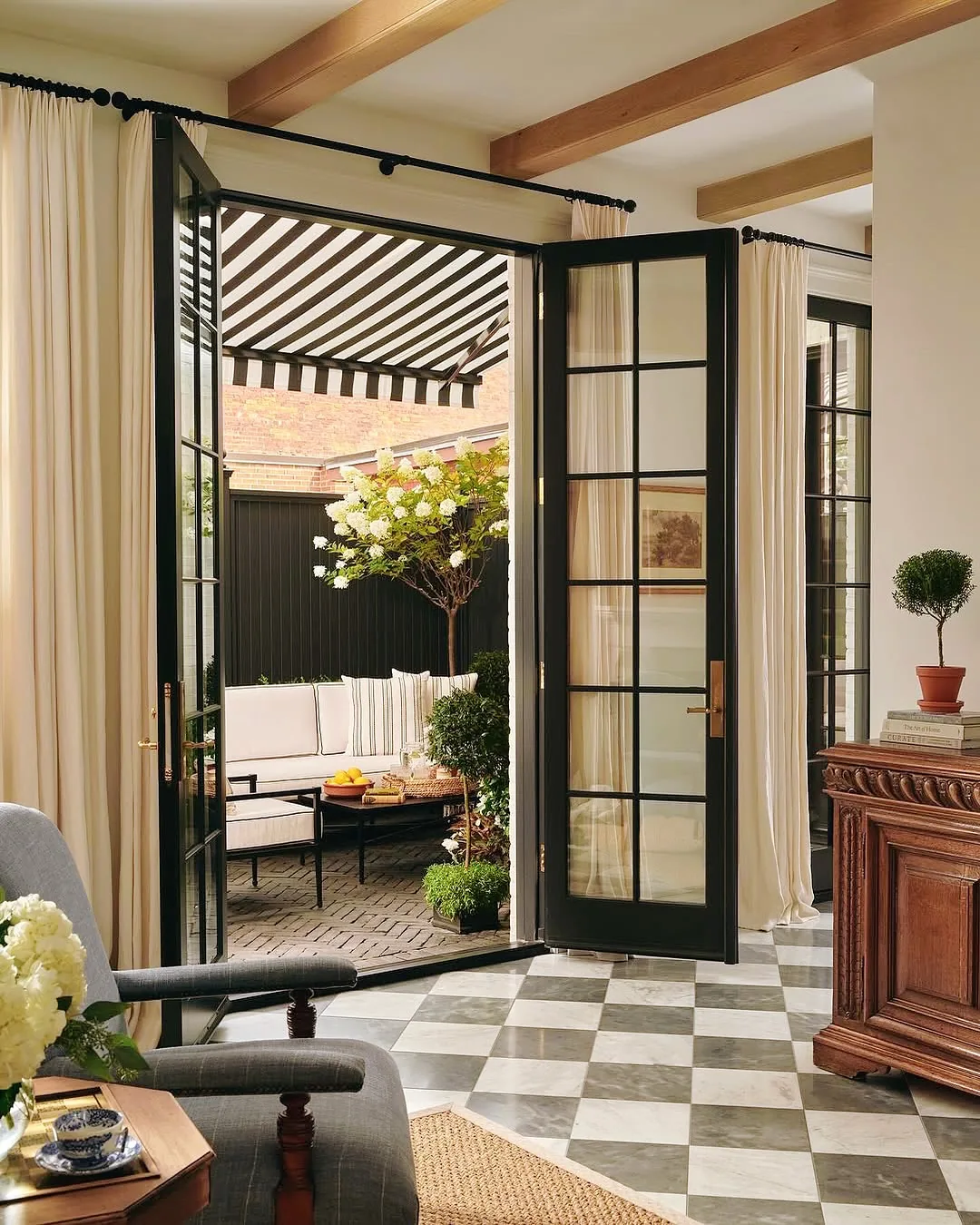
Walk into most formal living rooms and you feel it in three seconds: sit nowhere.
Nobody planned stiffness. It arrived one matching set at a time, until symmetry hardened into rigidity and comfort quietly left the room.
Traditional style isn’t the culprit. Decorating by the set is, while the moldings go unpainted and the doors stay shut. These traditional & formal living room ideas put architecture first, comfort always, and one deliberate modern note to keep it all breathing.
Symmetry that breathes
Symmetry is the baseline of every formal room. Four ideas keep it from turning to stone.
Mirror the architecture, not the catalog
Pairs belong to the room’s bones first. You’ll flank your focal point, fireplace or doors, with matching chairs or bookcases, then let everything else relax. When every object arrives in twos, lamps, tables, cushions, pillows, the room reads as a showroom and nobody dares crease a cushion.
You’ll keep the big moves mirrored and the small moves human. One side’s throw draped, the other’s folded. A stack of books here, a single bowl there. The architecture holds the formality so your objects don’t have to. Guests feel order without feeling watched, which is the whole trick formal rooms exist to perform.
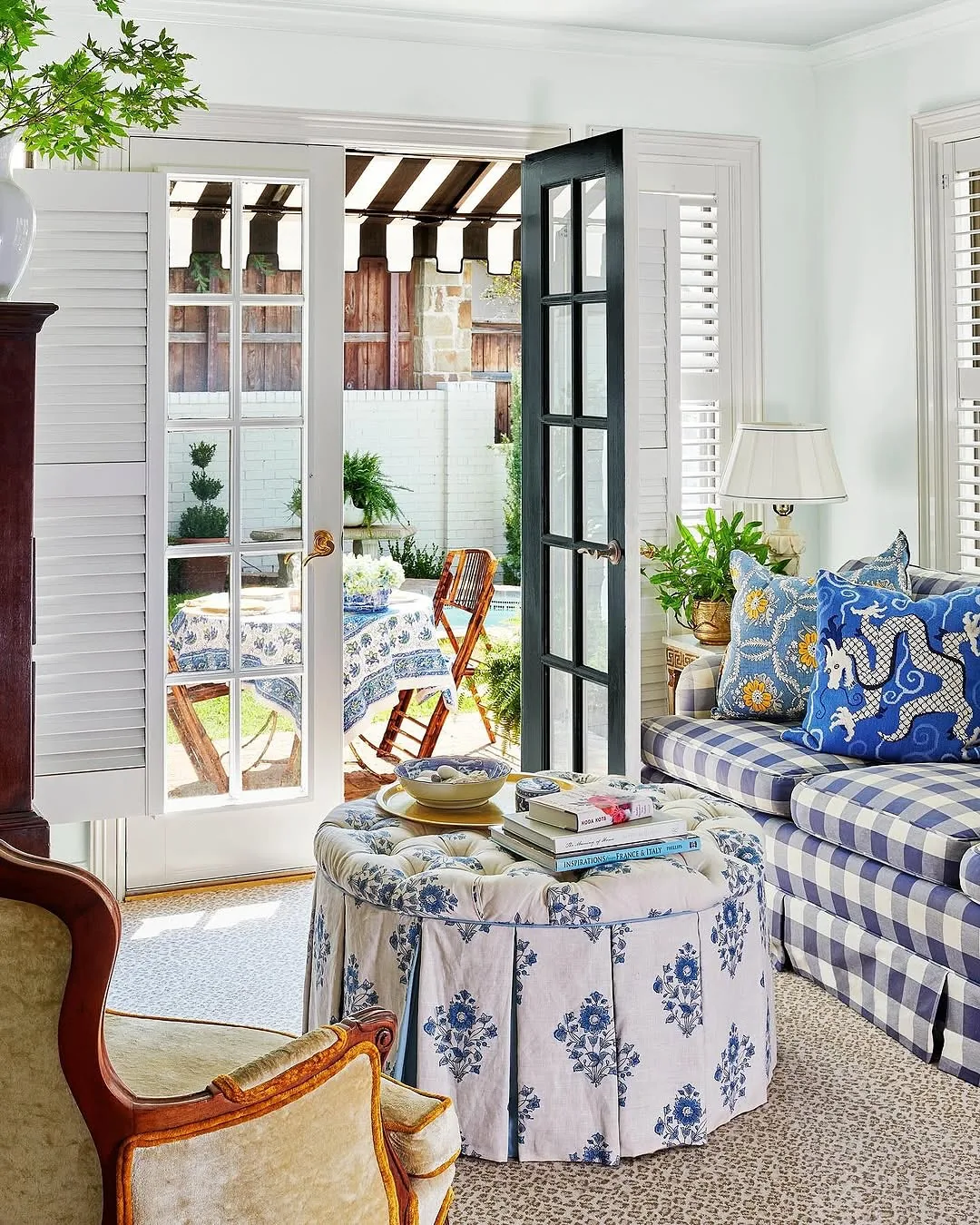
Anchor every seat to one focal point
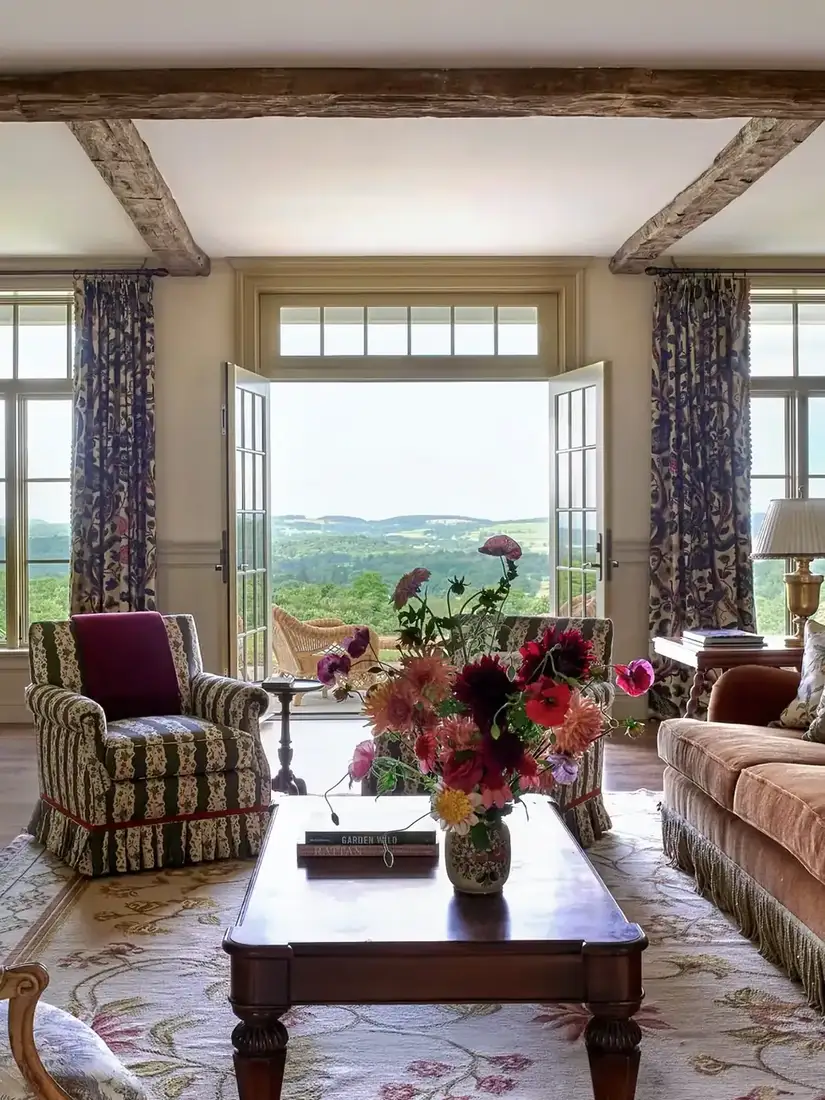
Formal rooms drift when furniture faces everywhere. You’ll aim every seat at a single focal point, the fireplace in winter, the French doors in summer, so the arrangement explains itself. A room with one gravitational center feels inevitable, while a room with three feels like a furniture sale.
You’ll test it by standing in the doorway. If your eye lands somewhere definite, the plan works. If it slides around the room hunting, you need to demote two focal points to supporting roles. Art, mirrors and lamps all point inward once the center holds. One sun, and every planet knows its orbit.
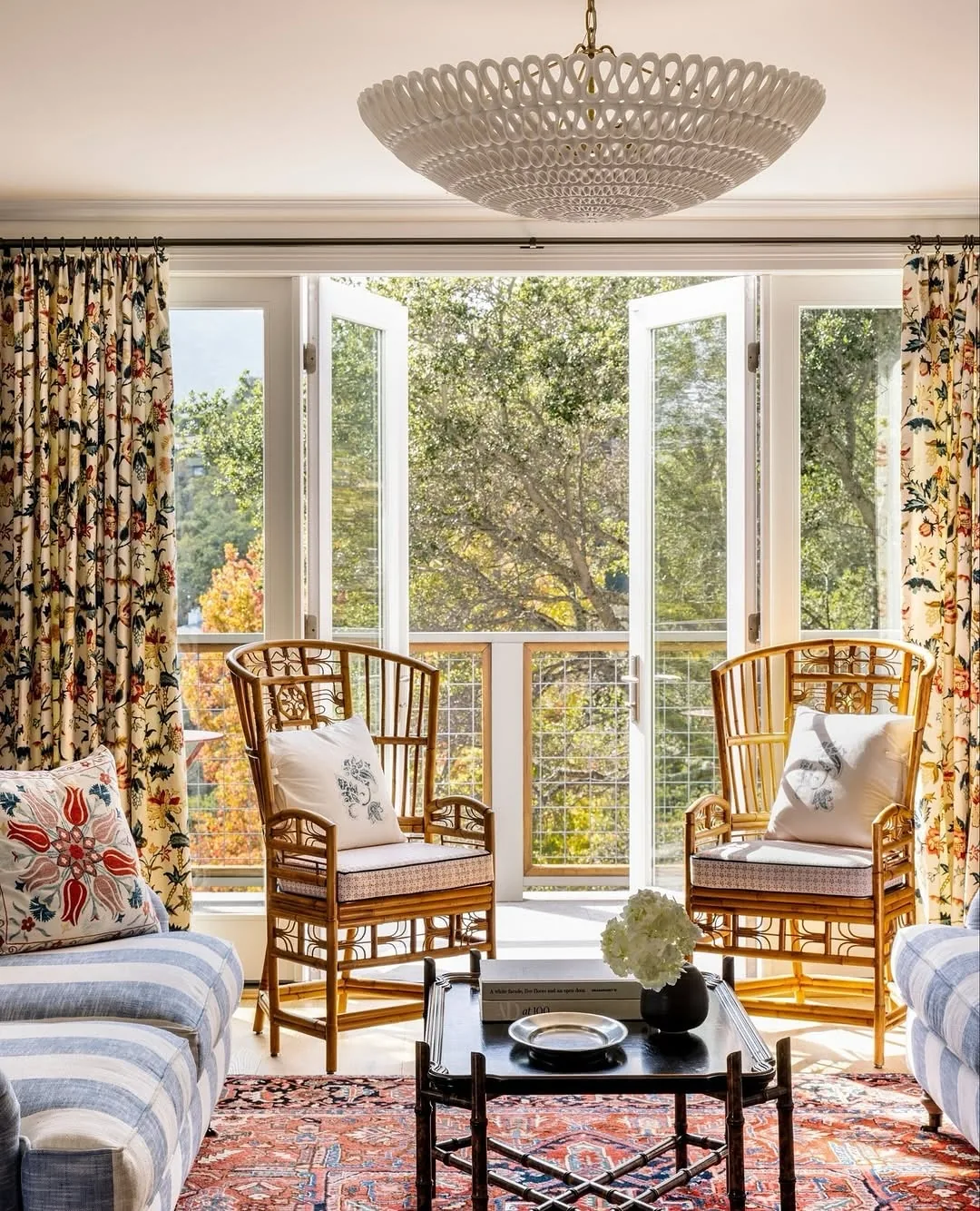
Open the French doors daily or lose the room
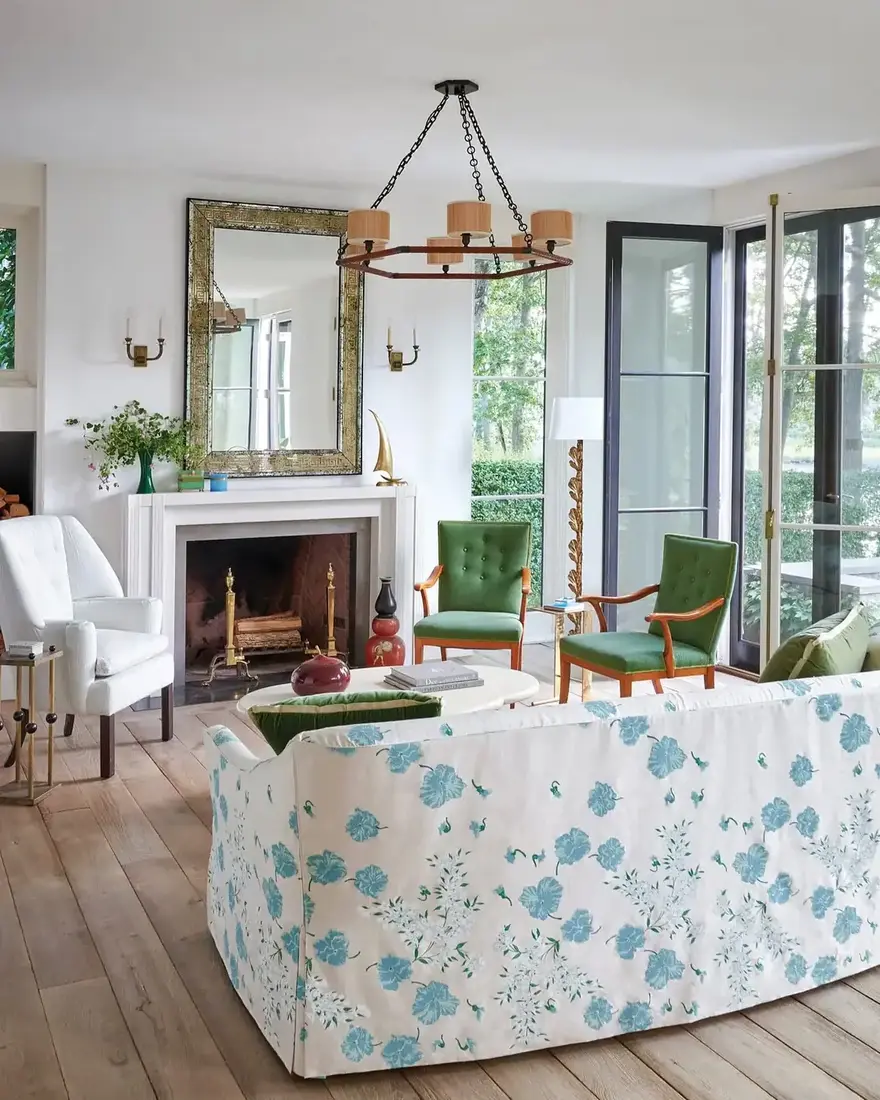
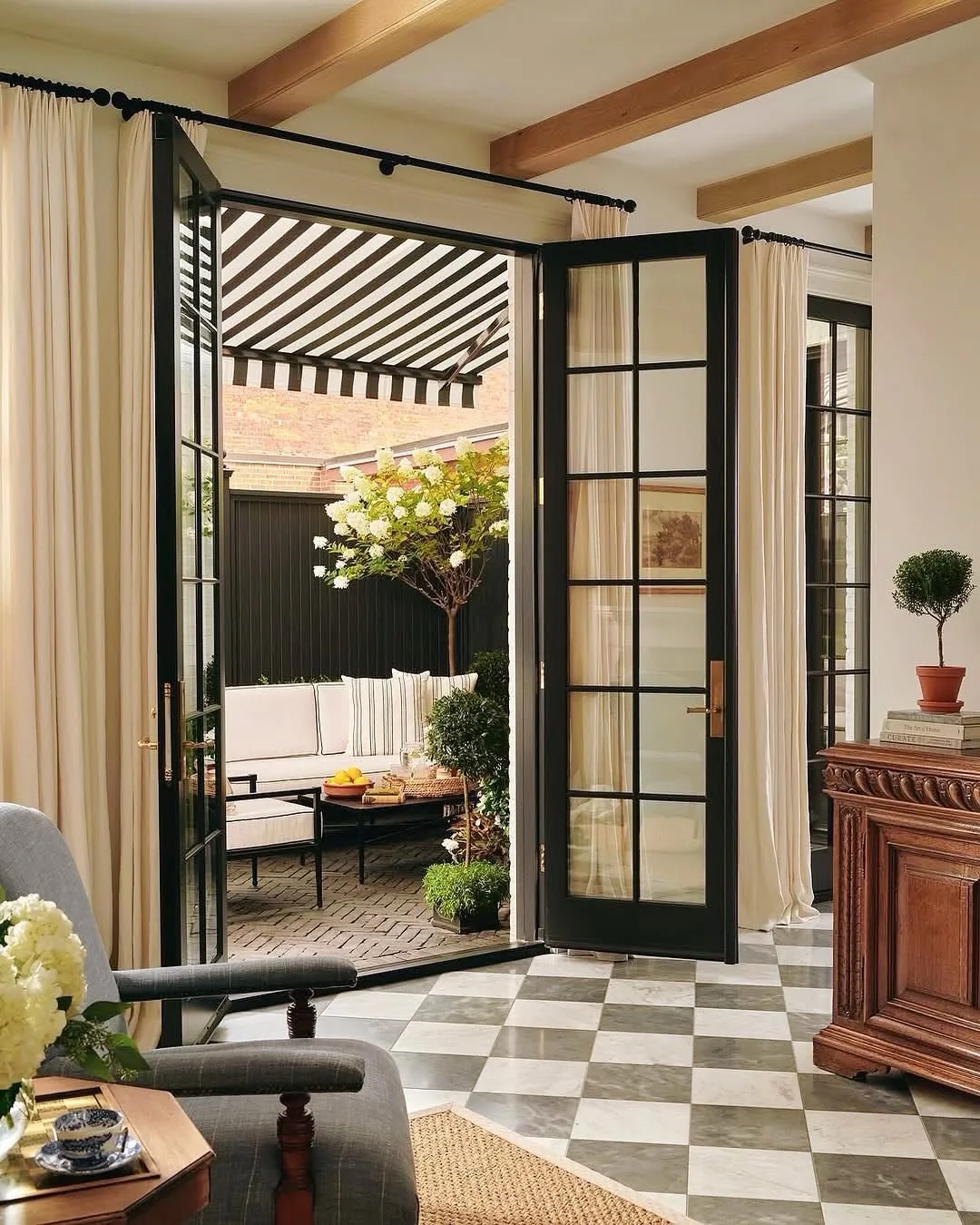
French doors earn their formality only when they work. You’ll open yours every morning in season, letting garden air and sound into the formal room. Doors that stay bolted behind heavy drapes turn your best architectural feature into wallpaper, and the room seals itself into a museum.
You’ll dress them to move: sheers for daylight privacy, full panels that draw at night, hardware that glides with one hand. If opening them means shifting furniture and wrestling bolts, you’ll never do it. A formal room connected to its garden gets forgiven everything. A sealed one gets admired from the doorway and never entered.
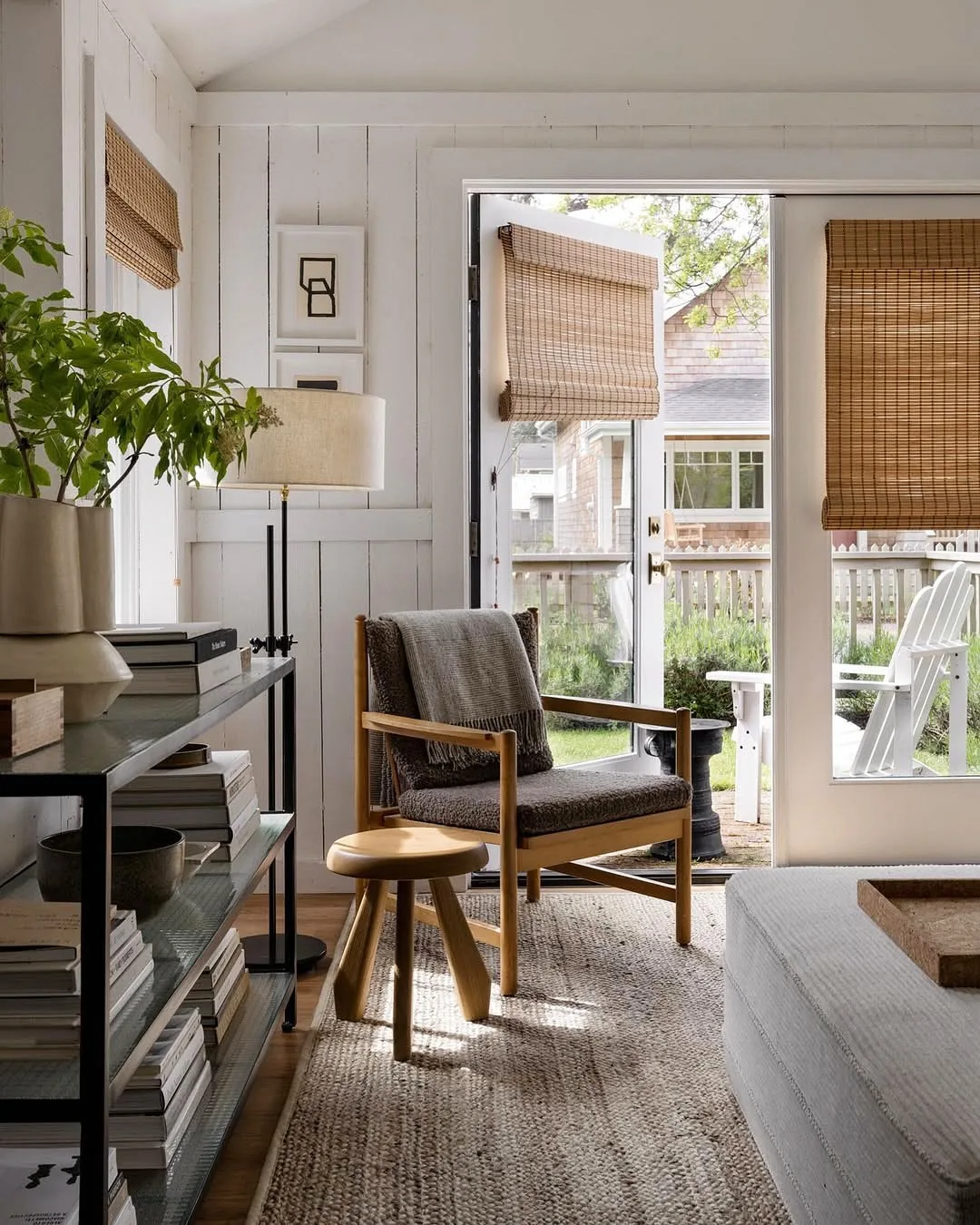
Seat people deep enough to stay
Showroom sofas photograph well and empty fast. You’ll choose seat depths that let adults lean back with feet down, cushions that forgive an afternoon, arms at a height that holds a teacup. Comfort is the difference between a room that hosts and a room that exhibits.
You’ll distrust any seat you haven’t test-sat for twenty minutes. Showroom perches fool you in ninety seconds. Bring a book to the shop, sit the way you sit at home, and notice where your lower back lands. A formal room with deep seats reads elegant. A stiff room with perfect pairs reads like a waiting room, however grand the chandelier.
Materials with memory
Traditional rooms glow through wood, brass and pile. Four ideas spend where the light lands.
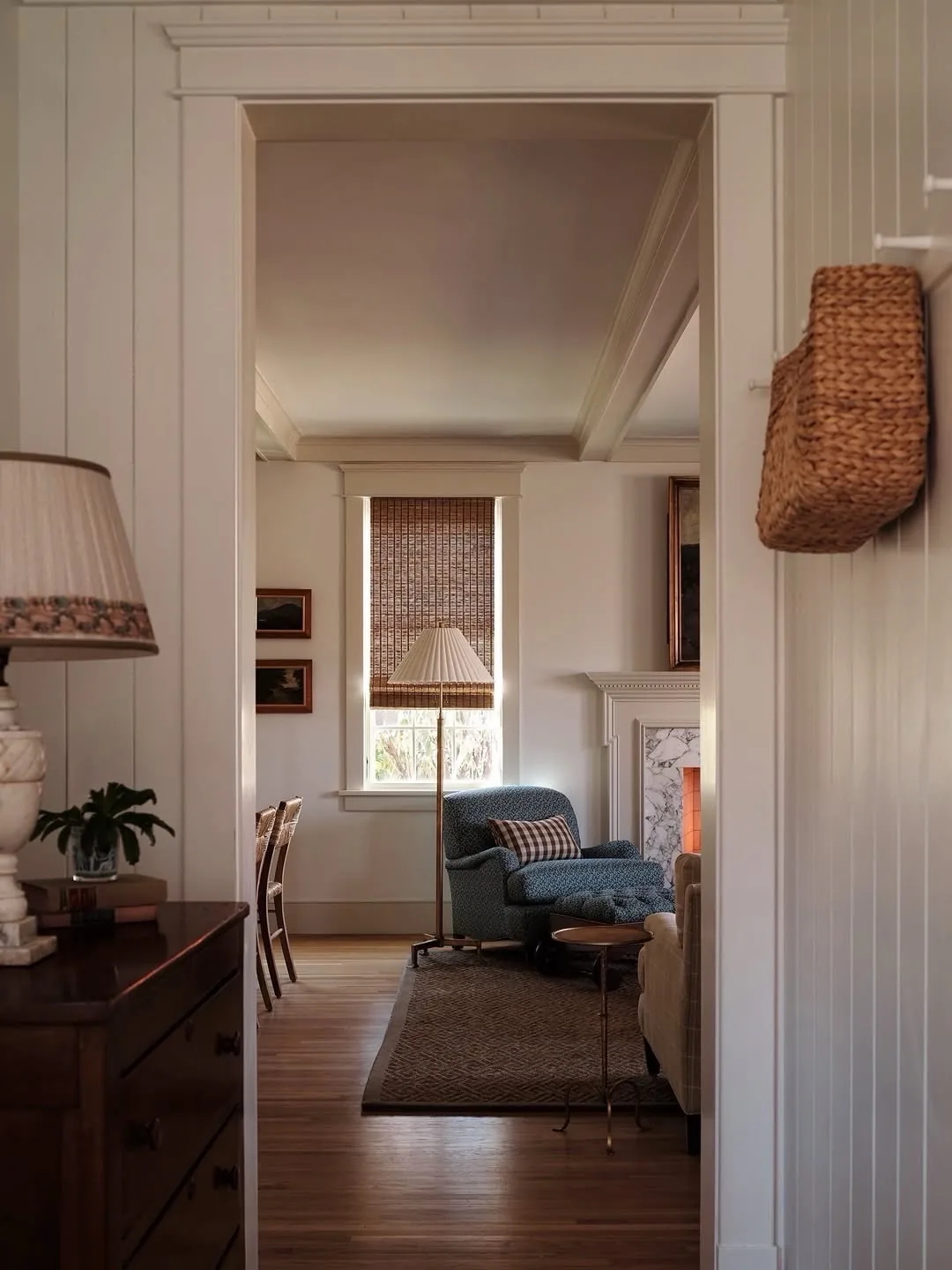
Keep wood dark and honest
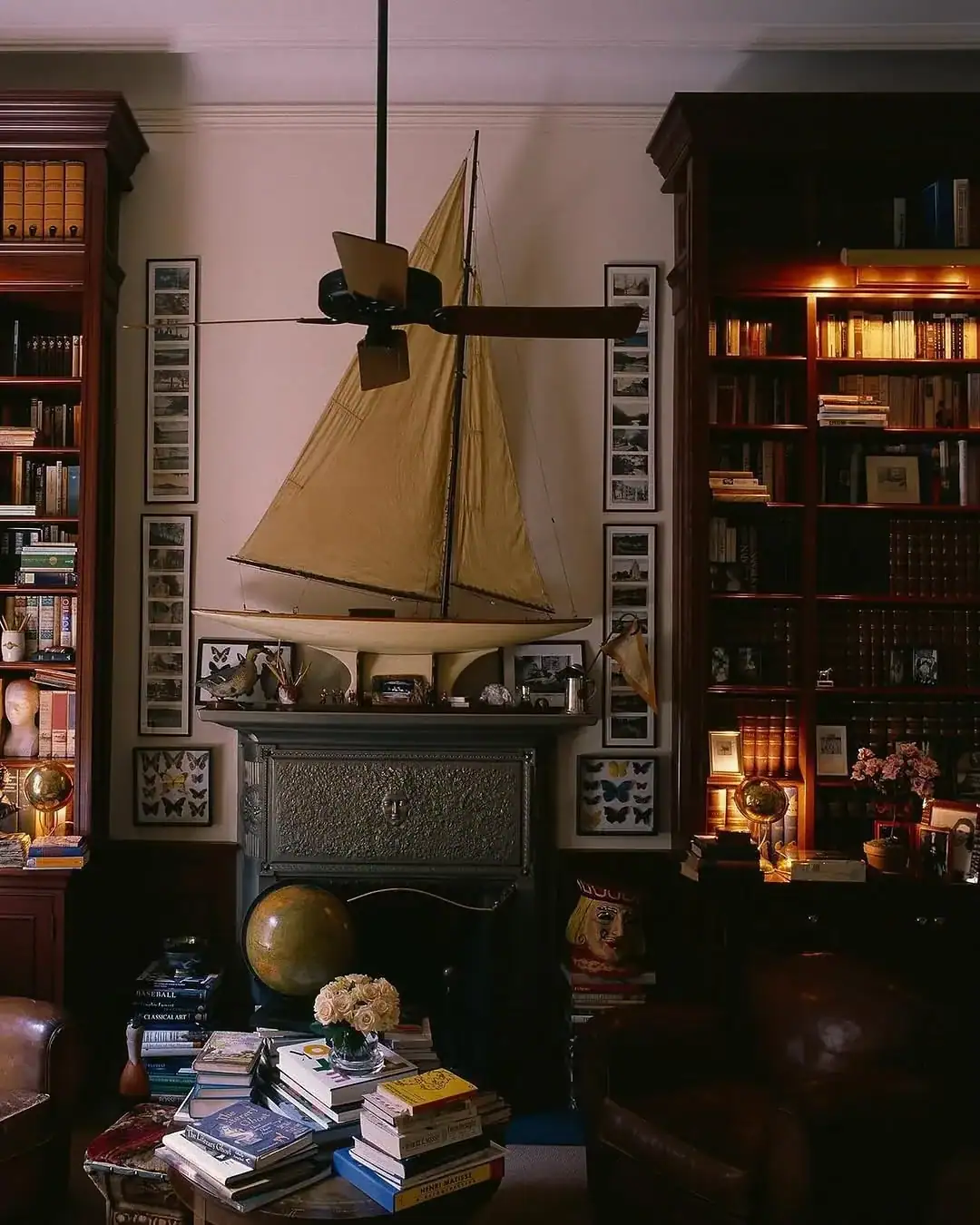
Pale trendy woods flatten traditional rooms into blandness. You’ll commit to mahogany, walnut and cherry tones that hold shadow and age gracefully. Dark wood carries the formality so your fabrics can relax, and it photographs with a depth pale woods never reach.
You’ll repeat the tone at least three times so it reads as a decision: table, frames, one chair leg showing. A single dark piece among pale furniture looks like an intruder. Three make a palette. When the woodwork agrees with itself, you’ll find even modest pieces look collected rather than random.
Burnish with brass, banish the chrome
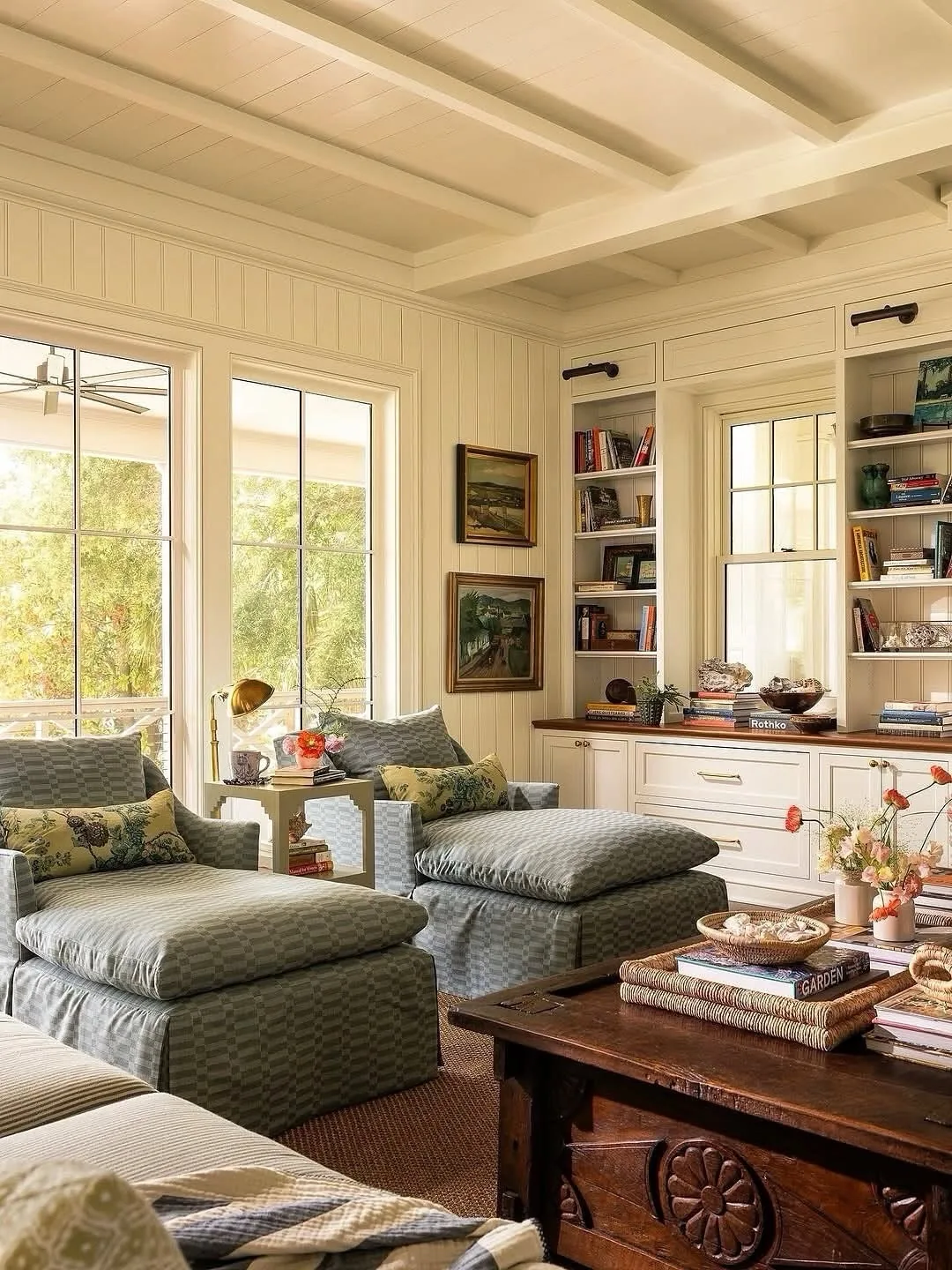
Metals set the century your room belongs to. You’ll choose brass and bronze for lamps, mirrors and hardware, letting them unlacquer and patina into the room’s story. Chrome belongs to kitchens and offices; in a traditional room it reads as a time traveler who took a wrong turn.
You’ll mix brass finishes freely but keep chrome out entirely. Aged, polished and brushed brass coexist happily because they share warmth. One chrome faucet or frame among them snags every glance. Metals are the jewelry of the room, so you’ll wear the period metals and leave the modern ones in their own rooms.
Lay a rug the front legs can stand on
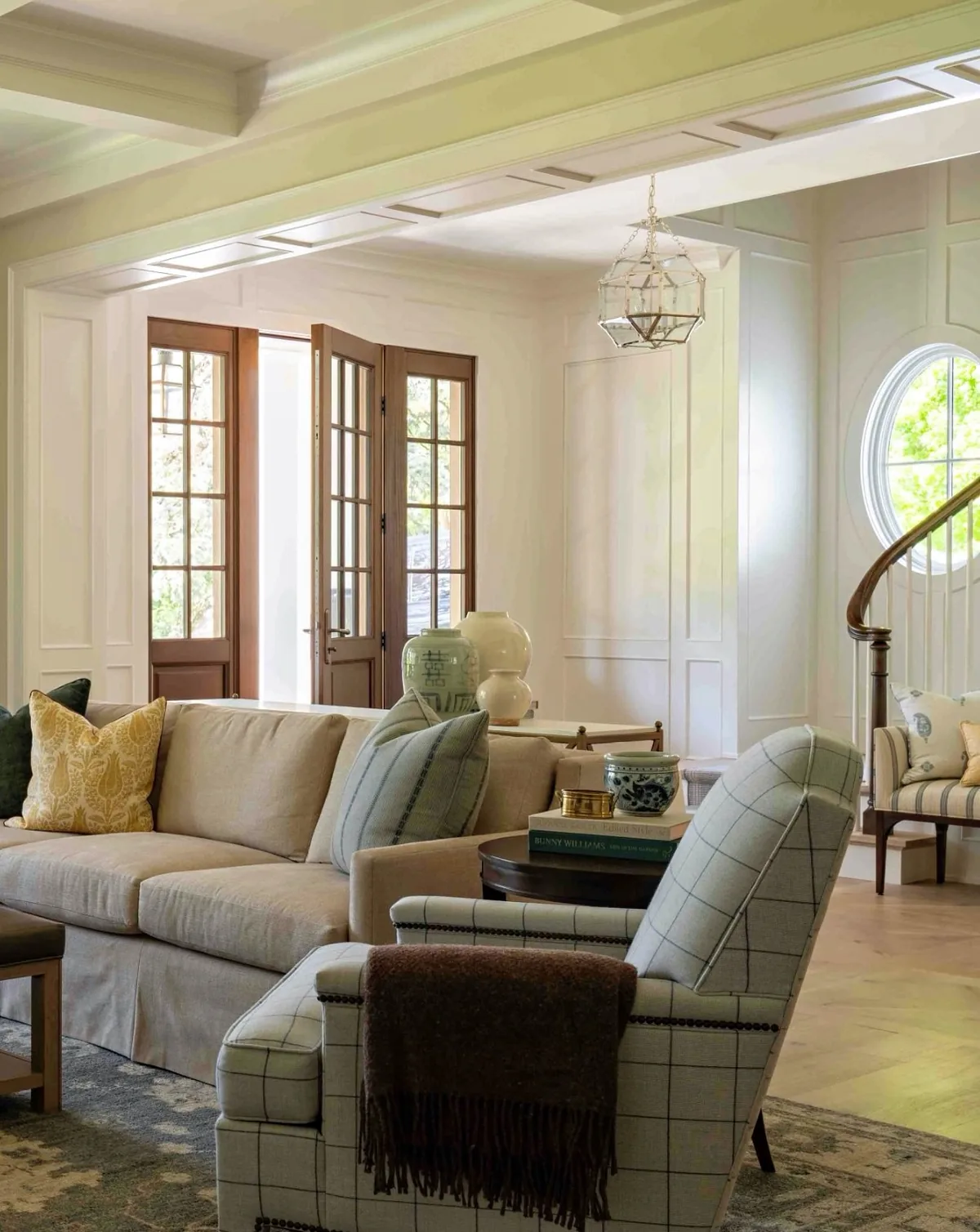
A floating rug shrinks formal rooms instantly. You’ll size yours so at least the front legs of every seat rest on pile, binding the arrangement into one island. The rug is the room’s foundation garment: invisible when right, ruinous when wrong.
You’ll choose pattern with the room’s scale in mind. Large rooms take large motifs, Persian, Oriental or generous geometrics, while small rooms drown in them. If heirloom quality exceeds your budget, you’ll buy the best wool rug you can in a quieter pattern. Feet, sound and layout all settle the moment the rug lands correctly.
Hang curtains high, wide and puddling
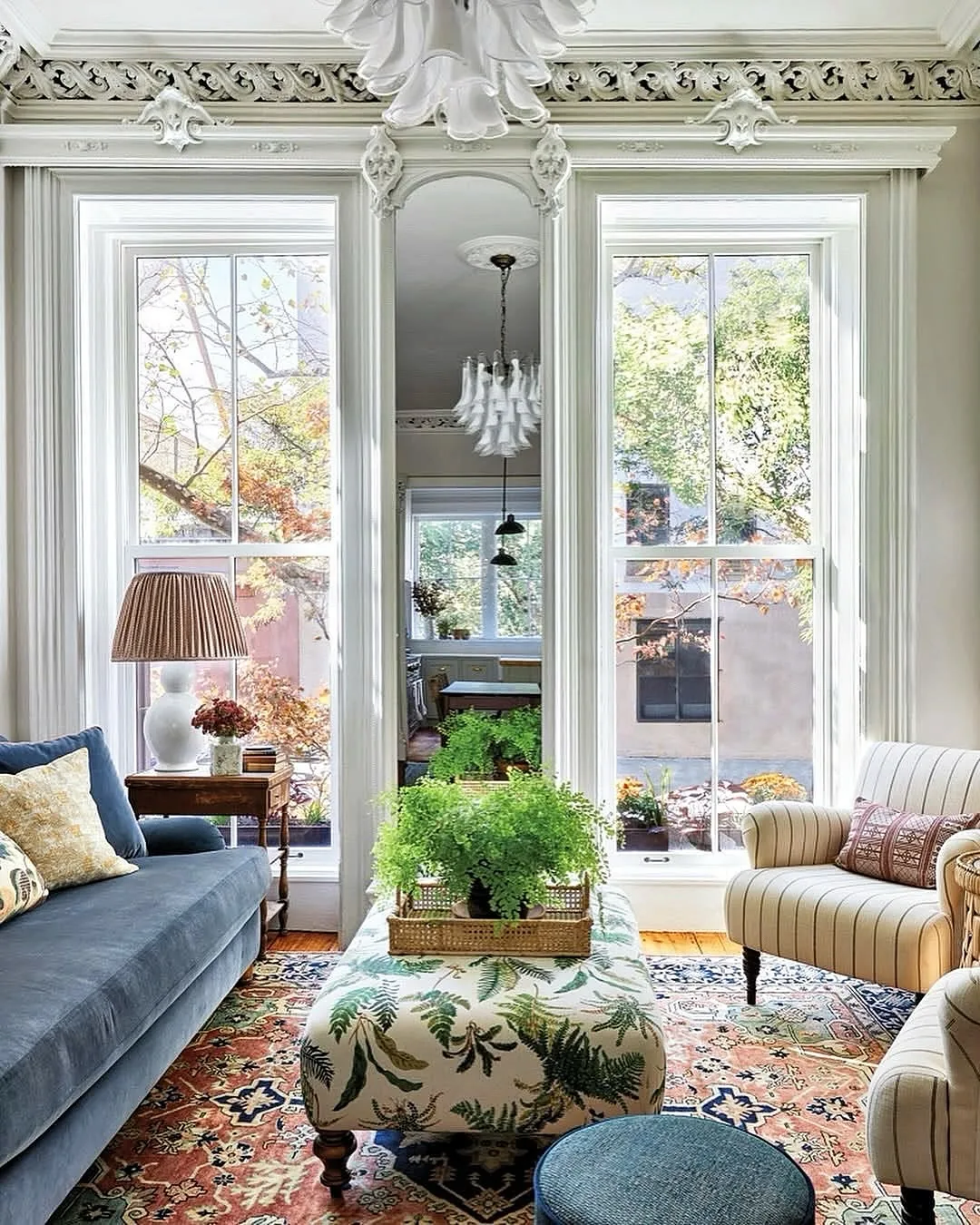
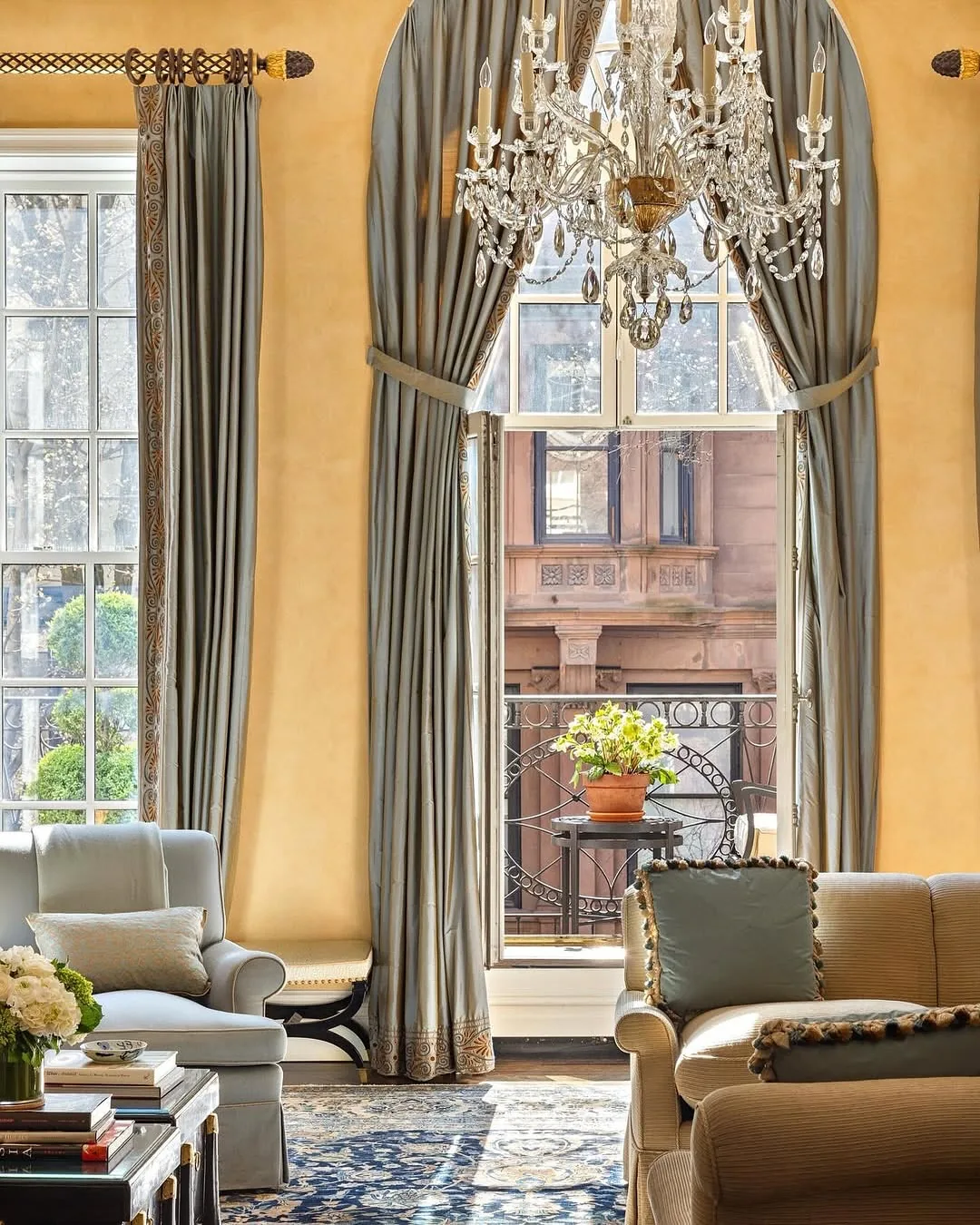
Curtains hung at the frame make windows look small and the room apologetic. You’ll mount rods near the ceiling and wide past the trim, with panels that kiss or puddle the floor. Tall glass dressed generously is the fastest formality upgrade that money buys by the meter.
You’ll line everything for weight and light control. Unlined panels glow harshly by day and hang limply always. Sheers beneath give you daylight privacy while the full drapes wait for evening. When curtains frame the full height of the wall, your ceilings read taller and your windows read intentional, whatever their actual size.
Light and life after dark
Formal rooms get judged at dinner parties, not at noon viewings. Three ideas pass the evening test.
Size the chandelier up, never down
An undersized chandelier apologizes from the ceiling. You’ll choose the larger of your two finalists, because rooms swallow fixtures the way walls swallow paint color. The chandelier should relate to the table or seating below it, generous enough to anchor the arrangement from above.
You’ll hang it to light faces, not foreheads, with a dimmer as non-negotiable. Full-blast chandeliers interrogate guests. Dimmed crystal warms them. If your ceilings can’t take weight, you’ll choose a substantial flush mount over a dinky pendant. Presence overhead is mandatory in formal rooms; the exact fixture is your call.
Layer three lights before you judge the room
Overhead alone flattens every formal room into a lobby. You’ll build three layers: the chandelier for ceremony, table and floor lamps for pools of warmth, and one accent, picture light or sconce, to lift the art. Only when all three burn should you decide what the room feels like.
You’ll warm every bulb to 2700K or below, because cool light fights velvet, wood and brass simultaneously. One 4000K bulb among warm ones reads as a mistake from the hallway. Put lamps on dimmers and the same room serves cocktails, board games and midnight reading. Light is the cheapest renovation you’ll ever do and the most skipped.
Grow one large plant and mean it
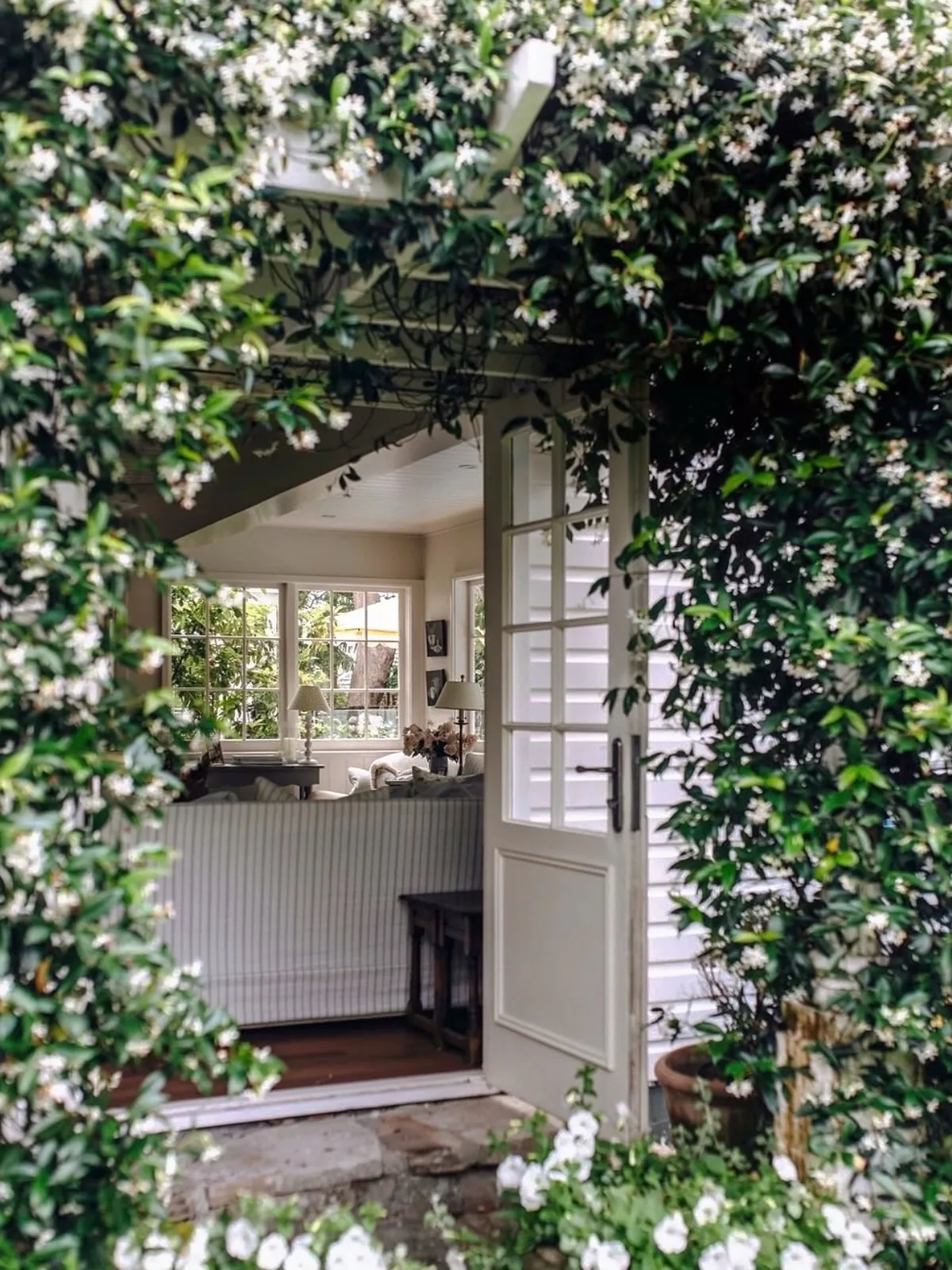
Formal rooms need one living thing with presence. You’ll choose a single large olive, fig or palm in a proper pot over a scatter of small succulents. Scale is the point: a tree-height plant answers tall curtains and chandeliers, while tiny pots read as clutter whatever their charm.
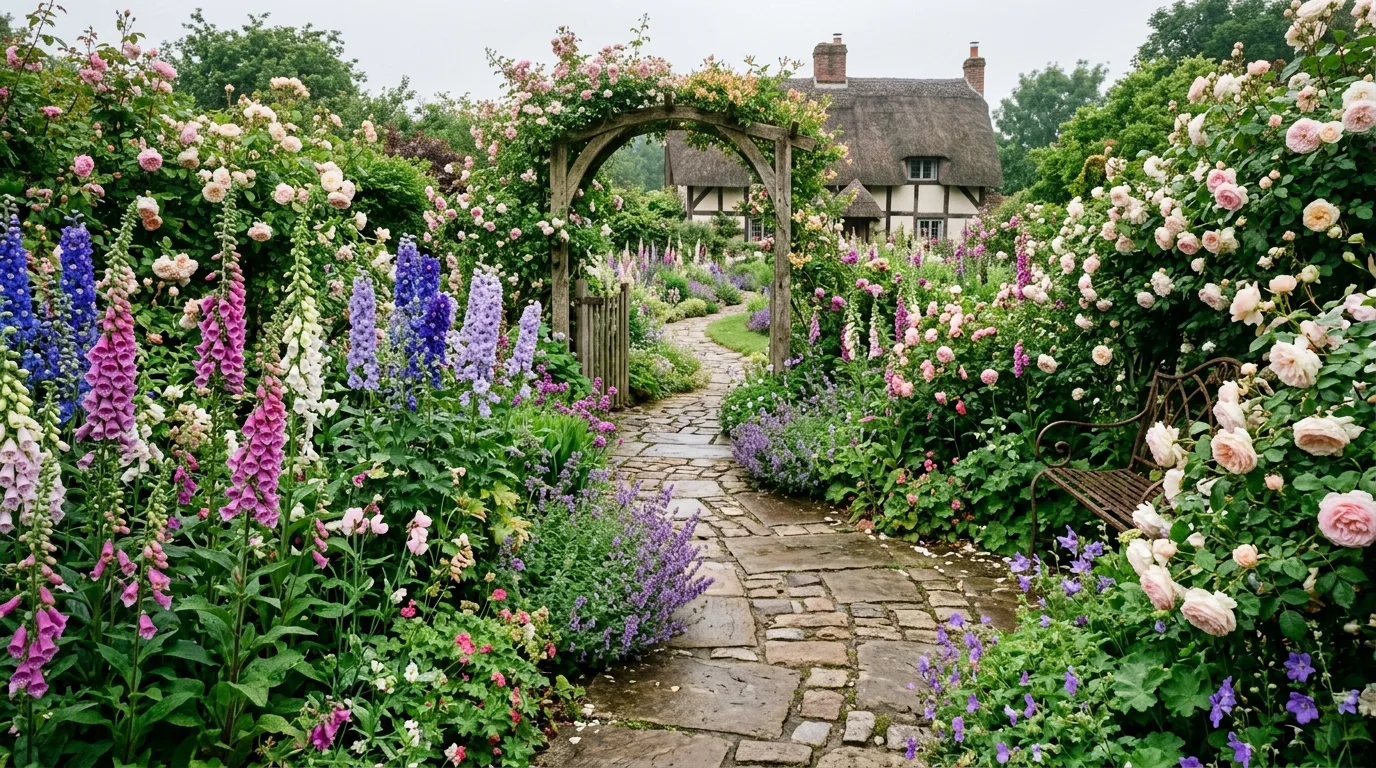
You’ll place it where it softens architecture, beside French doors or in a bare corner, and you’ll commit to its care. A dying statement plant accuses the whole room. One thriving tree makes everything around it look more alive. For more on rooms that breathe through planting, browse our living room ideas guides. Green is the one color every palette forgives.
The modern note and the edit
Tradition needs one dissenter and a ruthless edit. Four ideas finish the room.
Break one rule on purpose
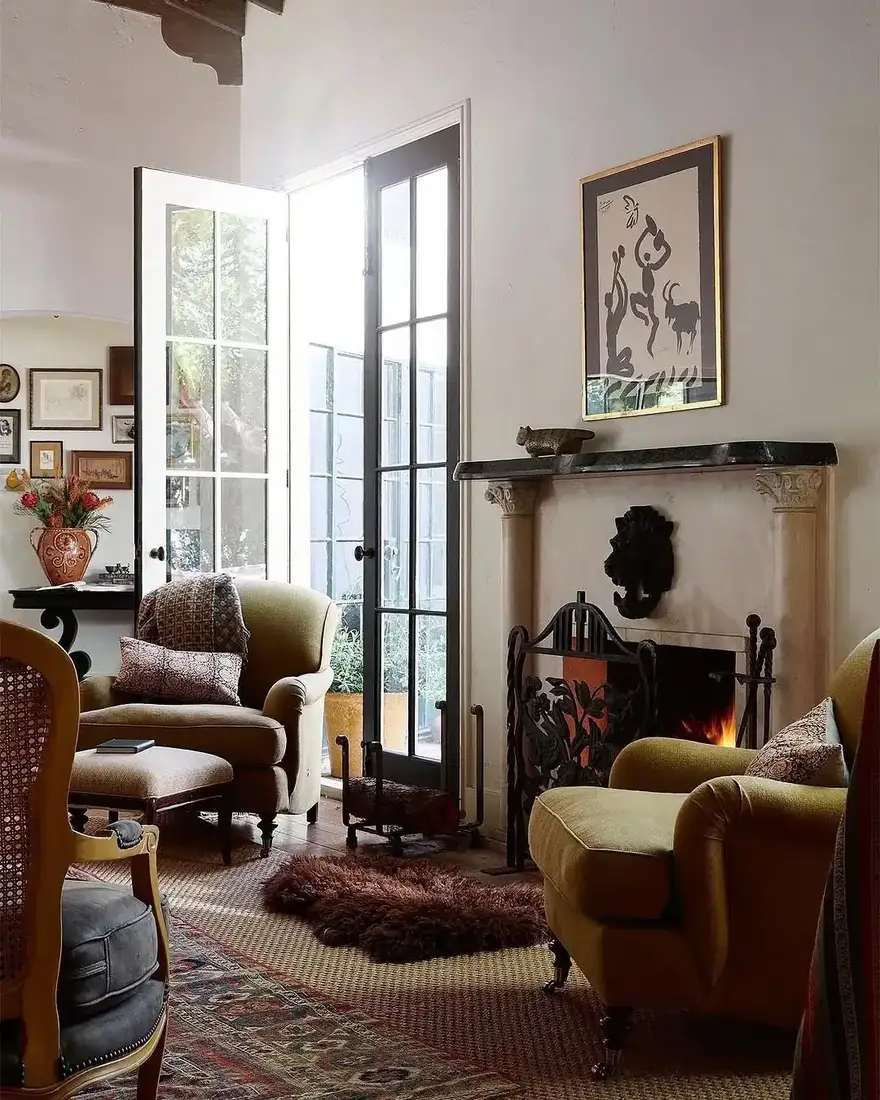
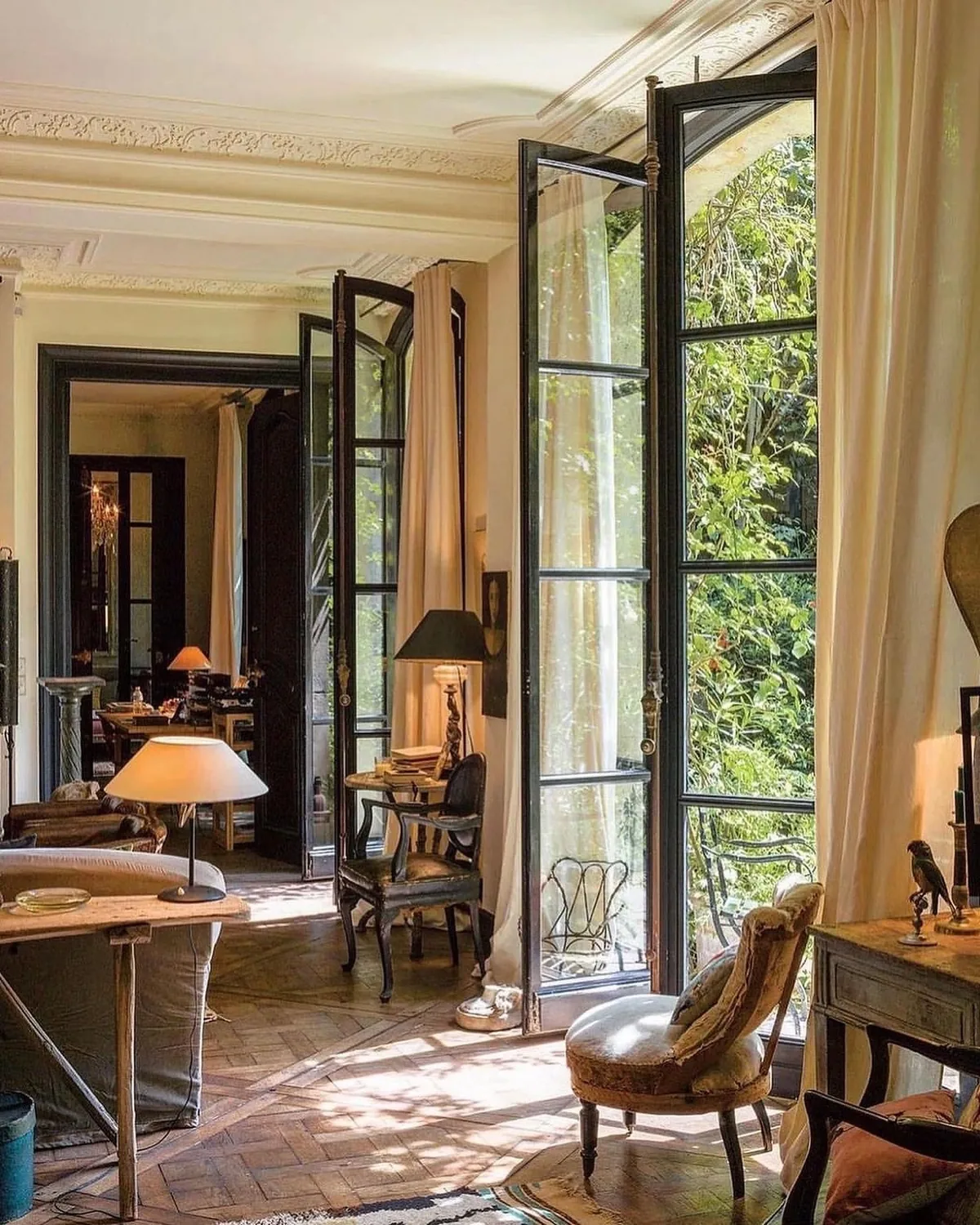
A room that obeys every traditional rule reads as a period set. You’ll break exactly one: a contemporary canvas over the mantel, a sculptural modern lamp among antiques, one abstract cushion on the chesterfield. That single dissent proves a person lives here, not a style board.
You’ll limit the rebellion to one note. Two modern pieces start an argument, three stage a takeover. The dissent should also be something you genuinely love, because guests always ask about the odd one out. When you can answer with a story instead of a shrug, the room gains the personality no catalog can ship.
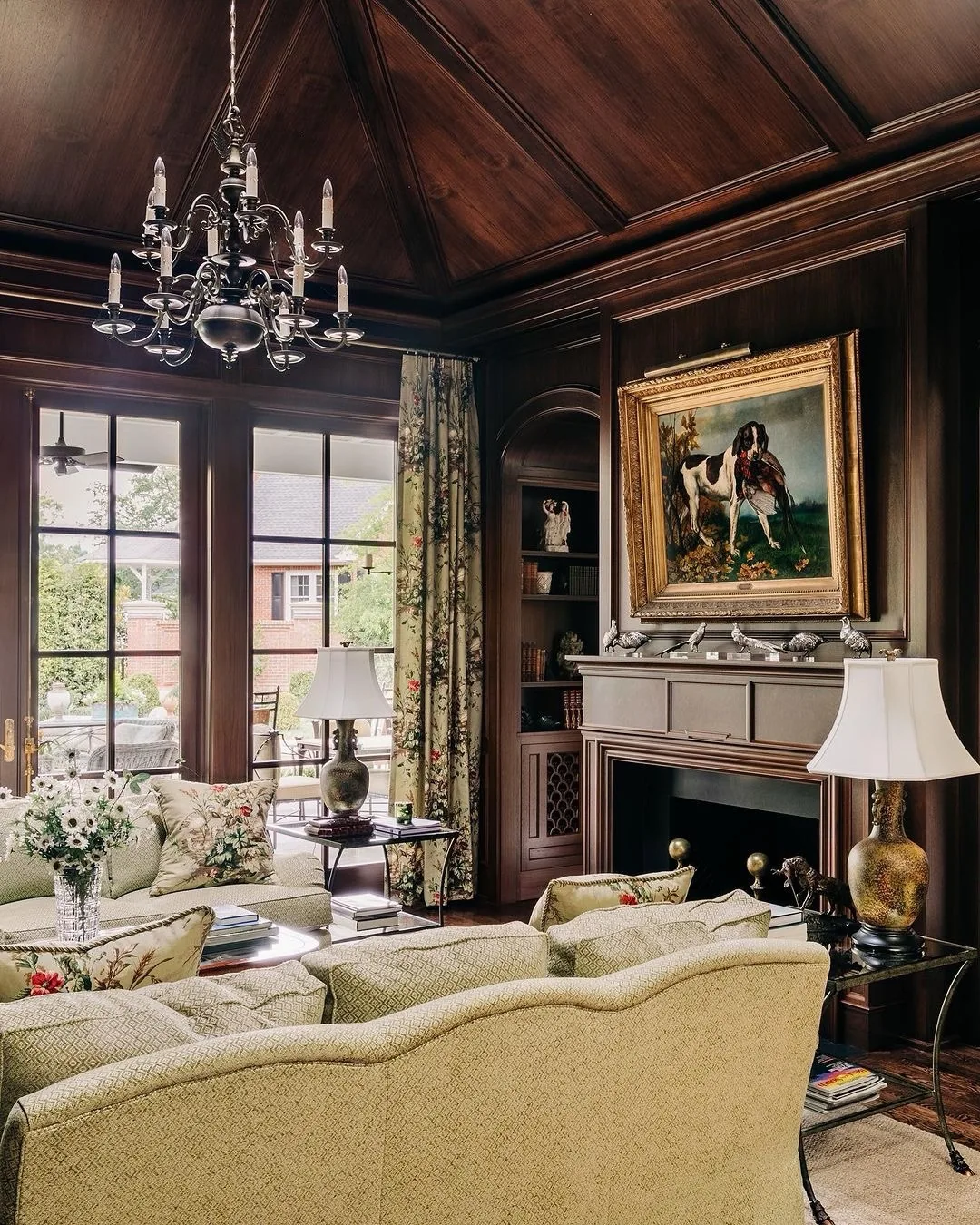
Edit surfaces to two objects, never five
Traditional rooms collect clutter because every surface invites display. You’ll limit mantels, consoles and tables to two or three objects with varied heights. Five small things read as dusting duty. Two confident things read as curation.
You’ll remove one more object than feels right, then live with the gap a week. Negative space is what lets the remaining pieces breathe and the architecture show. The houses you admire in photographs were edited before the shoot. Yours can stay edited, because calm compounds daily while clutter compounds too.
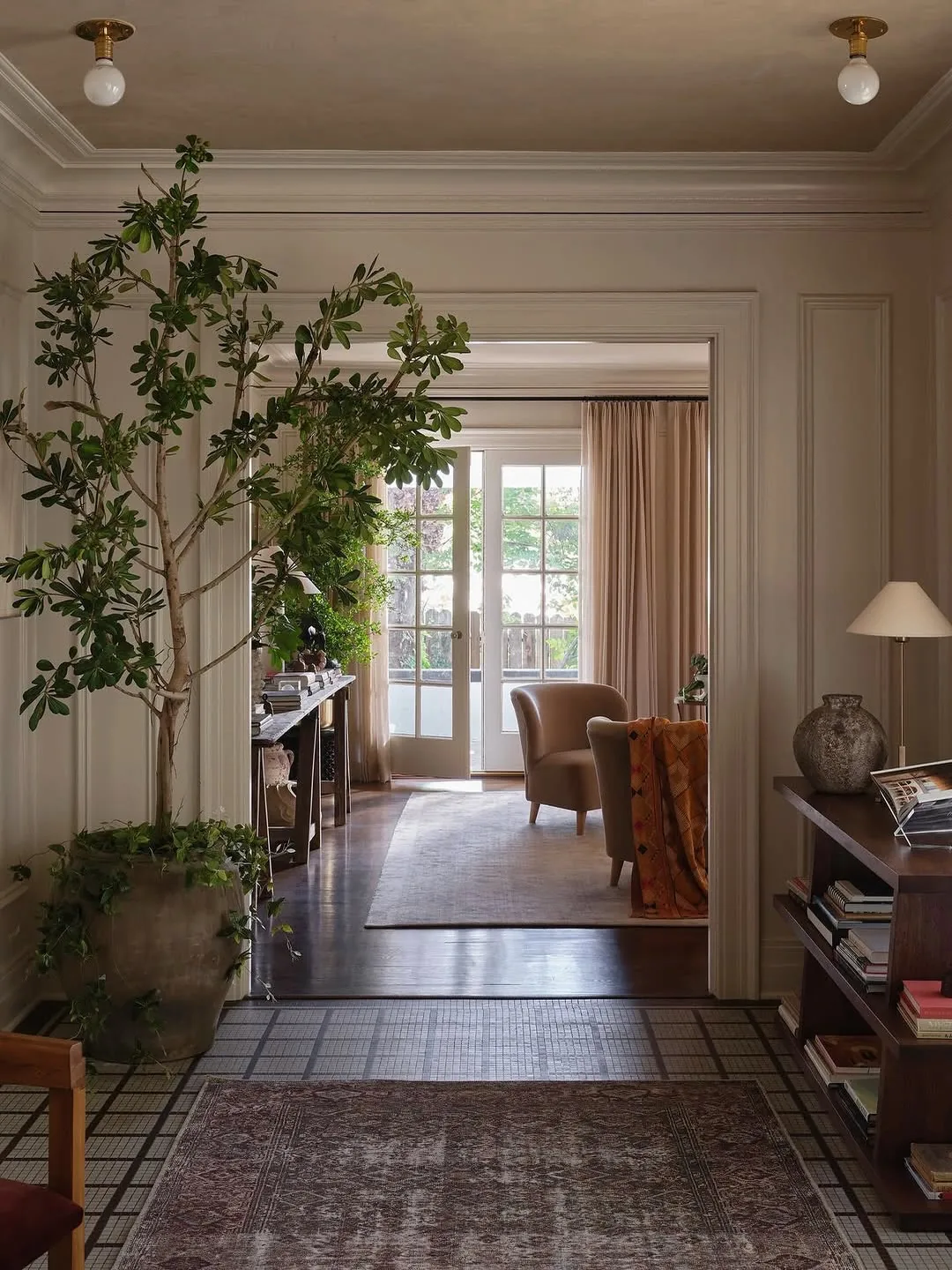
Ground traditional & formal living room ideas with an entry rug
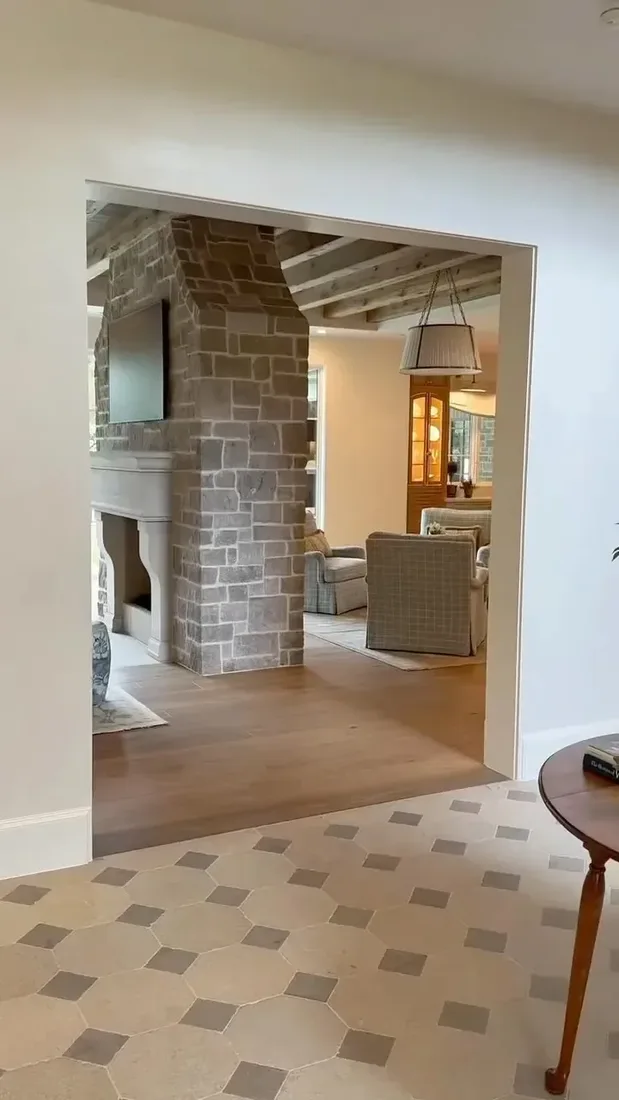
Entries set the formality contract before the living room speaks. You’ll lay a vintage-style runner that survives boots and sets the palette: deep reds, navy or gold that echo the living room rug. The entry rug is the overture, hinting at themes the main room develops.
You’ll keep the entry simpler than the room it introduces. One runner, one mirror or art, one lamp or lantern. An overfilled entry spends the formality before guests arrive. For cozy rooms that trade ceremony for warmth, compare our cozy living room ideas. Overture, then symphony, never two symphonies at once.
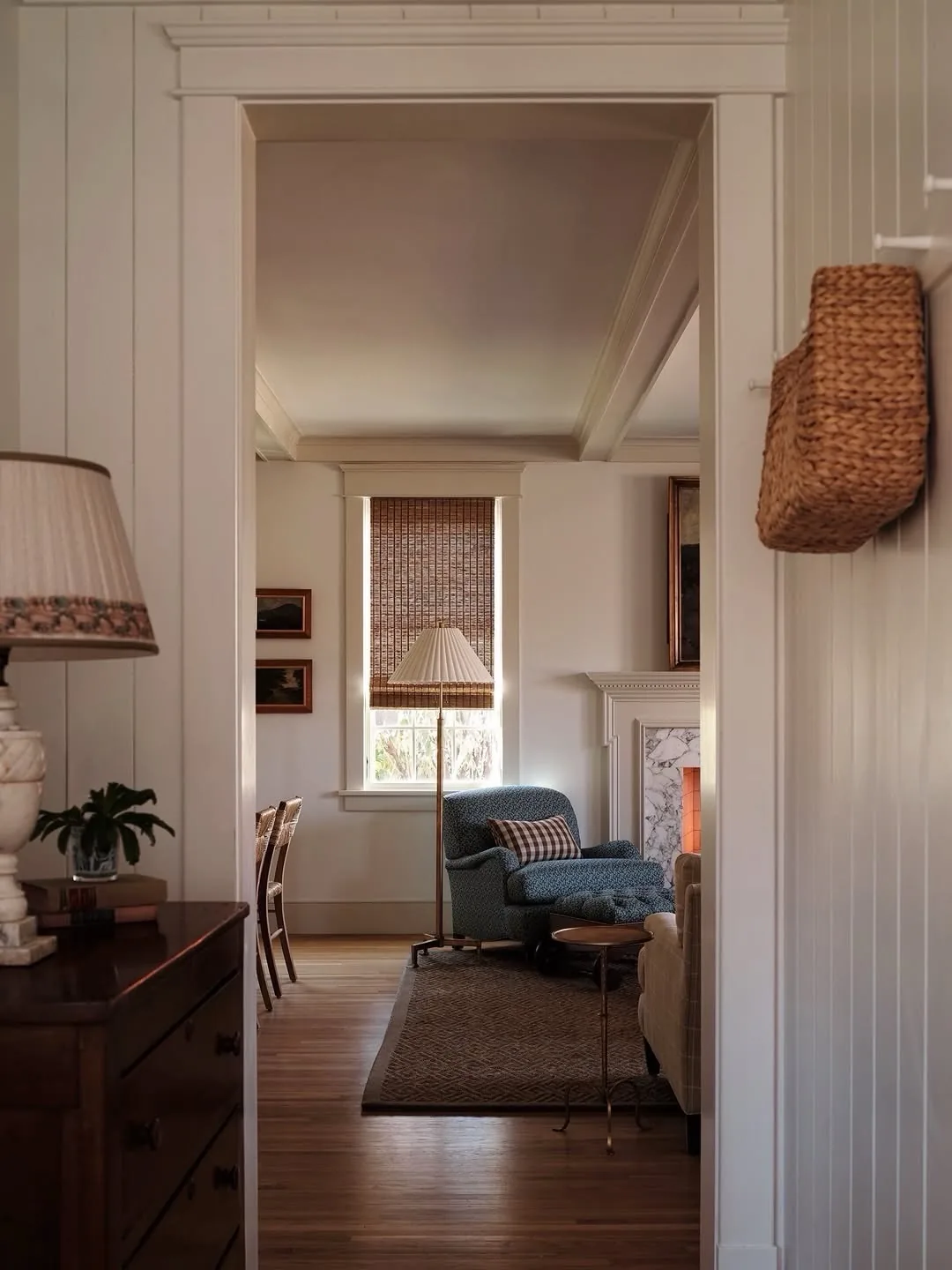
Steal a corner for reading daily
Formal rooms stay alive through daily use, not parties. You’ll carve one corner into the reading nook from our window seat and reading nook ideas: a chair angled to light, a lamp over one shoulder, a table within reach. A room used every morning never goes stiff.
You’ll let that corner be slightly less formal than the rest. A folded throw, a current book left open, the honest mess of habitation. That lived-in square foot gives the whole room permission to breathe. Museums rope off their chairs. You’ll sit in yours before breakfast and prove the room works.
Museum formal versus living formal at a glance
| Museum formal | Living formal | |
|---|---|---|
| Symmetry | Everything in pairs | Architecture mirrored, objects relaxed |
| Seating | Upright showroom pieces | Deep seats you test-sat |
| Light | Overhead only, cool bulbs | Three layers, 2700 to 3000K |
| Pattern | None, afraid of clash | One hero print, echoed twice |
| Modern note | Absent, period pure | Exactly one dissent |
| Verdict | Admired from doors | Sat in daily |
The Traditional Living Room Formula
If you strip all fifteen ideas down to a plan, it reads like this:
- Architecture mirrored. Pairs at the focal point, freedom everywhere else.
- Seats you test-sat. Twenty minutes in the shop, years of evenings after.
- Dark wood, warm brass. Period materials carry the formality for you.
- Rug under front legs. One island, patterned to the room’s scale.
- Three lights, warm dimmed. Ceremony, pools and art, every evening.
- One modern dissent. A single story-worthy rule-break, then stop.
Get those six right and tradition reads gracious instead of stiff. You’ll own the timeless room instead of dusting it.
Frequently Asked Questions
How do I keep a formal living room from feeling stiff?
You’ll seat people deeply, mirror only the architecture and break exactly one rule. Stiffness arrives one matching set at a time, so comfort plus a single modern note keeps the room breathing. A room used daily never goes museum.
Should living room furniture match?
Only at the architectural scale. You’ll pair chairs or bookcases around the focal point, then let tables, lamps and textiles differ. Everything matching reads as showroom. Related but varied reads as collected over time.
What colors suit a traditional living room?
Warm neutrals with deep jewel accents: navy, forest, burgundy, ochre against cream and warm white. You’ll avoid cool greys and stark whites that fight wood and brass. Depth photographs beautifully and flatters evening light.
Is a chandelier necessary in a formal room?
Presence overhead is, a chandelier specifically isn’t. You’ll size generously whatever you hang and dim it always. A substantial flush mount beats a dinky pendant where ceilings can’t take weight. Light faces, not foreheads.
Can I mix modern pieces into a traditional room?
You’ll mix exactly one with a story behind it. A contemporary canvas, a sculptural lamp, one abstract cushion. Two modern pieces argue, three take over. Guests ask about the odd one out, so love your answer.
How big should a living room rug be?
Big enough that front legs of every seat rest on pile. You’ll bind the arrangement into one island rather than floating pieces on bare floor. When in doubt between sizes, you’ll take the larger rug.
This article may contain affiliate links. We may earn a commission at no extra cost to you.