Victorian Color: Hierarchy, Not Rainbow

Add us as a preferred source to see more stories on Google.
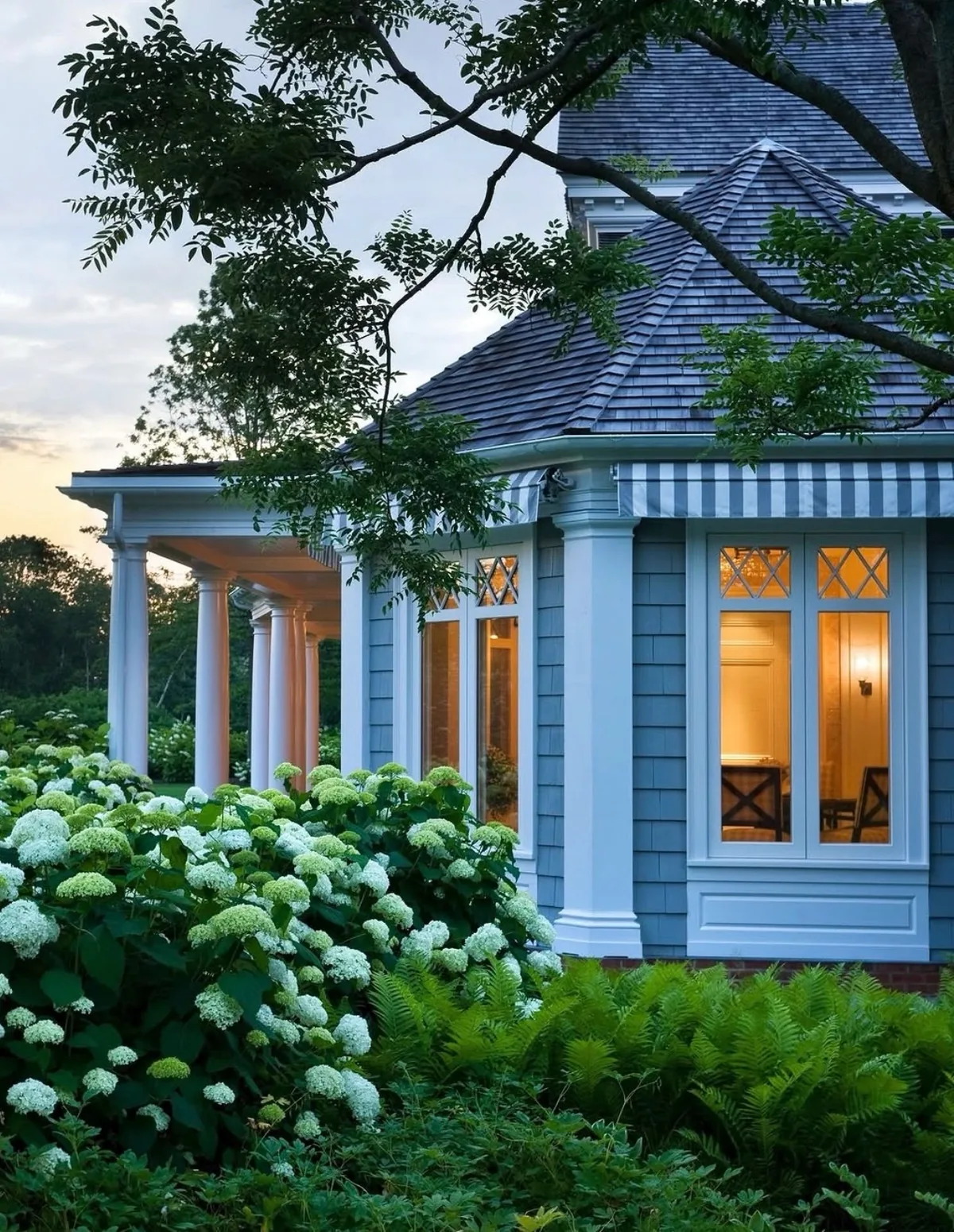
You counted your gingerbread and bought twelve colors. That’s the mistake.
Here’s the thing. Victorian color is a hierarchy, not a rainbow, and every color past six makes your house busier instead of prettier.
Chances are the Victorian house exterior ideas you saved look rich on four or five colors placed by rank. You’ll learn that ranking here, and your paint bill will shrink while your house improves.
Rank your colors before you buy them
You’ll assign every color a job before it touches wood. Unemployed colors cause all the trouble.
Give the body sixty percent and stop there
Your body color covers most of what the street sees, so you’ll pick it for distance first and detail second. Mid-tone blues, sage greens, warm golds and deep reds all carry gingerbread beautifully because they give trim something to stand against. Pale washes flatten the very details you bought the house for.
Test your body color on the shaded side, where you’ll live with its darkest mood. You’ll watch morning light lift it and evening shade deepen it across one day. If it holds its character in both, you’ve found your sixty percent. Everything else you buy serves this one decision.
Spend your second color on all the trim
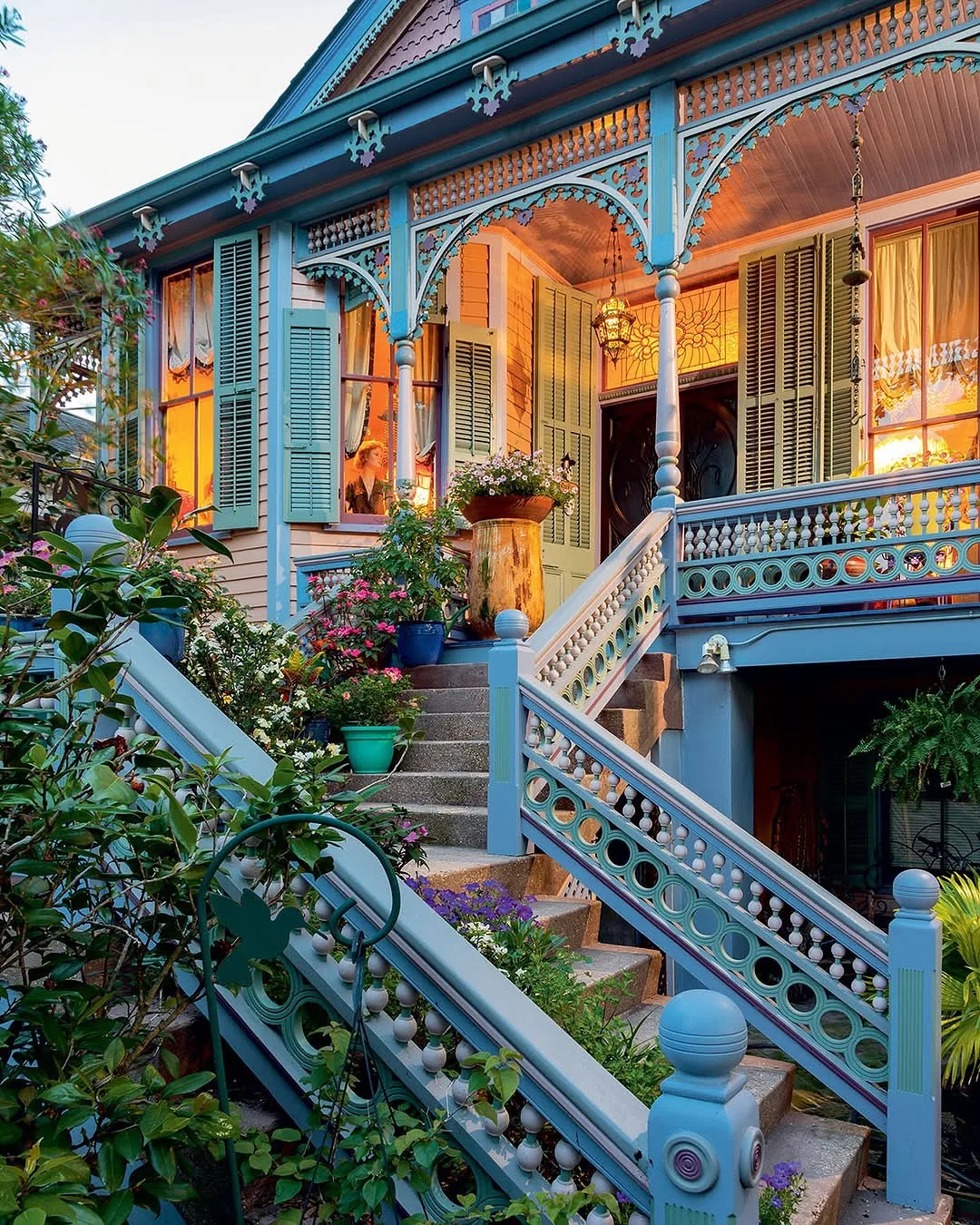
One trim color unifies dozens of scattered boards into a single composition. You’ll carry it across fascia, window casings, corner boards, porch posts and rails so the eye reads one connected skeleton. Splitting trim across two colors chops your house into pieces for no reason.
Pick trim that contrasts your body without shouting. Cream against deep blue, warm white against forest green, soft gold against plum. You’ll know the pairing works when the trim outlines your architecture from across the street. If you squint and the house dissolves, your contrast is too weak to do its job.
Paint the sash darkest to frame every window
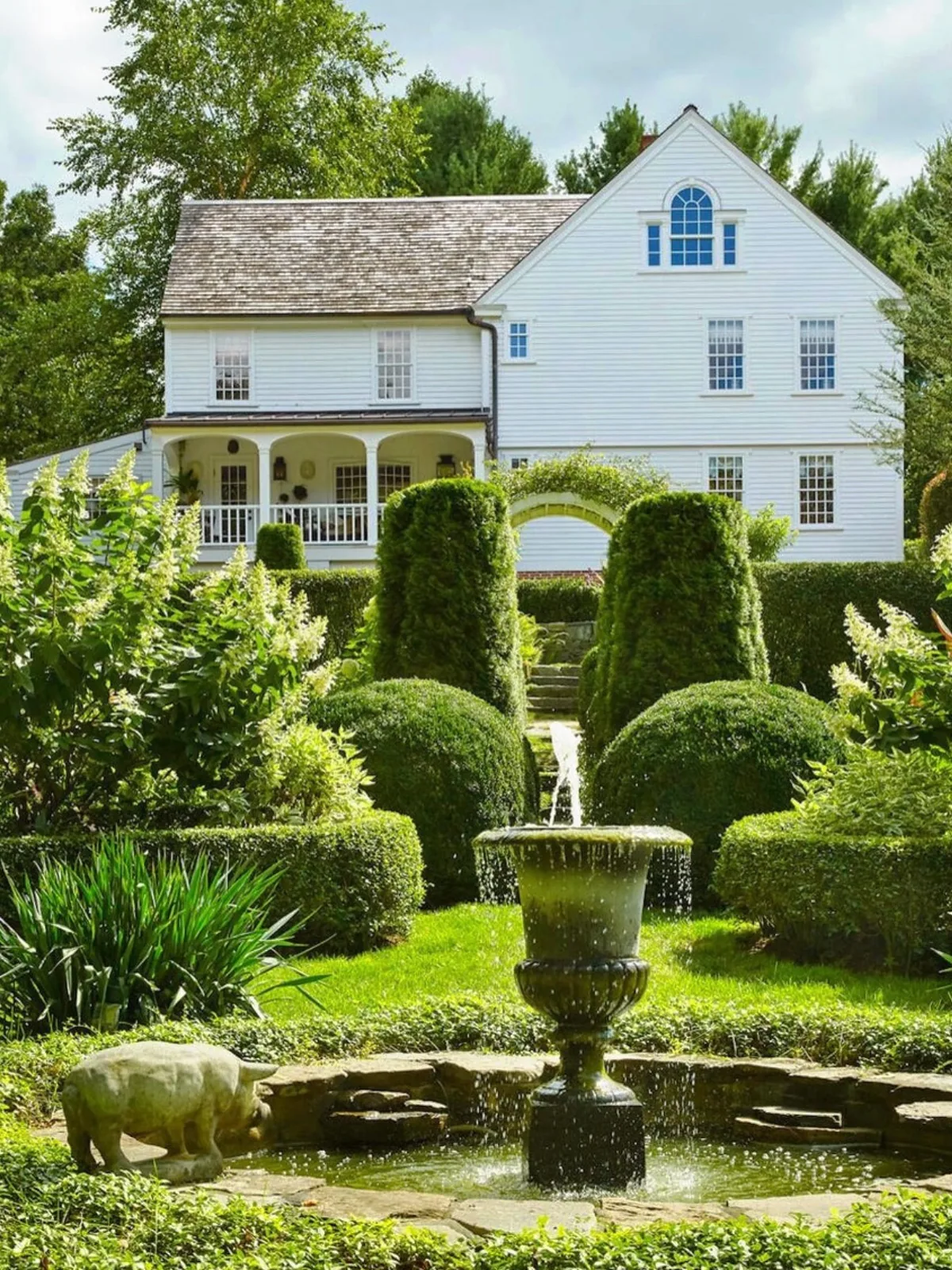
Your window sash, the moving frames around the glass, wants the darkest tone in your palette. You’ll anchor each opening with deep green, oxblood or near-black sash so windows read as deliberate rectangles instead of holes. Dark sash also hides weathering where hands and weather wear fastest.
Keep muntins and sash one color rather than striping them. You’ll get crisp definition without fiddliness, and your painter will charge you for hours you didn’t spend. Stand back after the first window and compare it to an unpainted one. The dark frame pulls the whole facade into focus like spectacles on a face.
Ground victorian house exterior ideas with dark at the bottom
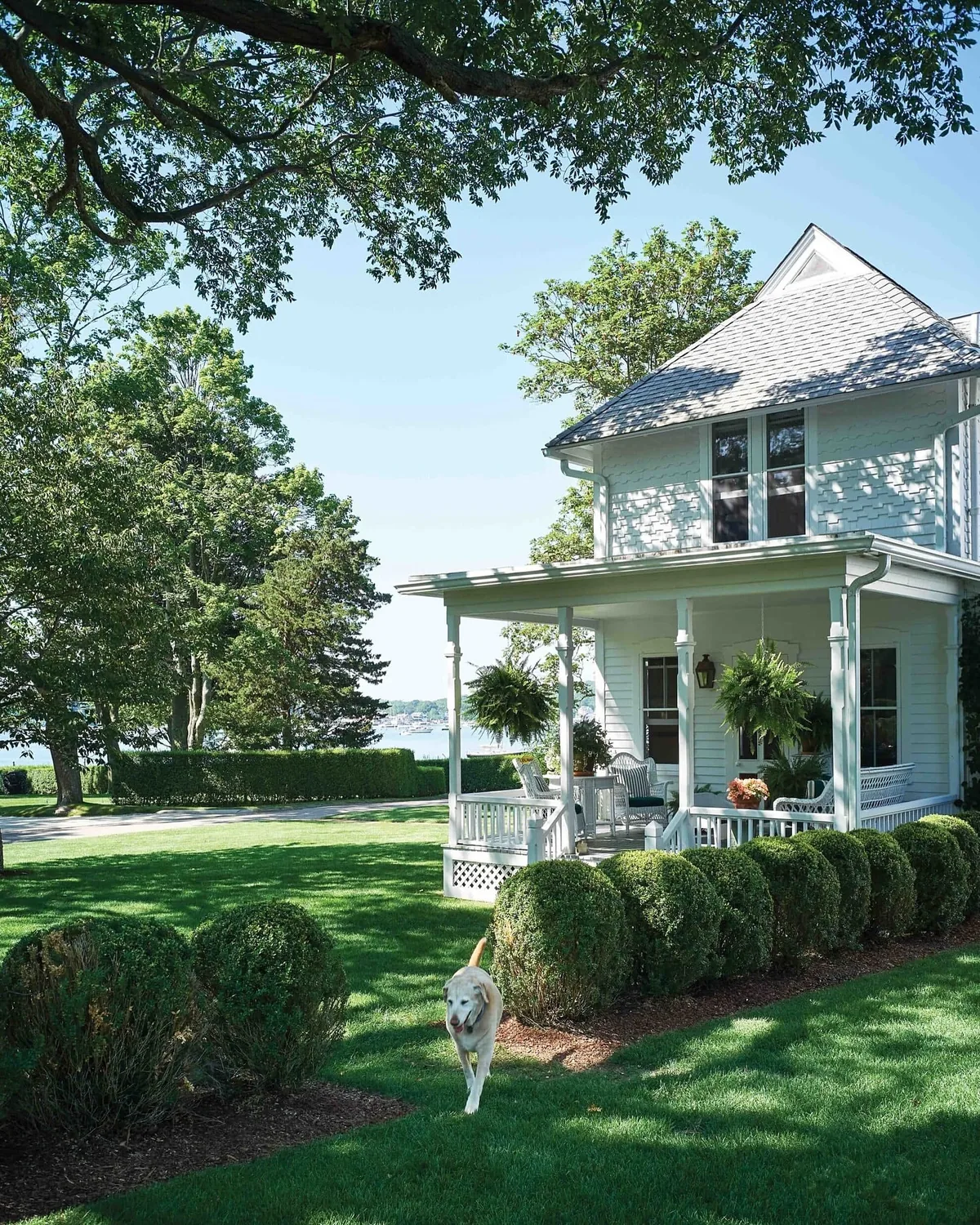
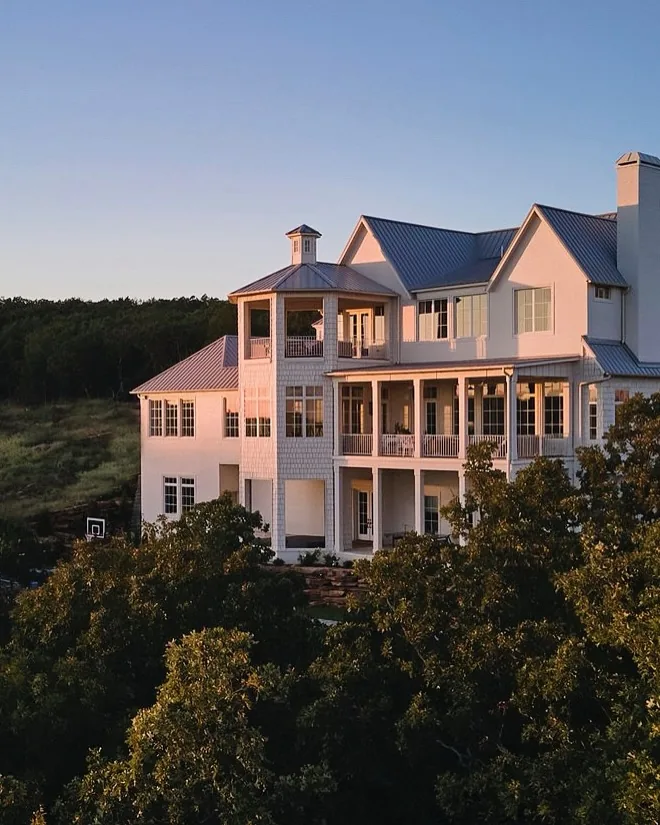
Weight belongs low on a Victorian the way a skirt belongs below a blouse. You’ll paint foundations, porch floors, stair treads and skirt boards in your darkest tones so the house sits instead of floating. Charcoal, deep brown or near-black grounds even the palest body above it.
This single habit fixes more top-heavy paint jobs than any other change you’ll make. Light bases make tall houses look tipsy, while dark bases let upper stories relax. You’ll extend the dark base color to your porch floor and steps as one continuous decision. The house lands, and everything above it calms down.
Gingerbread without chaos
Your trim carpenter gave you the vocabulary. You’ll spend it sparingly or it all shouts at once.
Accent the brackets, quiet the field
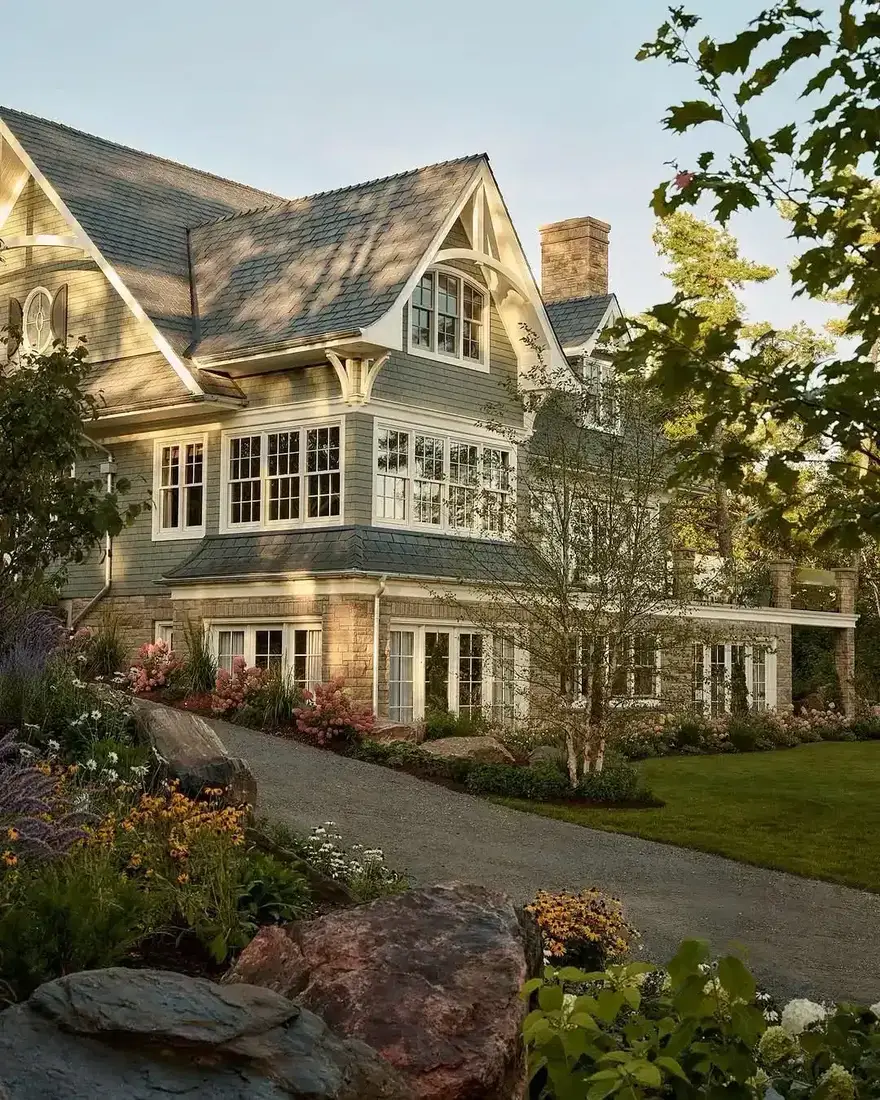
Brackets, spindles and bargeboards earn accent colors because they sit in shadow lines where contrast reads. You’ll spend your brightest or richest tones, gold, oxblood, deep teal, exactly there and nowhere else. Small surfaces carry strong color the way earrings carry jewels.
Leave broad fields alone once accents speak. You’ll resist striping every clapboard course or outlining each shingle, because fields need calm to set off the jewelry. One gold bracket against quiet siding stops traffic. Twenty gold details merge into noise you’ll stop seeing within a month.
Treat the turret as punctuation, not a paragraph
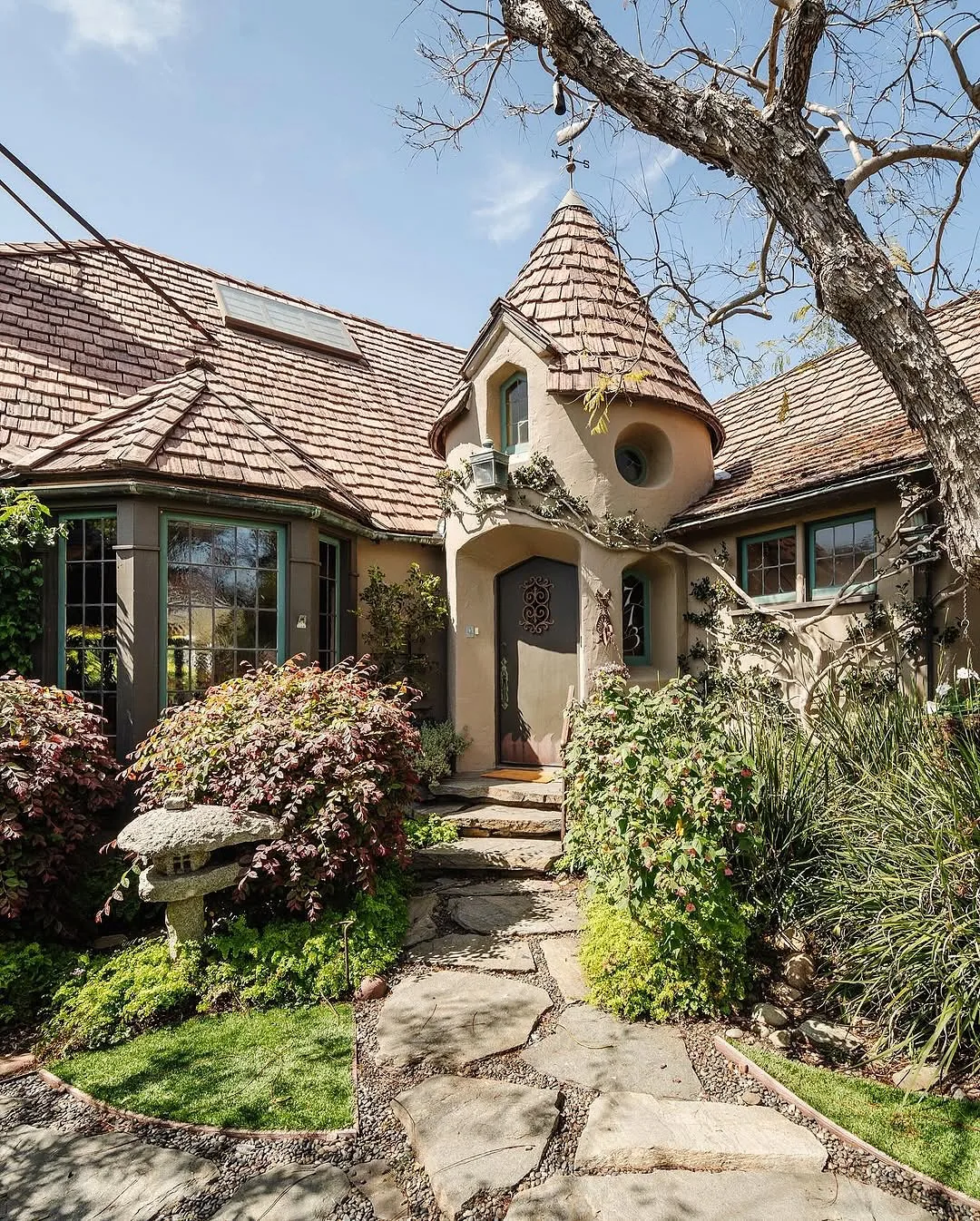
A turret wants to be the exclamation point on your composition, so you’ll dress it one step richer than the body without rewriting the palette. Same trim, one deeper accent on its brackets or its cap, and it sings. A turret painted like a separate house splits your roofline in two.
Mind its cap most, because you’ll see it from everywhere. A bell or cone roof in a quiet dark tone crowns the tower without competing. You’ll flash it properly too, since turret valleys collect every leaf and storm your plot produces. Punctuation marks need maintenance like everything else you love.
Let white Victorians stay disciplined
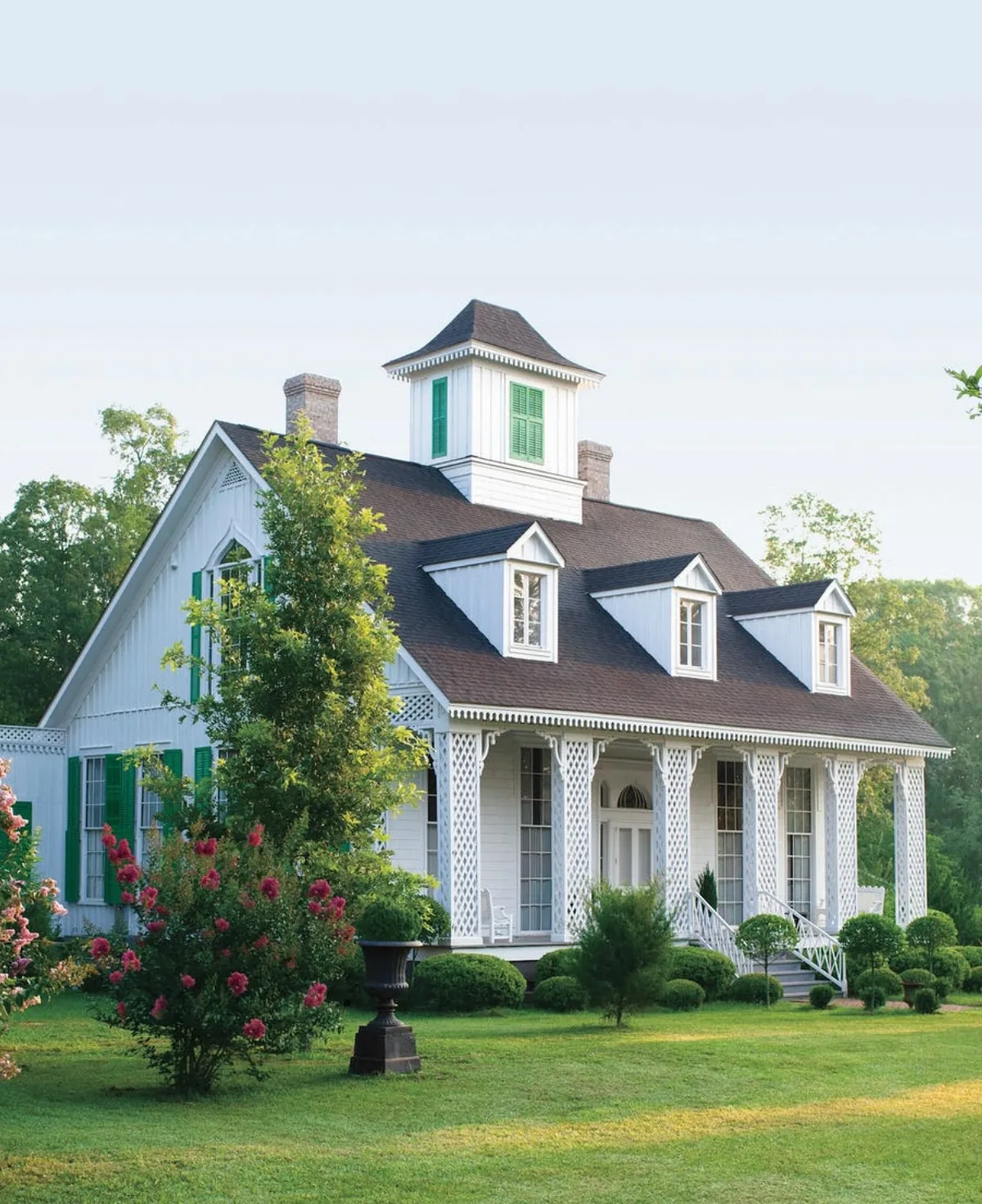
An all-white Victorian succeeds on shadow, not color, so you’ll keep every board crisp and let the sun draw your ornament for free. White demands perfect prep because it exposes failed caulk, rough patches and thin spots that color would forgive. You’ll caulk, sand and prime like the house is going under a microscope.
Choose a soft white with cream in it rather than a stark blue-white that glares. You’ll watch it glow at golden hour instead of glaring at noon. One dark accent, a green door or black sash, keeps white from floating away. Discipline photographs better than decoration when the palette is this restrained.
Porches and grounds that match the effort
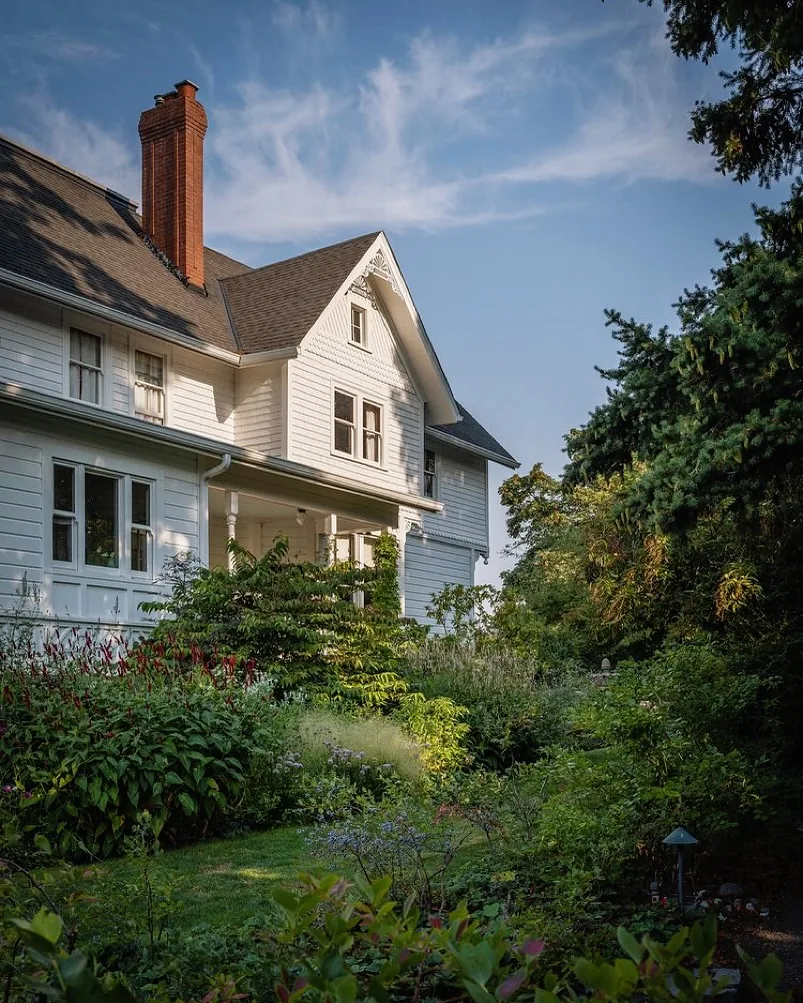
Your paint job ends at the steps. You’ll carry the same hierarchy through porch, garden and seaside realities.
Paint the porch floor like a room
Your porch floor is the largest single color field visitors stand on, so you’ll give it a dedicated shade instead of leftover trim paint. Deep charcoal, warm brown or classic slate reads as an outdoor rug that grounds your seating. Bare grey boards or sloppy white track dirt and cheapen everything above them.
Extend the floor color up the stair treads for one continuous decision. You’ll touch it up yearly because feet punish it hardest, and you’ll keep a quart labeled for exactly that job. A porch floor you maintain reads as intention. One you ignore reads as the part you ran out of money on.
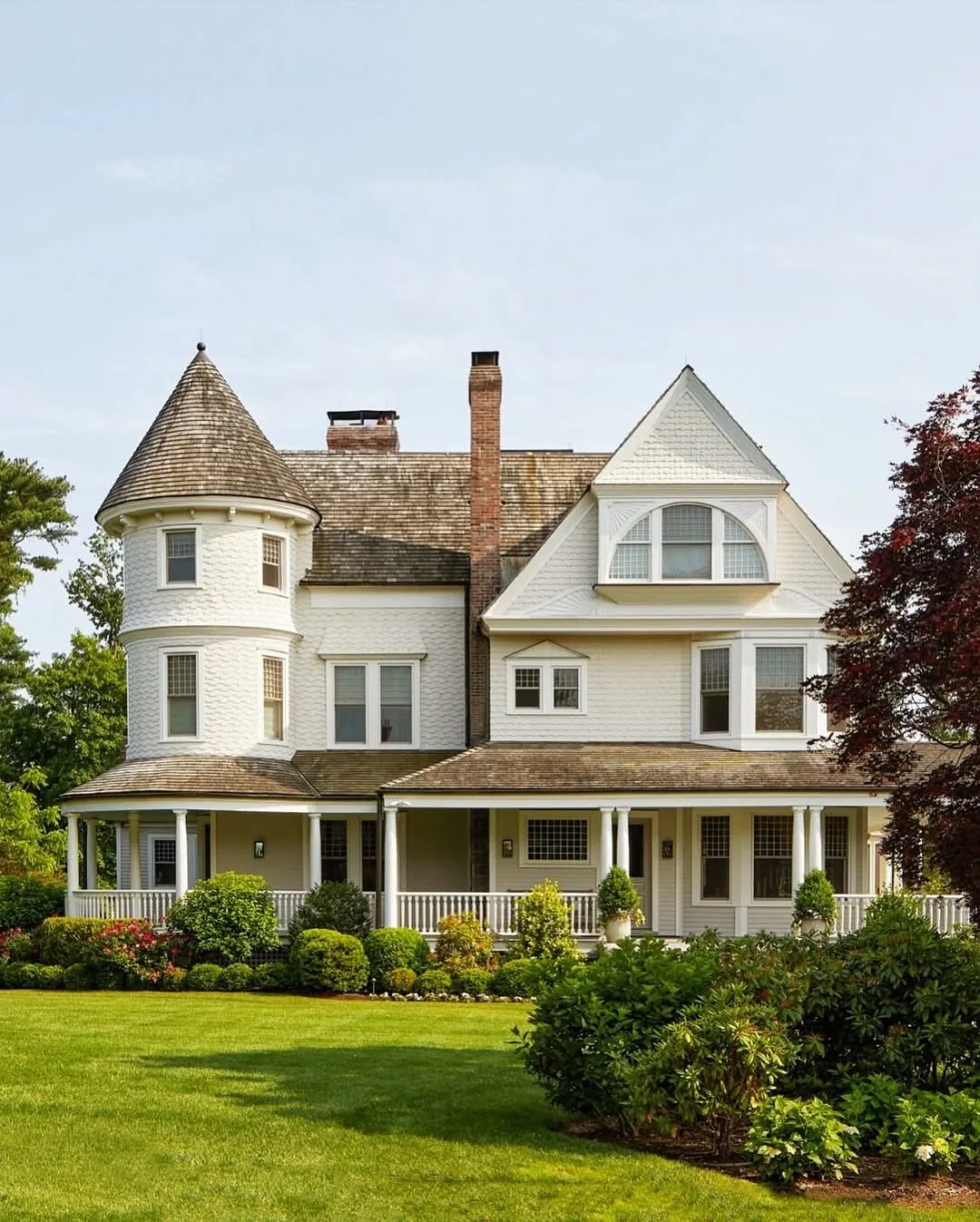
Wrap the porch, then furnish its bays
A wraparound porch gives your Victorian its gracious stride, and you’ll furnish it in zones rather than scattering chairs. One bay for conversation, one for dining, one left deliberately empty so the architecture breathes. Each bay gets its own small rug and light, which you’ll wire before you paint.
Keep railings and ceilings consistent around the whole wrap. You’ll paint every bay’s trim identically so the porch reads as one gesture from the street. For how deep porches shade pale walls and what that means for your whites, see our dark shingle house ideas on light and shadow. Consistency lets length impress instead of sprawl.
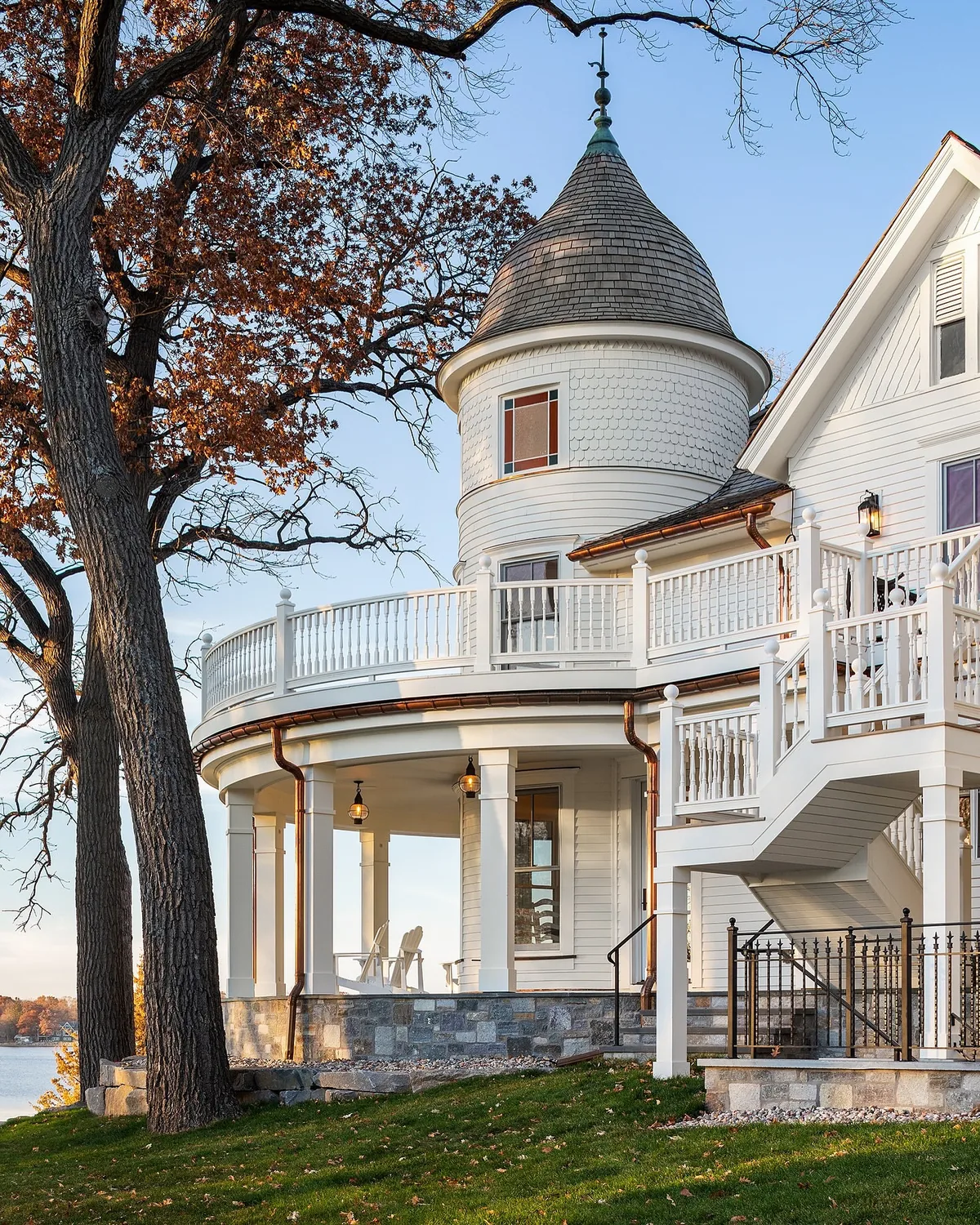
Plant hydrangeas at Victorian scale
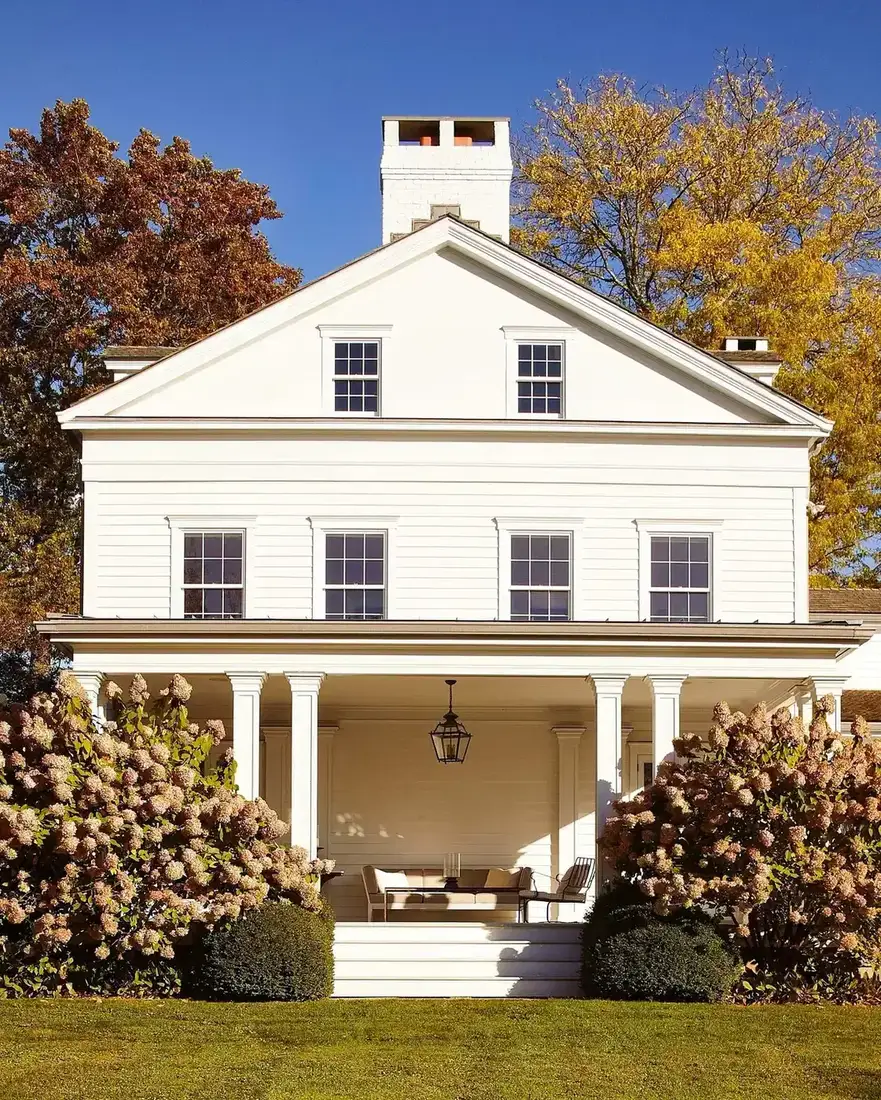
Fussy small bedding disappears against tall Victorian facades, so you’ll plant in drifts big enough to argue back. Hydrangeas suit the era, bloom for months and scale their mop heads to your tall windows. You’ll mass them in odd groups along the foundation and let them billow.
Keep every shrub off your siding for air and paint access. You’ll mulch the gap and edge it crisply so the bed reads intentional. For more planting that meets old houses on their own terms, browse the rest of our home exterior guides. Big house, big drifts, breathing room behind them all.
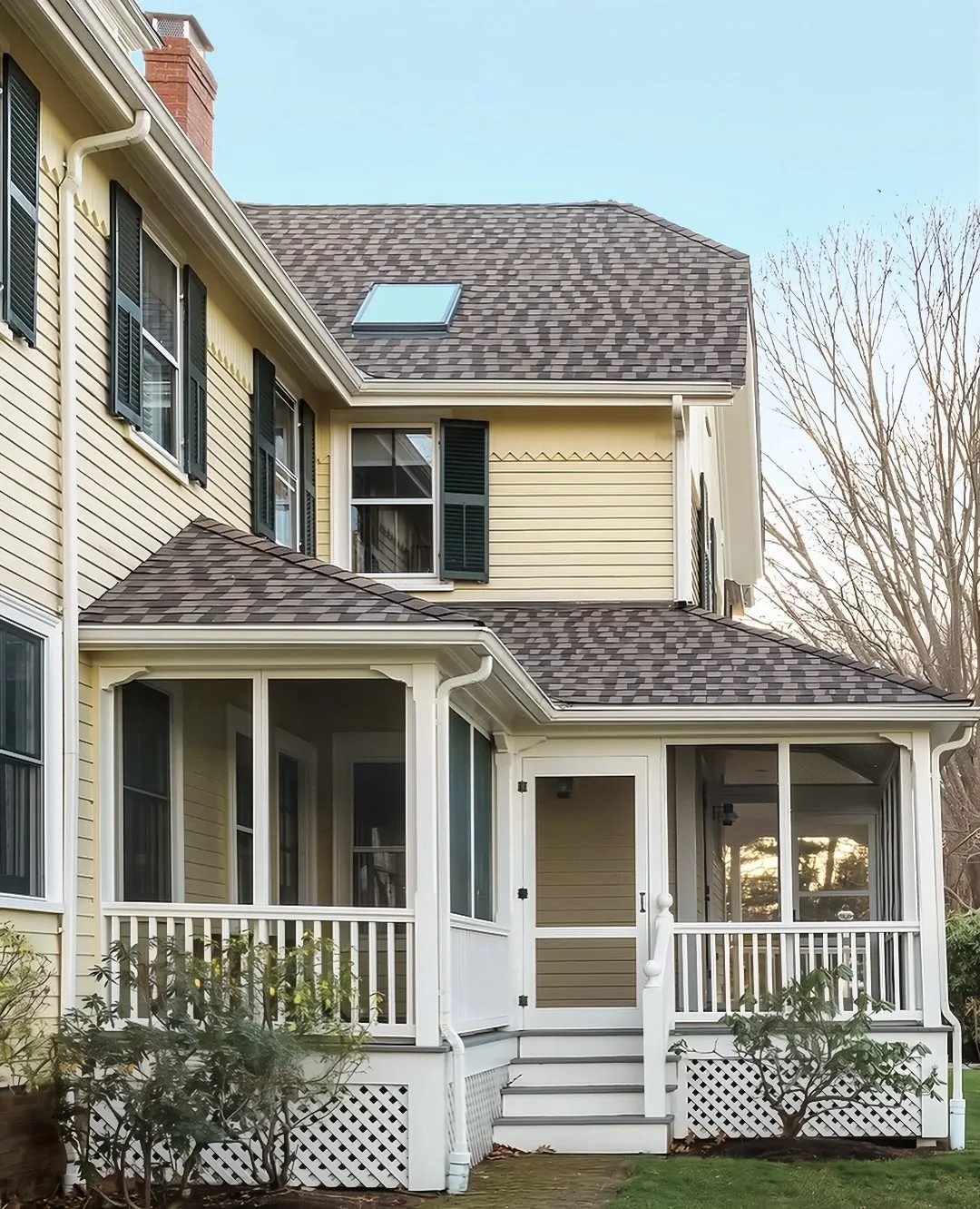
Commit to yellow or don’t touch it
Yellow Victorians stop traffic when the yellow has depth and embarrass everyone when it’s thin. You’ll choose a rich gold or mustard with brown hiding inside, never a pale lemon that washes to primer in sun. Deep yellow carries white trim crisply and takes green shutters beautifully.
Test it on the sunniest gable because yellow shifts hardest in full light. You’ll live with the sample a full week and judge it at noon, when weak yellows surrender. A committed yellow makes your house the landmark of its street. A timid one makes it the house being renovated forever.
Body, trim and sash at a glance
| Body | Trim | Sash and accents | |
|---|---|---|---|
| Share | About sixty percent | About twenty percent | The rest |
| Job | Distance color | Skeleton that unifies | Focus and jewelry |
| Value | Mid-tone, confident | Contrasting, quieter | Darkest tones |
| Test wall | Shaded side | Across-the-street squint | First finished window |
| Mistake | Pale wash flattens detail | Two trims chop the house | Striping every muntin |
| Verdict | Pick one and commit | One color everywhere | Dark, few, placed |
The Victorian Paint Formula
If you strip all eleven ideas down to a plan, it reads like this:
- Body first, sixty percent. Mid-tone and confident, tested on the shaded side.
- One trim everywhere. Fascia to porch posts, single unifying color.
- Sash darkest. Deep tones frame glass and hide wear.
- Dark grounds the bottom. Foundation, floor and treads in one dark decision.
- Accents on brackets only. Brightest colors where shadows already live.
- Stop at six. The seventh color adds choppiness, never charm.
Get those six right and your gingerbread reads crisp instead of busy. You’ll own the Painted Lady look at half the paint bill.
Frequently Asked Questions
How many colors should a Victorian house have?
Three at minimum and six at maximum. Body, trim and sash cover modest Folk Victorians, while Queen Anne facades add accent, porch floor and door colors. You’ll place each by hierarchy rather than favorites. Every color past six makes the house busier without making it prettier.
What is the best body color for a Victorian?
A confident mid-tone your trim can stand against: deep blue, sage green, warm gold or rich red. Pale washes flatten gingerbread because trim has nothing to contrast. You’ll test on the shaded side and choose deeper than the chip suggests, since paint reads brighter outside.
Should window sash be dark or light?
Dark. Deep green, oxblood or near-black sash frames each window like spectacles and hides wear where weather hits hardest. You’ll keep sash and muntins one color for crisp definition. Light sash dissolves openings into the trim and wastes your best chance at focus.
What color should I paint my porch floor?
Give it a dedicated dark shade: charcoal, warm brown or slate. Your porch floor is the largest surface visitors stand on, so leftovers cheapen it. You’ll extend the color up the treads and keep a labeled quart for yearly touch-ups where feet punish it most.
Can I paint my Victorian all white?
Yes with discipline. Soft creamy white, meticulous prep and one dark accent like a green door or black sash keep white crisp instead of glaring. You’ll caulk and sand thoroughly because white exposes every flaw. Stark blue-white glares at noon, so choose warmth.
How do I maintain a seaside Victorian?
You’ll wash salt off yearly, inspect shaded walls for mildew and repaint sun-struck trim sooner than inland houses. Salt air punishes ordinary steel, so specify stainless or well-coated hardware and keep dissimilar metals apart. Schedule maintenance by exposure, not by calendar alone.
This article may contain affiliate links. We may earn a commission at no extra cost to you.